Artwork
Mrs. Abijah Cheever (Elizabeth Scott)
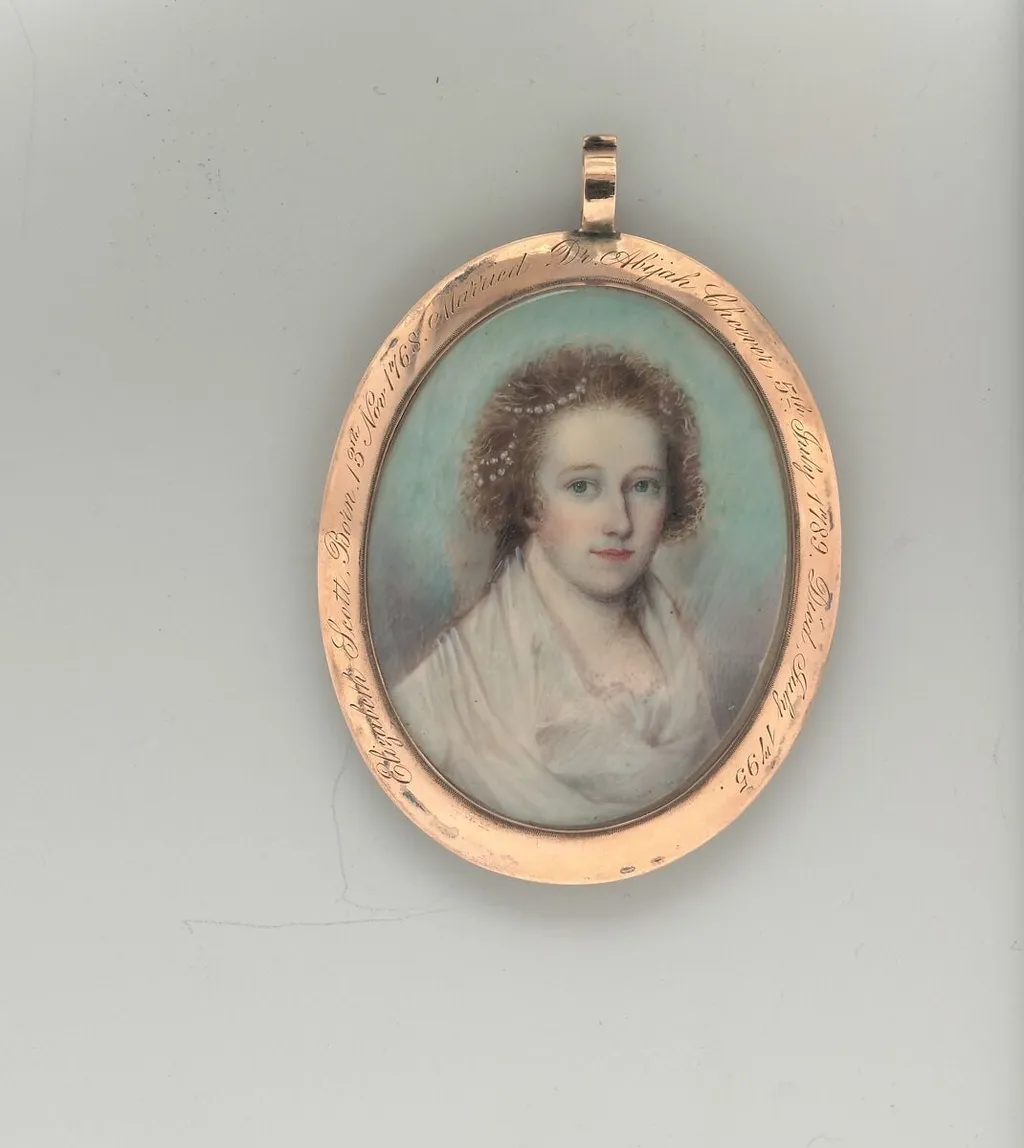
Mrs. Abijah Cheever (Elizabeth Scott) is a watercolor painting by the American Folk Art artist Nathaniel Hancock. It dates from 1795 and is held in the collection of the Metropolitan Museum of Art. This watercolor on ivory depicts Mrs.
About this work
A woman in a high-necked dress looks straight out, her hair piled softly beneath a sheer cap, tiny pearls dotting her collar. Nathaniel Hancock painted this miniature in 1795 in watercolor on ivory so thin it is nearly translucent, layering colors like stained glass to give the skin life. Small enough to hold in the palm, such miniatures were keepsakes meant to be kept close.
Subject & Meaning
The sitter wears a fichu and pearls with a pendant, elements of contemporary feminine dress that also carry symbolic weight in mourning jewelry.
This portrait miniature depicts Elizabeth Scott, Mrs. Abijah Cheever, in a format that suggests a memorial function. The sitter wears a fichu and pearls with a pendant, elements of contemporary feminine dress that also carry symbolic weight in mourning jewelry. The inscription and reference to an engraving process denote the durable commemoration of the deceased.
The depiction of an adult woman and the Wikidata classification of death as the main subject indicate the work likely served as a posthumous remembrance, typical of late-18th-century American mourning portraits, where the miniature format on ivory emphasized intimate, personal memory.
Technique & Style
Executed in watercolor on ivory, a typical support for portrait miniatures of the period, this 1795 work by Nathaniel Hancock measures 5 by 3.8 centimeters. The fine handling required by the ivory support and watercolor medium allows for delicate rendering of the sitter's features and attire, including a fichu, pearl necklace, and pendant. The miniature format and precise brushwork reflect the conventions of late-18th-century American portrait miniatures. No condition issues are noted in available sources.
Overview
This watercolor on ivory depicts Mrs. Abijah Cheever, also known as Elizabeth Scott. As a miniature, the portrait is small enough to be held in the hand, serving as a personal memento rather than a large-scale display piece. It represents a common form of intimate portraiture popular during its era, distinct from the more prevalent oil on canvas works.
Context
While most formal portraits of the period were rendered in oil on canvas and intended for public display, miniatures offered a more private and portable alternative. These small-scale works were designed to be held close and viewed intimately, reflecting a different social function for portraiture. They served as personal tokens, contrasting with the larger, more public statements of identity found in full-sized paintings.
Artist & collection

Artist
Nathaniel Hancock's origins and training remain obscure, but his presence as a painter first surfaces in Boston newspaper advertisements from December 1789, when he announced his return to the city and opened a studio…

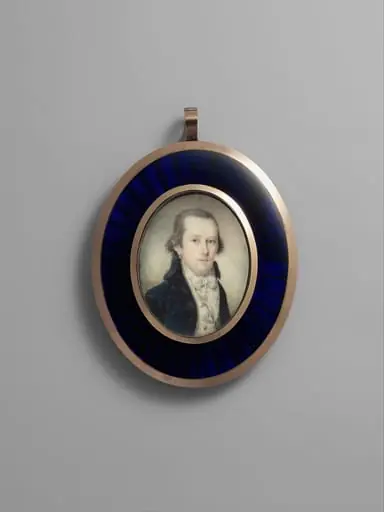
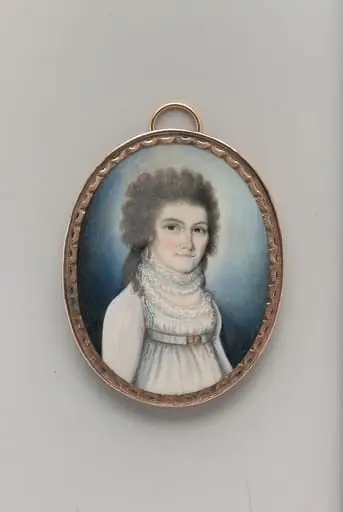 Clarissa Storrs
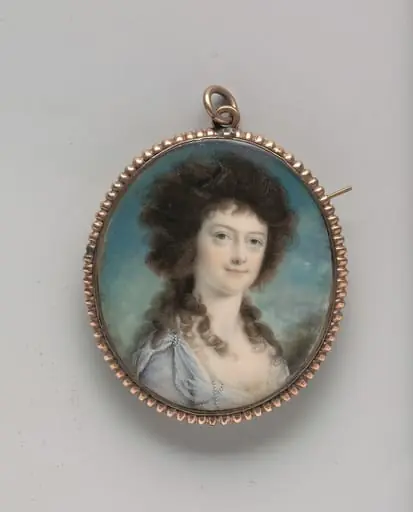 Mrs. James Bleecker (Elizabeth Garland Bache)
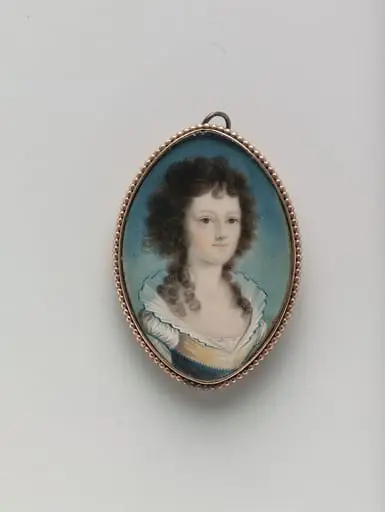 Mrs. James Bleecker (Sarah Bache)
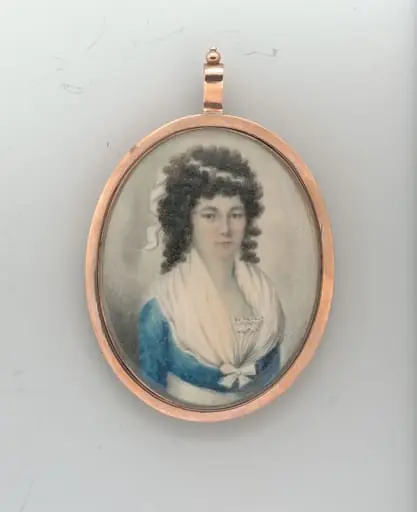 Portrait of a Lady
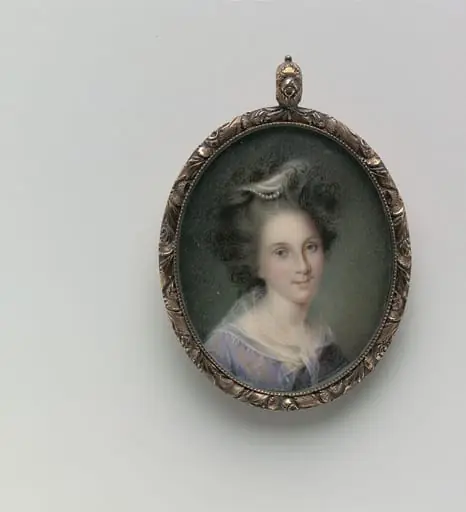 Mrs. Charles Willson Peale (Rachel Brewer)
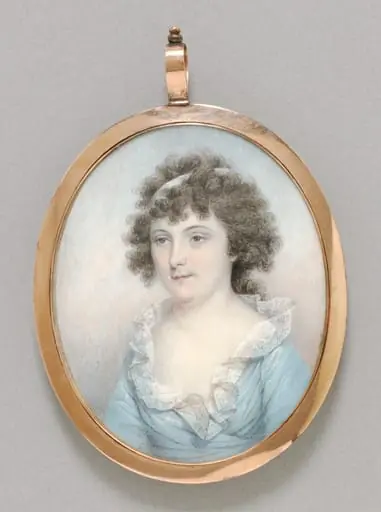 Portrait of Susan Coren Towers
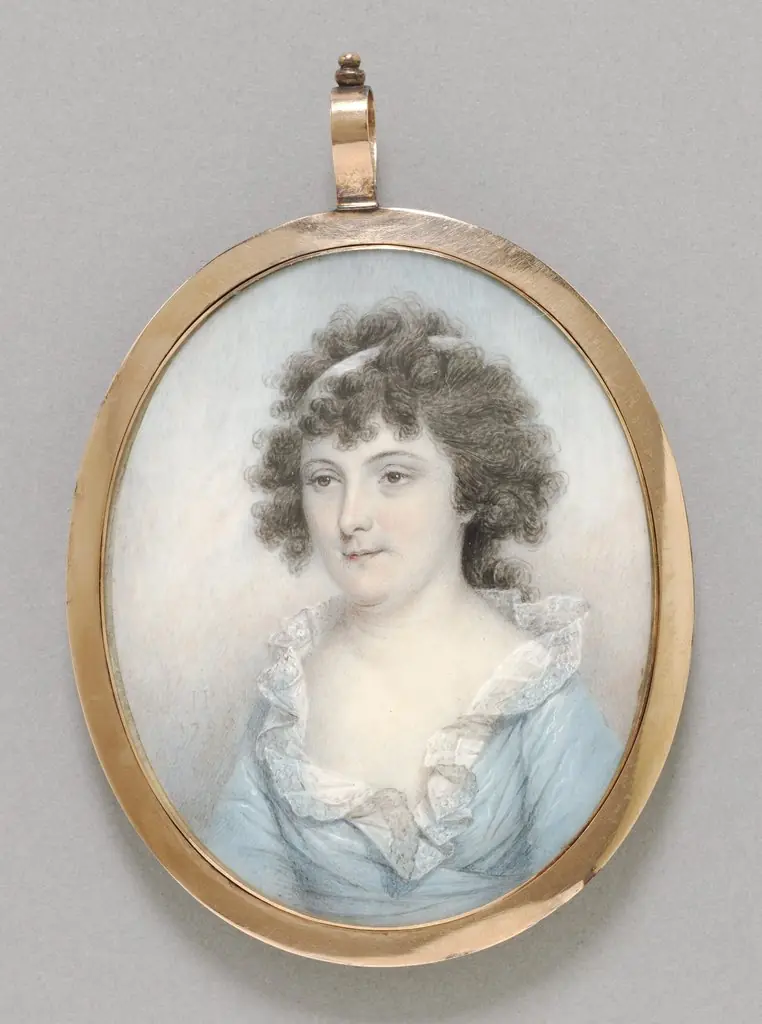 Portrait of Susan Coren Towers
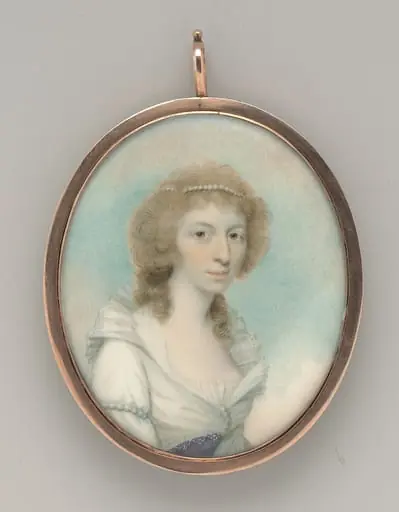 Mrs. Gabriel Manigault (Margaret Izard)
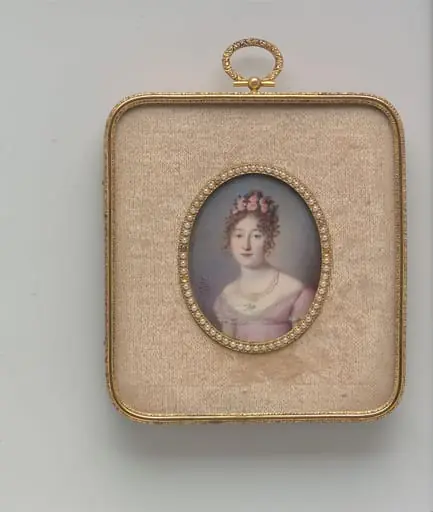 Portrait of a Lady
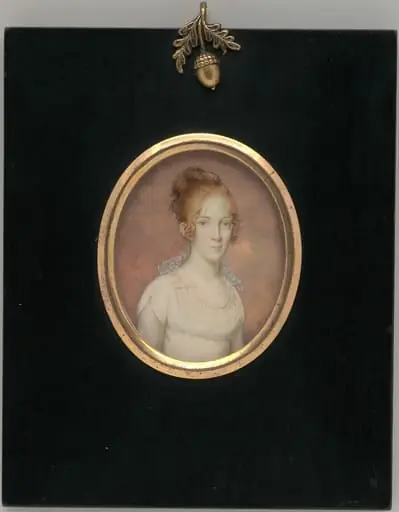 Mrs. Nathaniel Bowen (Margaret Blake)
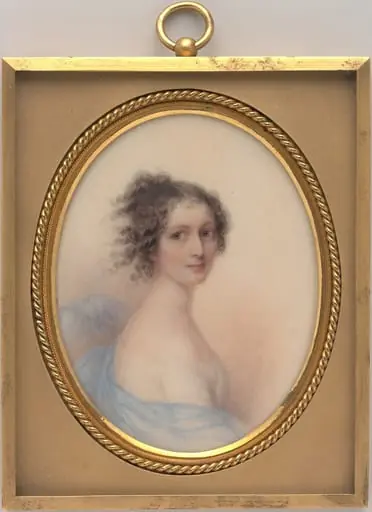 Rebecca Wetherill
- Mrs. John A. Brown (Grace Brown)