Artwork
Mrs. James Bleecker (Elizabeth Garland Bache)
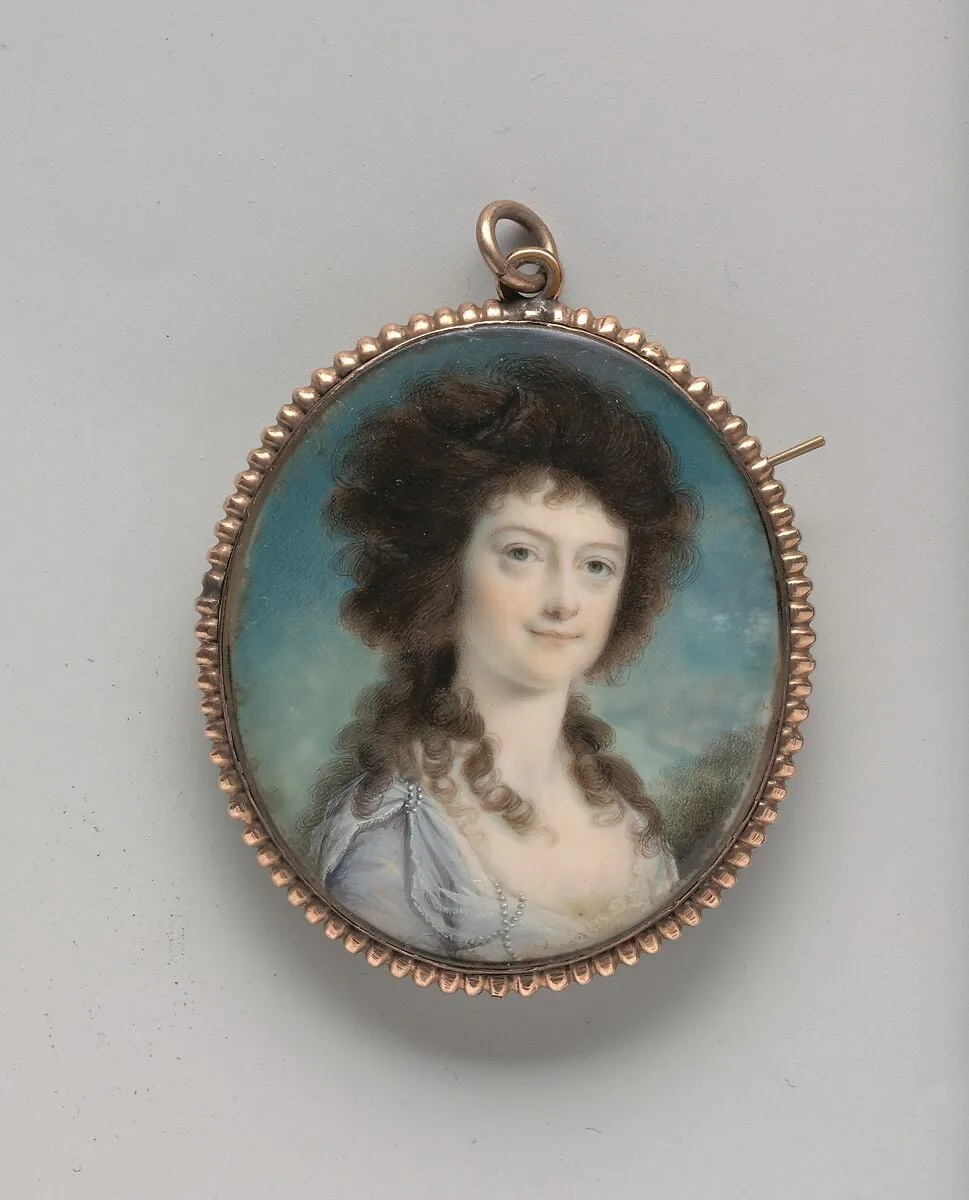
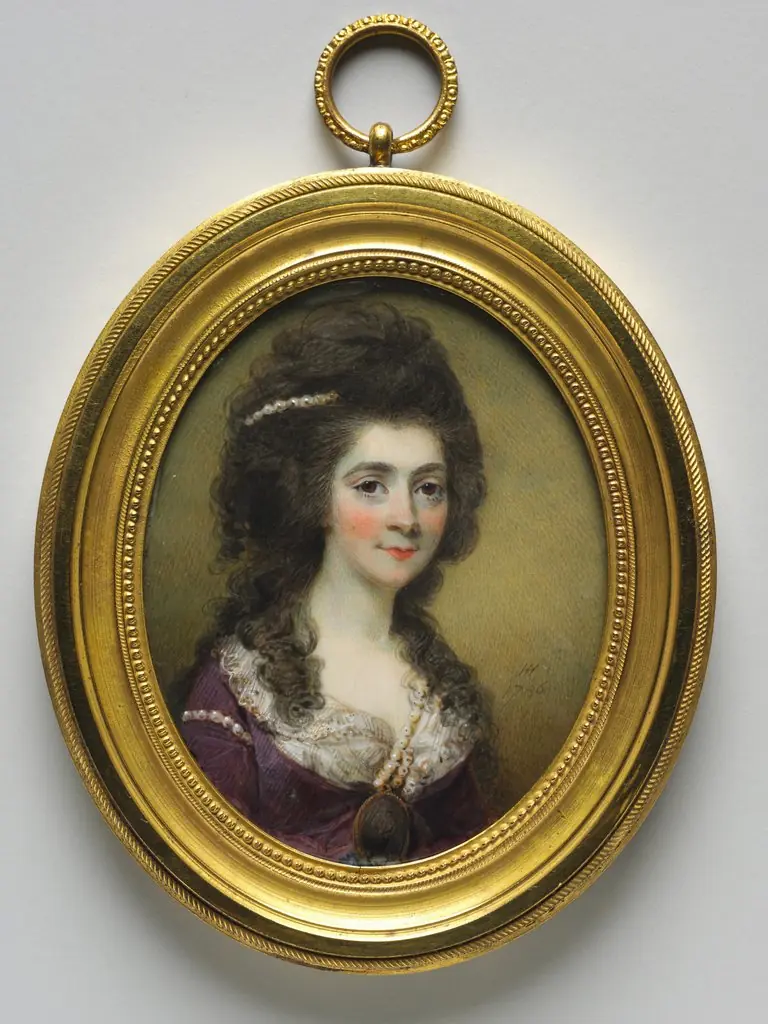
Mrs. James Bleecker (Elizabeth Garland Bache) is a watercolor painting by the Rococo painting artist John Ramage. It dates from 1788 and is held in the collection of the Metropolitan Museum of Art. This miniature portrait, depicting Elizabeth Garland Bache (Mrs.
- Accession no.
- 2002.476.2
- Credit line
- Gift of James and Genevieve Bleecker, 2002
About this work
Subject & Meaning
Executed in watercolor on ivory in 1788 by John Ramage, the work is classified as a portrait within the American Wing of the Metropolitan Museum of Art.
The painting portrays Elizabeth Garland Bache, wife of James Bleecker, in a conventional 18th-century portrait format. Executed in watercolor on ivory in 1788 by John Ramage, the work is classified as a portrait within the American Wing of the Metropolitan Museum of Art. Its subject, a woman rendered in modest attire, functions as a visual record of her familial and social standing, consistent with the genre's purpose of documenting elite individuals. The composition reflects contemporary expectations of femininity and respectability.
Technique & Style
The portrait was executed in 1788 by John Ramage using watercolor on a thin ivory support, a format typical for delicate 18th-century American portrait miniatures. The work measures approximately 4.8 by 4.1 centimeters and is housed in the Metropolitan Museum of Art's American Wing. Ramage's technique features fine brushwork and a restrained palette that emphasizes the sitter's soft features and modest attire.
The composition presents Elizabeth Garland Bache, wife of James Bleecker, in a dignified yet intimate manner, with subtle detailing of fabric and posture.
History & Provenance
The miniature portrait Mrs. James Bleecker (Elizabeth Garland Bache) by John Ramage is dated 1788, aligning with Ramage's documented activity in New York during the late 18th century. The sitter, Elizabeth Garland Bache, was the wife of James Bleecker. The work was created in watercolor on ivory, a medium Ramage favored for portrait miniatures of the period.
It is held in the collection of the Metropolitan Museum of Art, where it is classified within The American Wing. The museum's records consulted here do not include a separate accession number or a documented exhibition history for the work.
Context
The watercolor portrait of Elizabeth Garland Bache, painted by John Ramage in 1788, is housed in the Metropolitan Museum of Art's American Wing. Executed on ivory and categorized as a portrait, the work exemplifies early American portrait-miniature painting. Its documented dimensions (4.8 × 4.1 cm) and material, watercolor on ivory, provide concrete details for the study of 18th-century miniature technique and the artist's output.
Legacy
The portrait of Mrs. James Bleecker, painted by John Ramage in 1788, entered the Metropolitan Museum of Art's American Wing, where it is studied as a representative example of early American portraiture. Its inclusion in the museum's collection has allowed scholars to examine the stylistic conventions of post-Revolutionary elite women's representation and to trace Ramage's influence on subsequent portraitists. The work's documented provenance and material characteristics have contributed to scholarly catalogues of American watercolors, reinforcing its reputation as a key piece for understanding gender and status in the new republic.
Overview
This miniature portrait, depicting Elizabeth Garland Bache (Mrs. James Bleecker), was executed by the Irish-American artist John Ramage around 1788. Rendered in watercolor on ivory, it represents a characteristic example of the Rococo style prevalent in small-scale portraiture of the late eighteenth century. The artwork is part of a tradition of intimate personal portraits.
Artist & collection

Artist
John Ramage (1748 – 24 October 1802) was an Irish American artist, goldsmith, patroller, and second lieutenant.

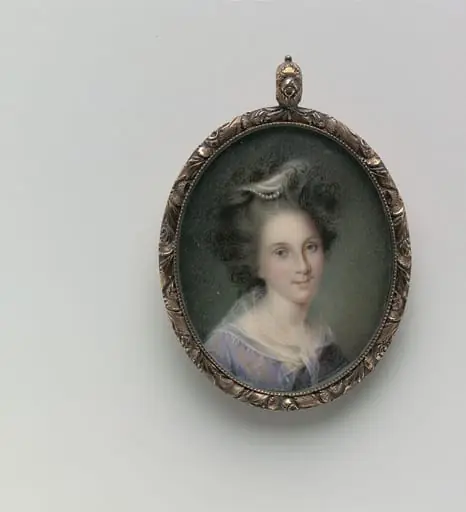 Mrs. Charles Willson Peale (Rachel Brewer)
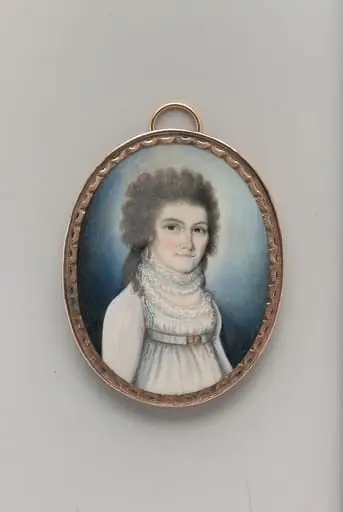 Clarissa Storrs
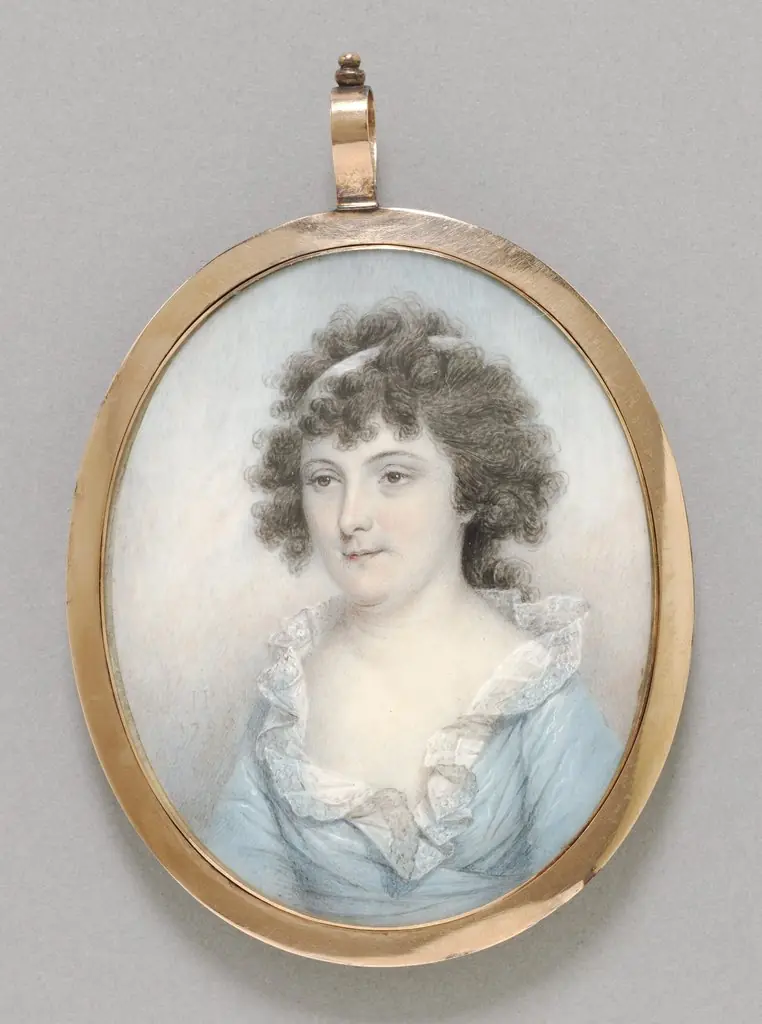 Portrait of Susan Coren Towers
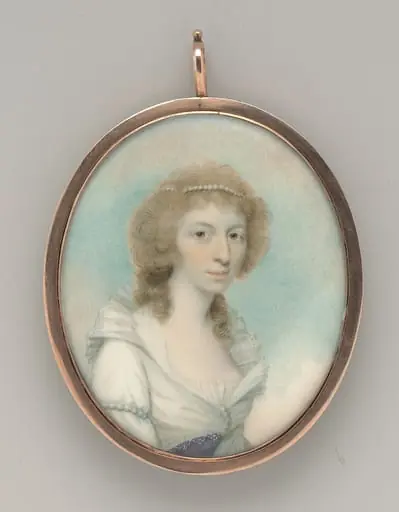 Mrs. Gabriel Manigault (Margaret Izard)
 Portrait of Mary Frances (Fanny) Swinburne
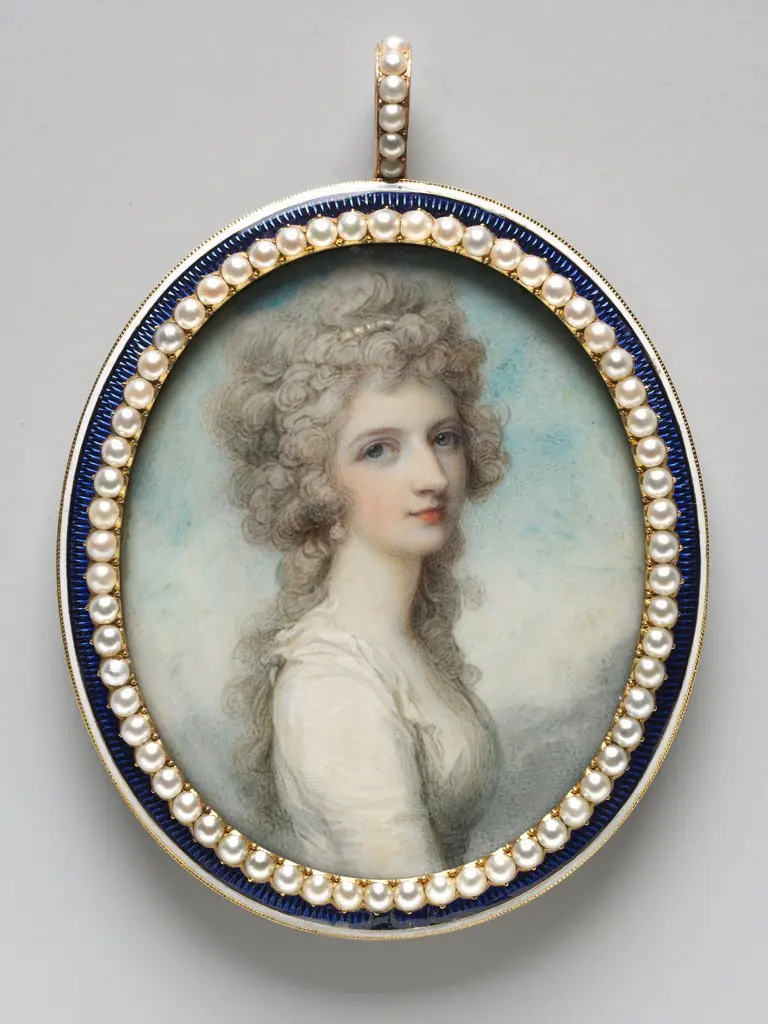 Portrait of Mary Frances (Fanny) Swinburne
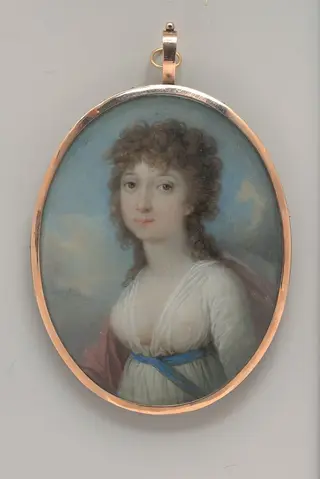 Portrait of a Lady
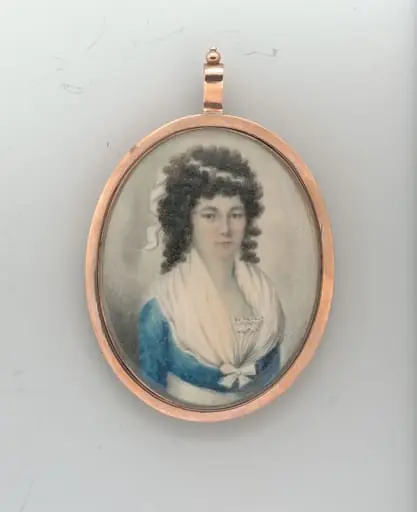 Portrait of a Lady
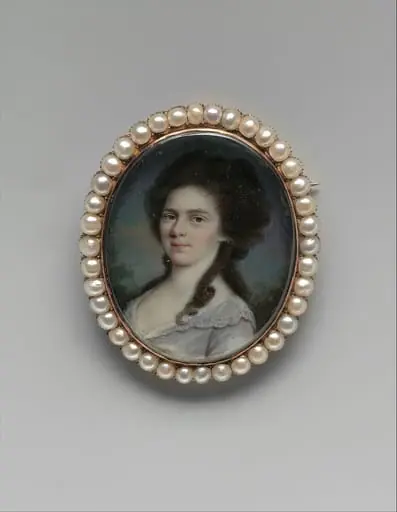 Mrs. William Few (Catherine Nicholson)
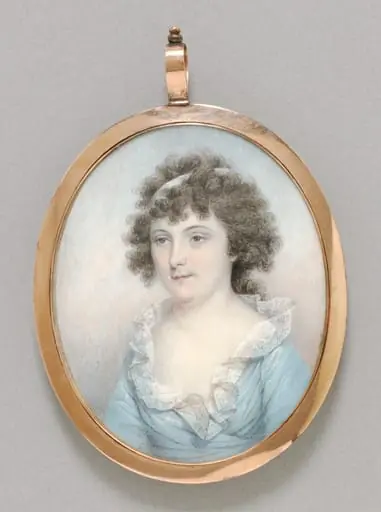 Portrait of Susan Coren Towers
 Portrait of a Woman, called Mrs. Close
- Mrs. James Bleecker (Sarah Bache)