Artwork
Robert Macomb
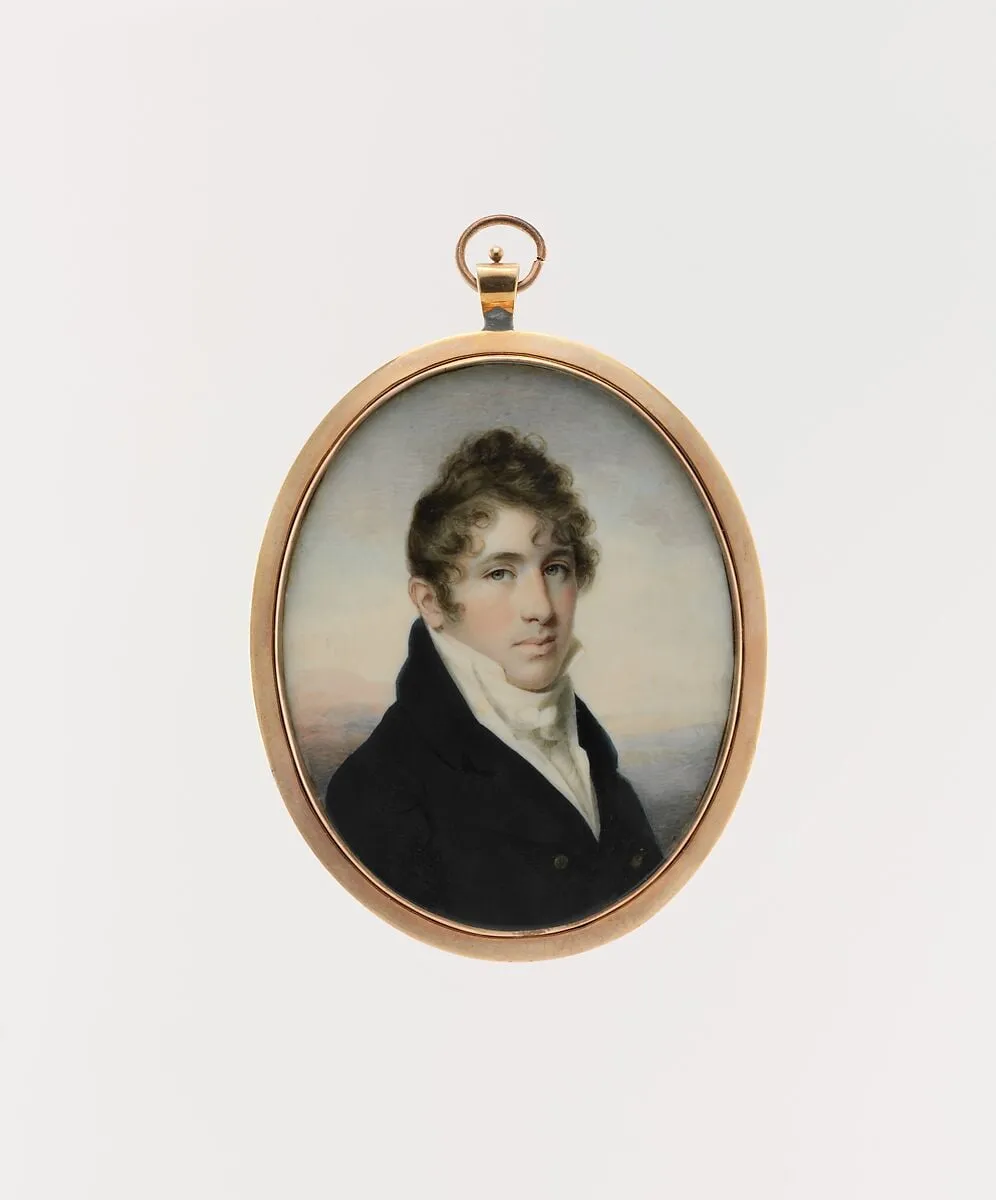
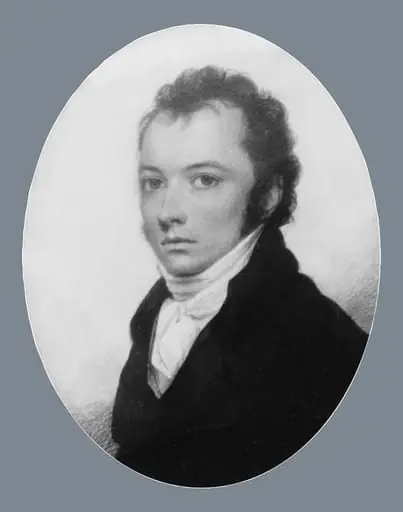
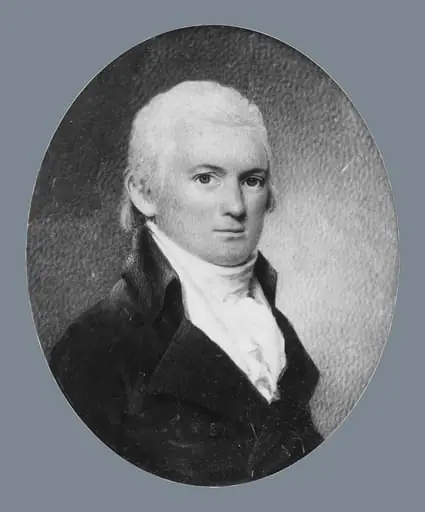
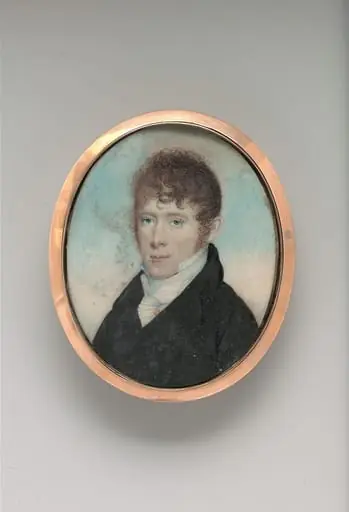
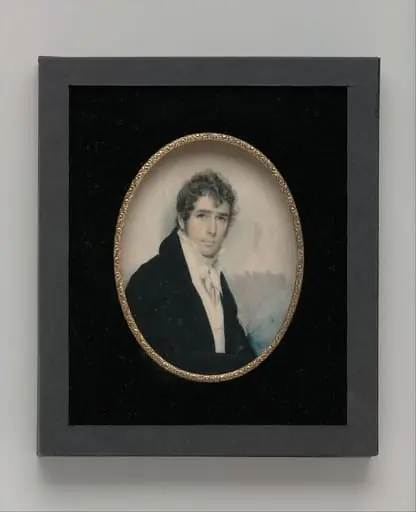
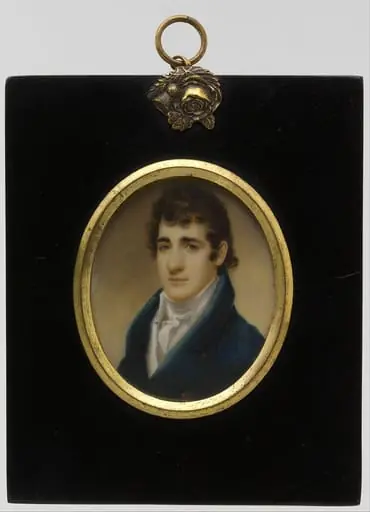
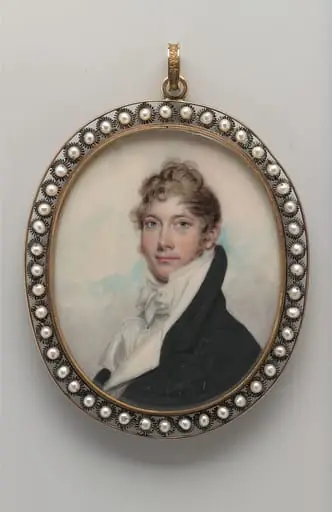
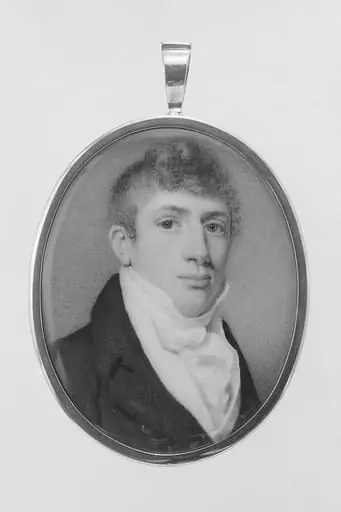
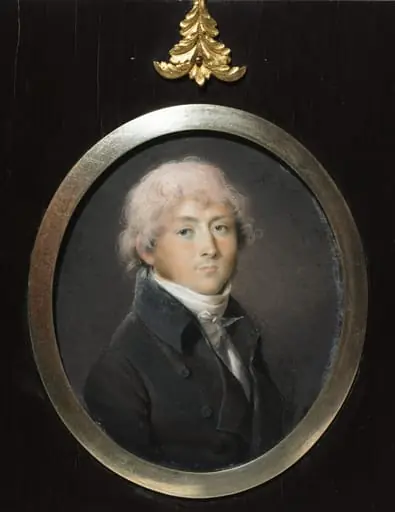
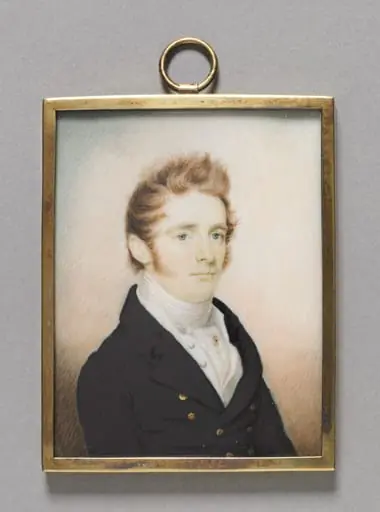
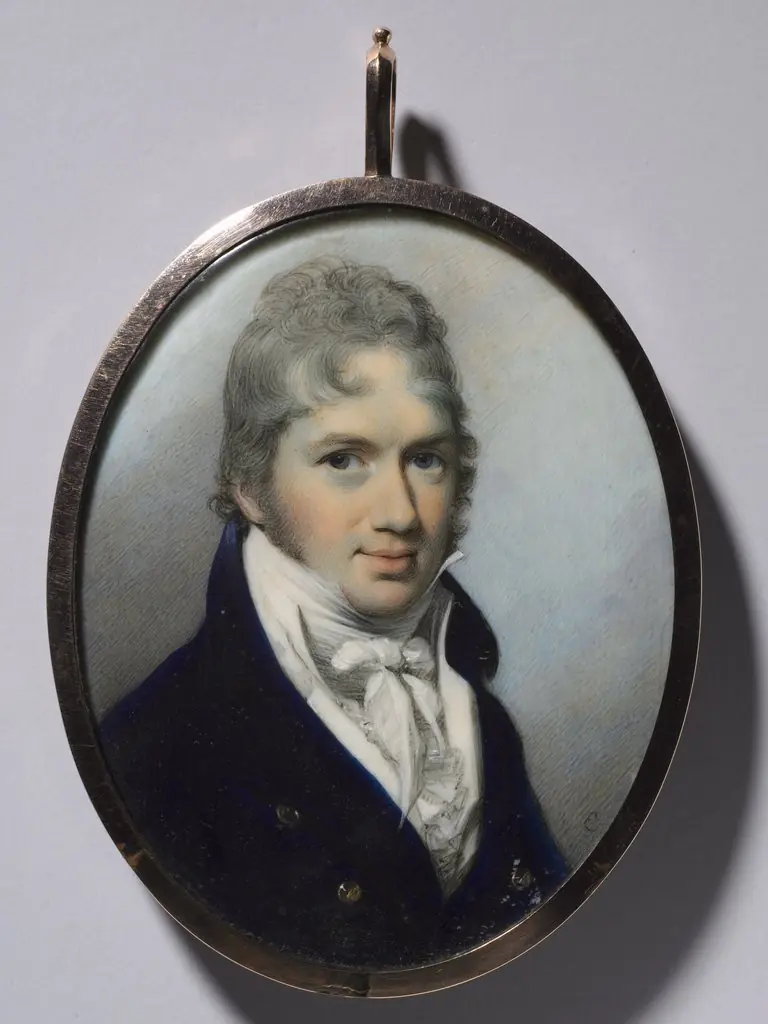
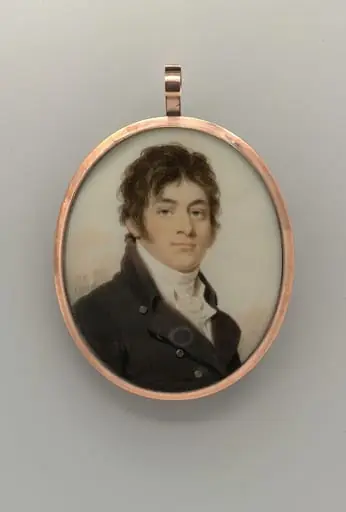
Robert Macomb is a watercolor painting by the American Folk Art artist Edward Greene Malbone. It dates from 1806 and is held in the collection of the Metropolitan Museum of Art.
About this work
Subject & Meaning
Created by Edward Greene Malbone in 1806, the piece functions primarily as a likeness of its specific sitter rather than a complex allegorical composition.
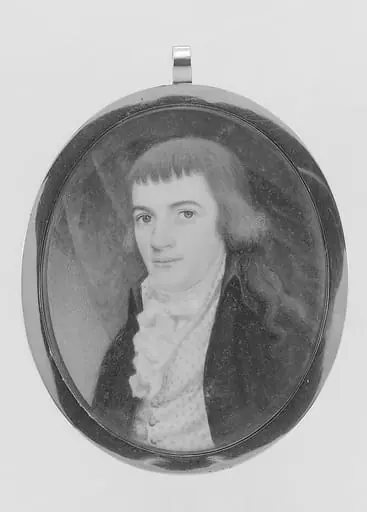
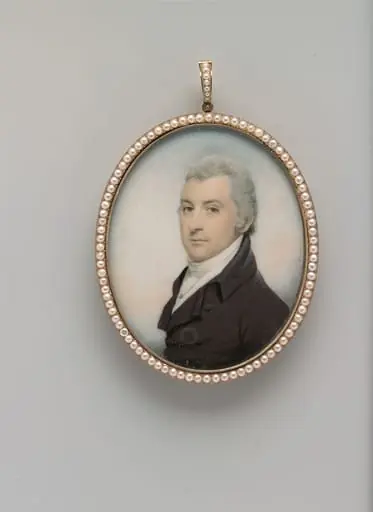
The artwork depicts Robert Macomb, a man, presented as a formal portrait. Created by Edward Greene Malbone in 1806, the piece functions primarily as a likeness of its specific sitter rather than a complex allegorical composition. The subject is identified solely as Robert Macomb, with the work classified within the genre of portraiture.
There is no indication in the available records of additional symbolic elements, iconographic narratives, or deeper metaphorical meanings beyond the representation of the individual. The painting serves to document the physical appearance of Macomb, capturing his image in a watercolor medium on ivory. The focus remains entirely on the human subject, establishing the work's meaning as a commemorative record of the man himself.
Technique & Style
Executed in 1806, the miniature is rendered in watercolor on ivory, a support and medium combination characteristic of small-scale portrait practice in the early nineteenth century. The work is held in the Metropolitan Museum of Art's American Wing and classified as a portrait. Its dimensions are modest, measuring 9.5 in height by 7.6 in width, consistent with the intimate scale of a portrait miniature designed for close viewing.
The medium of watercolor on ivory permitted fine, translucent handling suited to delicate facial features and subtle skin tones, hallmarks of Edward Greene Malbone's refined miniaturist technique.
History & Provenance
The portrait of Robert Macomb was created in 1806 by the American artist Edward Greene Malbone. Executed as a watercolor on ivory, the work measures 9.5 by 7.6 inches and is classified within the genre of portraiture. While the specific commission details and initial ownership chain are not recorded in the available documentation, the piece is currently held in the collection of the Metropolitan Museum of Art.
The artwork depicts Robert Macomb, a man, and is cataloged within the museum's American Wing. No further information regarding its provenance prior to its acquisition by the Met or the circumstances of its original commission is provided in the source records.
Legacy
The 1806 watercolor portrait of Robert Macomb by Edward Greene Malbone is housed in the Metropolitan Museum of Art’s American Wing, where it is studied as an exemplar of early American portraiture. Its inclusion in the museum’s collection and frequent citation in scholarly references such as Wikidata underscore its recognized significance within the canon of early American art. The work’s provenance, dimensions, and genre are documented in both the museum’s catalogue entry and Wikidata, reinforcing its reputation as a notable example of portrait painting from the period.
Consequently, the piece contributes to the historical narrative of American portraiture and informs contemporary understanding of the nation’s early artistic heritage.
Overview
Painted in 1806 by Edward Greene Malbone, the American master of the miniature portrait, this work depicts Robert Macomb in a three-quarter view against a neutral, dark background. Executed in watercolor on ivory, the piece utilizes the translucent quality of the substrate to create a luminous effect, allowing light to reflect through the pigment and simulate the warmth of living skin. Macomb is portrayed wearing a dark coat with a high collar, his gaze directed steadily at the viewer.
Malbone employs minute, precise brushstrokes to render facial details, including the subtle modeling of the cheeks, the texture of the lips, and the faint stubble on the chin. Created during the height of Malbone's career, shortly before his untimely death in 1807, this miniature exemplifies the artist's technical virtuosity and his role in elevating the American portrait miniature to a high art form. The work functions as an intimate object of memory, designed to be held in the hand or worn as a personal keepsake, reflecting the period's conventions for commemorative portraiture among the American elite.
Artist & collection

Artist
Edward Greene Malbone (1777 – May 7, 1807) was an American painter, and the most sought-after miniaturist of his day.