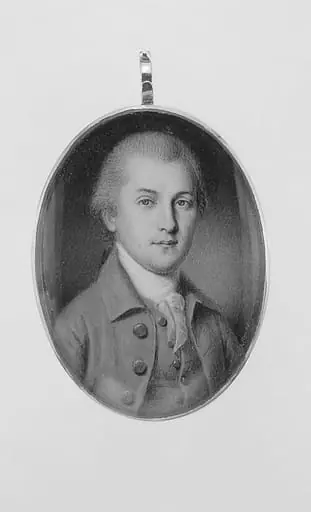
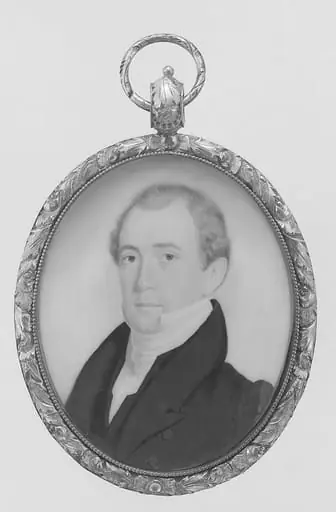
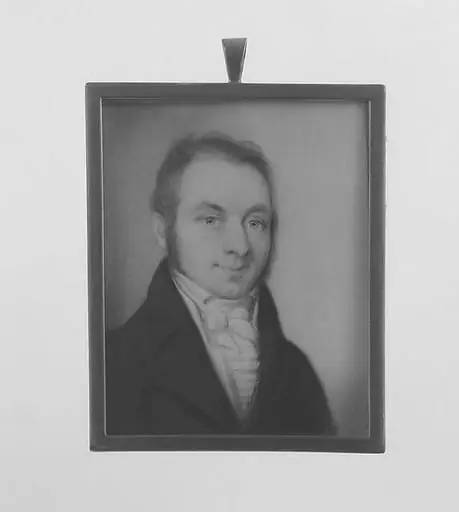
Artwork
L. B. Walker
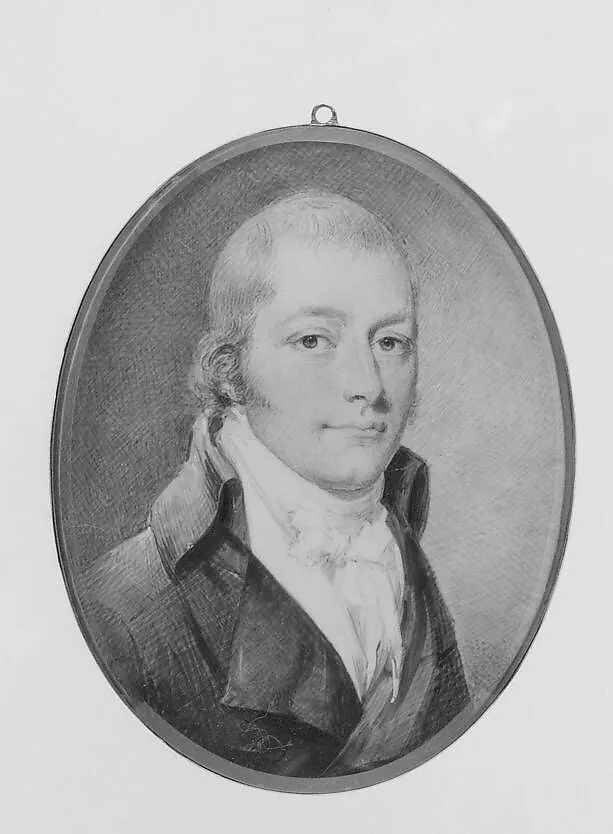
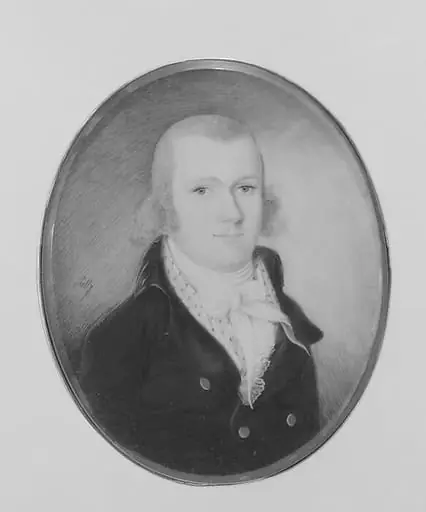
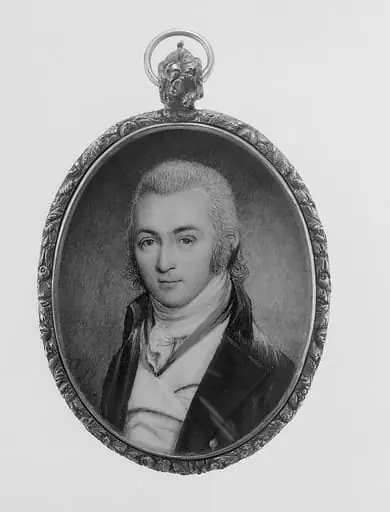
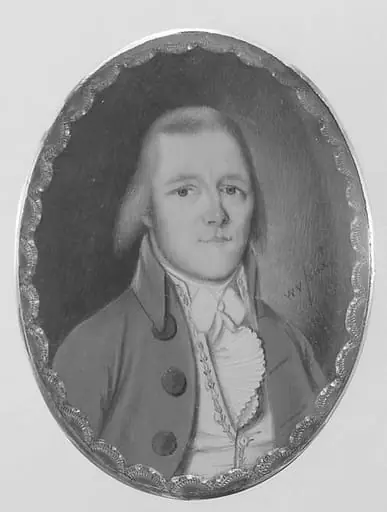
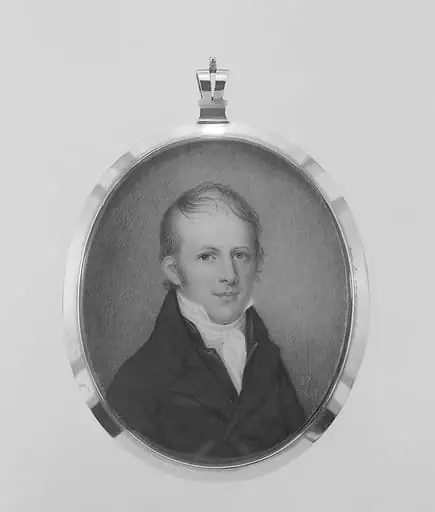
L. B. Walker is a watercolor painting by the Rococo painting artist Edward Miles. It dates from 1790 and is held in the collection of the Metropolitan Museum of Art.
About this work
Technique & Style
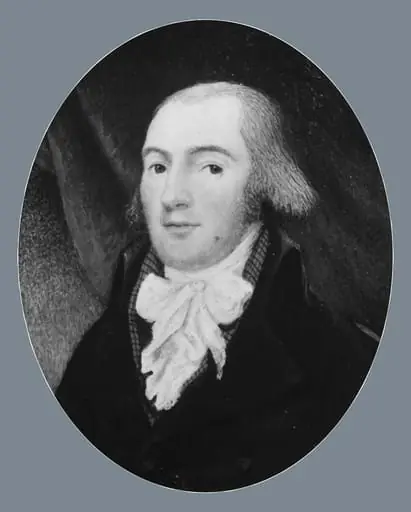
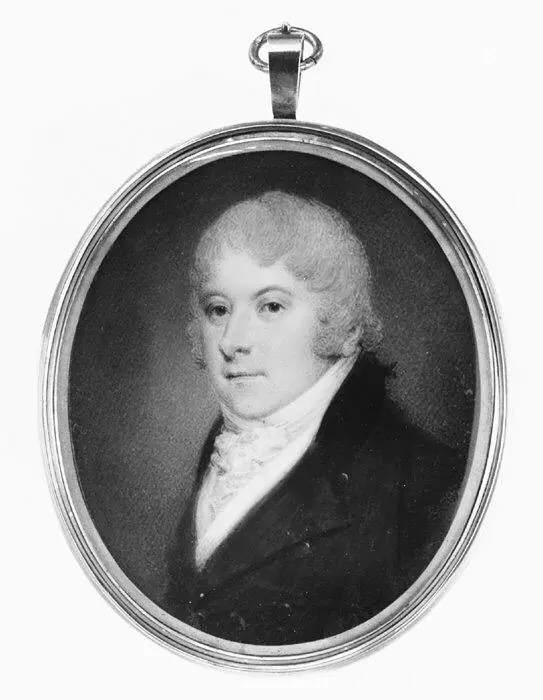
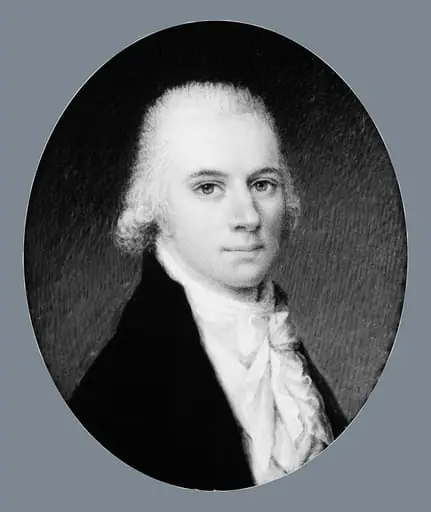
The composition is a portrait of a man, rendered with the fine detail and polished finish associated with late eighteenth-century miniature practice.
L. B. Walker is executed in watercolor on ivory, a miniature portrait technique well suited to the work's small format. The support measures approximately 7.2 by 5.5 centimeters, consistent with the intimate scale typical of ivories carried or kept as personal likenesses. The medium allowed for the delicate handling of features and the smooth, luminous surface characteristic of watercolor washes applied to an ivory ground, which provides a warm, reflective backing beneath translucent pigment.
The composition is a portrait of a man, rendered with the fine detail and polished finish associated with late eighteenth-century miniature practice. The piece resides in The American Wing of the Metropolitan Museum of Art, where its small dimensions and fragile ivory support are accommodated within the collection's holdings of period portraiture.
History & Provenance
The work titled L. B. Walker, a portrait depicting a man, was created in 1790. It is executed in watercolor on ivory and measures 7.2 cm in height by 5.5 cm in width. Originally attributed to the artist Edward Miles, the piece is currently held in the collection of the Metropolitan Museum of Art within its American Wing.
While the specific commission details and the full chain of ownership prior to its acquisition by the museum are not detailed in the provided records, the work's inception is firmly dated to 1790. The attribution to Edward Miles is noted as a former attribution, indicating a later re-evaluation of authorship.
Overview
Edward Miles, an English artist, painted this watercolor on ivory miniature titled L. B. Walker in 1790. The portrait captures a man with a calm demeanor, reflecting the Rococo aesthetic prevalent at the time. This work represents an early phase in Miles's career, preceding his later recognition by European royal courts.
Subject & Meaning
The miniature presents a man in a dark coat, his gaze directed forward, with his features softly illuminated. A simple brown background ensures that attention remains on his composed expression. Such intimate portraits were highly valued during the 18th and 19th centuries as personal keepsakes, serving a role similar to photographs before their invention.
Artist & collection
Artist
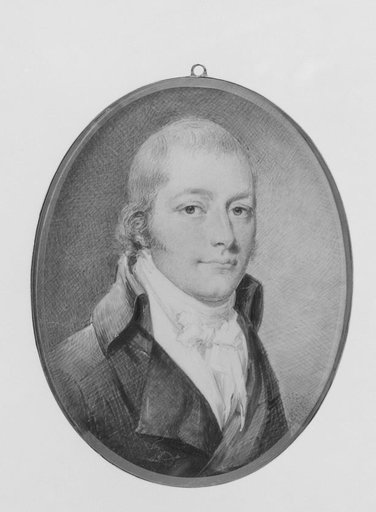
Edward Miles (14 October 1752 – 7 March 1828) was an English miniature painter from Yarmouth.