Artwork
Portrait of a Gentleman
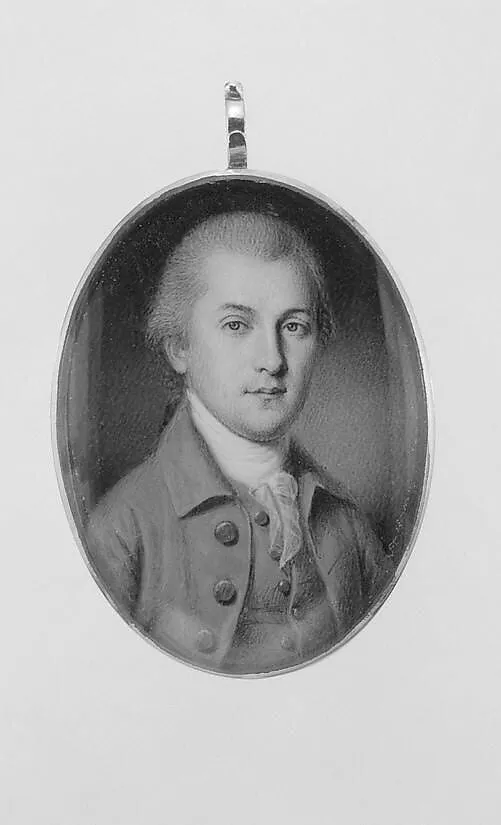
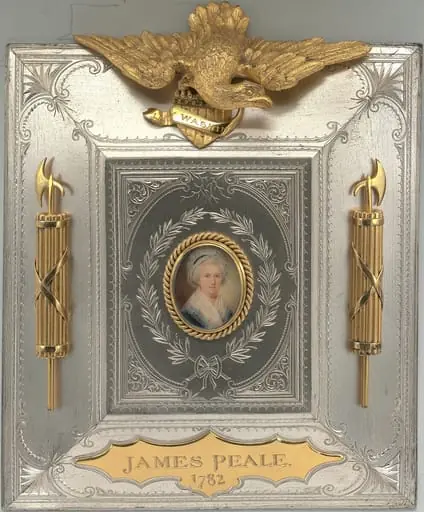
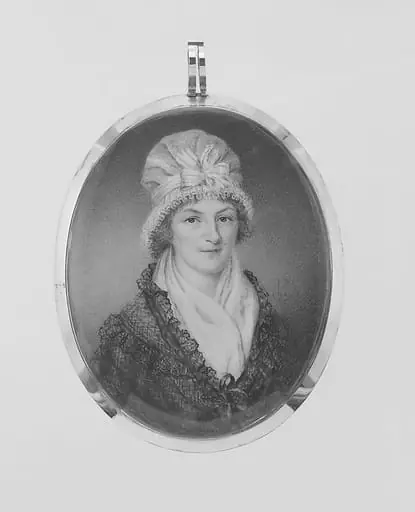
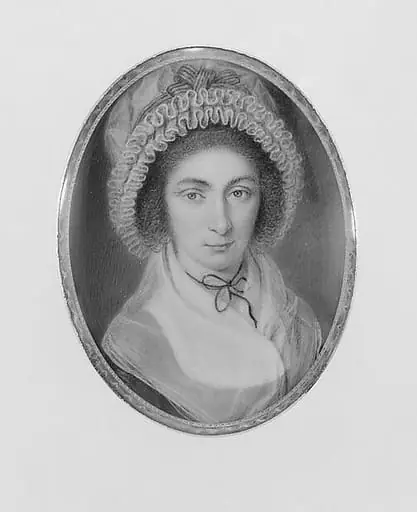
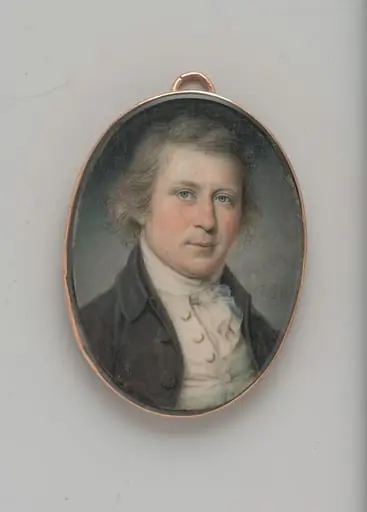
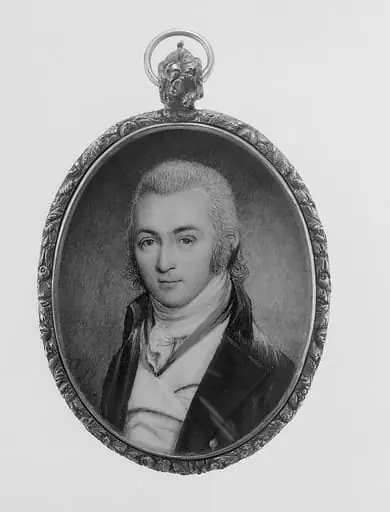
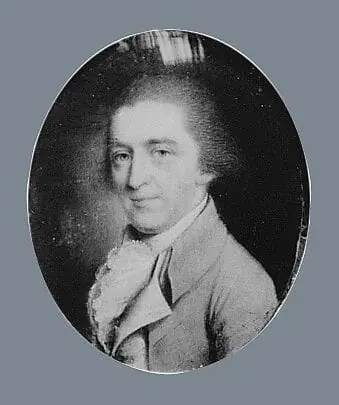
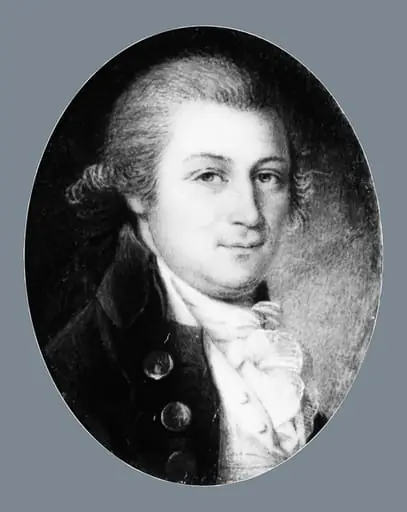
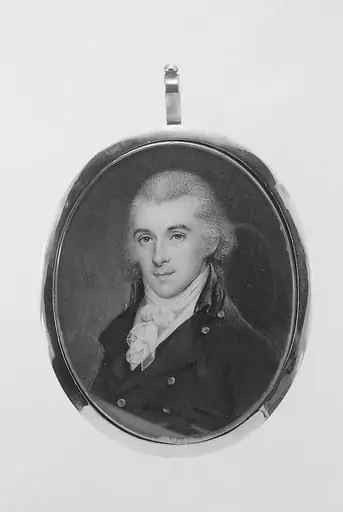
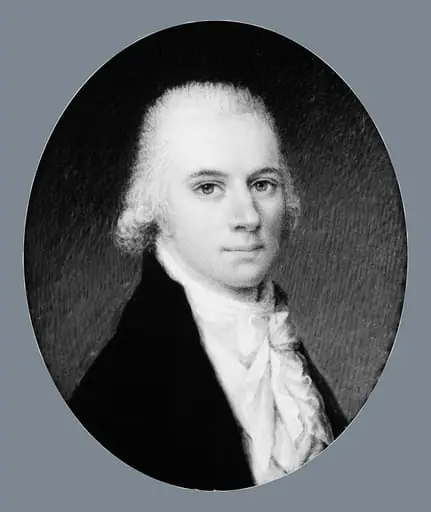
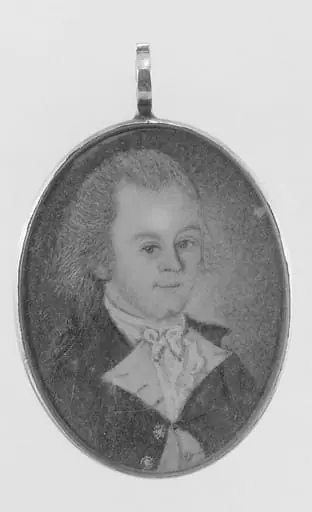
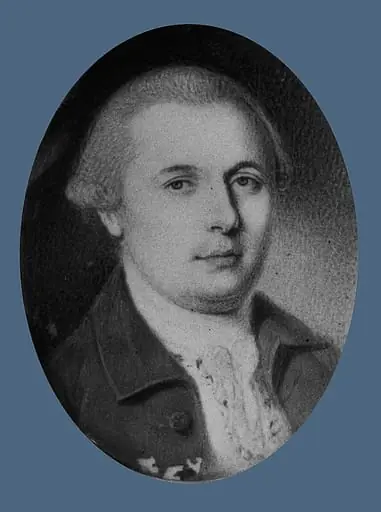
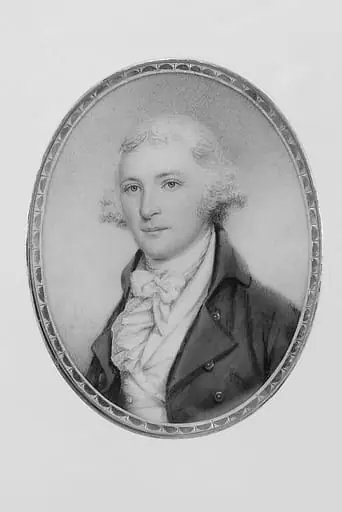
Portrait of a Gentleman is a watercolor painting by the American Impressionist artist James Peale. It dates from 1785 and is held in the collection of the Metropolitan Museum of Art.
About this work
Subject & Meaning
The subject is presented directly, consistent with the conventions of portraiture from this period and medium.
The work depicts a single male subject, identified simply as a man within the genre of portraiture. Created in 1785 by James Peale, the piece represents a straightforward depiction of an individual without additional narrative context or complex iconographic elements described in the available records. The primary focus remains on the likeness of the gentleman, executed as a portrait on a small scale.
No specific symbolic attributes, allegorical figures, or deeper representational meanings beyond the identification of the sitter as a man are noted in the provided documentation. The subject is presented directly, consistent with the conventions of portraiture from this period and medium.
Technique & Style
The 1785 Portrait of a Gentleman by James Peale is executed in watercolor on ivory, a miniature format that required a refined, controlled handling of pigment thinned with water and applied in delicate, translucent washes across the smooth, luminous support. The ivory ground, prized for its warmth and fine surface, lent itself to meticulous detail and subtle tonal blending rather than broad brushwork. Measuring approximately 4.4 by 3.2 inches, the work belongs to the tradition of small-scale portrait miniatures, where precise draftsmanship and polished finish were paramount.
The combination of watercolor and ivory allowed for crisp definition of features and a soft, enamel-like surface quality typical of late eighteenth-century American miniature practice.
History & Provenance
The watercolor miniature is held by The Metropolitan Museum of Art, New York, inventoried as 1975.135.15. It was first publicly exhibited in 1975 as part of the Museum’s reinstallation of The American Wing, where it has remained on view since.
Legacy
The Portrait of a Gentleman (1785) by James Peale, a watercolor on ivory held in the Metropolitan Museum of Art’s American Wing, is frequently cited as a benchmark of early American portraiture. Its inclusion in the museum’s distinguished collection has reinforced scholarly appreciation for Peale’s technical innovation and subject matter, influencing later interpretations of Federal-era portraiture. Documentation in both the internal catalog and Wikidata underscores its provenance, dimensions, and genre, contributing to a sustained reputation that continues to shape narratives of American artistic heritage.
Overview
This painting, titled Portrait of a Gentleman, was created by American artist James Peale around 1785. Executed in watercolor on ivory, the miniature depicts an unidentified male sitter. Peale, recognized for his skill in both miniature portraiture and still life painting, produced this work during the early years of the American republic. It offers insight into the period's artistic practices and social conventions.
Context
James Peale was a prominent figure in early American art, often working alongside his elder brother, the renowned painter Charles Willson Peale. While he also painted still lifes and larger portraits, James Peale established a significant reputation for his miniature portraits, which were popular for their intimate scale and detailed execution. This work is housed within the American Wing, reflecting its historical and artistic significance to the nation's visual heritage.
Artist & collection

Artist
James Peale (1749 – May 24, 1831) was an American painter, best known for his miniature and still life paintings, and a younger brother of noted painter Charles Willson Peale.