Artwork
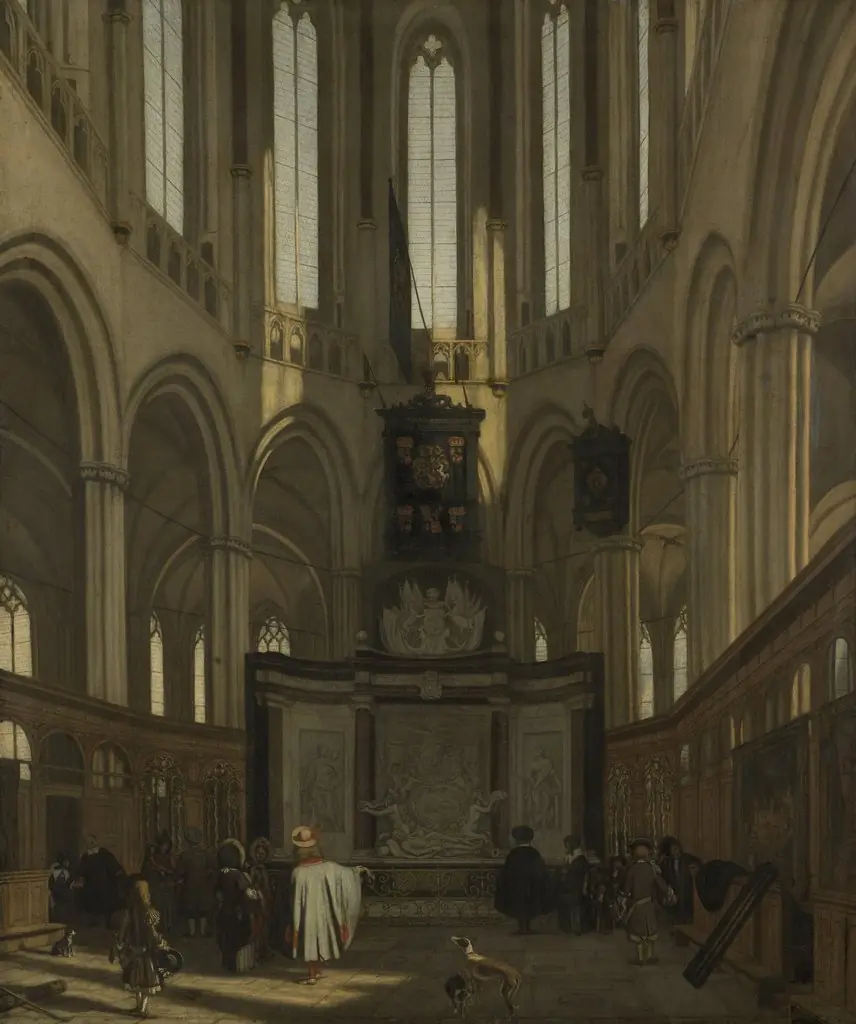
Interior of the Nieuwe Kerk in Delft with the Tomb of William the Silent
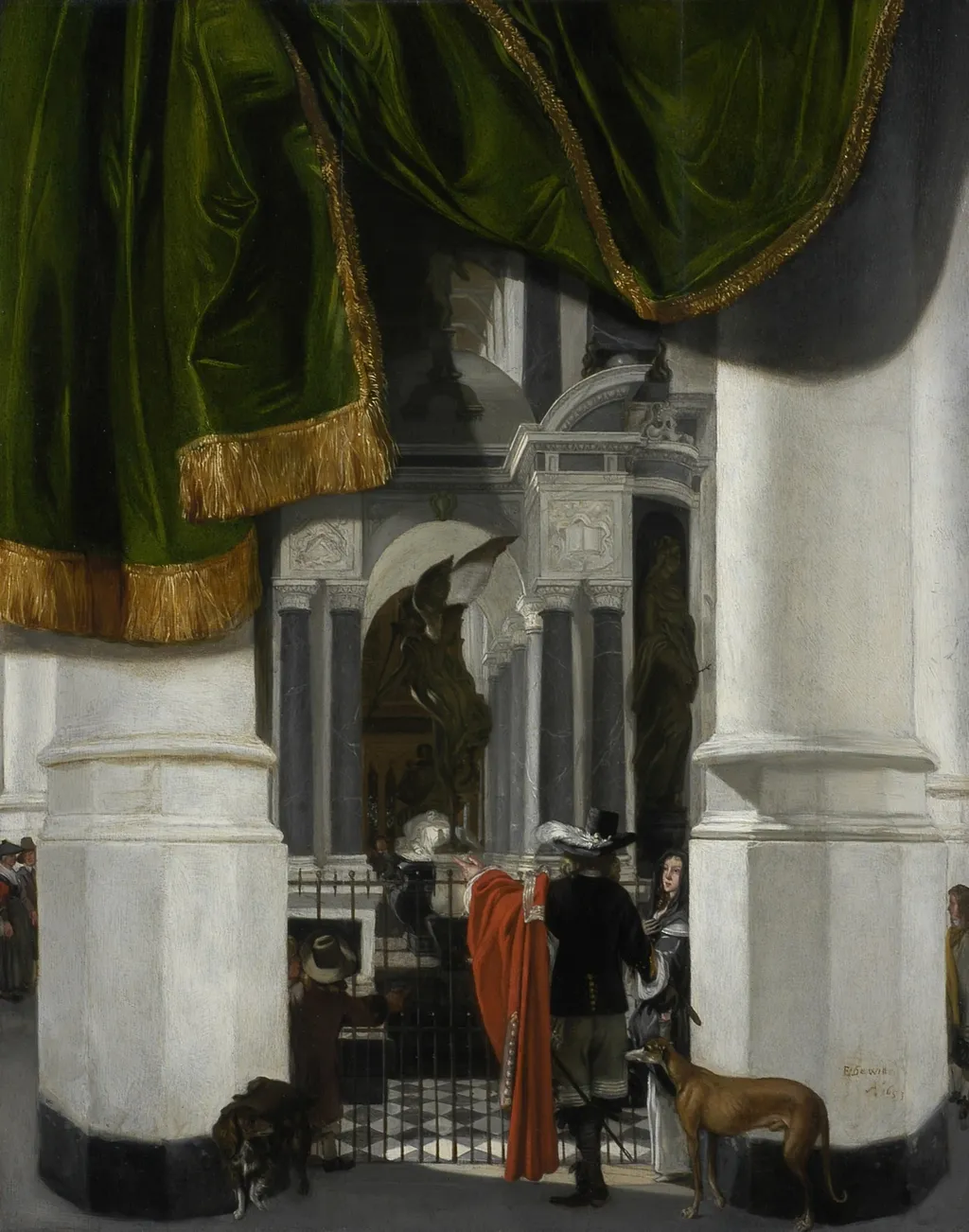
Interior of the Nieuwe Kerk in Delft with the Tomb of William the Silent is an oil painting by the Dutch Golden Age artist Emanuel de Witte. It dates from 1653 and is held in the collection of the Los Angeles County Museum of Art.
About this work
Subject & Meaning
Scattered figures animate the sacred space: men, women, and a child, accompanied by a dog, move through the nave and aisles.
The painting depicts the interior of the Nieuwe Kerk in Delft, organized around the monumental Tomb of William the Silent, the assassinated leader of the Dutch Revolt against Spanish rule. By centering the tomb within the church's Gothic architecture, Emanuel de Witte transforms the site into a monument of national memory, where the burial place of the founding father of the Dutch Republic functions as both a religious and patriotic focal point.
Scattered figures animate the sacred space: men, women, and a child, accompanied by a dog, move through the nave and aisles. The dog, a common motif in Dutch church interiors, introduces a note of everyday life into the solemn setting, while the curtain, a recurring device in de Witte's church interiors, frames the view and suggests a stage-like revelation of the tomb beyond.
Together, these elements fuse devotional atmosphere with civic commemoration, presenting the church not merely as a place of worship but as a treasury of Dutch historical identity centered on the veneration of William the Silent.
Technique & Style
The work is executed in oil paint on panel, a support characteristic of Emanuel de Witte's church interiors. The composition is a church interior, depicting the Tomb of William the Silent alongside figures including a man, woman, child, and dog, with a curtain as a notable element. The painting is classified as part of the genre of church interiors, consistent with de Witte's specialization in this subject matter during the 1650s.
The sources do not provide further detail on handling, condition, or specific stylistic qualities such as lighting, perspective, or palette beyond the medium, support, and genre information noted above.
History & Provenance
The painting Interior of the Nieuwe Kerk in Delft with the Tomb of William the Silent was executed in 1653 by the Dutch artist Emanuel de Witte. After its creation, the work entered the private collection of Edward W. Carter and Hannah Locke Carter. It was later acquired by the Los Angeles County Museum of Art, where it is now housed as part of the Edward W. Carter and Hannah Locke Carter Collection under accession number M.2003.108.5. The sources do not record any earlier owners, commission details, or subsequent provenance beyond this chain.
The painting is held by the Los Angeles County Museum of Art, where it forms part of the Edward W. Carter and Hannah Locke Carter Collection. Its accession number is M.2003.108.5. The work, an oil-on-panel church interior by Emanuel de Witte dated 1653, depicts the Tomb of William the Silent within the Nieuwe Kerk in Delft.
No exhibition history is documented in the available sources.
Overview
Emanuel de Witte’s 1653 oil canvas captures the nave of Delft’s Nieuwe Kerk, centering on the elaborate tomb of William the Silent. The composition balances architectural depth with a modest gathering of figures, drawing the eye to a richly draped green curtain and a small dog positioned near the monument. The work is part of the Los Angeles County Museum of Art’s collection.
Context
The Nieuwe Kerk in Delft served as the burial site for the House of Orange, and William the Silent’s tomb was a focal point of national memory. De Witte’s choice to depict this interior aligns with his broader oeuvre of church interiors, where he explored the interplay of architecture, light, and ritual in a post‑Reformation Dutch context.
Own this work as a print
Artist & collection
Artist
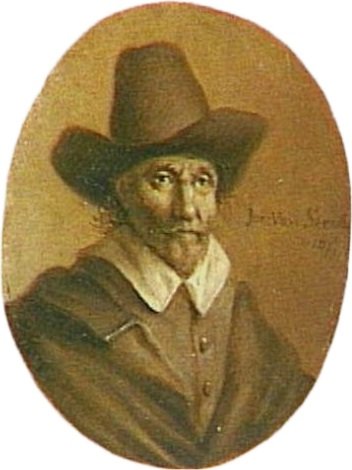
Emanuel de Witte (1617–1692) was a Dutch perspective painter. In contrast to Pieter Jansz Saenredam, who emphasized architectural accuracy, De Witte was more concerned with the atmosphere of his interiors. Though few in…

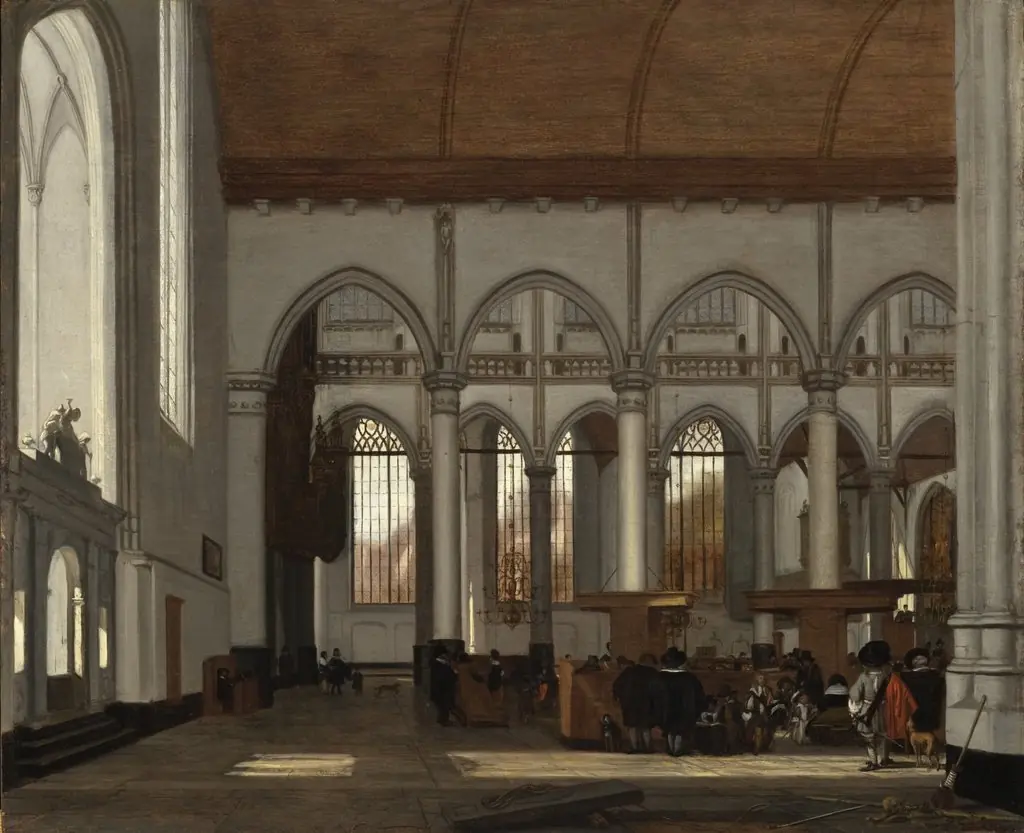
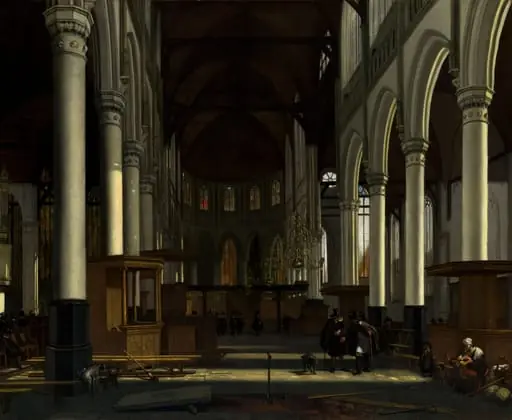 The Interior of the Oude Kerk, Amsterdam
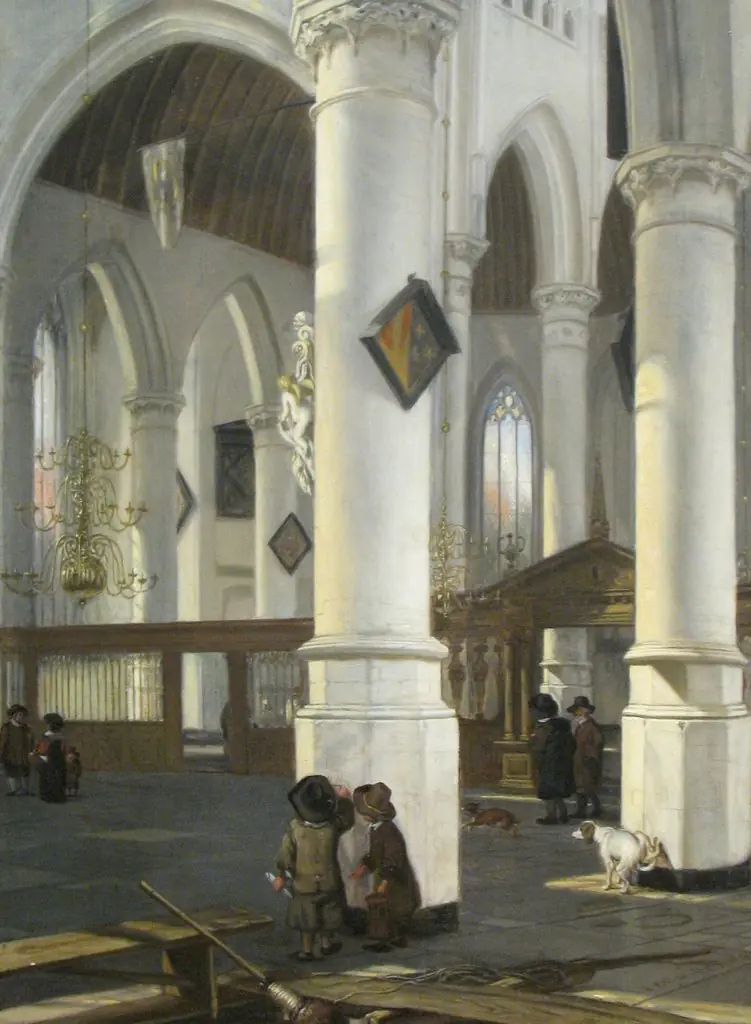 Interior of the Oude Kerk, Delft
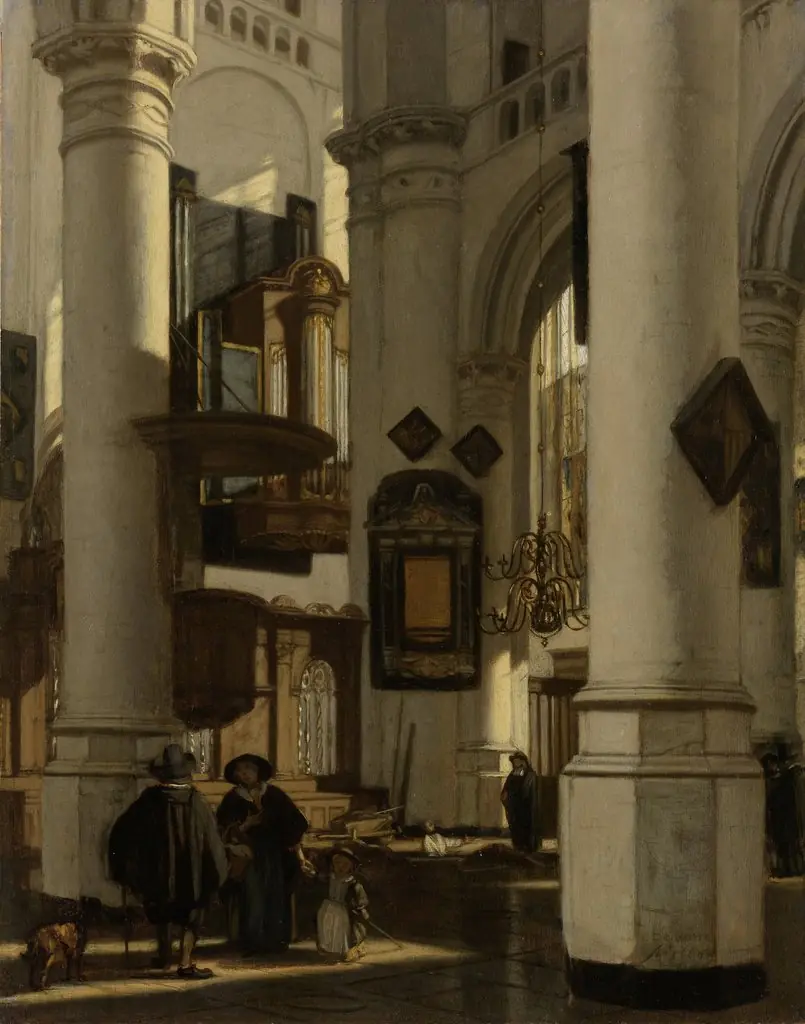 Interior of a Protestant, Gothic Church, with a Gravedigger in the Choir
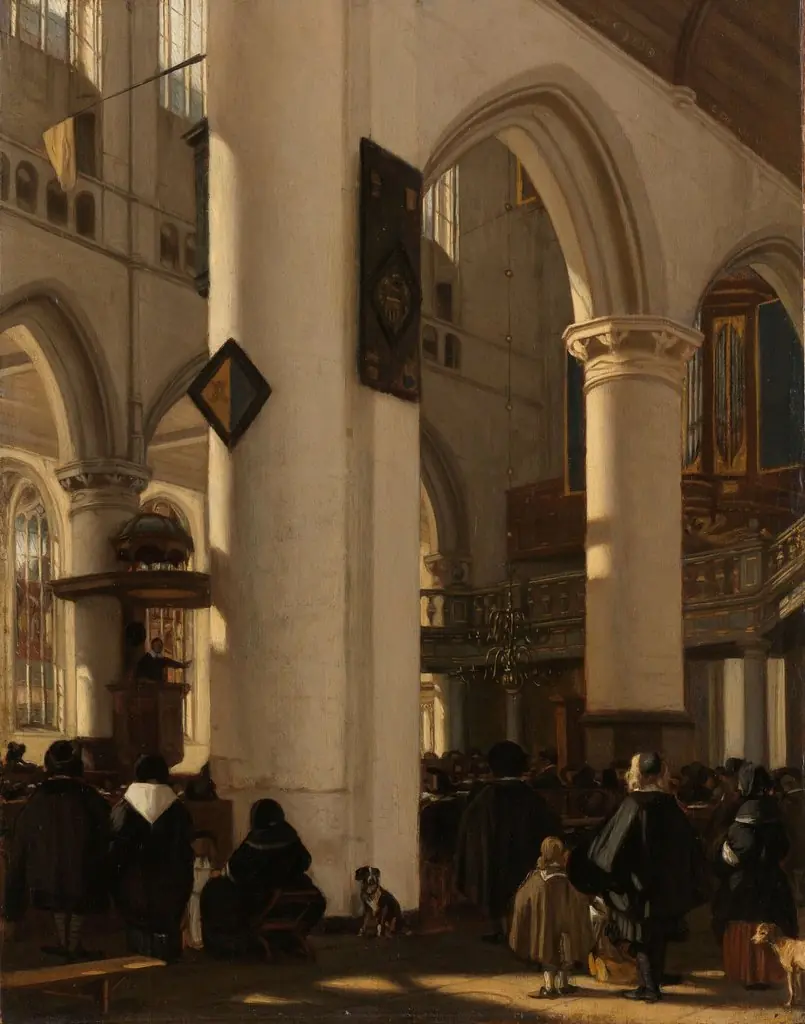 Interior of a Protestant, Gothic Church during a Service
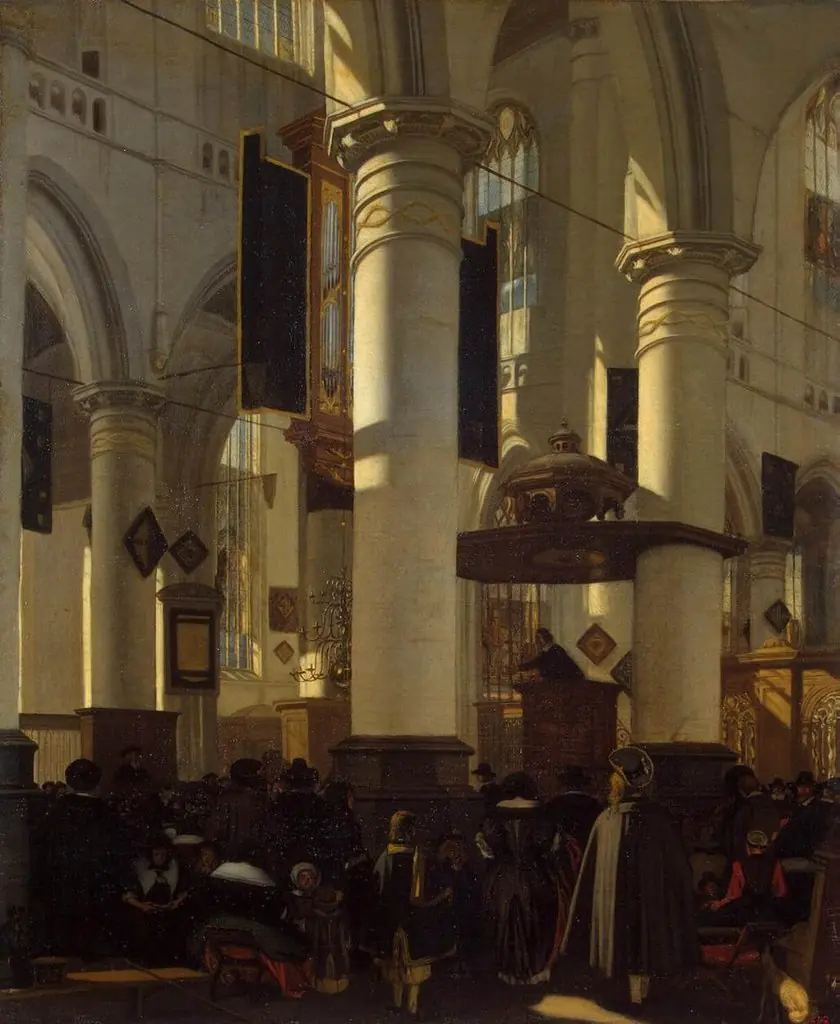 Interior of a Church
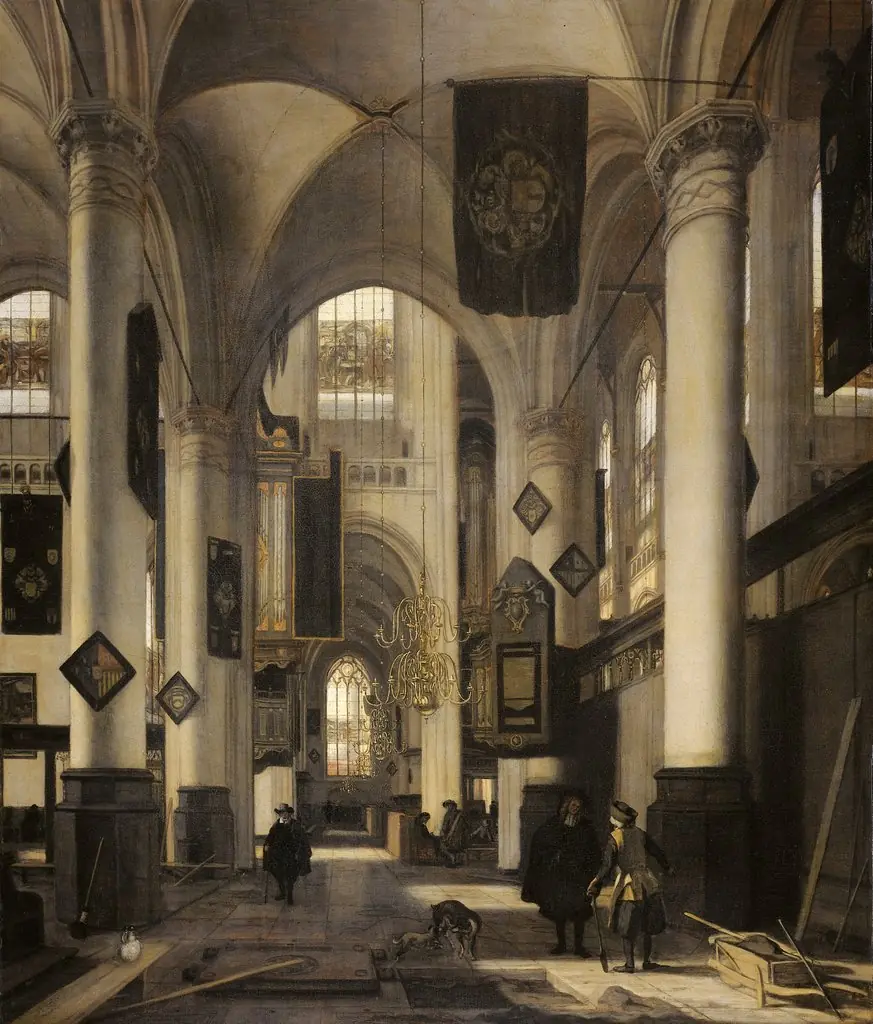 Interior of a Protestant Gothic Church
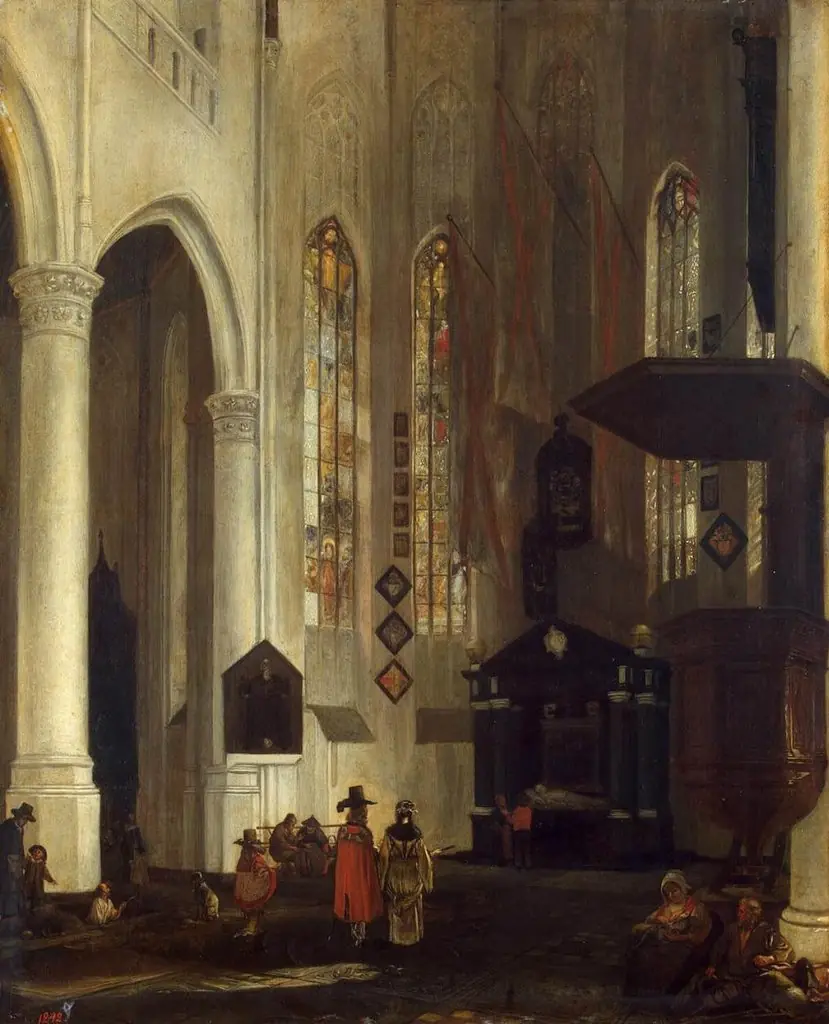 Old Church (Oudekerk) in Delft with the Tomb of Admiral Pieter Pieterszoon Hein (Heyn)
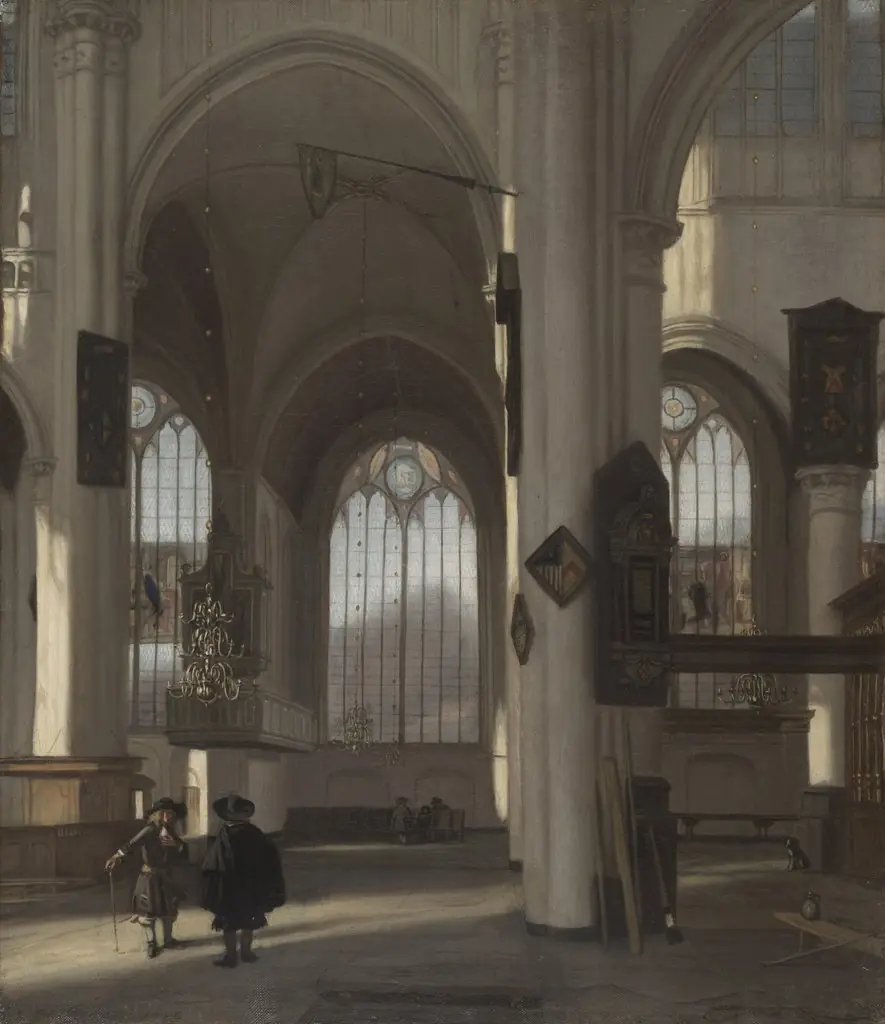 Interior of a Church
- The Tomb of William the Silent in the Nieuwe Kerk in Delft
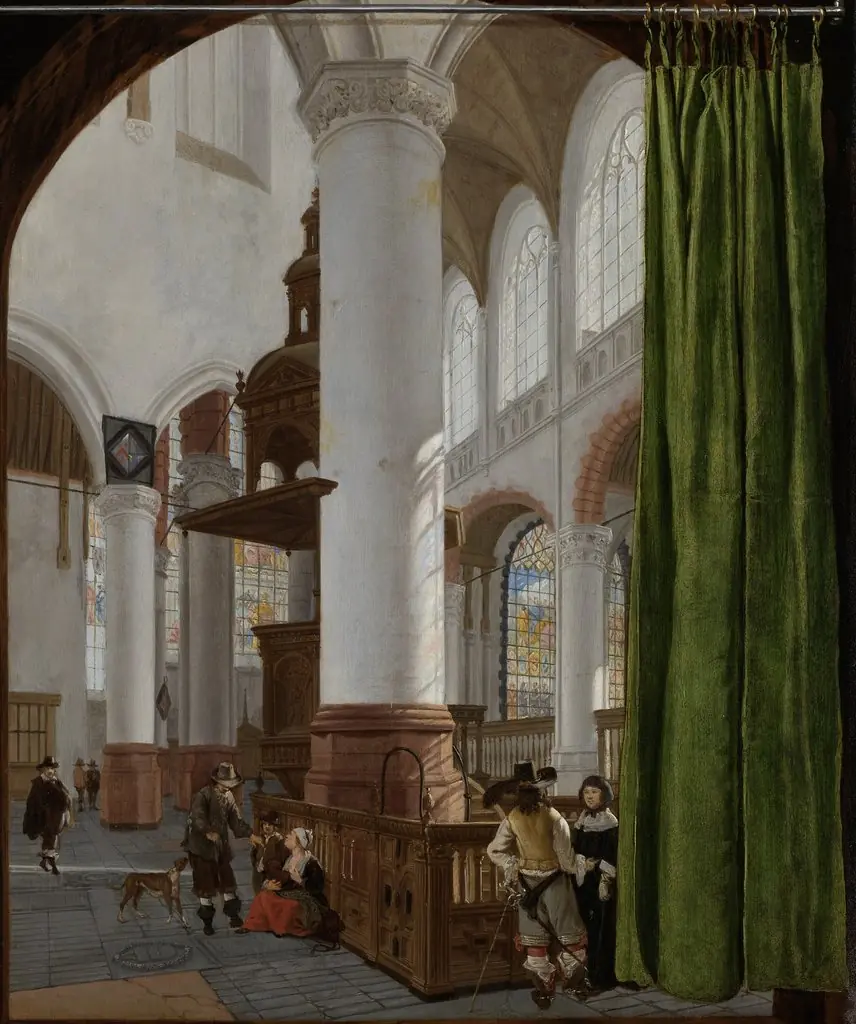 Interior of the Old Church in Delft
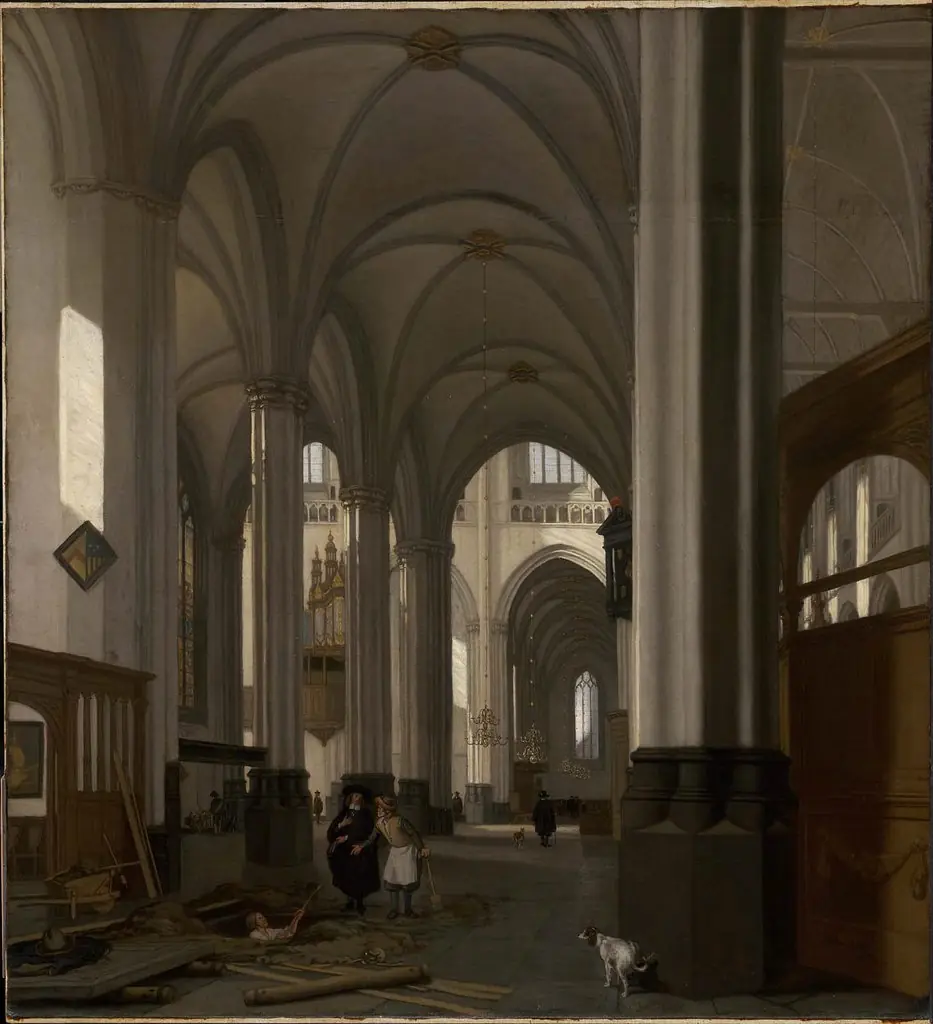
 The Tomb of Michiel de Ruyter in the Nieuwe Kerk, Amsterdam
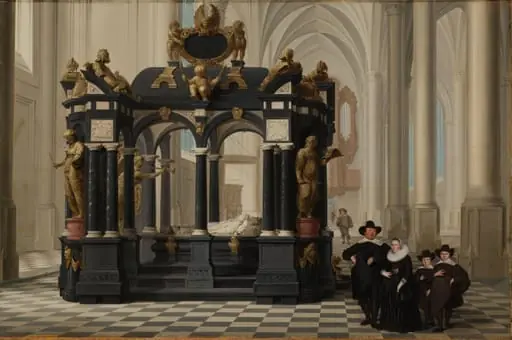 A Family beside the Tomb of Prince William i in the Nieuwe Kerk, Delft
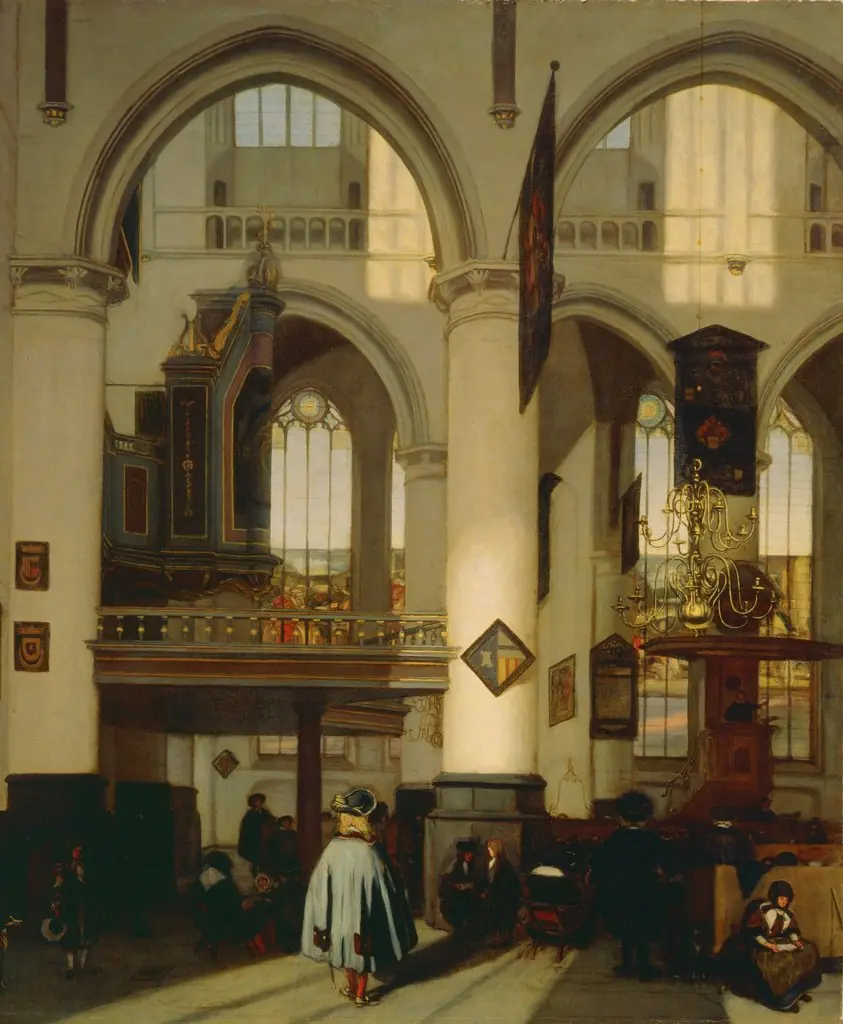 Interior of the Oude Kerk in Amsterdam
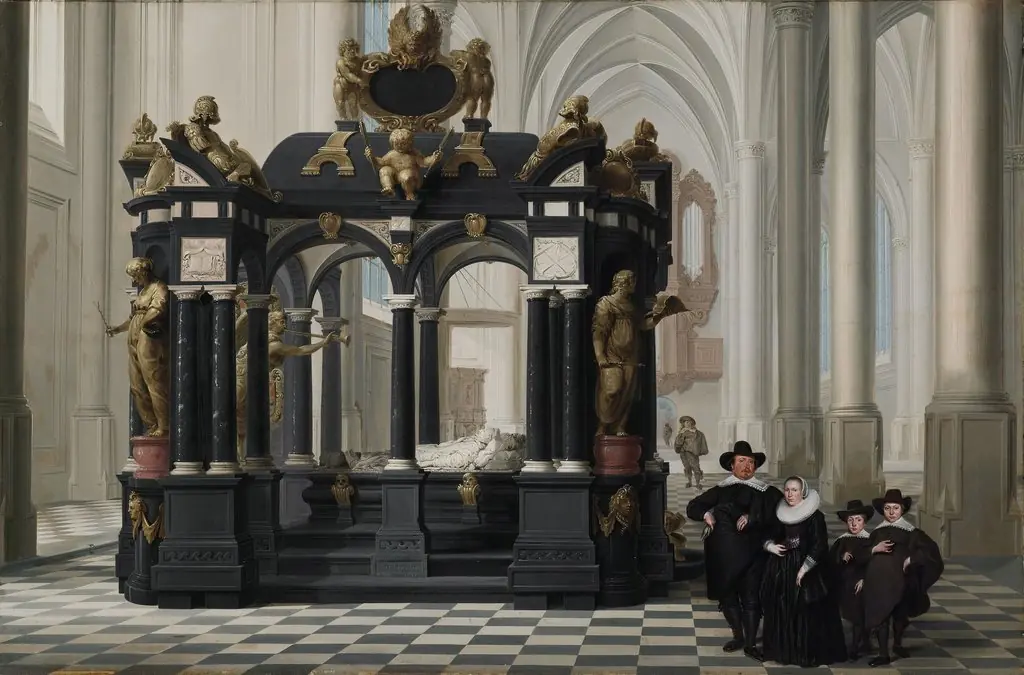 A Family beside the Tomb of Prince William I in the Nieuwe Kerk, Delft
 Interior of the Oude Kerk, Amsterdam
 Interior of the Nieuwe Kerk, Amsterdam