Artwork
Fantastic Landscape with Figures
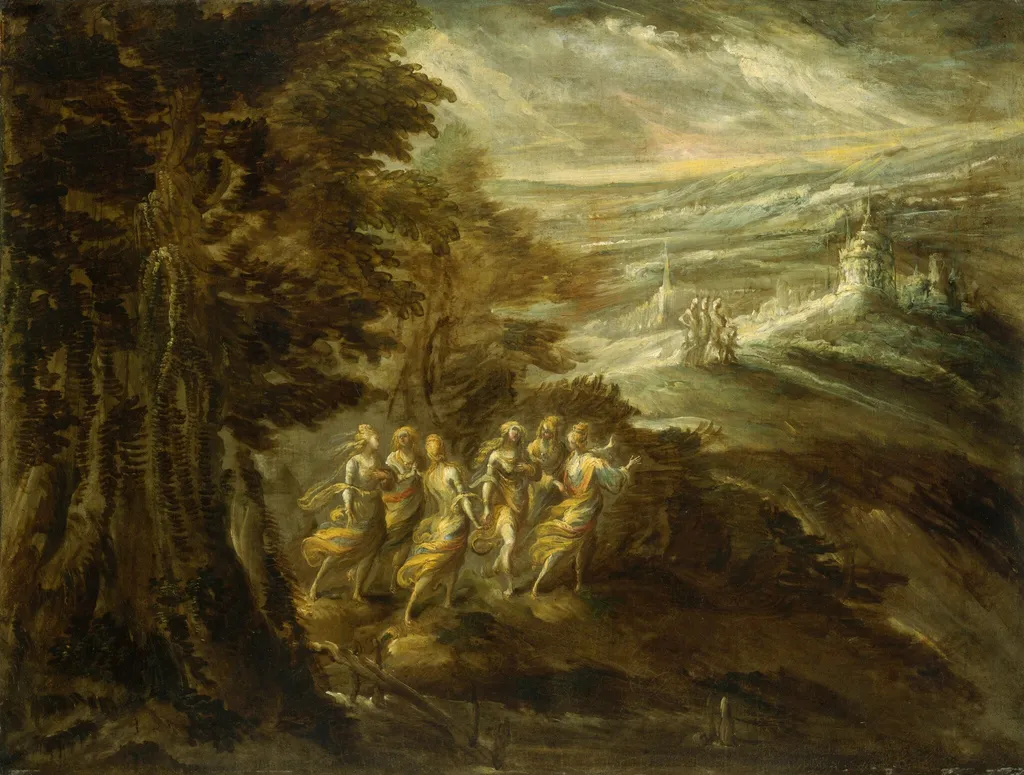
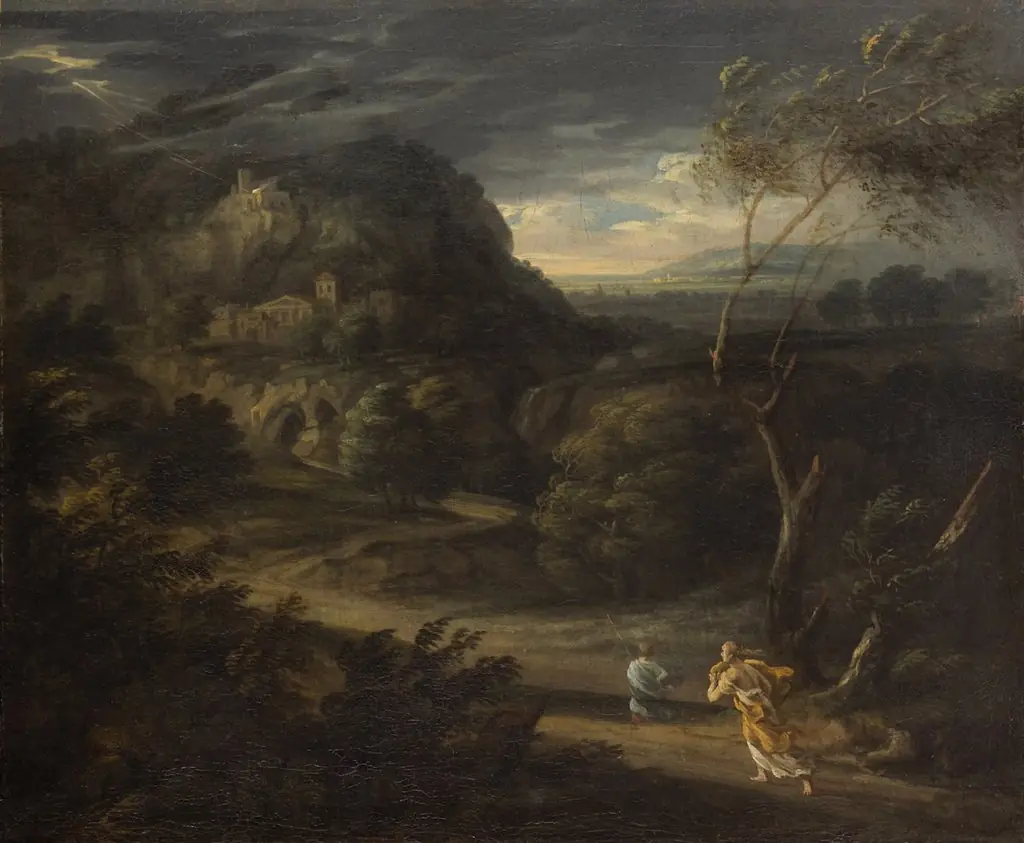
Fantastic Landscape with Figures is an oil painting. It dates from 1550 and is held in the collection of the National Gallery of Art.
About this work
Technique & Style
The painting is executed in oil on canvas, with dimensions of 63.5 cm in height and 83.9 cm in width. The handling reflects the Emilian tradition of the mid-16th century, characterized by a blend of naturalistic detail and imaginative composition, with careful modeling of light and shadow to articulate the figures and landscape elements.
History & Provenance
Created circa 1550, Fantastic Landscape with Figures is an oil-on-canvas work attributed to a 16th-century Emilian artist.
Created circa 1550, Fantastic Landscape with Figures is an oil-on-canvas work attributed to a 16th-century Emilian artist. The painting's modern ownership history begins with its sale by Arnold Seligmann, Rey & Co., Inc., in New York. An invoice dated April 1, 1943, documents the transaction to Duncan Phillips of Washington, D.C., with payment received in April 1944.
In 1952, Phillips donated the work to the National Gallery of Art in Washington, D.C., acting on behalf of the Phillips Gallery, now known as The Phillips Collection.
The work has been part of the National Gallery of Art's holdings since 1952. The provided sources do not list specific exhibition history or an accession number for this piece.
Overview
The work, titled Fantastic Landscape with Figures, is an oil painting on canvas that depicts a group of individuals dancing within an outdoor setting. The composition balances a cluster of moving figures against a backdrop that includes trees on the left side and a distant building on the right, establishing a broad natural environment.
Subject & Meaning
The central focus of the canvas is a circle of dancers dressed in flowing garments, suggesting a communal or ritual activity. Their arrangement and motion convey a sense of celebration or collective movement, while the surrounding landscape situates the scene within a harmonious, perhaps pastoral, context.
Context
Although the painting is linked to the Renaissance movement, its subject matter, figures engaged in dance amid an idealized landscape, reflects the period’s interest in integrating human activity with nature. The inclusion of architectural elements in the distance aligns with Renaissance compositional conventions that balance figures and built forms.
Artist & collection

- Landscape with Figures
 Water
Water The Baptism of Christ
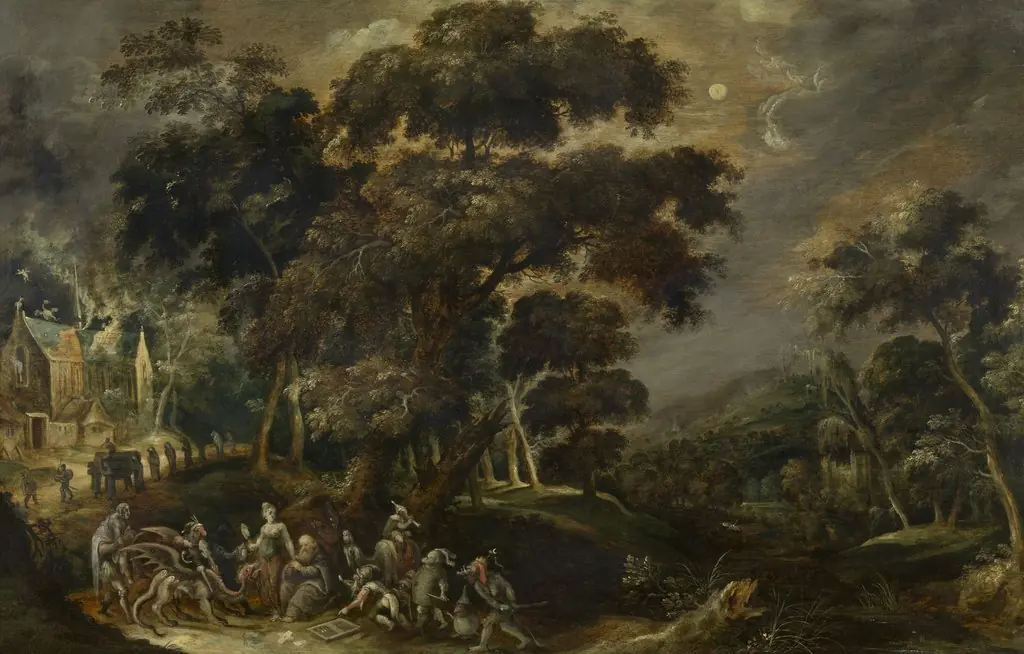 Landscape with the Temptation of Saint Anthony the Great
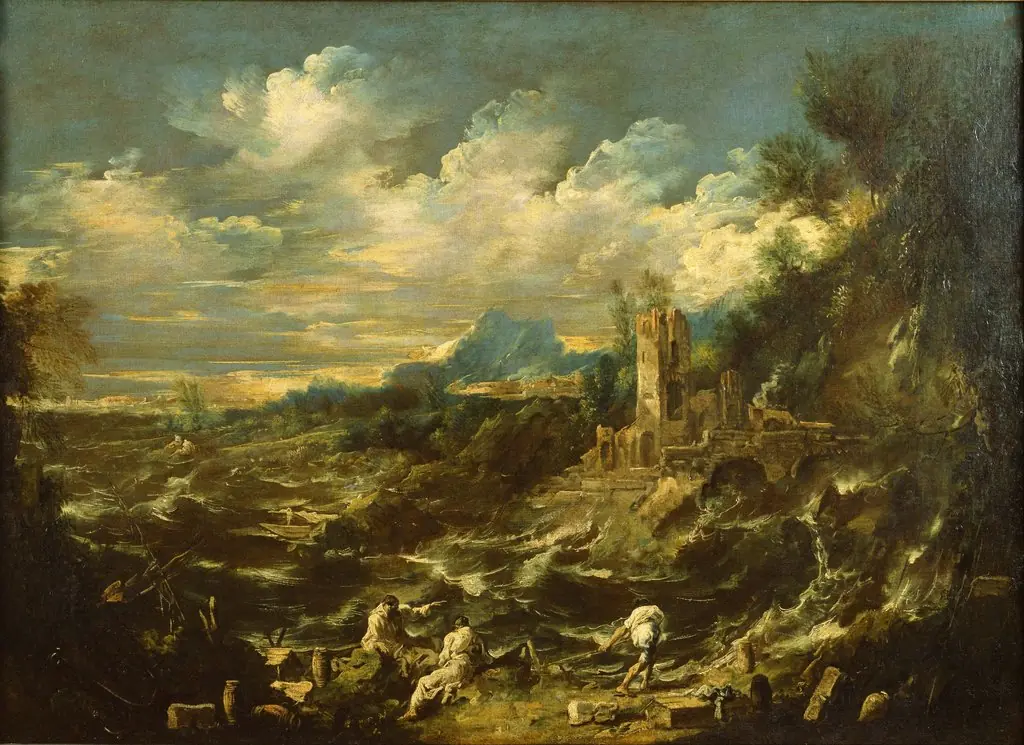 Landscape with Stormy Sea
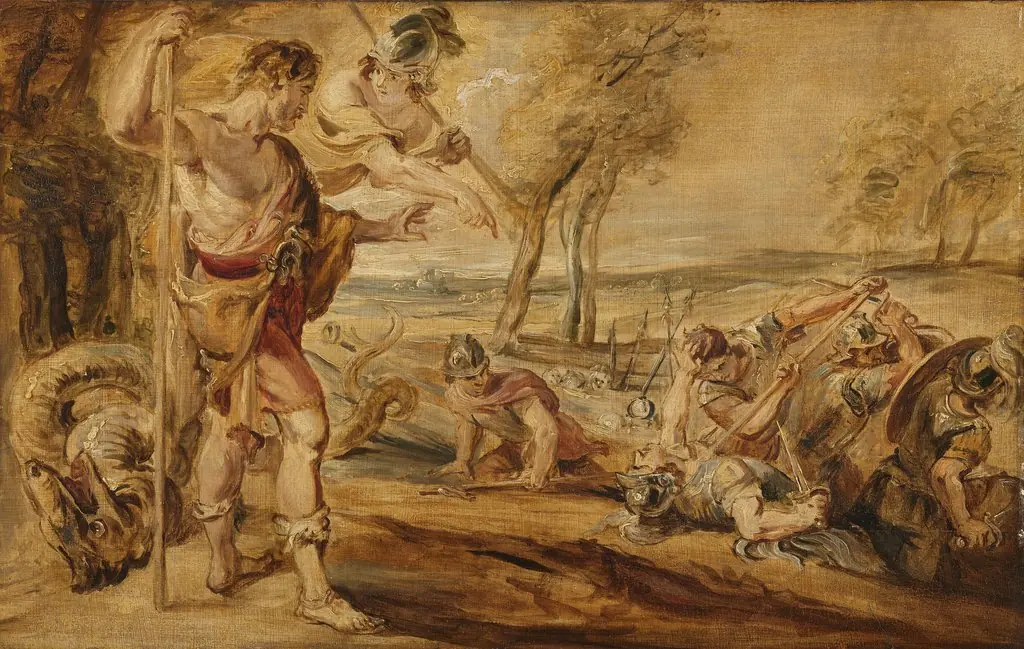 Cadmus sowing dragon's teeth
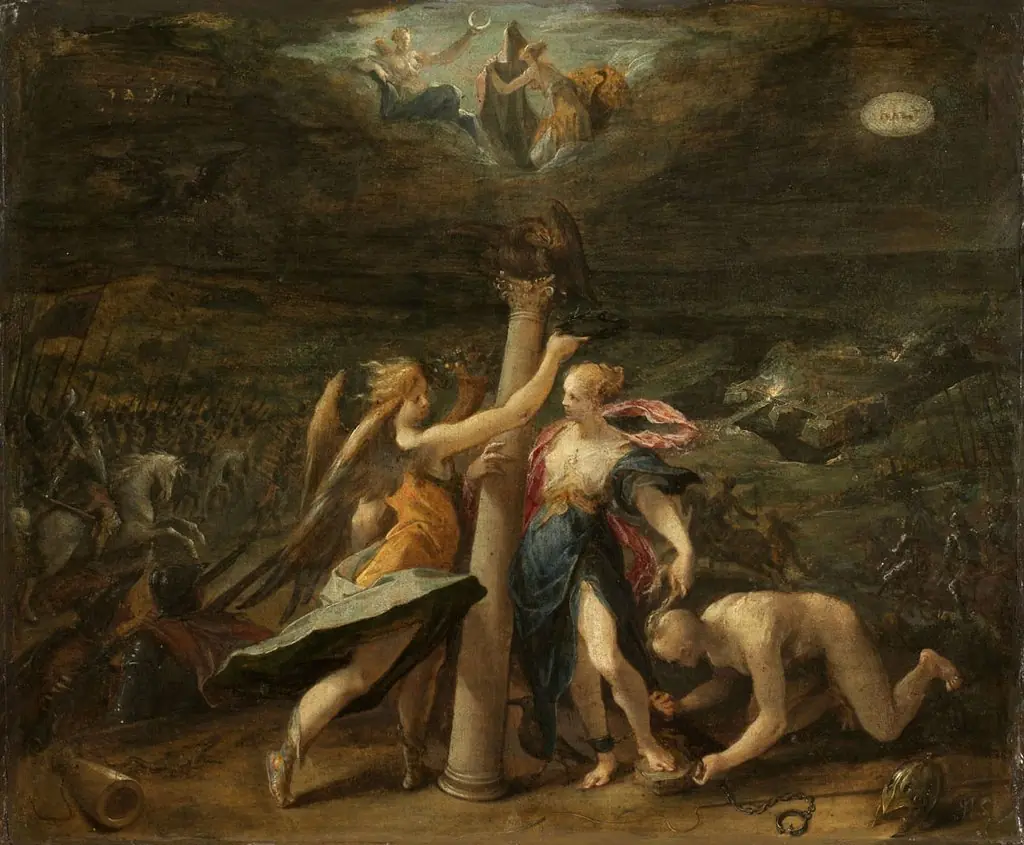 Allegory of the Reconquest of Győr
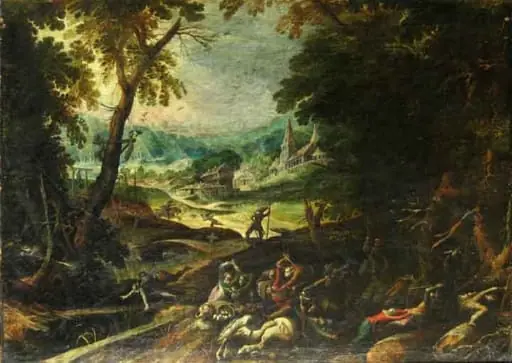 Atacul hoților
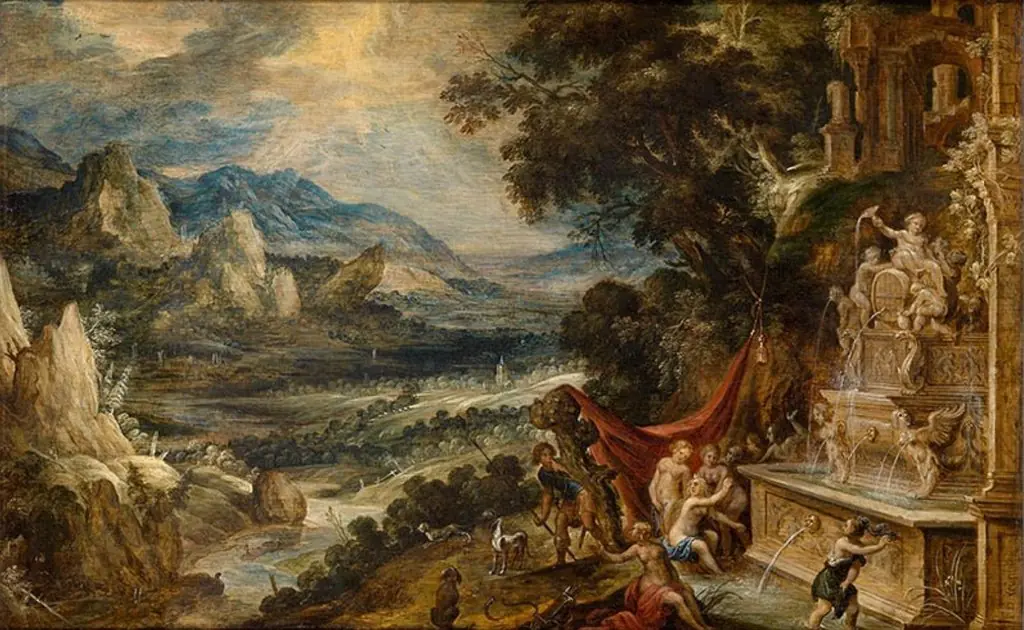 Landscape with Diana and Actaeon
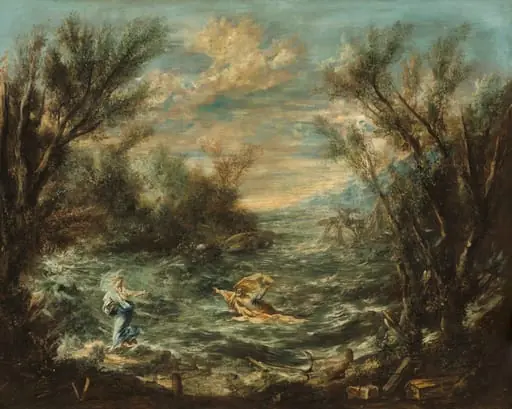 Christ at the Sea of Galilee
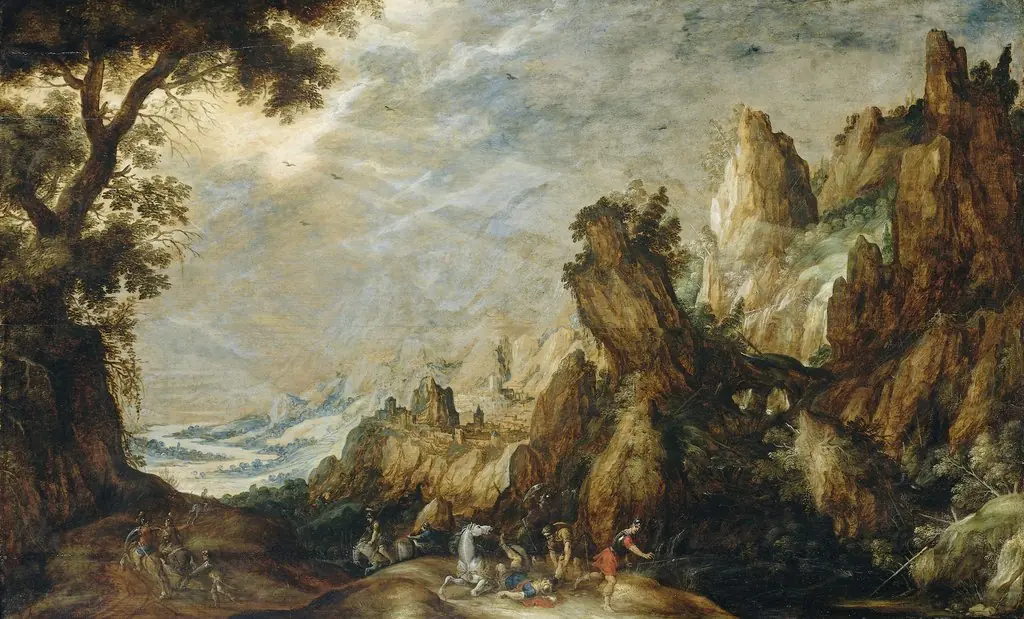 Landscape with Conversion of Saint Paul
 Landschaft mit Wettersturm