Artwork
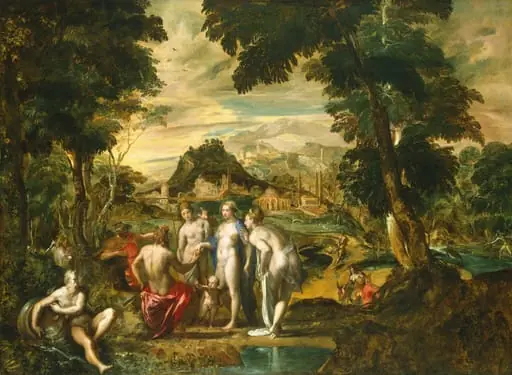
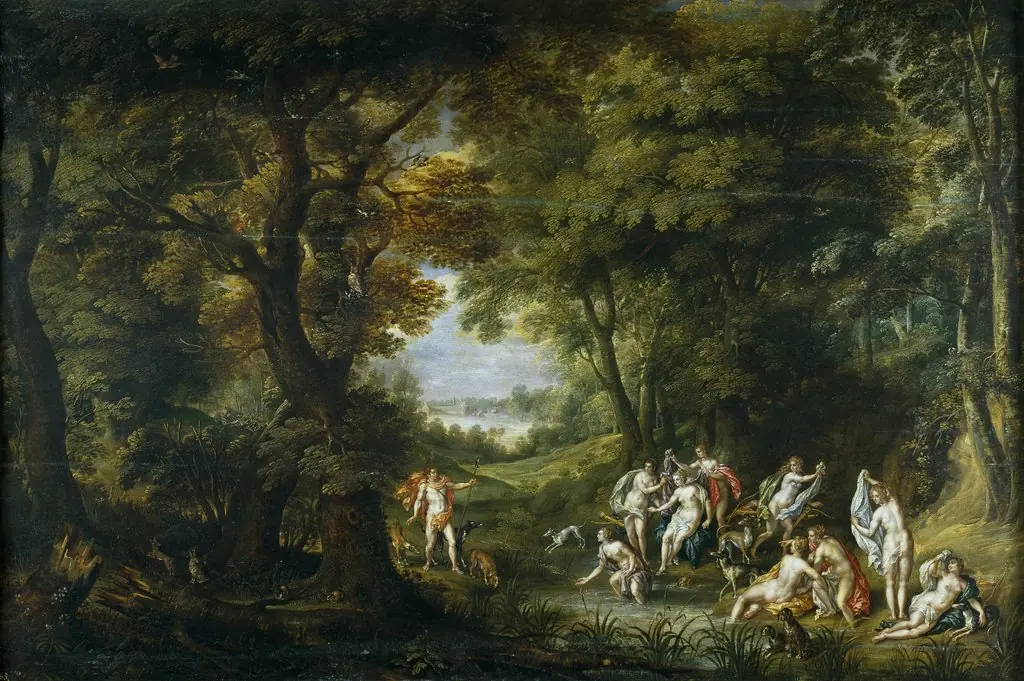
Landscape with Diana and Actaeon
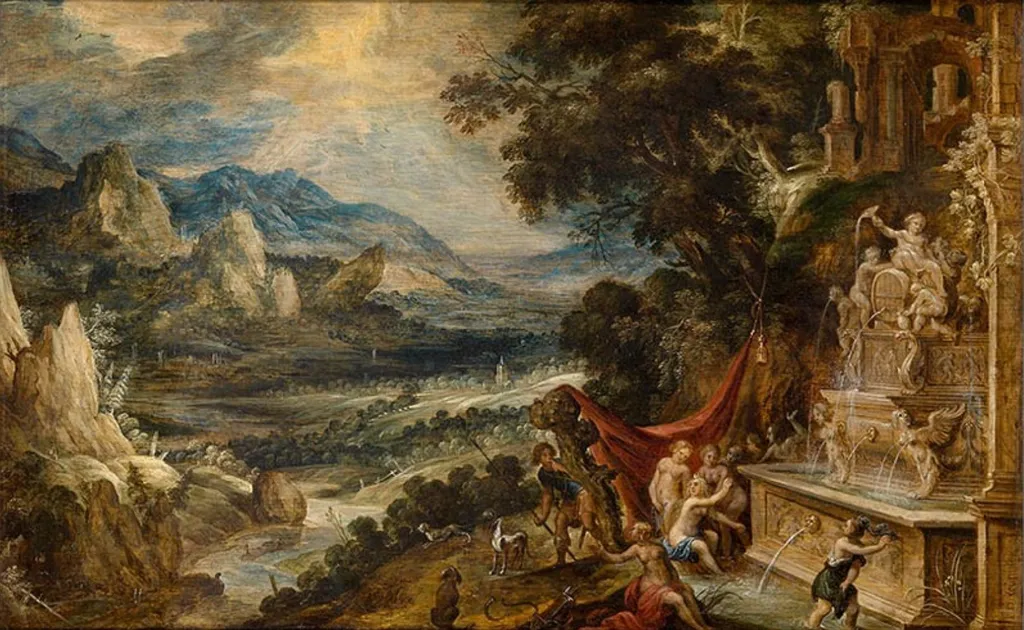
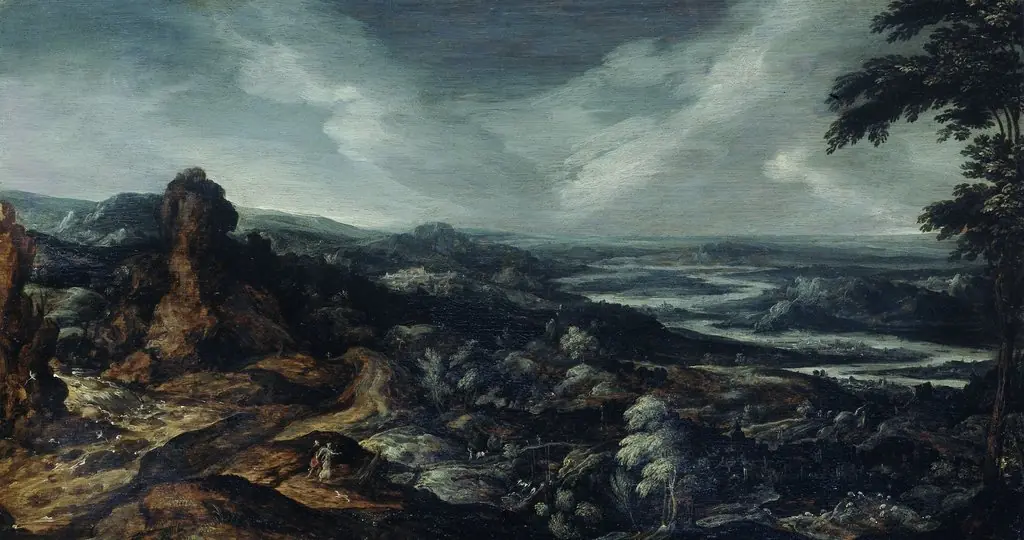
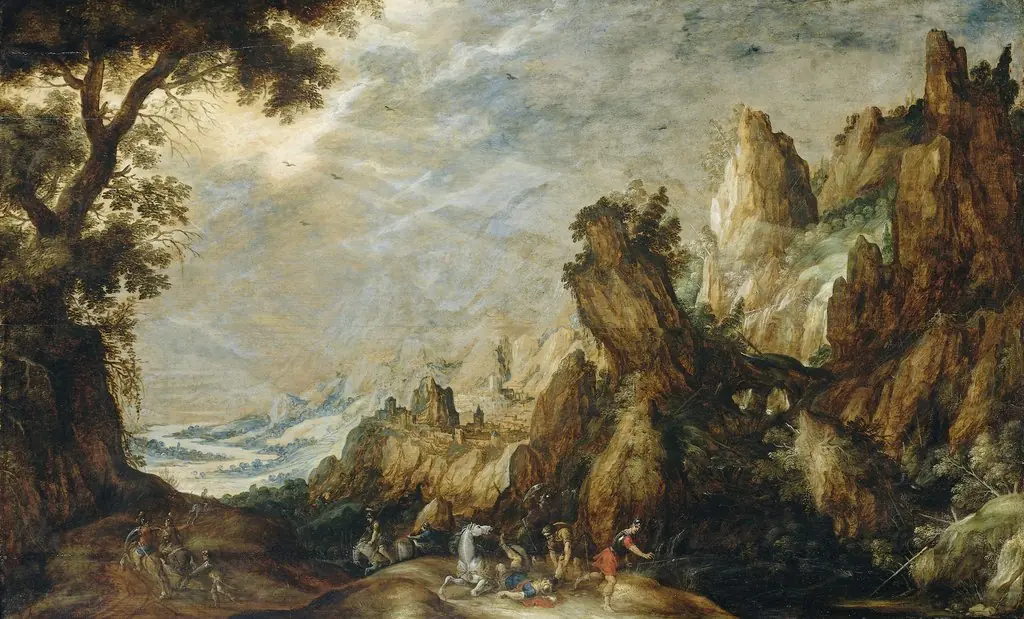
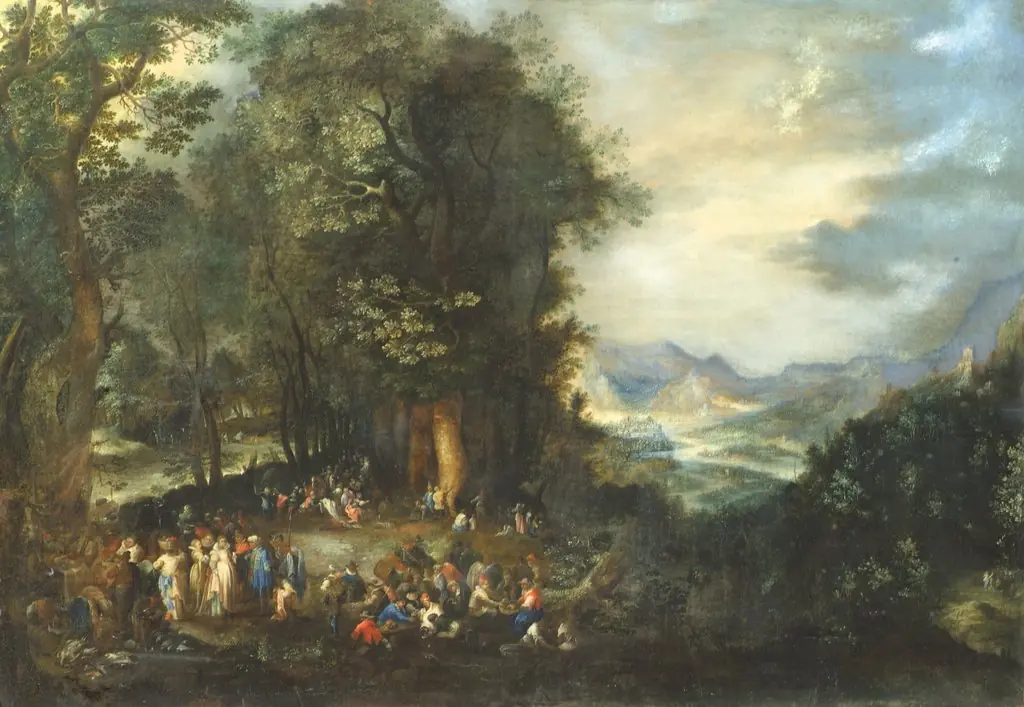
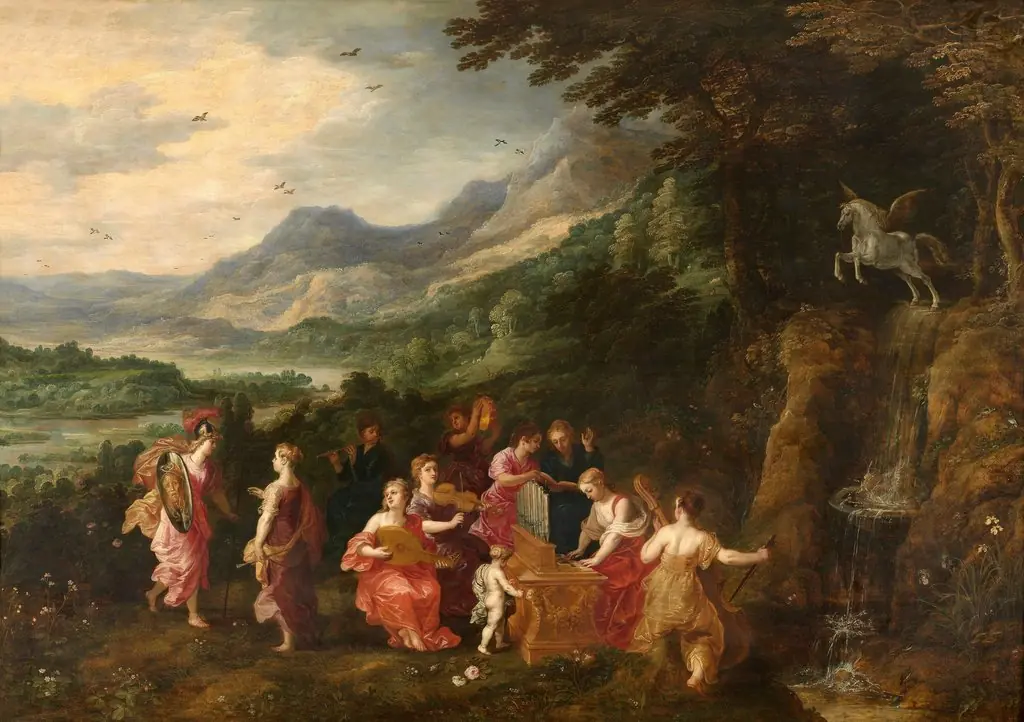
Landscape with Diana and Actaeon is an oil painting by the Early Baroque Italian artist Kerstiaen de Keuninck. It dates from 1550 and is held in the collection of the Royal Museum of Fine Arts Antwerp.
About this work
Subject & Meaning
The depiction emphasizes the moment of revelation and the ensuing metamorphosis, symbolizing the fragile boundaries between innocence and transgression.
The painting portrays the mythological scene of Diana, the Roman goddess of the hunt, surprised while bathing with her nymphs, and the mortal Actaeon who has inadvertently witnessed her nudity; according to classical myth, Actaeon is transformed into a stag and torn apart by his own hounds as divine punishment. This subject draws on Renaissance iconography that often used the Diana and Actaeon narrative to explore themes of voyeurism, the vulnerability of even powerful deities, and the consequences of transgressing natural order. The work is classified as a mythological landscape, combining a naturalistic setting with allegorical storytelling, and it reflects the period's interest in integrating classical myths within observable terrain.
The depiction emphasizes the moment of revelation and the ensuing metamorphosis, symbolizing the fragile boundaries between innocence and transgression. The composition’s natural elements, trees, water, and wildlife, serve both as setting and as symbolic cues that reinforce the narrative’s moral tension.
Technique & Style
Landscape with Diana and Actaeon is an oil painting executed on panel, a support characteristic of sixteenth-century Netherlandish practice. The work measures 31 cm in height by 51 cm in width, a modest horizontal format suited to its landscape composition. Classified as a painting, it combines the genres of landscape and mythological painting, depicting trees alongside the figures of Diana and Actaeon within a natural setting.
The use of oil paint on panel allowed for the fine detail and layered handling typical of Flemish landscape painters working in the mid-sixteenth century. The horizontal orientation and relatively small scale suggest an intimate cabinet-picture format, in which the mythological encounter is integrated into a wooded landscape rather than presented as a primary narrative scene.
History & Provenance
The painting Landscape with Diana and Actaeon was created by Kerstiaen de Keuninck in 1550. Executed in oil paint on a panel support, the work measures 31 cm in height and 51 cm in width. It currently resides in the collection of the Royal Museum of Fine Arts Antwerp, which is part of the Vlaamse Kunstcollectie. The artwork depicts the mythological figures Diana and Actaeon within a landscape setting.
The painting is held in the collection of the Royal Museum of Fine Arts Antwerp, where it is listed under the accession number 1982-1-001. It was first exhibited publicly in 1985 as part of the museum’s retrospective of Renaissance landscapes, and subsequently featured in the 1998 exhibition "Myth and Nature in Early Netherlandish Art" held at the same institution.
Overview
Kerstiaen de Keuninck’s oil painting, dated to around 1550, presents a mythological landscape that combines a natural setting with figures from the story of Diana and Actaeon. The work is part of the collection of the Royal Museum of Fine Arts in Antwerp and exemplifies the Northern Renaissance interest in integrating narrative and scenery.
Artist & collection