Artwork
Untitled
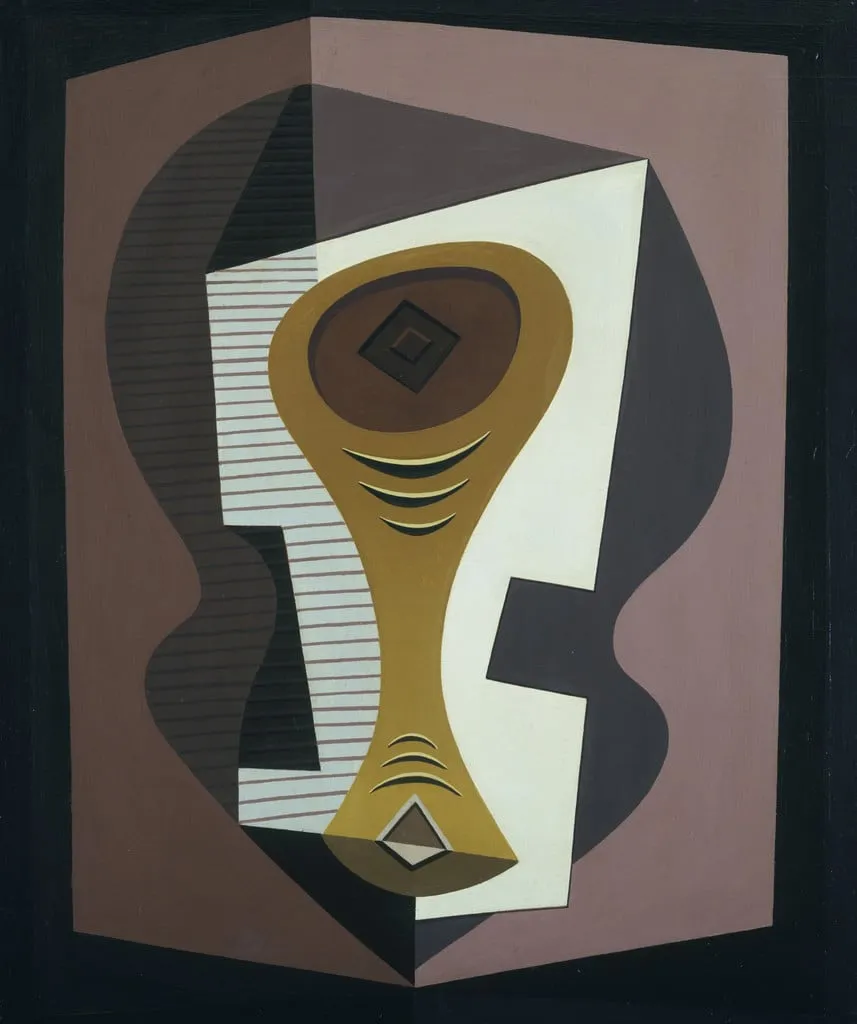
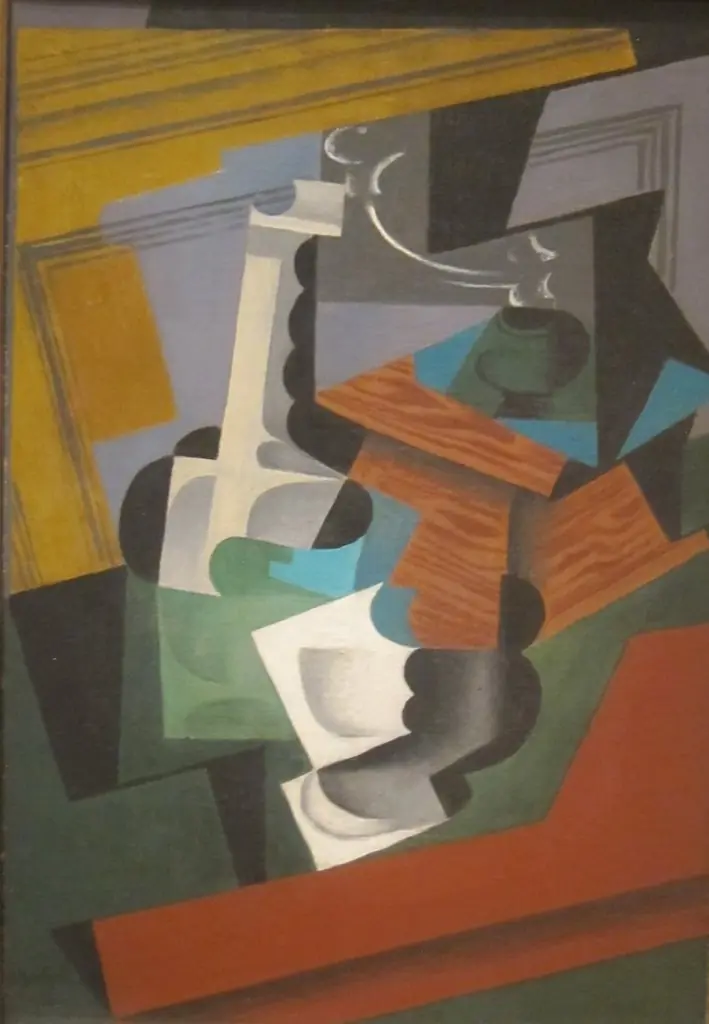
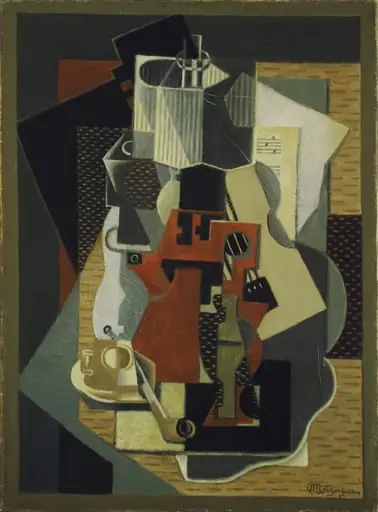
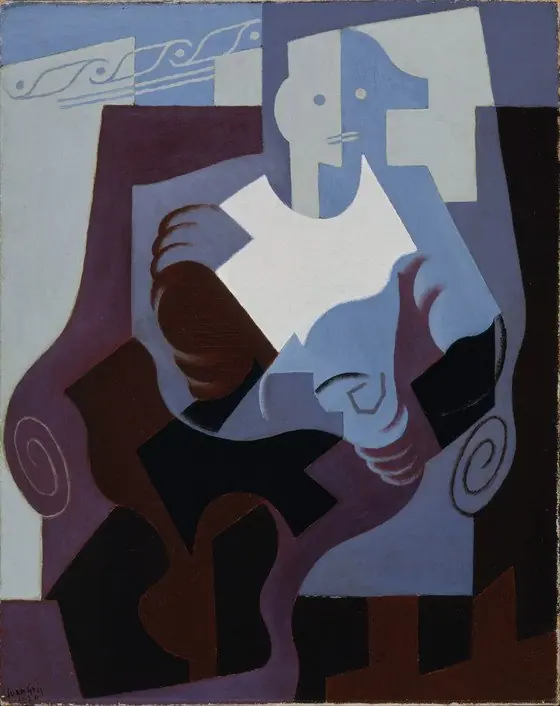
Untitled is an oil painting by the Cubism Synthetic artist Emilio Pettoruti. It dates from 1934 and is held in the collection of the Museum of Modern Art.
About this work
Overview
Pettoruti’s approach blends structural clarity with expressive color, distinguishing his work from purely European Cubist traditions.
Emilio Pettoruti painted this oil on canvas in 1934, part of his mature period following his early exposure to European modernism. The work is a still life that reimagines everyday objects through geometric abstraction. It resides in The Museum of Modern Art’s collection, reflecting its significance in the development of Latin American modern art. Pettoruti’s approach blends structural clarity with expressive color, distinguishing his work from purely European Cubist traditions.
Subject & Meaning
The central subject is a vase, rendered not as a naturalistic form but as a composition of angular planes. Its handle and rim are simplified into solid, unmodeled shapes, suggesting function over detail. Behind it, a window-like structure with vertical stripes implies spatial depth, though it is distorted.
The arrangement resists literal interpretation, inviting focus on the relationships between form, color, and plane rather than narrative content.
Technique & Style
Pettoruti employs synthetic Cubist methods, constructing the image from flat, interlocking shapes rather than breaking forms into fragmented facets. Bold, unblended colors, deep reds, browns, golds, and grays, define spatial zones. Lines are sharp and deliberate, with no modeling or shading.
The composition feels deliberately assembled, as if pieces of a visual puzzle have been repositioned to prioritize structure over illusionistic space.
History & Provenance
Created in 1934, the painting emerged after Pettoruti’s influential 1924 Cubist exhibition in Buenos Aires, which challenged local artistic norms. He had studied in Europe and absorbed modernist trends, but returned to Argentina to develop a distinct visual language. The work entered MoMA’s collection as part of broader efforts to document international modernism, affirming its role in the global dialogue of interwar abstraction.
Context
In 1930s Argentina, modernist movements were gaining ground amid rapid urbanization and cultural redefinition. Pettoruti, though influenced by European Cubism, rejected direct imitation, instead adapting its principles to local sensibilities. His work contributed to a broader Latin American avant-garde that sought to reconcile international styles with regional identity, positioning him as a key figure in this transnational artistic exchange.
Legacy
Pettoruti’s Untitled exemplifies how non-European artists reinterpreted modernist idioms without deference to their origins. His synthesis of geometry and color influenced subsequent generations in Latin America, helping to establish a regional modernism distinct from its European models. The painting remains a reference point in discussions of abstraction beyond the Western canon, underscoring the global reach of early 20th-century art movements.
Artist & collection

Artist
Emilio Pettoruti (1892–1971) was an Argentine painter, who caused a scandal with his avant-garde cubist exhibition in 1924 in Buenos Aires.