Subject
Head
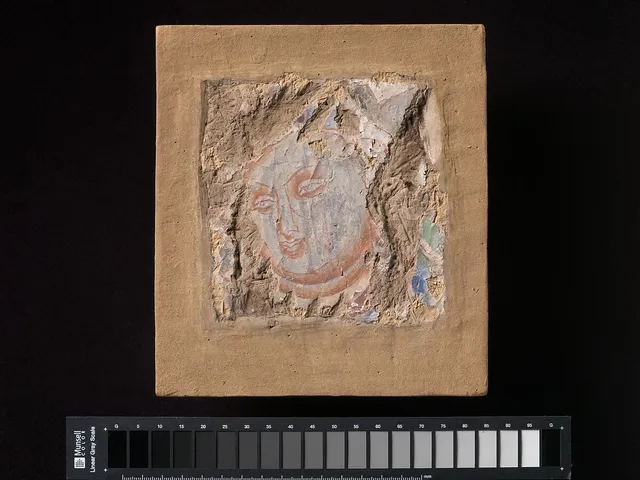
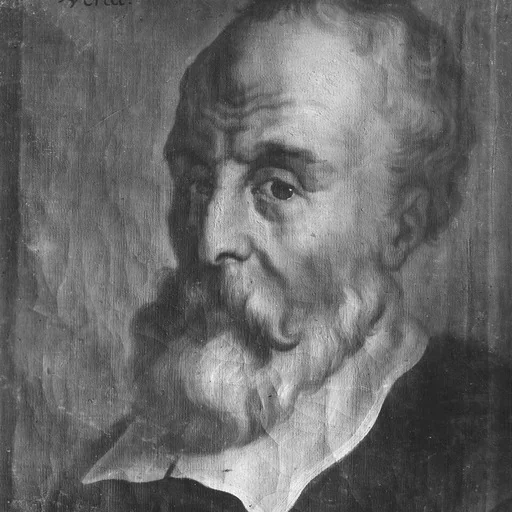
Head is a subject in art. The gallery holds 56 works in this subject in art, including works by Paolo Veronese, Gustave Courbet and Caravaggio.
In biology the head is the part of an organism that gathers the senses—sight, hearing, smell, and taste—and houses the brain; many bilaterally symmetric animals possess one, though some very simple forms do not. In art, however, the head carries a weight far beyond anatomy. Because it is the seat of identity, thought, and the gaze, the isolated head has functioned across cultures as a stand-in for the whole person, a vessel of the soul, and an object of both veneration and dread. Among the oldest sculpted heads are the schematic marble faces of the Cycladic islands and the colossal basalt heads of the Olmec of Mexico's Gulf Coast (c. 1200–400 BCE), each carved from a single boulder and bearing the individualized features of mature rulers.
The portrait bust—a head and upper shoulders rendered in stone, bronze, or wax—was a Hellenistic Greek invention, famously anticipated by the Egyptian Bust of Nefertiti (c. 1345 BCE). The Romans made it central to civic and family life, descending from the wax ancestral masks kept in patrician atria, and prized a veristic likeness that recorded age and character. After a medieval eclipse the form was revived in the Renaissance by sculptors such as Francesco Laurana and brought to dramatic life in the Baroque by Gian Lorenzo Bernini (1598–1680), whose swaggering portraits redefined European sculpture.
Against this commemorative tradition runs a darker current: the severed or disembodied head. Biblical and mythological narratives—Judith and Holofernes, David and Goliath, Perseus and Medusa, and above all the beheading of John the Baptist—supplied painters with charged subjects, exemplified by Caravaggio's writhing Medusa (c. 1597). Symbolist artists of the late nineteenth century returned obsessively to the living, singing head as an emblem of martyrdom and of the destructive eroticism of the femme fatale.
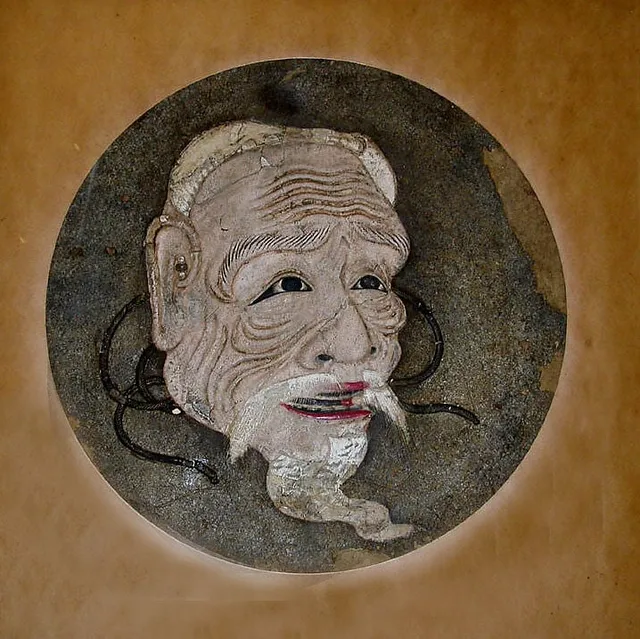
In the twentieth century Constantin Brâncuși distilled the head to its essence: his Sleeping Muse (1910) and Newborn reduce the face to a polished ovoid, a subject he pursued for nearly two decades and which helped launch modern abstraction. The head also anchors performance traditions, as in the carved Japanese Noh mask—the serene old man and the horned, jealous Hannya demon—where a single face encodes age, gender, and shifting emotion, two of which the present collection holds in Ogawa Haritsu's mask studies.
Key artists
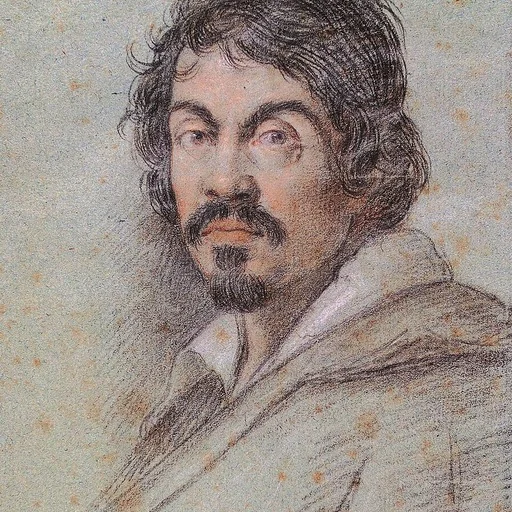
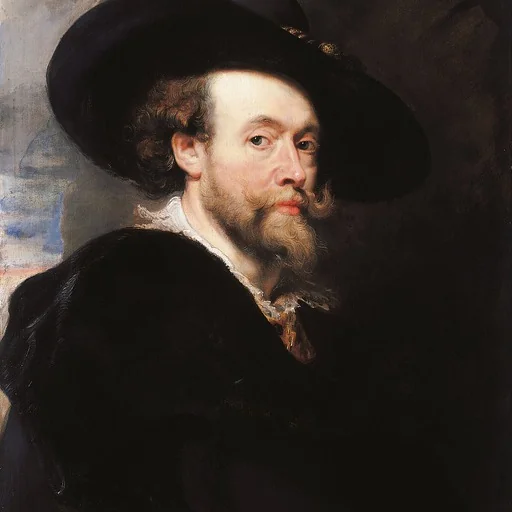
Overview
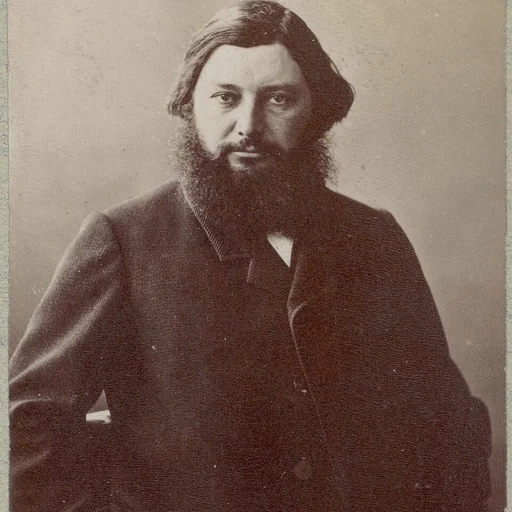
The head is the anterior anatomical region found in many bilaterally symmetric animals, containing the sensory organs, mouth, and central nervous system structures that process environmental information. In art, the head has served as one of the most enduring and versatile subjects, appearing in 160 works within this collection alone. Its recurrence stems from the head's dual significance: as the locus of physical identity, expression, and perception, and as a powerful symbolic vessel for ideas about power, mortality, divinity, and human consciousness. Artists have depicted heads in forms ranging from naturalistic portraiture to stylized masks, severed heads in narrative scenes, and animal heads in still life and allegory.
Iconography & meaning
The iconography of the head in art draws upon its biological function as the center of sensation and cognition. The concentration of eyes, ears, nose, and mouth makes the head the primary site of human expression and interpersonal recognition. In religious and mythological contexts, the head frequently signifies the seat of the soul or the essence of an individual. The severed head carries particularly potent meanings: it can represent triumph over evil, as in the biblical story of David and Goliath; the dangers of female beauty and power, as with Medusa; or the transience of life in vanitas traditions. Masks, such as the Noh masks in this collection, distill the head into typified emotional states, removing individual identity to access universal human experience. Animal heads in still life and genre scenes often carry associations with sacrifice, sustenance, or the natural world. The head's role as the protected container of the brain has also made it a symbol of intellect and rationality in philosophical traditions, while its vulnerability to decapitation has linked it to political power and its violent overthrow.
Works
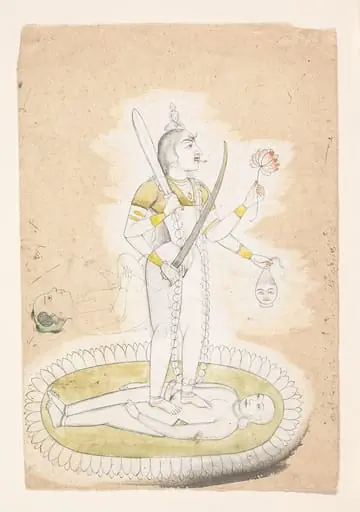 Untitled
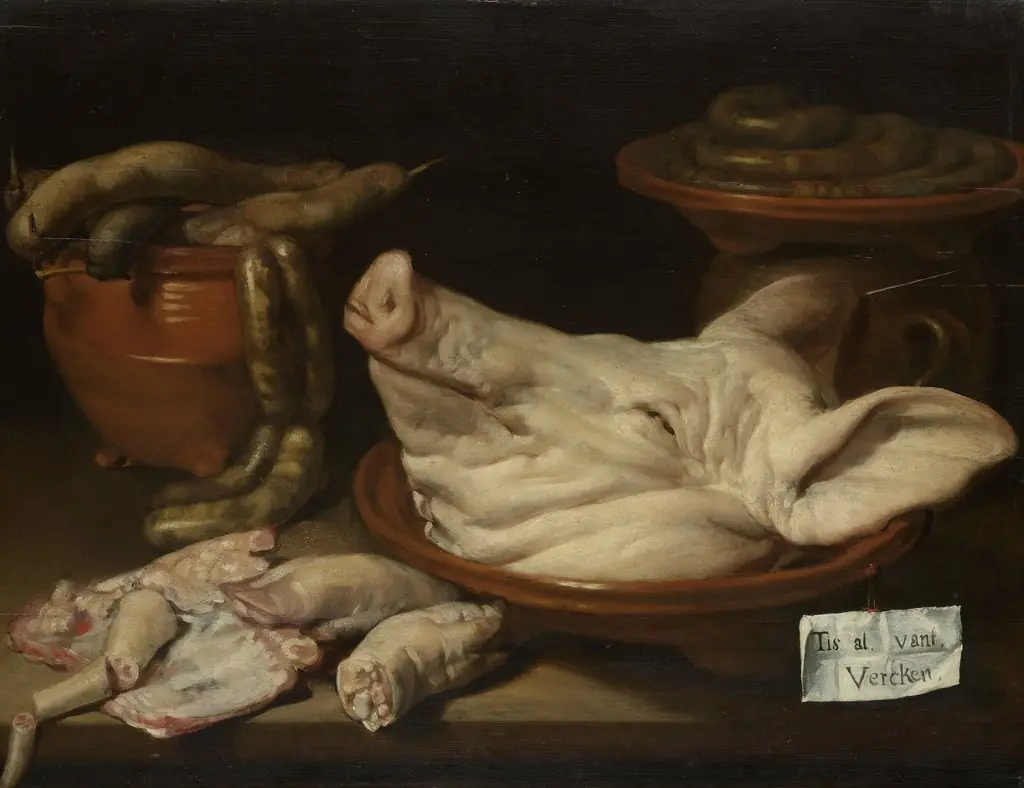 Still Life with Pig's Head, Trotters and Sausage
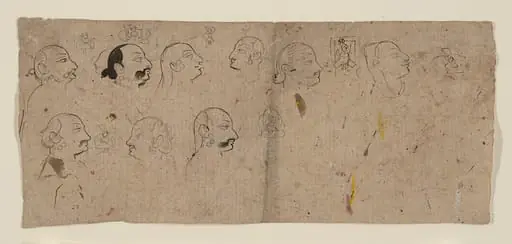 Untitled
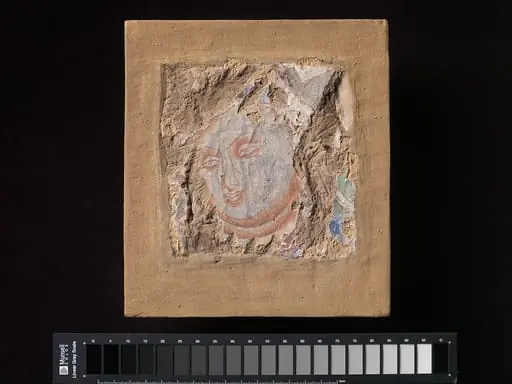 Untitled
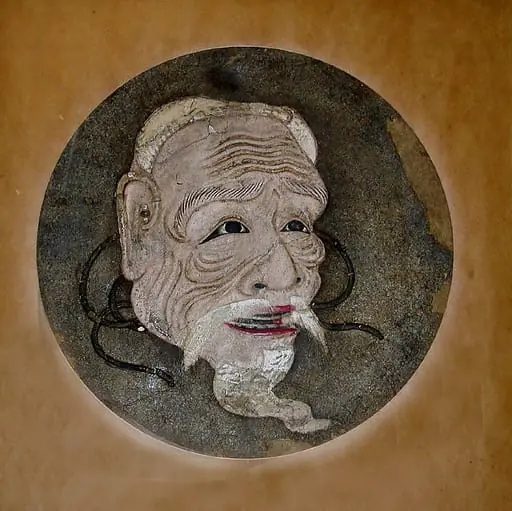 能面図・朝倉尉|Noh Mask of an Old Man (Asakurajō)
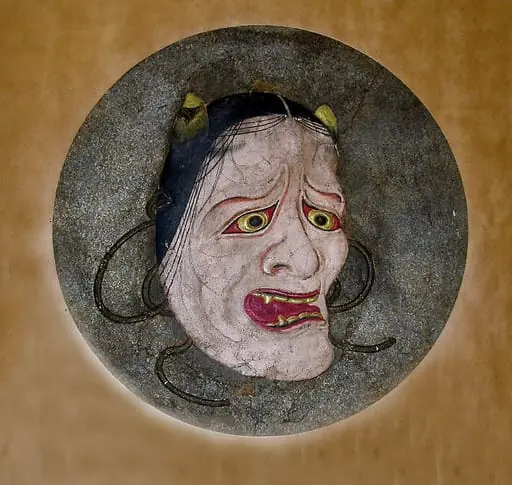 能面図・般若|Noh Mask of a Demoness (Hannya)
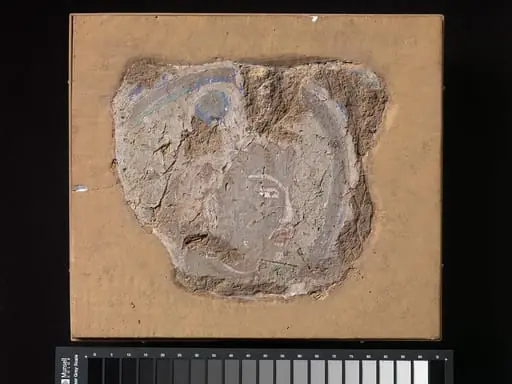 Untitled
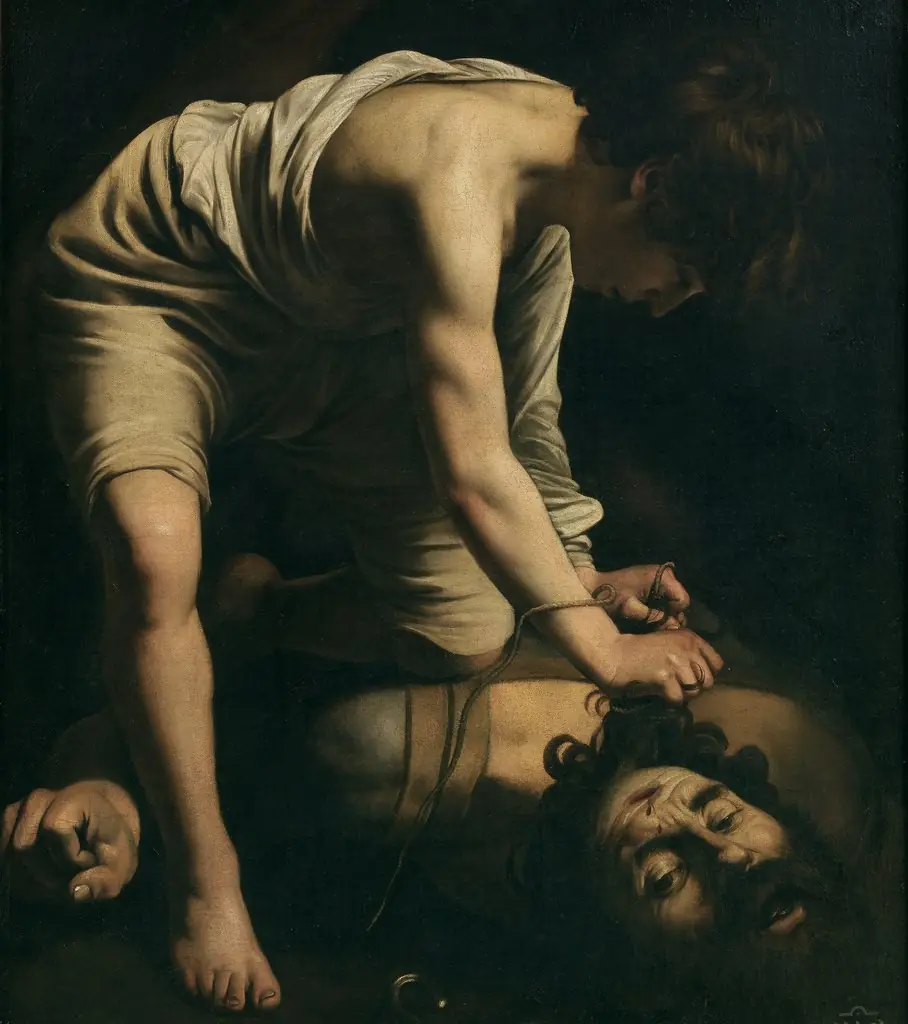 David and Goliath
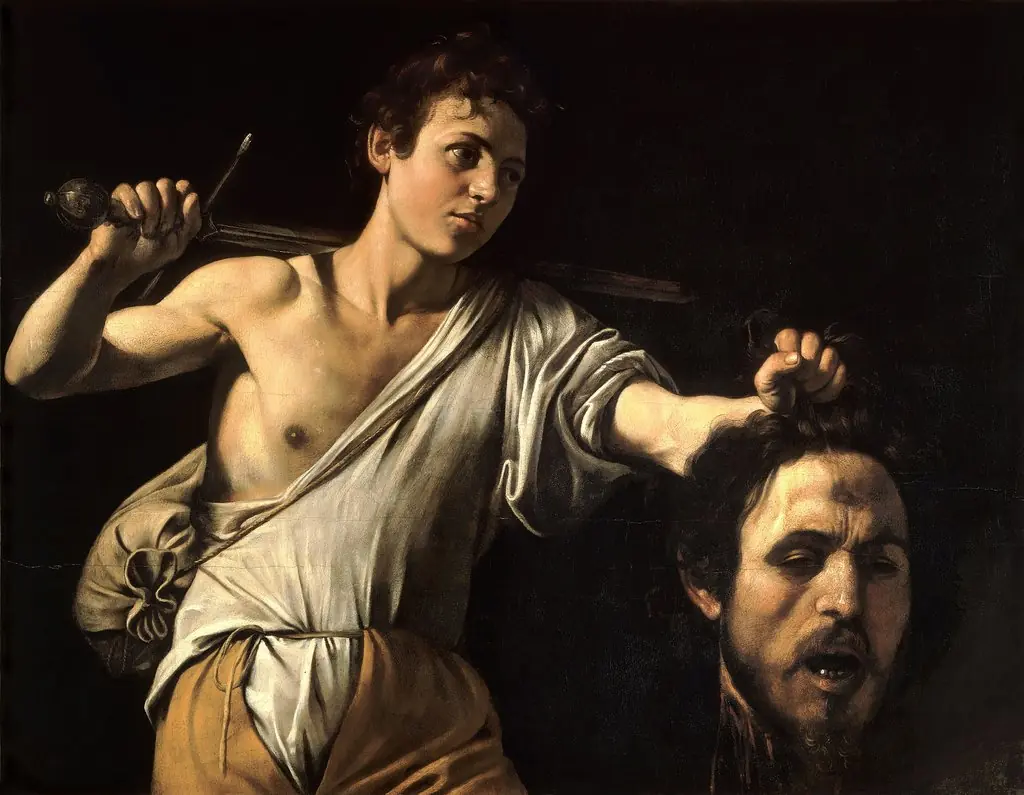 David with the Head of Goliath
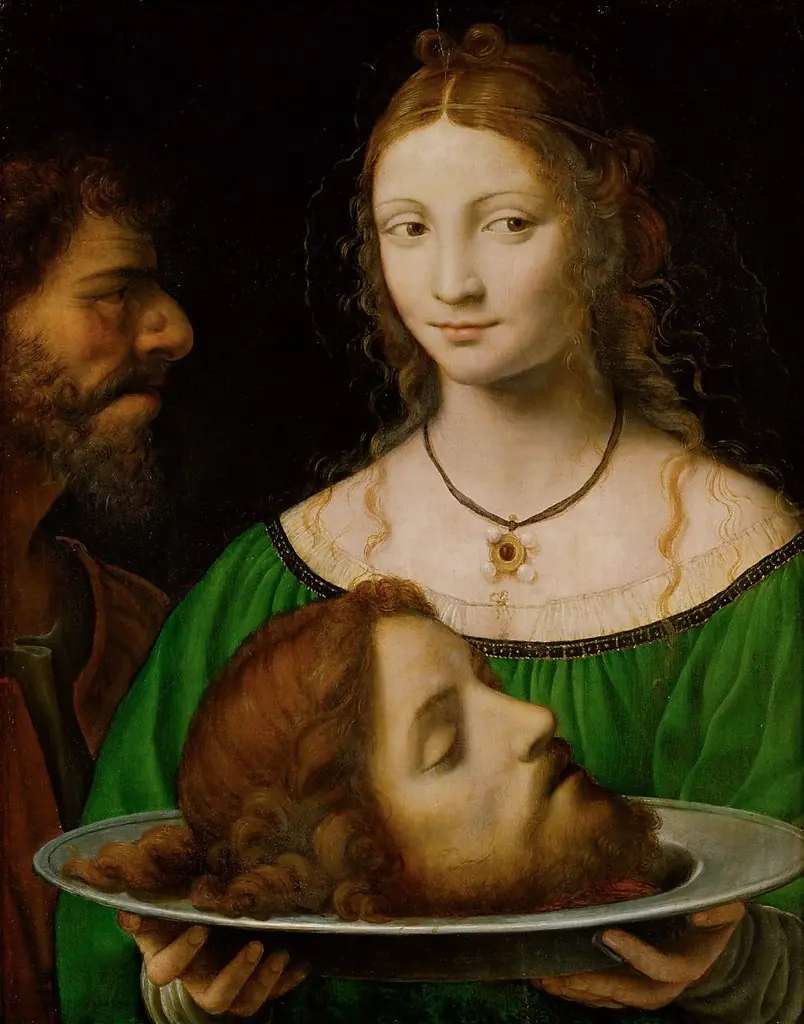 Salome with the Head of John the Baptist
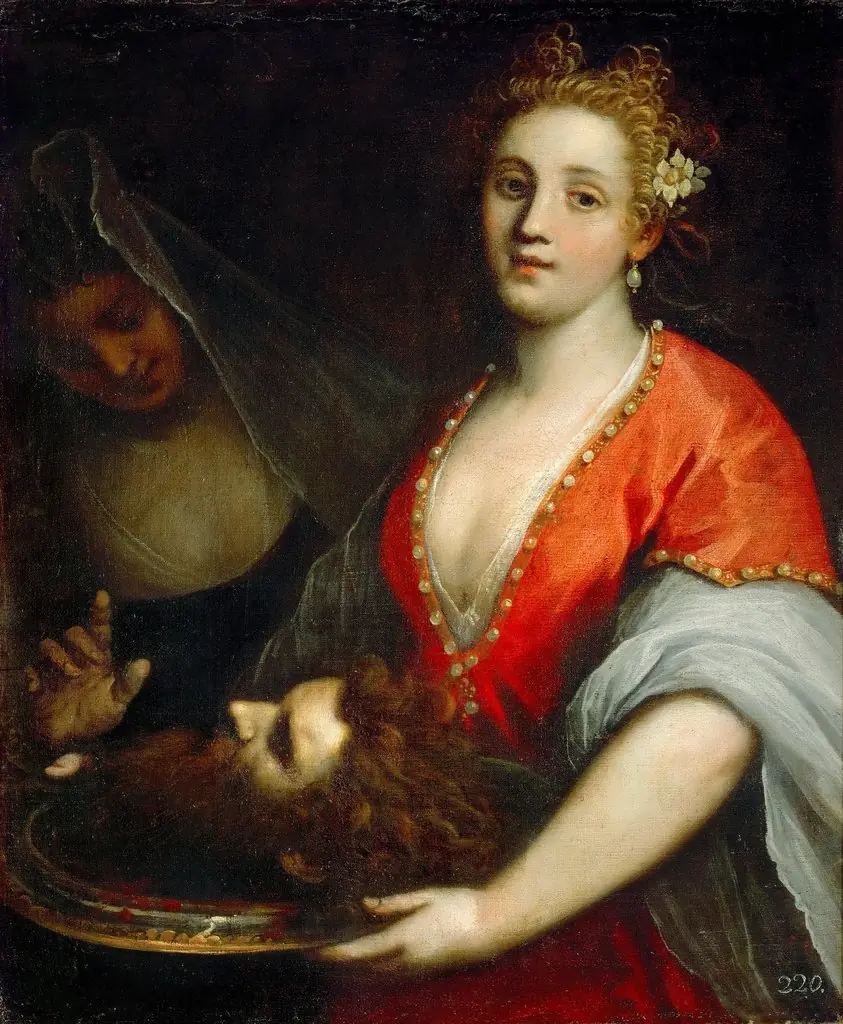 Salomé with the Head of John the Baptist
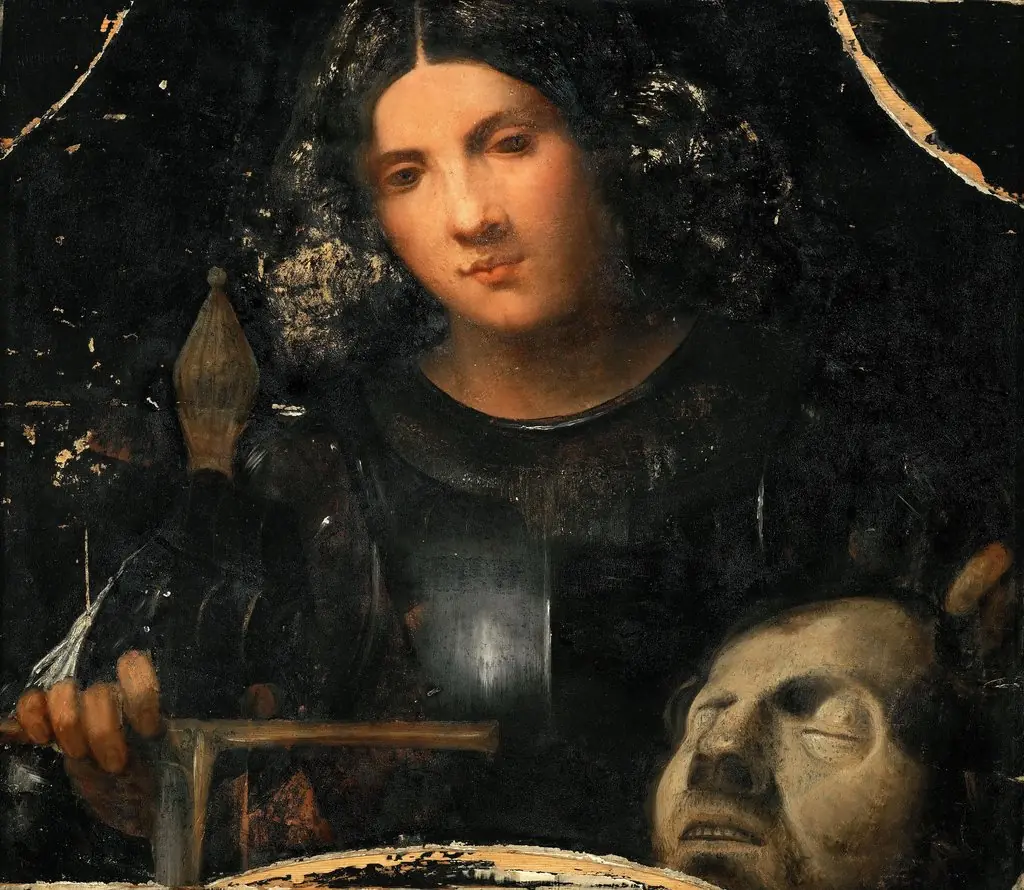 David with the Head of Goliath
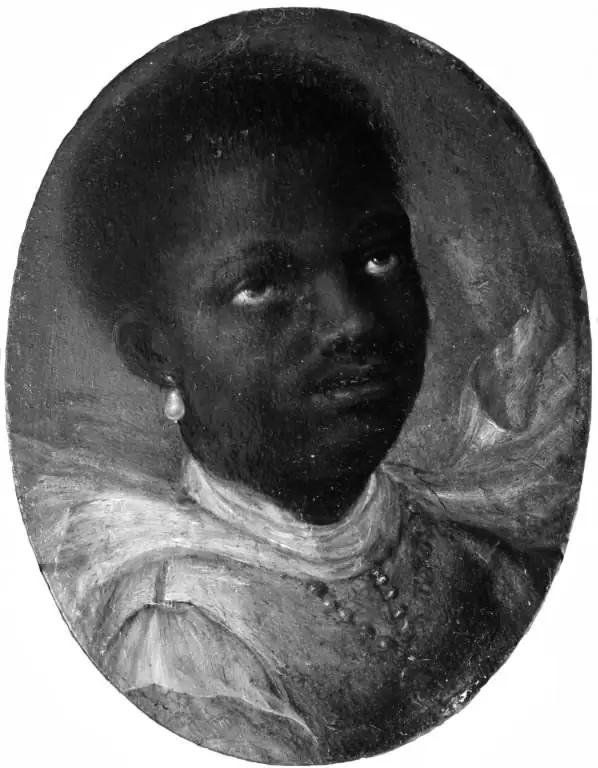 Head of an African
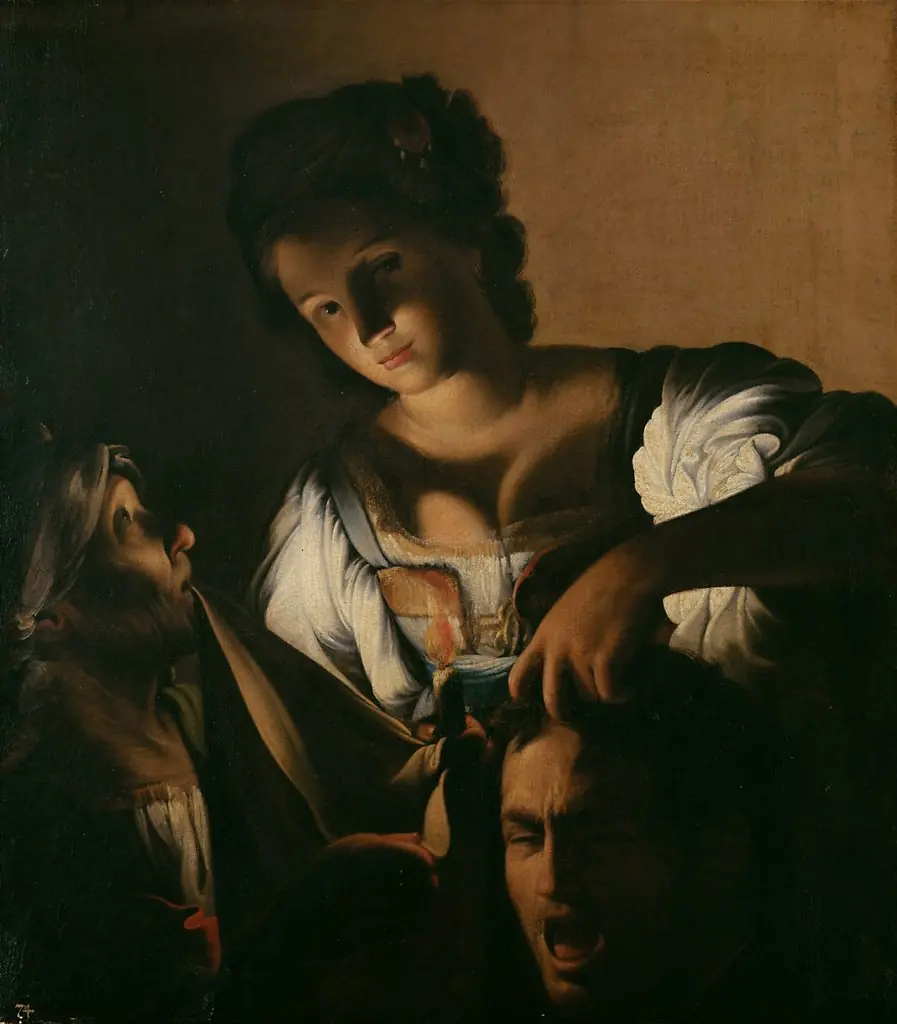 Judith with the head of Holofernes
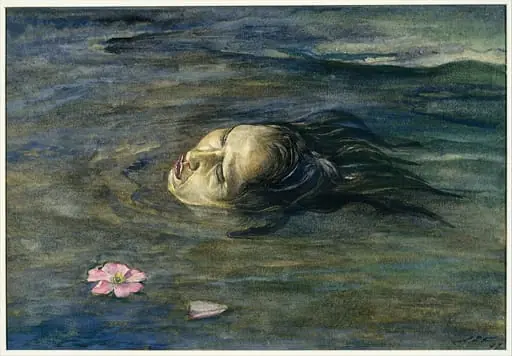 The Strange Thing Little Kiosai Saw in the River
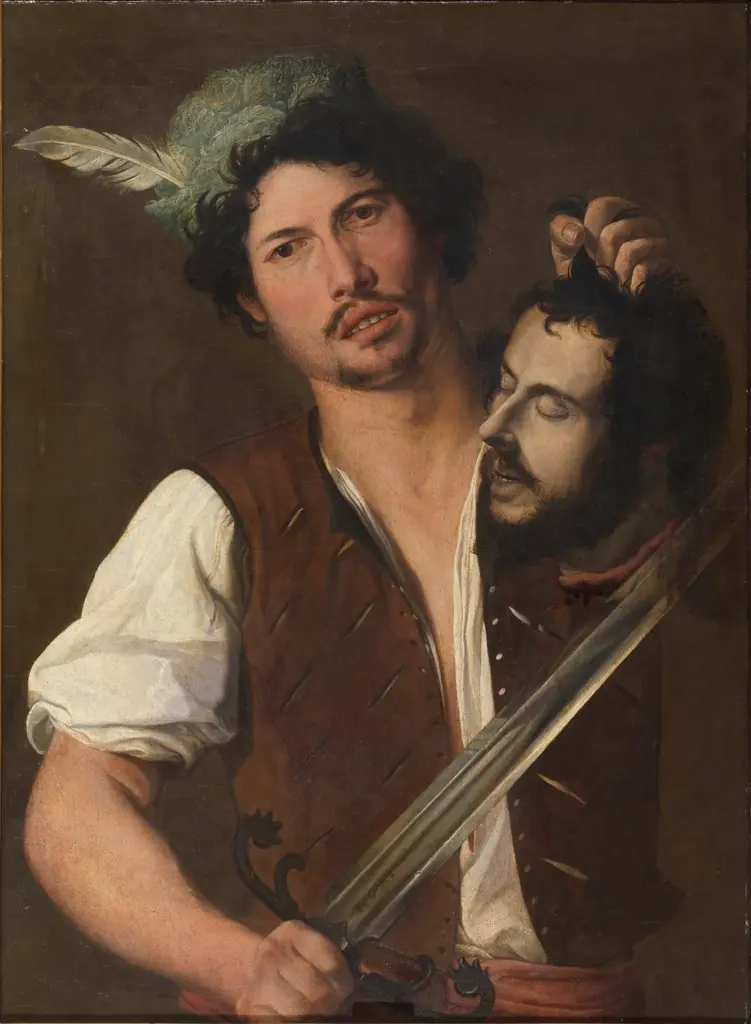 Executioner with the Head of John the Baptist
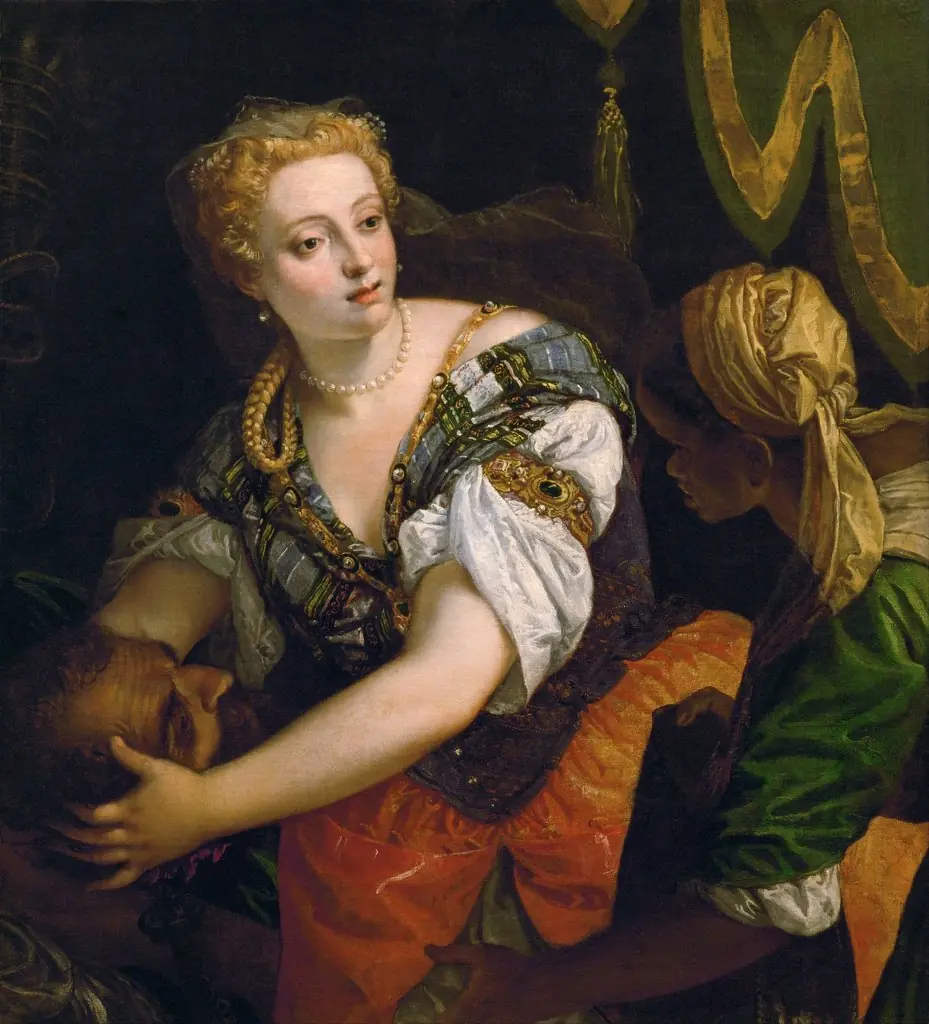 Judith with the Head of Holofernes
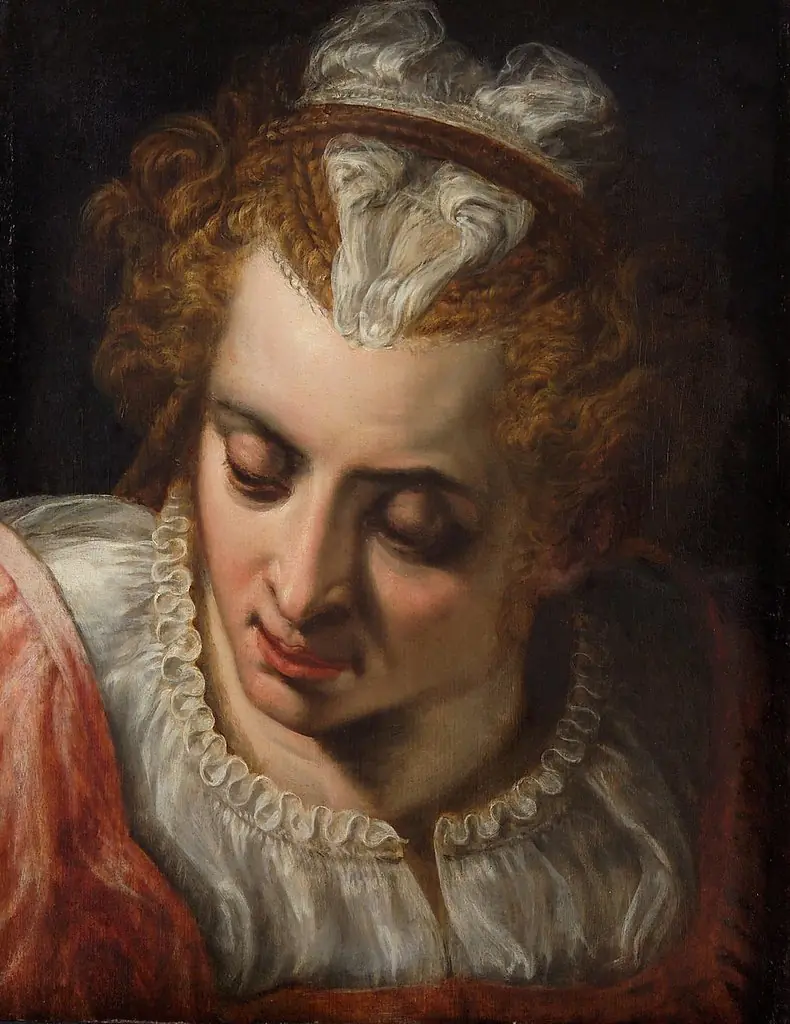 Study of a Head
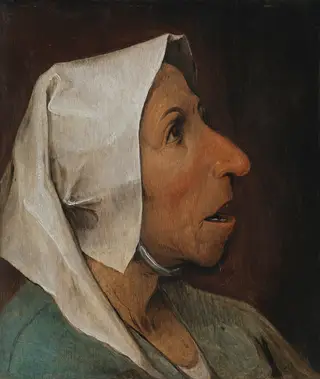 Head of Peasant
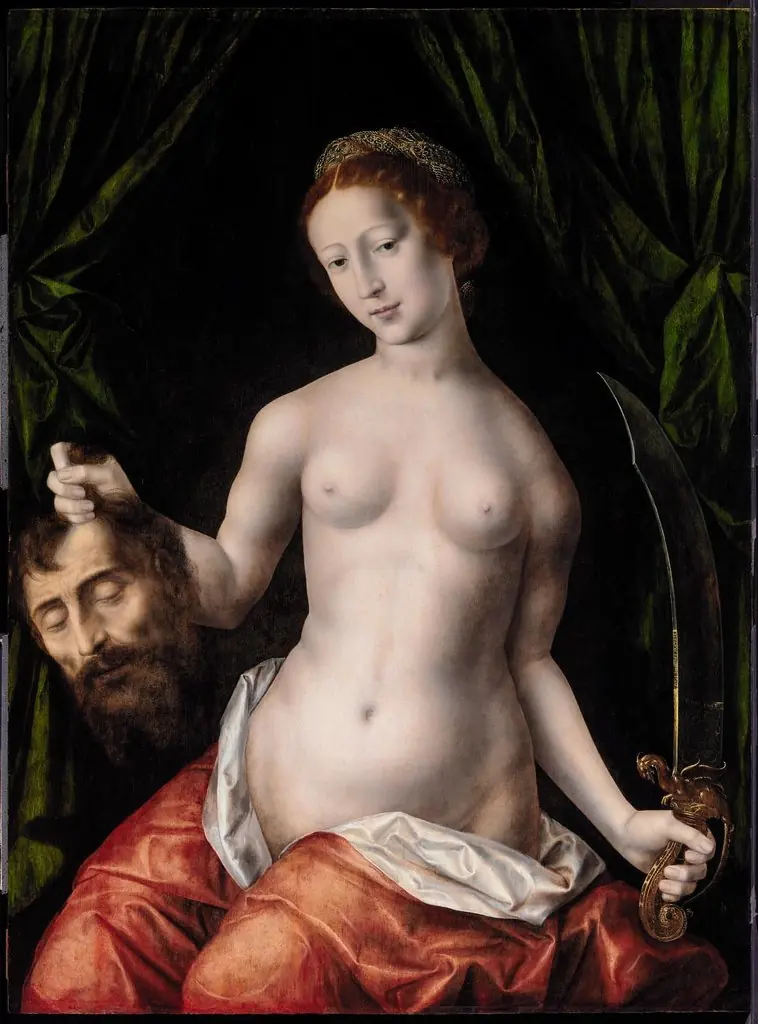 Judith with the Head of Holofernes
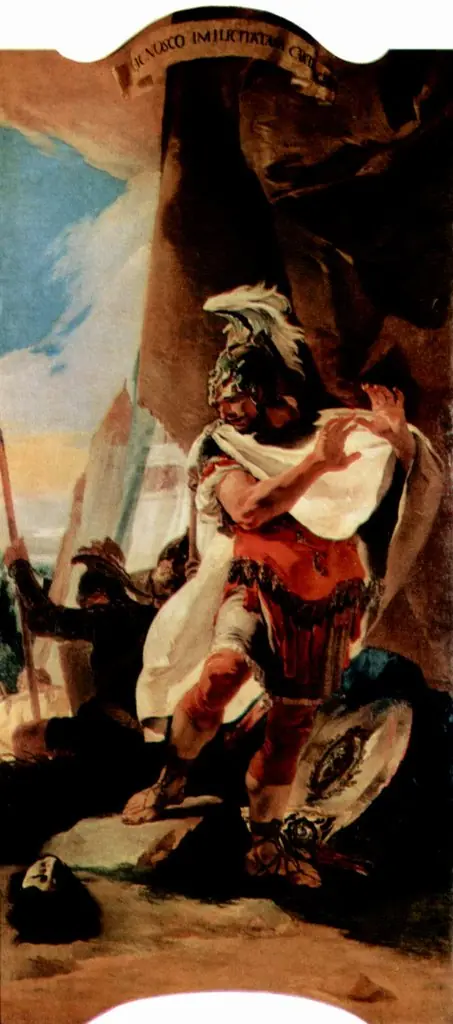 Hannibal recognises the head of his brother Hasdrubal
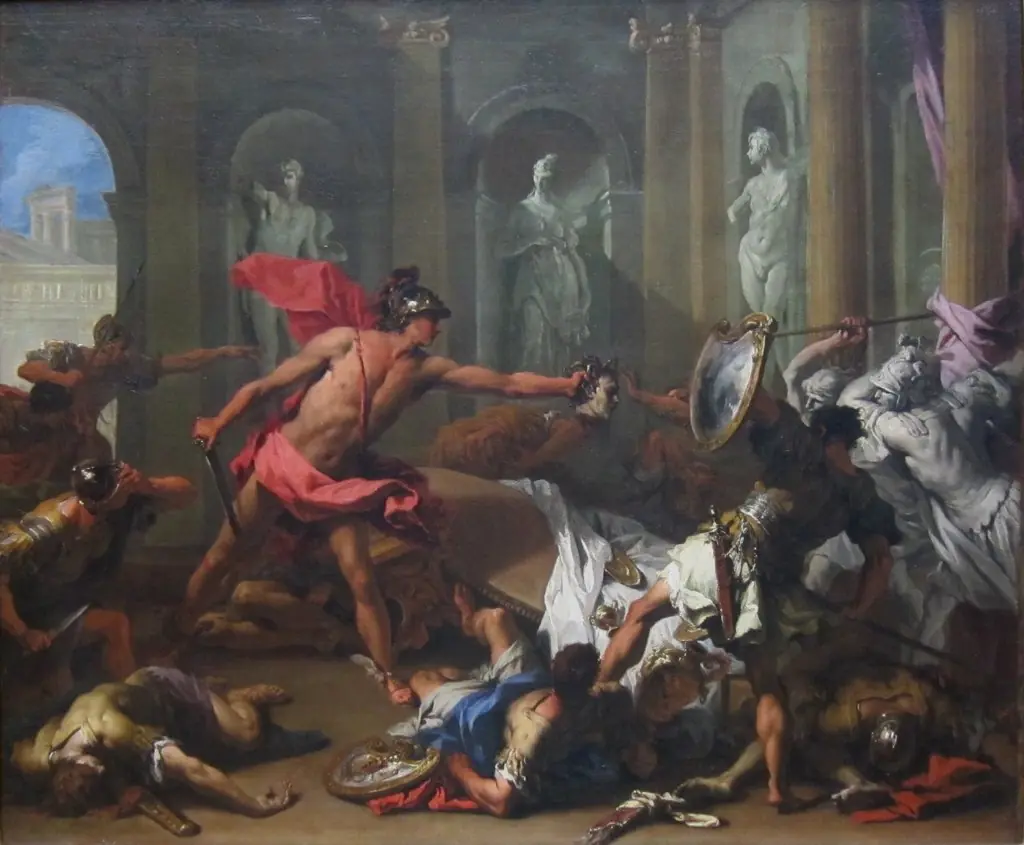 Perseo affronta Fineo con la testa di Medusa
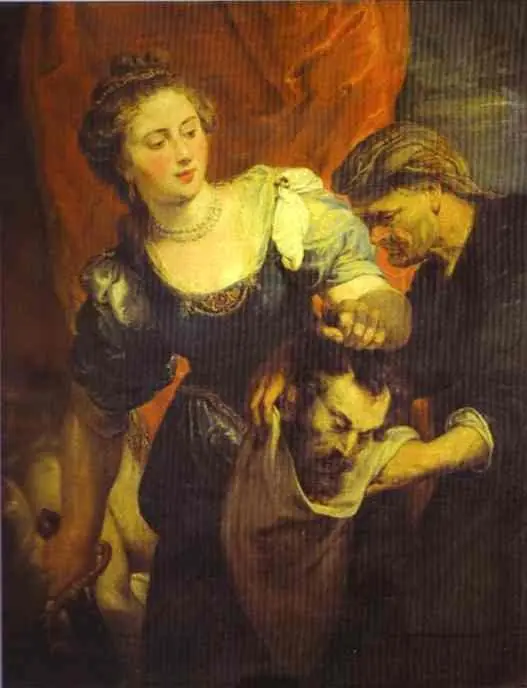 Portrait of Judith with the Head of Holofernes
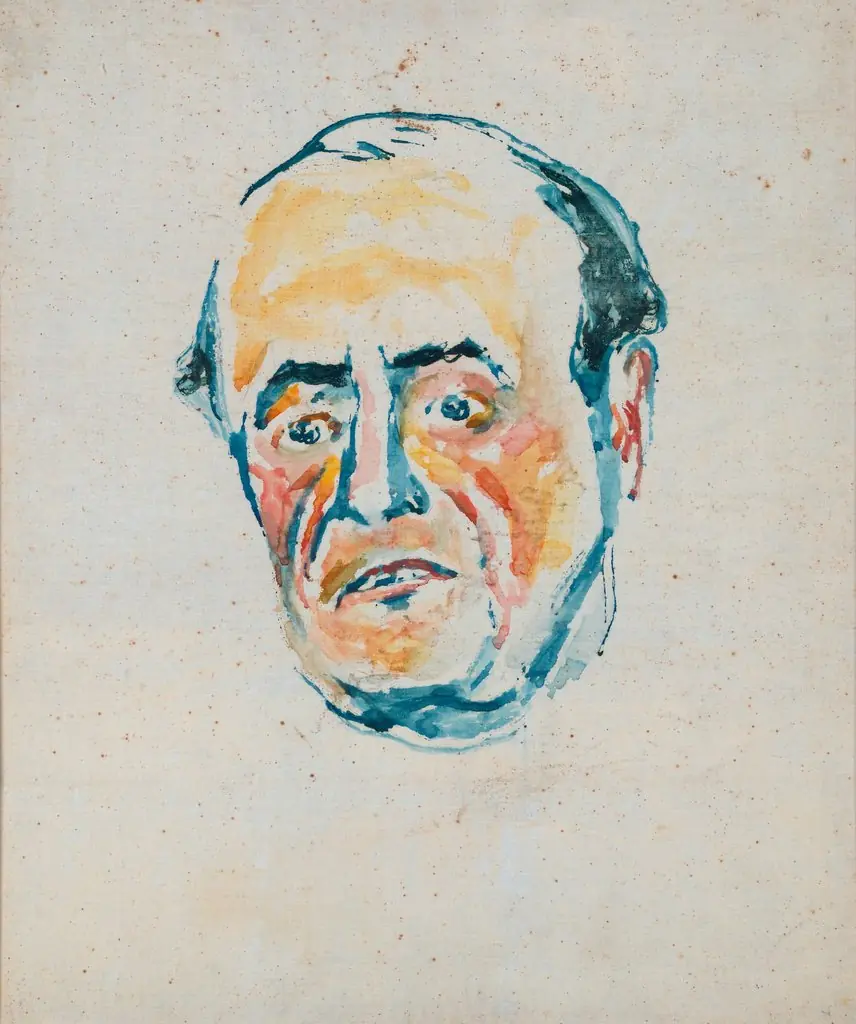 Portrait of a Man
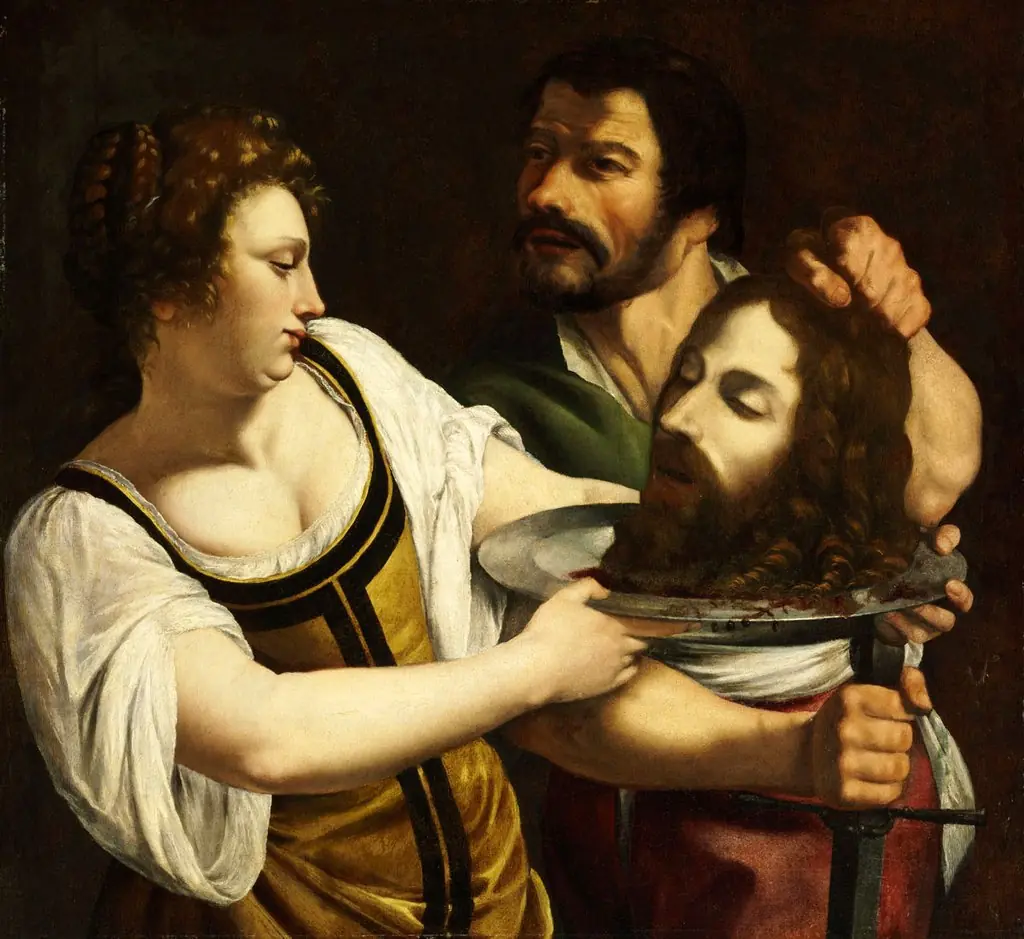 Salome with the Head of Saint John the Baptist
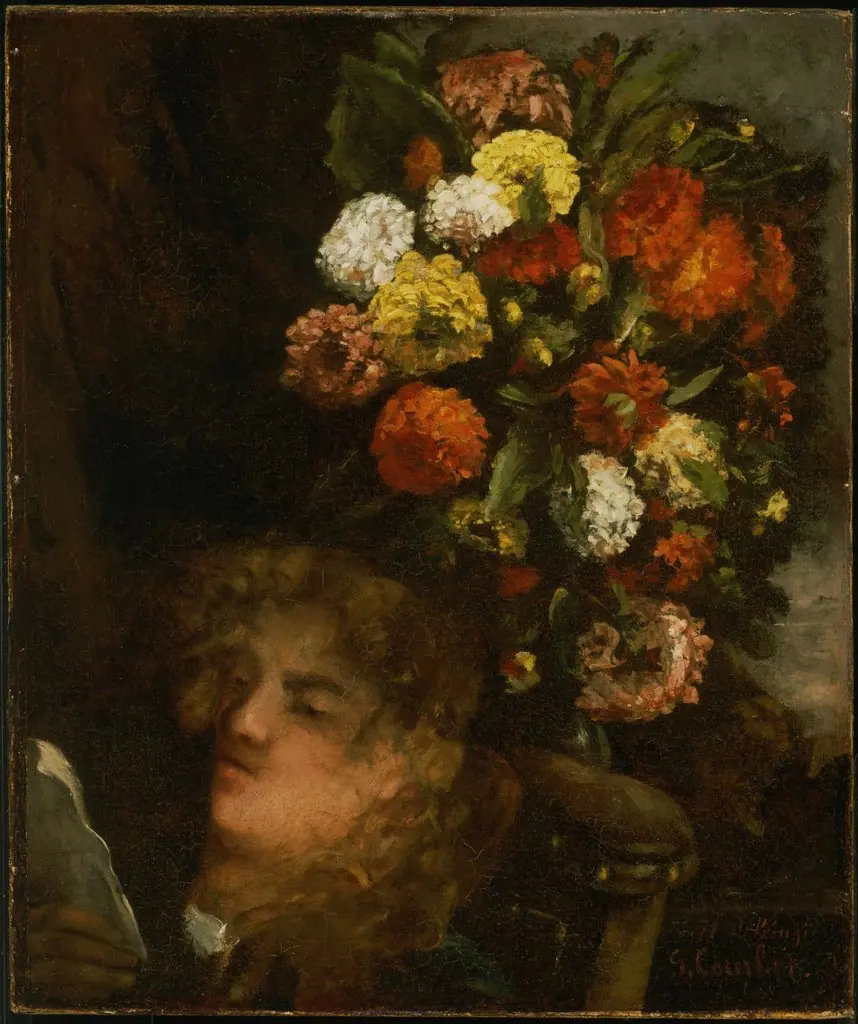 Head of a Woman and Flowers
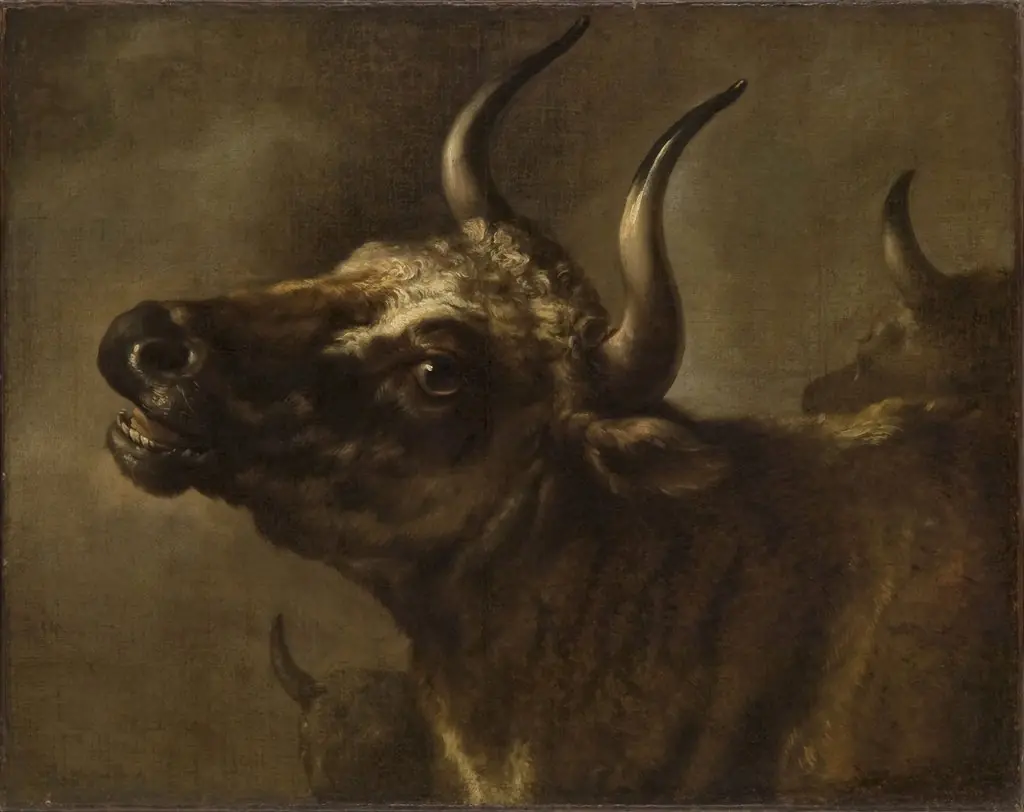 Bellowing Bull
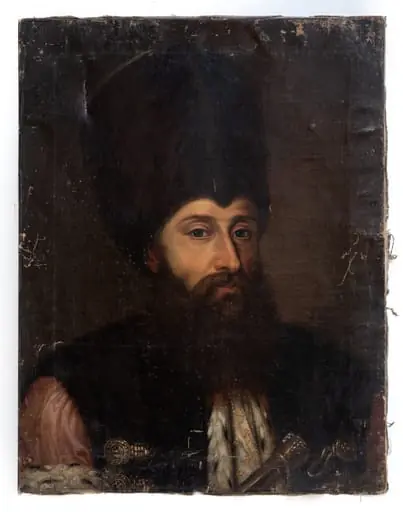 Alexandru Ipsilanti
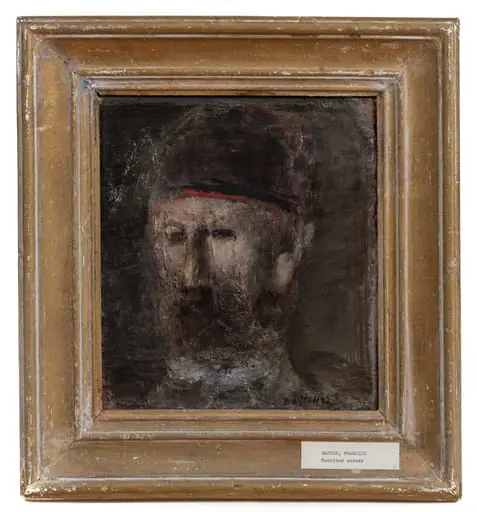 Pescar
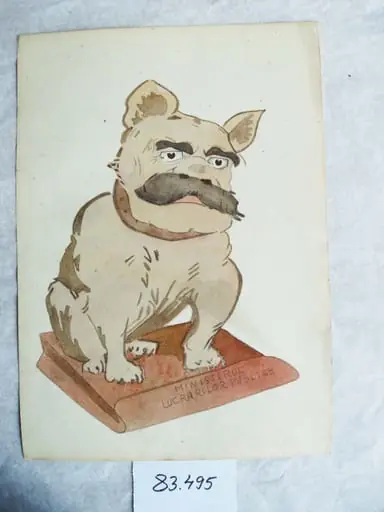 Alexandru Bădărău/Dem Dobrescu (verso)
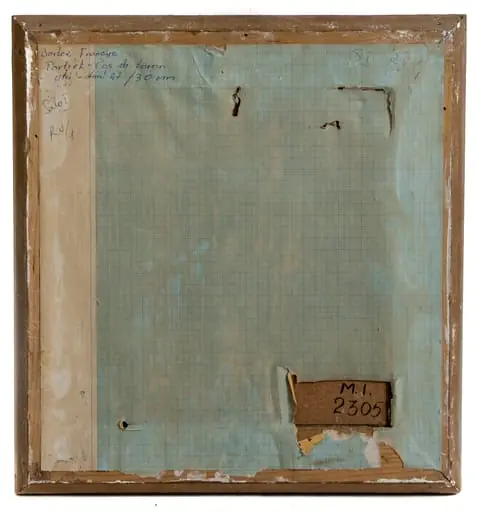 Cap de țăran
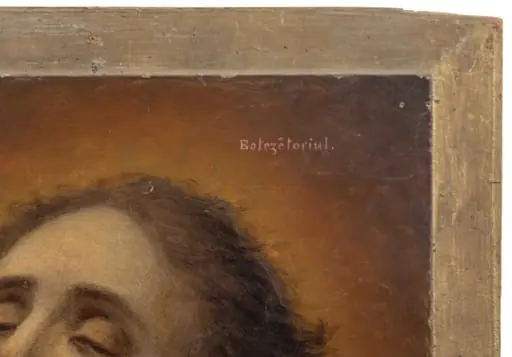 Capul lui Ioan Botezătorul
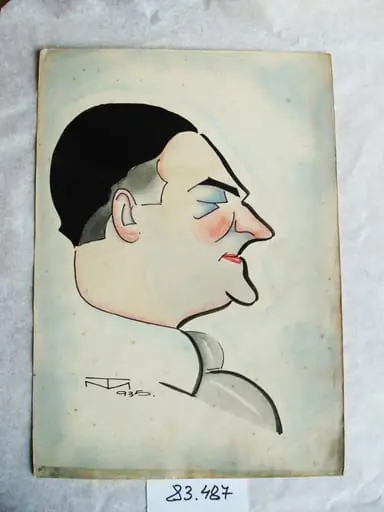 Miliță Constantinescu
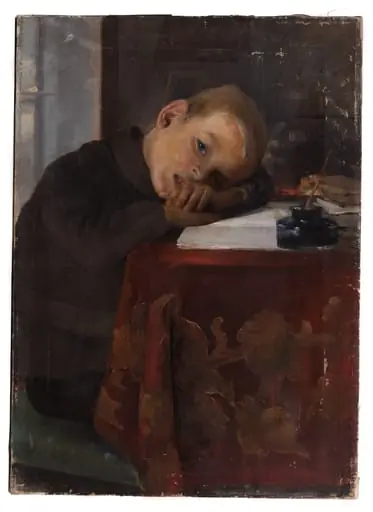 Copil
Copil 'Ajunge!" - studiu
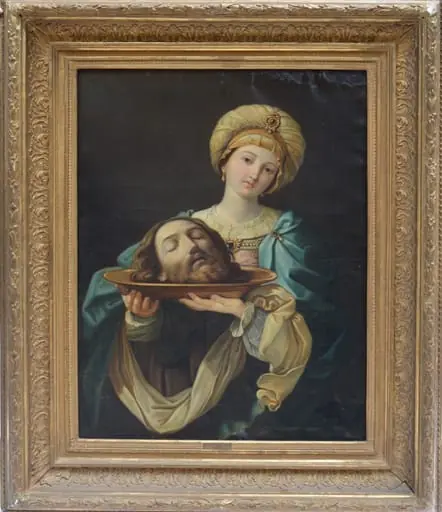 Herodiada (Salomea cu capul lui Ioan Botezătorul)
 Lectura
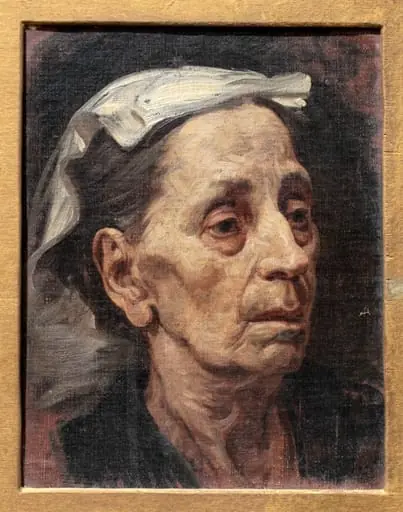 Cap de bătrână
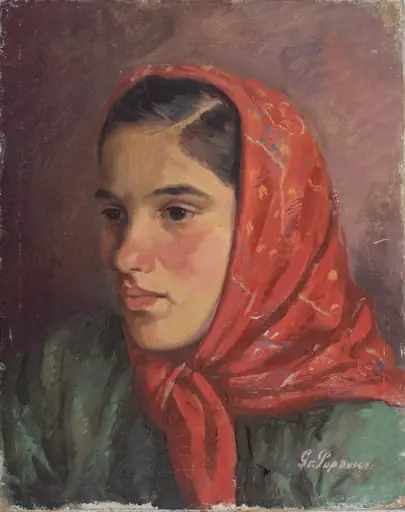 Cap de fată
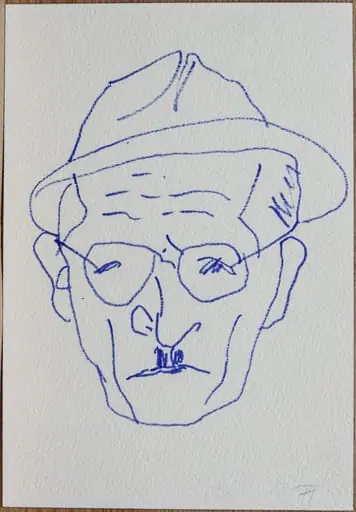 Cap de bărbat cu ochelari
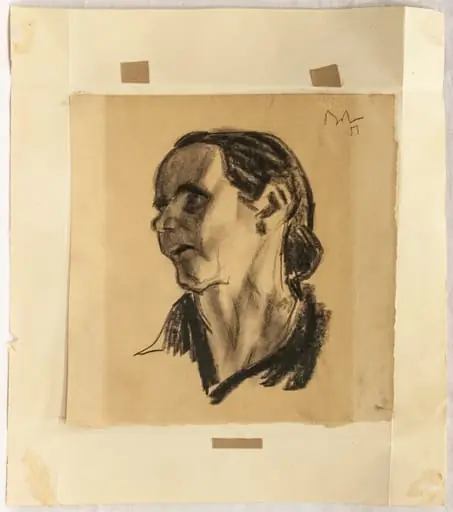 Desen (Portret de femeie)
 Portret din profil
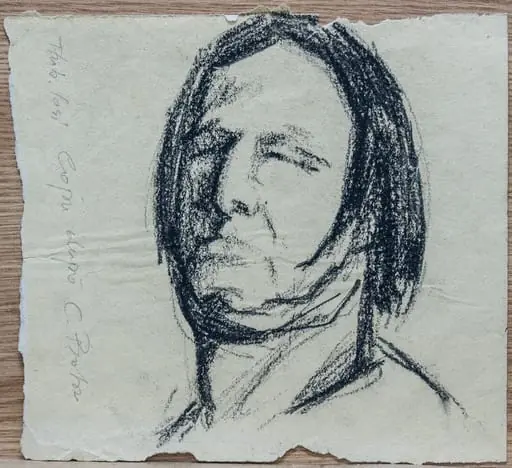 Copie după C. Baba
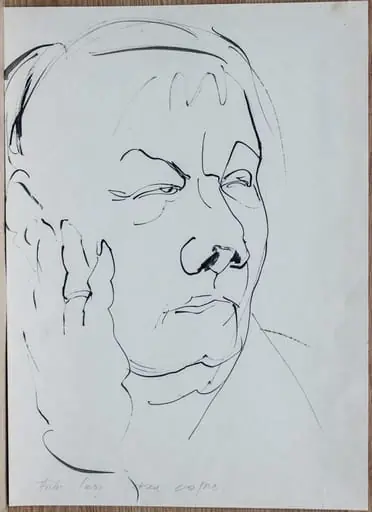 Desen copie
 Cap de bărbat
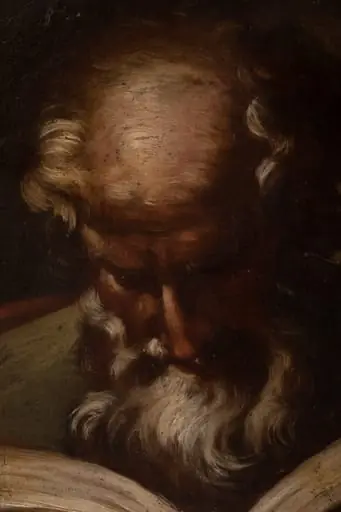 Bătrân pleșuv cu carte
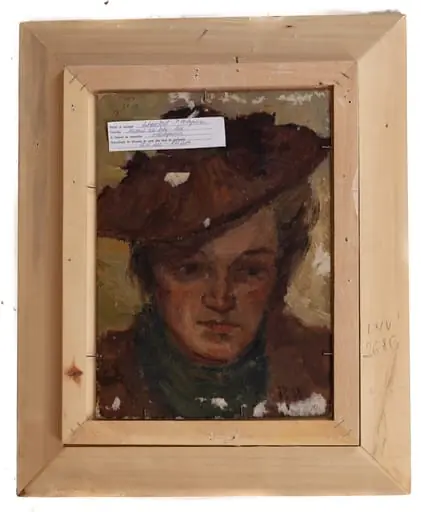 Autoportret
 Cap de bătrână
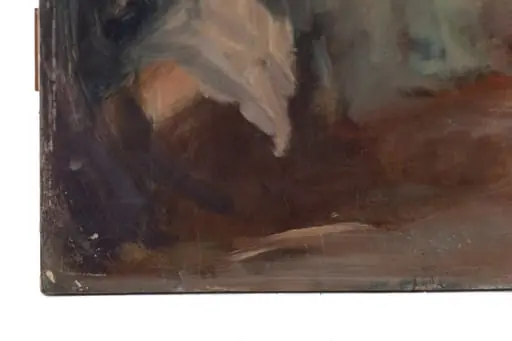 În liniștea visării
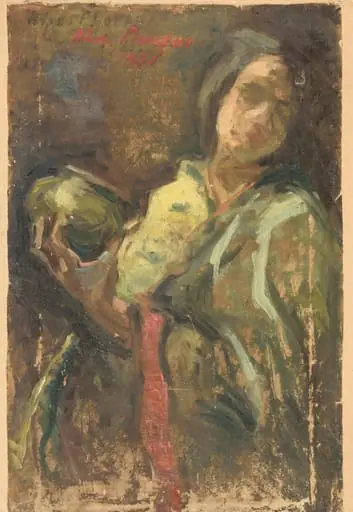 STUDIU
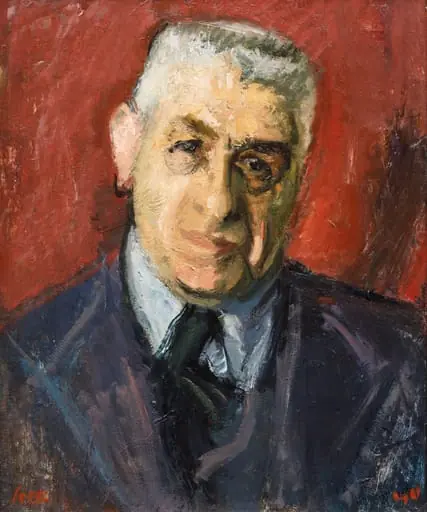 Portretul colecționarului Lasersohn
 Blestemați fie masculii!
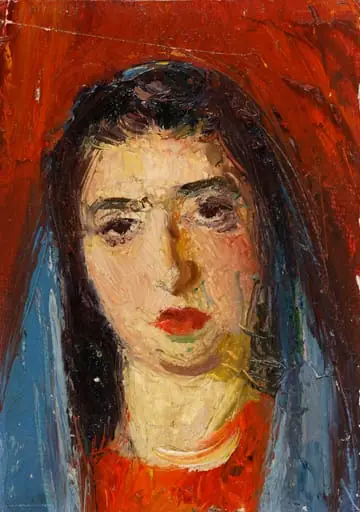 Fată cu șal albastru
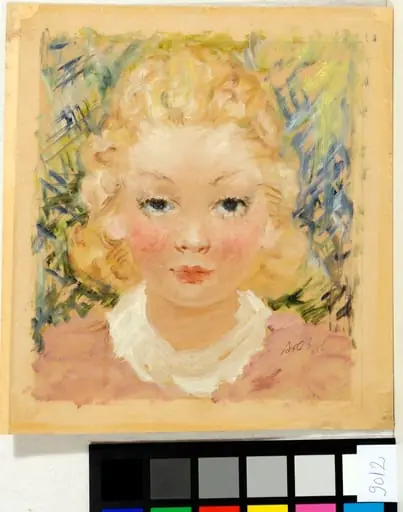 Cap de fetiță
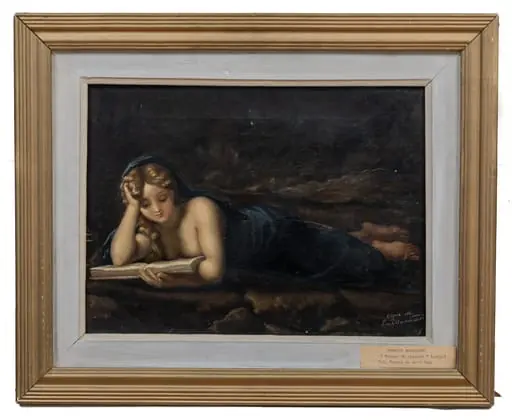 Magdalena în peșteră (copie după Correggio)
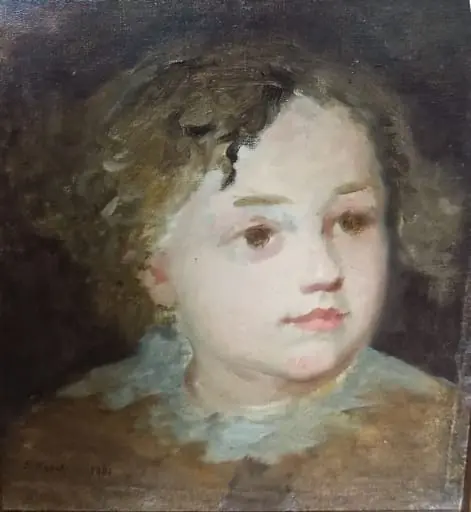 Portret copil
Frequently asked questions
What is Head?
Head is a subject in art. A head is the part of an organism which usually includes the ears, brain, forehead, cheeks, chin, eyes, nose, and mouth, each of which aids in various sensory functions such as sight, hearing, smell, and taste.
How many Head works does Artifact World Gallery have?
Artifact World Gallery holds 56 public-domain Head works, all free to view and download.
Who are the key Head artists?
Key Head artists in the collection include Paolo Veronese, Gustave Courbet and Caravaggio.
Where can I see Head works?
Head works in the collection are held by Moldova National Museum Complex, Kunsthistorisches Museum and Metropolitan Museum of Art.