Artwork
Hedvig Sofia as a child, Queen of Sweden
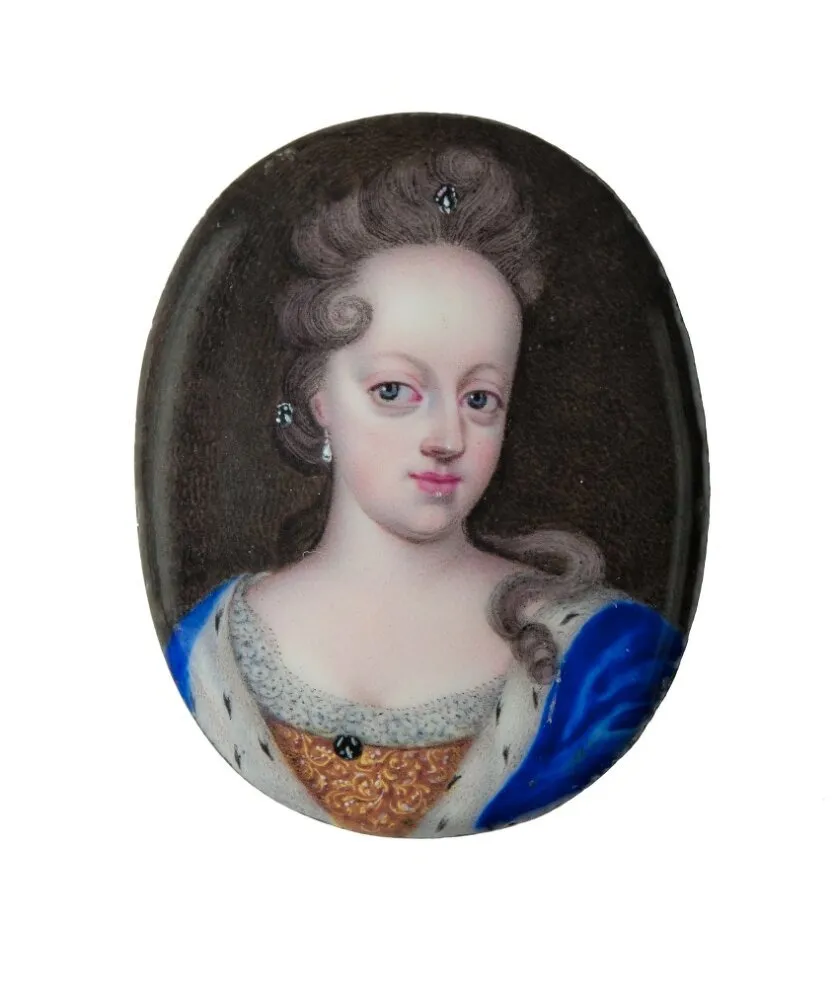
Hedvig Sofia as a child, Queen of Sweden is an unspecified painting by Erik Utterhielm. It dates from 1699 and is held in the collection of the Nationalmuseum.
About this work
Overview
Erik Utterhielm’s portrait, dated around 1699, presents the young Hedvig Sophia, later queen of Sweden. Executed in oil on canvas, the work resides in Stockholm’s Nationalmuseum, where it forms part of the collection of Swedish royal portraiture from the late seventeenth century.
Subject & Meaning
The sitter is Hedvig Sophia as a child, portrayed with a composed, forward‑gazing expression that conveys both innocence and the dignified bearing expected of a future monarch. Her attire and poised demeanor underscore her aristocratic status while the simplicity of the pose emphasizes her youth.
Technique & Style
Utterhielm employs a restrained palette, contrasting the dark background with the luminous flesh tones of the girl. A blue dress trimmed in white fur and a gold‑patterned bodice are rendered with fine brushwork, while the curled brown hair and a modest forehead jewel receive delicate highlights that enhance the painting’s refined elegance.
History & Provenance
Created at the turn of the eighteenth century, the portrait entered the Nationalmuseum’s holdings as part of the Swedish royal collection. Its attribution to Utterhielm has been consistently accepted by scholars, and the work has remained in public view since its acquisition by the museum.
Context
Portraits of royal children were common in late‑Baroque Sweden, serving both as personal mementos and political statements of dynastic continuity. Utterhielm’s depiction aligns with contemporary conventions, presenting the future queen in a manner that balances courtly splendor with the tender qualities of childhood.
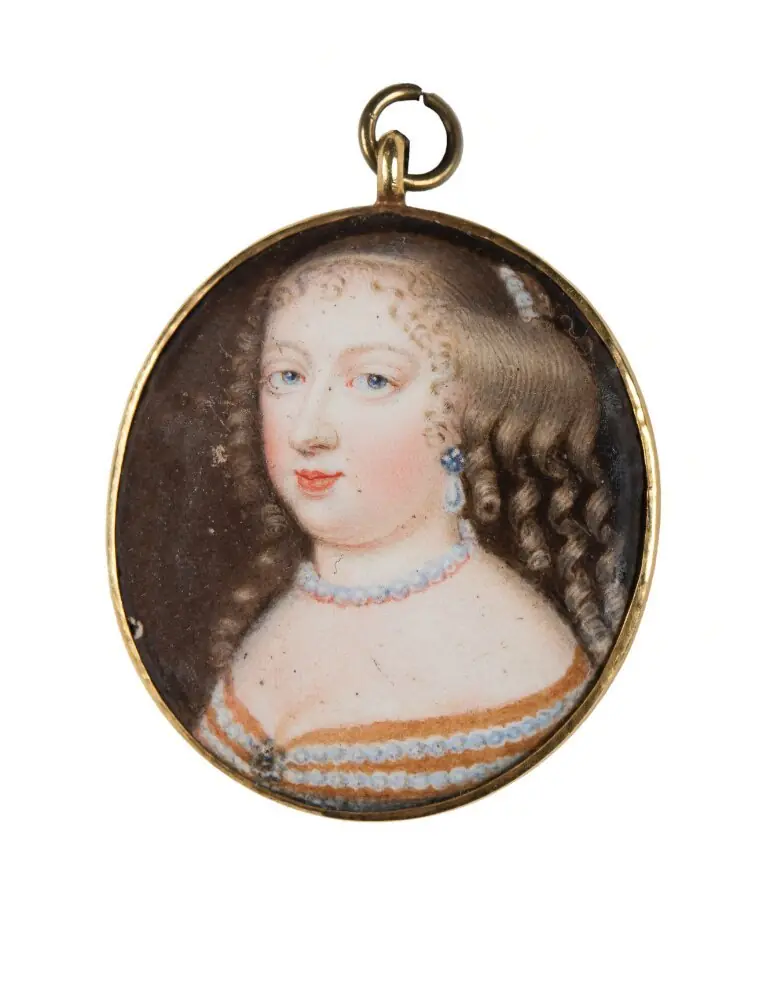
Artist & collection

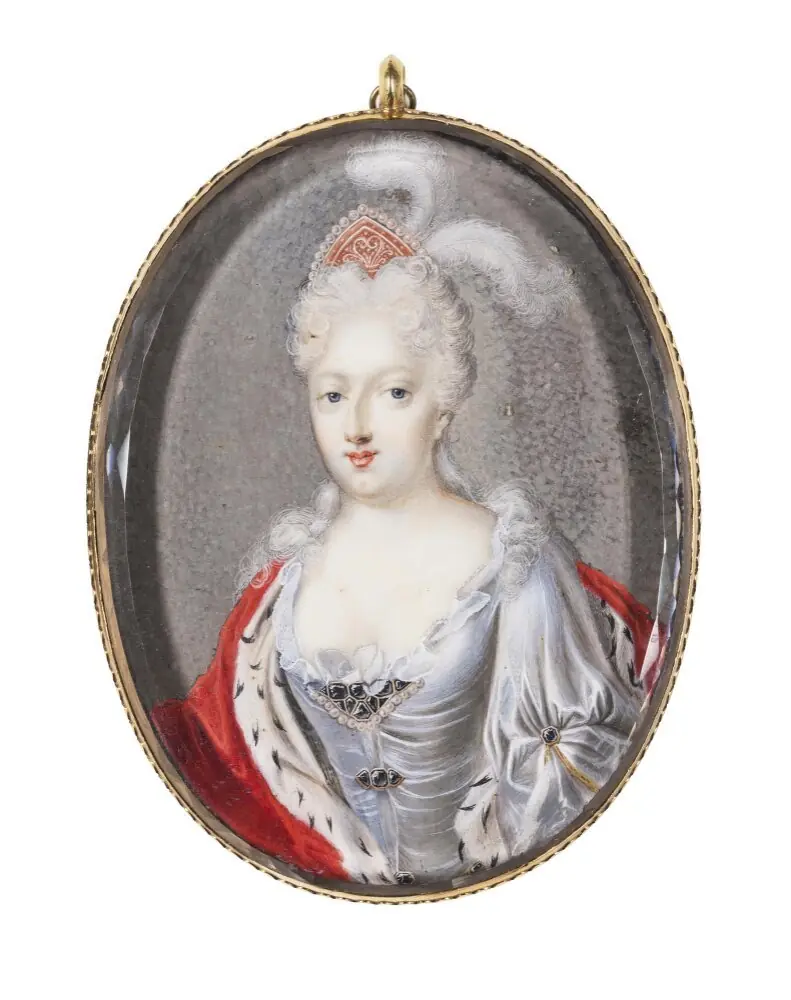 Sofia Charlotta Karolina (1678-1749), prinsessa av Hessen-Kassel, gift hertiginna av Mecklenburg-Schwerin
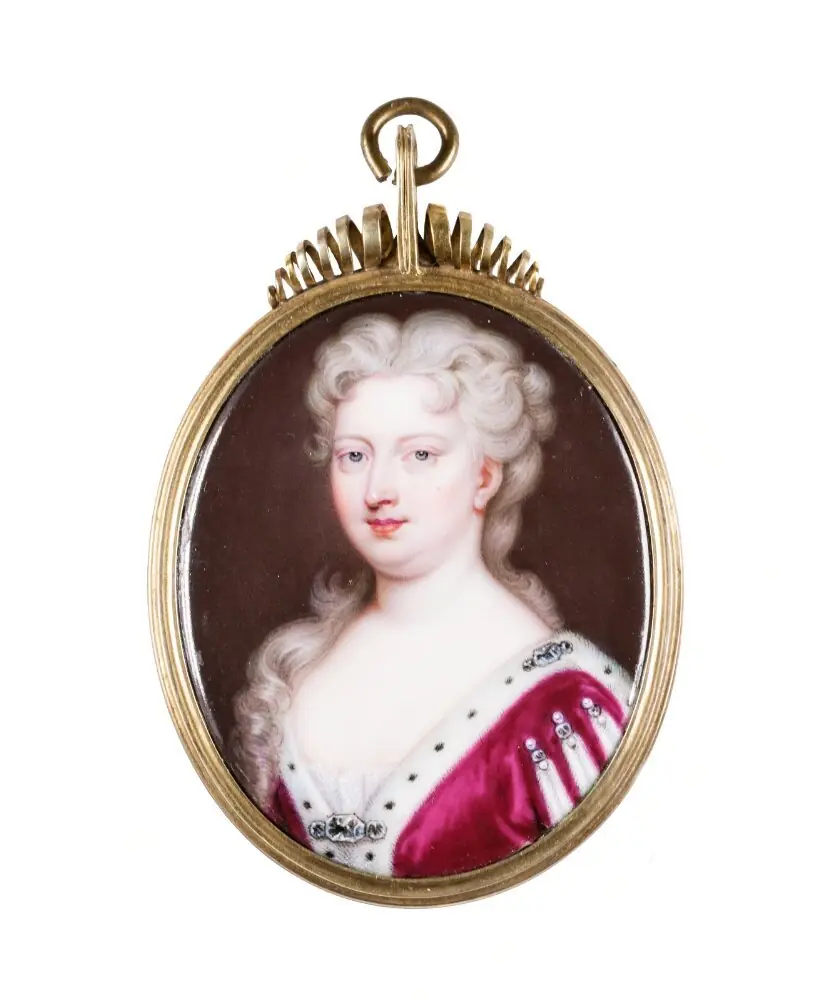 Wilhelmina Carolina, Queen of England and Scotland
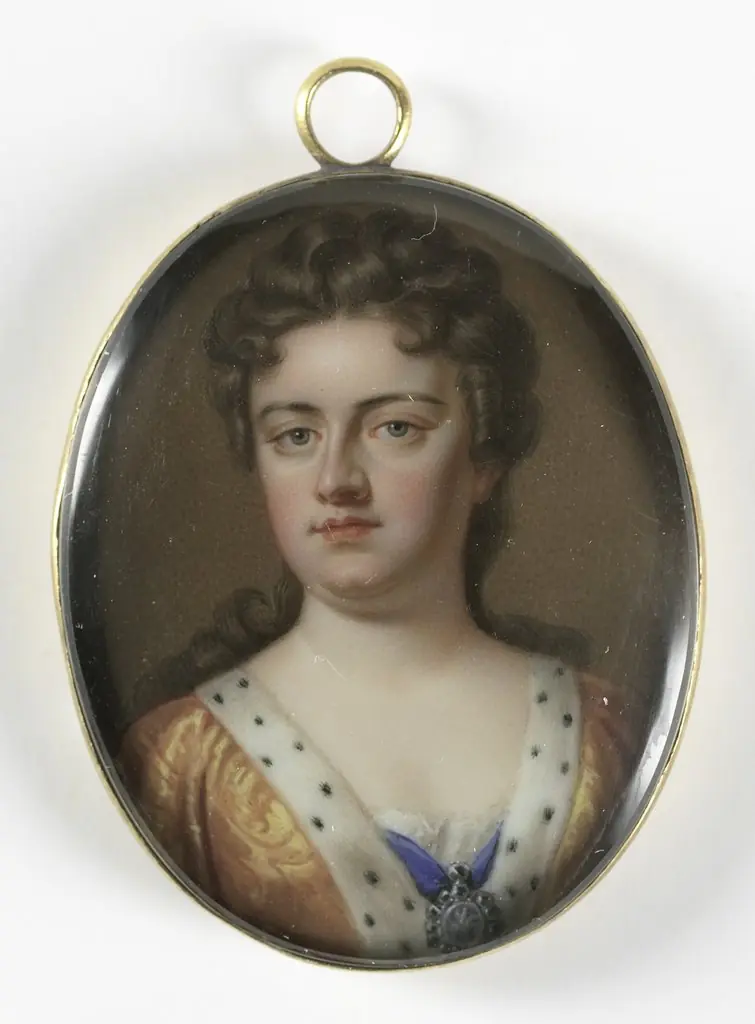 Anne Stuart (1665-1714), koningin van Engeland. Echtgenote van George van Denemarken
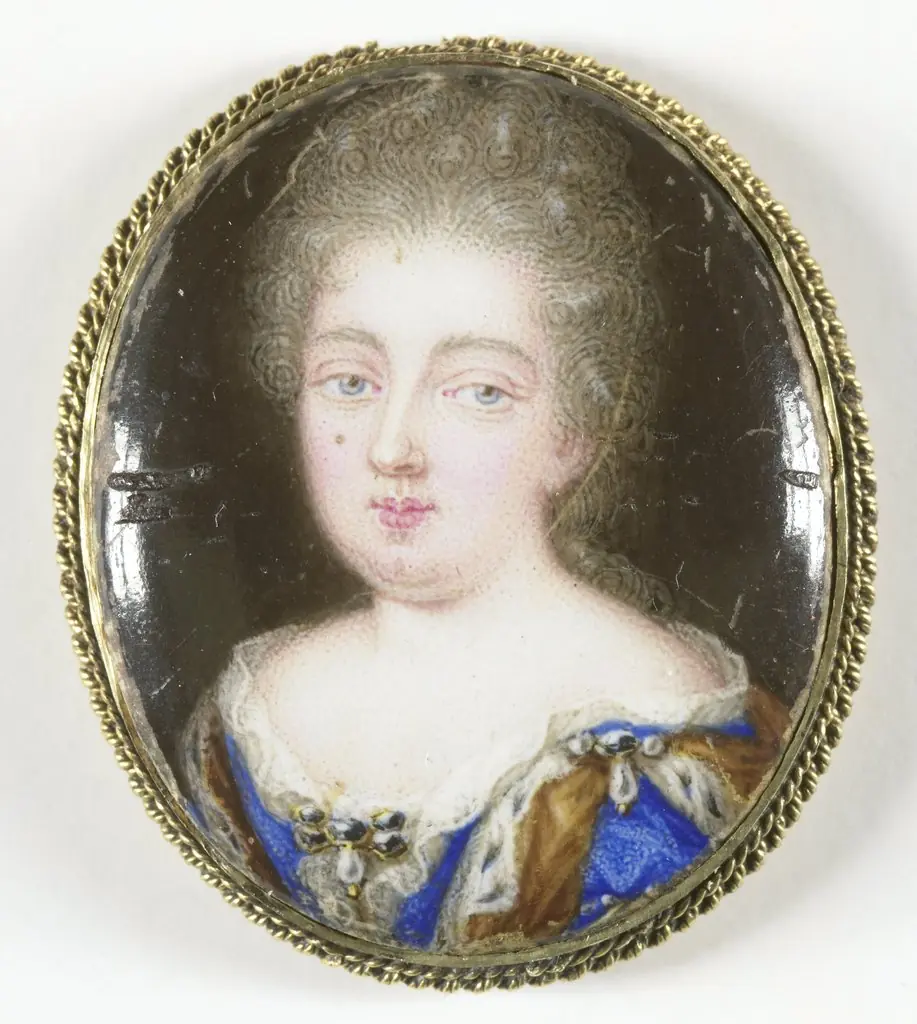 Portrait of an unknown woman
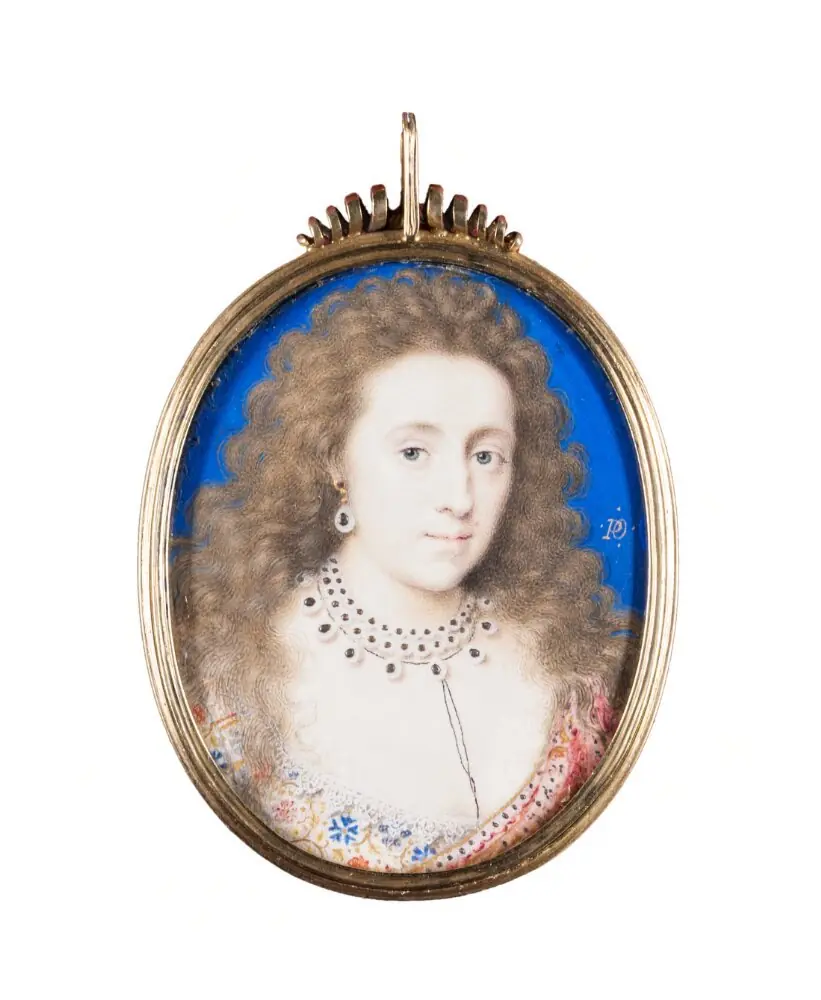 Lady Arabella Stuart
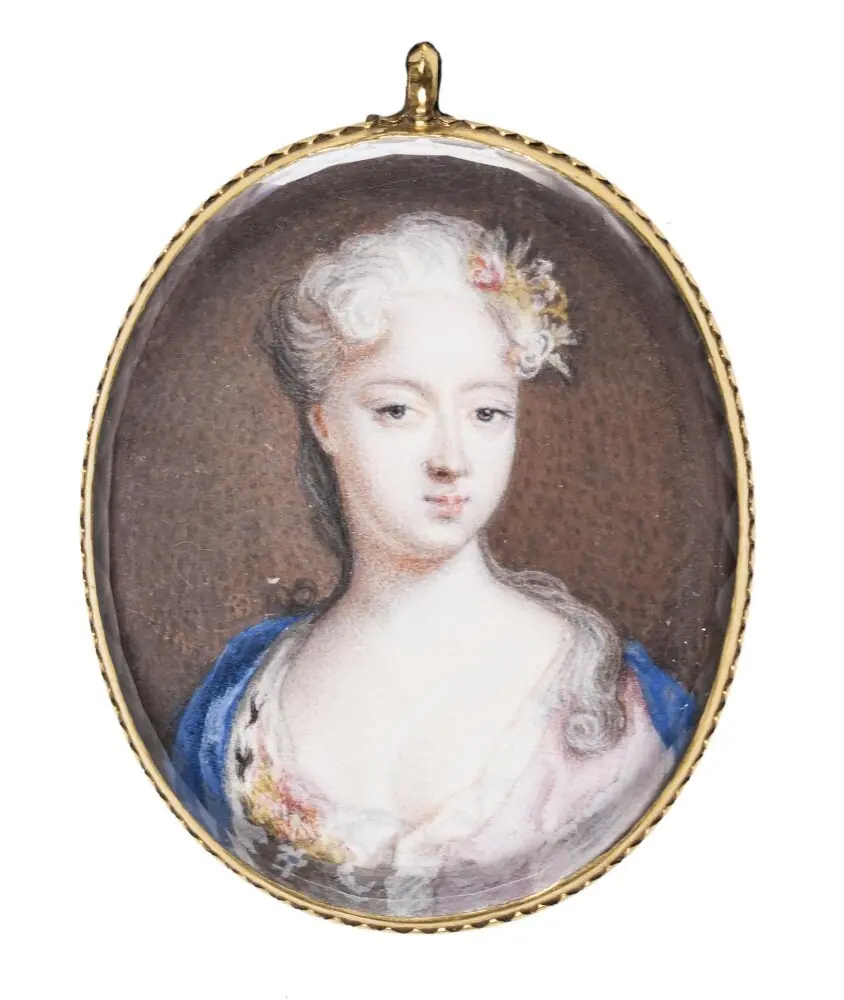 Wilhelmine Charlotte, Princess of Hessen-Cassel
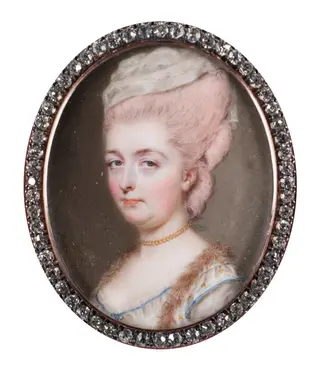 Lady Deering
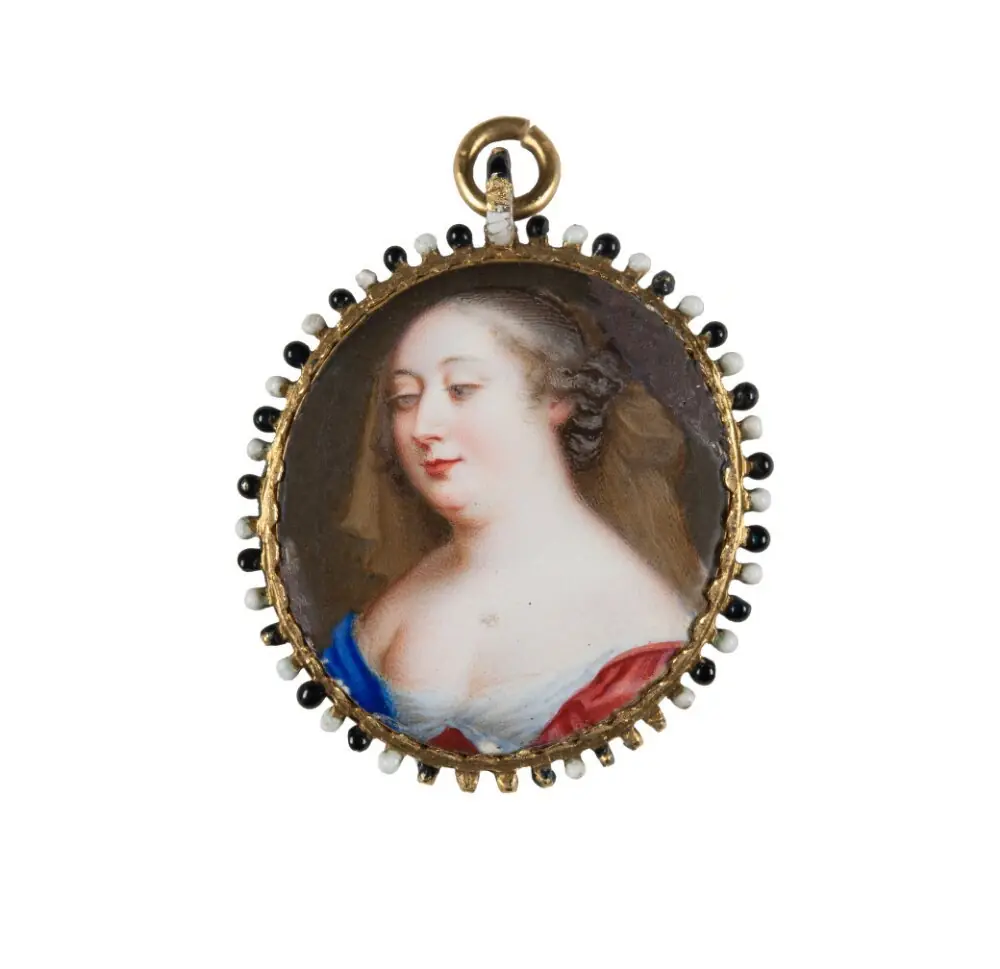 Unknown woman
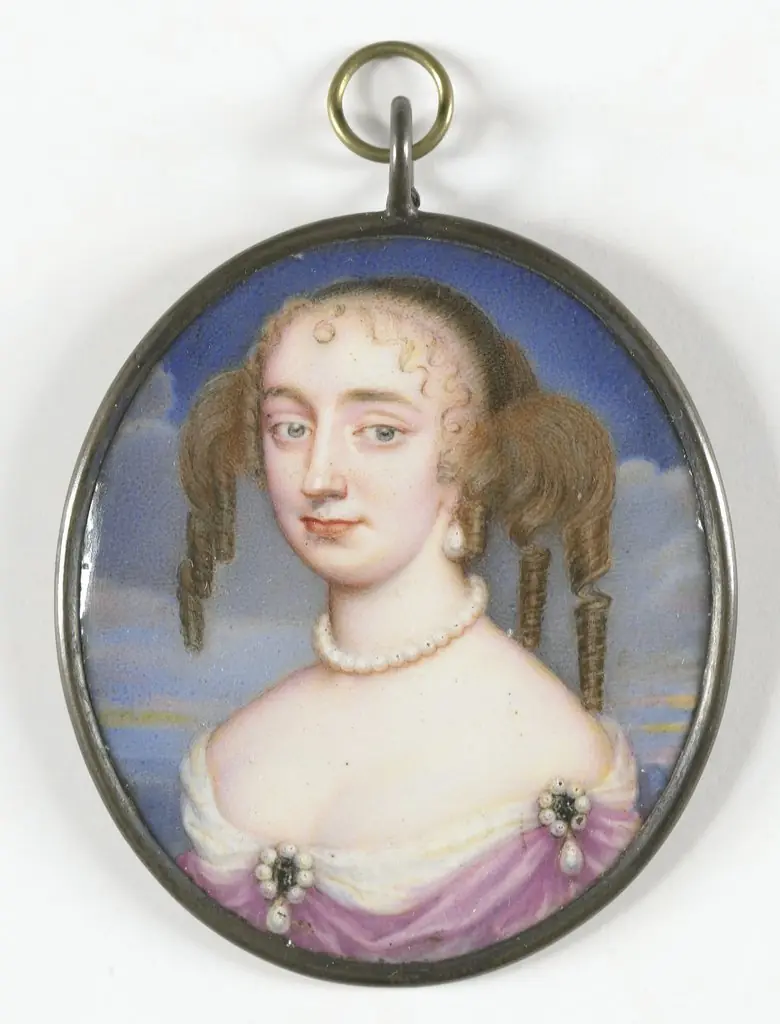 Portrait of a woman, possibly Anne Hyde, first wife of James II of England
 Portret van een vrouw