Artwork
The Triumph of Reynard
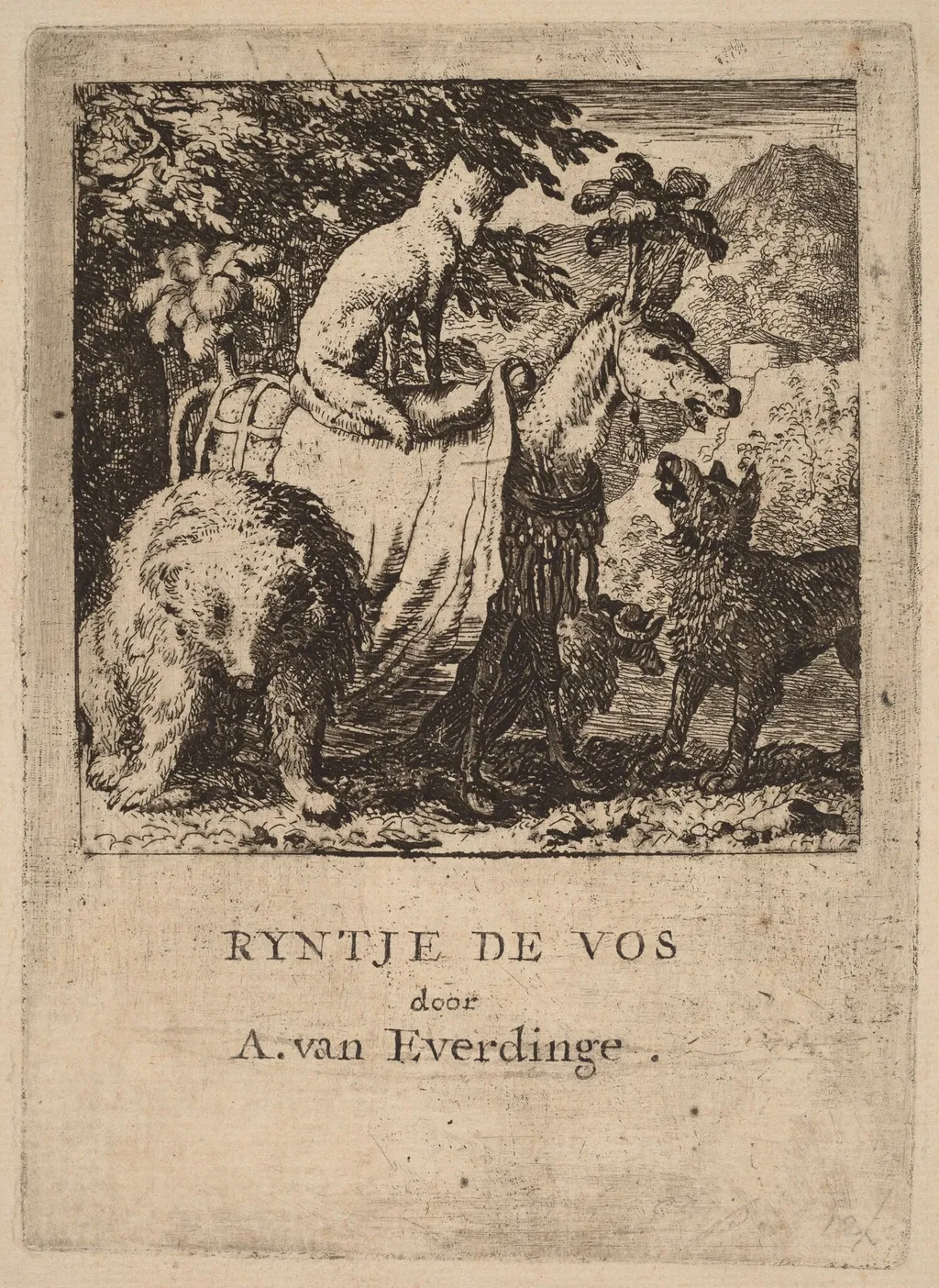
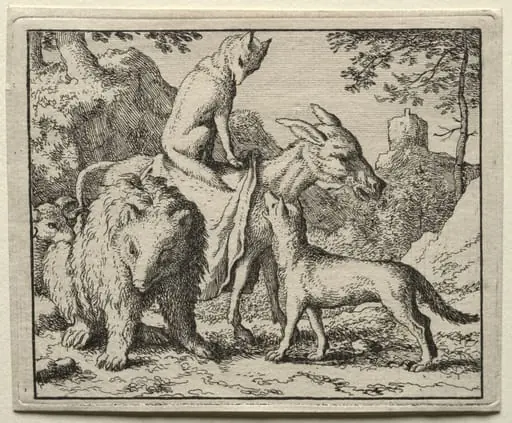
The Triumph of Reynard is an ink print by the Baroque artist Allart van Everdingen. It dates from 1650 and is held in the collection of the National Gallery of Art.
About this work
Overview
Created around 1650 by the Dutch artist Allart van Everdingen, this etching illustrates a scene from the medieval fable cycle centered on Reynard the Fox.
Created around 1650 by the Dutch artist Allart van Everdingen, this etching illustrates a scene from the medieval fable cycle centered on Reynard the Fox. As a printmaker active during the Dutch Golden Age, Everdingen used fine lines and tonal contrasts to render a lively, narrative-driven composition. The work belongs to a tradition of animal allegories popular in Northern Europe, blending folk storytelling with artistic craftsmanship.
Subject & Meaning
The image portrays Reynard, the cunning fox, crowned and mounted, presiding over a disorderly assembly of anthropomorphized animals. The dog, cat, and rabbit appear in flight or confusion, suggesting a moment of upheaval or victory. The fox’s regalia transforms him from beast to ruler, reflecting the tale’s satirical critique of human institutions, nobility, justice, and power, through the lens of animal behavior.
Technique & Style
Everdingen employed etching to achieve intricate detail and dynamic movement. Fine, expressive lines define the animals’ postures and the tangled foliage, while varying line weights create depth and drama. The composition is densely packed, with no clear focal point, enhancing the sense of chaos. The monochrome palette emphasizes texture and gesture over color, typical of printmaking practices of the period.
History & Provenance
The print emerged during a period when illustrated fables were widely circulated in the Low Countries, often as moral or political commentary. Though no specific early ownership records are documented, similar etchings by Everdingen were collected by Dutch burghers and artists. The work likely circulated in print shops or private collections, reflecting the era’s appetite for satirical imagery.
Context
Reynard the Fox tales had been transmitted across Europe since the Middle Ages, adapted into vernacular literature and visual art. In 17th-century Holland, such stories resonated as veiled critiques of social hierarchy and corruption. Everdingen’s etching aligns with broader cultural trends that used animal allegory to explore human folly, particularly in a republic wary of monarchical excess.
Legacy
While not widely reproduced today, Everdingen’s etching remains a significant example of how Dutch printmakers engaged with literary traditions. It demonstrates the adaptability of medieval narratives into early modern visual culture. Scholars recognize it as part of a broader network of animal fable imagery that influenced later satirical art, particularly in Northern Europe.
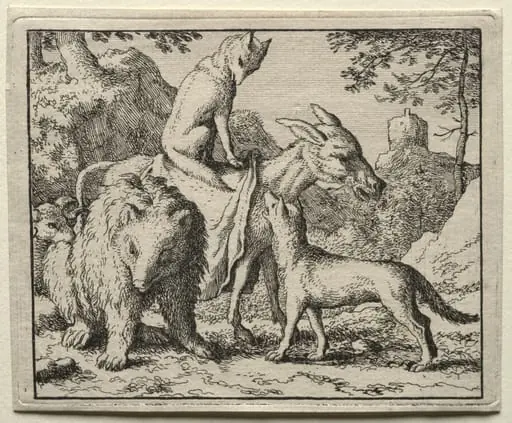
Own this work as a print
Artist & collection
Artist
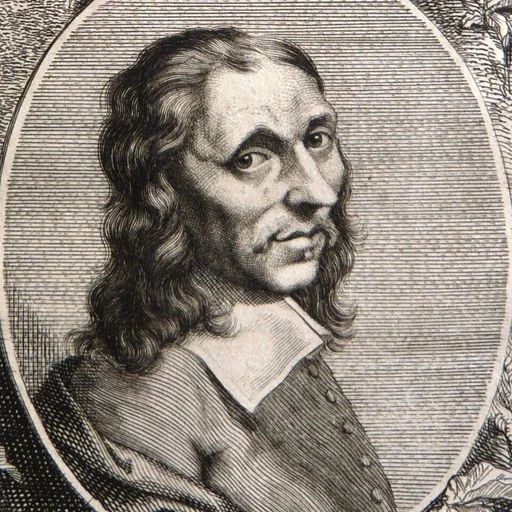
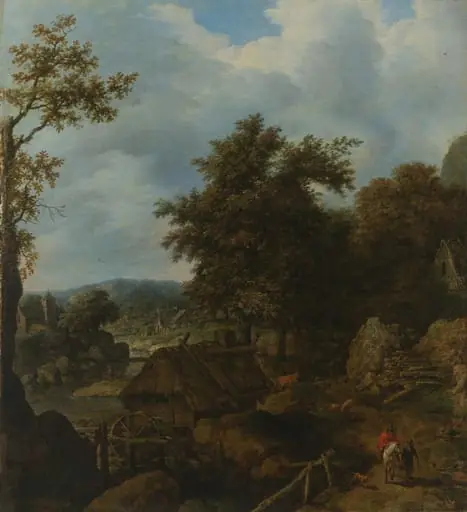
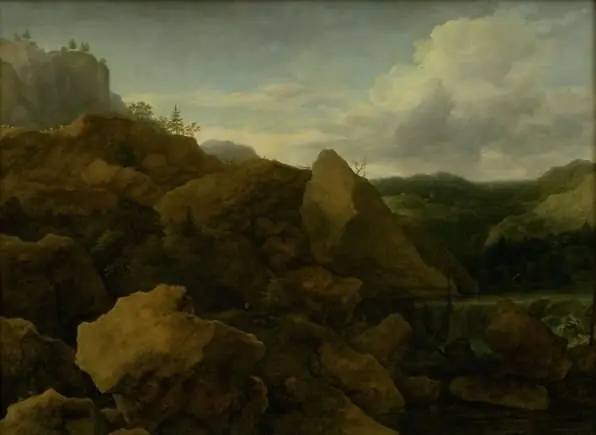
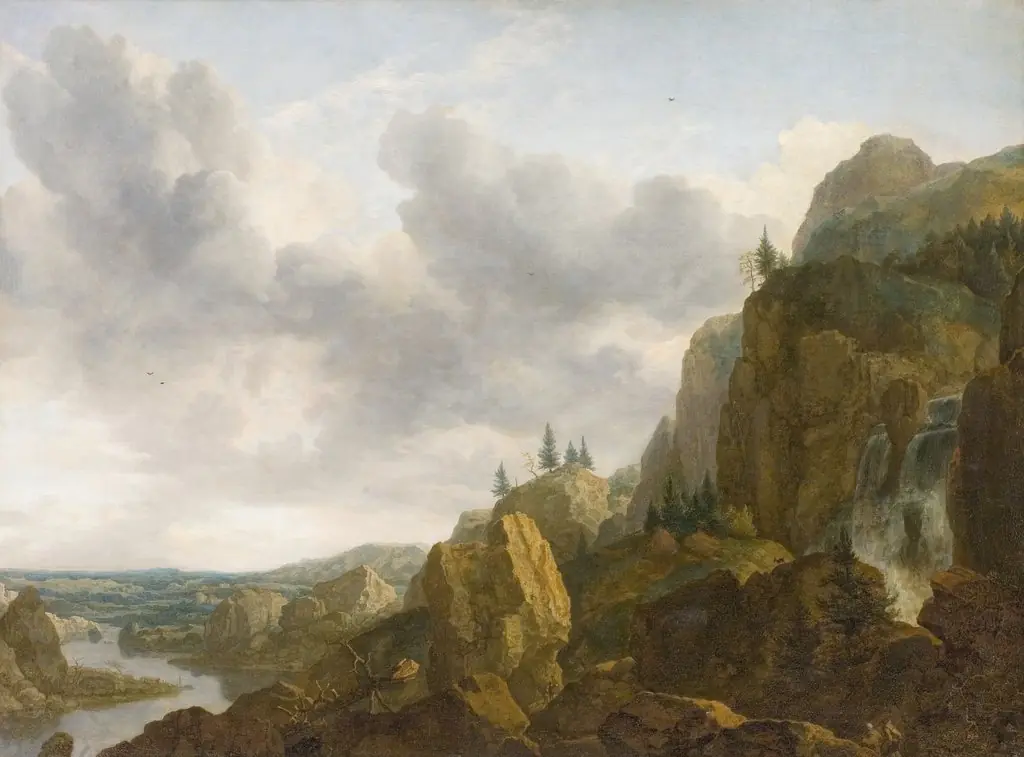
Allaert van Everdingen (Dutch pronunciation:; bapt. 18 June 1621 – 8 November 1675 (buried)), was a Dutch Golden Age painter and printmaker in etching and mezzotint.

- Reynard the Fox: Reynard and his Companions
 Reynard the Fox
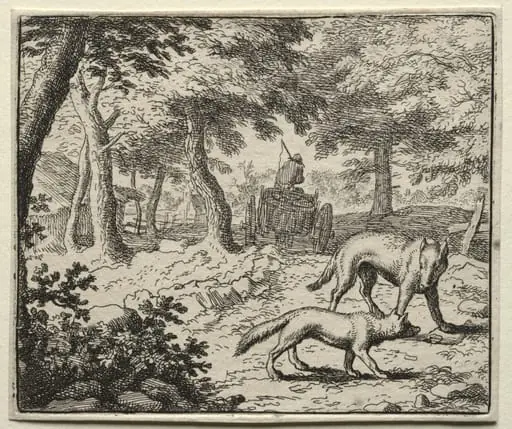 Reynard the Fox: The Badger's Defense of Reynard
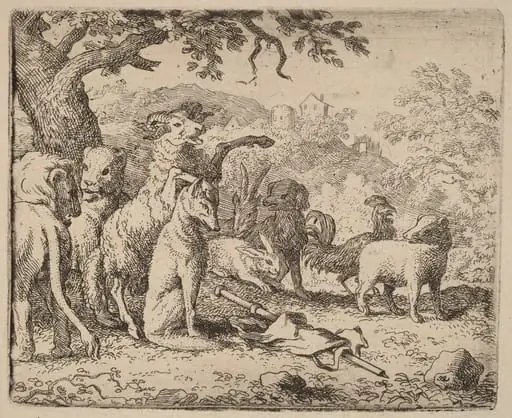 The Ram Blesses Reynard
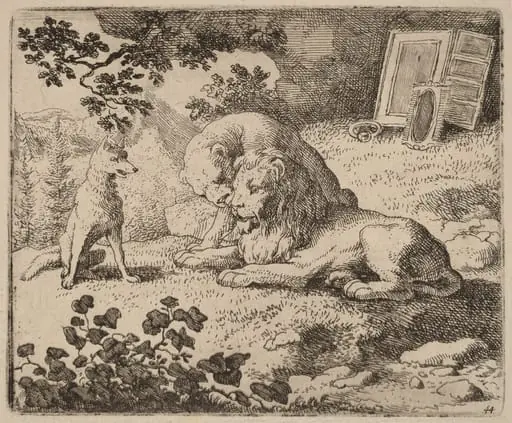 Reynard Describes the Missing Treasures
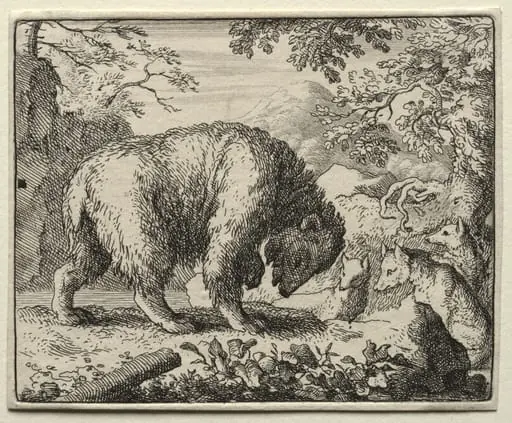 Reynard the Fox: Reynard Promises Honey to the Bear
 Reynard is Released to Tell His Story
 Reynard the Fox: Reynard Returns Home
 Reynard the Fox: The Jealous Horse