Artwork
Francis Rous
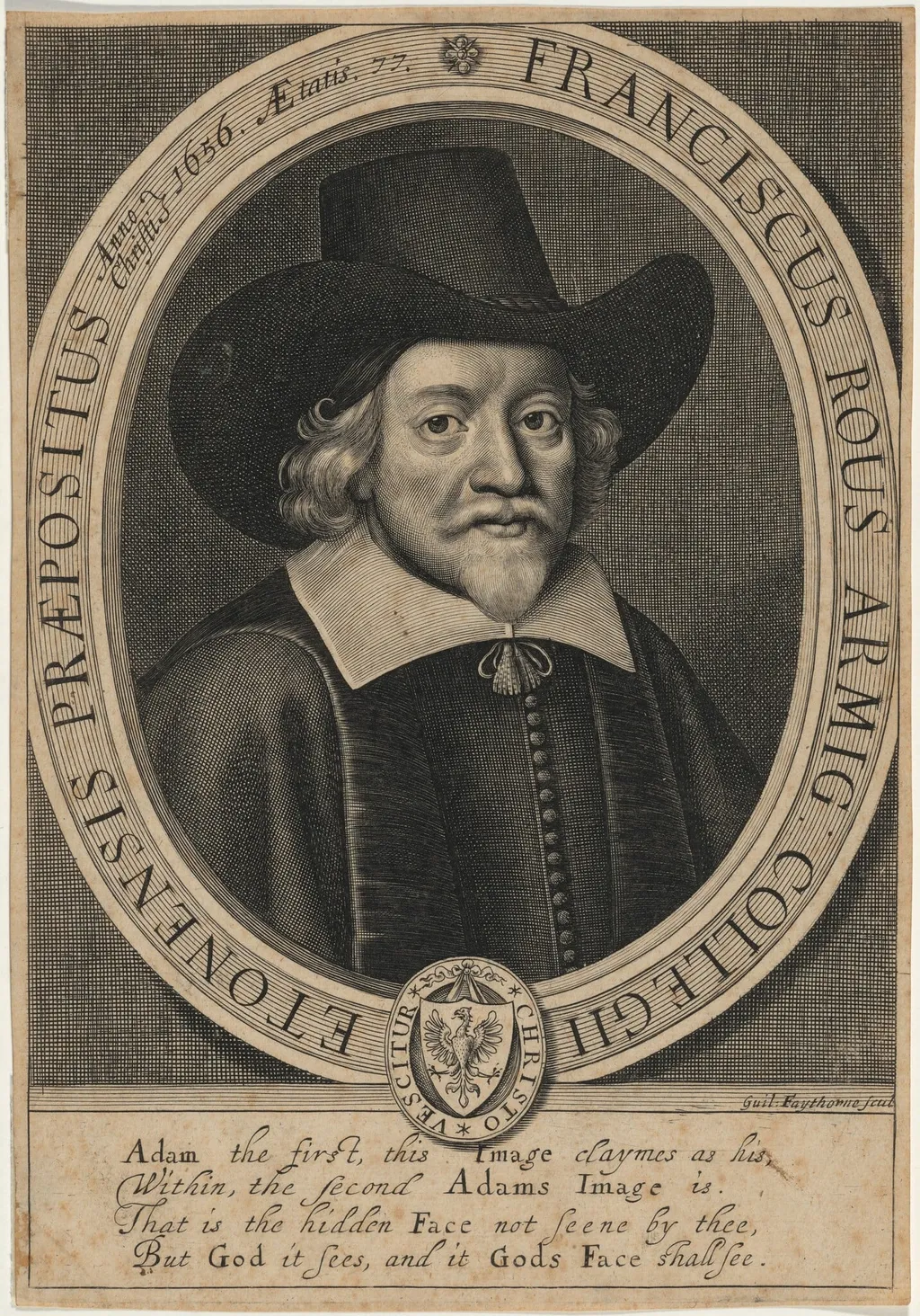
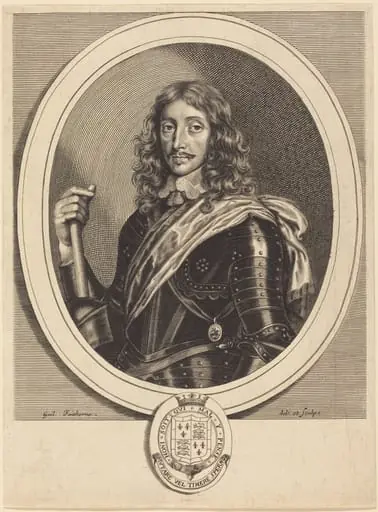
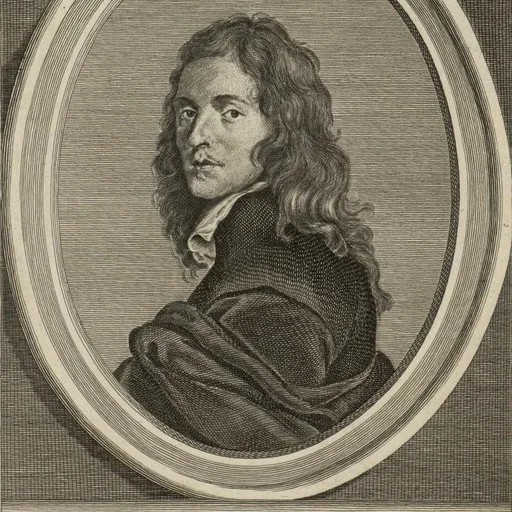
Francis Rous is an ink print by the Baroque artist William Faithorne. It dates from 1657 and is held in the collection of the National Gallery of Art.
About this work
Overview
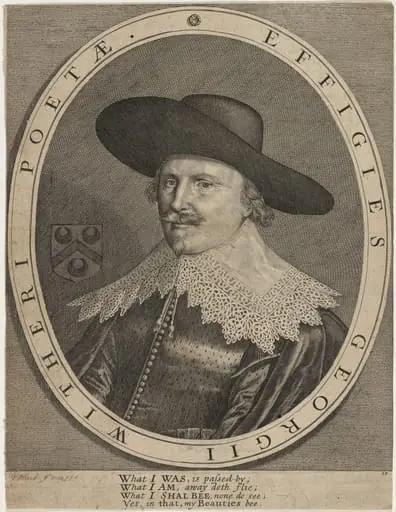
A circular inscription frames the image, enclosing his name and symbolic elements, while a small shield beneath displays a heraldic motif.
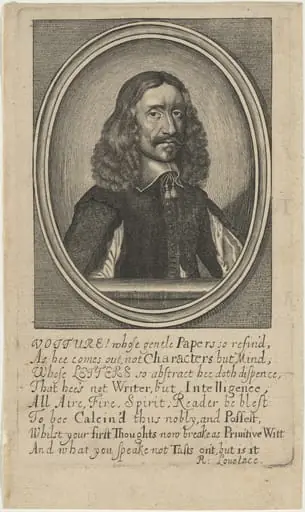
This 1657 engraving by William Faithorne depicts Francis Rous, an English politician and theologian. Rendered in monochrome, the portrait presents Rous in formal attire with a wide-brimmed hat and high collar. A circular inscription frames the image, enclosing his name and symbolic elements, while a small shield beneath displays a heraldic motif. The composition reflects the conventions of mid-17th-century portraiture, blending likeness with textual and emblematic detail.
Subject & Meaning
Francis Rous was a prominent Puritan figure, known for his role in the Westminster Assembly and his translation of the Psalms. The engraving’s inclusion of heraldry and Latin-derived inscriptions like 'Arms' and 'Culture' underscores his social standing and intellectual pursuits. The poem at the base, referencing hidden faces, may allude to inner virtue or spiritual depth, aligning with Puritan ideals of sincerity beneath outward form.
Technique & Style
Faithorne employed fine linear engraving to render texture and volume, using cross-hatching to model Rous’s facial features and fabric folds. The circular border, meticulously etched, integrates text and imagery without clutter. The coat of arms is rendered with precision, its floral motif clearly defined.
The style reflects Faithorne’s mastery of the burin, emphasizing clarity and restraint over dramatic contrast, typical of English portrait engravings of the period.
History & Provenance
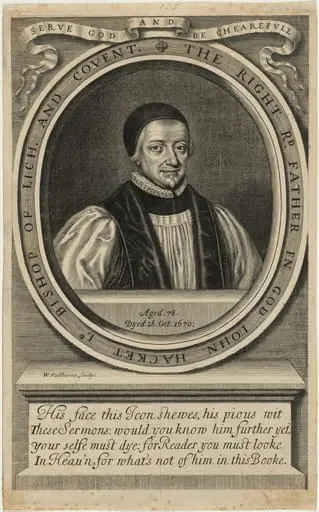
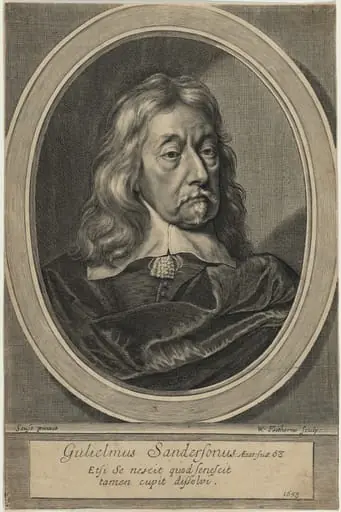
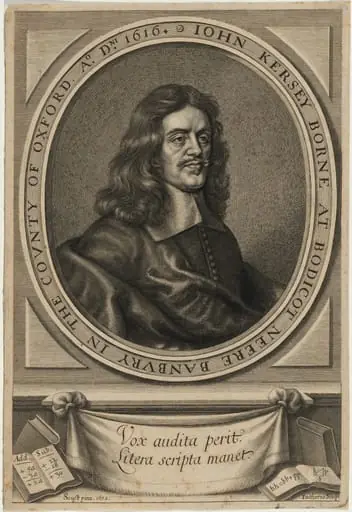
Created in 1657, the engraving was likely produced for distribution among Rous’s contemporaries or patrons. Faithorne, a leading English engraver, often worked from life or existing portraits, and this piece may have been commissioned to commemorate Rous’s public service. Early copies survive in institutional collections, including the British Museum and the National Portrait Gallery, suggesting its circulation among learned and political circles.
Context
During the 1650s, England was under Puritan rule following the Civil War, and portraiture often served political or ideological ends. Engravings like this one functioned as tools of reputation-building, circulating images of influential figures beyond elite circles. The fusion of heraldry, poetry, and likeness reflects a broader cultural trend: merging personal identity with moral and intellectual authority in a time of religious and political upheaval.
Legacy
Faithorne’s engraving of Rous remains a representative example of mid-17th-century English print culture. It preserves the visual language of Puritan leadership and demonstrates the role of engraving in shaping public perception. While Rous’s political influence waned after the Restoration, the print endures as a document of his stature and the era’s aesthetic values, studied for its craftsmanship and historical resonance.
Own this work as a print
Artist & collection
Artist
William Faithorne (1616–1691) was a British artist, born in Greater London.