Artwork
George Wither, Poet
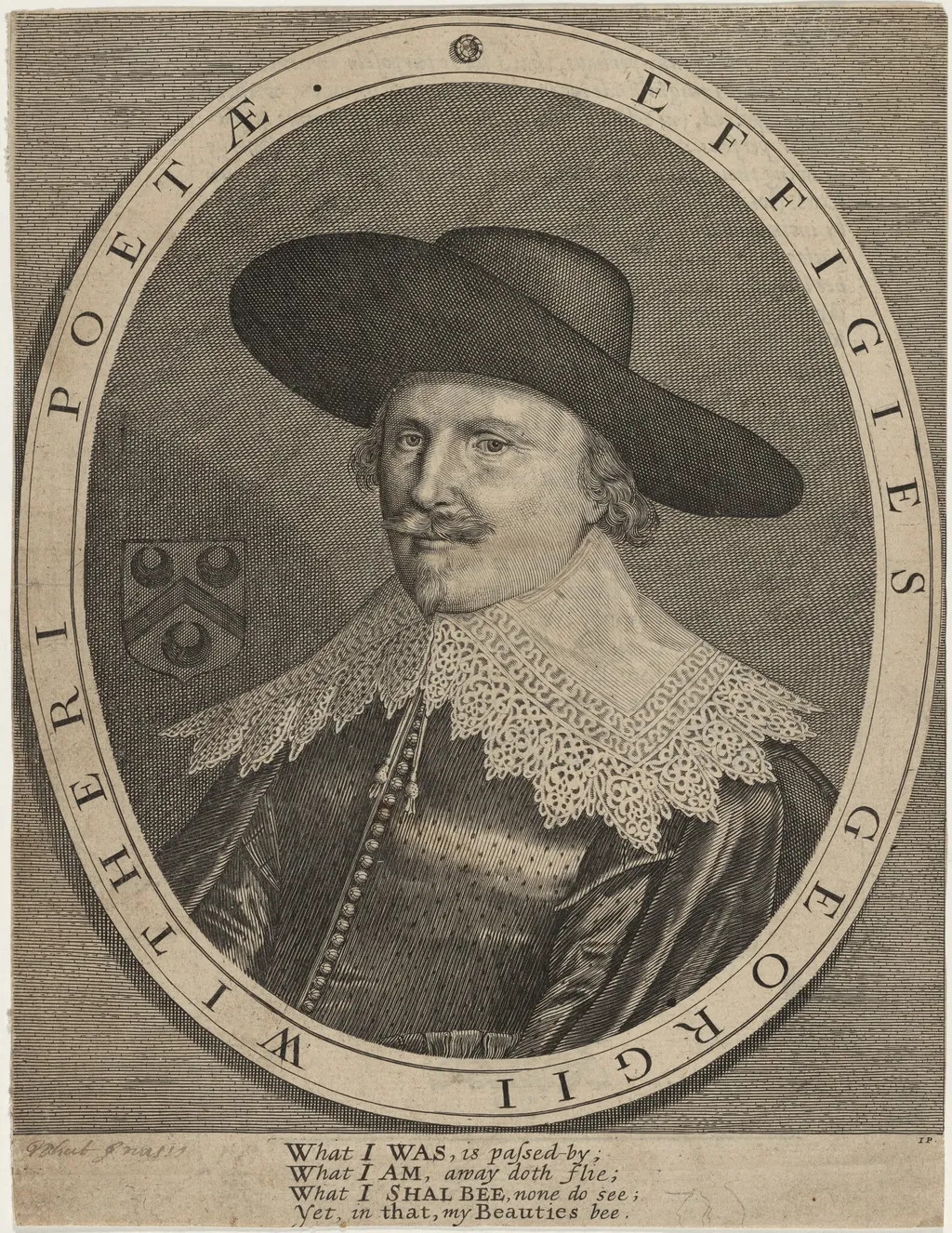
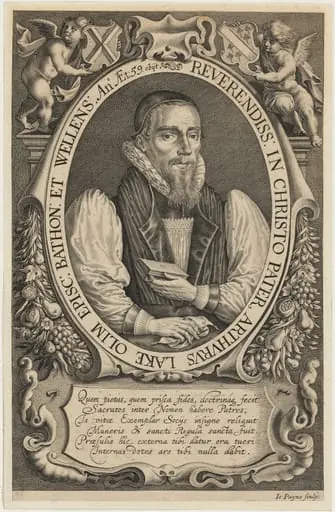
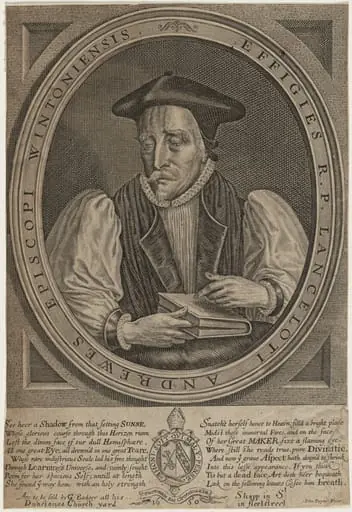
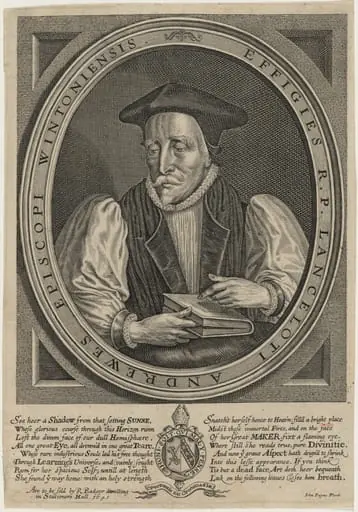
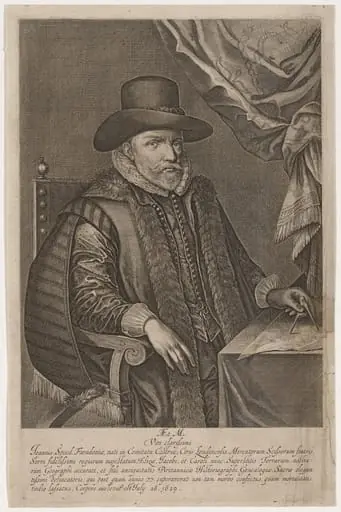
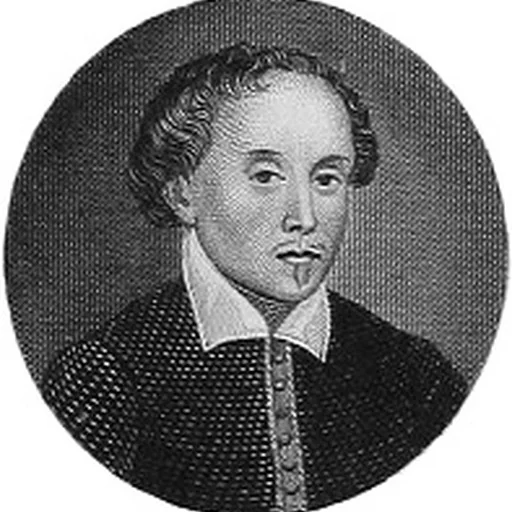
George Wither, Poet is an ink print by the Baroque artist John Payne. It dates from 1635 and is held in the collection of the National Gallery of Art.
About this work
Overview
George Wither, Poet is a 1635 engraving by John Payne, portraying the renowned English poet and satirist George Wither. This black-and-white portrait captures Wither with a serious expression, adorned with a wide-brimmed hat, lace collar, and a chain, indicating his stature. The image is framed by a curved border with the subject's identification.
Subject & Meaning
The engraving focuses on George Wither, highlighting his literary importance through symbols of status: the lace collar and chain. The plain background emphasizes the subject, while the border text, a poetic reflection on time and beauty, contextualizes Wither's artistic realm.
Technique & Style
Executed in engraving, a technique flourishing in early 17th-century England under royal patronage, the work showcases Payne's skill. The curved border and intricate details, such as the lace and chain, demonstrate the engraver's precision and the medium's capabilities.
History & Provenance
Created in 1635 by John Payne, an eminent English engraver of the period, during the reign of Charles I. The piece represents a milestone in the early development of English engraving under royal patronage, though specific provenance details are not provided.
Context
This engraving reflects the burgeoning appreciation for native English artistic talent during Charles I's reign. It also highlights the intersection of literary and visual arts, as encapsulated by Wither's poetic legacy and Payne's interpretive engraving.
Legacy
While specific lasting impacts of this engraving on subsequent art or literature are not detailed, it remains a significant example of early 17th-century English engraving and a testament to George Wither's enduring literary influence during his time.
Own this work as a print
Artist & collection
Artist
John Payne (1607–1647) was an English engraver, who was one of the earliest exponents of the art of engraving in England. His best work was the finest produced by a native-born engraver working during the reign of Charles I.