Artwork
Robert Loveday
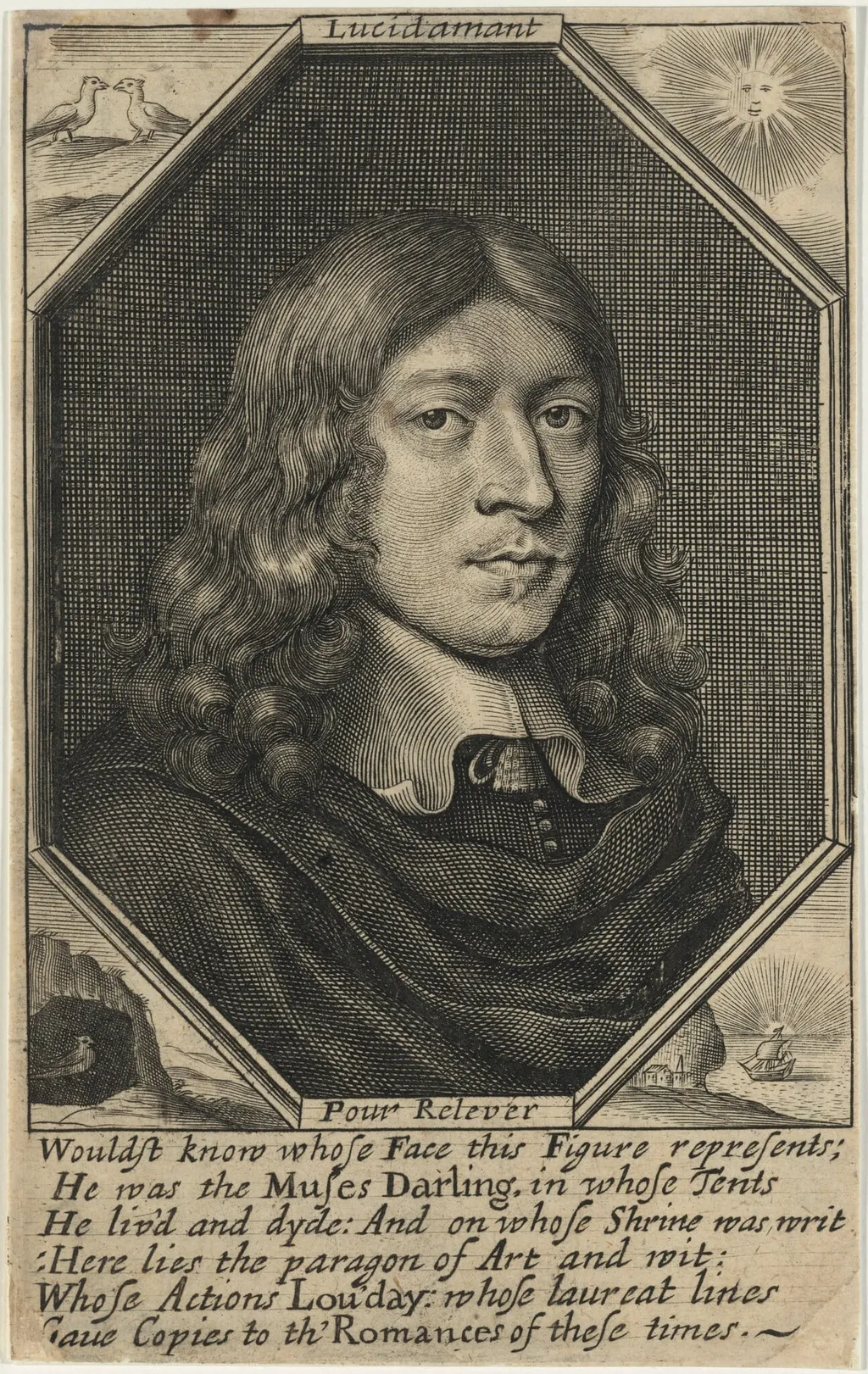
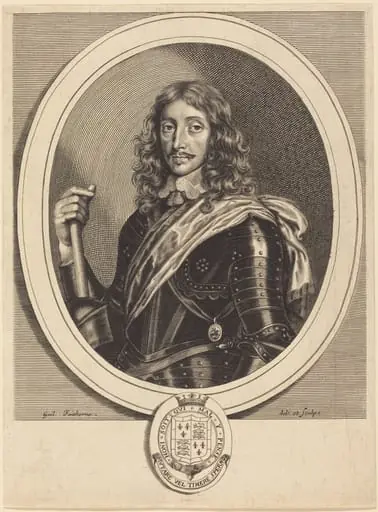
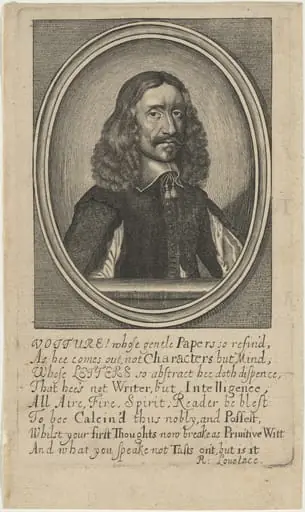
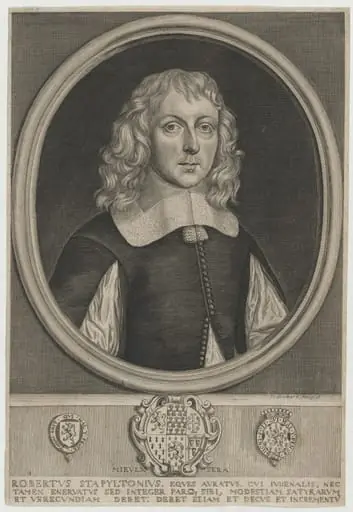
Robert Loveday is an ink print by the Baroque artist William Faithorne. It dates from 1659 and is held in the collection of the National Gallery of Art.
About this work
Overview
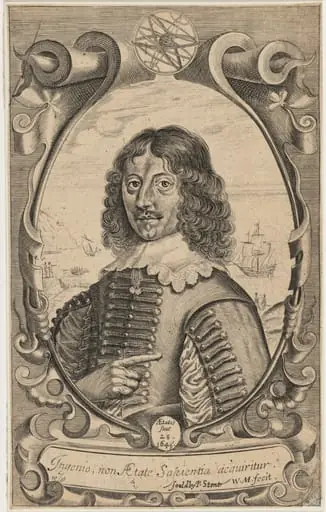
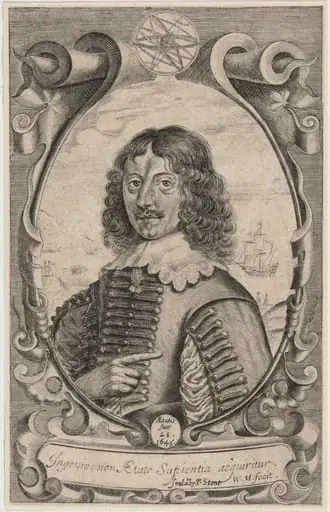
The image is enclosed within a decorative border featuring symbolic vignettes, distinguishing it from conventional portraiture of the period.
Created in 1659 by William Faithorne, this engraving depicts Robert Loveday, a figure associated with literary and artistic circles. Rendered in monochrome, the portrait employs fine parallel lines to model form and texture. The image is enclosed within a decorative border featuring symbolic vignettes, distinguishing it from conventional portraiture of the period. The composition balances realism with allegorical elements, reflecting the intellectual culture of mid-17th-century England.
Subject & Meaning
Robert Loveday is portrayed with a solemn expression and elaborate attire, suggesting his status as a man of letters. The border’s imagery, birds, a ship, and a building, may allude to themes of travel, knowledge, or legacy. The Latin inscription 'Lucidamant' likely serves as a poetic epithet, reinforcing his intellectual identity.
These symbols collectively frame Loveday not merely as an individual but as a representative of scholarly ideals valued in his time.
Technique & Style
Faithorne used the engraving technique, incising fine lines into a copper plate to create tonal gradations. The face is rendered with closely spaced, directional strokes that model volume and shadow, a hallmark of his meticulous style. The border’s small scenes are delicately detailed, contrasting with the portrait’s realism.
This fusion of technical precision and symbolic decoration reflects the period’s preference for layered meaning in printed portraiture.
History & Provenance
The print was produced during Faithorne’s active years as a leading English engraver, known for portraits of notable figures. While Loveday’s personal history remains obscure, the work’s survival suggests it was circulated among collectors or literary networks. Its survival in institutional collections indicates early recognition of its artistic merit, though its original commission or ownership is undocumented.
Context
In post-Civil War England, engraved portraits served as vehicles for cultural memory and social distinction. Faithorne’s work aligned with a growing market for printed likenesses of scholars and artists, distinct from aristocratic portraiture. The inclusion of symbolic motifs reflects a humanist tradition linking visual art with literary identity, common among printers and intellectuals seeking to elevate the status of the printed image.
Legacy
Faithorne’s engraving of Loveday exemplifies the convergence of portraiture and allegory in 17th-century print culture. Though Loveday himself is not widely remembered, the work endures as an example of Faithorne’s refined technique and the era’s symbolic visual language. It contributes to the broader understanding of how printed images mediated intellectual identity in early modern England.
Own this work as a print
Artist & collection
Artist
William Faithorne (1616–1691) was a British artist, born in Greater London.