Artwork
Thomas Hobbes
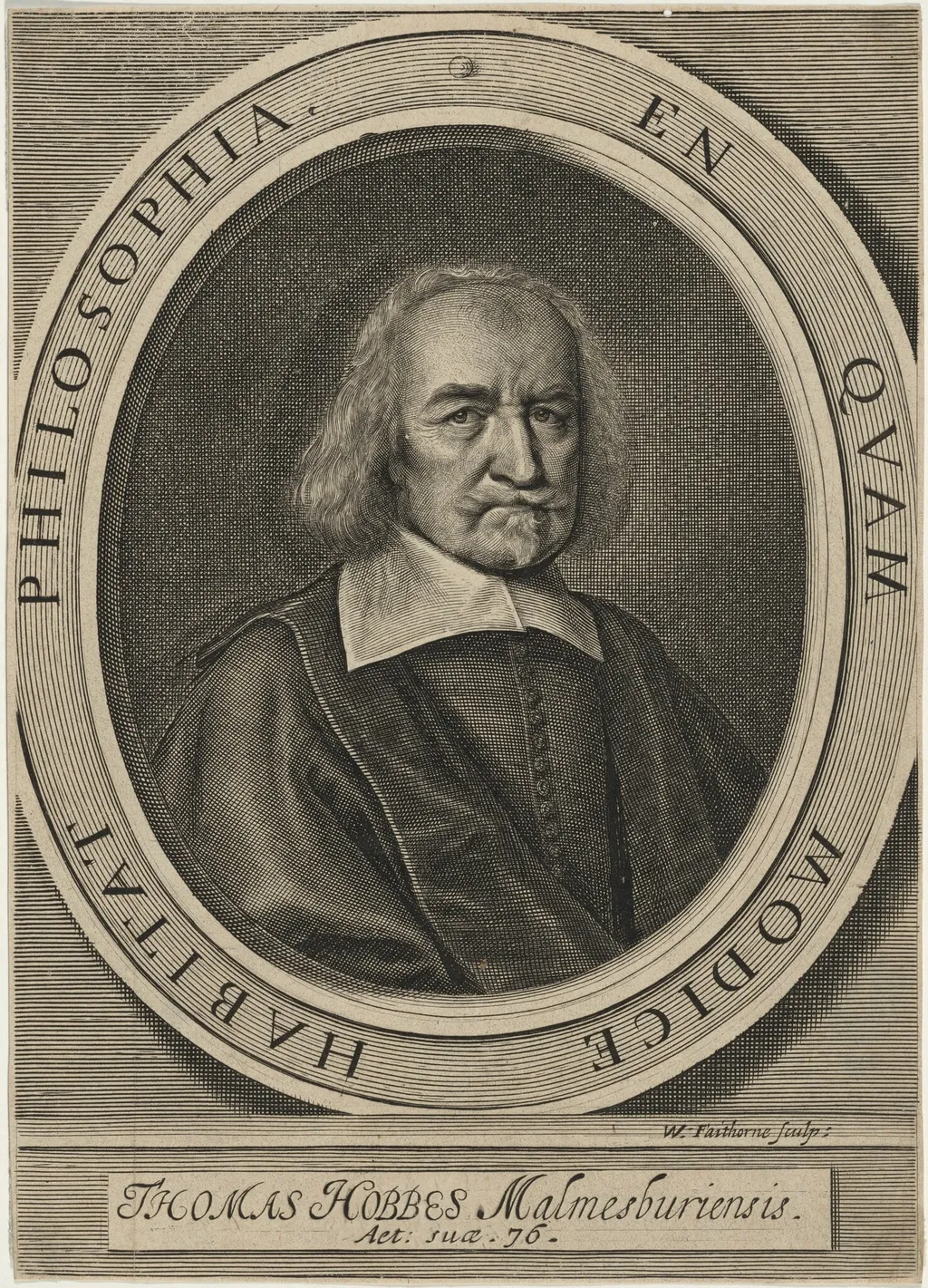
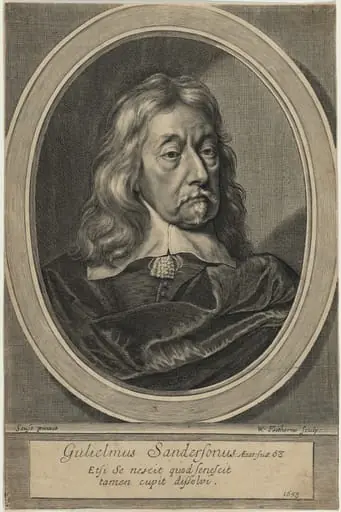
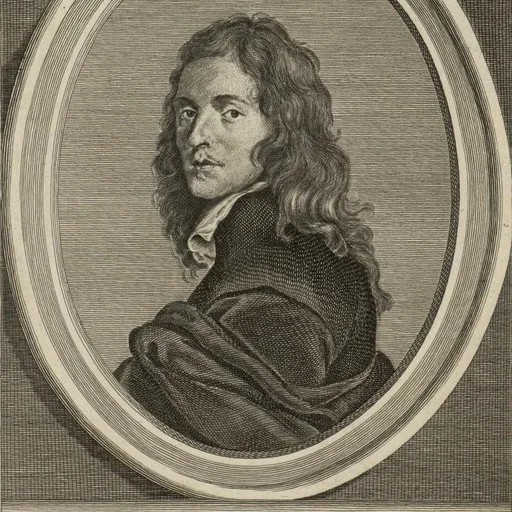
Thomas Hobbes is an ink print by the Baroque artist William Faithorne. It dates from 1668 and is held in the collection of the National Gallery of Art.
About this work
Overview
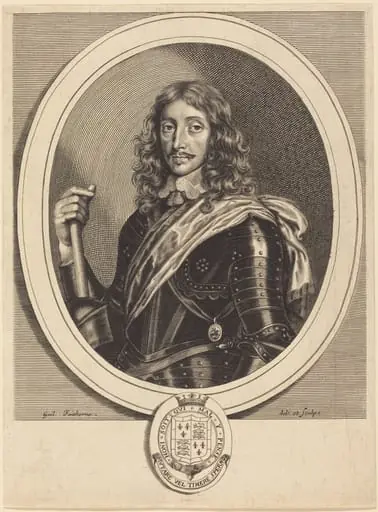
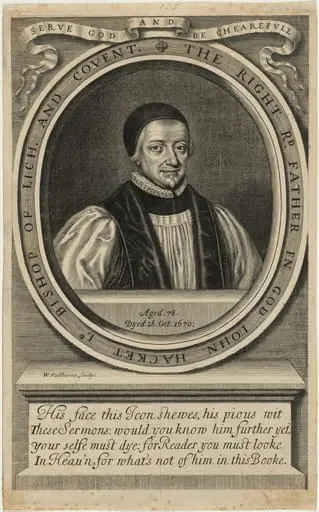
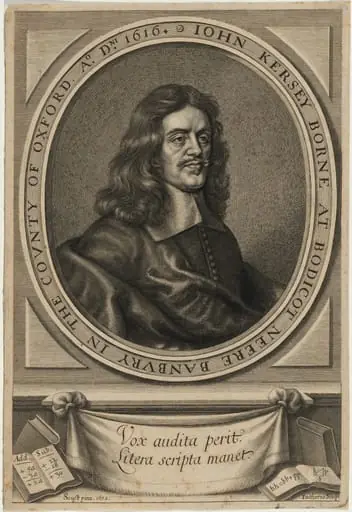
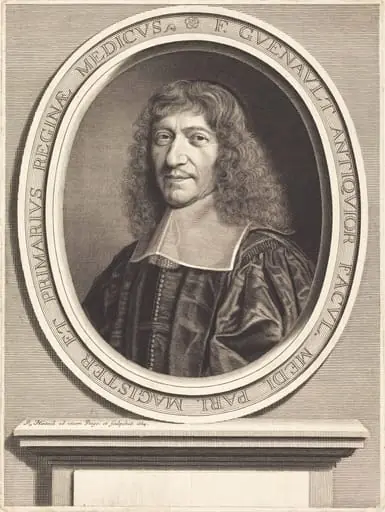
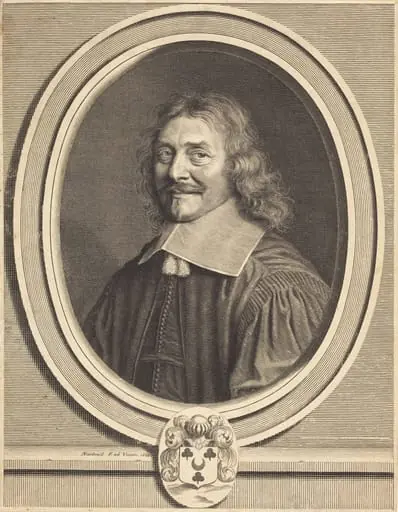
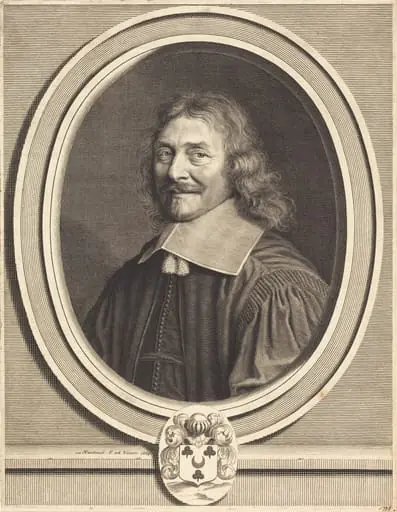
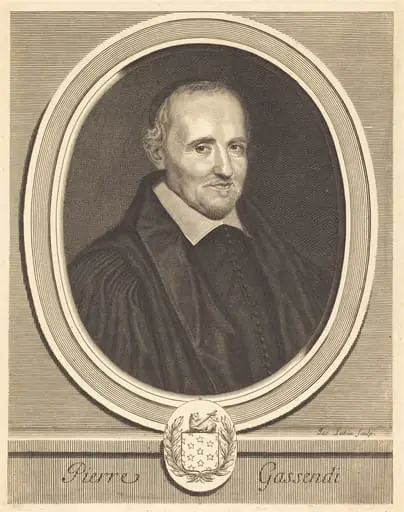
This 1668 engraving by William Faithorne portrays Thomas Hobbes, a prominent figure of the time, in a formal, black-and-white portrait.
Subject & Meaning
The subject, Thomas Hobbes, is depicted as an older man with a serious demeanor, reflecting his stature as a philosopher. His neatly groomed curly hair and beard, paired with a high-collared shirt and ruff, convey a sense of dignity and intellectual gravity.
Technique & Style
The engraving showcases Faithorne's mastery of cross-hatching, evident in the fine, detailed linework that achieves depth, particularly in the rendering of Hobbes' facial features and textured clothing. The plain oval frame with looping text and the subject's name at the bottom further characterize the work's compositional style.
History & Provenance
Created in 1668, specific details about the engraving's history and ownership prior to its current location are not provided in the available information.
Context
As a portrait of Thomas Hobbes, this engraving situates itself within 17th-century philosophical and artistic circles, capturing the likeness of a key thinker of the era.
Legacy
While the broader impact of this specific engraving on art history is not detailed, it remains a significant visual record of Thomas Hobbes, contributing to the visual legacy of 17th-century intellectual figures.
Own this work as a print
Artist & collection
Artist
William Faithorne (1616–1691) was a British artist, born in Greater London.