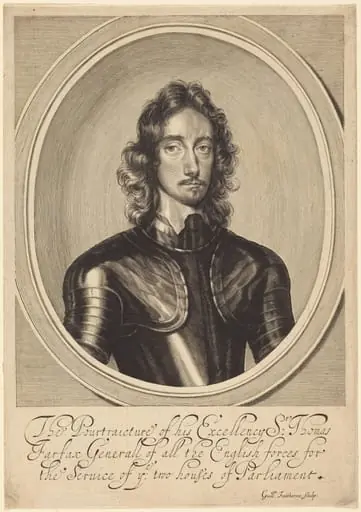
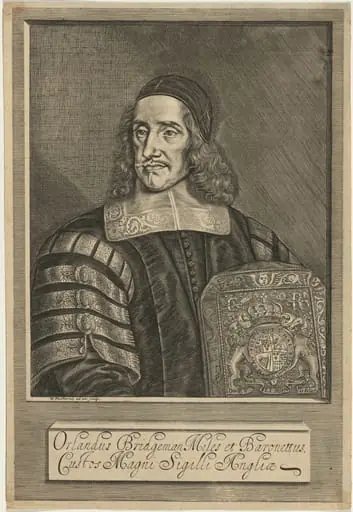
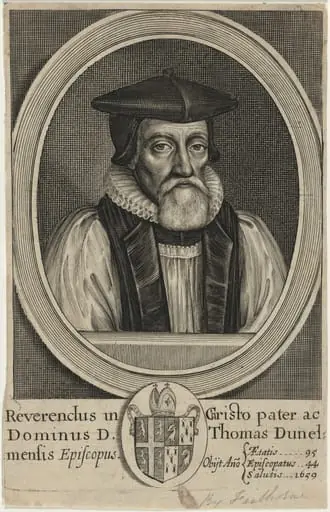
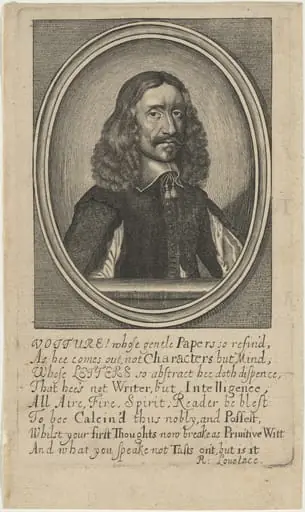
Artwork
Thomas Hobbes
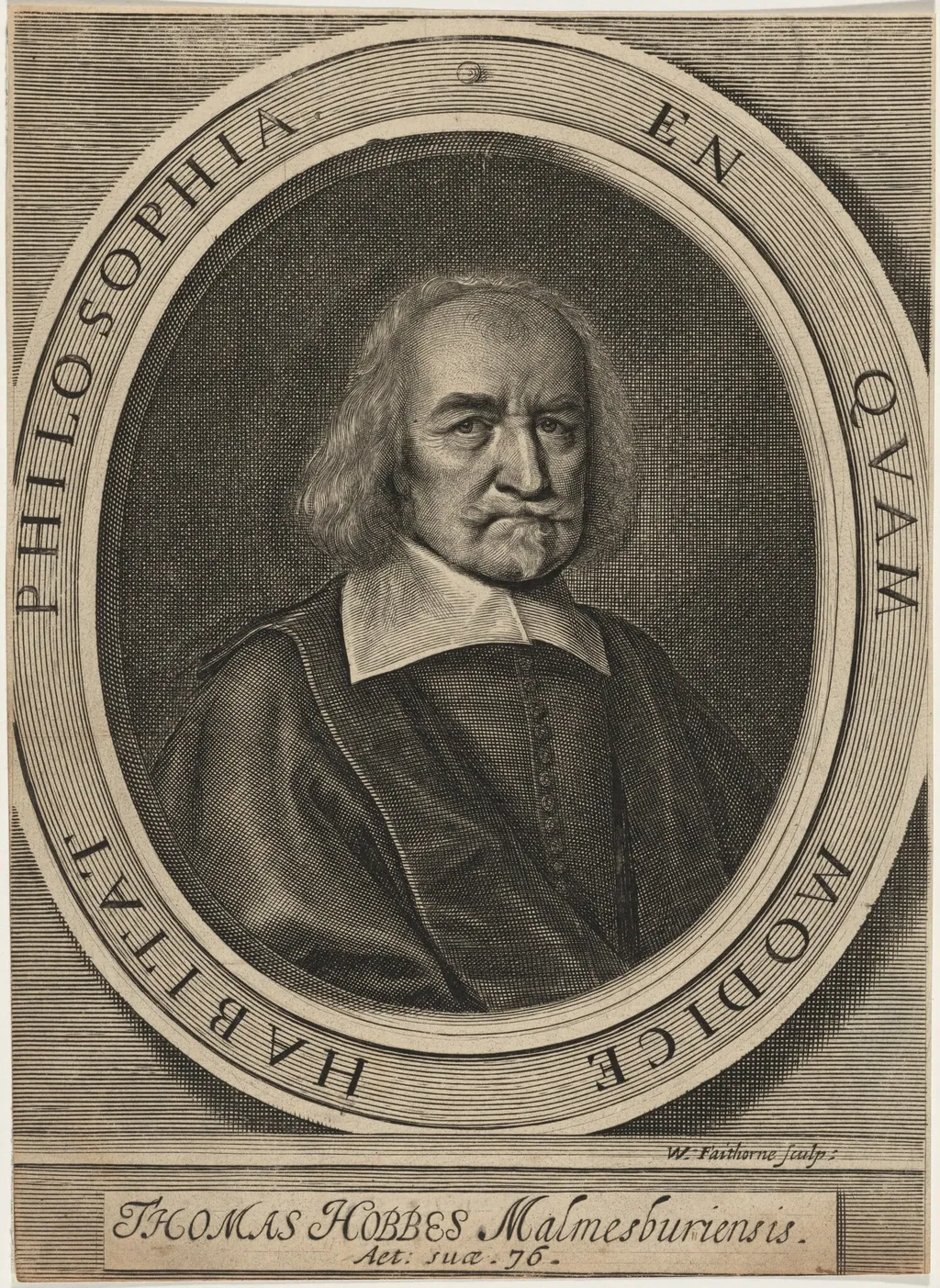
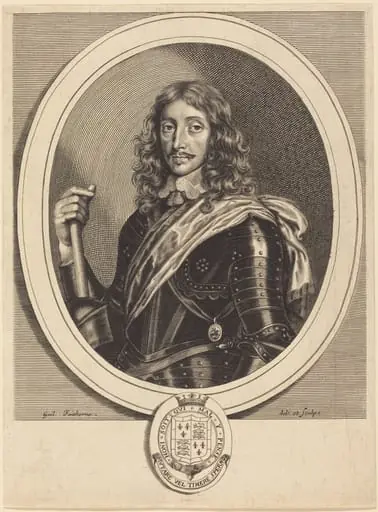
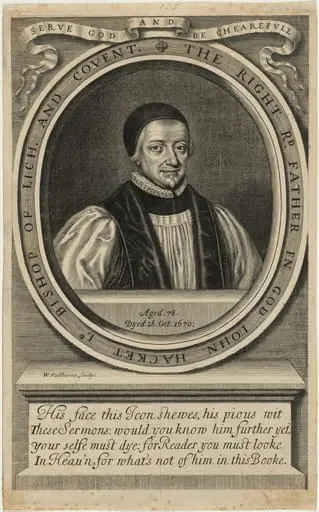
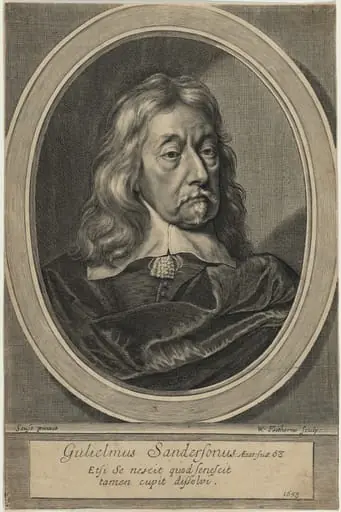
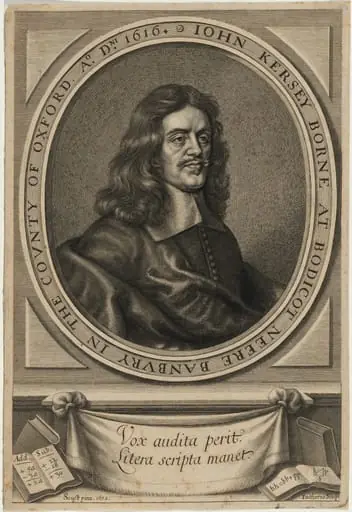
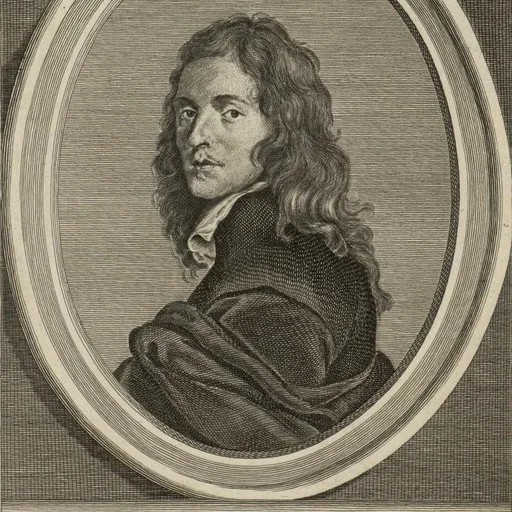
Thomas Hobbes is an ink print by the Baroque artist William Faithorne. It dates from 1668 and is held in the collection of the National Gallery of Art.
About this work
Overview
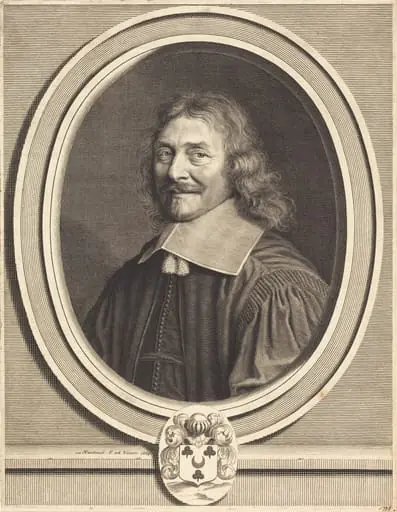
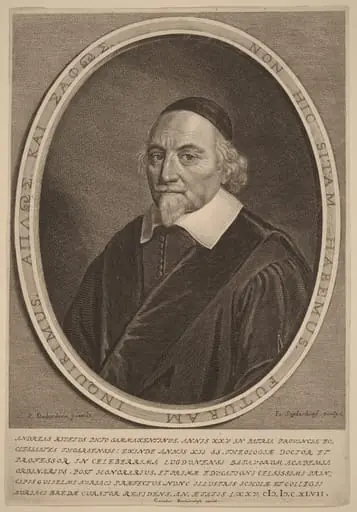
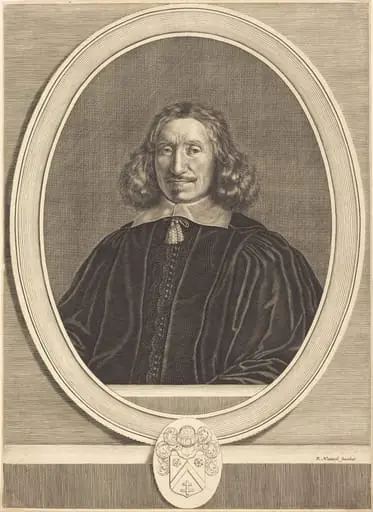
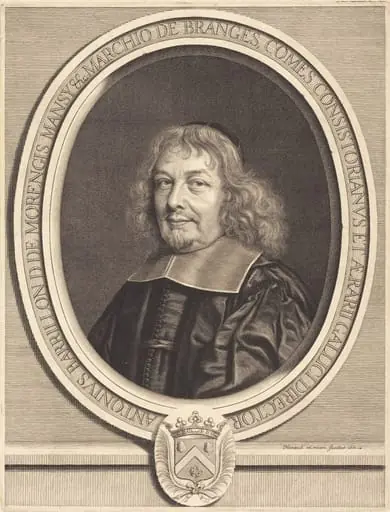
This 1668 engraving by William Faithorne depicts the English philosopher Thomas Hobbes in profile, rendered in monochrome.
This 1668 engraving by William Faithorne depicts the English philosopher Thomas Hobbes in profile, rendered in monochrome. The portrait is contained within an oval border inscribed with his name in tightly spaced linear lettering. The composition emphasizes precision and restraint, typical of mid-seventeenth-century portraiture in print form, with no decorative elements beyond the framing text and tonal modeling.
Subject & Meaning
Hobbes is portrayed as an elderly man with a stern, direct gaze, conveying intellectual gravity. His high collar and unadorned attire reflect the somber dress of a scholar of his time. The absence of symbolic objects or background elements focuses attention on his countenance, suggesting an emphasis on his ideas rather than social status or achievement, aligning with his reputation as a thinker of rational authority.
Technique & Style
Faithorne employed cross-hatching to model form and texture, using layered, intersecting lines to build shadow and volume without tone or wash. The background is left flat, contrasting with the intricate linework defining Hobbes’s features and collar. The oval frame’s border, composed of engraved letters spelling his name, functions both as inscription and decorative boundary, demonstrating the engraver’s control over fine linear detail.
History & Provenance
Created in 1668, the engraving was made during Hobbes’s later years, shortly before his death in 1679. Faithorne, a noted English engraver, produced several portraits of intellectuals of the period. This print likely served to circulate Hobbes’s image among scholarly circles, reinforcing his public identity as a philosopher. Its survival in multiple institutional collections indicates early and sustained interest in his persona.
Context
In the aftermath of the English Civil War and Restoration, Hobbes’s political writings remained controversial. Portraits like this one helped solidify his public image amid shifting political tides. Engravings were a primary medium for disseminating likenesses of thinkers, and Faithorne’s technique aligned with the era’s preference for clarity and intellectual seriousness over embellishment.
Legacy
The engraving remains one of the most recognized visual representations of Hobbes, frequently reproduced in academic texts. Its restrained aesthetic and linear precision reflect the values of early modern intellectual portraiture. Though not widely known outside scholarly circles, it endures as a key artifact in the visual history of political philosophy.
Own this work as a print
Artist & collection
Artist
William Faithorne (1616–1691) was a British artist, born in Greater London.