Artwork
The Arras Belfry (1916)
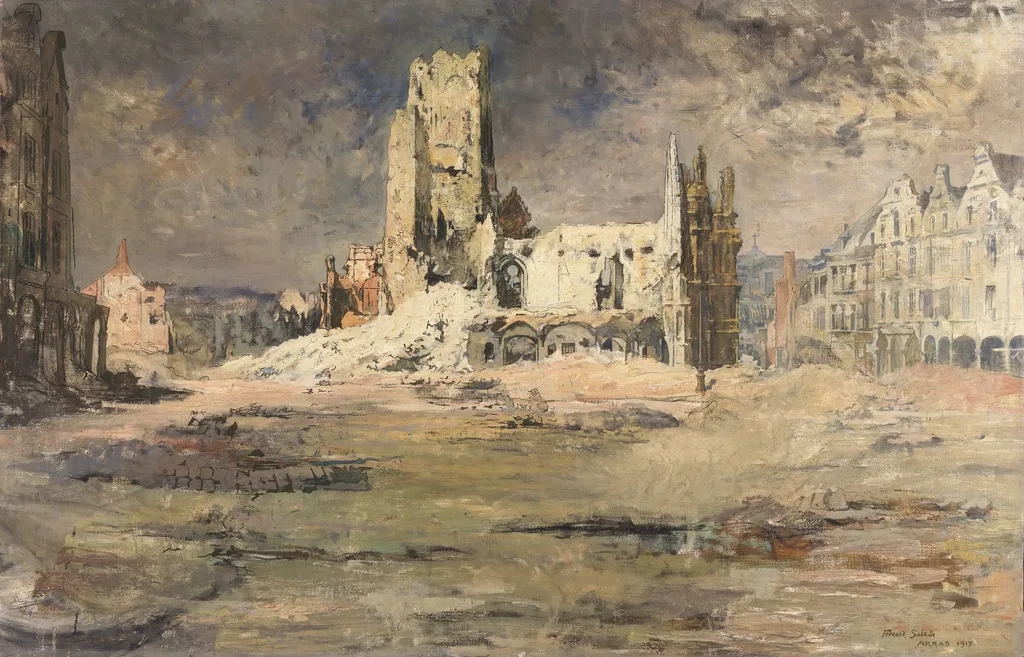
The Arras Belfry (1916) is an oil painting by the Post-Impressionist artist Fernand Sabatté. It dates from 1917 and is held in the collection of the National Gallery of Ireland.
About this work
Overview
Fernand Sabatté painted The Arras Belfry in 1916 using oil on canvas, capturing the aftermath of wartime destruction in northern France. The work is part of a series documenting architectural ruins in the Zone Rouge, areas severely damaged during World War I. Sabatté, primarily known for architectural subjects, turned his focus to war-torn sites as a form of visual record rather than propaganda.
Subject & Meaning
The painting centers on the fractured belfry of Arras, a once-grand civic tower reduced to skeletal remains amid collapsed buildings and scattered debris.
The painting centers on the fractured belfry of Arras, a once-grand civic tower reduced to skeletal remains amid collapsed buildings and scattered debris. The structure stands as a silent witness to the conflict, its survival amid ruin suggesting both endurance and loss. The inclusion of reflective water in the foreground deepens the sense of stillness and mourning, transforming the scene from mere documentation into an elegy for lost heritage.
Technique & Style
Sabatté employed a restrained palette of grays, browns, and muted beiges to convey the bleakness of the landscape. Brushwork is deliberate but not overly detailed, favoring atmospheric tone over precision. The composition directs the eye upward along the tower’s vertical axis, contrasting its fragile height against the horizontal sprawl of destruction below, reinforcing the imbalance between human achievement and its collapse.
History & Provenance
Created during Sabatté’s travels through occupied France in 1916, the painting was made as part of an effort to record cultural landmarks under threat. It entered the National Gallery of Ireland’s collection in the mid-20th century, likely through donation or acquisition from a private collector. Its presence in Dublin reflects broader postwar interest in documenting European cultural loss beyond national borders.
Context
The painting emerged during a period when artists across Europe responded to the war’s devastation with documentary realism. Sabatté’s focus on architecture aligned with efforts by cultural institutions to preserve memory of sites targeted by artillery. Unlike battlefield scenes, his work emphasized the quiet erasure of civic identity, making the belfry a symbol of collective memory under siege.
Legacy
Though not widely exhibited, The Arras Belfry remains a significant example of early 20th-century war documentation through landscape painting. It contributes to a lesser-known strand of post-impressionist work that prioritized historical witness over aesthetic innovation. Today, it serves as a quiet testament to the fragility of cultural monuments in times of conflict.
Own this work as a print
Artist & collection
Artist
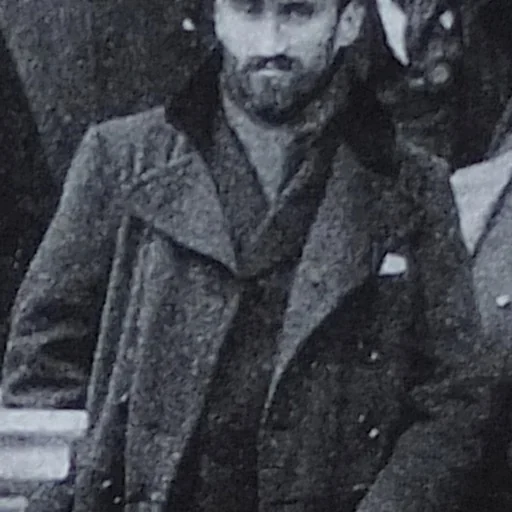
Fernand Sabatté was a French painter and sculptor who is best known for his architectural painting and portrait work, as well as salvaging church monuments and bombed out churches in the zone rouge during World War I.

- View of Ypres after bombardment
 View of Nantes
 The Bridge, St. Ives, Huntingdonshire
 Târgul Iașului, leat 1946
 The Church in Moret after the Rain
 Rheims Cathedral and Ruins of Archbishop's Palace
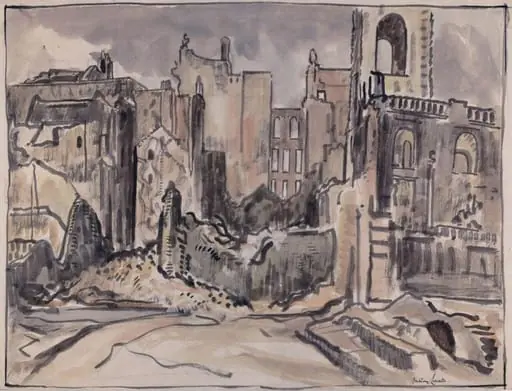 St. Nicholas, Cole Abbey, Queen Victoria Street
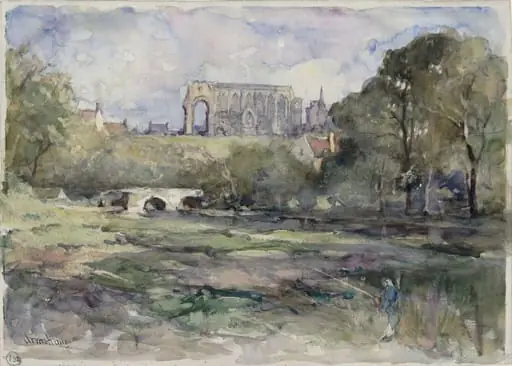 Malmesbury
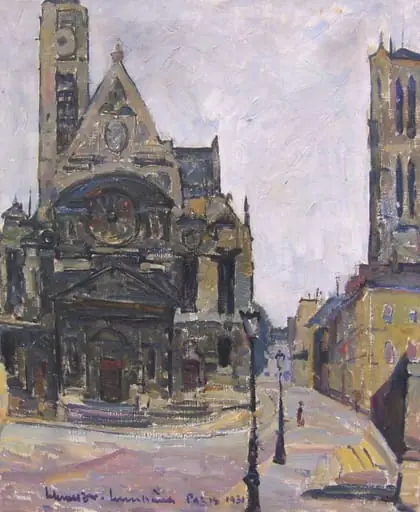 Biserică din Paris
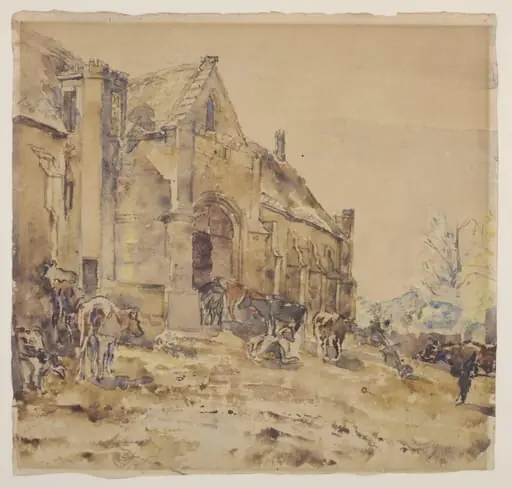 Tithe Barn, Abbotsbury
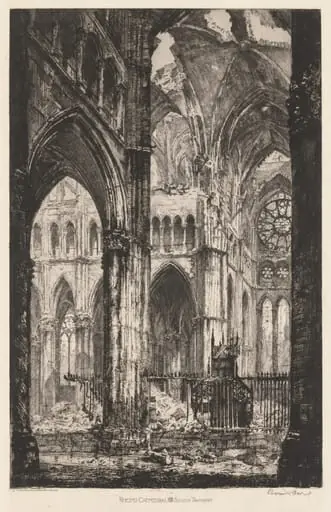 Rheims Cathedral, South Transept
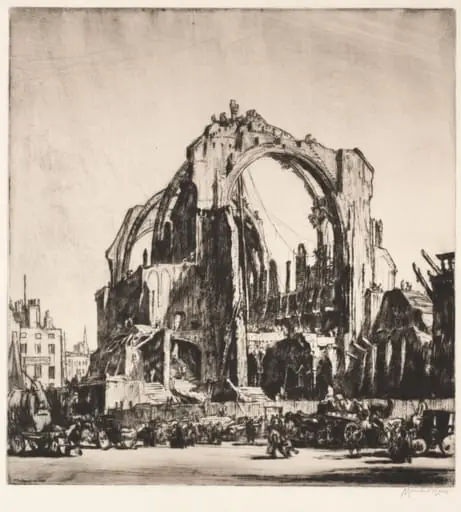 Demolition of St. James Hall, Exterior