Artwork
The Martyrdom of Saint Catherine
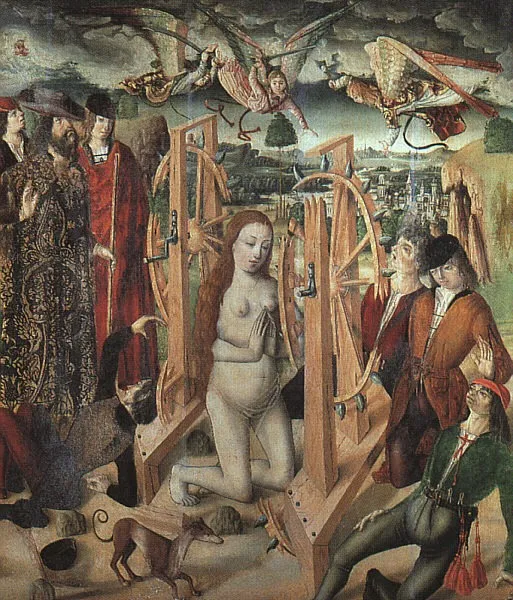
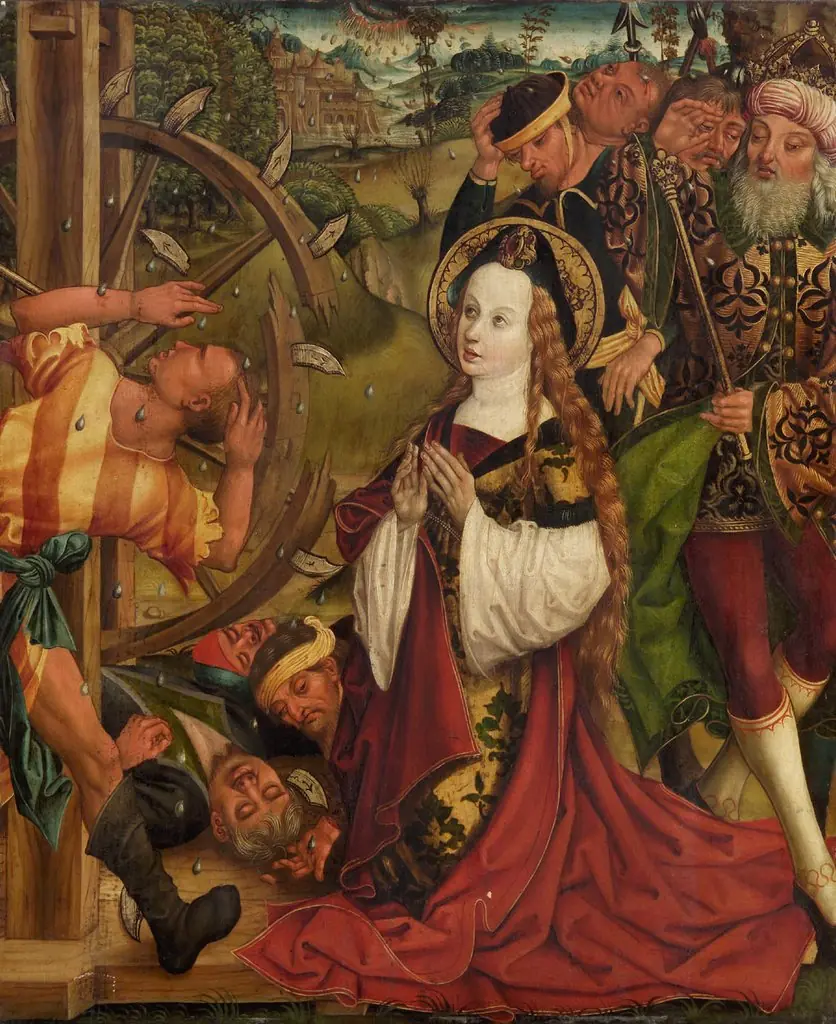
The Martyrdom of Saint Catherine is an oil painting by the Early Baroque Italian artist Fernando Gallego. It dates from 1500 and is held in the collection of the Museo del Prado.
About this work
Subject & Meaning
As a work of religious art created by Fernando Gallego around 1500, the piece represents the dramatic moment of the saint's suffering and ultimate sacrifice.
The painting depicts the martyrdom of Saint Catherine, a religious narrative centered on the saint's execution. The composition explicitly features a cogwheel, the specific instrument of torture associated with her legend, serving as the primary iconographic element of the scene. As a work of religious art created by Fernando Gallego around 1500, the piece represents the dramatic moment of the saint's suffering and ultimate sacrifice.
The inclusion of the wheel visually identifies the subject and underscores the violent nature of her martyrdom within the context of Christian hagiography.
History & Provenance
The work is dated to 1500 in both the internal catalogue and the Museo del Prado’s record, providing a consistent terminus ante quem for its creation.
The painting entered the Museo del Prado’s holdings as part of its permanent collection, where it remains housed.
The Martyrdom of Saint Catherine is held in the collection of the Museo del Prado in Madrid. The painting, created by Fernando Gallego around 1500, is executed in oil on panel. While the specific inventory or accession number is not provided in the available records, the work is cataloged within the Prado's holdings and depicts the martyrdom of Saint Catherine, notably featuring a cogwheel. No specific exhibition history is documented in the provided sources.
Overview
The Martyrdom of Saint Catherine is an oil painting created by Fernando Gallego around 1500. It is now held in the Museo del Prado in Madrid.
Technique & Style
Gallego's work exemplifies the Hispano-Flemish style, characterized by dramatic use of light and shadow. The contrast between the saint's vulnerability and the opulence of her tormentors' attire heightens the scene's tension.
Artist & collection
Artist
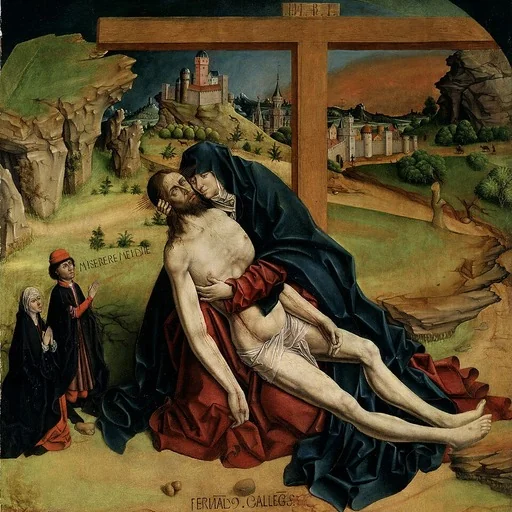
Fernando Gallego (c. 1440 – 1507) was a Castillan painter, and his art is generally regarded as Hispano-Flemish in style. Gallego was likely born in Salamanca, Spain, and worked throughout Castile and Extremadura, most…

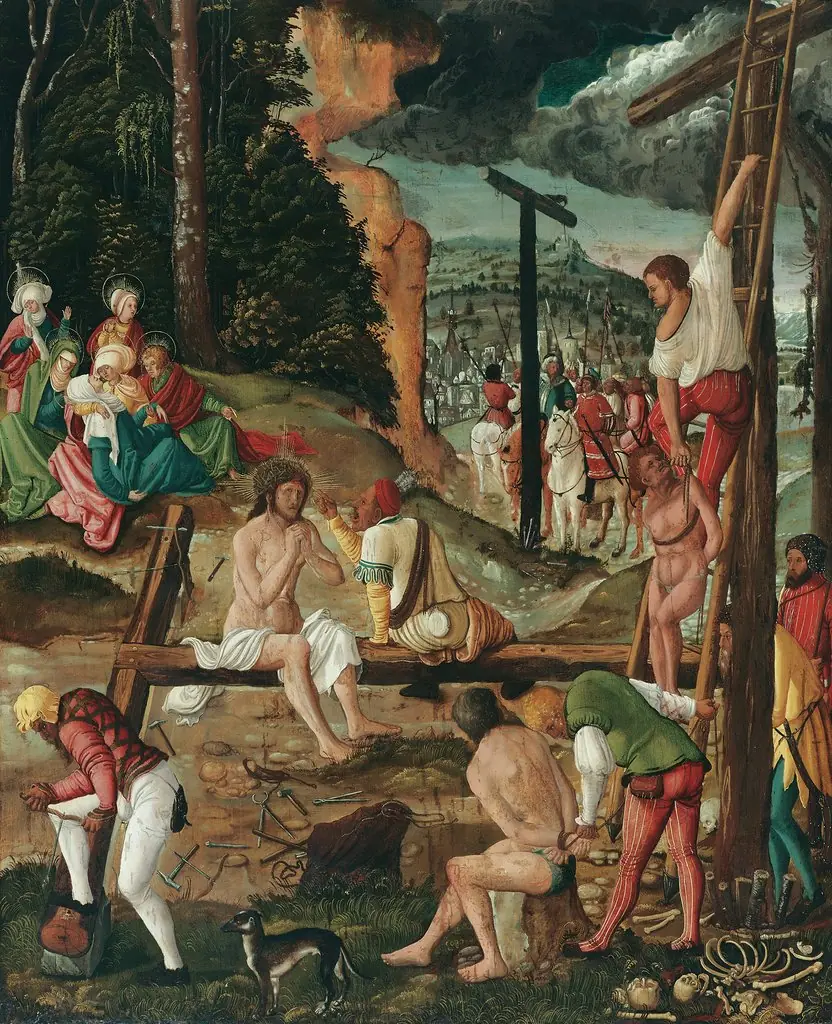 Before Christ's Crucifixion (Christ in Misery)
 Saint Catharine with the wheel
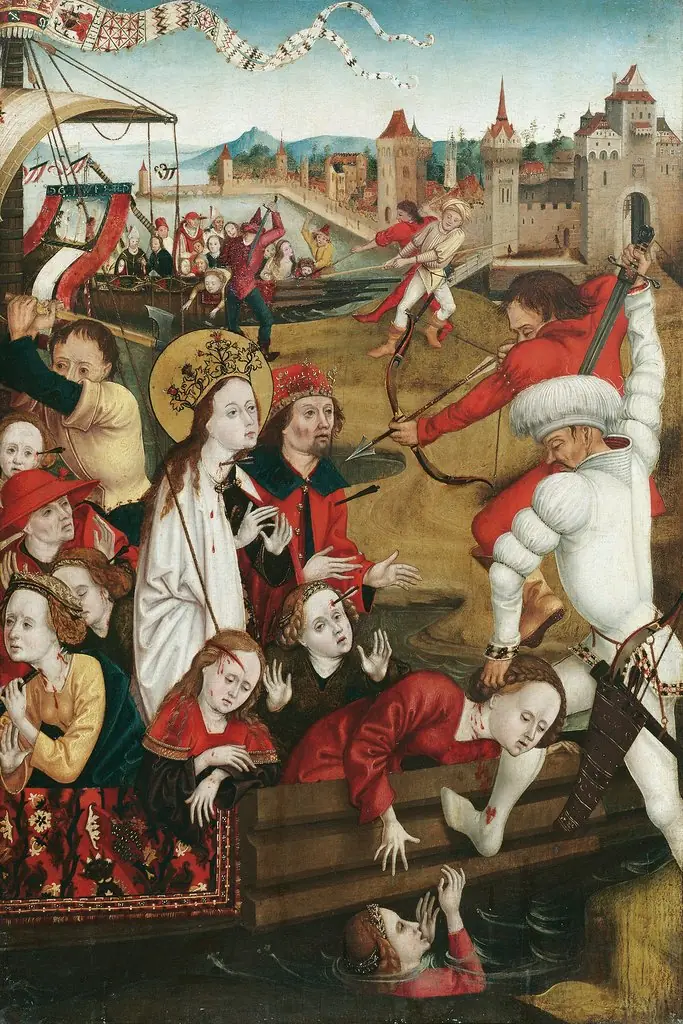 Martyrdom of Saint Ursula and her companions
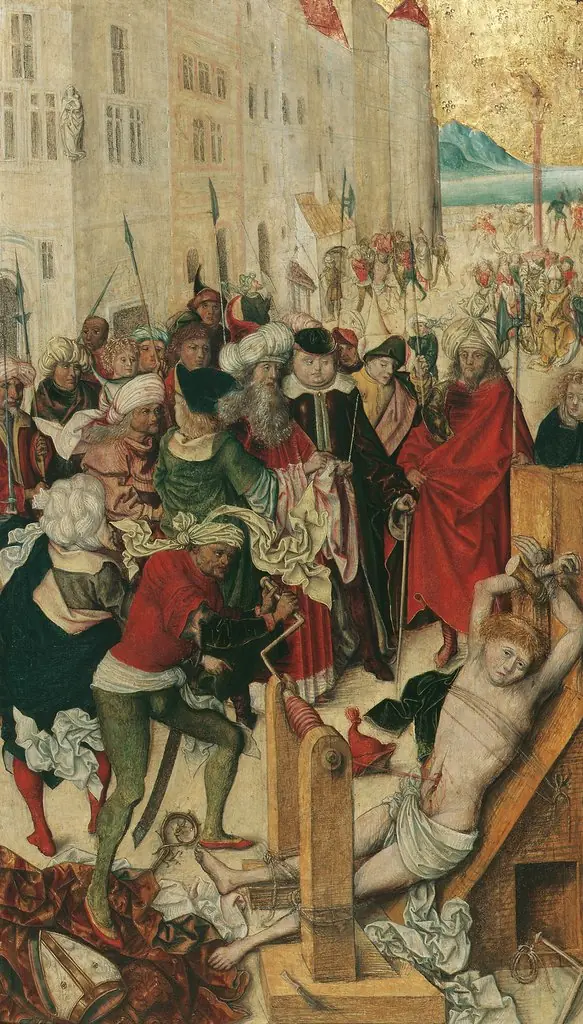 Martyrdom of St. Erasmus
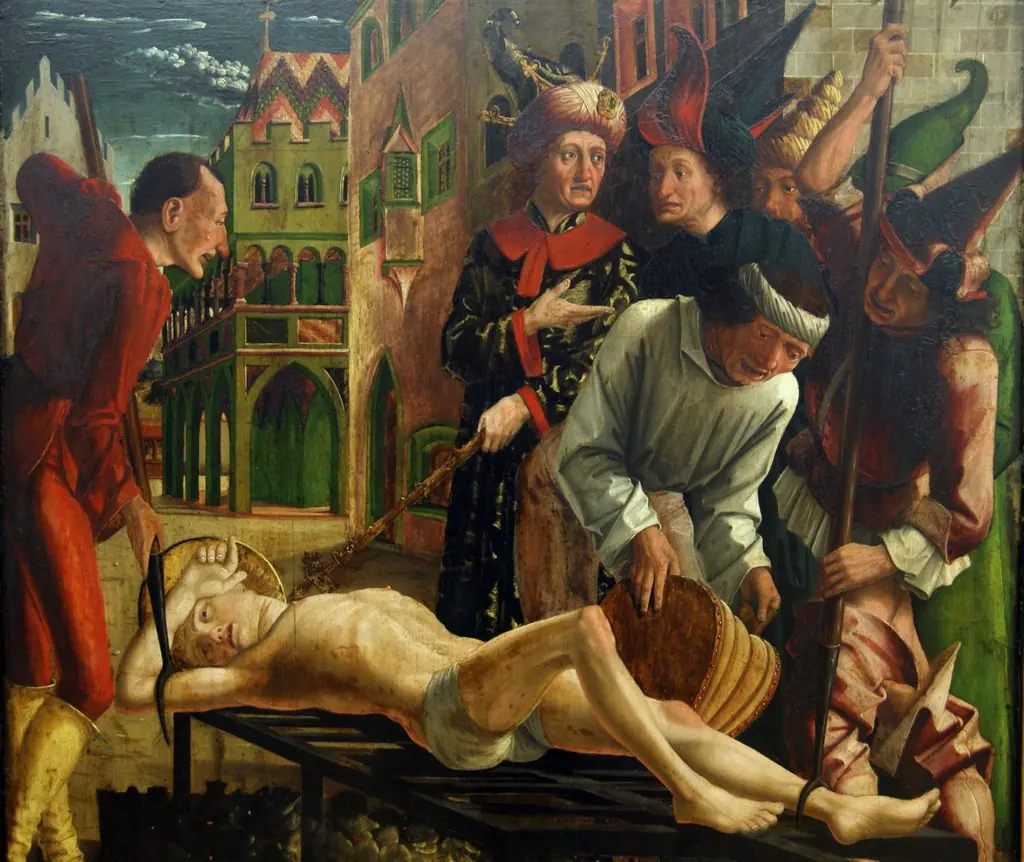 The Martyrdom of St. Lawrence
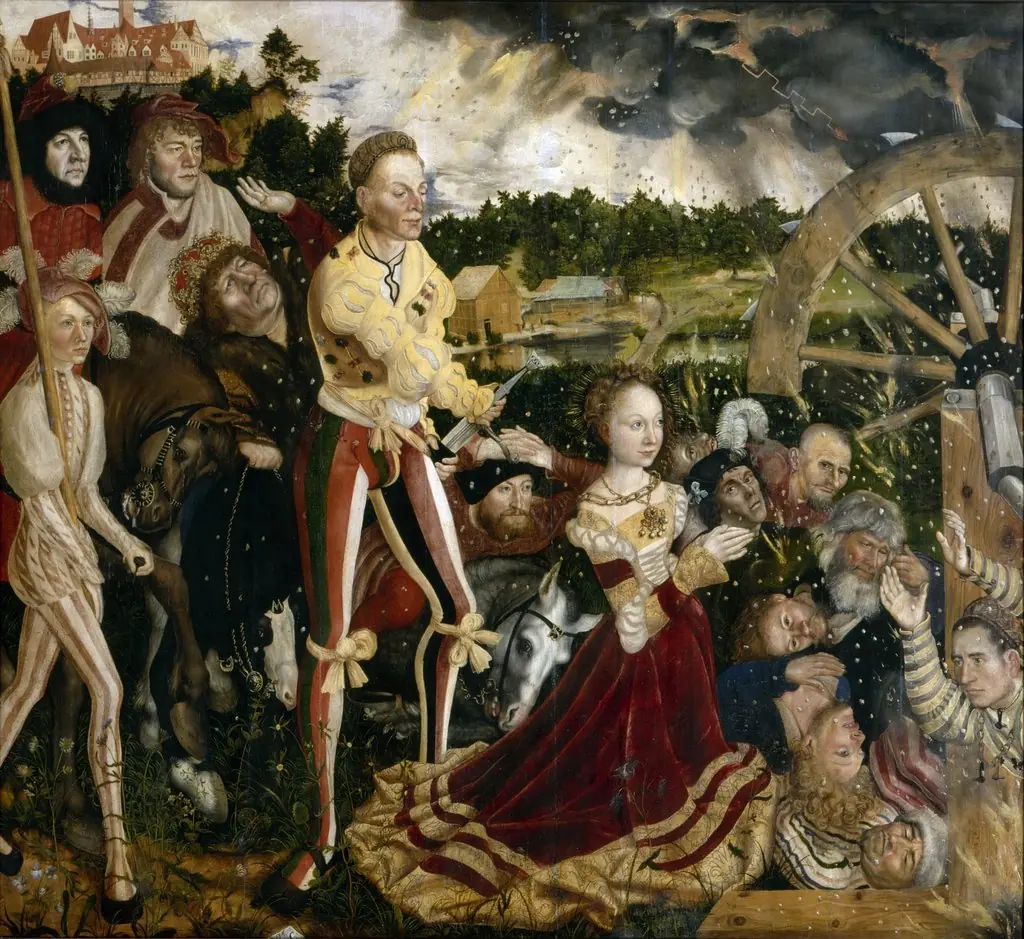 The Martyrdom of St Catharine (central panel)
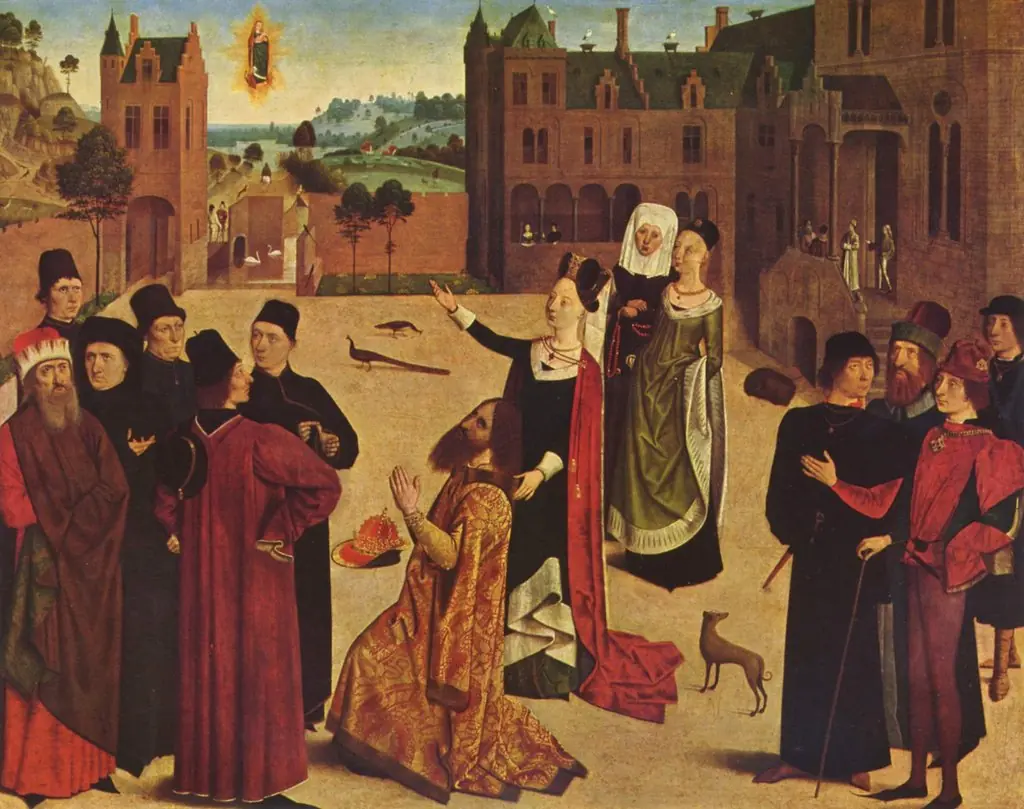 Tiburtine Sibyl's prophecy to Emperor Augustus
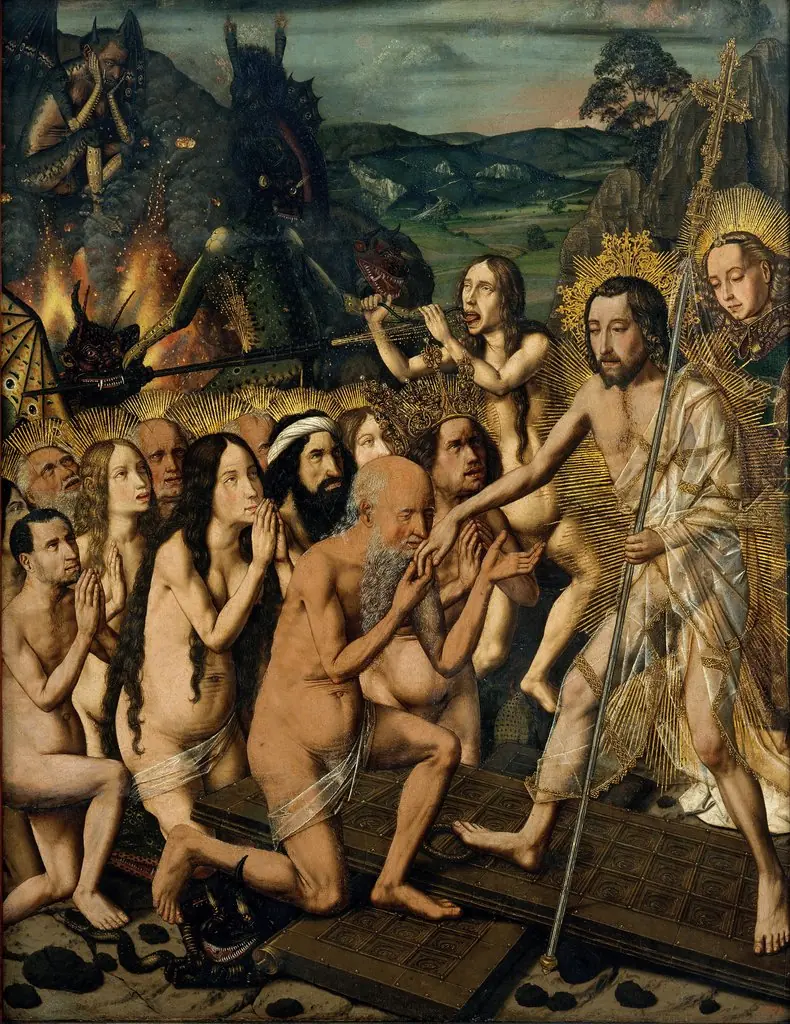 Descent of Christ into Limbo
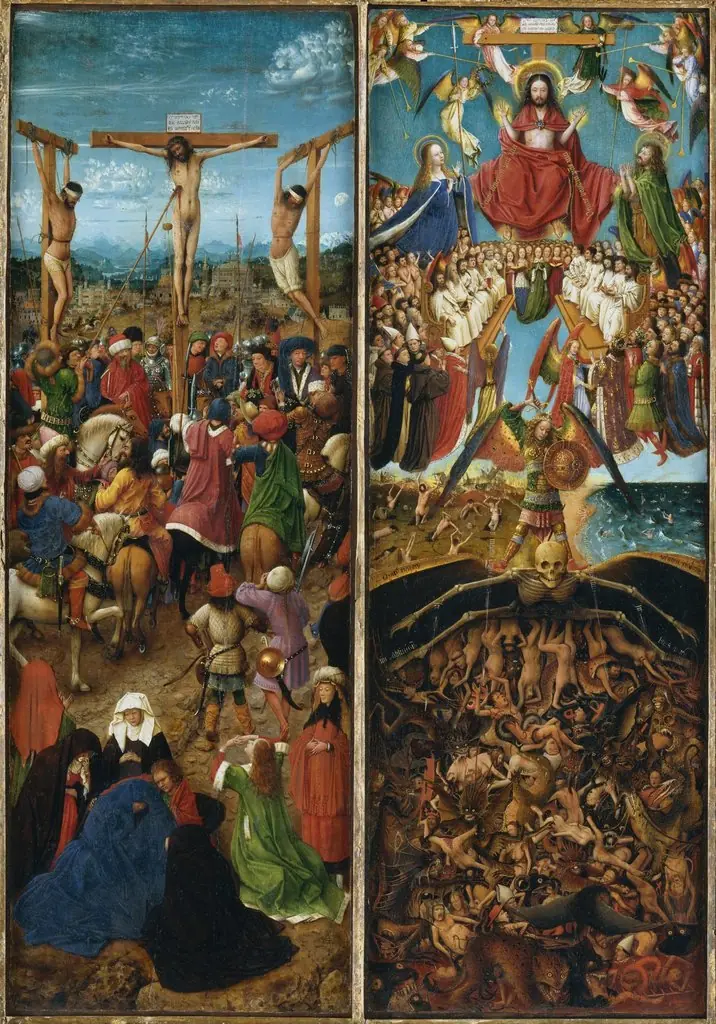 Crucifixion and Last Judgement diptych
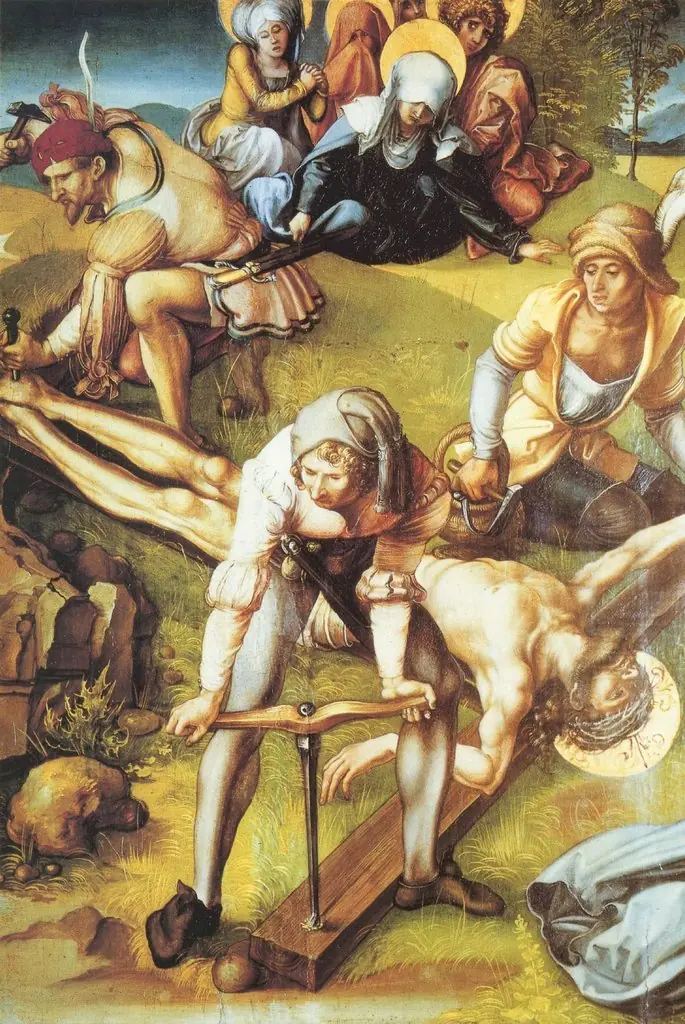 Altarpiece of the Mater Dolorosa, Scene: Christ Nailed Art the Cross
 The Fall of Man with Scenes of the Creation
- Martyrdom of Saint Catherine