Artwork
Meidan-i-Chah ou Place Royale, Ispahan
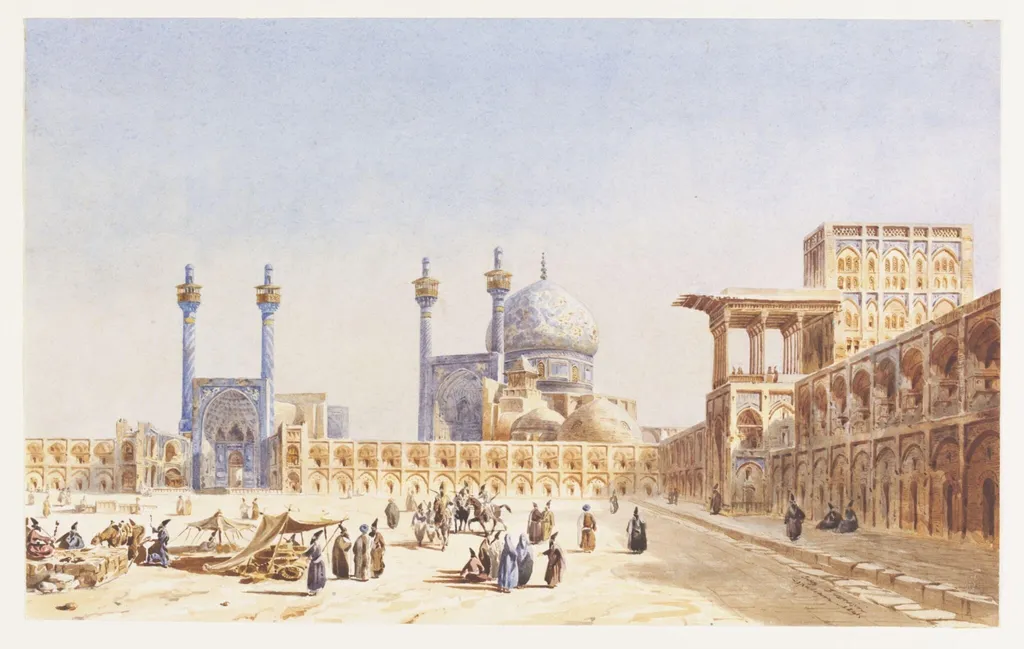
Meidan-i-Chah ou Place Royale, Ispahan is a watercolor work on paper by the Romanticist artist Eugène-Napoléon Flandin. It dates from 1841 and is held in the collection of the Victoria and Albert Museum. The watercolour, executed in 1841, depicts the expansive Maydan-i‑Chah, the central square of Isfahan, Iran.
About this work
The artist recorded the scene while traveling with a French diplomatic mission.
This watercolour shows a grand square in Ispahan, painted in 1841. The artist recorded the scene while traveling with a French diplomatic mission. The place was built centuries earlier as a polo ground by Shah Abbas.
Flandin focused on the palace gate on one side. Its wooden balcony let the royal family watch events below. The mosque stands angled to face Mecca, a key detail.
Check out the Victoria and Albert Museum for more travel sketches like this.
Overview
The watercolour, executed in 1841, depicts the expansive Maydan-i‑Chah, the central square of Isfahan, Iran. The scene captures the broad, open space that once served as a polo field under Shah Abbas in the early seventeenth century, framed by the city’s prominent architectural landmarks.
Subject & Meaning
At the far edge of the composition rises the Masjid‑i‑Shah, the Shah’s mosque, deliberately oriented at an angle to align its prayer hall toward Mecca. To the right, the Ali Qapu gatehouse projects its massive wooden loggia over the square, a viewing platform from which the royal family observed ceremonies and sporting events below.
Technique & Style
The artist employed a delicate watercolour wash to render architectural detail and atmospheric perspective, emphasizing the contrast between the sun‑lit expanse of the square and the shaded façades of the mosque and gatehouse. Fine linear strokes delineate the intricate brickwork and the timber balustrade of the loggia.
History & Provenance
Created by French painter Charles Flandin during a diplomatic mission to Persia led by Édouard de Sercey, the work was part of a larger effort to document Persian monuments. Upon returning to France, Flandin and architect Pascal Coste published the eight‑volume series "Voyage en Perse," which included this and other illustrations of Isfahan.
Context
The Maydan‑i‑Chah was originally laid out by Shah Abbas after he transferred the Safavid capital to Isfahan, reflecting his ambition to create a ceremonial urban core. The square’s design facilitated royal spectacles, integrating religious, political, and recreational functions within the city’s plan.
Legacy
Flandin’s depiction contributed to European knowledge of Persian architecture in the nineteenth century, influencing subsequent travel literature and artistic representations of the region. The watercolour remains a valuable visual record of Isfahan’s historic urban landscape.
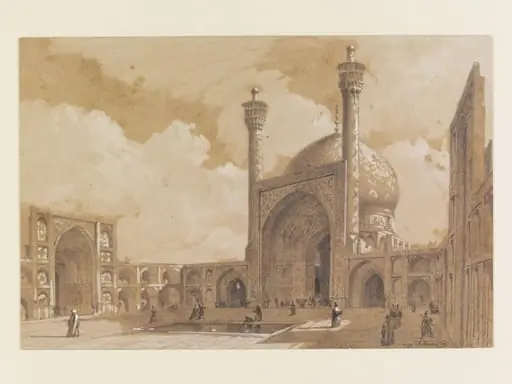
Own this work as a print
Artist & collection
Artist
Eugène-Napoléon Flandin spent years wandering Persia with a sketchbook and a stopwatch, timing how long it took for shadows to stretch across the tile floors of mosques.

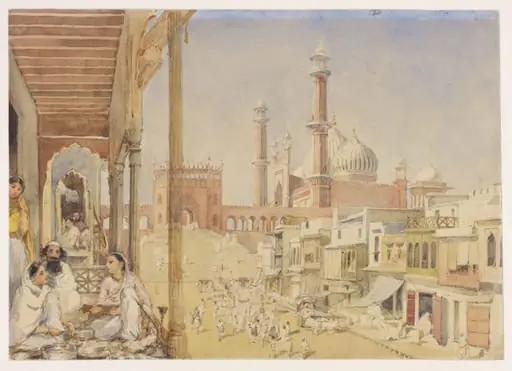 View of the Jami Masjid, Delhi
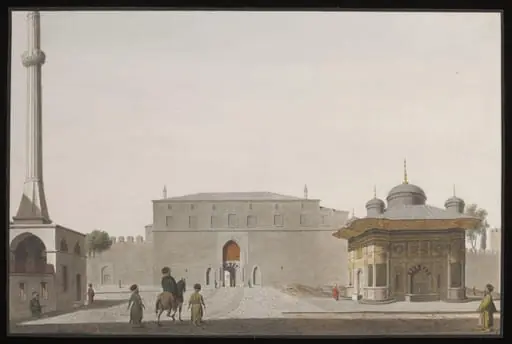 Bab-i-Hümayün (Imperial Gate) to Topkapi Sarayi, with the Fountain of Sultan Ahmet III
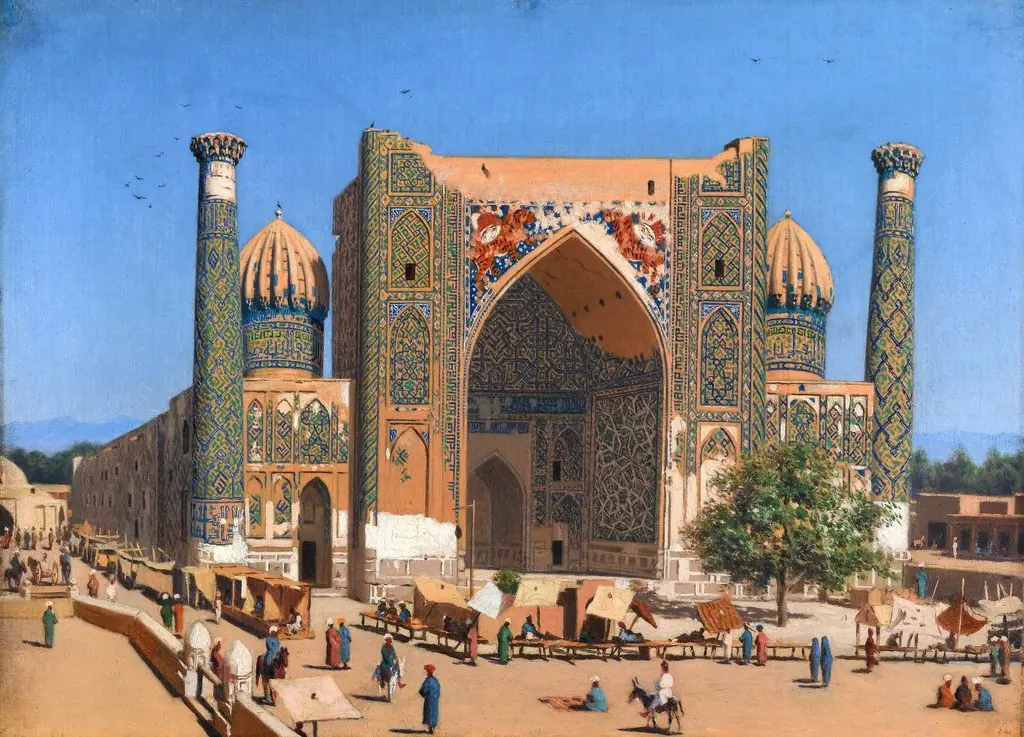 Medrasah Shir-Dhor at Registan place in Samarkand
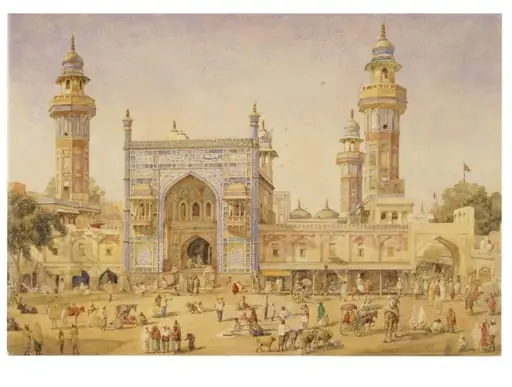 'The Musjid of Wazeer Ali Khan, Lahore, Panjab'
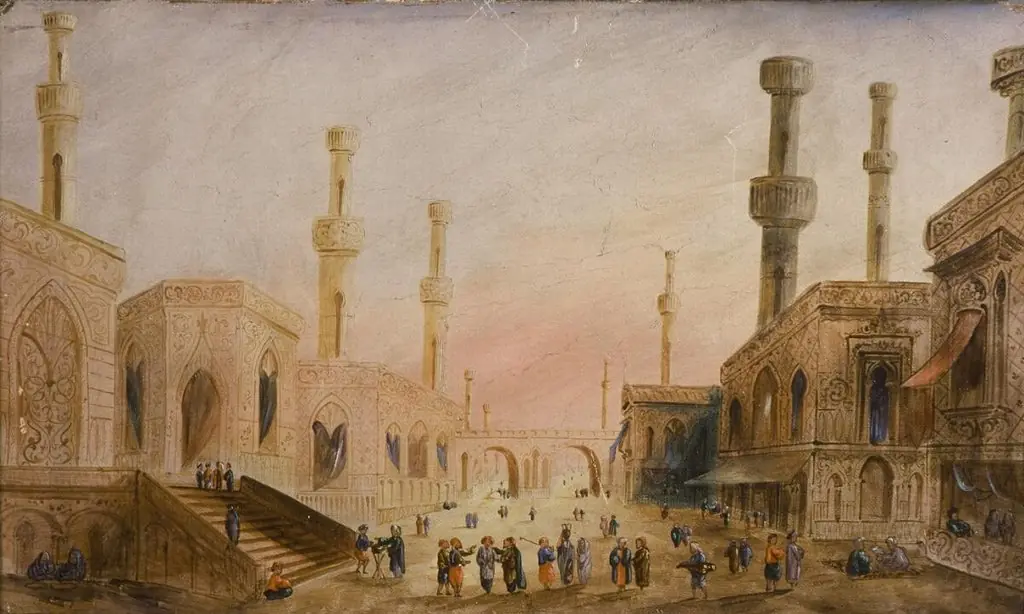 eastern square or palace
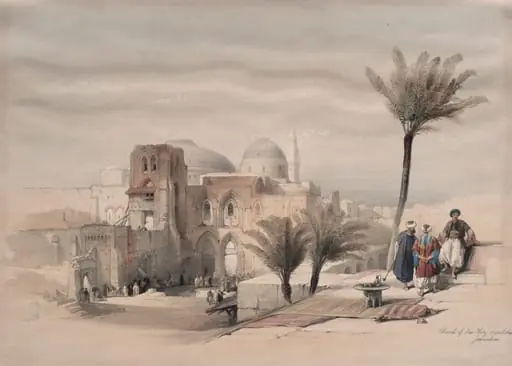 Church of the Holy Sepulchre, Jerusalem
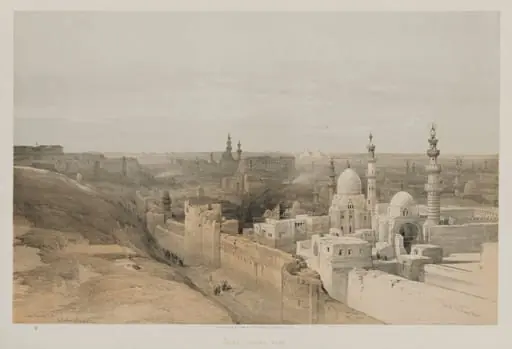 Egypt and Nubia, Volume III, No. 26, Cairo, Looking West
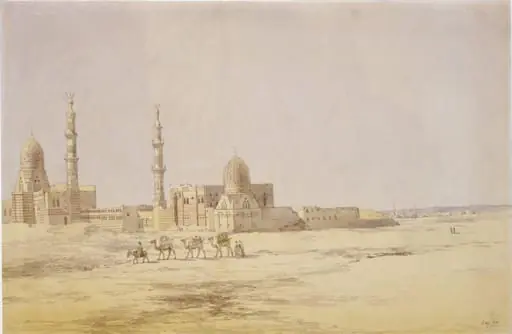 Tombs of the Khalifs, Cairo
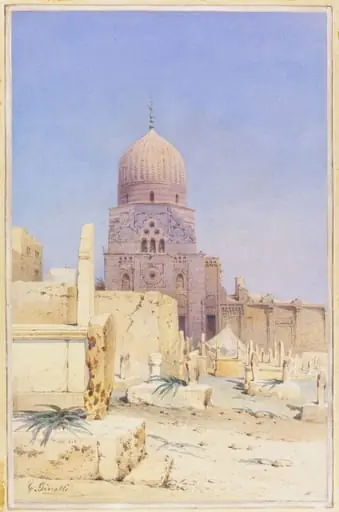 Mosque/Tomb in Cairo
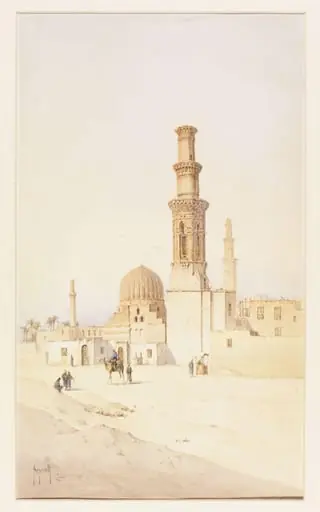 Cairo
Cairo