Artwork
Melle Emile Levert
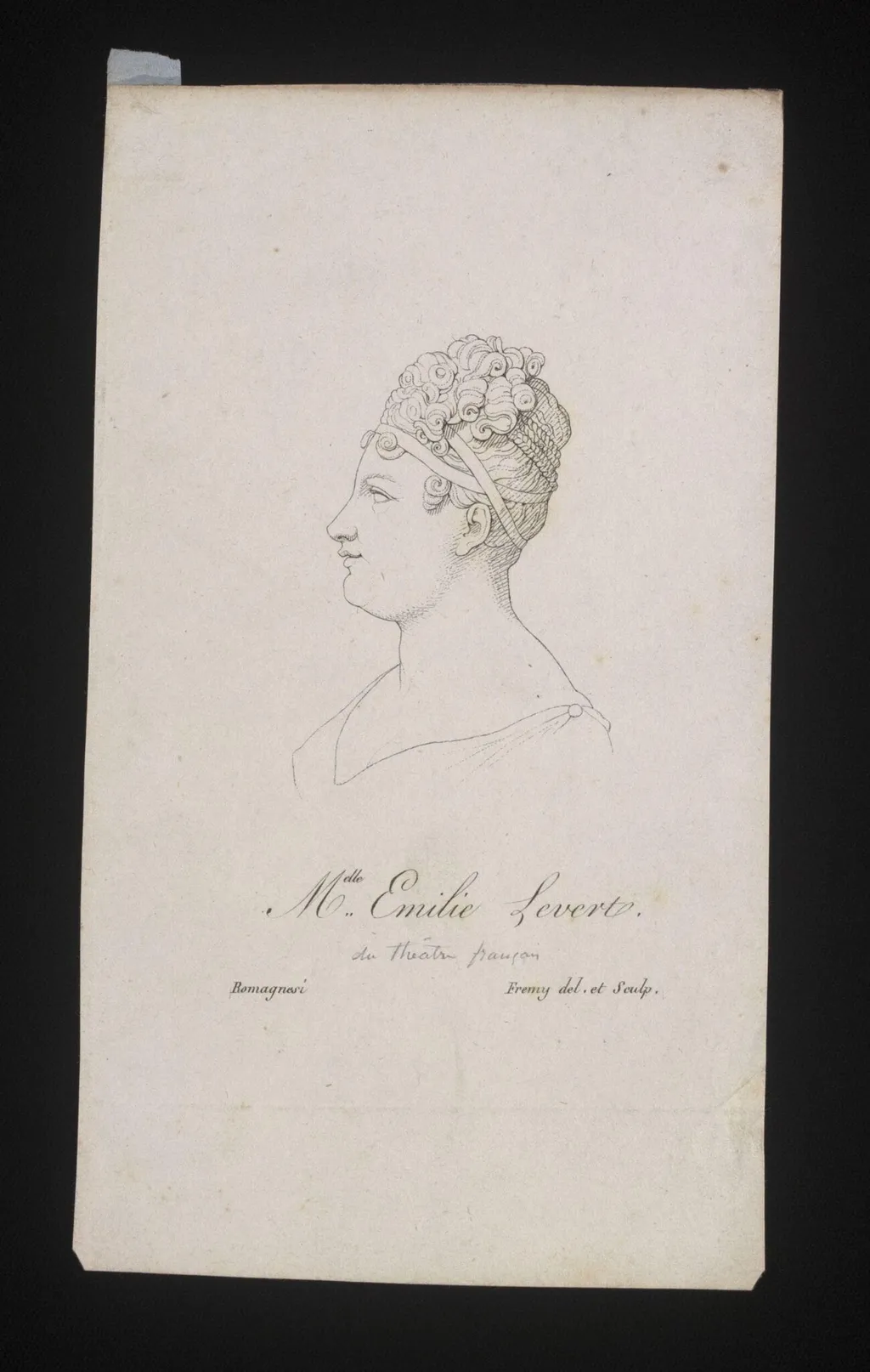
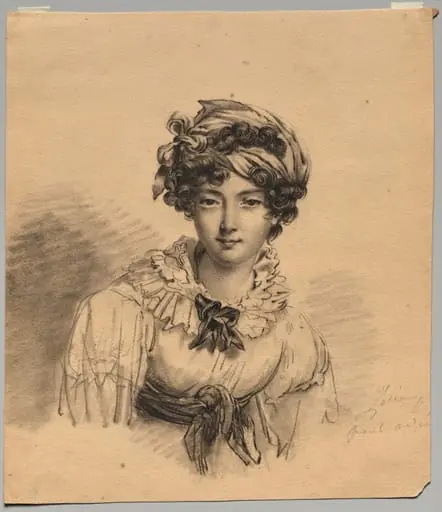
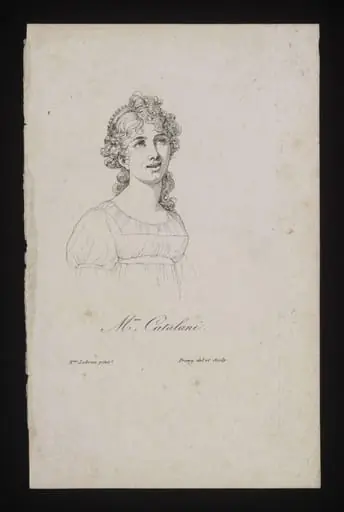
Melle Emile Levert is a print by Jacques Frémy. It dates from 1850 and is held in the collection of the Victoria and Albert Museum.
About this work
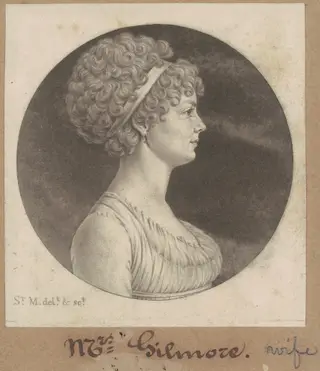
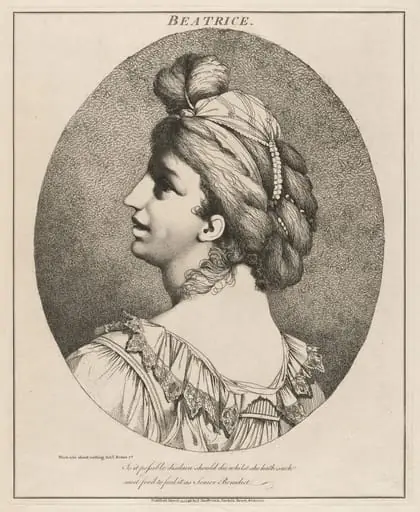
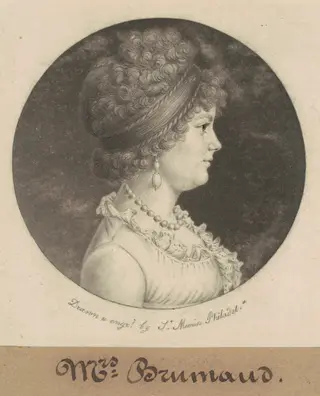
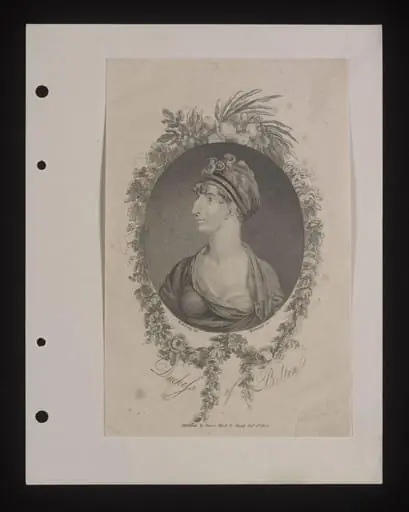
This print is a portrait of Jeanne Emile Levert. It's interesting because it was published in the early 19th century, which gives us a glimpse into the style of that time. The fact that it's part of the Harry Beard Collection also adds to its historical significance.
You can learn more about this type of art by looking at the work of artist: Frémy, Jacques.
Overview
The work is held in the Harry Beard Collection, a curated assemblage of British and French graphic art from the 18th and 19th centuries.
This early 19th-century print portrays Jeanne Emile Levert, a woman of modest social standing, rendered in a refined but unadorned style typical of portraiture from the period. Produced as a reproductive print, it was likely intended for private collections rather than public display. The work is held in the Harry Beard Collection, a curated assemblage of British and French graphic art from the 18th and 19th centuries.
Subject & Meaning
Jeanne Emile Levert is depicted with quiet dignity, her posture and attire reflecting the restrained elegance favored in bourgeois portraiture of the era. The absence of symbolic elements or elaborate background suggests an emphasis on personal identity rather than social status. Her name, included in the title, indicates the print’s function as a record of an individual, possibly commissioned by family or acquaintances.
Technique & Style
The print employs fine line engraving or stippling, techniques common in reproductive prints of the time. Details are rendered with precision but without theatricality, favoring clarity over dramatic effect. The tonal range is limited, relying on careful hatching to suggest form and texture, particularly in the fabric of her dress and the softness of her hair.
History & Provenance
The print entered the Harry Beard Collection, assembled by the British collector and theater historian in the late 19th century. Beard focused on ephemeral graphic material, including portraits and theatrical prints, preserving works that might otherwise have been discarded. Its inclusion in this collection underscores its value as a cultural artifact rather than an artistic novelty.
Context
During the early 1800s, printed portraits of non-noble individuals became more accessible due to advances in print technology and rising literacy. These images served as personal mementos or tokens of social connection. The style aligns with contemporaneous work by artists like Frémy, Jacques, who specialized in engraved likenesses for domestic use across France and Britain.
Legacy
Though not attributed to a major artist, the print contributes to understanding how ordinary individuals were visually documented in the pre-photographic era. Its preservation in a major collection ensures its role as evidence of everyday visual culture, offering insight into the values and aesthetics of middle-class life in early 19th-century Europe.
Own this work as a print
Artist & collection
Artist
Early 19th-century Paris saw printmakers cranking out crisp portraits for the bourgeoisie.