Artwork
Julie Bonaparte as Queen of Spain with her Daughters, Zénaïde and Charlotte
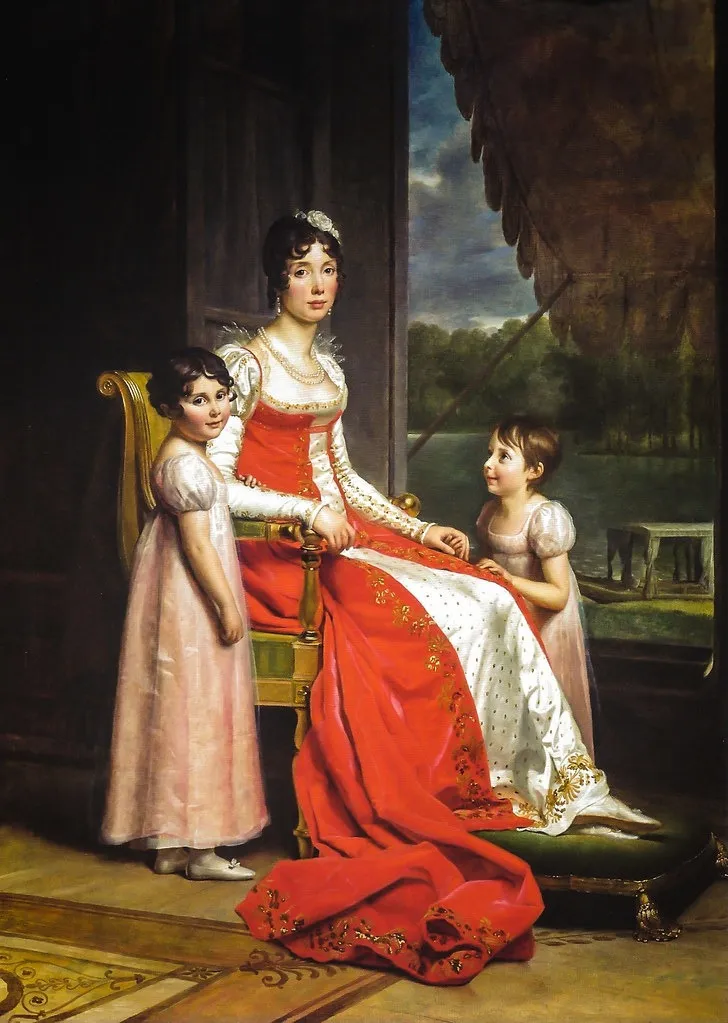
Julie Bonaparte as Queen of Spain with her Daughters, Zénaïde and Charlotte is an oil painting by the Neoclassicist artist François Gérard. It dates from 1808 and is held in the collection of the National Gallery of Ireland.
About this work
Subject & Meaning
The painting shows Julie Bonaparte, formerly Julie Clary, as Queen of Spain with her daughters Zénaïde and Charlotte.
The painting shows Julie Bonaparte, formerly Julie Clary, as Queen of Spain with her daughters Zénaïde and Charlotte. It was created by François Gérard in 1808 and depicts the family in regal attire, with Julie wearing a white satin gown edged with gold leaf and her daughters in pink muslin and voile. The work was likely painted at Mortefontaine between 1798 and 1814 and is part of a series of five family portraits commissioned for the Salon de famille at Saint-Cloud. After being held in family possession, it entered the National Gallery of Ireland in 1972.
Technique & Style
The work is an oil painting on canvas, measuring 200 cm in height and 144 cm in width, classified as a portrait. It is one of five paintings François Gérard executed for the Salon de famille at the Château de Saint-Cloud and was likely produced at the Château de Mortefontaine, the Bonaparte residence between 1798 and 1814.
Stylistically, the composition reflects the Empire-period fashion of 1795–1820, with Julie depicted in a white satin Empire-style gown trimmed with golden leaves along the hem, paired with a red velvet mantle bearing the same ornamentation. Her two daughters are dressed in pink muslin and voile garments, a lighter textural contrast to the heavier satin and velvet of the mother's attire. The painting remained in family possession until 1972, when it entered the National Gallery of Ireland, where copies at Fontainebleau and Versailles attest to its wider dynastic circulation.
History & Provenance
François Gérard executed this oil portrait in 1808, shortly after Julie Clary assumed the title of Queen of Spain following her husband Joseph Bonaparte's appointment to the throne. The work was likely painted at the Château de Mortefontaine, the family residence between 1798 and 1814. It was originally commissioned as one of five paintings intended for the Salon de famille at the Château de Saint-Cloud, a frequent residence of Napoleon.
Following its creation, the painting remained within the Bonaparte lineage, eventually passing to the sitter's daughter, Zénaïde Bonaparte, as an inheritance. The artwork stayed in private family ownership for over a century and a half. In 1972, the National Gallery of Ireland successfully acquired the piece, where it has remained in the public collection since.
The painting is held by the National Gallery of Ireland in Dublin, where it has been part of the collection since 1972. The work was acquired by the gallery after remaining in the Bonaparte family until that date, having previously been inherited by Zénaïde Bonaparte. While the primary version resides in Ireland, copies of the portrait are located in the castles of Fontainebleau and Versailles.
The source material does not list specific accession numbers or a detailed chronological exhibition history for the work.
Context
Created by François Gérard in 1808, this portrait is one of several works the artist produced for the Bonaparte family. It was specifically painted for the Salon de famille at the Château de Saint-Cloud, a primary residence of Napoleon, serving the imperial court's visual propaganda. The composition depicts Julie Clary in her brief role as Queen of Spain, a title held by her husband Joseph following his 1808 appointment.
The work reflects the broader context of Gérard's commissions to document the dynasty's rise and its specific fashion, such as the empire-style white satin gown and red velvet mantle worn by the queen. While the original has been held by the National Gallery of Ireland since 1972, copies of the portrait exist in the castles of Fontainebleau and Versailles, indicating its significance within the Napoleonic artistic program.
Legacy
The portrait of Julie Bonaparte as Queen of Spain with her daughters Zénaïde and Charlotte established a precedent for royal family portraiture within the Bonaparte dynasty, influencing later depictions of European monarchs emphasizing dynastic legitimacy through domestic imagery. Its acquisition by the National Gallery of Ireland in 1972 ensured public access to a key work documenting Napoleonic-era European politics through art, while reproductions in collections such as Fontainebleau reflect its enduring scholarly and curatorial relevance. The painting's composition, featuring symbolic attire and familial arrangement, was frequently referenced in 19th-century European portraiture as a model for representing royal maternity and political authority.
Overview
François Gérard executed this oil portrait in 1808, during the First French Empire. It presents Julie Clary, the spouse of Joseph Bonaparte, together with their daughters Zénaïde and Charlotte. The work belongs to the National Gallery of Ireland’s collection and exemplifies the neoclassical portrait tradition of the period.
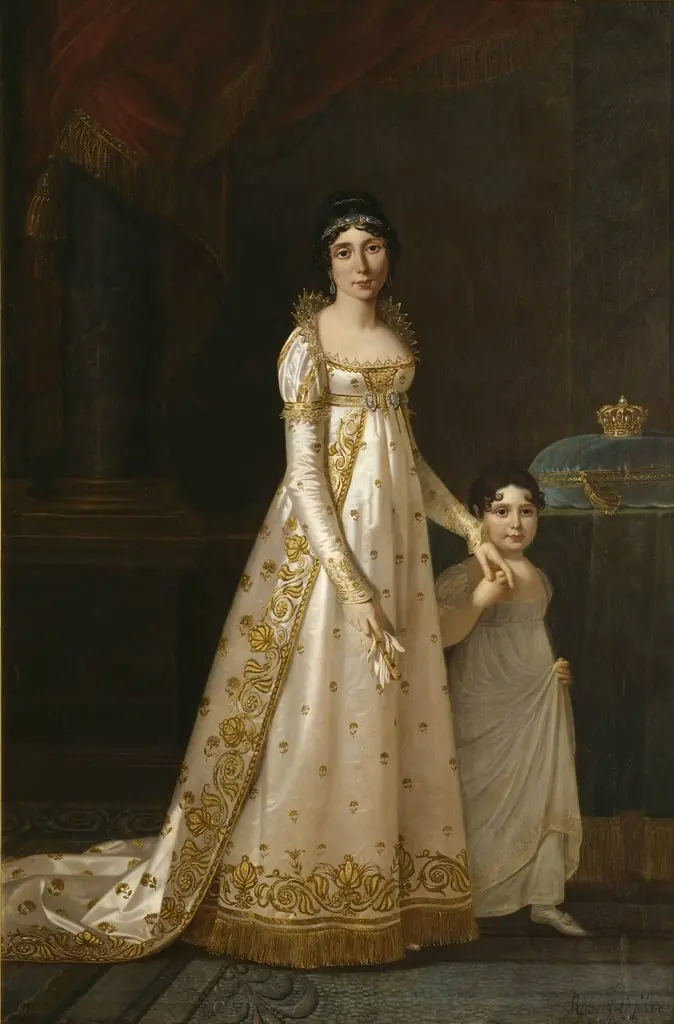
Artist & collection
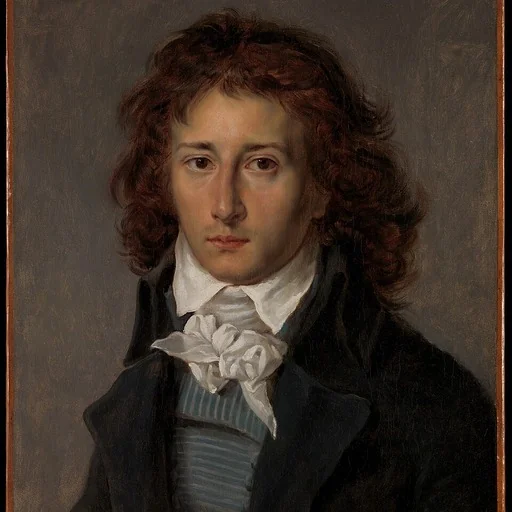
Artist
François Pascal Simon Gérard (French pronunciation: 4 May 1770 – 11 January 1837), titled as Baron Gérard in 1809, was a French painter.

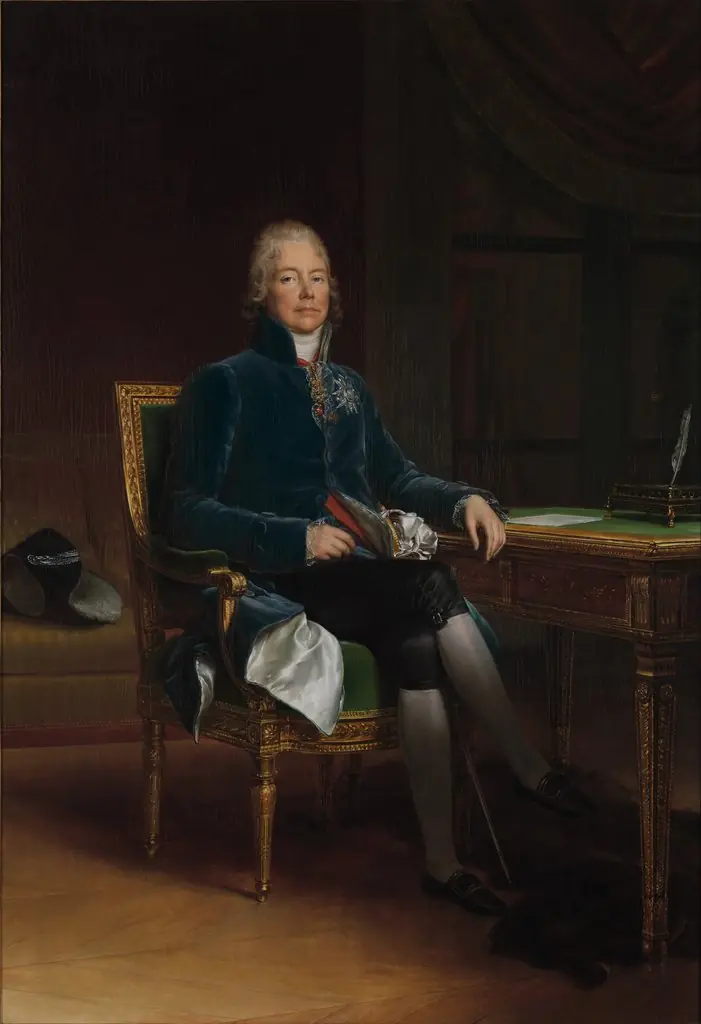 Charles Maurice de Talleyrand Périgord (1754–1838), Prince de Bénévent
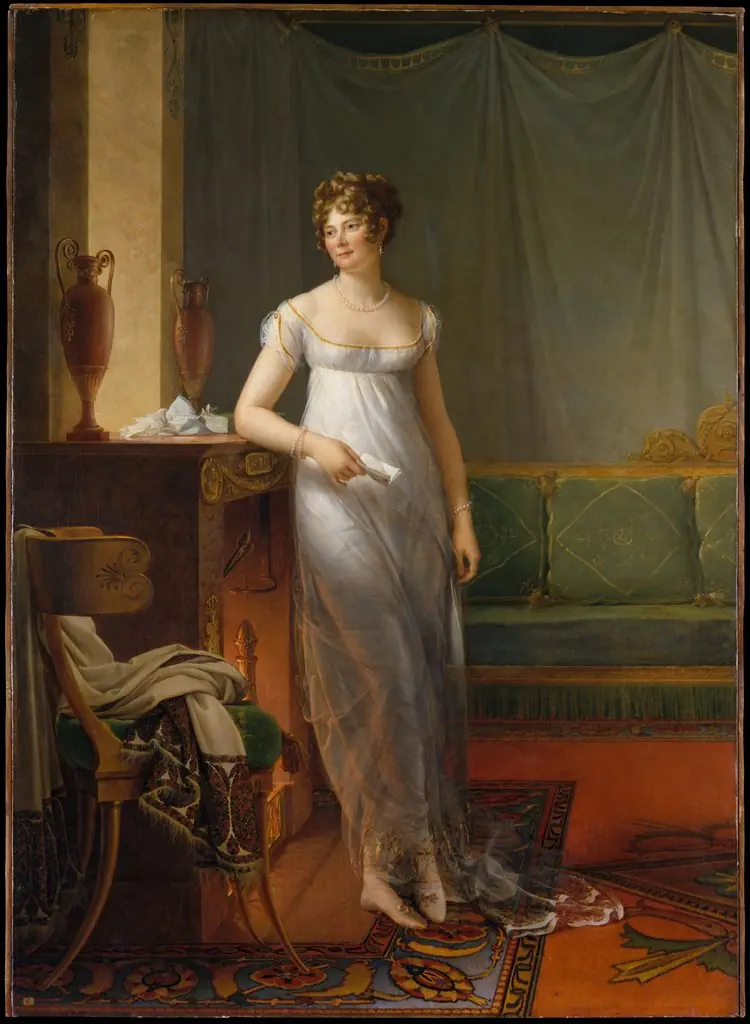 Madame Charles Maurice de Talleyrand Périgord (1761–1835)
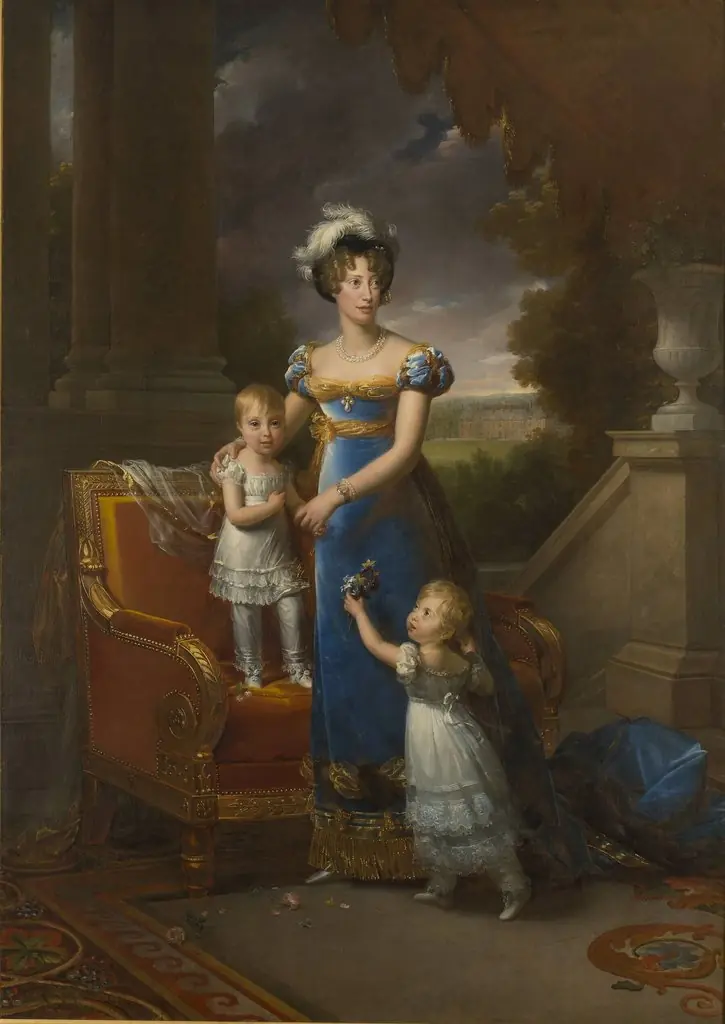 The Duchess of Berry and her Children
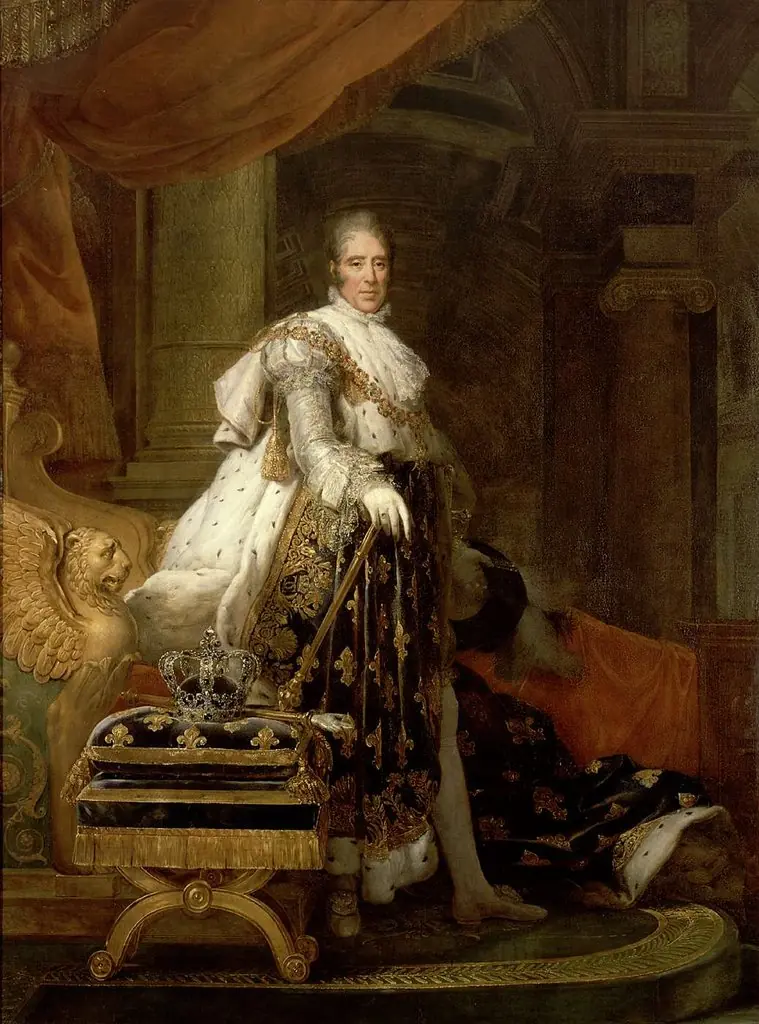 Charles X of France
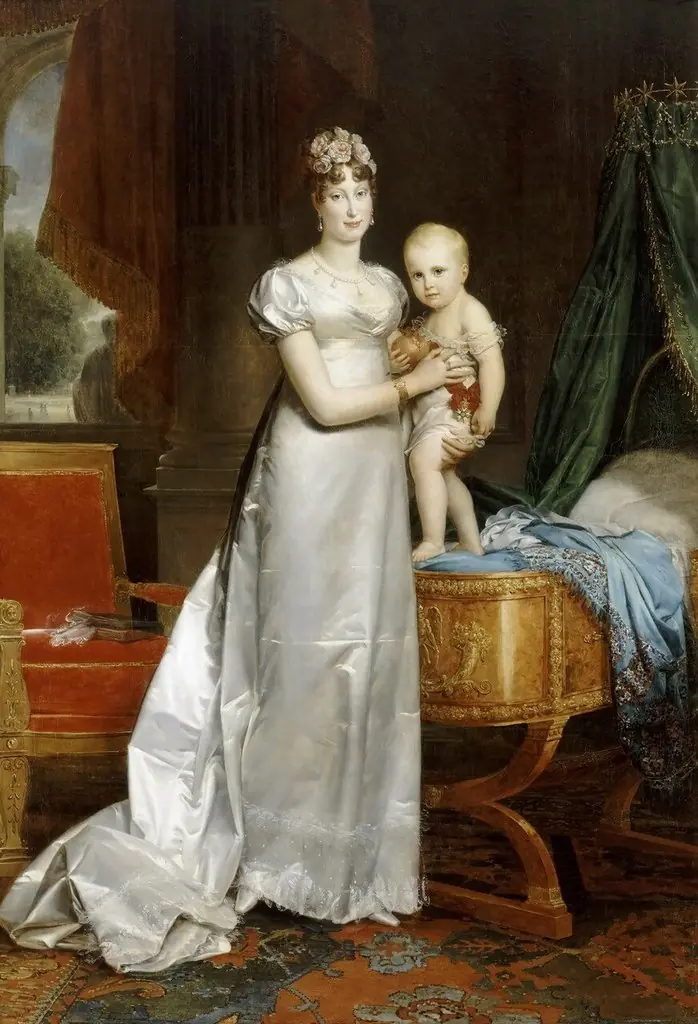 Marie-Louise, Empress of the French, and the Roi de Rome
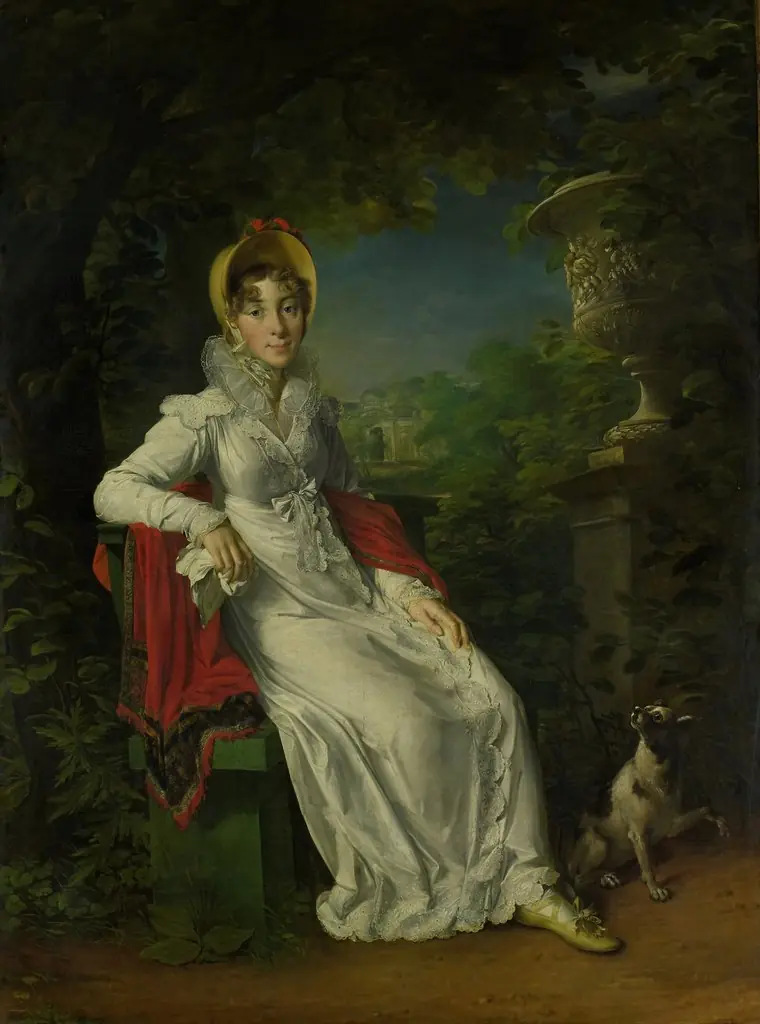 Portrait of Marie Caroline Ferdinande Louise de Naples, Wife of Charles Ferdinand, Duke de Berry, in the Park de Bagatelle in the Bois de Boulogne, Paris
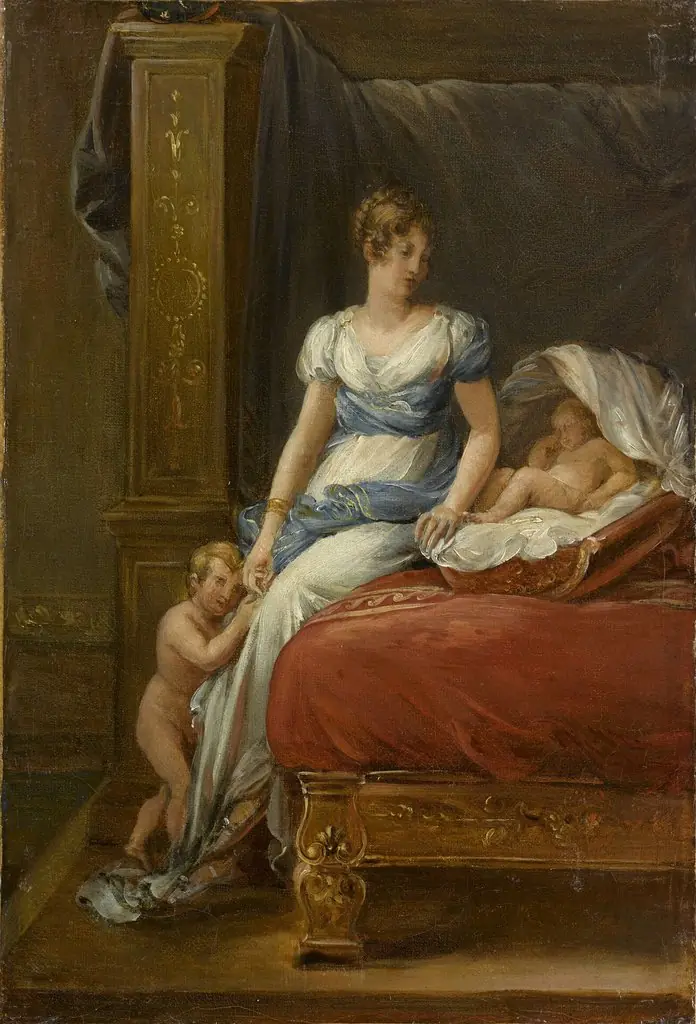 Marie-Annunciade-Caroline Bonaparte, Queen of Naples and her children
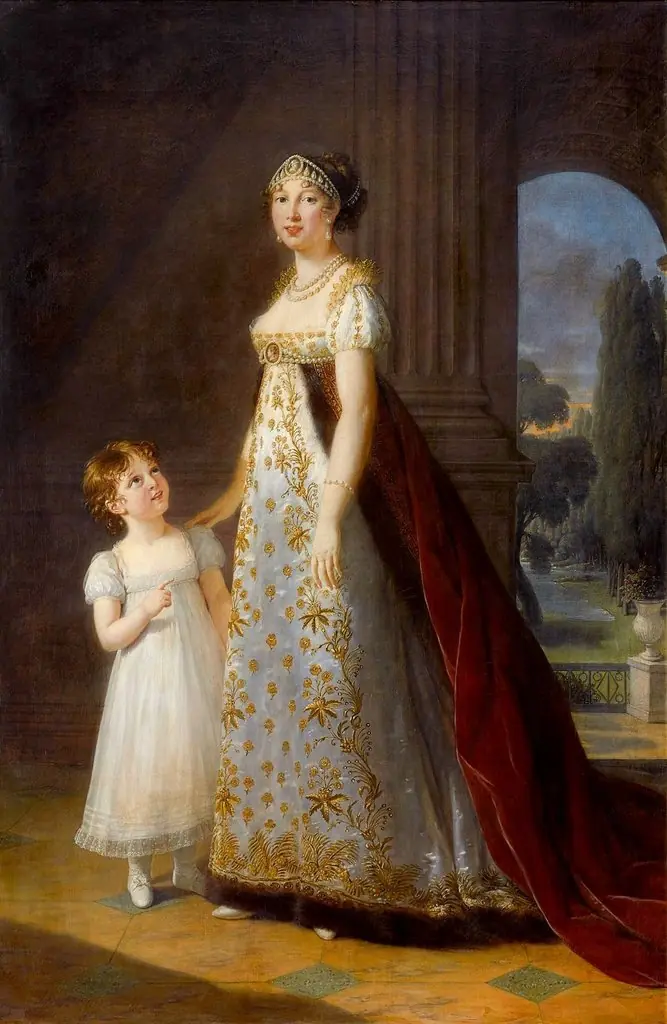 Caroline Murat with her daughter Letizia
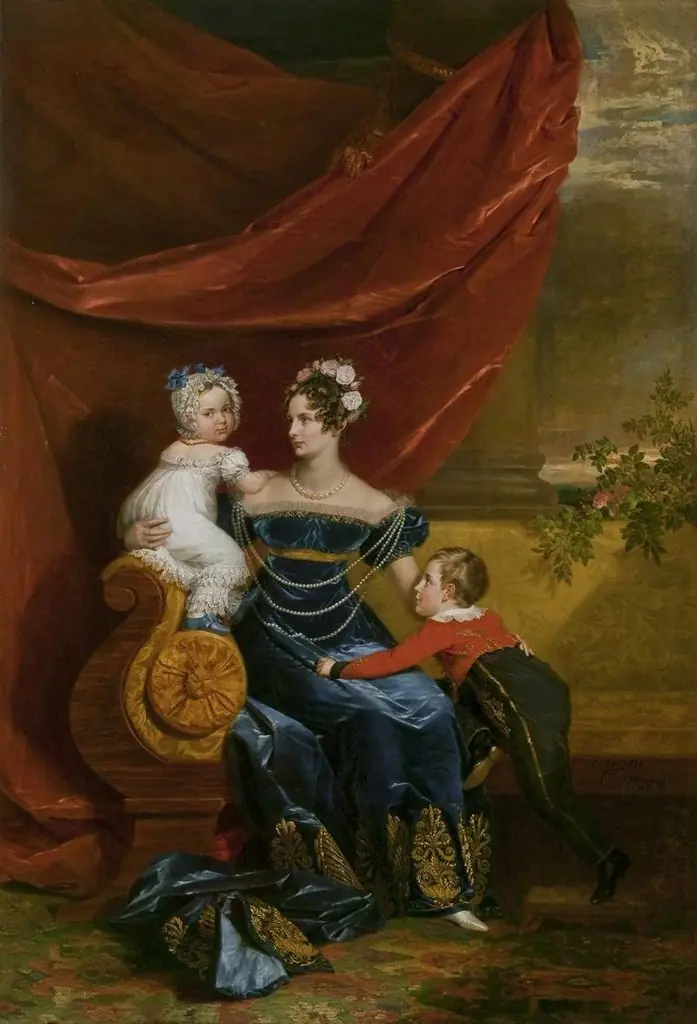 Portrait of Grand Duchess Alexandra Fiodorovna with Children
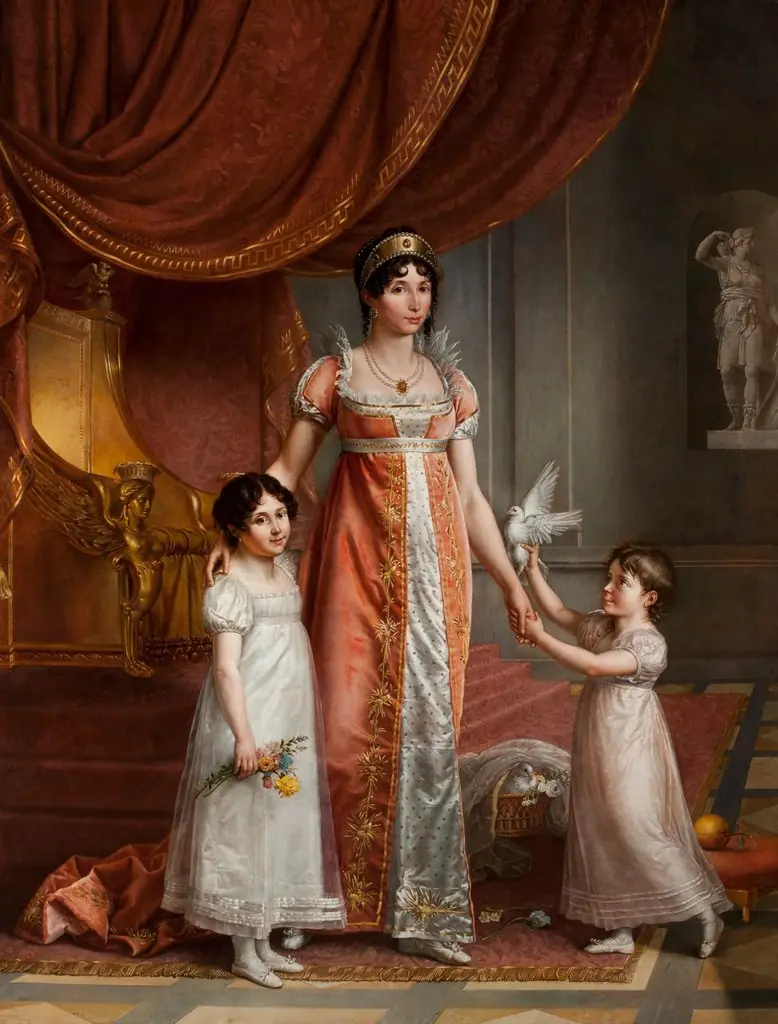 Ritratto di Giulia Clary e delle figlie Zenaide e Carlotta
 Caroline Windham
 Portrait of A.P. Mailevskaya with Her Daughter
 Françoise Charlotte d'Aubigné with her aunt Madame de Maintenon.
 Viscountess Dungannon (d.1880)
 Louise of Orléans, Queen of the Belgians, and her son