Artwork
Marie-Louise, Empress of the French, and the Roi de Rome
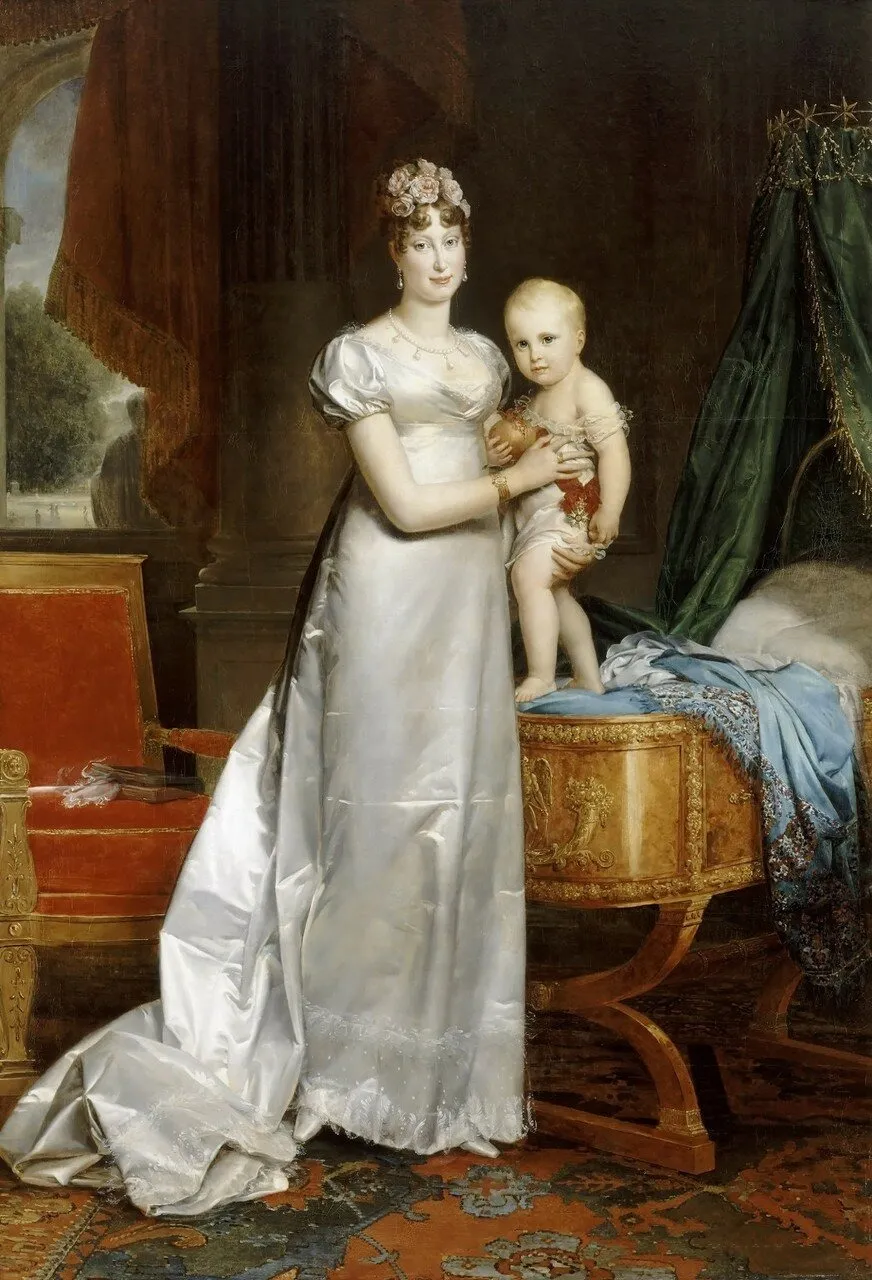
Marie-Louise, Empress of the French, and the Roi de Rome is an oil painting by the Neoclassicist artist François Gérard. It dates from 1813 and is held in the collection of the Palace of Versailles.
About this work
Subject & Meaning
The composition centers on the intimate relationship between the mother and her infant son, who is identified as both an infant and a king.
The artwork is a portrait depicting Marie Louise, Empress of the French, alongside the Roi de Rome (Napoleon II). The composition centers on the intimate relationship between the mother and her infant son, who is identified as both an infant and a king. Iconographic elements within the scene reinforce her imperial and maternal roles, featuring the figures within a bed chamber setting.
The empress is adorned in a dress and associated with flowers and a bijou, symbols that emphasize her femininity and status. The presence of the bed further contextualizes the intimate, domestic nature of the dynastic portrait, blending the representation of a woman and mother with the political significance of presenting the male heir to the French empire.
Technique & Style
François Gérard’s Marie-Louise, Empress of the French, and the Roi de Rome (1813) is executed in oil paint on canvas, measuring 240 × 162 cm. The support is a tightly woven linen canvas, prepared with a smooth white ground that allows for fine detail and subtle tonal transitions. Gérard’s handling is characterized by precise, almost invisible brushwork, particularly in the rendering of flesh tones and textiles, while looser, more expressive strokes define the floral accents and drapery folds.
Stylistically, the work adheres to the neoclassical portrait tradition, emphasizing idealized forms and compositional harmony. The figures are modeled with soft chiaroscuro, and the palette is restrained, dominated by pale blues, creams, and gold, evoking both imperial elegance and maternal tenderness. The inclusion of symbolic elements, such as the infant’s blue sash and the floral bouquet, reflects Gérard’s attention to allegorical detail within a naturalistic setting.
History & Provenance
The oil painting titled Marie-Louise, Empress of the French, and the Roi de Rome was created in 1813 by François Gérard. It entered the collection of the Museum of the History of France at the Palace of Versailles, where it remains on display. The work was commissioned by Napoleon and depicts Marie Louise, Duchess of Parma, with her son, Napoleon II, in a regal domestic setting.
Its dimensions are 240 cm in height and 162 cm in width, and it is catalogued under inventory numbers MV 4703, INV 4759, and AC 1761 within the museum's holdings.
The painting is housed in the Museum of the History of France at the Palace of Versailles, with inventory numbers MV 4703, INV 4759, and AC 1761 as recorded in the Joconde catalogue. It was created in 1813 by François Gérard, depicting Marie Louise, Duchess of Parma, and her son, the Roi de Rome, and forms part of the museum’s collection of French historical artworks.
Exhibition records indicate its presence in Versailles exhibitions, including a notable display at the Musée national des châteaux de Versailles et de Trianon.
Overview
Created in 1813 by François Gérard, this oil painting presents Marie Louise, Duchess of Parma, together with her infant son, Napoleon II, who was titled the Roi de Rome. Executed in the neoclassical idiom, the work situates the mother and child within an interior that conveys both intimacy and status, and it now forms part of the collection at the Palace of Versailles.
Context
The portrait was produced at a time when Napoleon’s empire was waning and the future of his lineage was uncertain. By depicting Marie Louise and the Roi de Rome in a domestic setting, Gérard both humanizes the imperial family and reinforces their legitimacy amid the political turbulence of the early 19th century.
Artist & collection
Artist
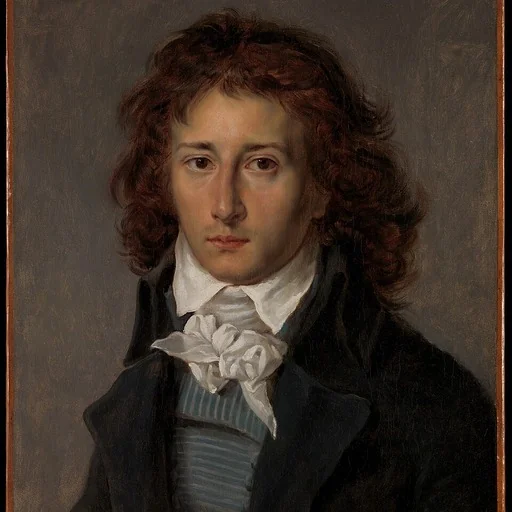
François Pascal Simon Gérard (French pronunciation: 4 May 1770 – 11 January 1837), titled as Baron Gérard in 1809, was a French painter.

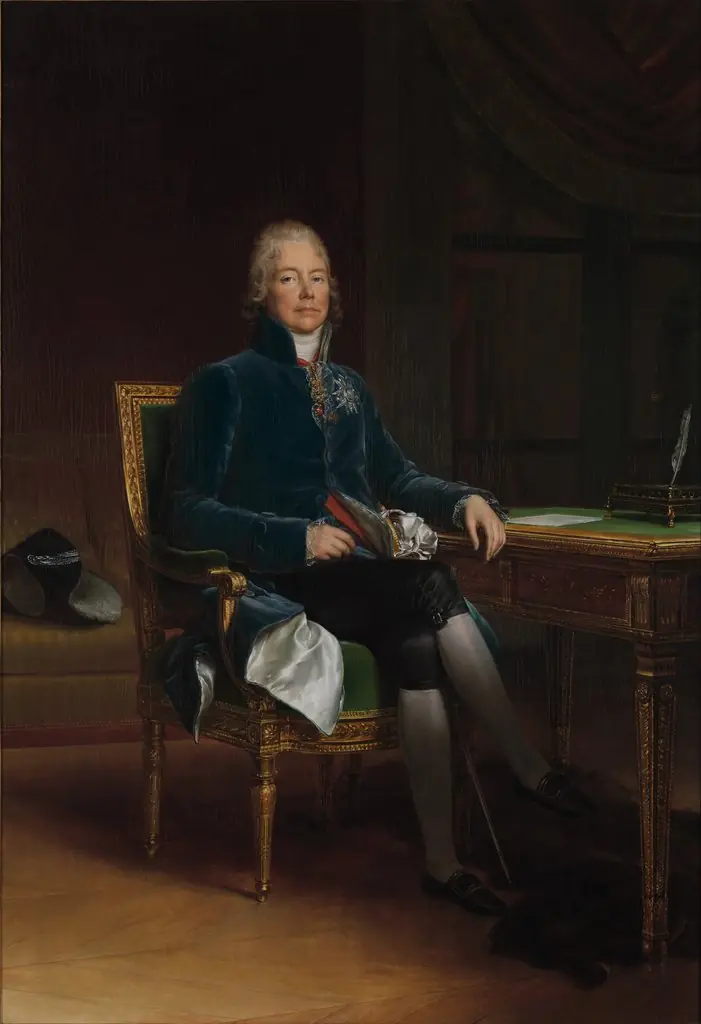 Charles Maurice de Talleyrand Périgord (1754–1838), Prince de Bénévent
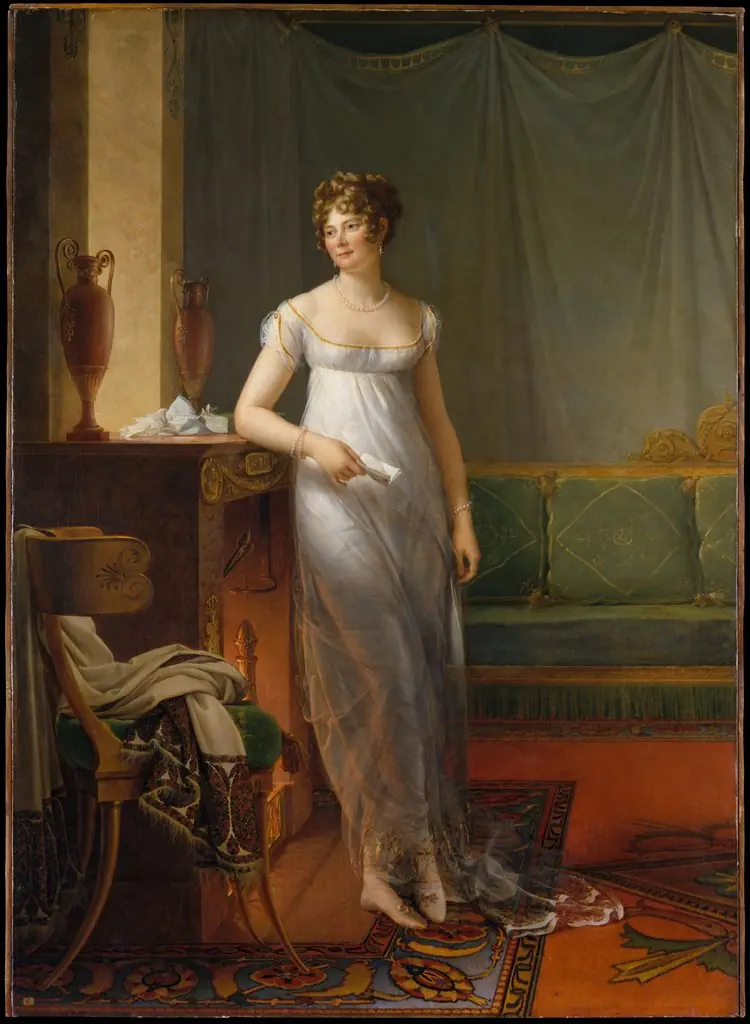 Madame Charles Maurice de Talleyrand Périgord (1761–1835)
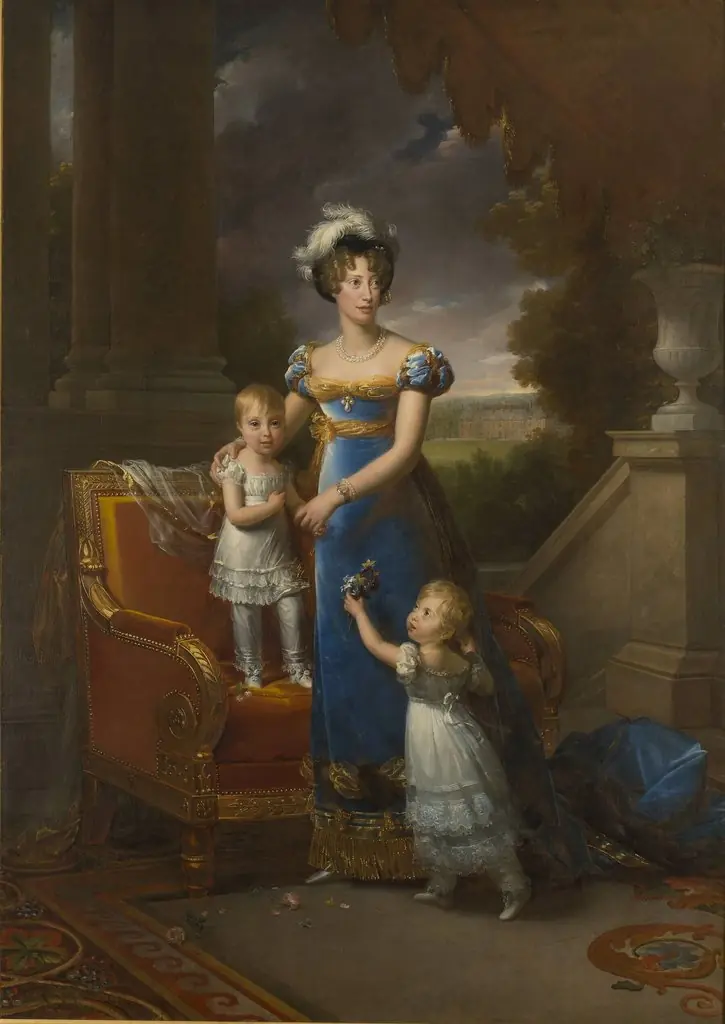 The Duchess of Berry and her Children
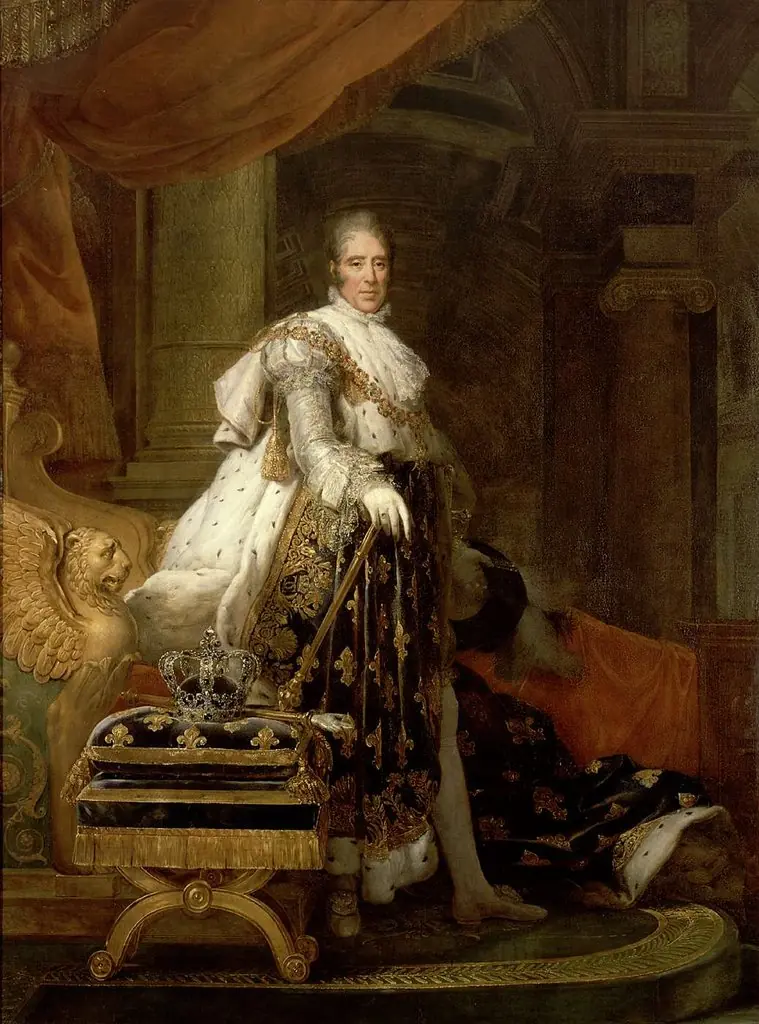 Charles X of France
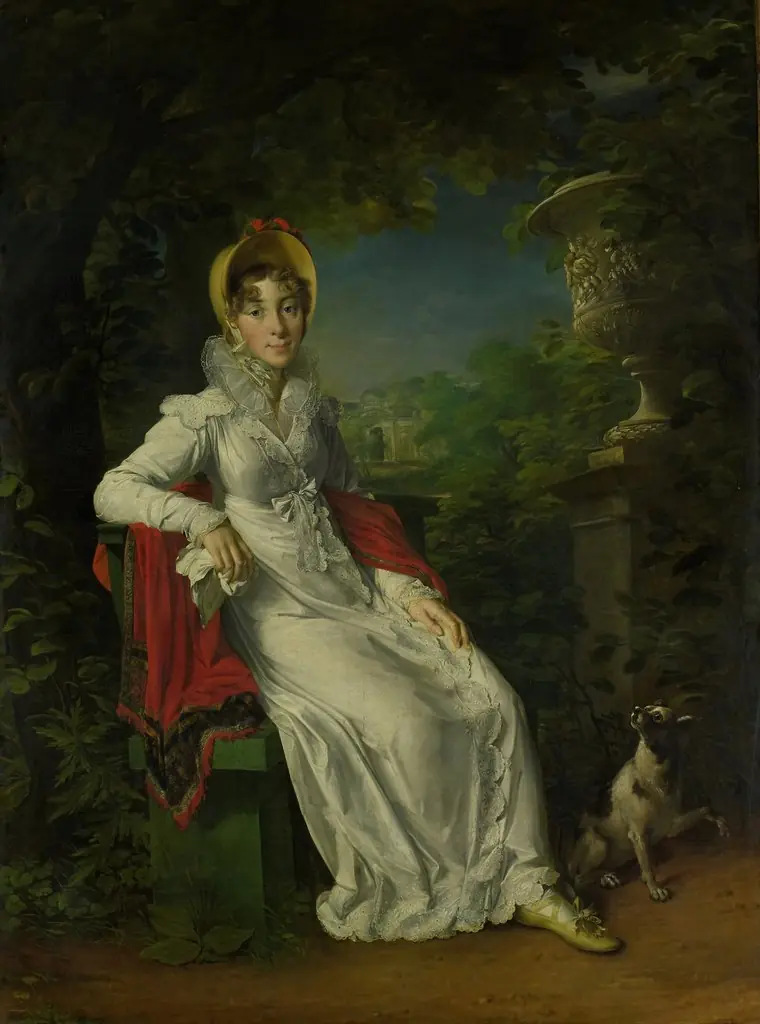 Portrait of Marie Caroline Ferdinande Louise de Naples, Wife of Charles Ferdinand, Duke de Berry, in the Park de Bagatelle in the Bois de Boulogne, Paris
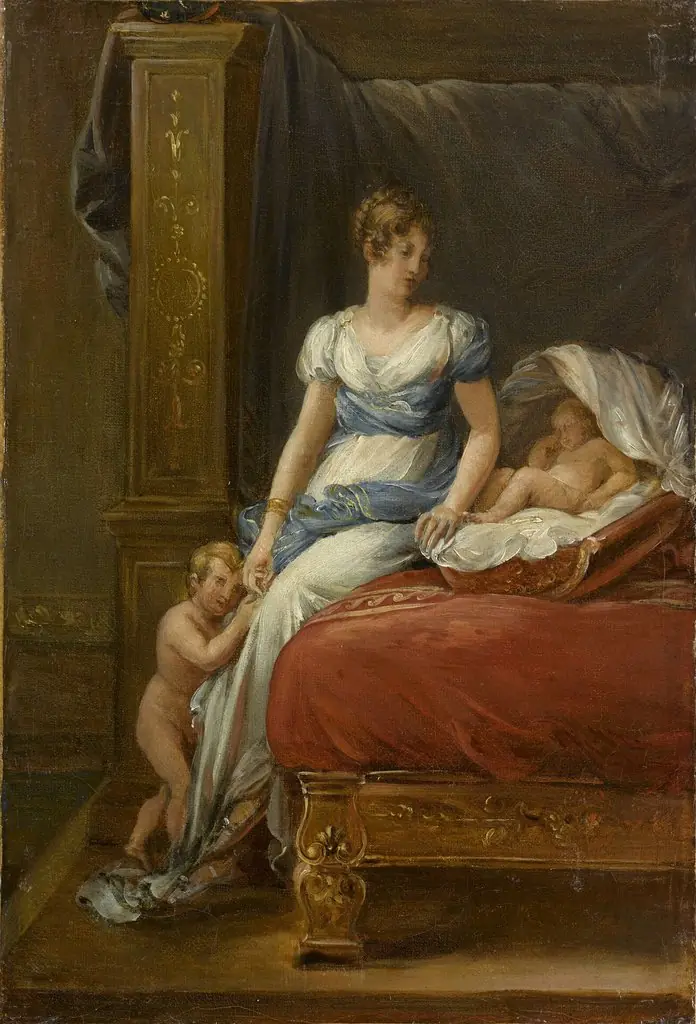 Marie-Annunciade-Caroline Bonaparte, Queen of Naples and her children
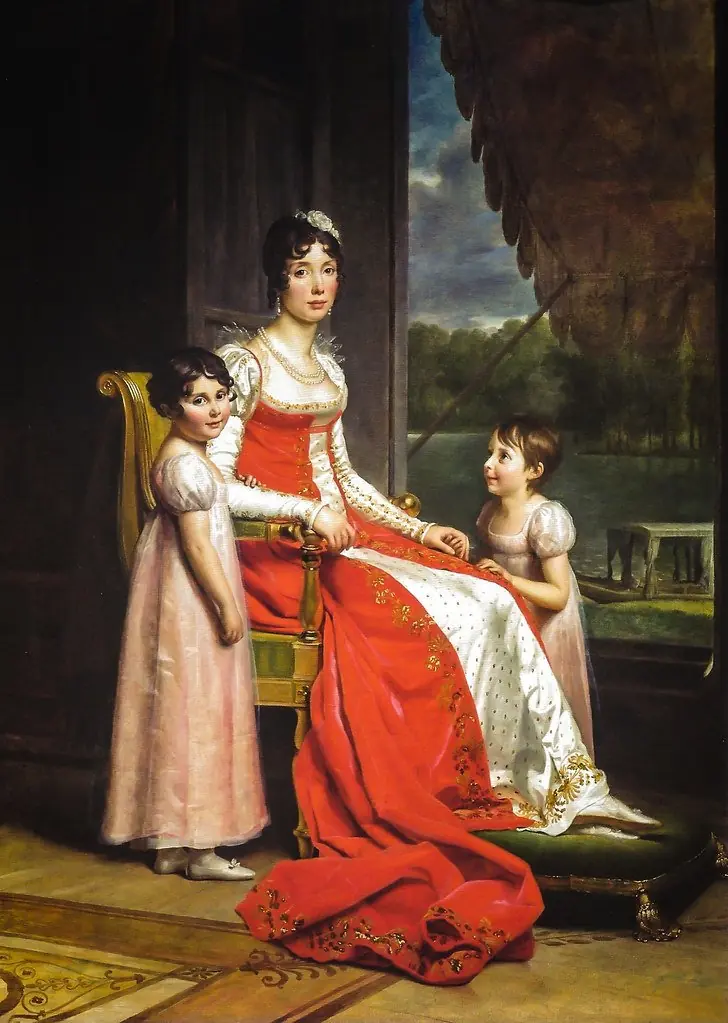 Julie Bonaparte as Queen of Spain with her Daughters, Zénaïde and Charlotte
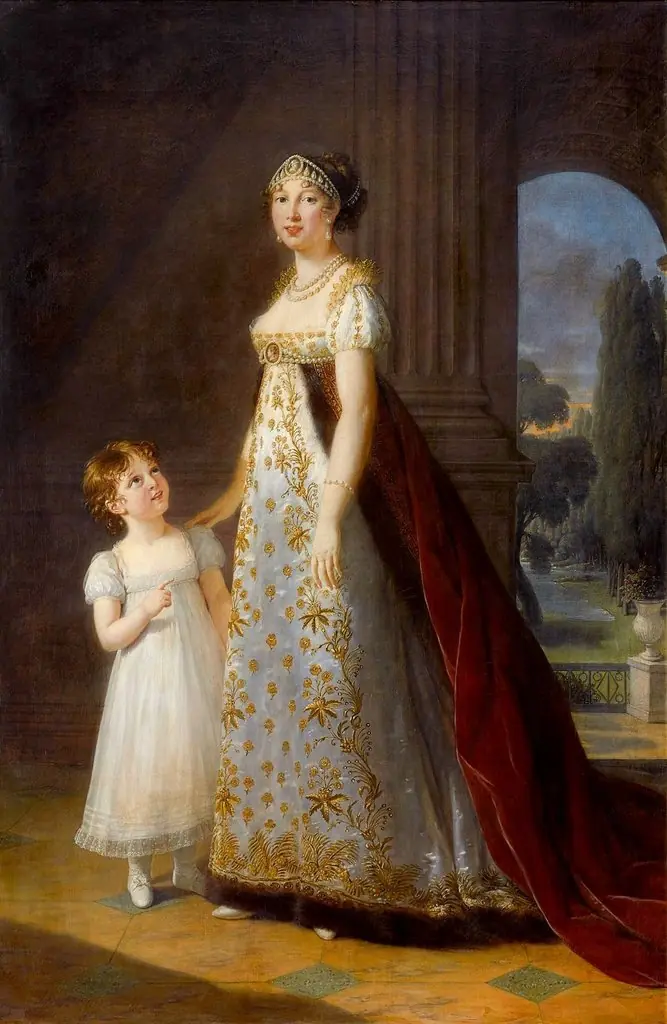 Caroline Murat with her daughter Letizia
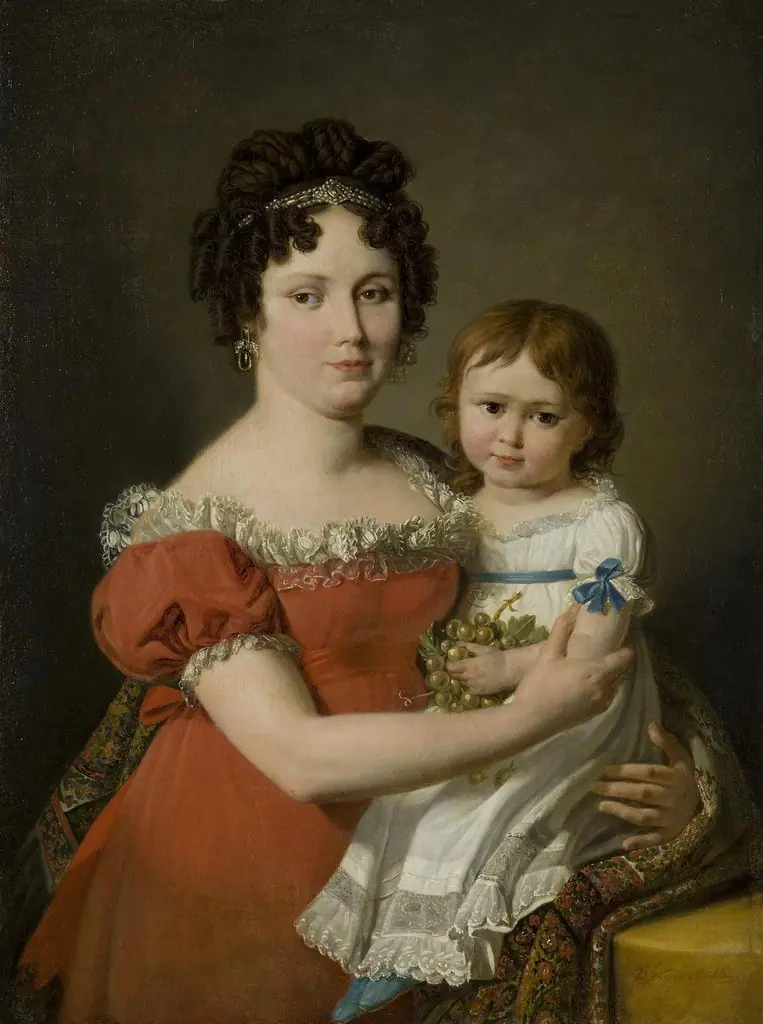 Portrait of A.P. Mailevskaya with Her Daughter
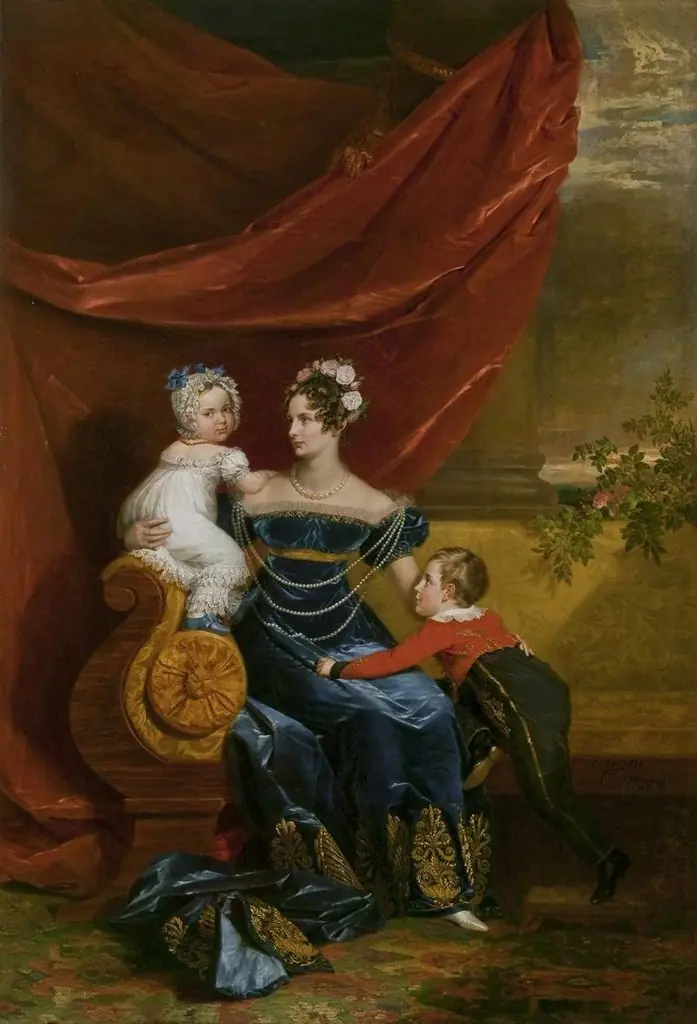 Portrait of Grand Duchess Alexandra Fiodorovna with Children
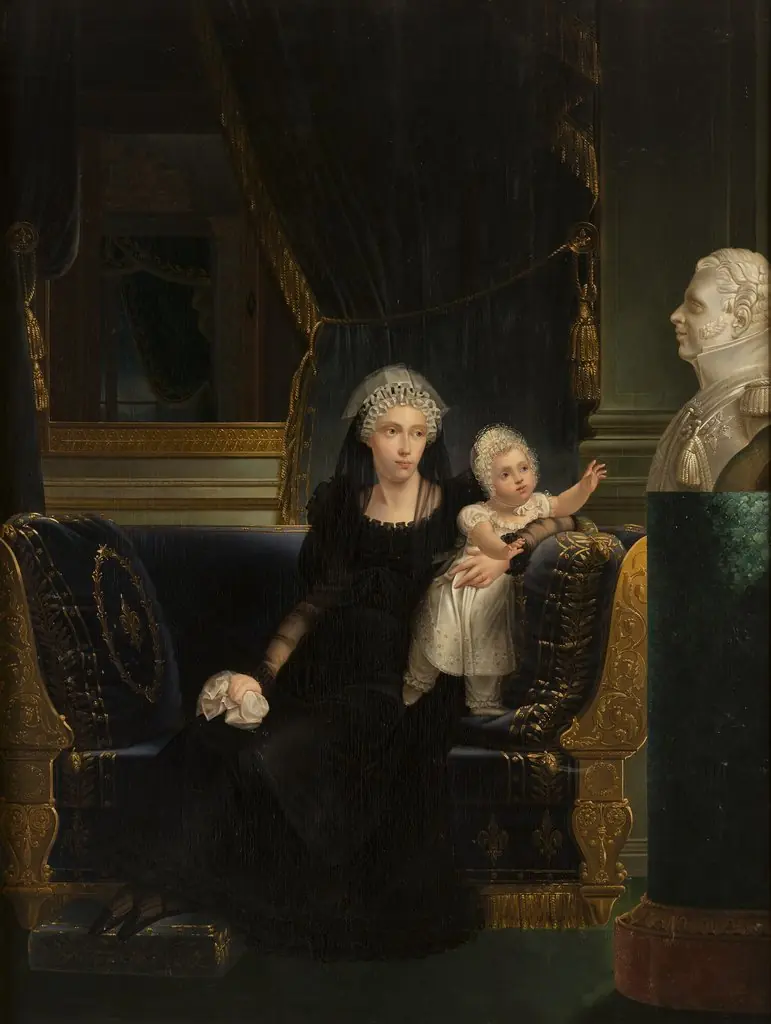 Marie-Caroline de Bourbon-Sicile, Duchess of Berry and her daughter Louise-Marie-Thérèse
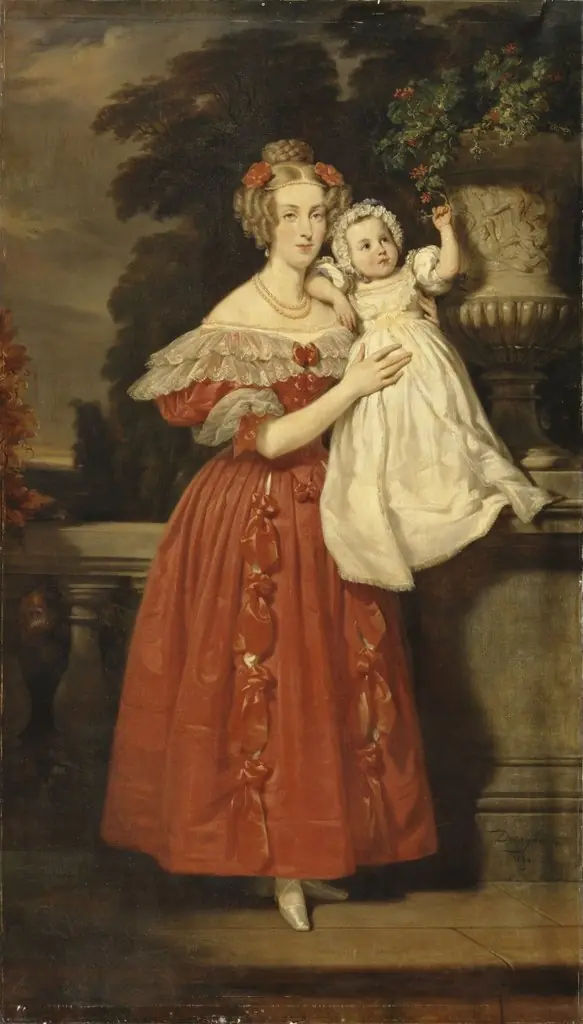 Louise of Orléans, Queen of the Belgians, and her son
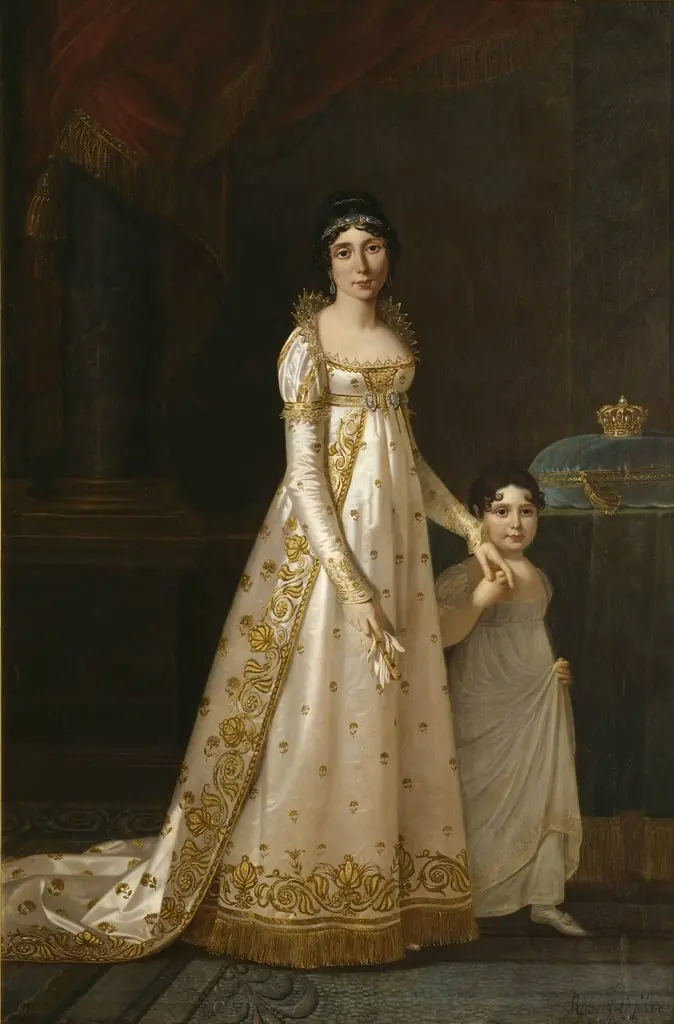 Marie-Julie Clary, Queen of Naples (1777-1845)
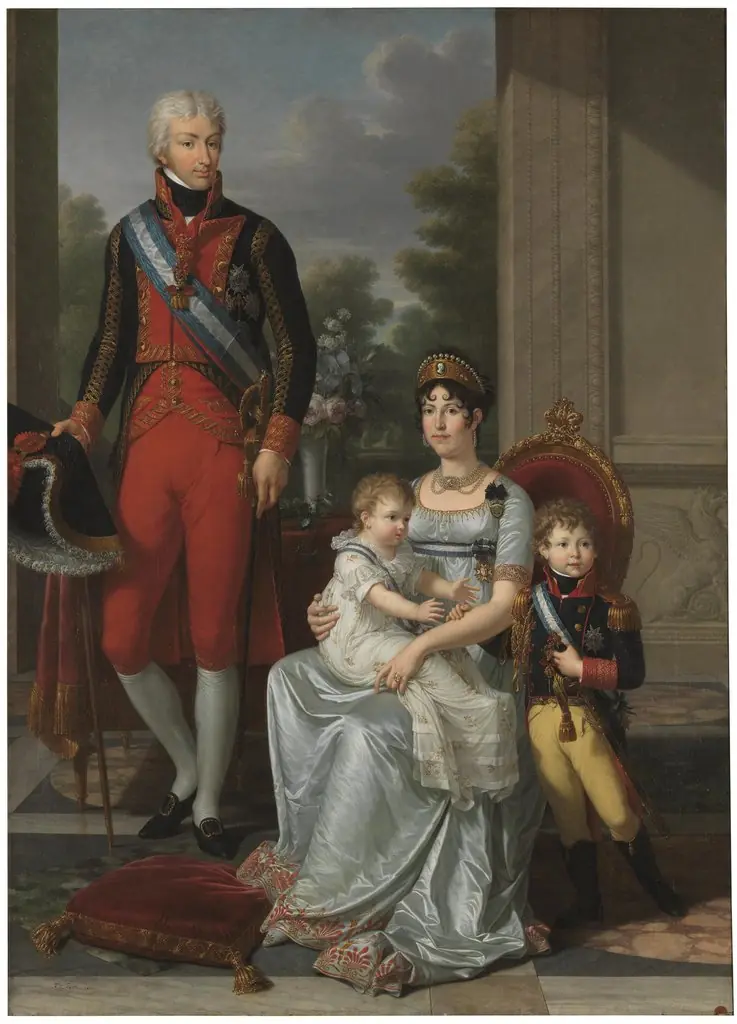 The Etrurian Royal Family
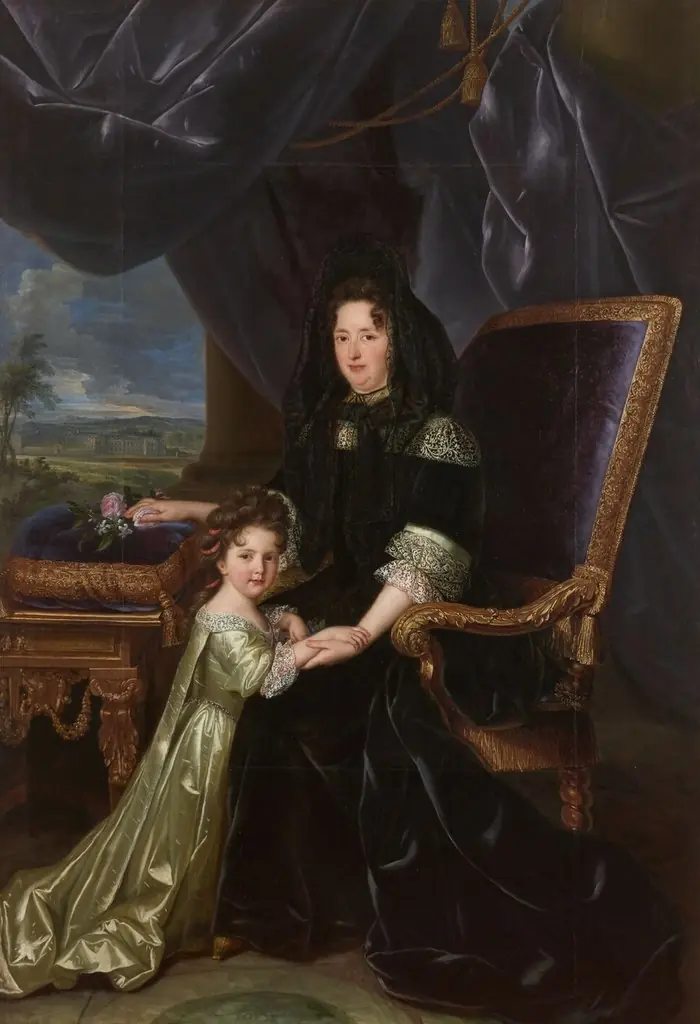 Françoise Charlotte d'Aubigné with her aunt Madame de Maintenon.