Artwork
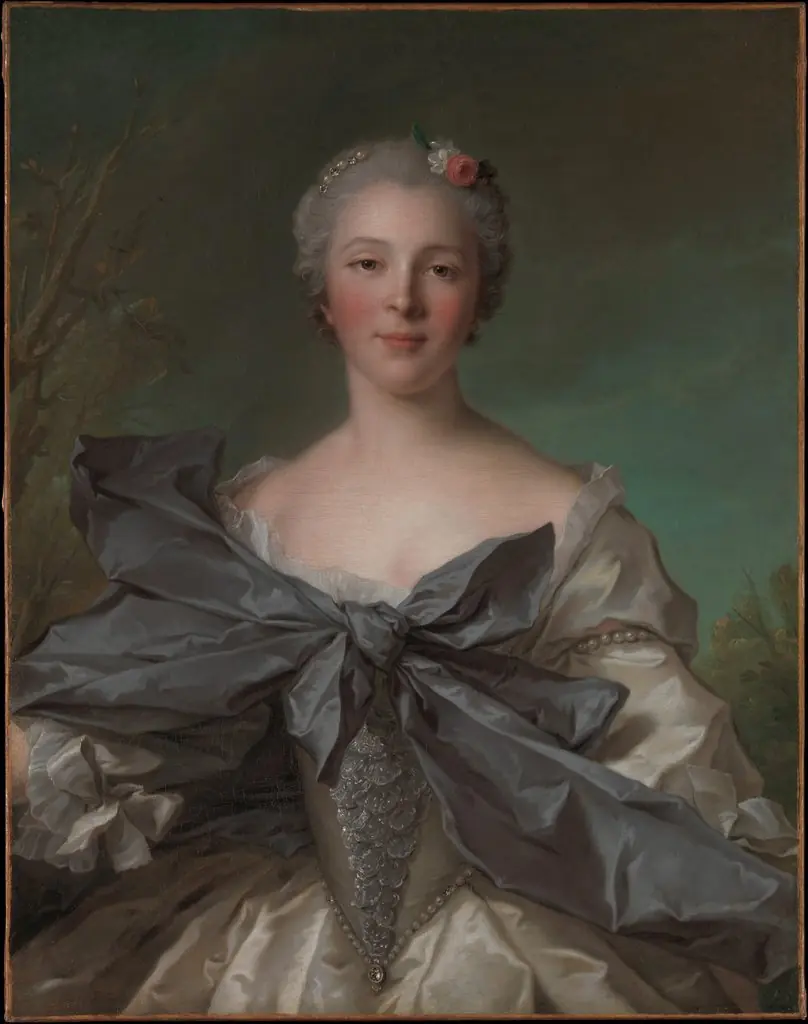
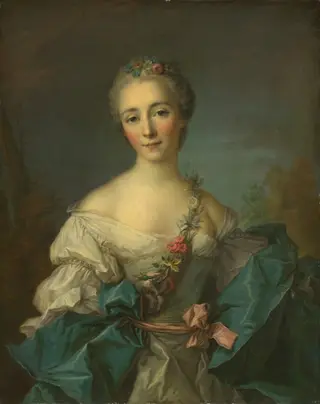
Portrait of a Woman, Called the Marquise Perrin de Cypierre
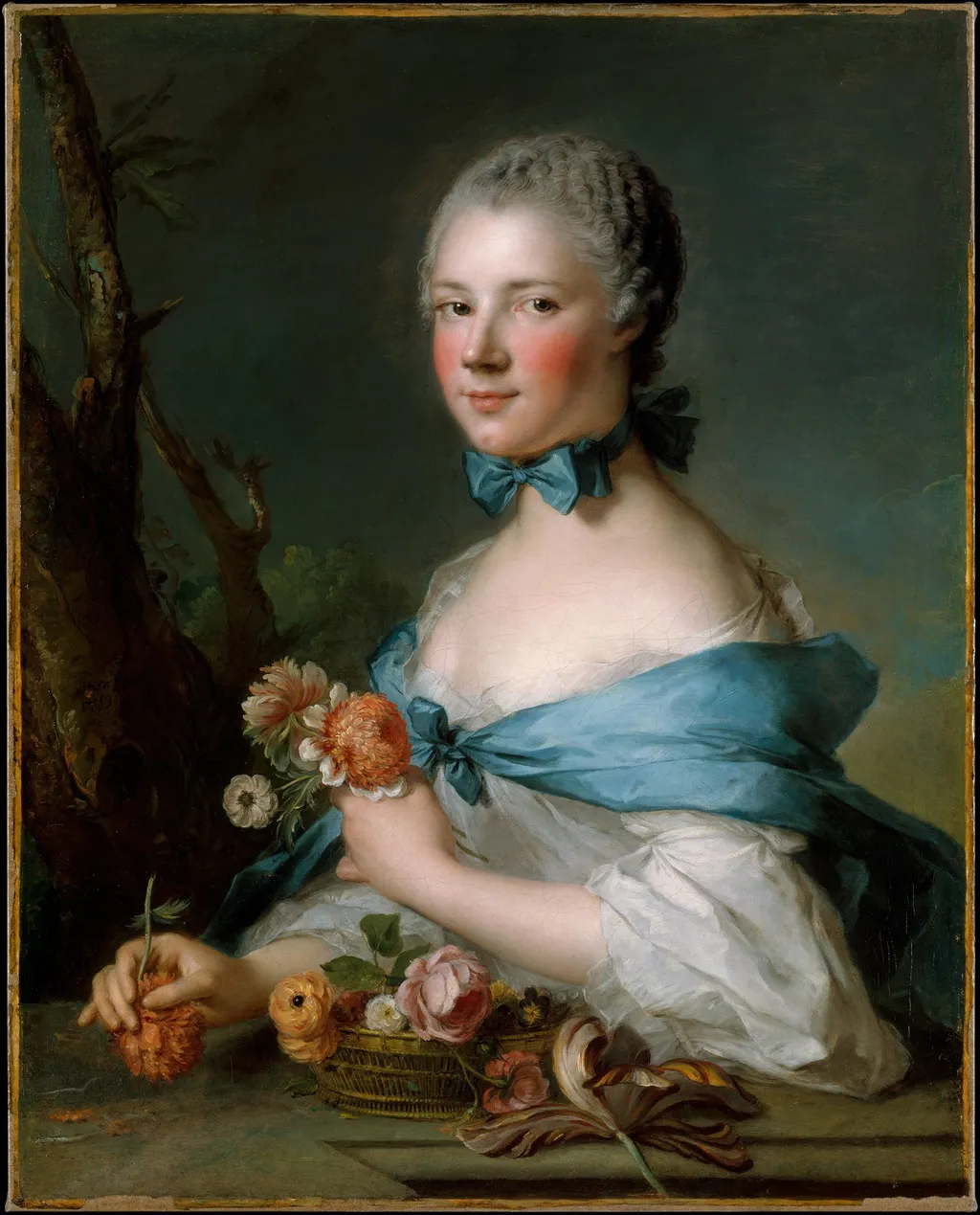
Portrait of a Woman, Called the Marquise Perrin de Cypierre is an oil painting by the Rococo painting artist Jean-Marc Nattier. It dates from 1753 and is held in the collection of the Metropolitan Museum of Art.
About this work
Subject & Meaning
Executed by Jean-Marc Nattier in 1753 with oil on canvas, the work emphasizes the sitter's social standing through fine dress and poised composition.
The painting shows a young aristocratic woman identified as the Marquise Perrin de Cypierre, rendered in the refined elegance typical of mid-18th-century French portraiture. Executed by Jean-Marc Nattier in 1753 with oil on canvas, the work emphasizes the sitter's social standing through fine dress and poised composition. As a portrait, it functions both as a record of individual identity and as a visual assertion of noble lineage, reflecting the cultural value placed on marital status and aristocratic heritage in pre-revolutionary France.
History & Provenance
The portrait was commissioned in 1753 by the sitter, identified as the Marquise Perrin de Cypierre, and executed by Jean-Marc Nattier that same year. The work entered the collection of the Metropolitan Museum of Art; the museum records confirm its medium as oil on canvas and its dimensions as 80 × 64.1 cm. No further provenance details prior to its museum accession are documented in the cited sources.
Overview
Jean-Marc Nattier completed Portrait of a Woman, Called the Marquise Perrin de Cypierre in 1753. This oil-on-canvas work, now housed at The Metropolitan Museum of Art, exemplifies the French artist's renowned skill in capturing the likenesses of aristocratic women. Nattier, active in 18th-century Paris, was a prominent figure in the Rococo movement, celebrated for his elegant portraiture that often blended contemporary fashion with classical allusions.
Technique & Style
Nattier's command of oil paint is evident in the delicate rendering of the subject's attire and the lifelike quality of the flowers. The artist employs a dark background to emphasize the woman's luminous complexion and the intricate details of her white gown. This approach, characterized by its elegance and precision, aligns with the Rococo aesthetic prevalent during the reign of Louis XV, for whom Nattier frequently painted.
Context
Born in Paris in 1685, Jean-Marc Nattier became a favored portraitist at the court of Louis XV, specializing in depictions of noblewomen. His work, including this portrait from 1753, is a prime example of the Rococo style, which favored lightness, elaborate ornamentation, and a sense of intimate charm. While Nattier often presented his sitters in mythological guises, this particular work offers a more direct, yet equally refined, portrayal within the era's artistic conventions.
Own this work as a print
Artist & collection
Artist
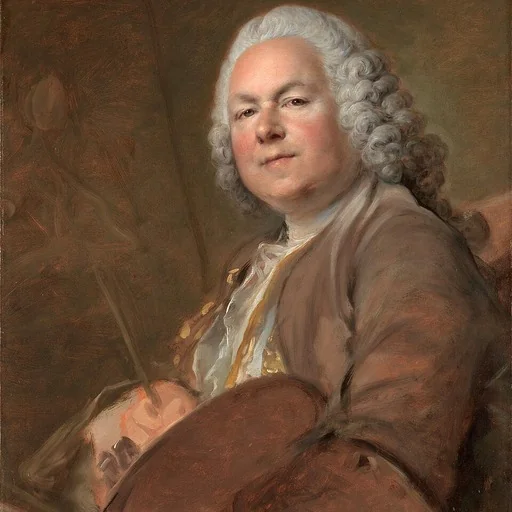
Jean-Marc Nattier (French pronunciation:; 17 March 1685 – 7 November 1766) was a French painter.

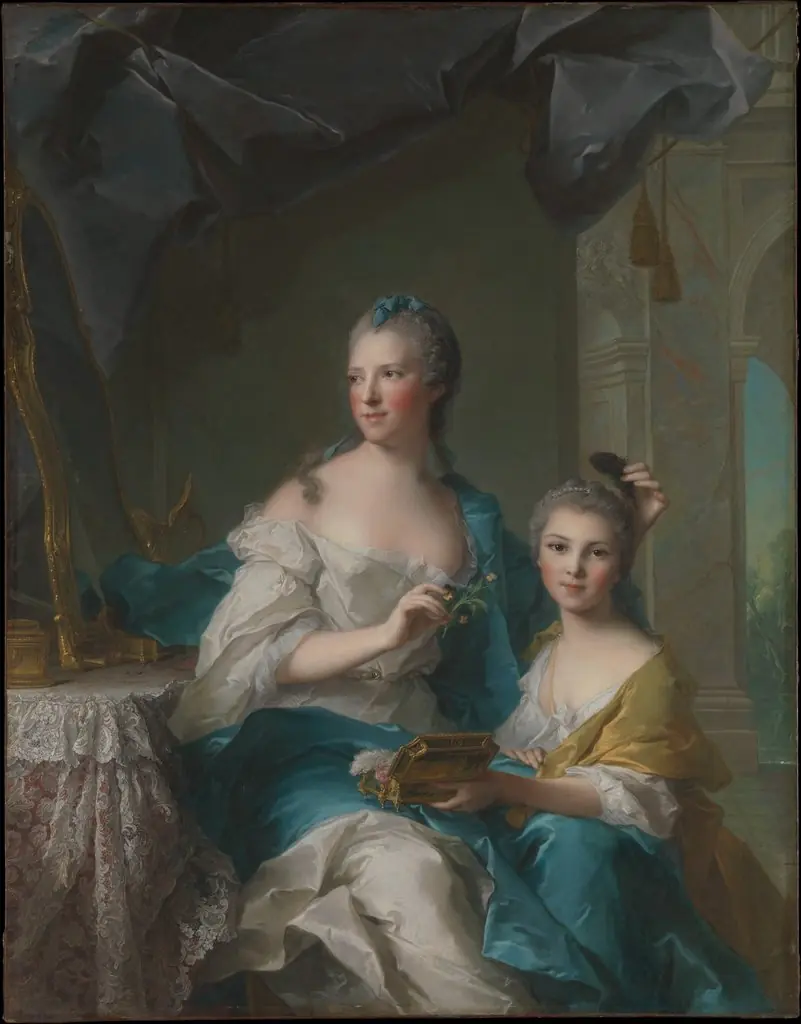
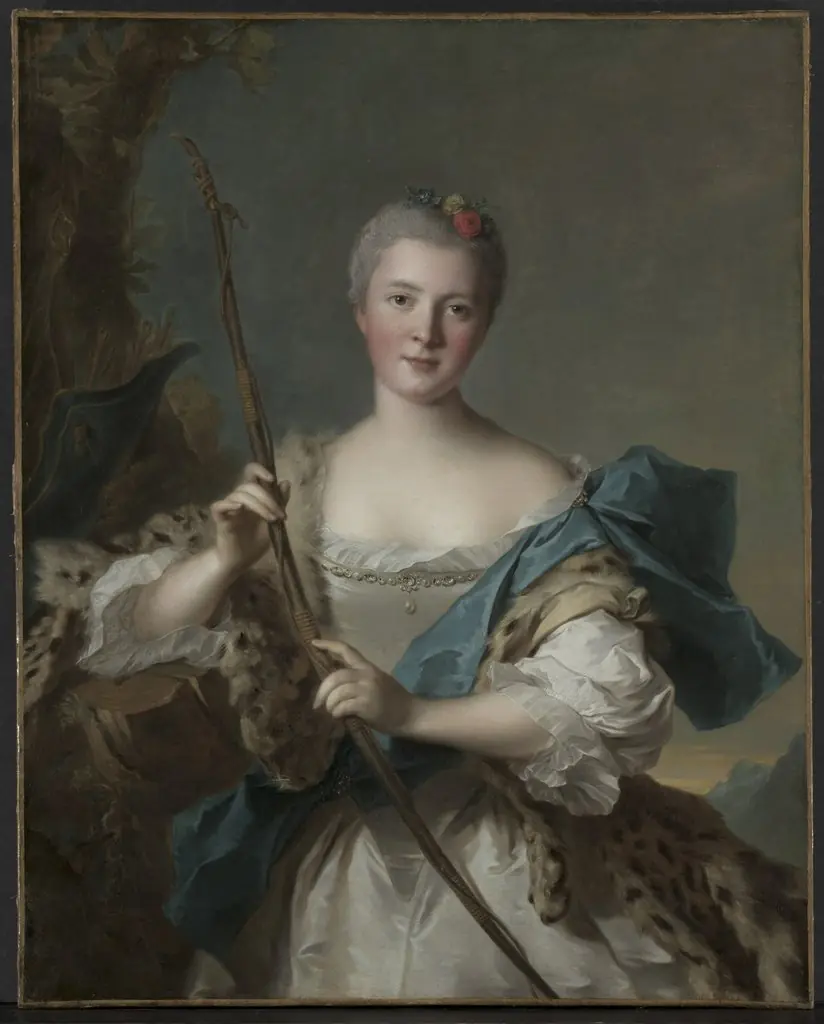
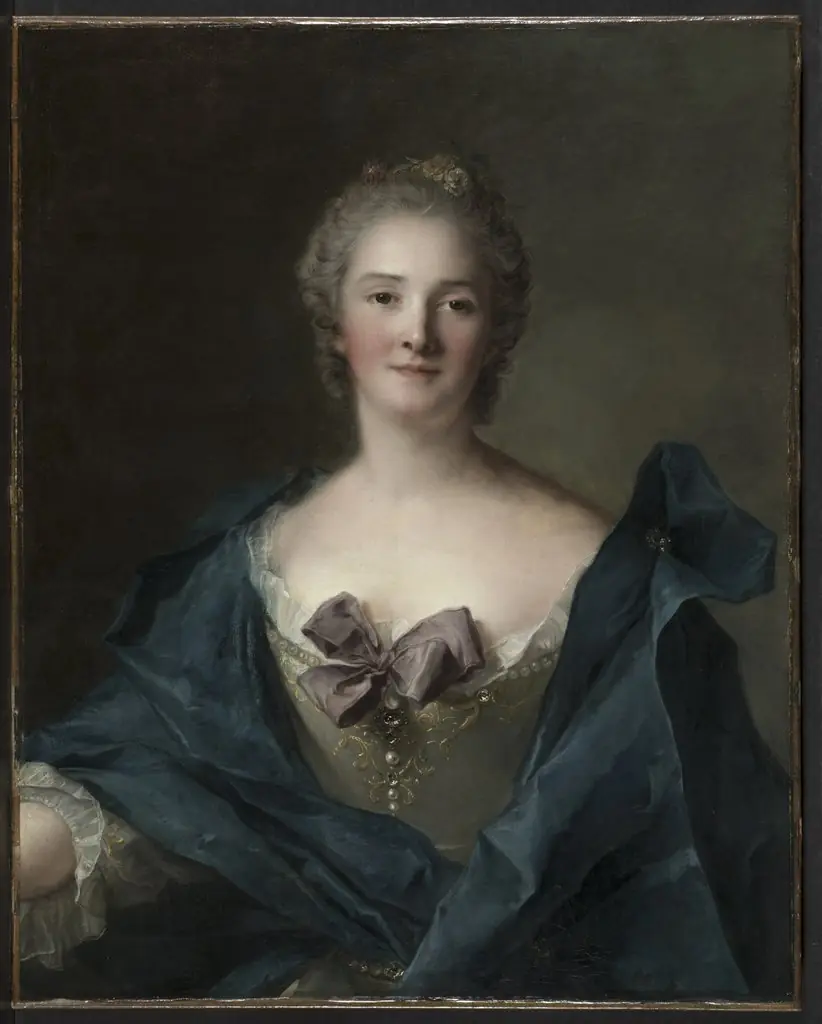
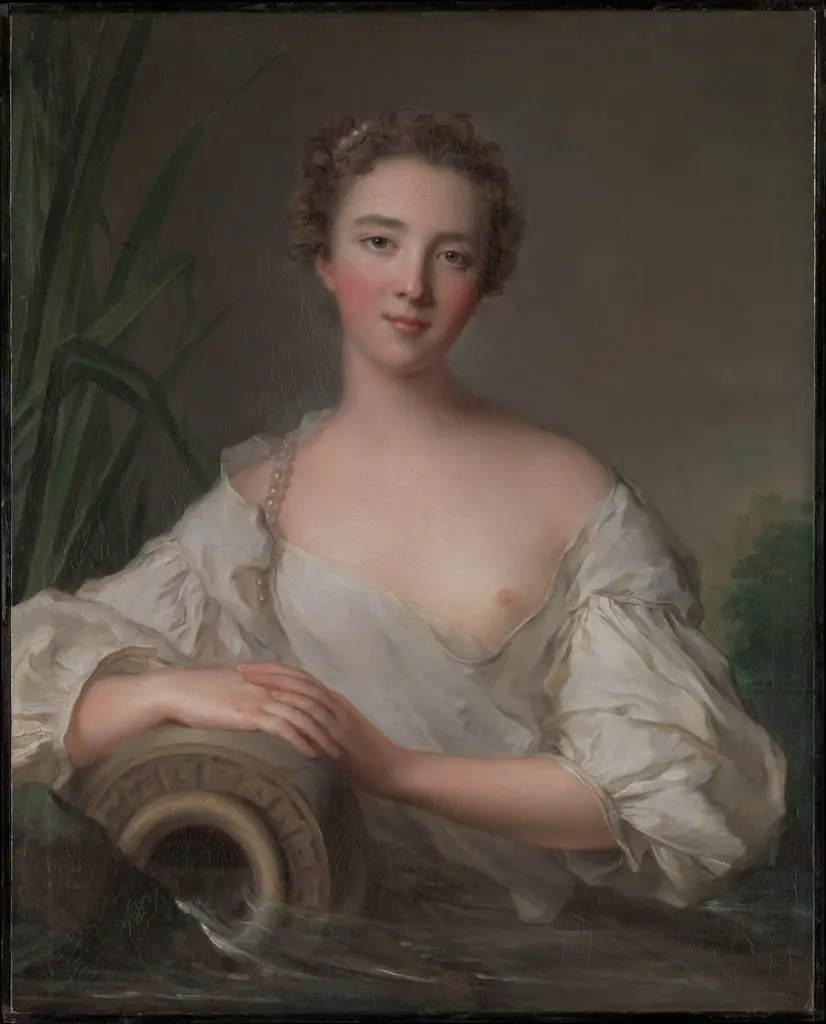
- Portrait of a Lady
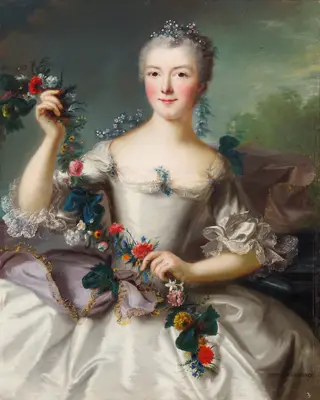 Louise Margarethe (1730-1820) Prinzessin Arenberg, Dreiviertelporträt
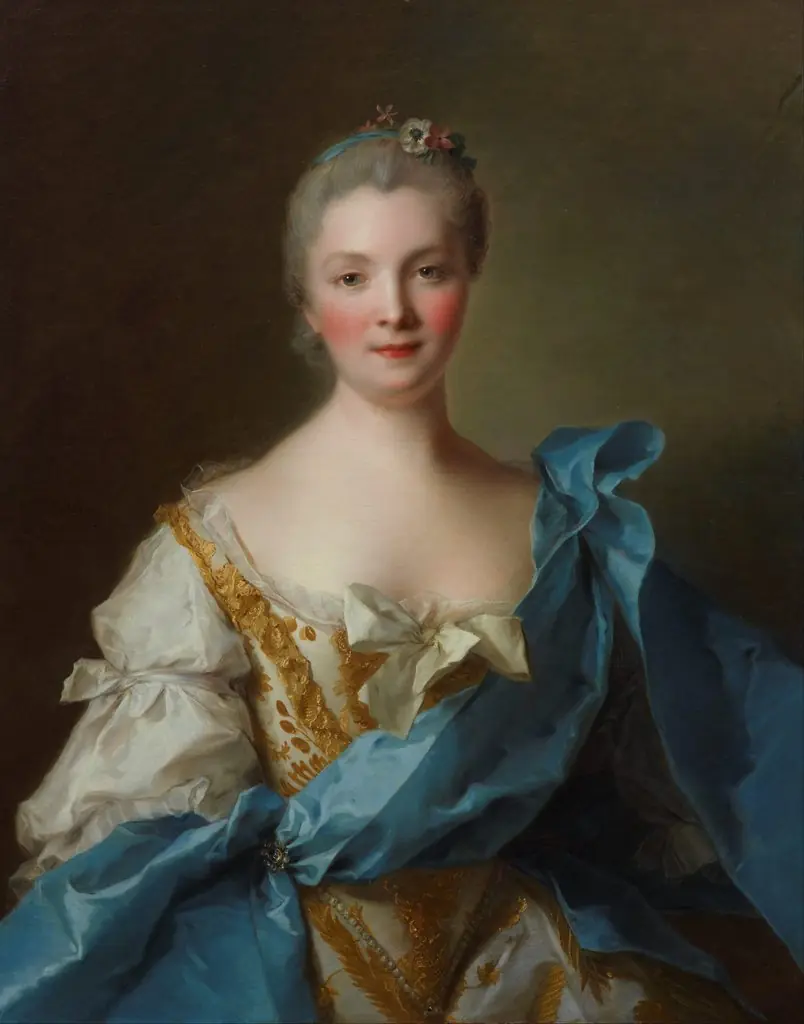 Madame de La Porte
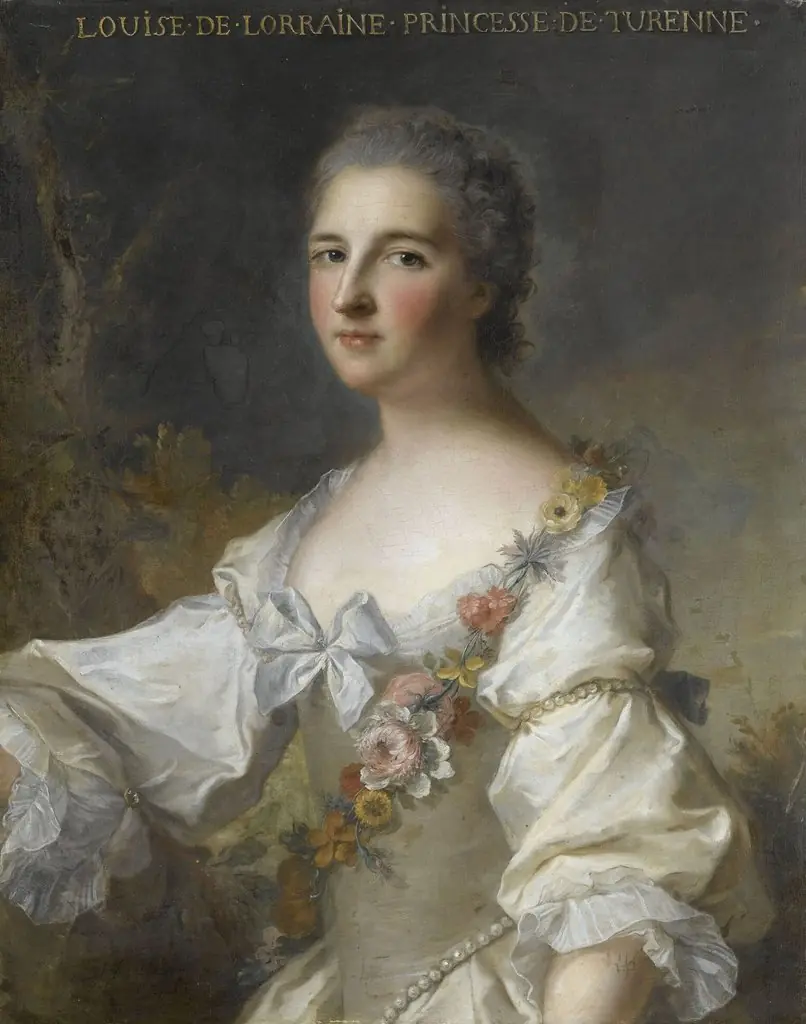 Louise-Henriette-Gabrielle de Lorraine, princesse de Turenne, duchesse de Bouillon (1718-1788)
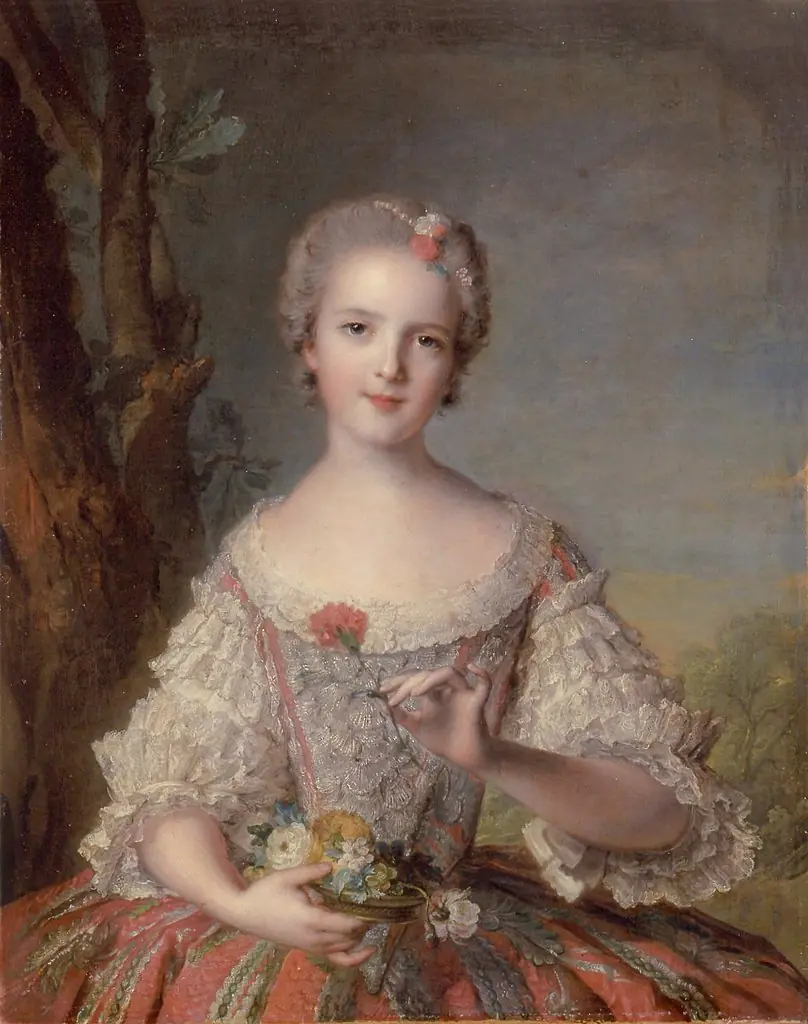 Madame Louise of France
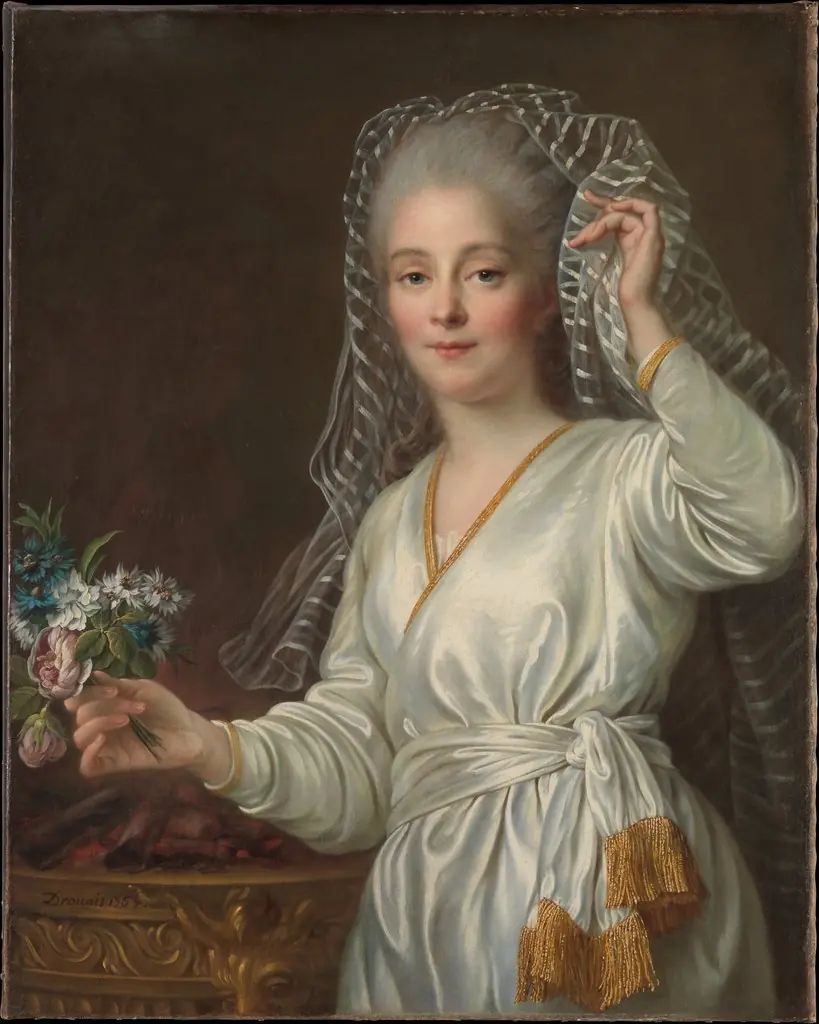 Portrait of a Young Woman as a Vestal Virgin
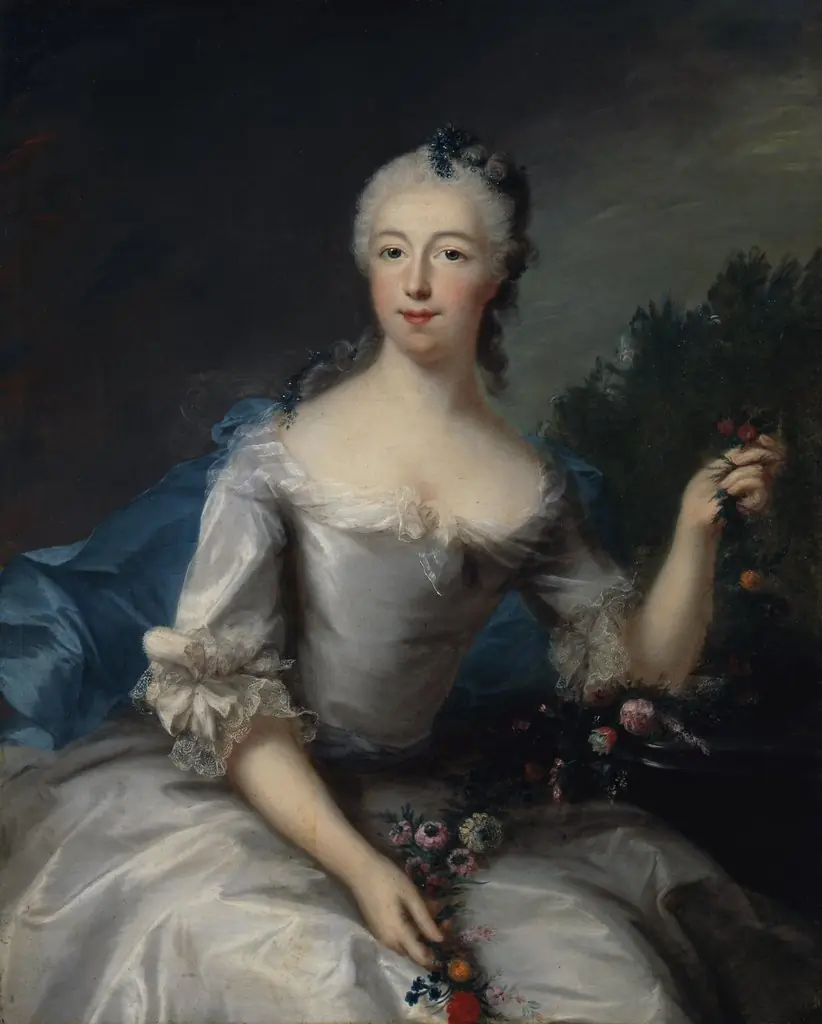 Maria Clara Philippina von Ingelheim
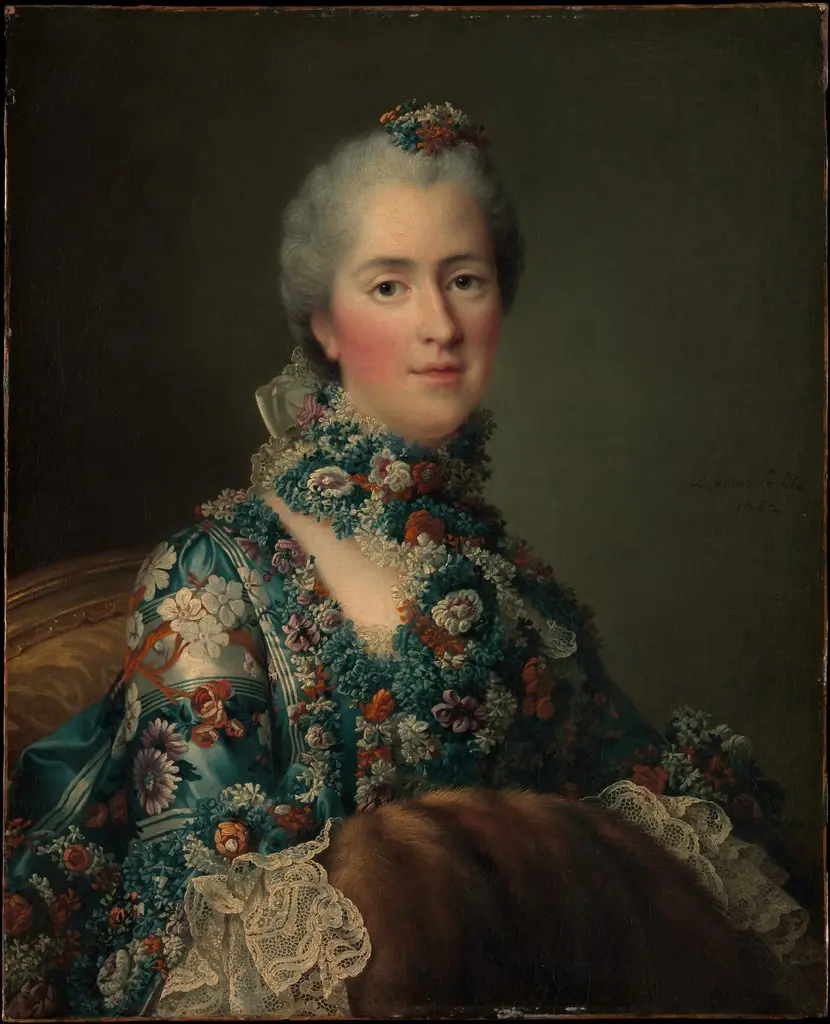 Madame Sophie de France (1734–1782)
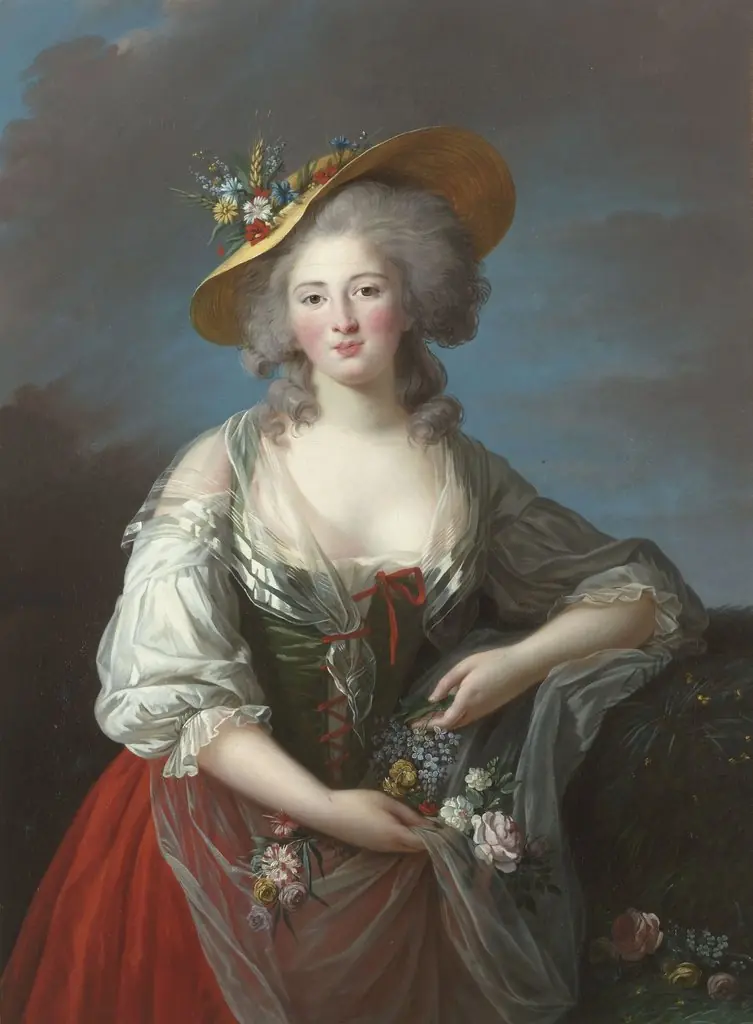 Elisabeth-Philippe-Marie-Hélène de France, dite Madame Elisabeth
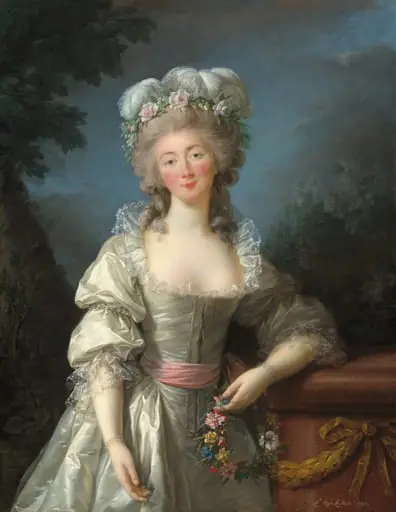 Madame du Barry
 Portrait of a Young Woman