Artwork
The Return of the Prodigal Son
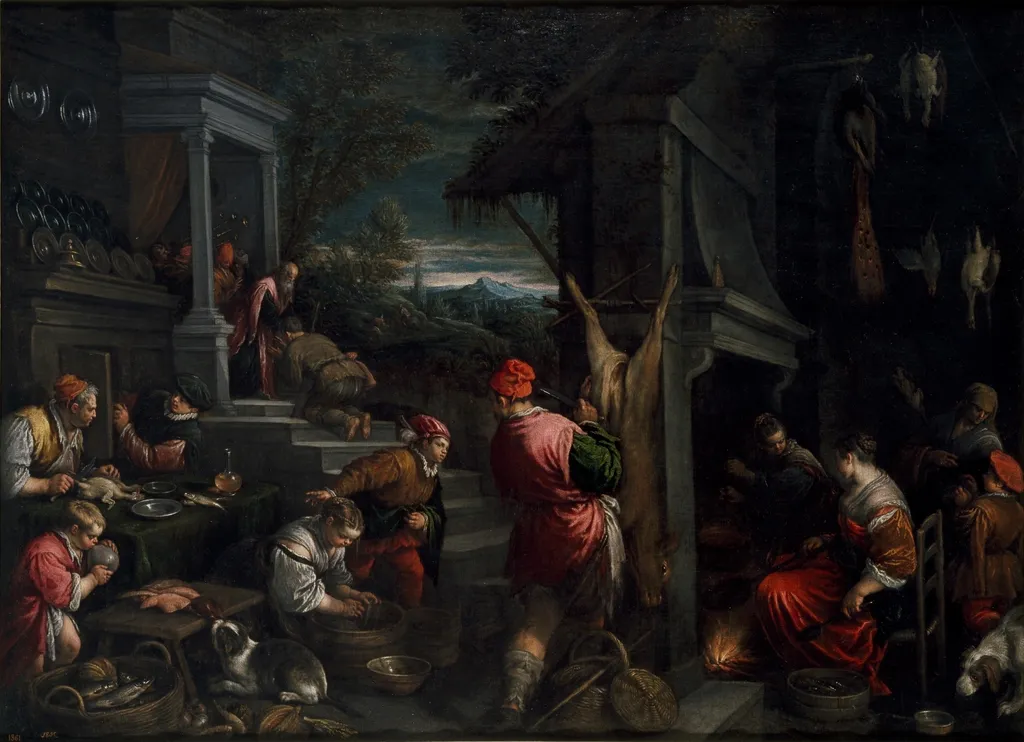
The Return of the Prodigal Son is an oil painting by the Early Baroque Italian artist Francesco Bassano the Younger. It dates from 1570 and is held in the collection of the Museo del Prado.
About this work
Subject & Meaning
Francesco Bassano the Younger's 1570 oil painting illustrates the Parable of the Prodigal Son, a central narrative from Christian scripture.
Francesco Bassano the Younger's 1570 oil painting illustrates the Parable of the Prodigal Son, a central narrative from Christian scripture. The composition incorporates specific iconographic elements including a trumpet, a basket, and wine, which serve to contextualize the story's themes of celebration and return within a domestic setting. These objects function symbolically to mark the moment of reconciliation and the father's welcome of his wayward child.
As a work of religious art, the piece visually interprets the biblical account of forgiveness and restoration, capturing the emotional weight of the son's homecoming through its depicted figures and surrounding details.
Technique & Style
Painted in oil on canvas in 1570, the work measures 147 cm in height and 200 cm in width. The composition centers on the biblical scene of the Prodigal Son’s return, rendered with a restrained palette and careful modeling of light to articulate the figures and setting. Bassano’s handling emphasizes narrative clarity, with the kneeling son and embracing father at the emotional core, while secondary figures, including a seated woman and standing men, are subordinated to the scene’s devotional focus.
The brushwork remains fluid yet controlled, avoiding excessive detail in favor of broad tonal transitions that guide the viewer’s eye toward the climactic embrace.
History & Provenance
Francesco Bassano the Younger created the oil-on-canvas painting The Return of the Prodigal Son in 1570. The work was commissioned for a religious context and depicts the biblical Parable of the Prodigal Son alongside motifs such as wine, a basket, and a trumpet. Historically, the piece entered the Spanish royal collection under the ownership of Ferdinand VII of Spain.
It is currently held by the Museo del Prado in Madrid, where it remains part of the institution's religious art holdings.
The work is held in the Museo del Prado, Madrid, with the inventory number P00969.
It was included in the exhibition “La pintura italiana en el Museo del Prado” held at the Museo del Prado in 1992, and in the permanent galleries of the museum’s Italian paintings collection as of 2023.
Overview
Francesco Bassano the Younger created The Return of the Prodigal Son in 1570, employing oil on canvas. The composition presents an interior gathering around a table, populated by diners, standing figures, and a man in a red cap hefting a wooden beam. Through a window, a muted landscape of mountains and a distant village can be seen, anchoring the scene in a domestic setting.
Context
Created during the early Baroque period in Italy, the painting reflects a shift toward more dynamic, emotionally charged religious scenes. Bassano’s background in a prolific workshop and his exposure to Venetian color traditions inform the work’s vivid yet controlled use of light, aligning it with contemporary trends toward heightened naturalism and narrative immediacy.
Own this work as a print
Artist & collection
Artist
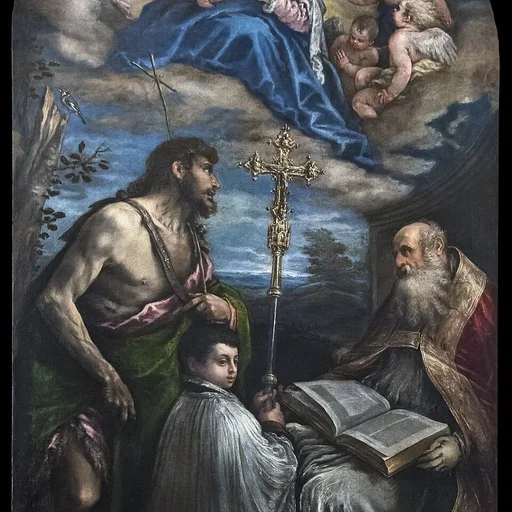
Francesco Bassano the Younger (Italian: Francesco Bassano il Giovane; 26 January 1549 – 4 July 1592), also called Francesco Giambattista da Ponte or Francesco da Ponte the Younger, was an Italian painter of the Renaissance period.

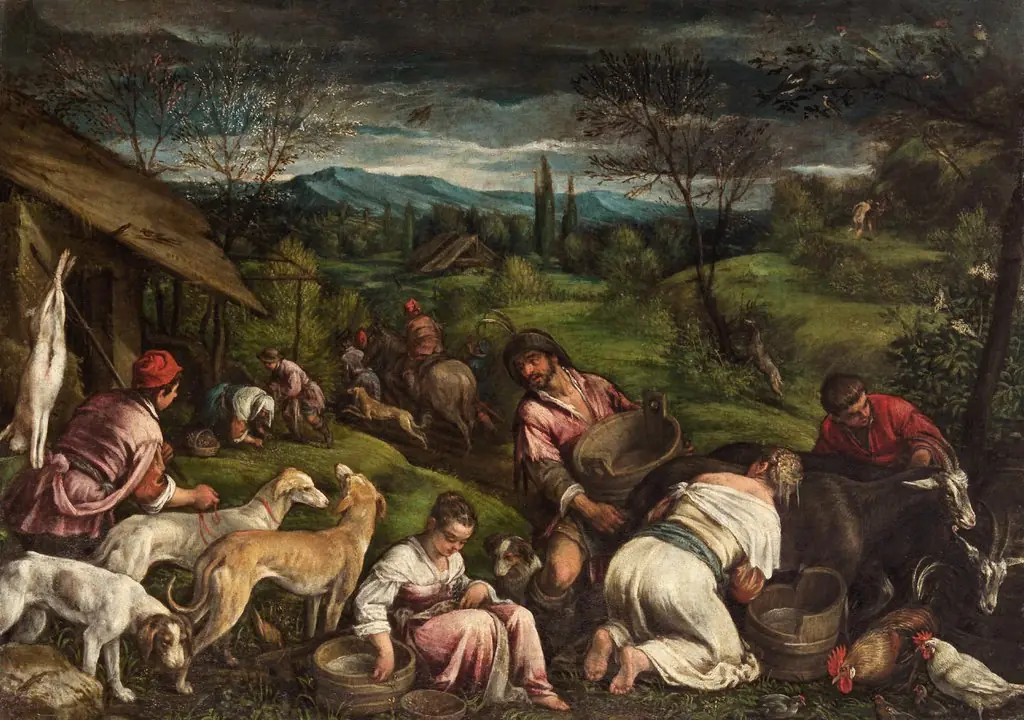
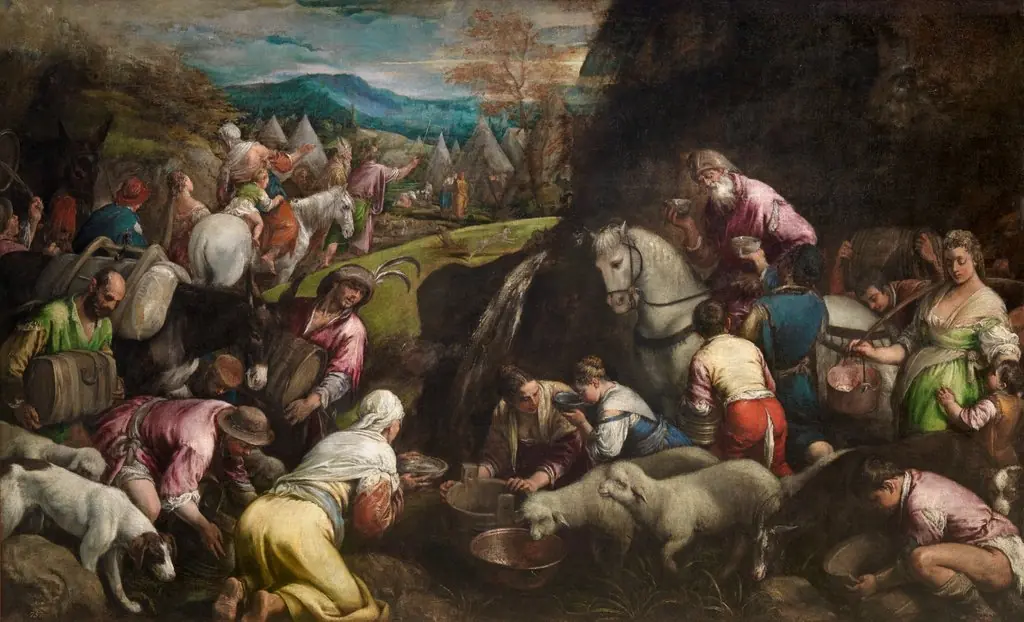
- The Israelites drinking the miraculous Water
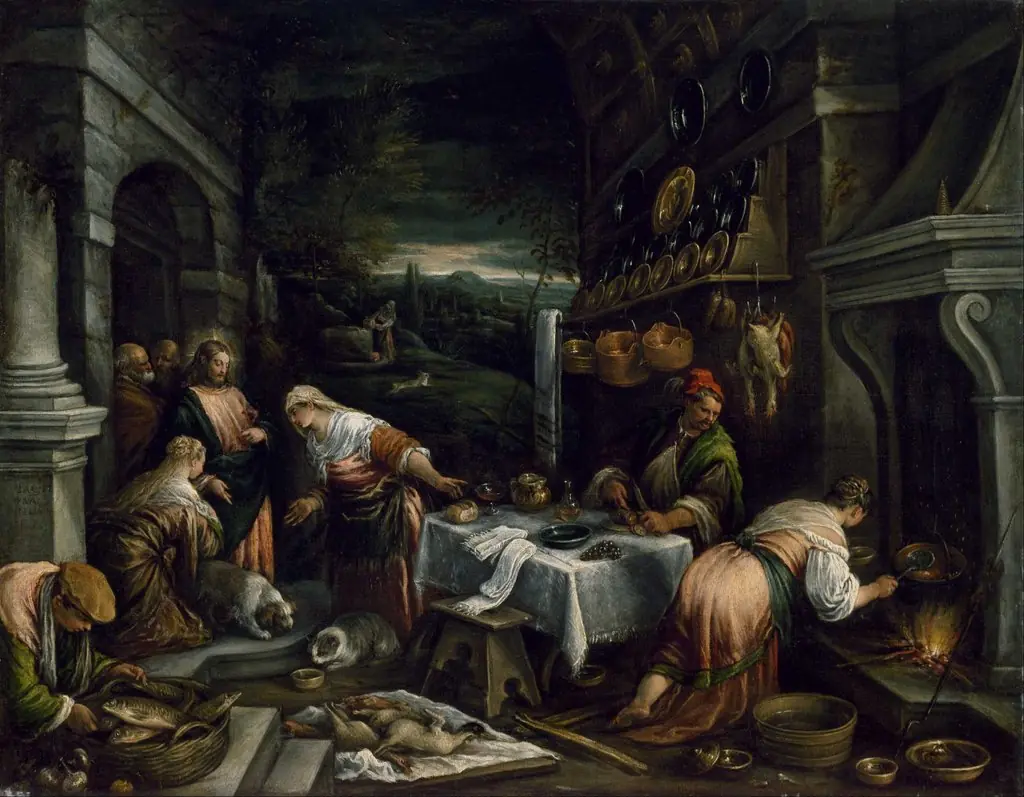 Christ in the House of Mary, Martha, and Lazarus
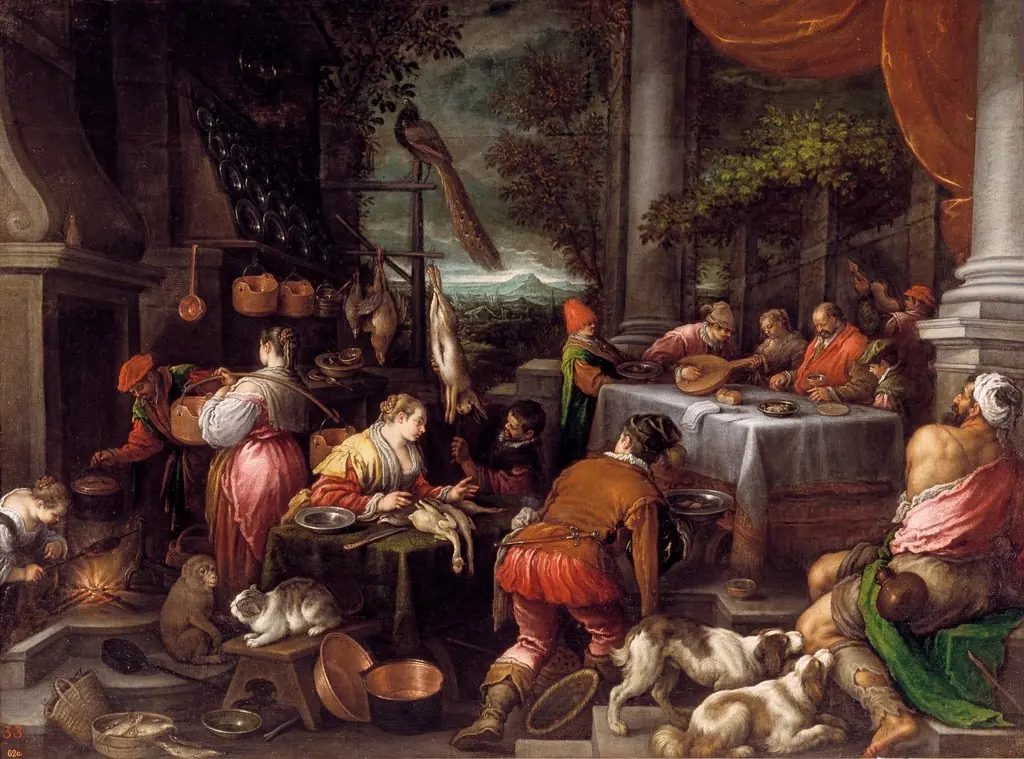 Lazarus and Dives
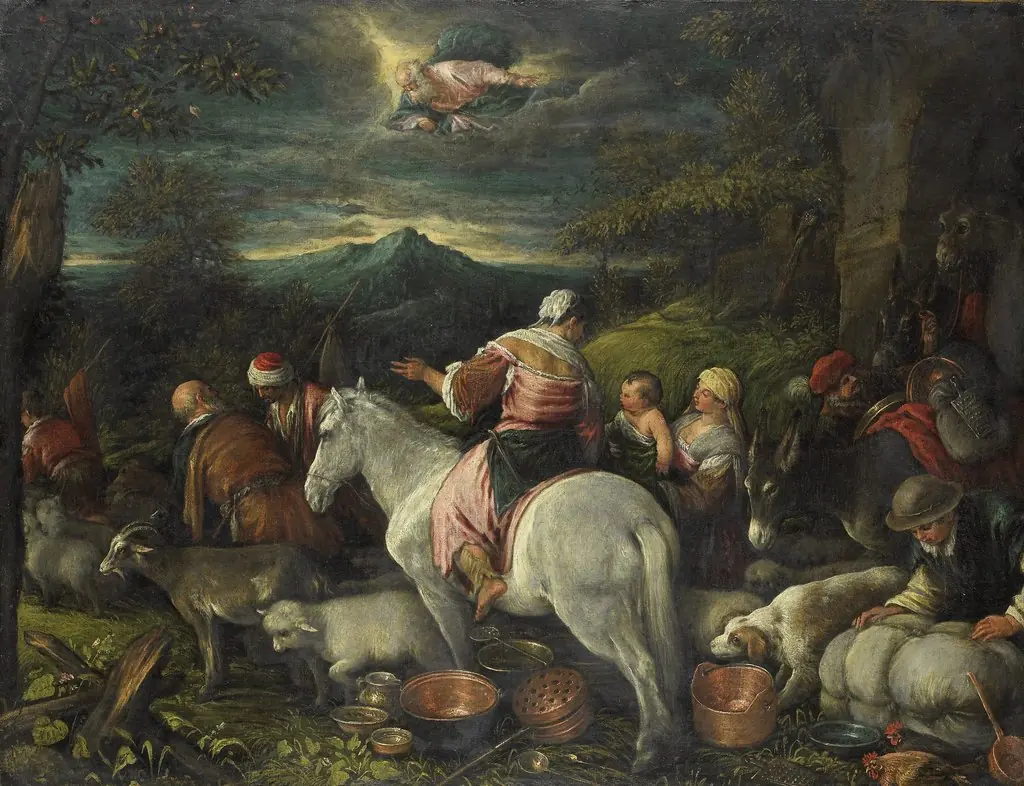 Abraham leaves Haran for Egypt
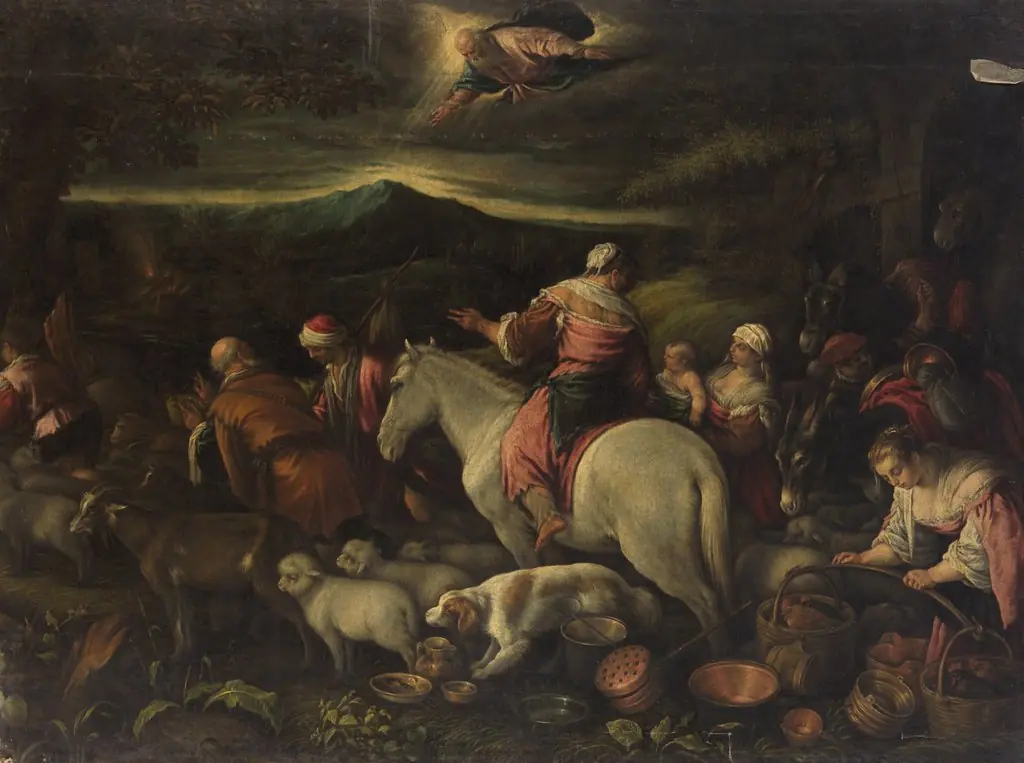 Aufbruch Abrahams ins gelobte Land
 Spring
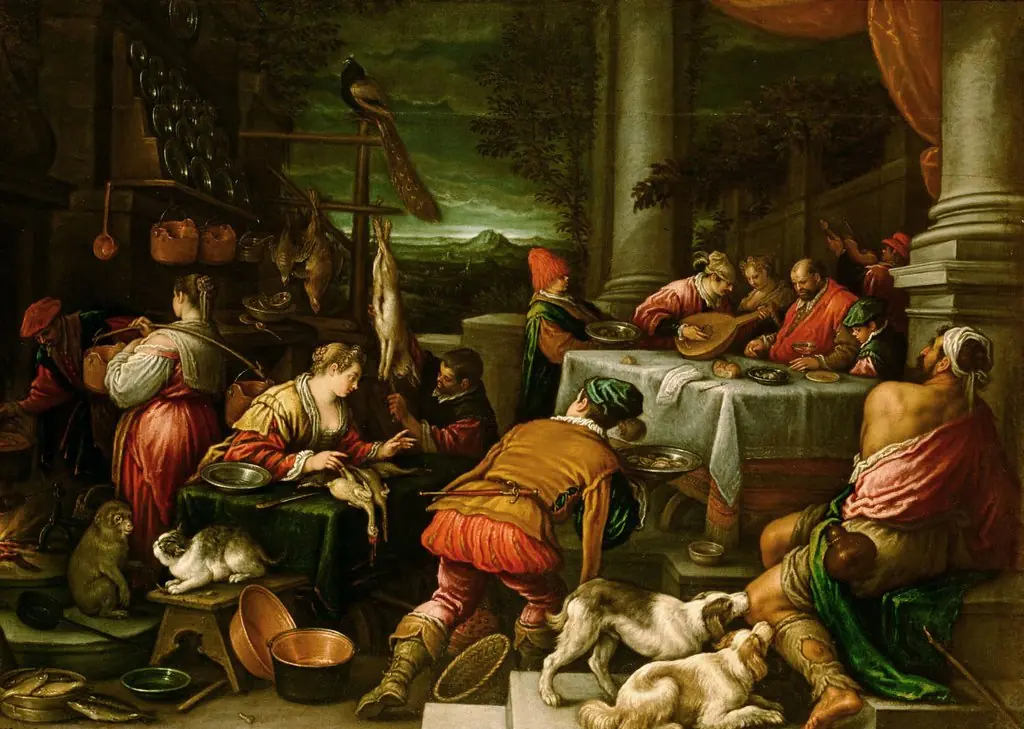 Gleichnis vom reichen Mann und dem armen Lazarus
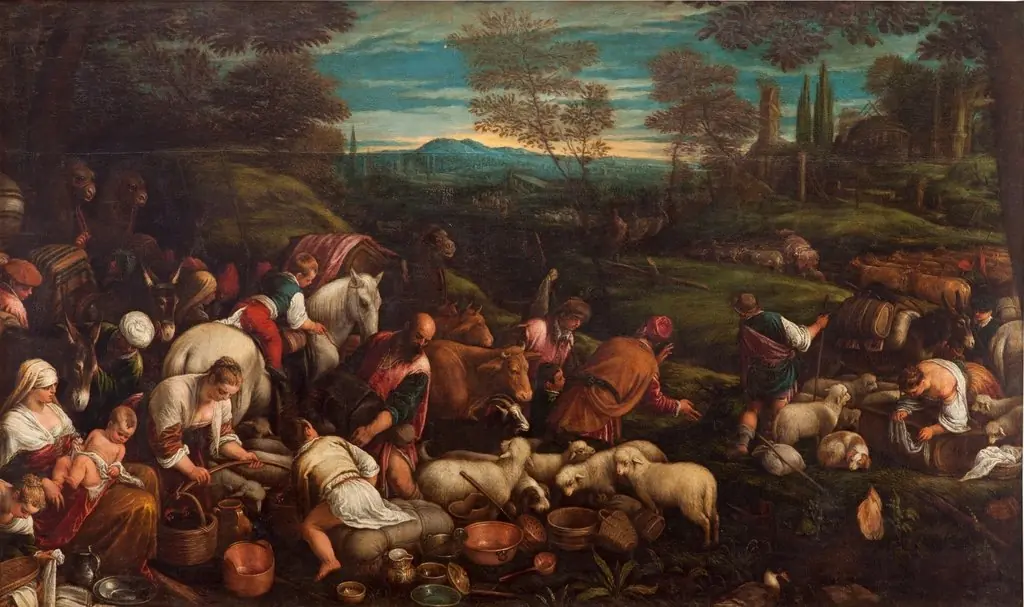 Viaje de Jacob
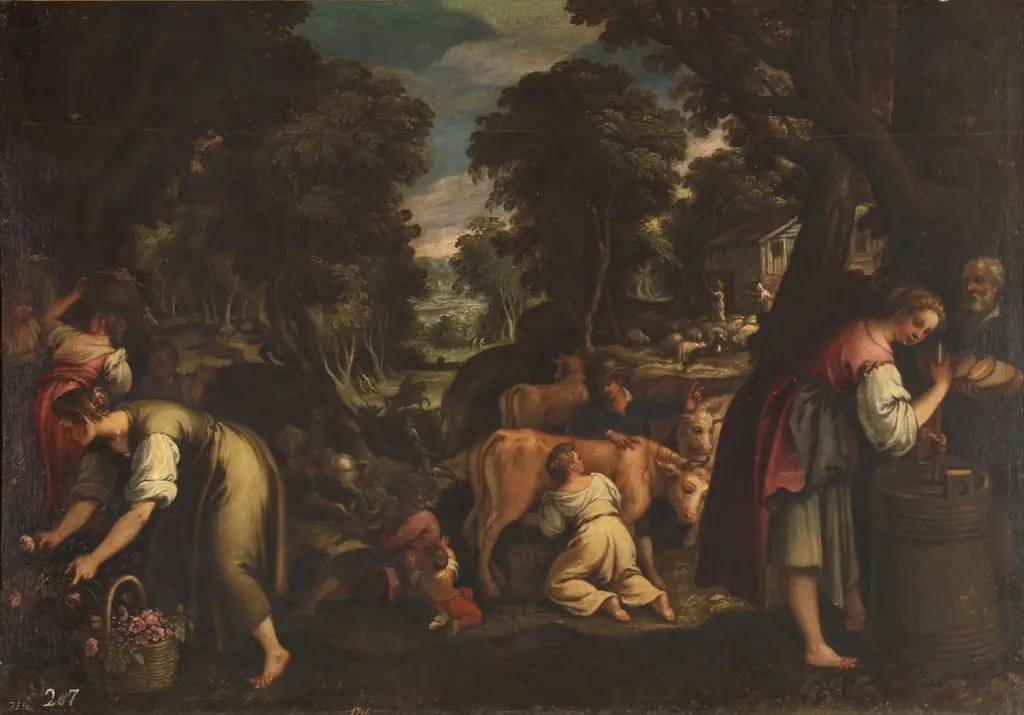 Rural labours or Spring
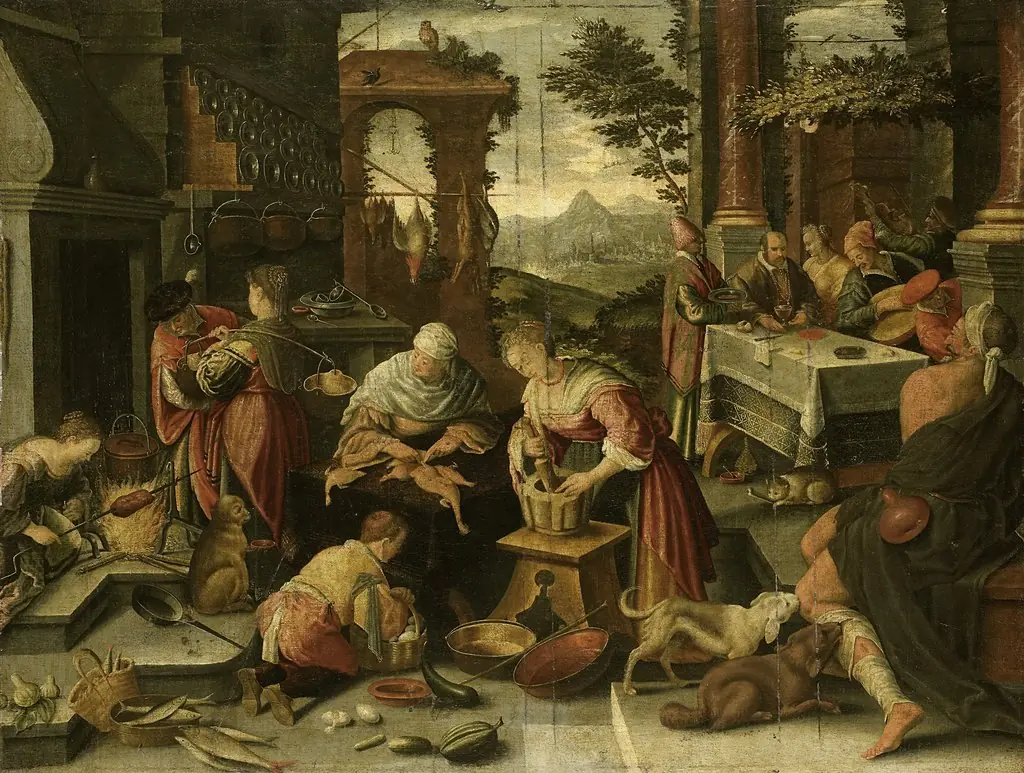 Lazarus and the Rich Man
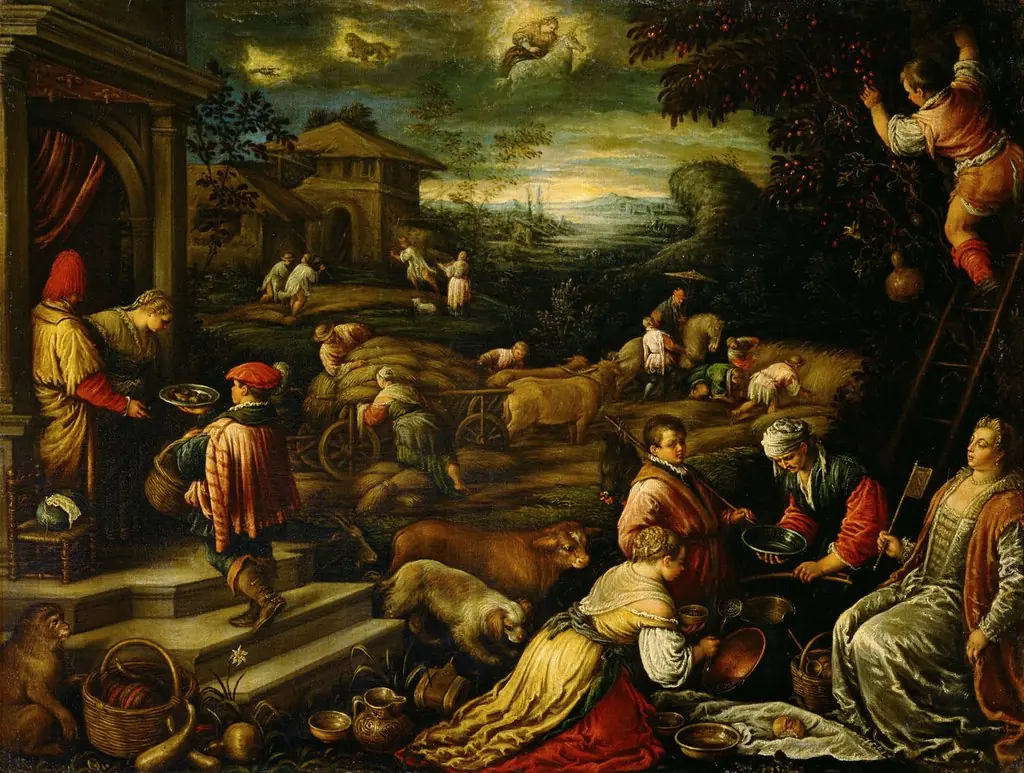 Summer (June, July, August)
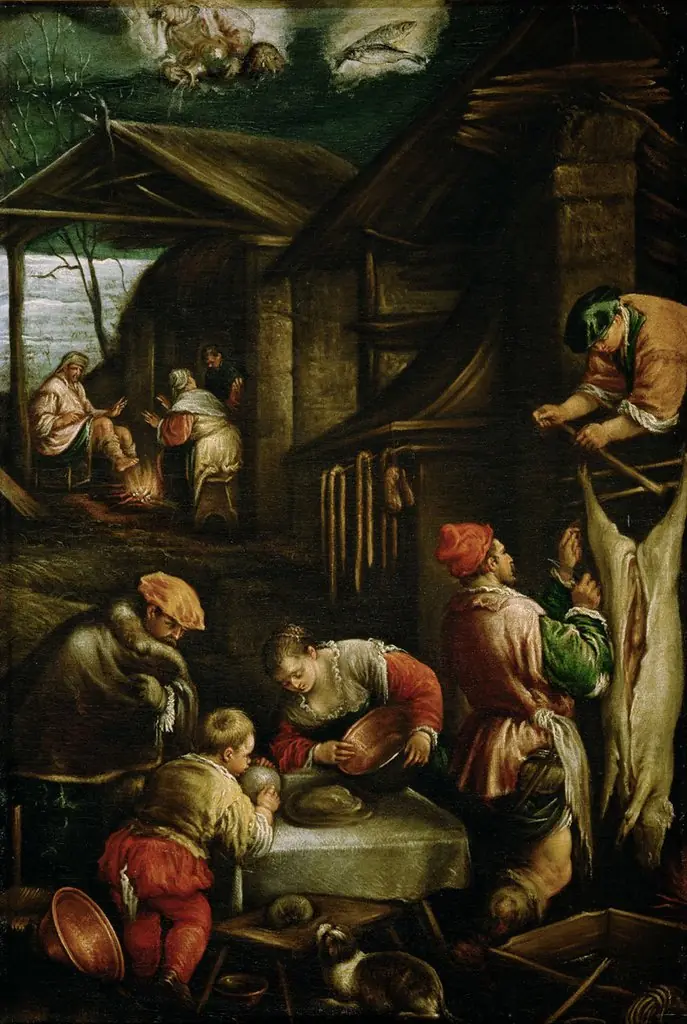 Winter (Schweineschlachten)