Artwork
Virgin in Heaven
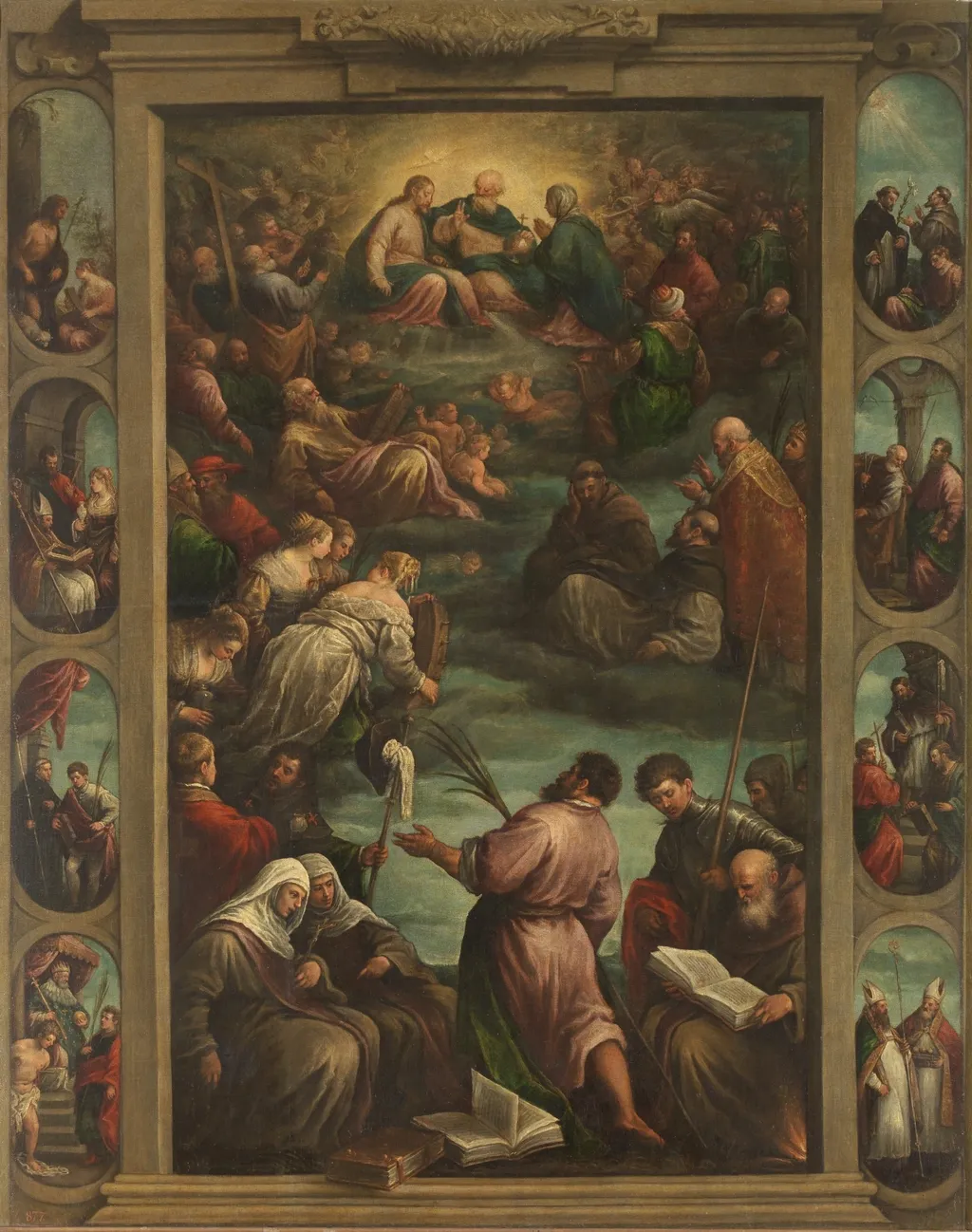
Virgin in Heaven is an oil painting by the Mannerist artist Francesco Bassano the Younger. It dates from 1551 and is held in the collection of the Museo del Prado.
About this work
Subject & Meaning
Francesco Bassano the Younger's 1551 oil painting portrays a religious scene centered on the Virgin Mary in a celestial setting.
Francesco Bassano the Younger's 1551 oil painting portrays a religious scene centered on the Virgin Mary in a celestial setting. The iconography includes specific attributes such as a book, symbolizing wisdom or scripture, alongside musical instruments like a trumpet and a Western concert flute. These elements likely represent the heavenly choir and the glorification of the divine figure.
The work functions as an example of religious art intended to visualize the concept of the Virgin's assumption or exaltation in heaven through these symbolic objects.
Technique & Style
The work is executed in oil paint on canvas. It measures 175 cm in height and 140 cm in width. The composition features a trumpet and a Western concert flute alongside a book, rendered with characteristic Bassano detail.
The painting belongs to the religious genre and was created in 1551. It is currently held in the collection of the Museo del Prado, where it entered the museum's holdings through the ownership of Ferdinand VII of Spain.
History & Provenance
The painting Virgin in Heaven was created in 1551 by the Italian artist Francesco Bassano the Younger. Executed in oil on canvas, the work measures 175 cm in height and 140 cm in width. Historical records indicate that the piece was once owned by Ferdinand VII of Spain.
Today, the artwork is held in the collection of the Museo del Prado in Madrid, where it remains part of the institution's holdings of religious art.
Francesco Bassano the Younger's Virgin in Heaven is held in the collection of the Museo del Prado in Madrid. The work, executed in oil on canvas, was formerly owned by Ferdinand VII of Spain. While the specific inventory or accession number is not provided in the available records, the painting's presence in the Prado is confirmed by its classification as a religious work depicting musical instruments and a book. The piece dates to 1551 and measures 175 cm in height by 140 cm in width.
Context
The painting Virgin in Heaven by Francesco Bassano the Younger was created in 1551 and depicts a trumpet, Western concert flute, and book within a religious composition. It measures 175 cm in height and 140 cm in width, painted in oil on canvas. The work is part of the collection at the Museo del Prado, where it was owned by Ferdinand VII of Spain, reflecting its significance within the broader context of 16th-century Venetian religious art and Bassano's family workshop traditions.
Scholarly discussions highlight its intricate symbolism and technical mastery, situating it within the evolution of Venetian Renaissance painting and the artist's development alongside contemporaries like his brothers in the Bassano family workshop.
Legacy
The painting's reputation shifted significantly after its acquisition by the Spanish monarchy, particularly King Ferdinand VII, who brought it to the Museo del Prado where it became part of a celebrated collection of Venetian-influenced religious works. This royal endorsement elevated its status within European art circles, influencing later interpretations of celestial scenes in religious art. Contemporary scholarship continues to reference its innovative composition as a key example of late Renaissance painting techniques.
Overview
Created in 1551, Virgin in Heaven is an oil painting by Francesco Bassano the Younger. Executed in the late‑Renaissance mannerist idiom, the work presents a densely populated devotional scene dominated by a luminous Virgin Mary. Warm reds, browns and golds contrast with cooler blues in the background, while a strong chiaroscuro accentuates the central figure against the surrounding crowd.
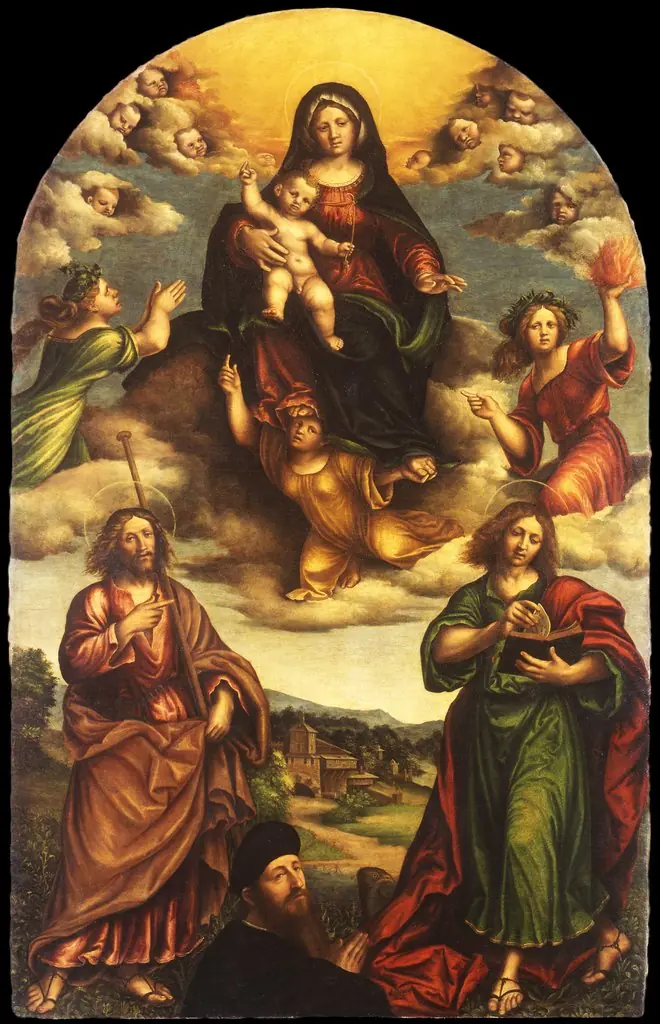
Own this work as a print
Artist & collection
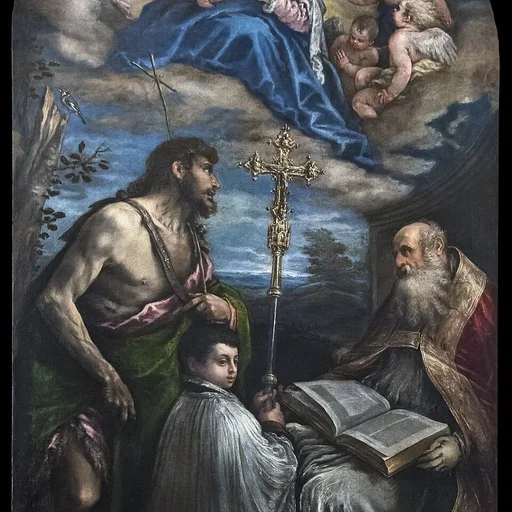
Artist
Francesco Bassano the Younger (Italian: Francesco Bassano il Giovane; 26 January 1549 – 4 July 1592), also called Francesco Giambattista da Ponte or Francesco da Ponte the Younger, was an Italian painter of the Renaissance period.

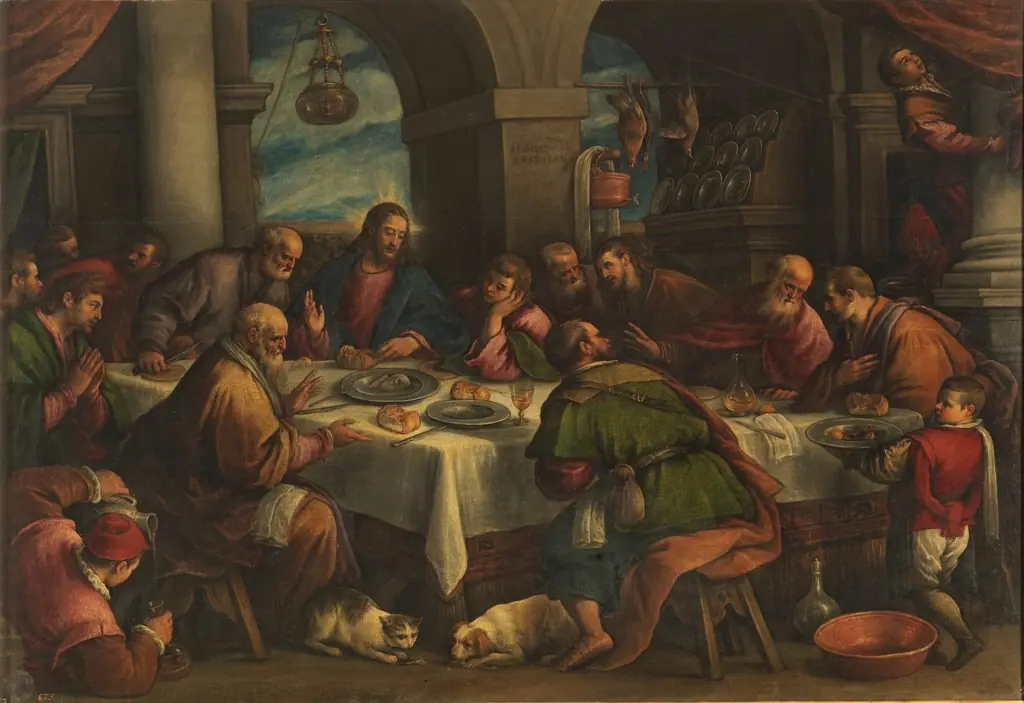
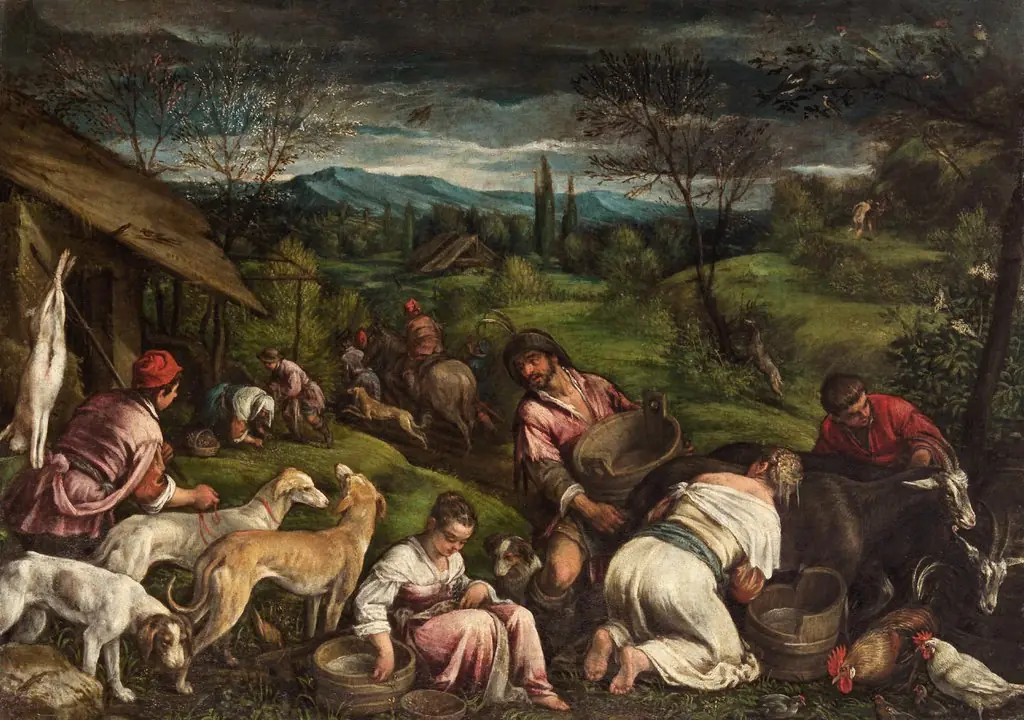
- The Virgin with Blessing Child and Saints
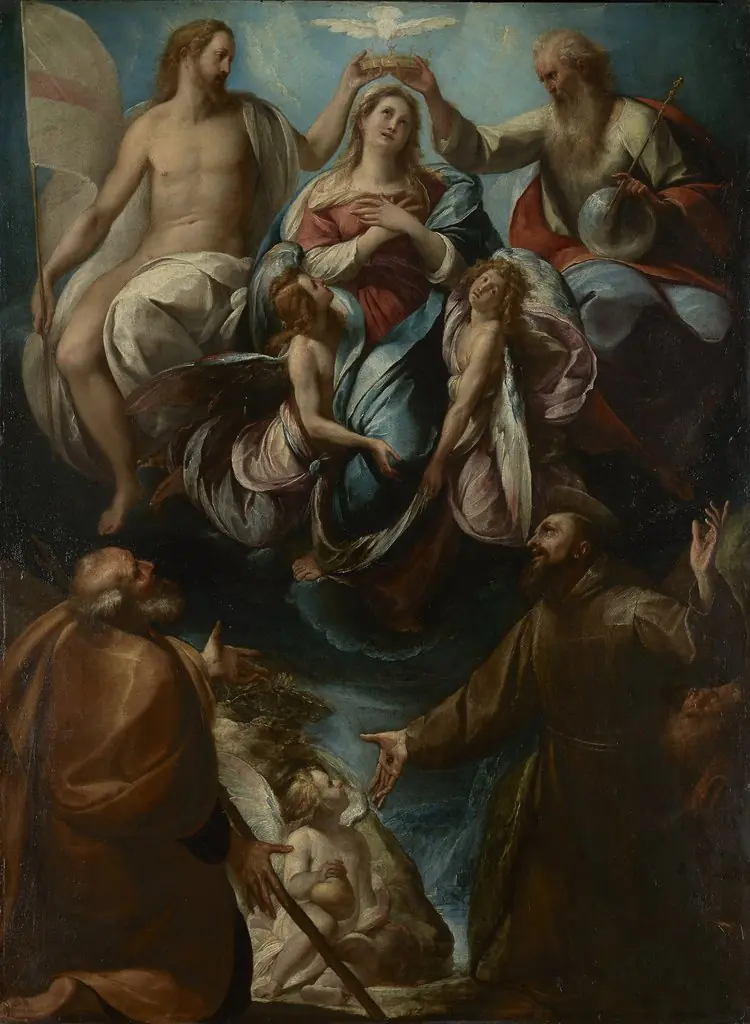 Coronation of the Virgin with Saints Joseph and Francis of Assisi
 Resurrection of Christ
 Last Judgement
 Paradise
 Pentecostés
 The Ascension
 Madonna of the people
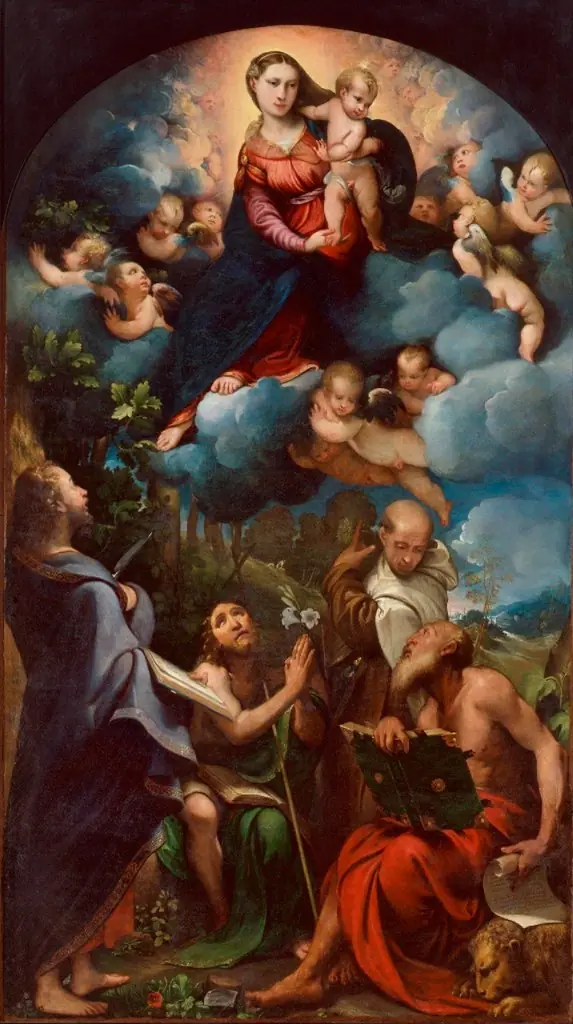 Virgin and Child in Glory with St. Bartholomew, St. John the Baptist, St. Albert and St. Jerome
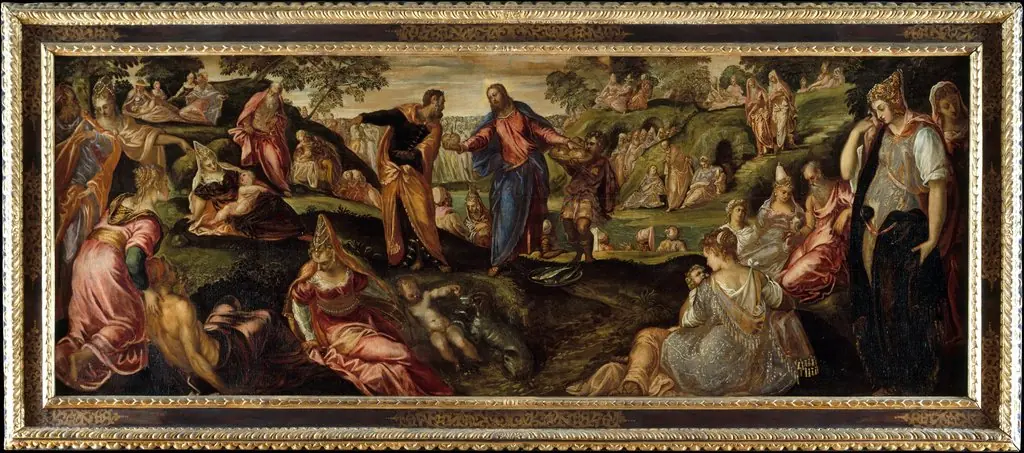 The Miracle of the Loaves and Fishes
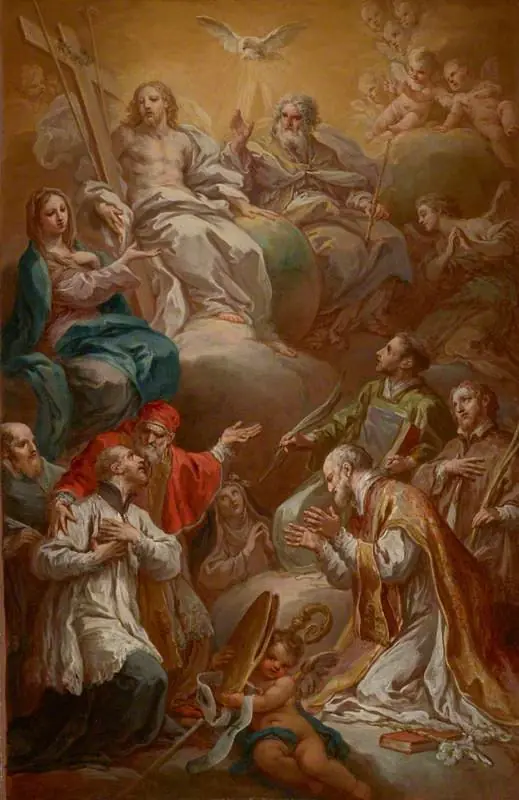 The Virgin recommending a group of Saints to the Holy Trinity
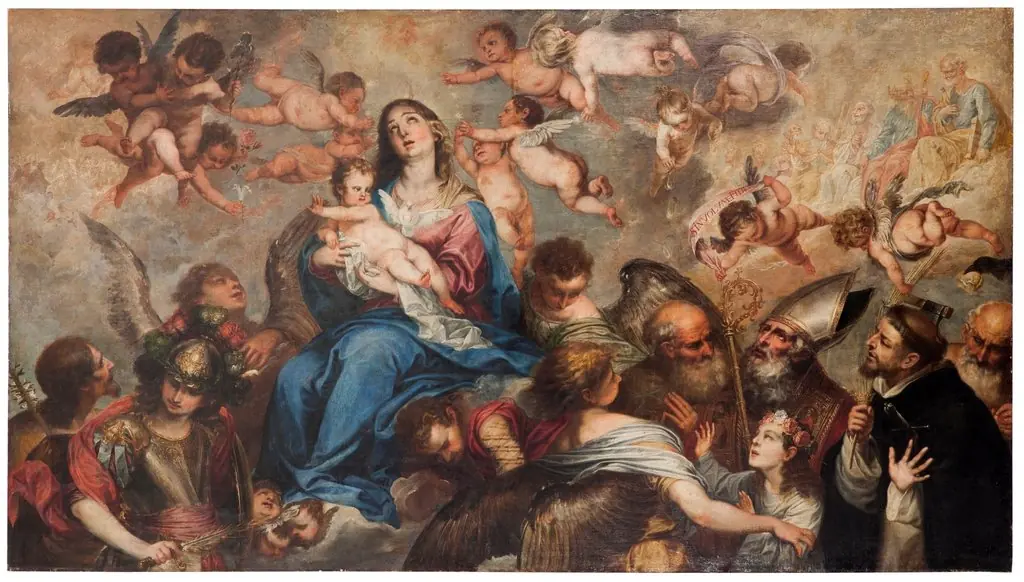 The Virgin with Saints