Artwork
Saint Catherine and Saint Clare
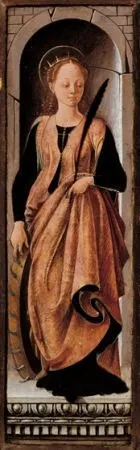
Saint Catherine and Saint Clare is a tempera painting by the Early Renaissance artist Francesco del Cossa. It dates from 1470 and is held in the collection of the Museu Nacional d'Art de Catalunya.
About this work
Overview
It reflects the stylistic tendencies of the Ferrarese school during the early Renaissance, emphasizing clarity of form and restrained emotional expression.
Painted around 1470 in tempera, this work by Francesco del Cossa portrays two Christian saints in a quiet, frontal composition. It reflects the stylistic tendencies of the Ferrarese school during the early Renaissance, emphasizing clarity of form and restrained emotional expression. The painting is now housed in the Museu Nacional d'Art de Catalunya, having been part of a larger devotional ensemble likely intended for private or monastic contemplation.
Subject & Meaning
The figures are Saint Catherine of Alexandria, identified by her crown and sword, symbols of her royal lineage and martyrdom, and Saint Clare of Assisi, recognizable by her simple habit and candle, representing her devotion and the light of faith. Their side-by-side placement suggests a spiritual parallel, linking intellectual martyrdom with contemplative piety. Neither figure is shown in action; their stillness invites quiet reverence rather than dramatic narrative.
Technique & Style
Cossa employed tempera on panel, a medium that allowed for fine detail and luminous color. The figures are rendered with precise outlines and flat, even modeling, typical of early Renaissance conventions. The gray background eliminates spatial depth, focusing attention on the saints’ forms and symbolic attributes. Color contrasts, red against brown, gold against muted tones, enhance visual harmony without ornamental excess.
History & Provenance
Created during Cossa’s time in Ferrara, the painting was likely part of a series of saintly portraits commissioned for a religious setting. After the dissolution of monastic institutions in the 19th century, it entered a private collection before being acquired by the Museu Nacional d'Art de Catalunya. Its survival is notable, as many similar works from the period were lost or destroyed.
Context
In late 15th-century northern Italy, devotional images of saints were common in both public and private spaces. Cossa’s approach aligns with Ferrarese humanism, blending traditional iconography with a growing interest in individualized expression. Unlike more dramatic Florentine or Venetian works, this painting favors calm dignity, reflecting the intellectual and spiritual priorities of its patrons.
Legacy
While not widely exhibited, the painting remains a representative example of Cossa’s restrained style and the Ferrarese tradition. It contributes to scholarly understanding of how regional workshops adapted religious imagery for intimate devotion. Its preservation offers insight into the visual culture of late medieval piety beyond the major artistic centers of Italy.
Artist & collection
Artist
Francesco del Cossa (c. 1430 – c. 1477) was an Italian Renaissance painter of the School of Ferrara, who after 1470 worked in Bologna. Cossa is best known for his frescoes, especially his collaboration with Cosimo Tura…

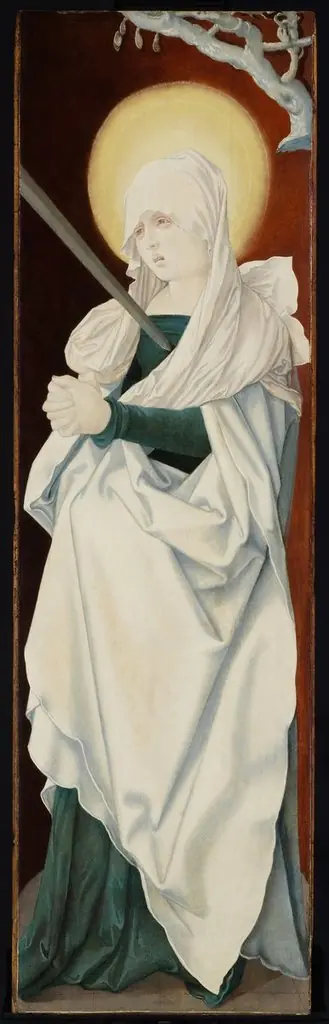 The Virgin of Sorrows (Mater Dolorosa)
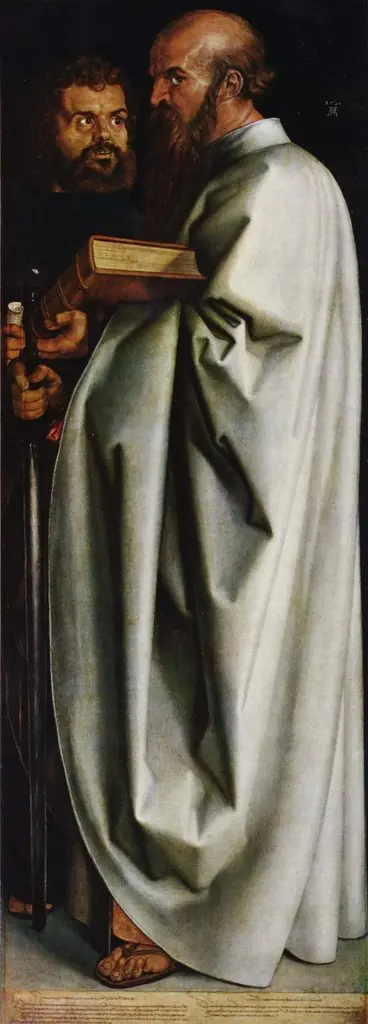 The Four Apostles: Saints Mark and Paul
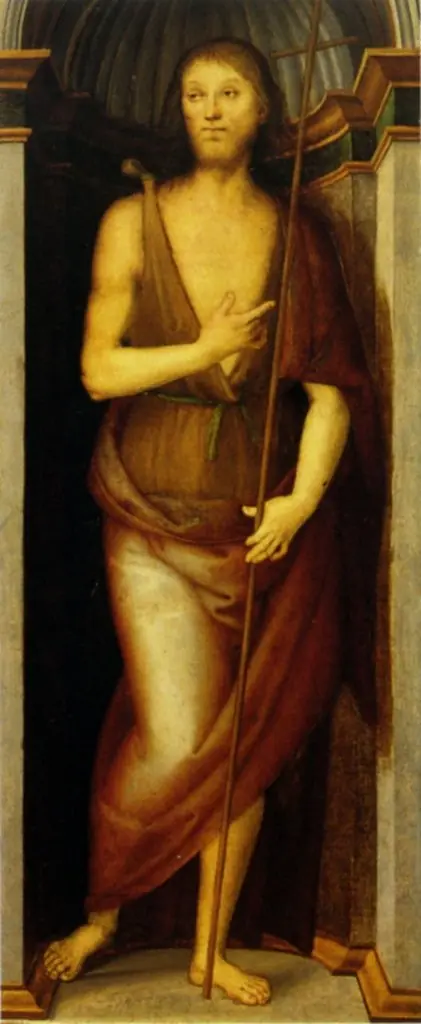 San Giovanni Battista
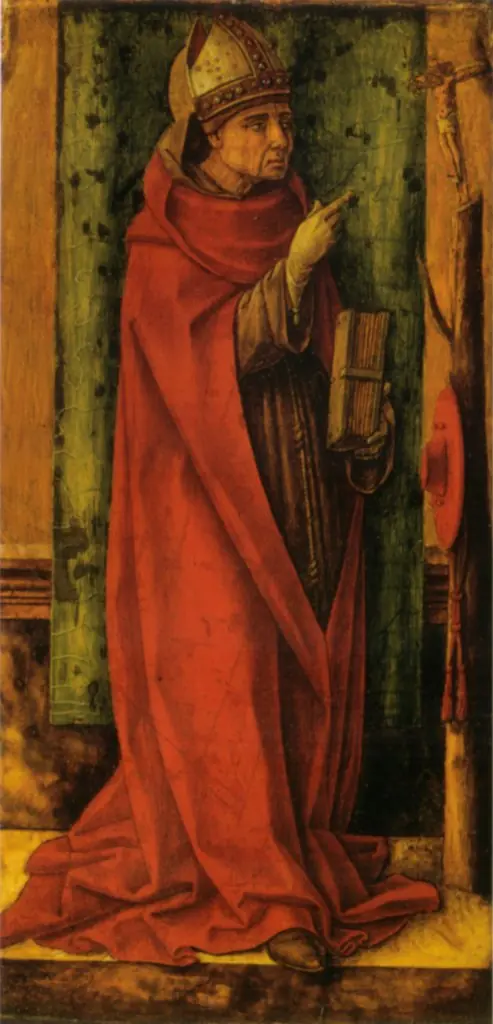 Bonaventure
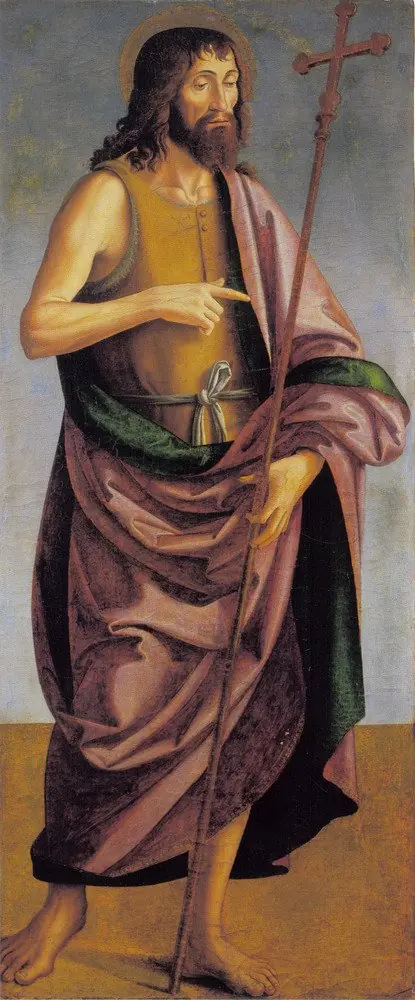 John the Baptist
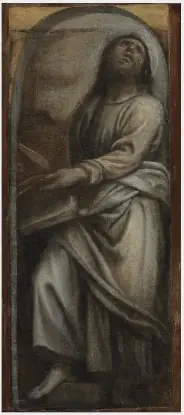 St Bartholomew
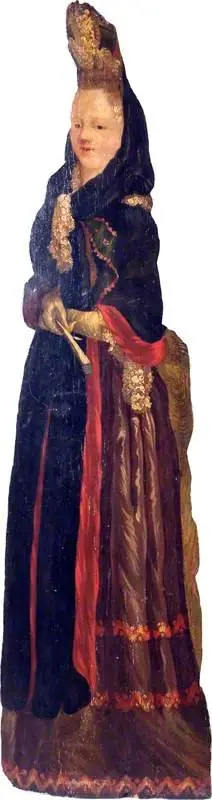 Woman with a Tall Head-Dress (dummy board)
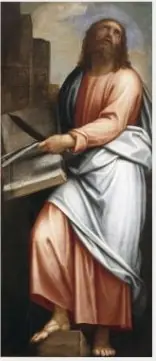 Saint Bartholomew
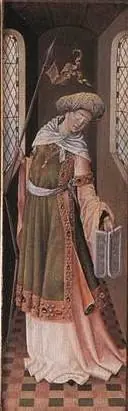 Personification of the Jewish Religion (Synagoga)
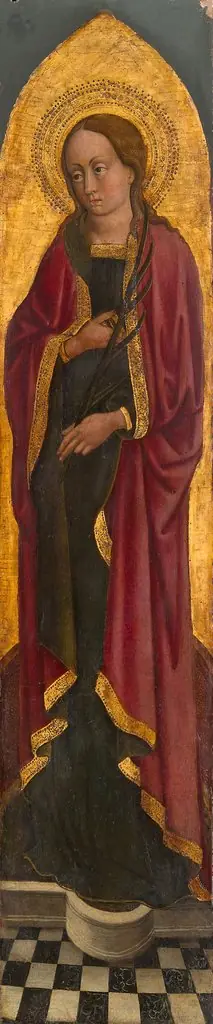 Saint Giustina of Padua from an Augustinian altarpiece
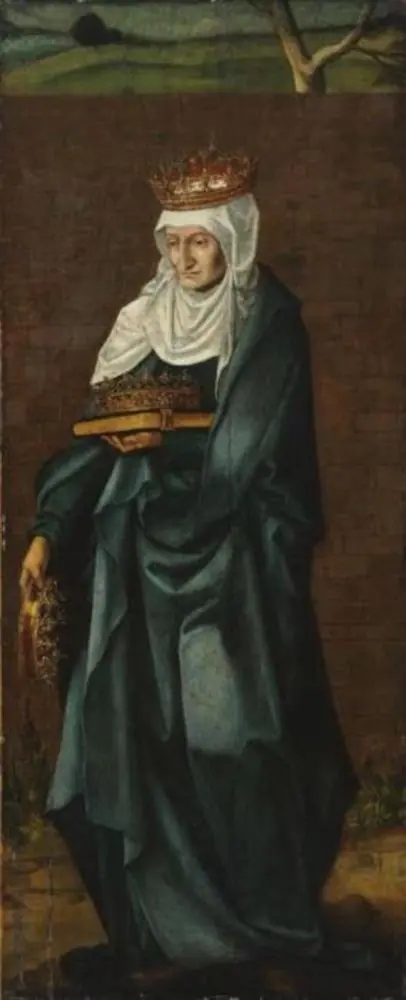 Saint Elisabeth of Hungary
- Saint Catherine