Artist
Francesco del Cossa
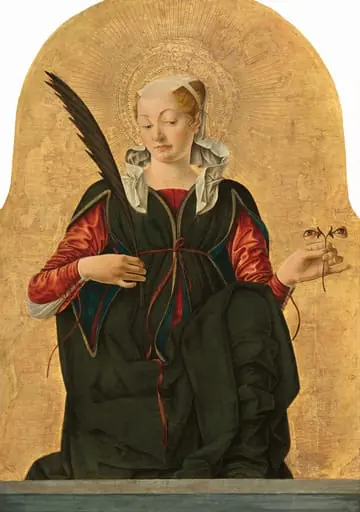
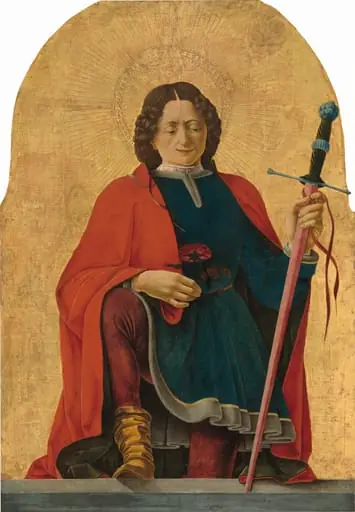
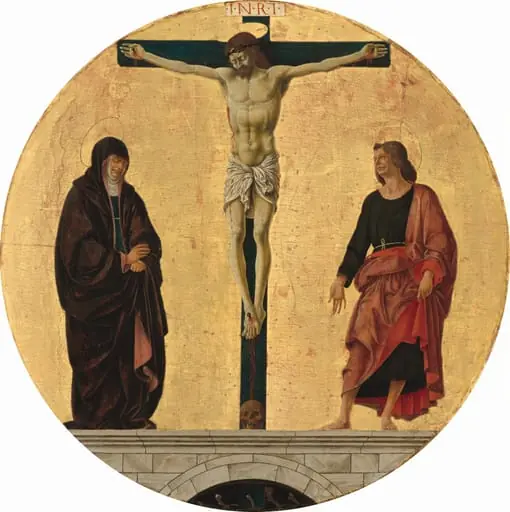
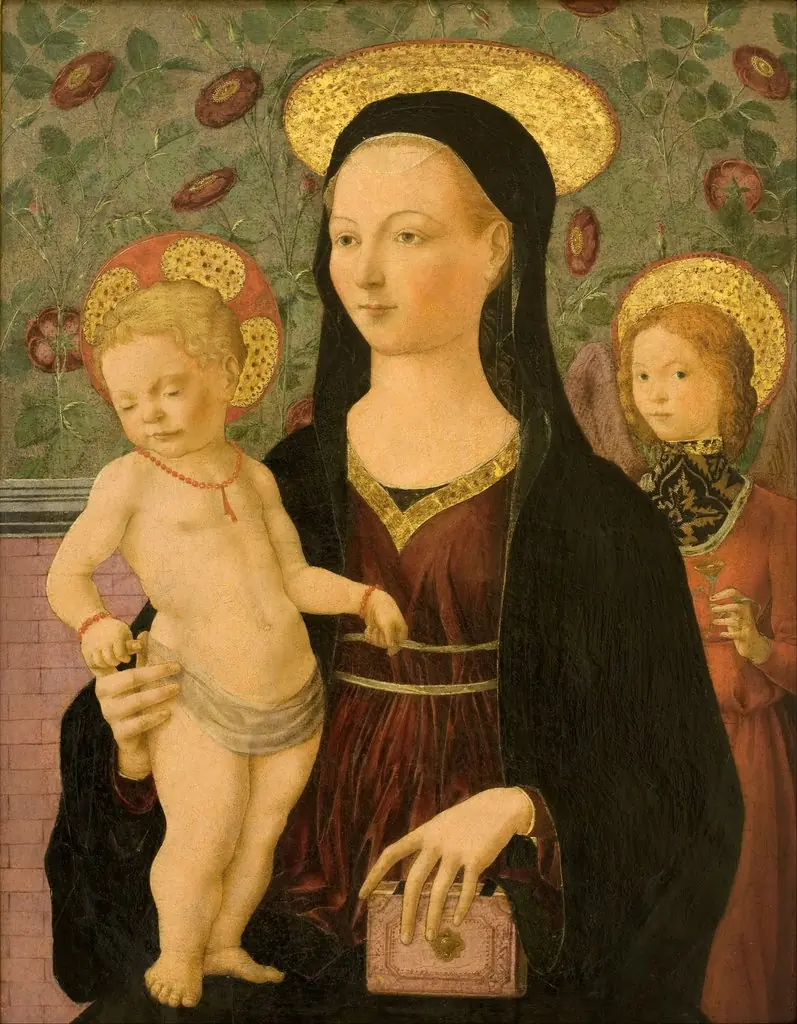
Francesco del Cossa is an Early Renaissance artist. 7 works are cataloged here, principally at National Gallery of Art.
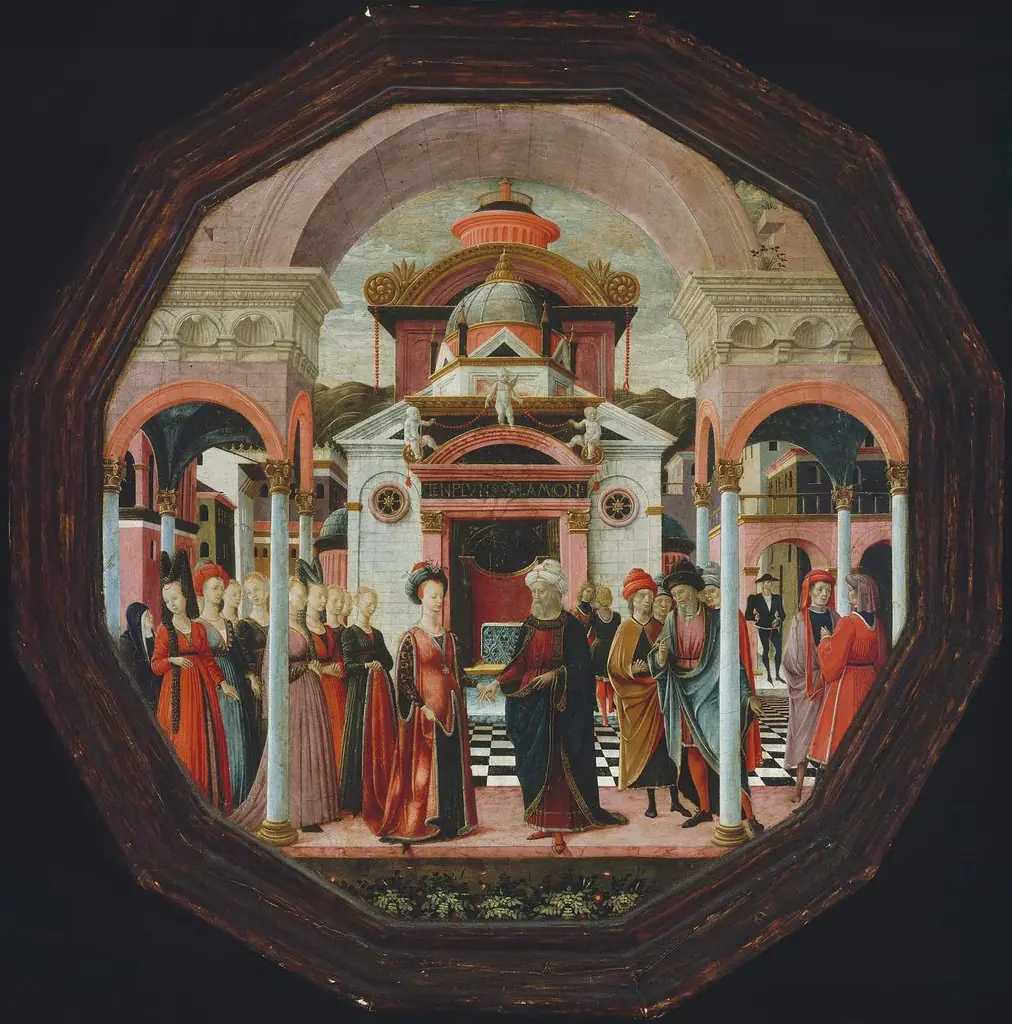
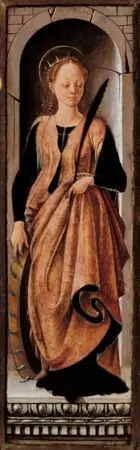
Francesco del Cossa (c. 1430 – c. 1477) was an Italian Renaissance painter of the School of Ferrara, who after 1470 worked in Bologna. Cossa is best known for his frescoes, especially his collaboration with Cosimo Tura on a cycle of the months in the Palazzo Schifanoia of the Este family, rulers of Ferrara. Otherwise, his paintings are mostly of religious subjects, with some portraits and drawings attributed to him. He also designed stained glass.
Overview
Francesco del Cossa (circa 1436-1477/1478) was an Italian Renaissance painter of the Ferrarese school, active primarily in Ferrara and Bologna. He stands as one of the three leading painters of the Ferrarese school in the fifteenth century, alongside Cosmè Tura and Ercole de' Roberti. Cossa is best known for his fresco cycle in the Palazzo Schifanoia at Ferrara, particularly his Allegory of April with its celebrated depiction of the Three Graces, and for the dispersed Griffoni Polyptych painted in Bologna. His work bridges the decorative Ferrarese tradition with influences from Paduan and Florentine sources, combining solid, synthetic forms with luminous color and careful perspectival construction. After leaving Ferrara in 1470 in a dispute over payment, he settled in Bologna, where he profoundly influenced the course of Bolognese painting until his death.
Biography & dates
Born in Ferrara around 1436, Francesco del Cossa was the son of Cristofano del Cossa, a stonemason who also painted. His birth date is deduced from a correspondence between the Bolognese scholars Angelo Michele Salimbeni and Sebastiano Aldrovandi, who noted that the artist was 42 at his death. The first documented record dates to 11 September 1456, when he assisted his father in painting a Deposition in grisaille near the high altar of Ferrara Cathedral, a work later lost when the apse was rebuilt. In 1460 he appears as a witness in two notarial acts in Ferrara, already designated as "painter," and in November of that year he was emancipated from paternal guardianship. December 1462 finds him in Bologna as witness at the baptism of the son of Bartolomeo Garganelli, a family that would later commission important frescoes. After his father's death in 1463, a documentary silence until 1467 has been interpreted as a possible formative journey, perhaps to Florence. He returned to Ferrara by 11 February 1467, but later that year was back in Bologna, paid for designing two stained glass windows for San Giovanni in Monte. From 1467 or 1468 he worked on the frescoes of the Salone dei Mesi at the Palazzo Schifanoia, completing his sections by 1470. Disgruntled at being paid by the square foot at the same rate as what he called the "worst dauber in Ferrara," he sent a celebrated letter to Duke Borso d'Este demanding better compensation, then permanently relocated to Bologna. There he worked under Bentivoglio patronage, painting the Madonna del Baraccano by 1472, the Griffoni Polyptych around 1473, and the Pala dei Mercanti in 1474. At his death he was working on the Garganelli chapel, later completed by Ercole de' Roberti.
Style & movement
Cossa's style developed from the Ferrarese tradition, with pronounced debts to Andrea Mantegna and the Paduan circle of Squarcione, as well as to Donatello's work in Padua. Yet he distinguished himself through a more genial temperament and relaxed urbanity than his contemporaries. His encounter with Piero della Francesca's work, possibly during his travels in the mid-1460s, introduced a greater solemnity and plastic solidity into his figures, setting him apart from other Ferrarese painters. In the Palazzo Schifanoia frescoes, he fused late Gothic fairy-tale qualities with solid, synthetic forms, vivid color, and meticulous perspectival construction. His later Bolognese works show increased naturalism and powerful modeling, with minute realism that suggests awareness of Antonello da Messina or Netherlandish painting available in the Ferrara-Bologna area. Characteristic are his stiff, heavy drapery folds and sharply linear rendering of complex surfaces. His draftsmanship extended to designs for stained glass, intarsia, and even sculpture, demonstrating versatile technical accomplishment across media.
Major works
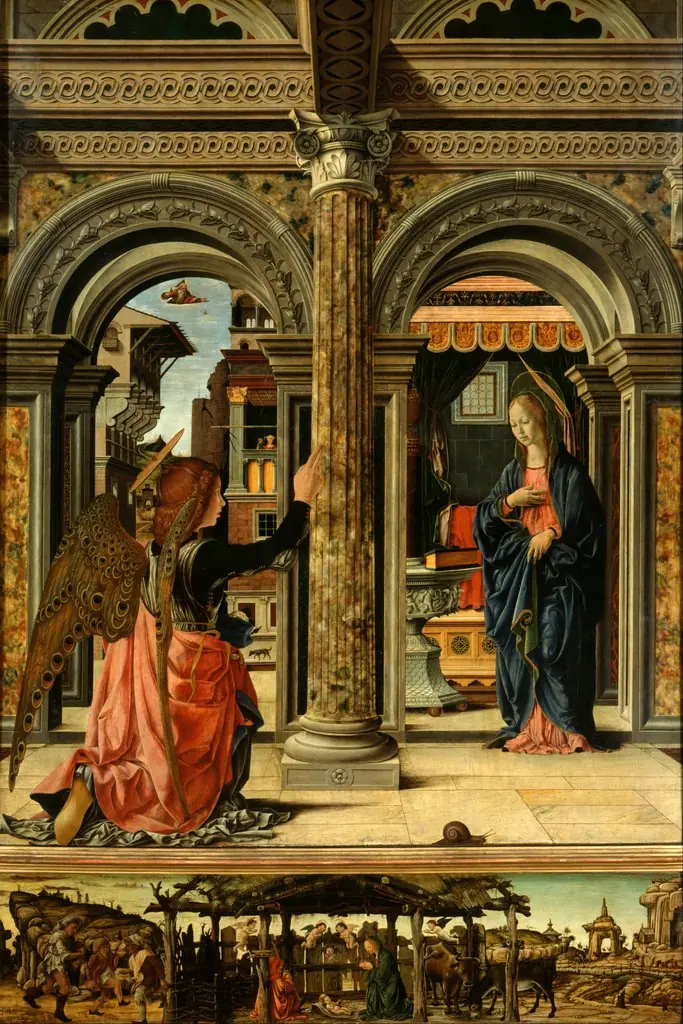
The east wall of the Salone dei Mesi in the Palazzo Schifanoia, Ferrara (1469-1470), represents Cossa's most ambitious surviving project. Of the original twelve monthly sectors, seven remain; Cossa was solely responsible for March (Triumph of Minerva), April (Triumph of Venus with the Three Graces), and May (Triumph of Apollo), where his work on the east wall was acclaimed as the finest in the cycle. The Allegory of April contains one of the earliest post-classical representations of the naked Three Graces in painting. In Bologna, the Griffoni Polyptych (circa 1473), commissioned by Floriano Griffoni for San Petronio, is now dispersed: Saint Vincent Ferrer is in the National Gallery, London; Saint Peter and Saint John the Baptist in the Pinacoteca di Brera, Milan; and Saint Florian, Saint Lucy, and The Crucifixion in the National Gallery of Art, Washington. The Pala dei Mercanti (1474), commissioned by Alberto de' Cattanei and now in the Pinacoteca Nazionale, Bologna, shows the Madonna and Child enthroned with Saints Petronius and John the Evangelist. Other significant works include the Annunciation and Nativity (1470-1472) from the Pala Osservanza in Dresden's Gemäldegalerie Alte Meister; Saint Clare and Saint Catherine (1470-1472, Thyssen-Bornemisza Collection, on deposit at the Museo Nacional de Arte de Cataluña); and the Portrait of a Man with a Ring (1472-1477, Thyssen-Bornemisza Museum, Madrid). His signed stained glass design of Saint John in Patmos for San Giovanni in Monte, Bologna, also survives.
Influences & students
Cossa's artistic formation drew substantially from the Paduan school of Squarcione, Andrea Mantegna's work, and particularly Piero della Francesca, whose influence is visible in Cossa's mastery of plastic figure representation and architectural detail. The contemporary Florentine culture of Domenico Veneziano and Maso Finiguerra also shaped his approach to light and draftsmanship. His influence on subsequent generations was significant, most notably through Ercole de' Roberti, who was probably his pupil and assistant and who completed Cossa's unfinished Garganelli chapel after his death. The National Gallery of Art biography suggests Ercole may have assisted on the Saint Vincent Ferrer altarpiece. Cossa is also credited, together with Ercole de' Roberti, with founding the Bolognese school of painting, extending Ferrarese visual culture into that city. Leonardo Scaletti of Faenza is recorded as one of his followers.
Legacy
Cossa's posthumous reputation suffered from misidentifications of his works and Giorgio Vasari's confusion of him with Lorenzo Costa. His importance was secured only in the nineteenth century with the rediscovery of the Hall of the Months frescoes and the documented attribution of the east wall murals to him. Since then, he has become established in the triumvirate of leading quattrocento Ferrarese painters alongside Cosmè Tura and Ercole de' Roberti. In contemporary culture, he features as one of the two protagonists in Ali Smith's 2014 novel How to Be Both, shortlisted for the Man Booker Prize. His stained glass window design was also revealed as the final answer of the Great Google Earth Treasure Hunt. The dismembered Griffoni Polyptych has been the subject of renewed scholarly attention, culminating in the 2020 publication The Griffoni Polyptych reborn in Bologna: The rediscovery of a masterpiece.
Works by Francesco del Cossa
Collections represented


Artists in a similar vein