Artwork
Ideal City
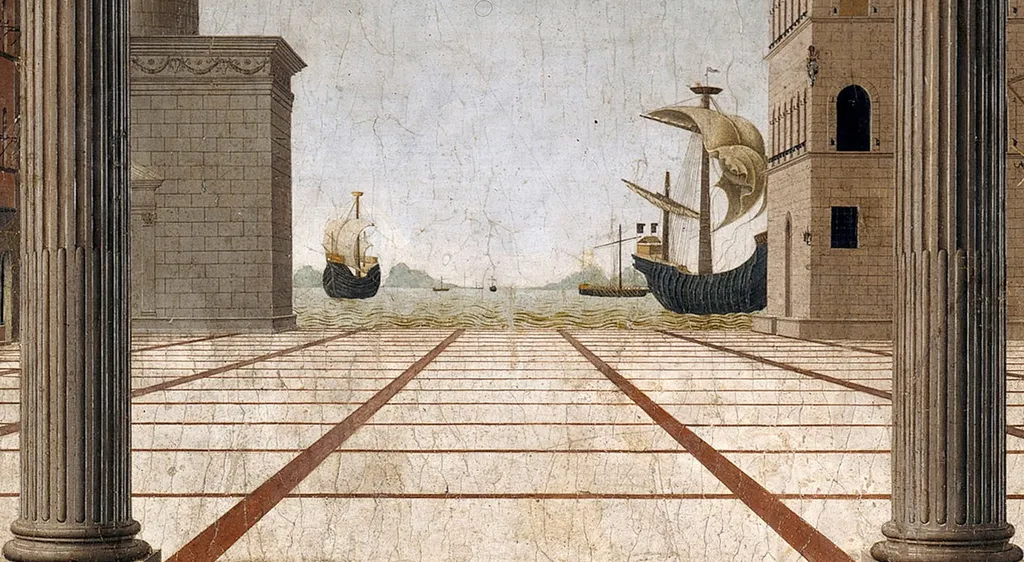
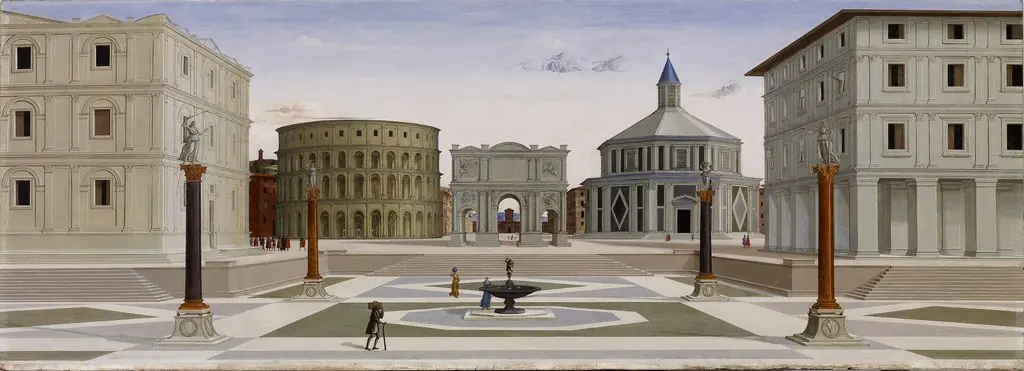
Ideal City is an oil painting by the Early Renaissance artist Francesco di Giorgio. It dates from 1496 and is held in the collection of the Gemäldegalerie Berlin.
About this work
Overview
Painted in 1496, Ideal City is an oil-on-panel work attributed to Francesco di Giorgio Martini. It presents a meticulously composed urban scene devoid of human presence, emphasizing symmetry, proportion, and architectural harmony. The painting resides in the Gemäldegalerie, Berlin, as part of its collection of early Renaissance visual culture.
Subject & Meaning
The painting envisions a utopian urban environment, reflecting Renaissance humanist ideals of order and rational design. Absent of daily life, the empty plaza and aligned structures suggest a philosophical model rather than a real place. It embodies the era’s fascination with geometry as a reflection of cosmic and civic perfection.
Technique & Style
Oil paint is applied with precision to render architectural elements in crisp detail. The buildings combine brick and stone textures, framed by arched windows and classical columns. Perspective is carefully constructed to draw the eye toward a distant horizon where ships rest on calm water, reinforcing spatial depth and serene isolation.
History & Provenance
The painting entered the Gemäldegalerie Berlin’s collection in the 19th century, though its earlier ownership remains undocumented. It was likely created as a standalone panel, possibly for a private patron interested in architectural theory. No contemporary records confirm its original purpose or context of display.
Context
Created during a period when Italian architects and theorists were exploring urban planning through mathematical principles, the work aligns with treatises by Alberti and Filarete. It reflects a broader intellectual current that sought to reconcile classical ideals with contemporary city design, though such visions rarely materialized in practice.
Legacy
Ideal City stands as a rare surviving example of Renaissance architectural fantasy in painting. While not directly influencing urban development, it contributes to the visual vocabulary of utopian thought, later echoed in Enlightenment and modernist planning. Its quiet, empty streets continue to invite reflection on the relationship between design and human life.
Artist & collection

Artist
Francesco di Giorgio Martini (1439–1501) was an Italian architect, engineer, painter, sculptor, and writer.

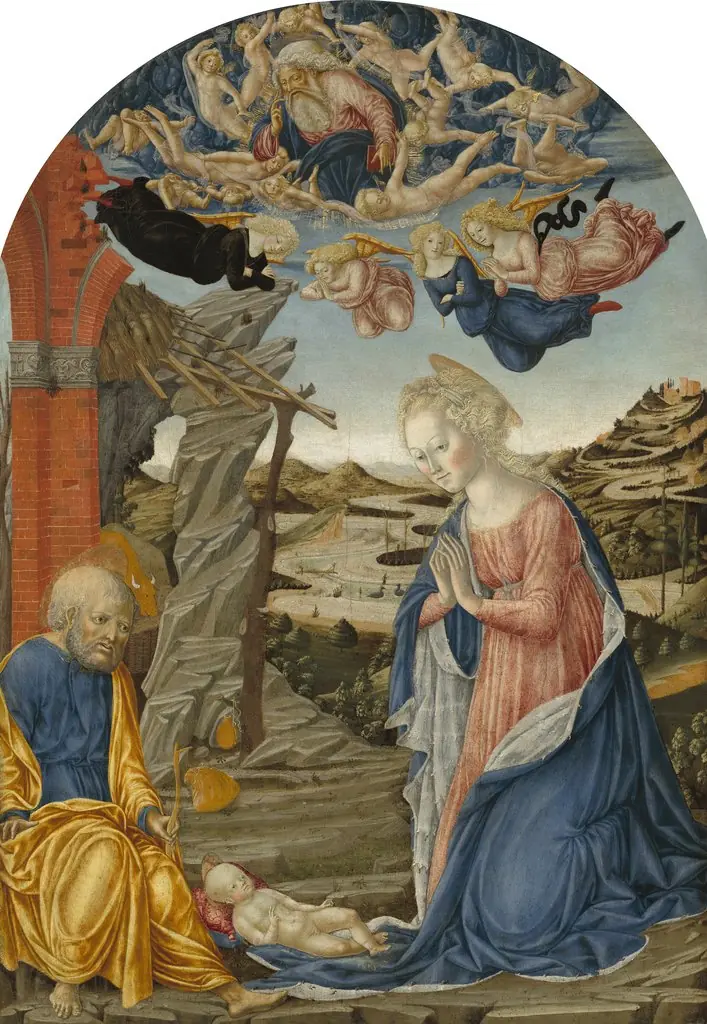 The Nativity
 The Nativity, with God the Father Surrounded by Angels and Cherubim
 Saint Bernardino Preaching from a Pulpit
 Design for a Wall Monument
 Goddess of Chaste Love
 Virgin and Child with Saint Jerome, Saint Anthony of Padua and Two Angels
 The Story of Oenone and Paris
 The Story of Oenone and Paris (center panel)
 veduta della piazzetta di san marco dal lato del molo
 Evening at the Harbour
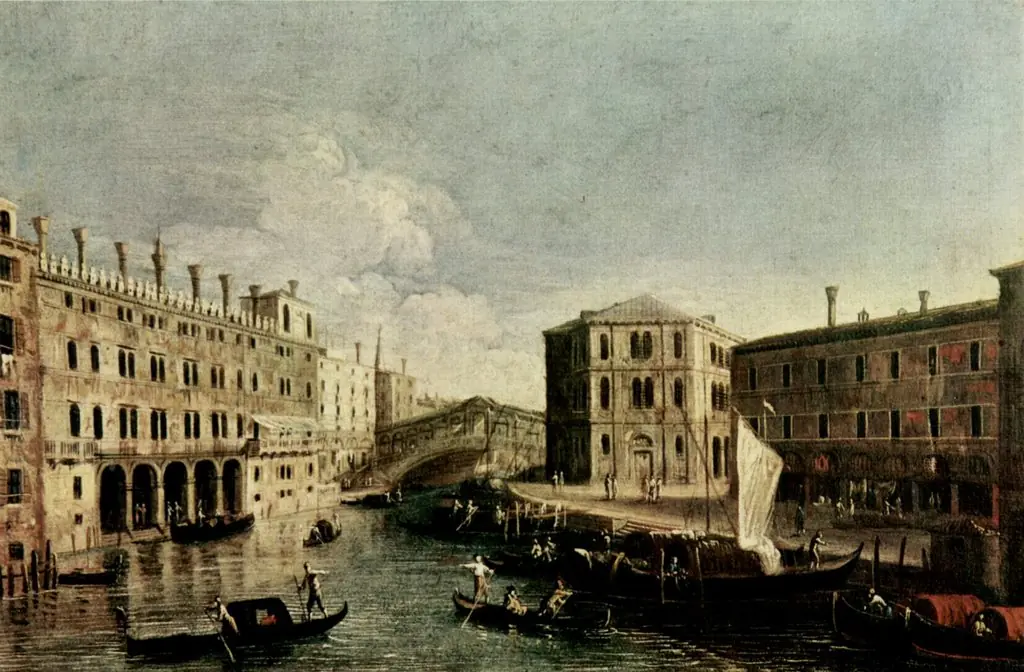 The Grand Canal at the Rialto
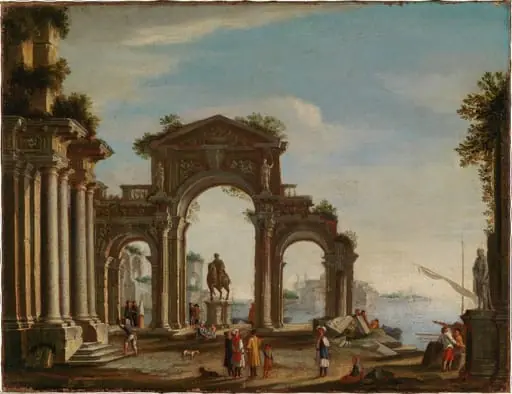 Rauniofantasia
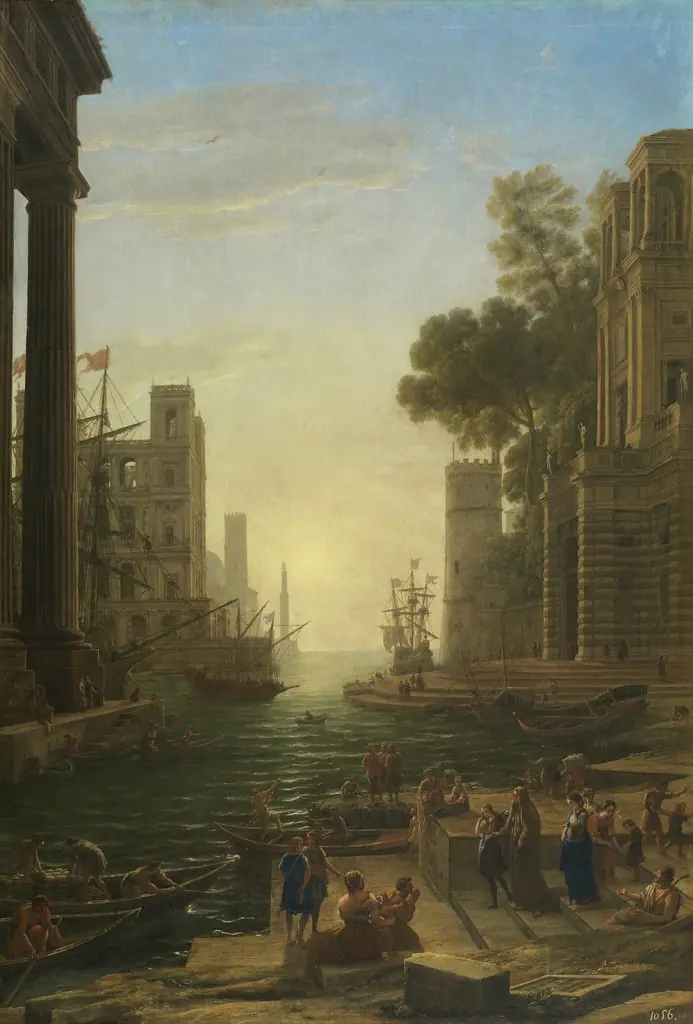 Landscape with the Embarkation of Saint Paula Romana at Ostia
 Oraș la mare ; pandant: Furtună pe mare lângă oraș
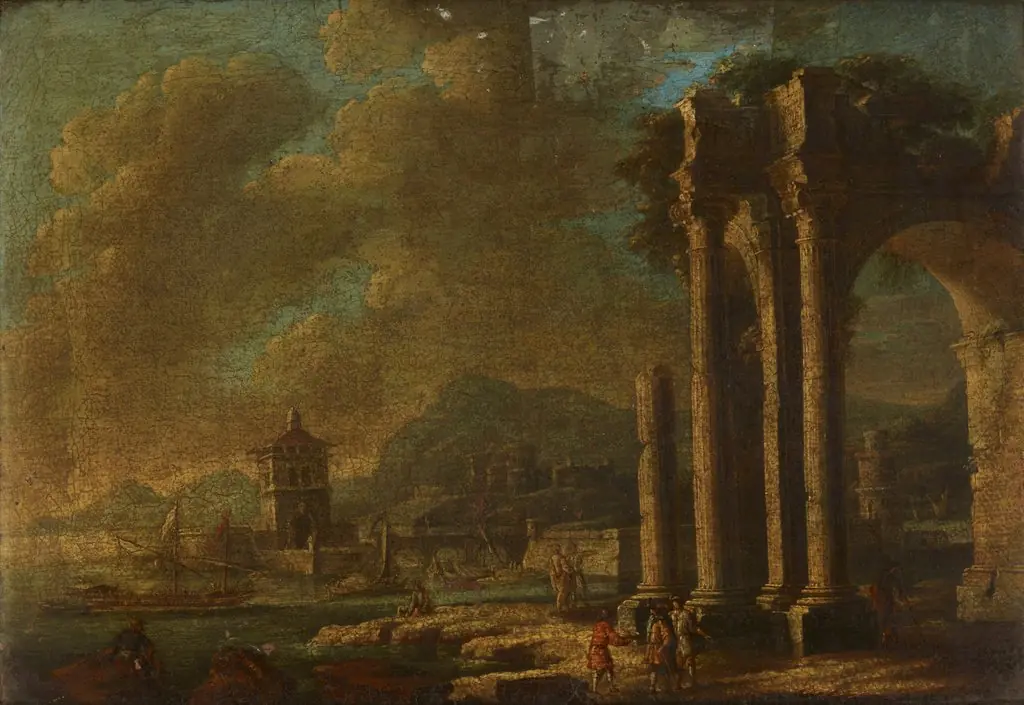 Landscape with Ruins
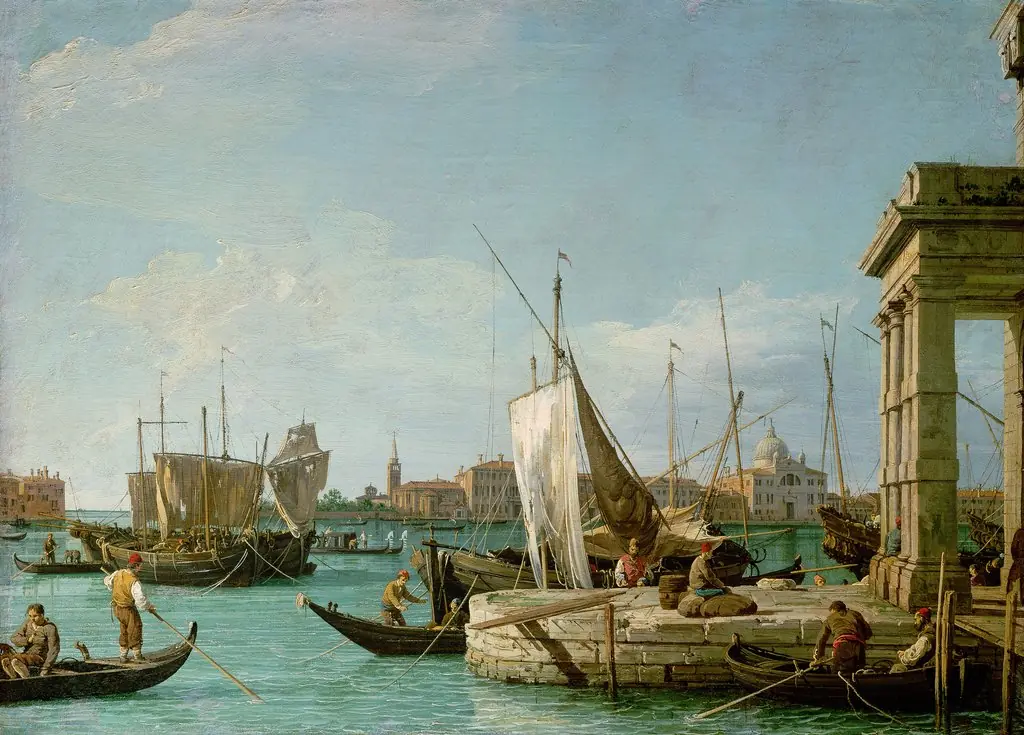 La Punta della Dogana
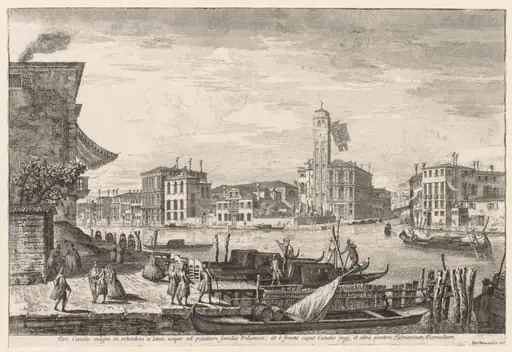 Views of Venice: Cannaregio
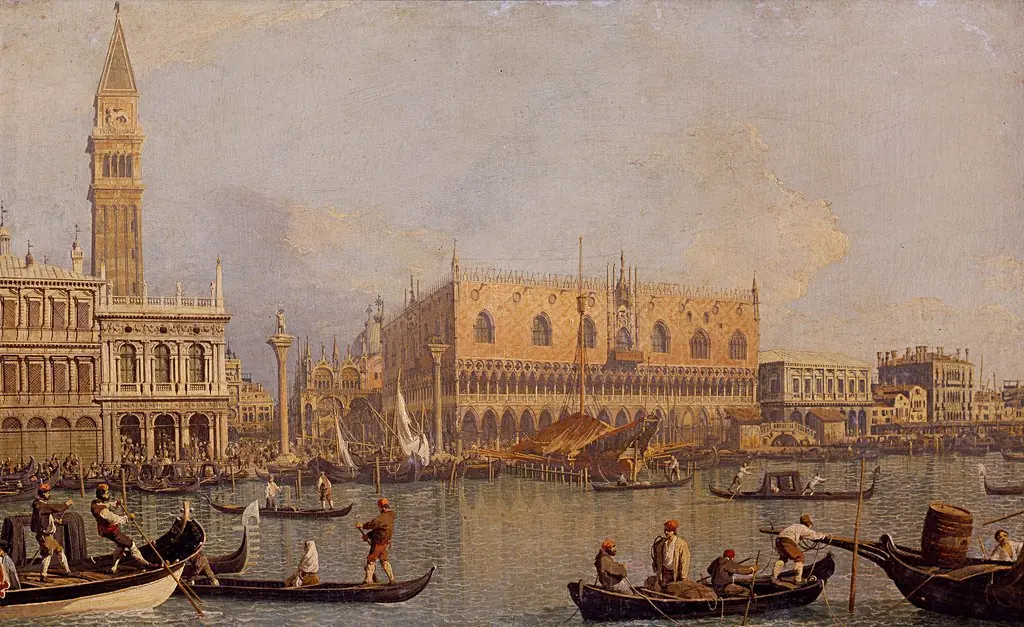 View of the Ducal Palace in Venice
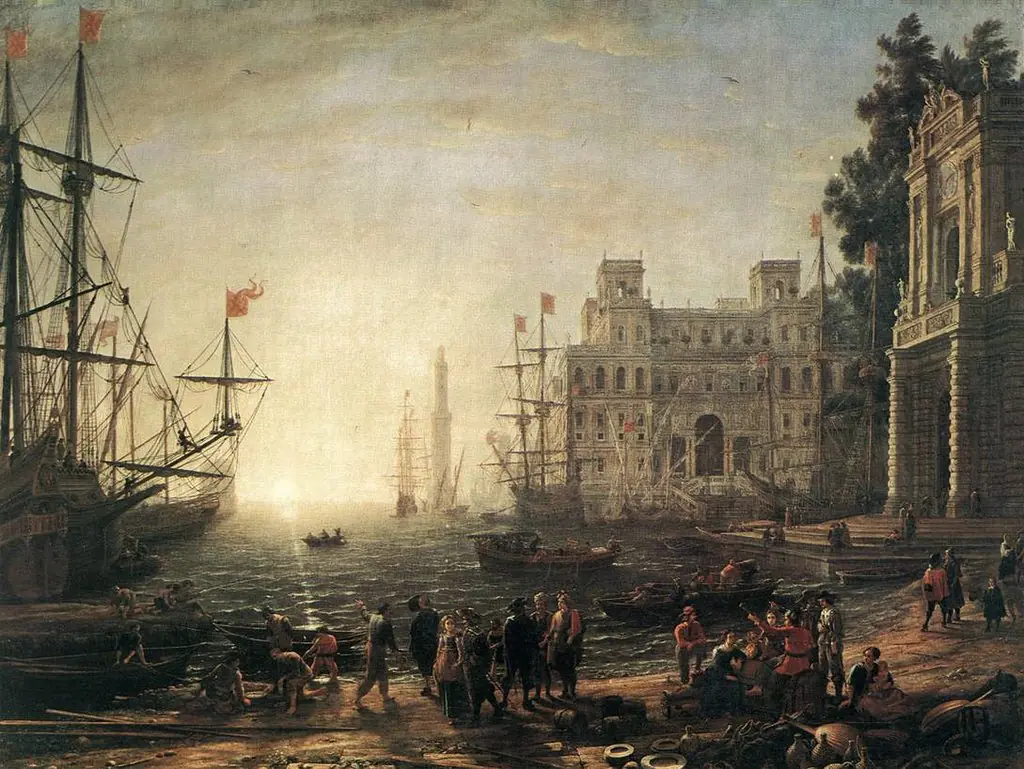 Port Scene with the Villa Medici
- The Ideal City