Artwork
Madonna and Child
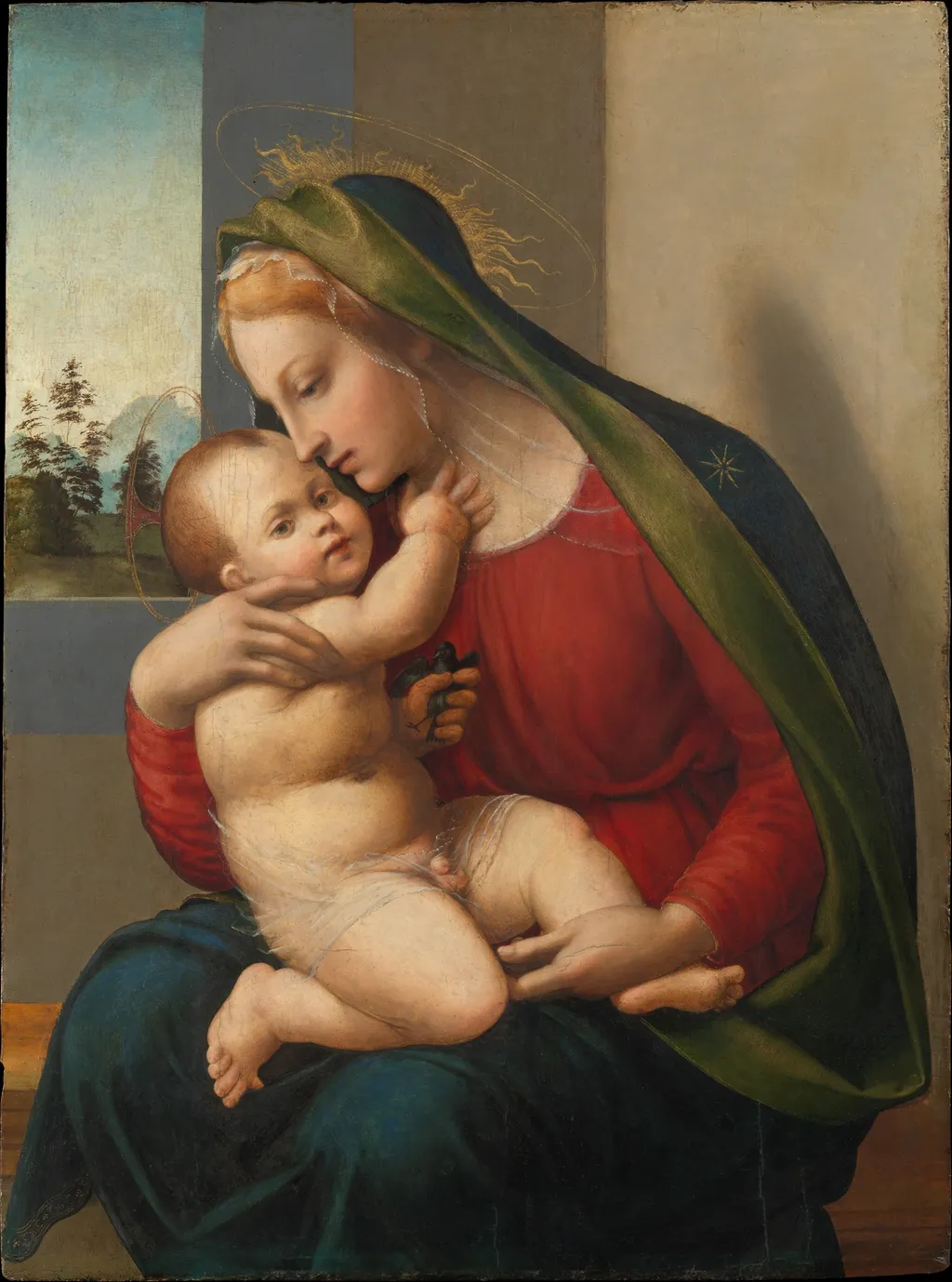
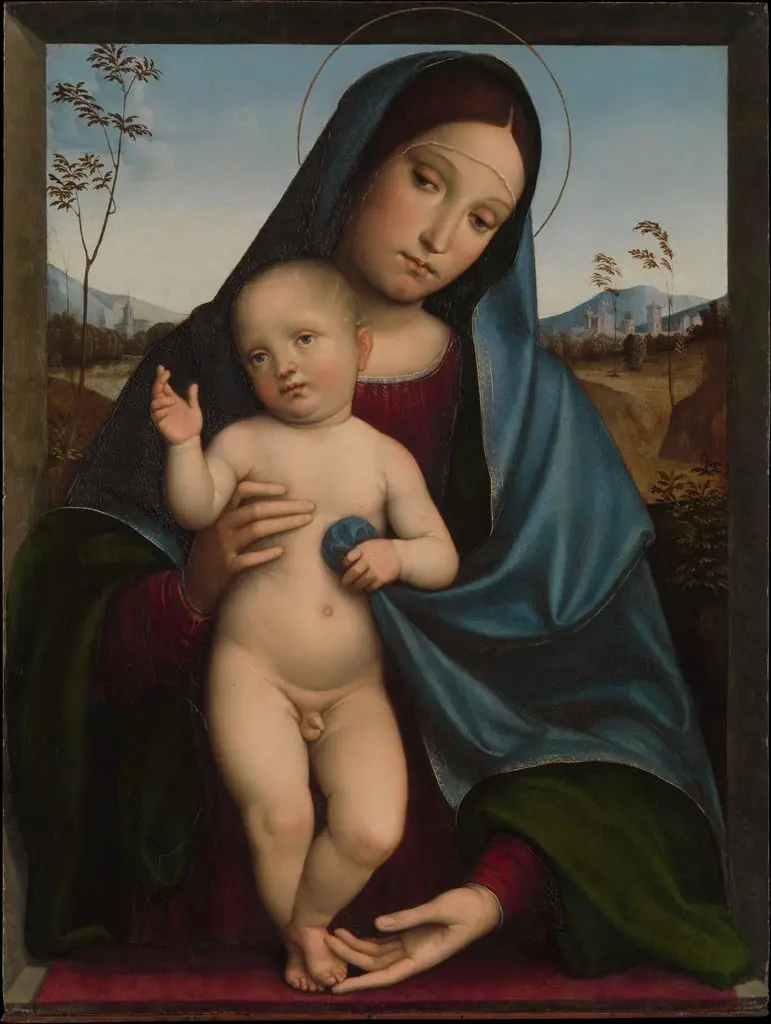
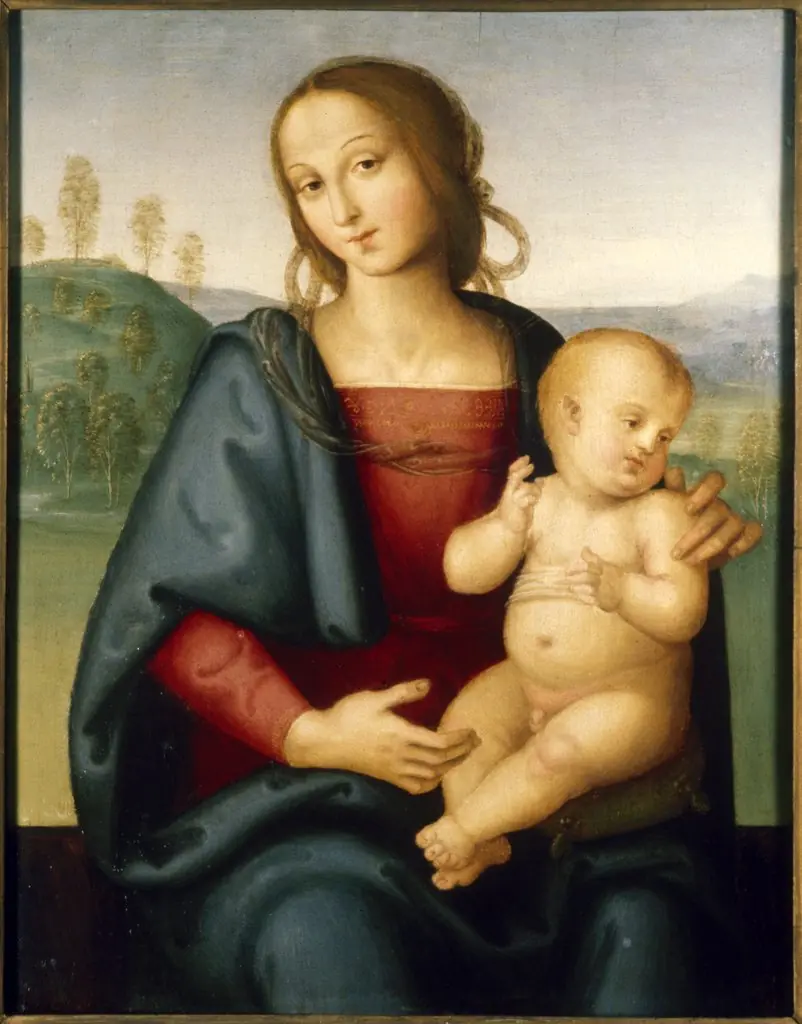
Madonna and Child is an oil painting by the High Renaissance artist Francesco Granacci. It dates from 1520 and is held in the collection of the Metropolitan Museum of Art.
About this work
Subject & Meaning
According to the catalogue record, the work explicitly portrays Mary and the Christ Child, with the main subject identified as Madonna and Child.
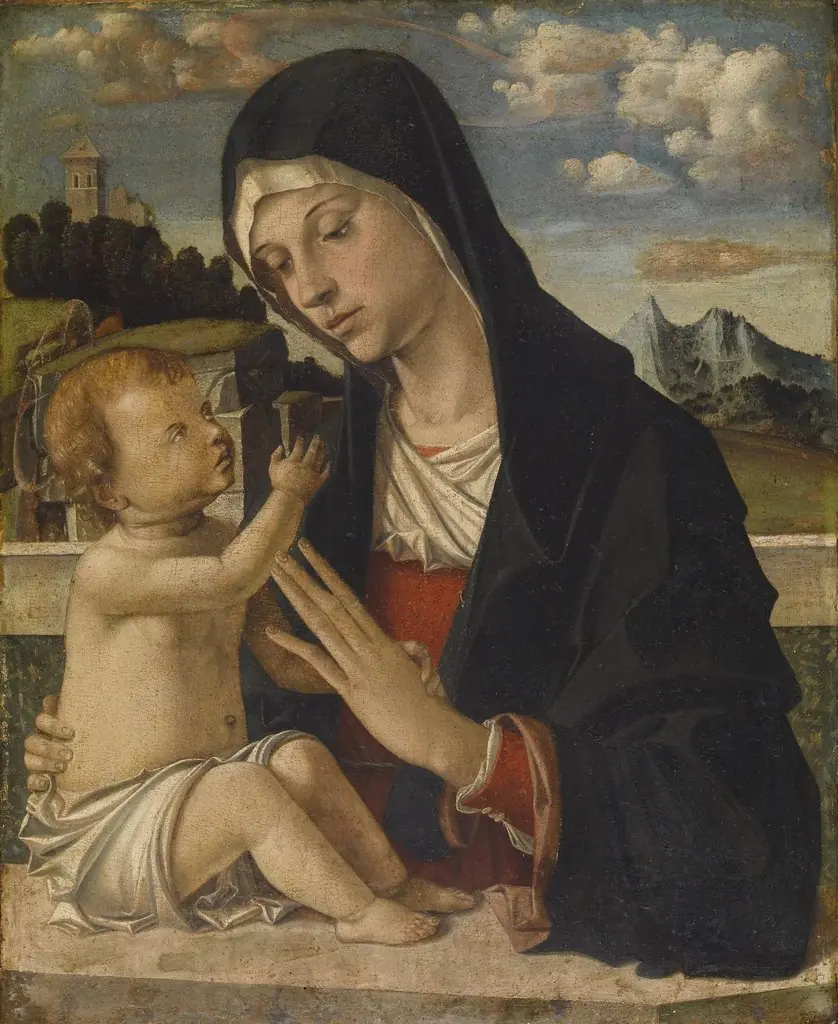
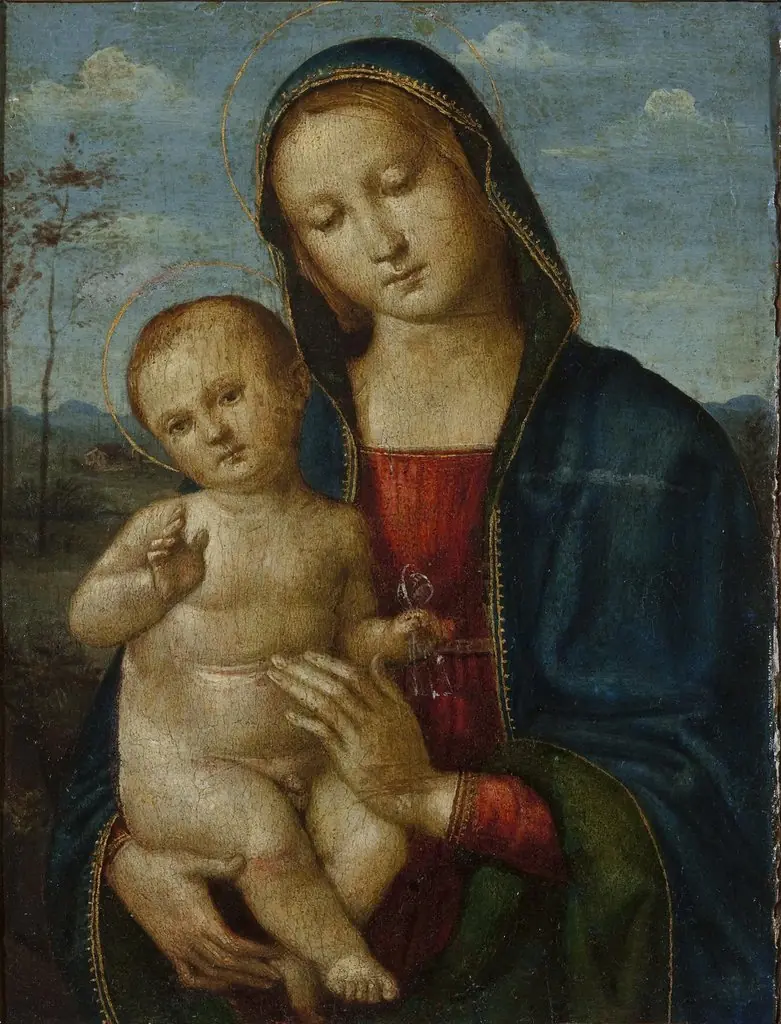
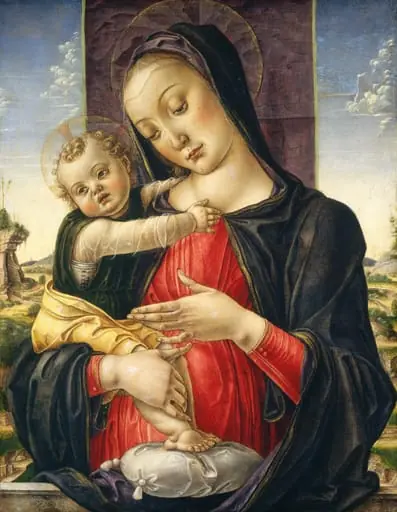
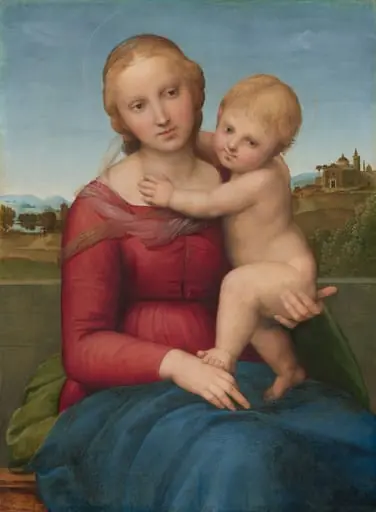
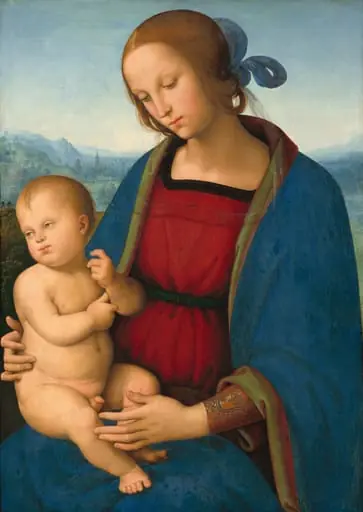
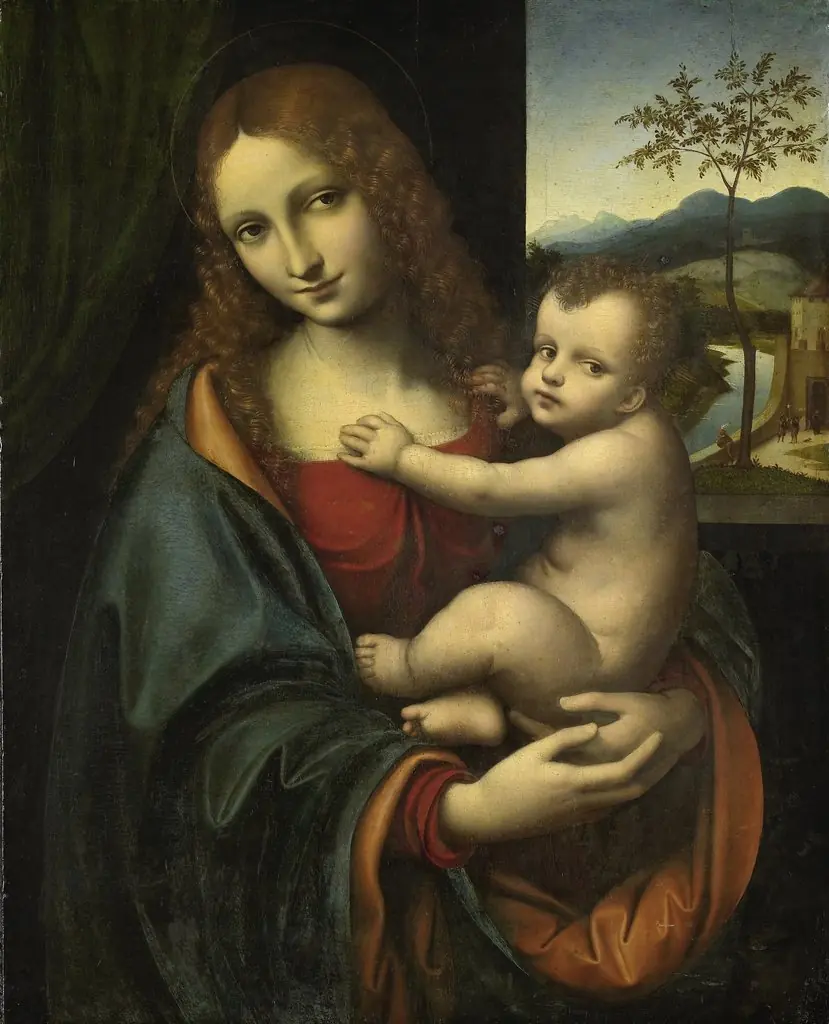
The painting depicts the Madonna and Child, a devotional subject showing the Virgin Mary with the Christ Child. According to the catalogue record, the work explicitly portrays Mary and the Christ Child, with the main subject identified as Madonna and Child. Classified within the genre of religious art, the composition belongs to one of the most enduring themes in Western Christian visual culture, in which the Virgin is shown with the infant Jesus, typically conveying maternal tenderness and the theological idea of the Incarnation.
As a 1520 oil-on-panel work by Francesco Granacci now in the Metropolitan Museum of Art, the image participates in the long Florentine tradition of presenting the Madonna as a focus of personal devotion, inviting the viewer to contemplate the sacred bond between mother and son.
Technique & Style
Francesco Granacci's Madonna and Child, created in 1520, is executed in oil paint on a wooden panel support. The work measures 86.7 cm in height and 64.5 cm in width, adhering to the traditional Renaissance format for religious panel paintings. As a religious composition, the piece depicts the Virgin Mary and the Christ Child, utilizing the oil medium to achieve the soft modeling and tonal transitions characteristic of the artist's style during this period.
The painting remains part of the collection at the Metropolitan Museum of Art, where its physical dimensions and material composition are documented as oil on panel.
History & Provenance
Francesco Granacci's oil painting Madonna and Child, dated to 1520, is currently held in the collection of the Metropolitan Museum of Art in New York. The work, executed in oil on panel and measuring 86.7 cm by 64.5 cm, depicts the Virgin Mary and the Christ Child. While the provided sources confirm the artwork's location and physical attributes, they do not contain specific inventory or accession numbers, nor do they document any exhibition history for this piece.
Consequently, the entry details the museum holding and the creation date but lacks the specific cataloging data and public display records often associated with this facet of art historical documentation.
Context
Francesco Granacci's 1520 oil painting Madonna and Child, housed in the Metropolitan Museum of Art, exemplifies early sixteenth-century Florentine devotional art. The work depicts the Virgin embracing the infant Christ on a painted panel measuring roughly 86 × 65 cm. As a religious image produced within Granacci's modest oeuvre, it reflects the persistence of Marian imagery in Renaissance patronage and offers insight into the workshop traditions that preceded the more celebrated altarpieces of the period.
Overview
Francesco Granacci's Madonna and Child, painted in oil around 1520, exemplifies Florentine artistry during the High Renaissance. This painting portrays the Virgin Mary tenderly holding the infant Christ, a common devotional subject. The work is now part of the collection at The Metropolitan Museum of Art, representing a significant period in Italian art history.
Own this work as a print
Artist & collection
Artist
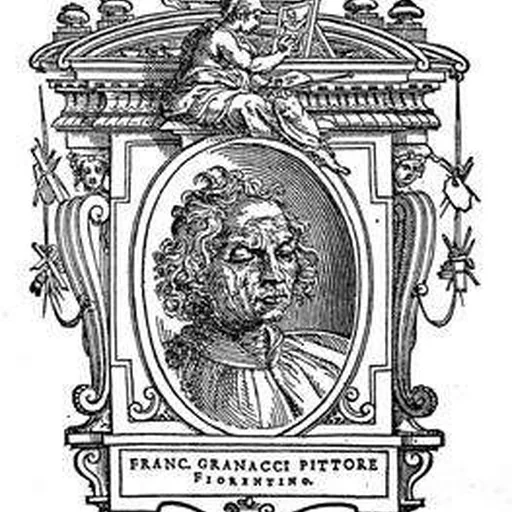
Francesco Granacci (1469 – 30 November 1543) was an Italian Renaissance painter active primarily in his native Florence.