Artwork
Fantastic Landscape
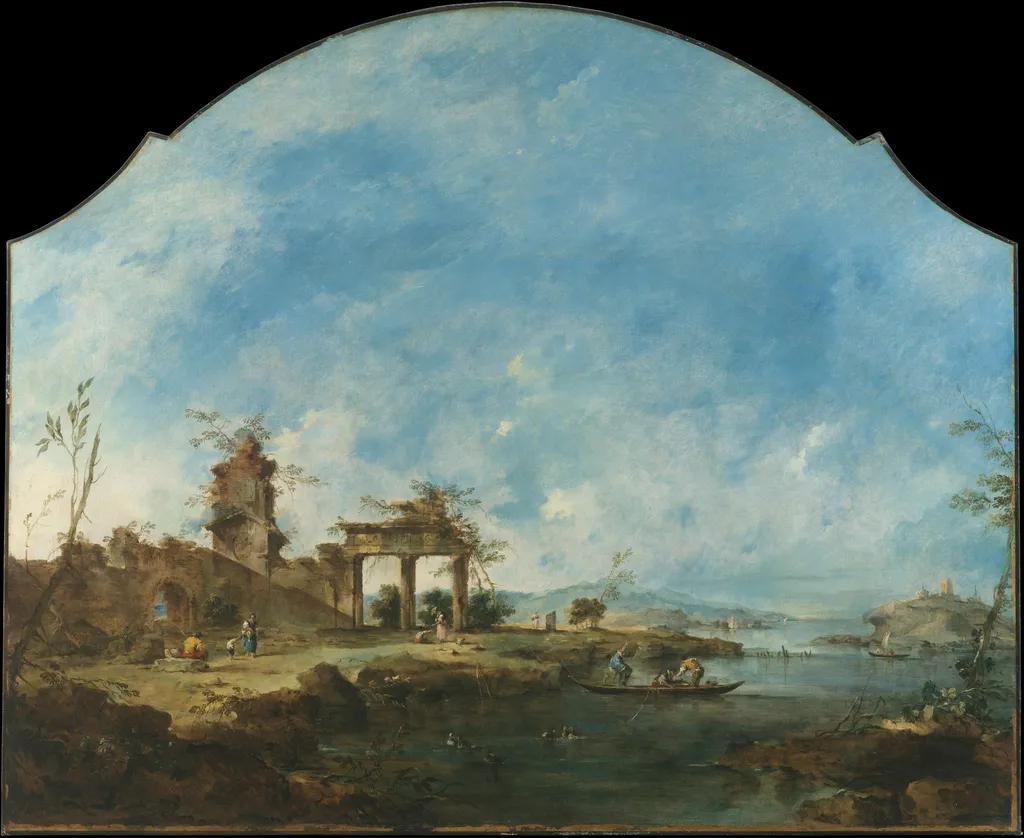
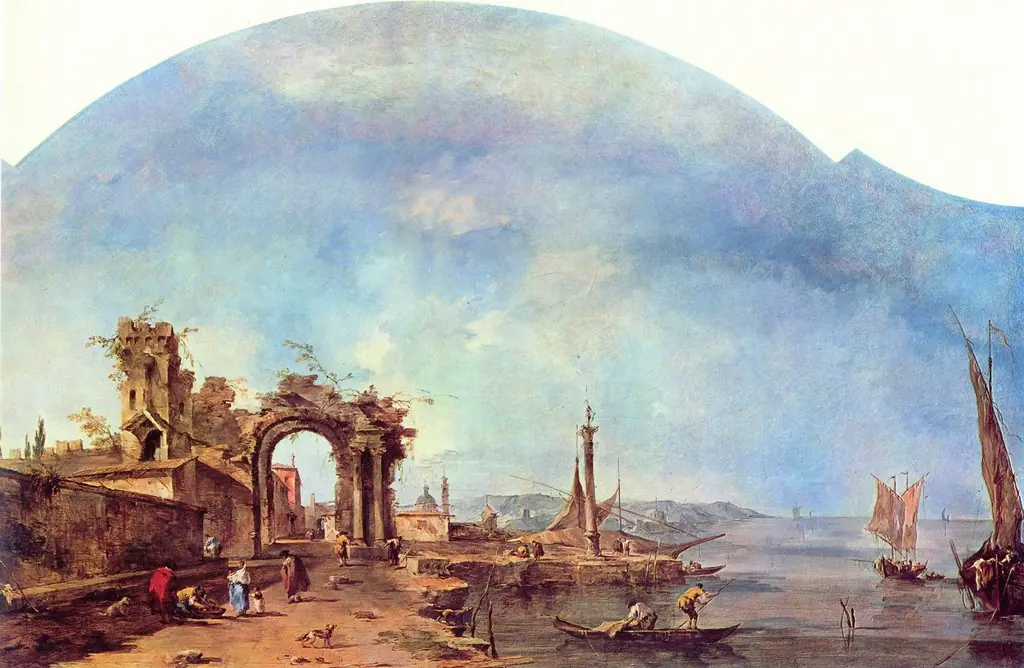
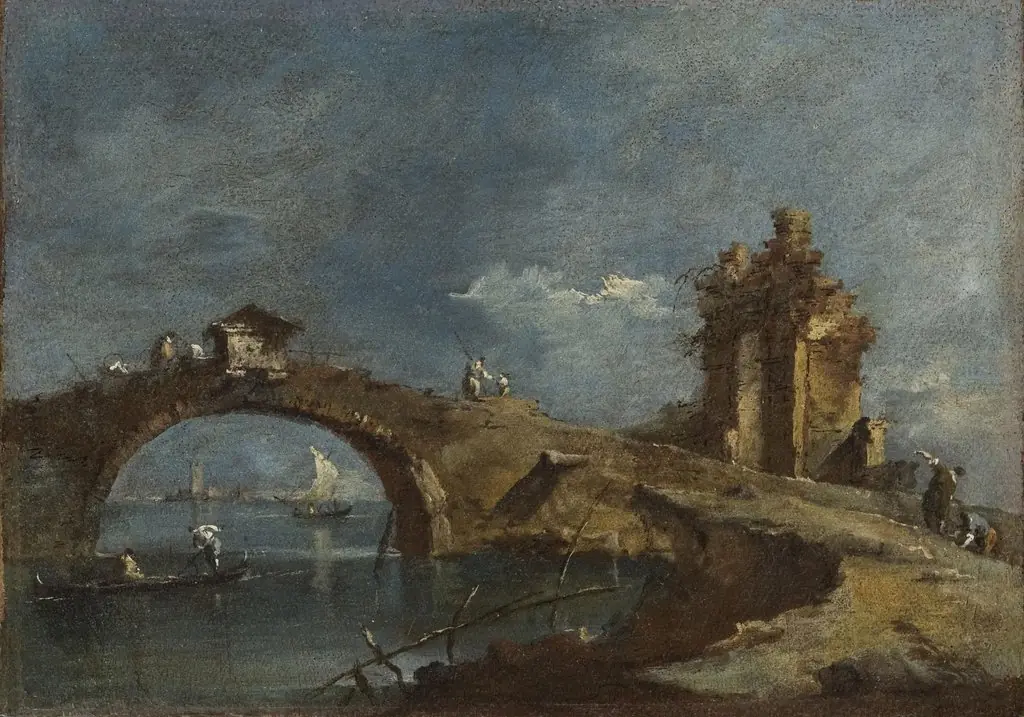
Fantastic Landscape is an oil painting by the Rococo painting artist Francesco Guardi. It dates from 1765 and is held in the collection of the Metropolitan Museum of Art.
About this work
Subject & Meaning
The painting reflects the eighteenth-century Venetian taste for fanciful scenery that prioritized mood and atmosphere over geographic fidelity.
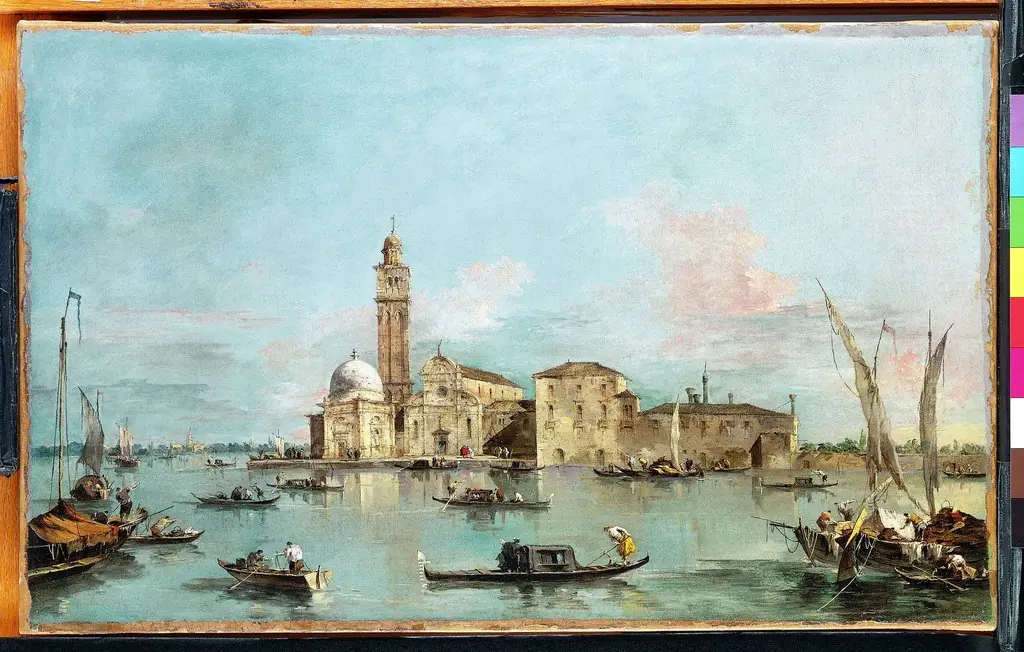
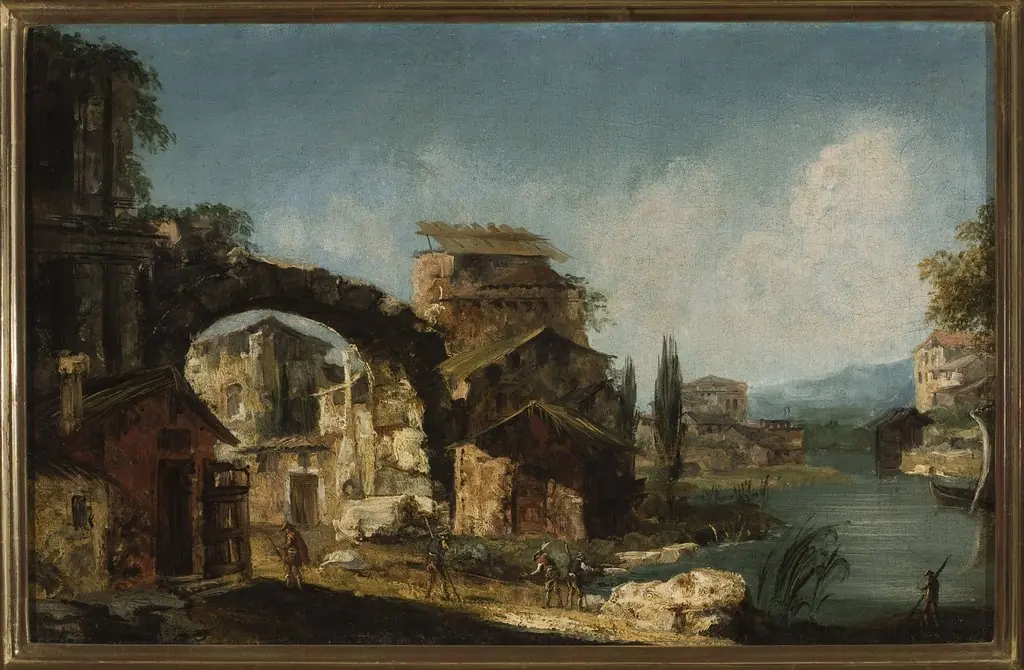
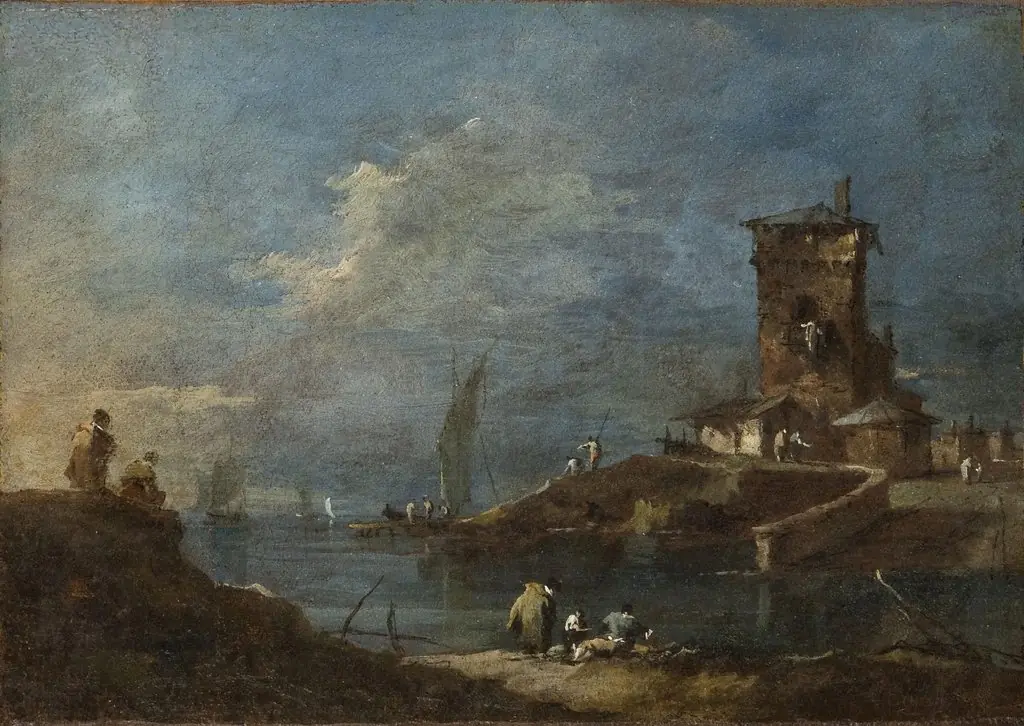
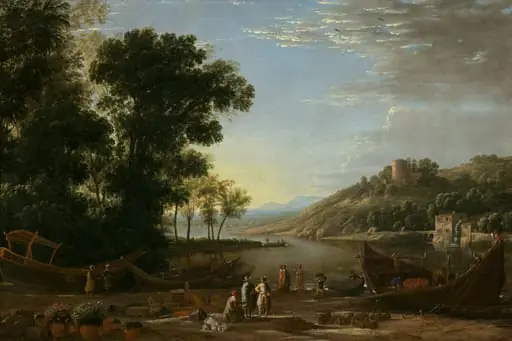
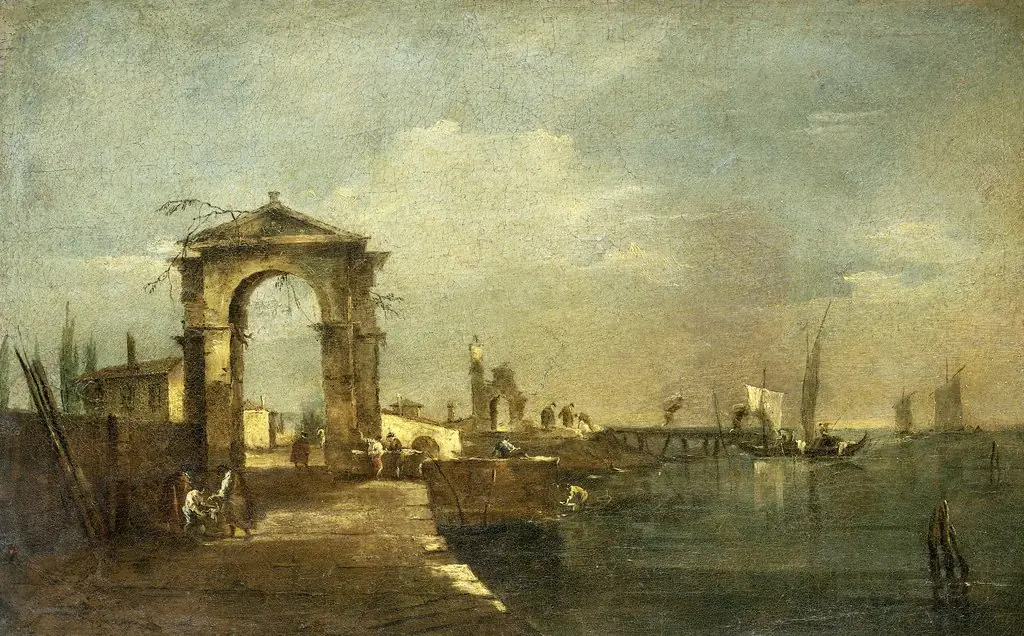
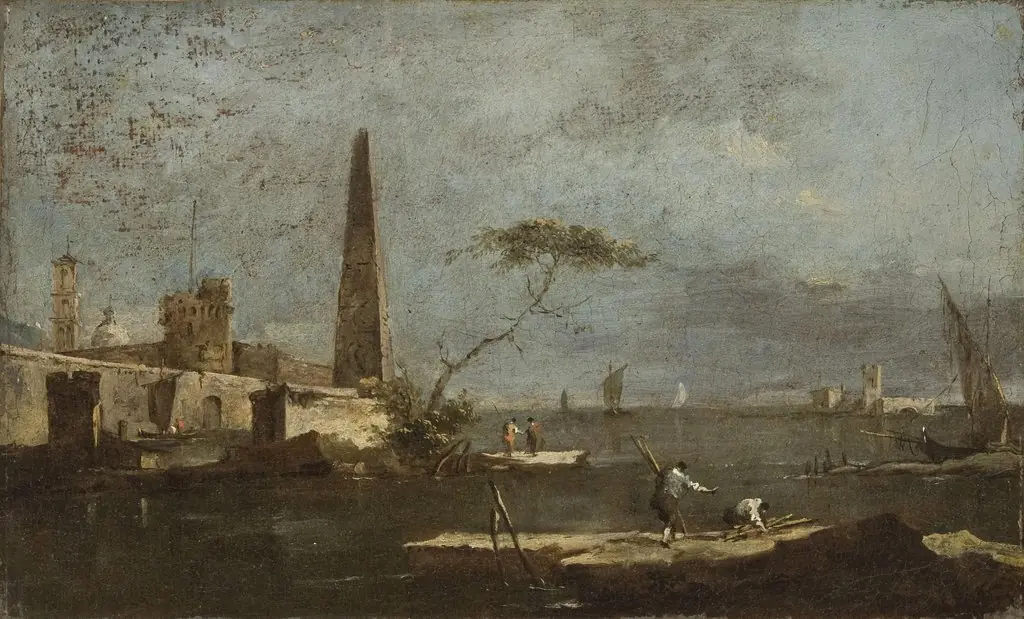
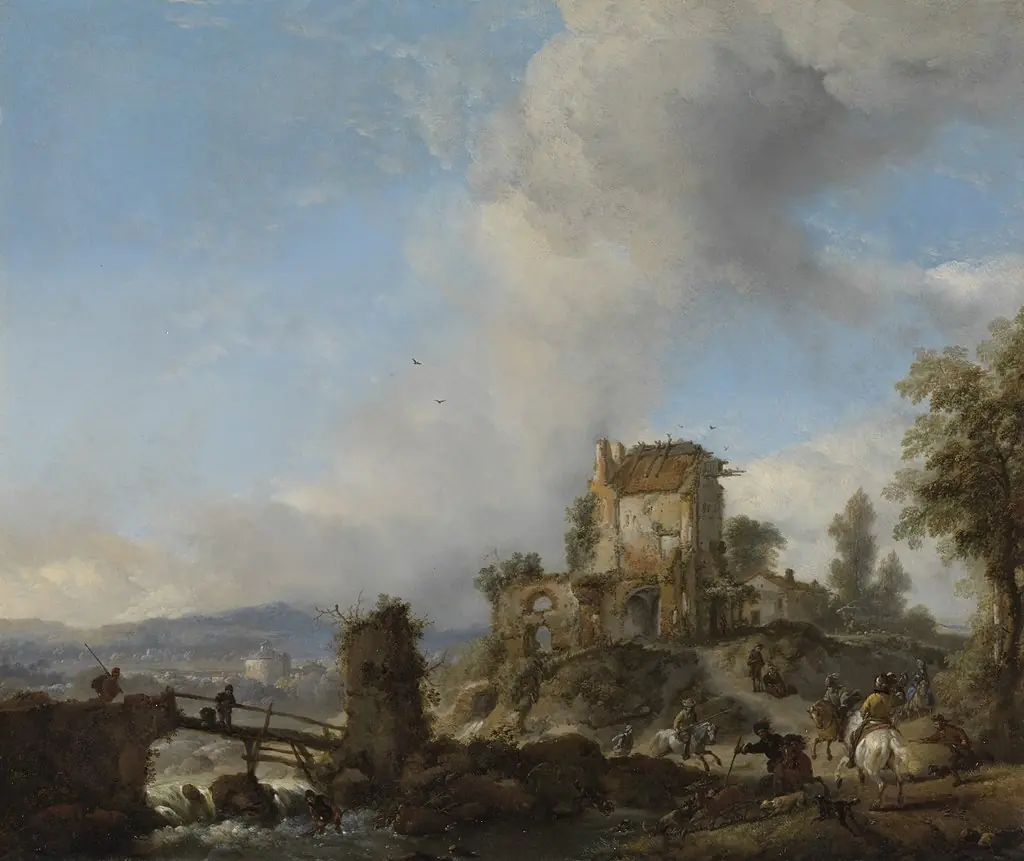
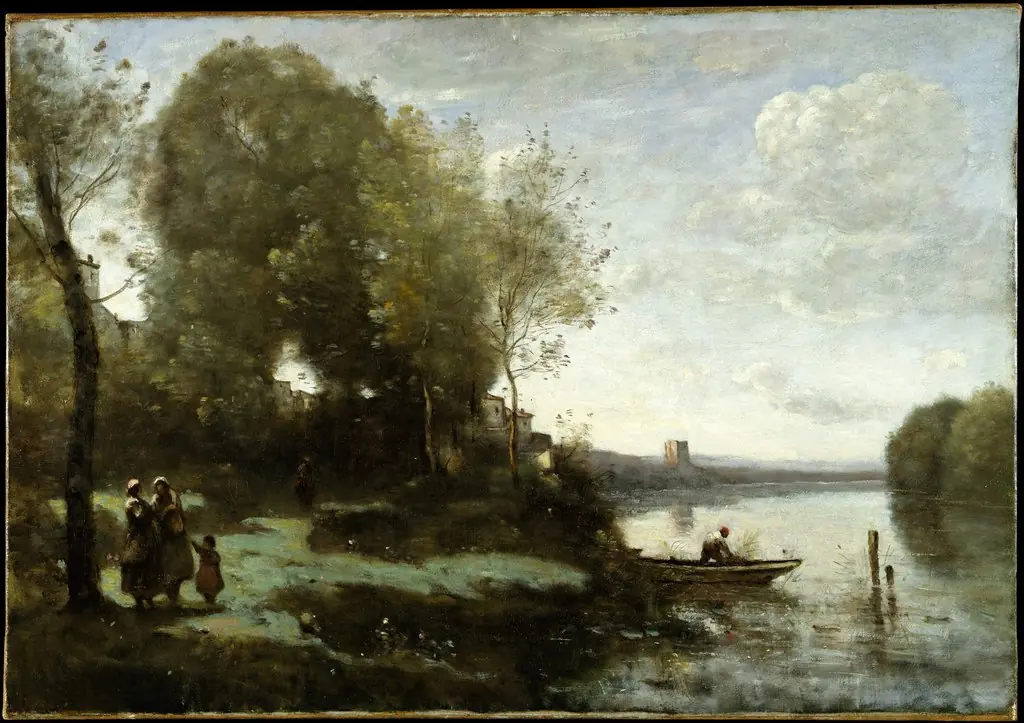
Fantastic Landscape by Francesco Guardi presents an imaginative rather than topographically accurate view of the natural world, a hallmark of the artist's capriccio tradition. The composition depicts a landscape setting populated with boats and framed by ruins, merging elements of pastoral scenery with architectural fragments to evoke a poetic, dreamlike vision of nature. By combining these motifs, Guardi transforms the landscape genre into a stage for reverie, where decaying structures and small vessels suggest the passage of time and the transience of human enterprise within a broader, idealized environment.
The painting reflects the eighteenth-century Venetian taste for fanciful scenery that prioritized mood and atmosphere over geographic fidelity.
Technique & Style
The work is executed in oil on canvas, consistent with Guardi’s Venetian practice of the mid-eighteenth century. Handling is fluid, with delicate, feathery brushwork that animates foliage and clouds, while architectural elements are rendered with lighter, calligraphic strokes to suggest distance. Compositional balance is achieved through a diagonal recession of ruins and boats, guiding the eye from foreground activity toward a luminous, atmospheric middle ground.
The palette favors silvery greens and warm ochers, with touches of ultramarine in the sky, producing a shimmering, almost theatrical effect. Stylistic traits include the Rococo tendency toward the picturesque and the incipient Romantic interest in mood and light, conveyed through a softened, luminous treatment of form.
History & Provenance
The painting Fantastic Landscape was created in 1765 by Francesco Guardi as an oil on canvas work measuring 155.6 × 189.2 cm. It portrays a boat, ruins and a landscape scene. According to the Metropolitan Museum of Art records, the piece has been part of the museum's collection since its acquisition, bearing accession number 53.225.4. The work is classified as a landscape painting and is documented in both the museum's catalog and scholarly references on Guardi's oeuvre.
Its provenance therefore follows the typical trajectory of a 18th‑century Venetian artwork, moving from the artist's studio to the Met's holdings.
Fantastic Landscape is an oil on canvas painting by Francesco Guardi, created in 1765. The work is held by the Metropolitan Museum of Art in New York and is accessioned as 53.225.4. Its dimensions are 155.6 cm by 189.2 cm, and it portrays a river scene with a boat and ruins typical of Guardi’s Venetian landscape genre.
The painting remains in the museum’s permanent collection, and no specific exhibition record is noted in the sources consulted.
Overview
Francesco Guardi, an 18th-century Venetian painter, created Fantastic Landscape in 1765 using oil paint. This painting exemplifies the Rococo style prevalent in his later career. It depicts an imagined scene featuring architectural ruins, a body of water, and small figures.
The work is now part of the collection at The Metropolitan Museum of Art, representing Guardi's distinct contribution to landscape painting.
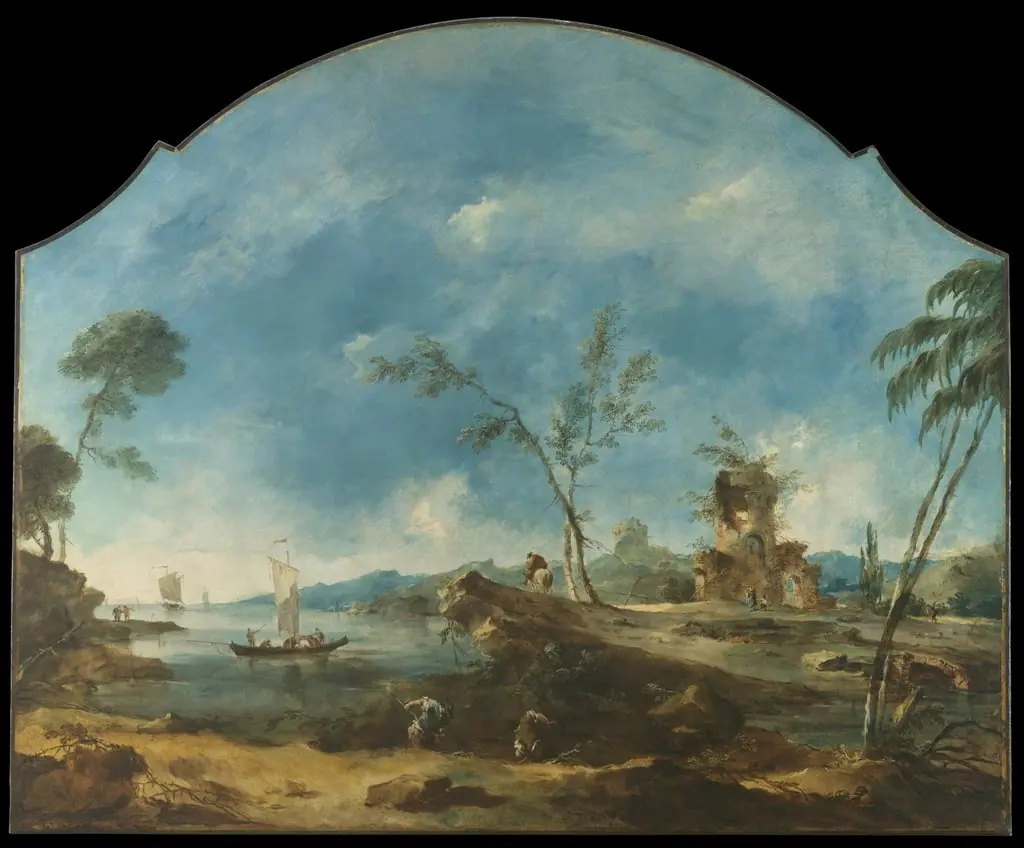
Own this work as a print
Artist & collection

Artist
Francesco Lazzaro Guardi (Italian pronunciation:; 5 October 1712 – 1 January 1793) was an Italian painter, nobleman, and a member of the Venetian School.