Artwork
The Crucifixion
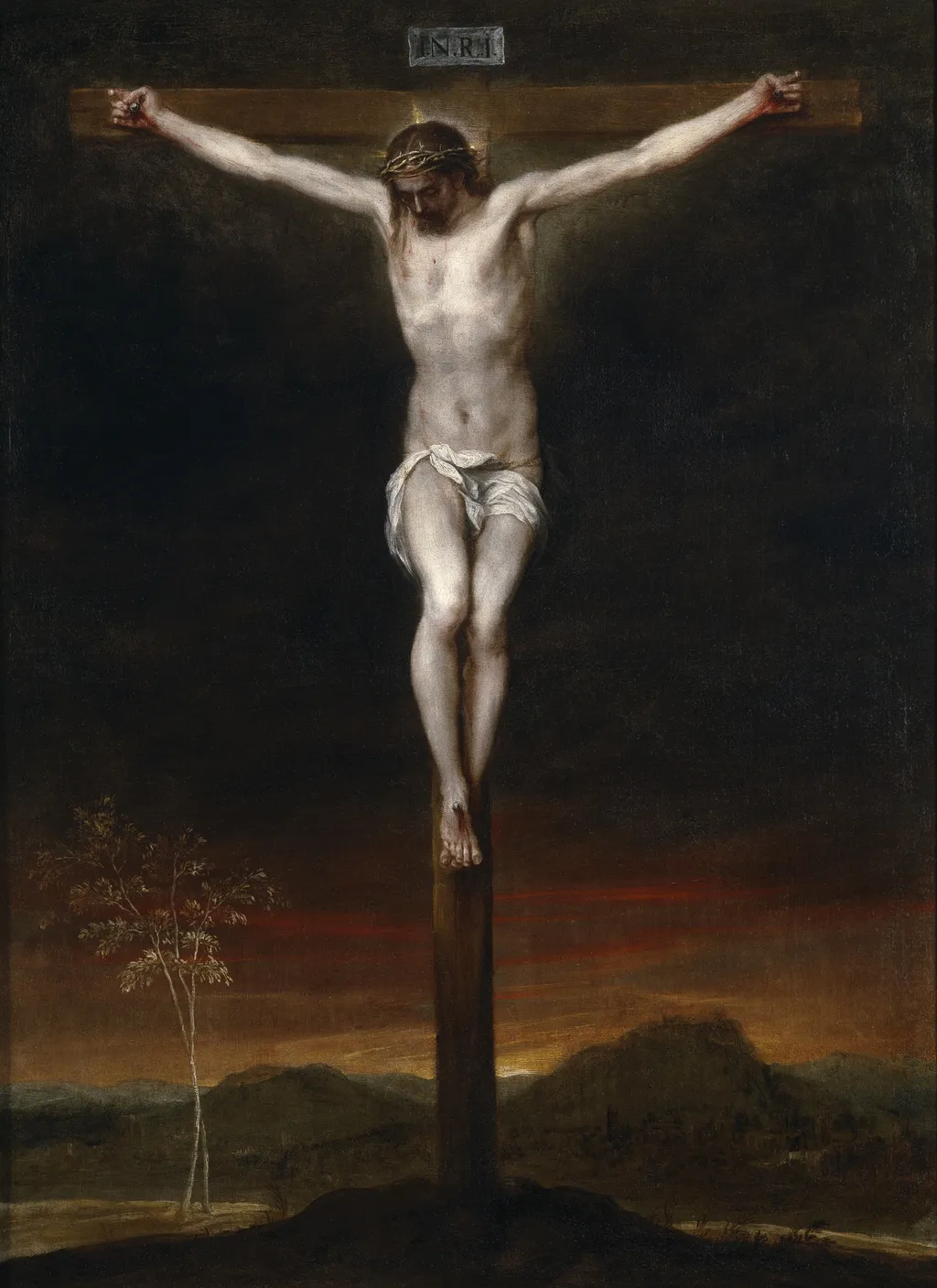
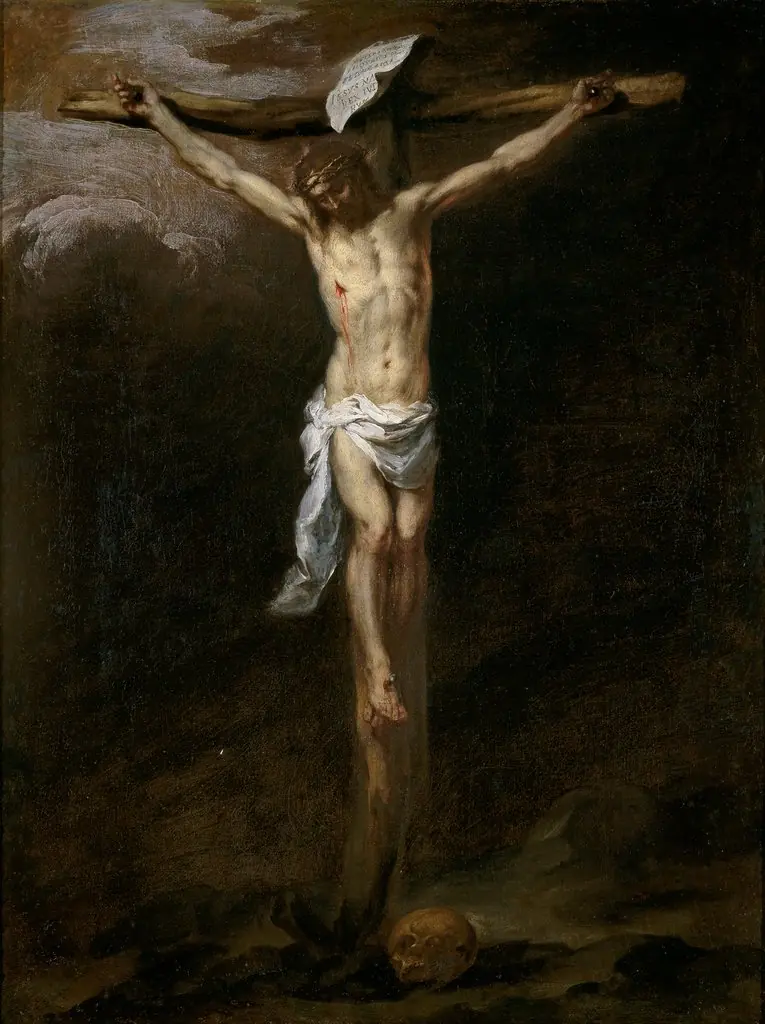
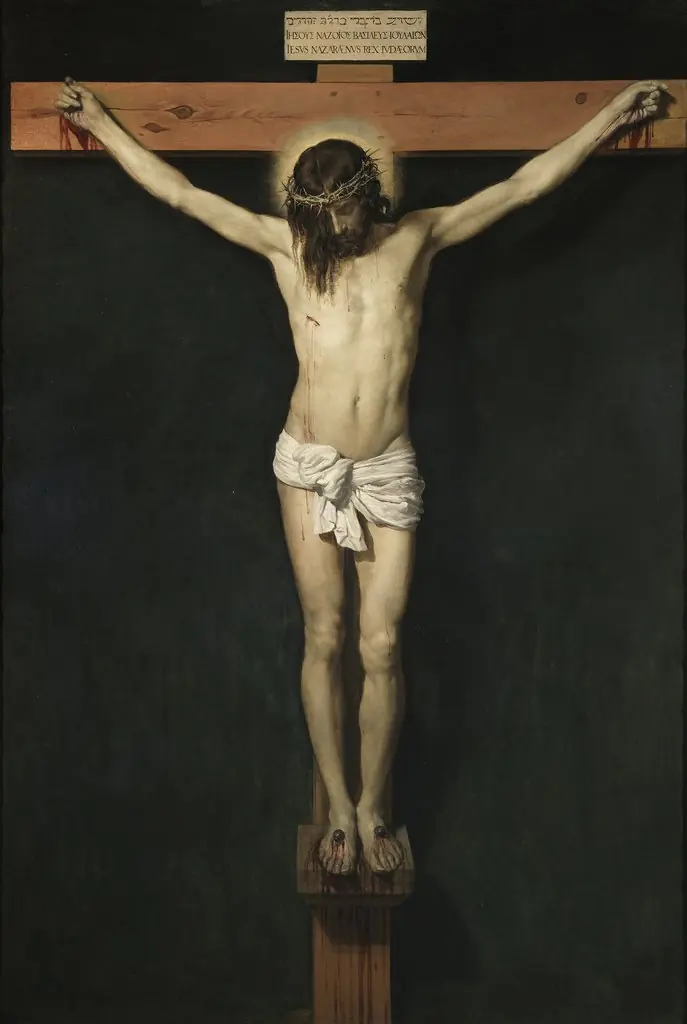
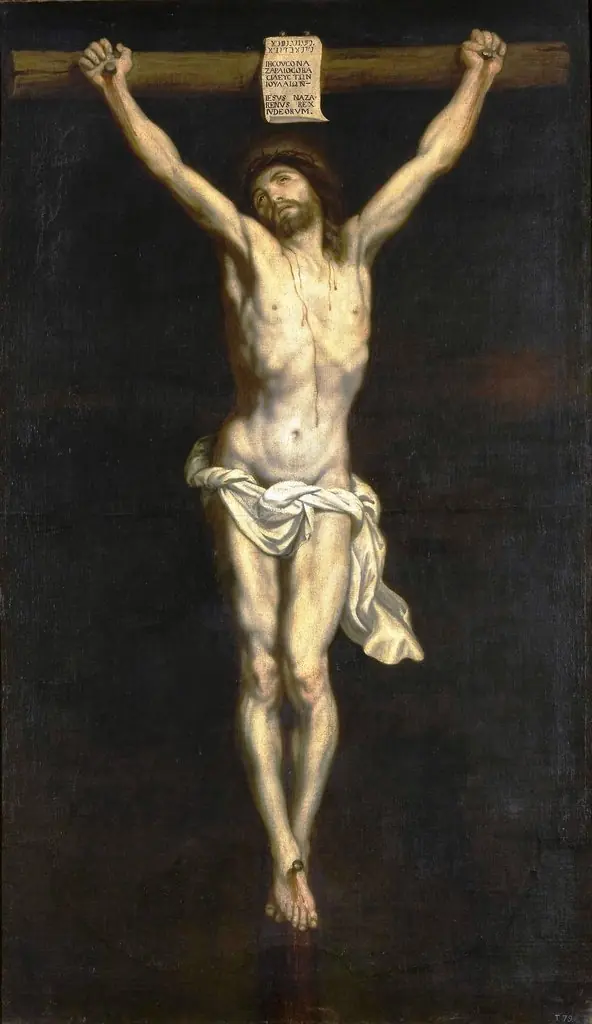
The Crucifixion is an oil painting by the Early Baroque Italian artist Alonso Cano. It dates from 1635 and is held in the collection of the Museo del Prado.
About this work
Subject & Meaning
The composition focuses on this single figure of Christ on the cross, rendered as a devotional religious image intended for contemplation of the Passion.
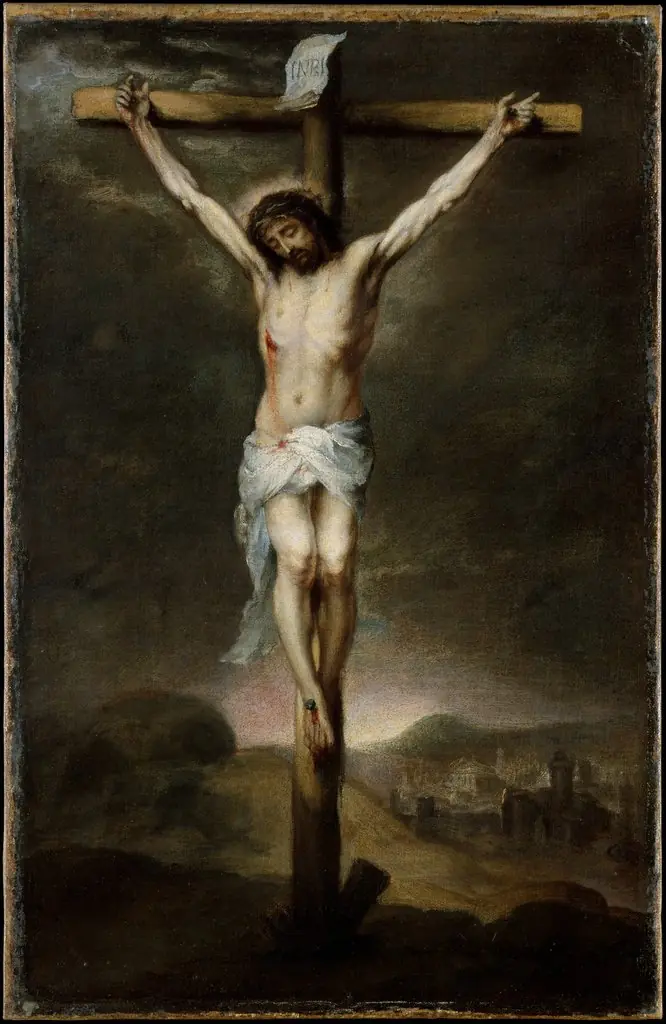
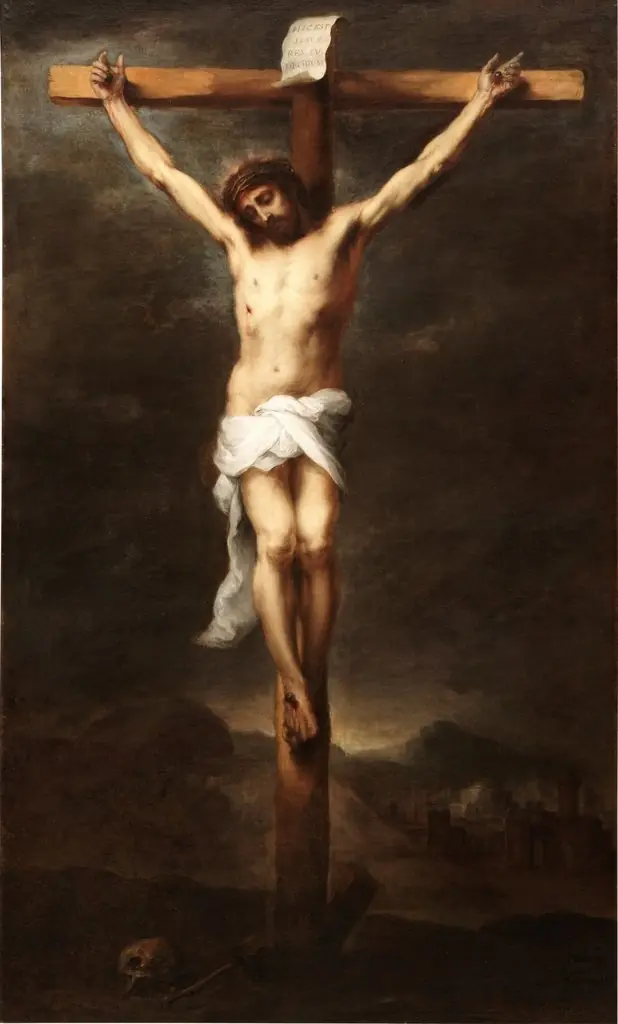
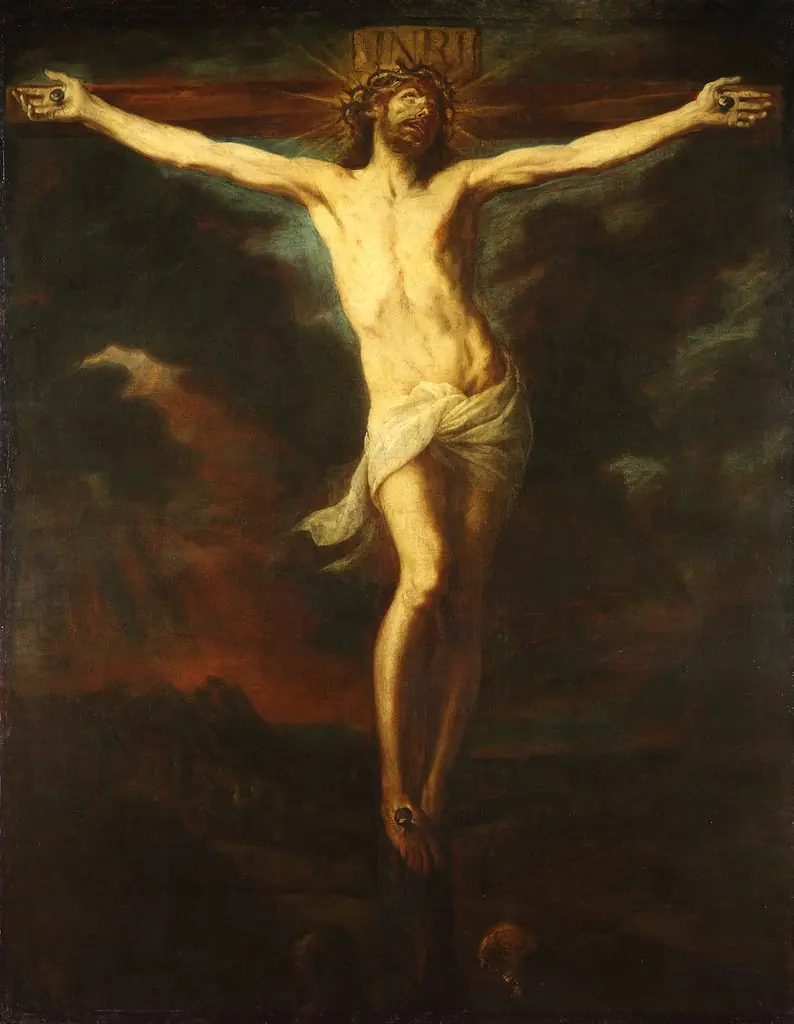
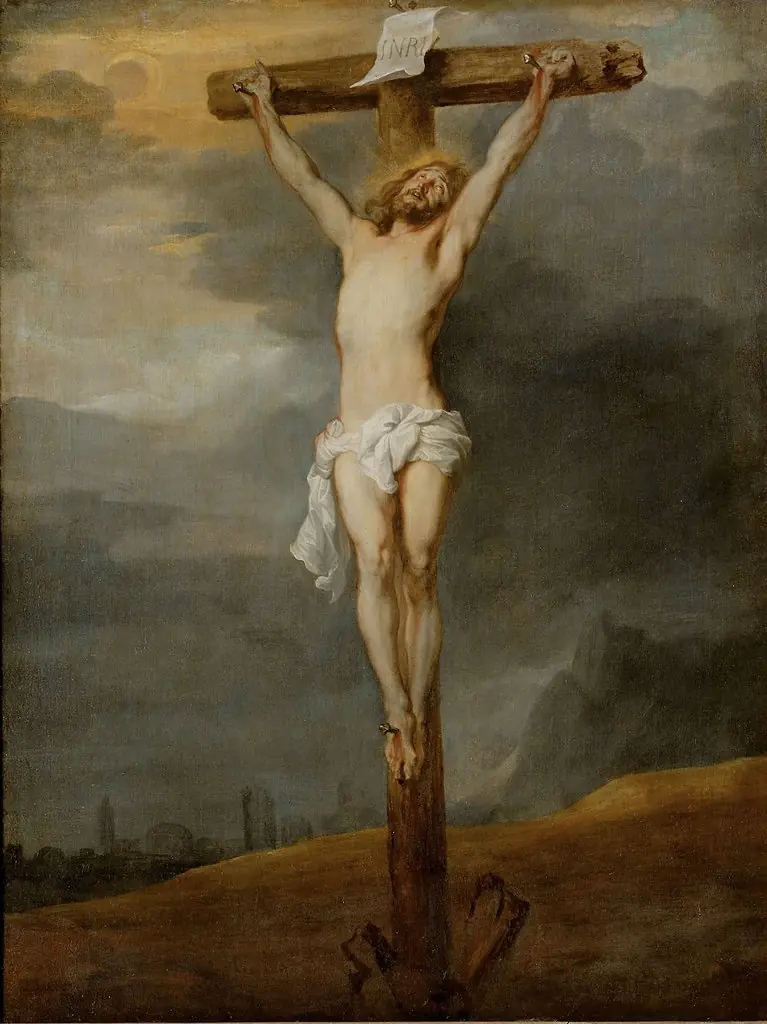
The painting depicts the crucifixion of Jesus Christ, the central event of Christian salvation in which Christ is nailed to and dies upon the cross. The composition focuses on this single figure of Christ on the cross, rendered as a devotional religious image intended for contemplation of the Passion.
In Christian iconography, the crucifixion is the defining symbol of Christ's sacrifice and redemptive death for humanity, and depictions of it traditionally emphasize suffering, sacrifice, and divine love. By isolating the moment of Christ's death on the cross, the work invites the viewer to meditate on the theological meaning of the Passion rather than on narrative action.
The subject is identified as the crucifixion of Jesus, with the cross itself functioning as the primary symbolic element alongside the figure of Christ.
Technique & Style
The Crucifixion by Alonso Cano is executed in oil paint on canvas, a standard support for Spanish Baroque religious painting. The work measures 130 cm in height by 96 cm in width. Its subject is the crucifixion of Jesus Christ, depicted as a religious devotional image. The medium and dimensions are consistent with mid-seventeenth-century Spanish devotional panels intended for intimate viewing.
History & Provenance
Alonso Cano executed The Crucifixion in 1635, a date established as the authoritative year of inception for the work. Created as a religious painting, the piece was produced using oil paint on canvas. The artwork measures 130 cm in height and 96 cm in width.
While some records indicate a broader timeframe for its creation ranging into 1650, the specific year 1635 is the canonical dating. The painting depicts Jesus Christ on the cross and is currently held in the collection of the Museo del Prado.
The Crucifixion by Alonso Cano is held at the Museo del Prado, where it is recorded under inventory number P00968. It was created in 1635 using oil paint on canvas, measuring 130 cm in height and 96 cm in width. The work has been part of the museum's collection since its acquisition and was featured in the Prado's 2010 exhibition of Spanish Baroque paintings.
The painting depicts the crucifixion of Jesus Christ and is categorized as a religious artwork within the museum's religious art holdings.
Overview
Alonso Cano’s oil painting The Crucifixion, completed in 1635, portrays the biblical scene of Christ on the cross. The work is part of the collection at Madrid’s Museo del Prado and exemplifies the artist’s engagement with religious subject matter during the early Baroque period.
Own this work as a print
Artist & collection