Artwork
Untitled
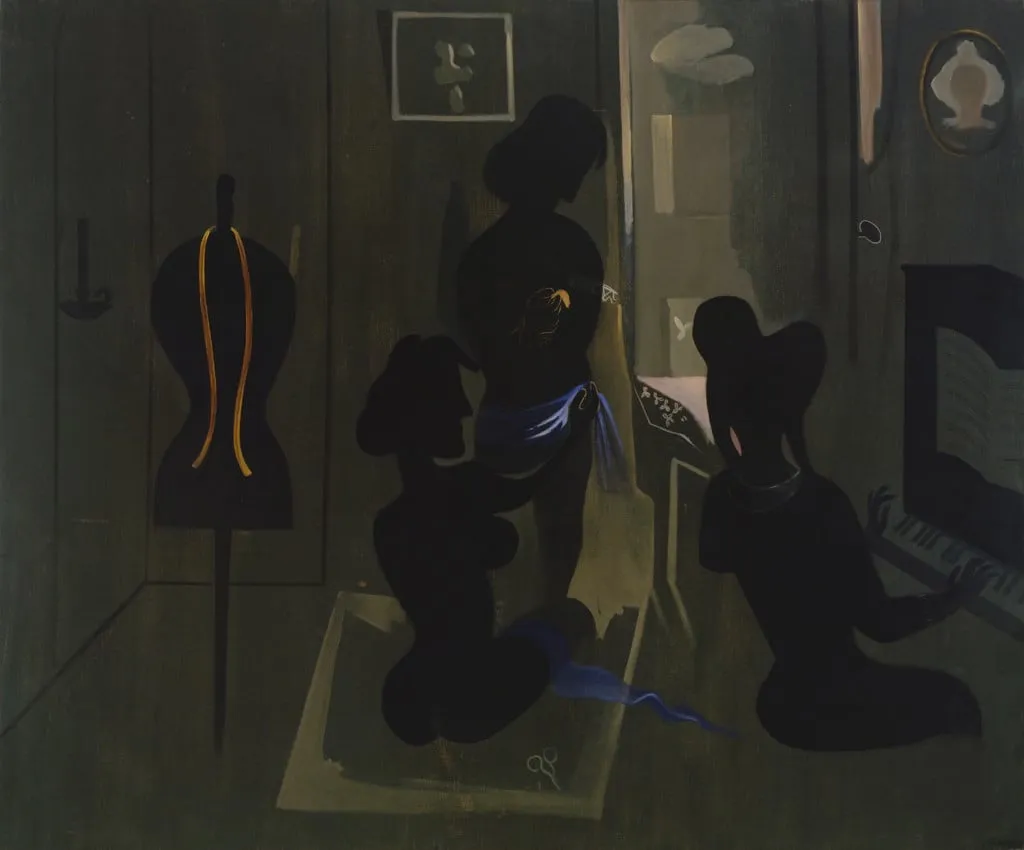
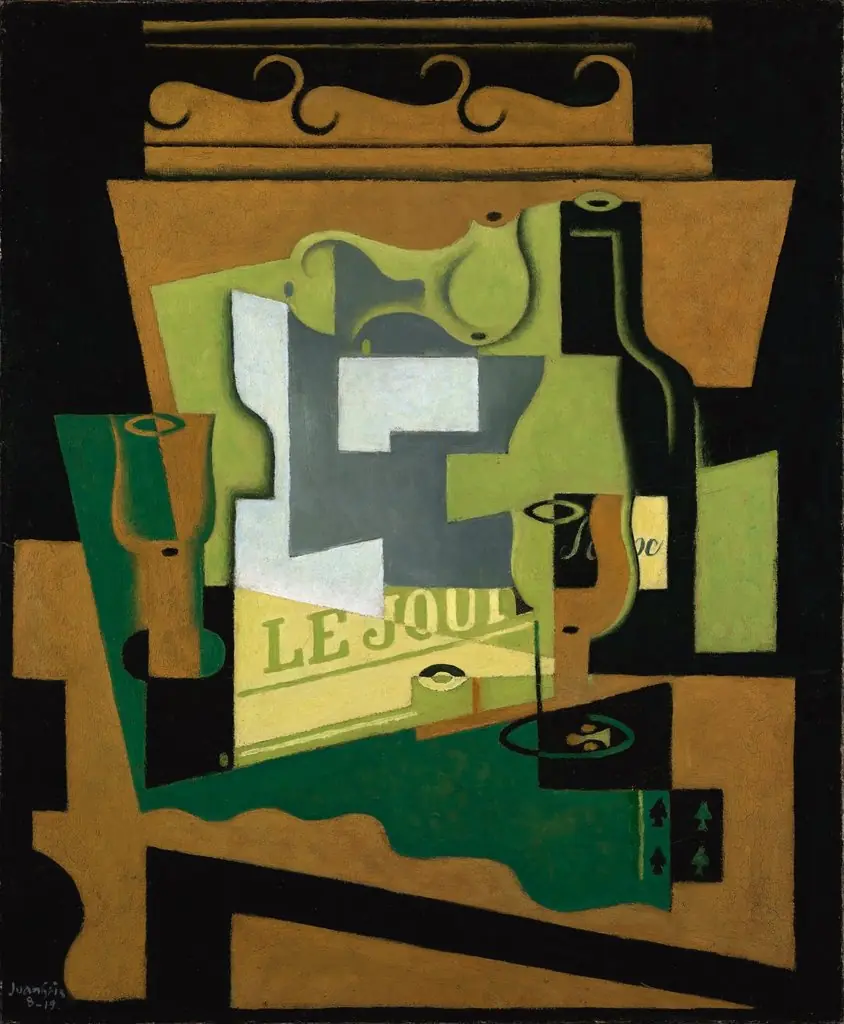
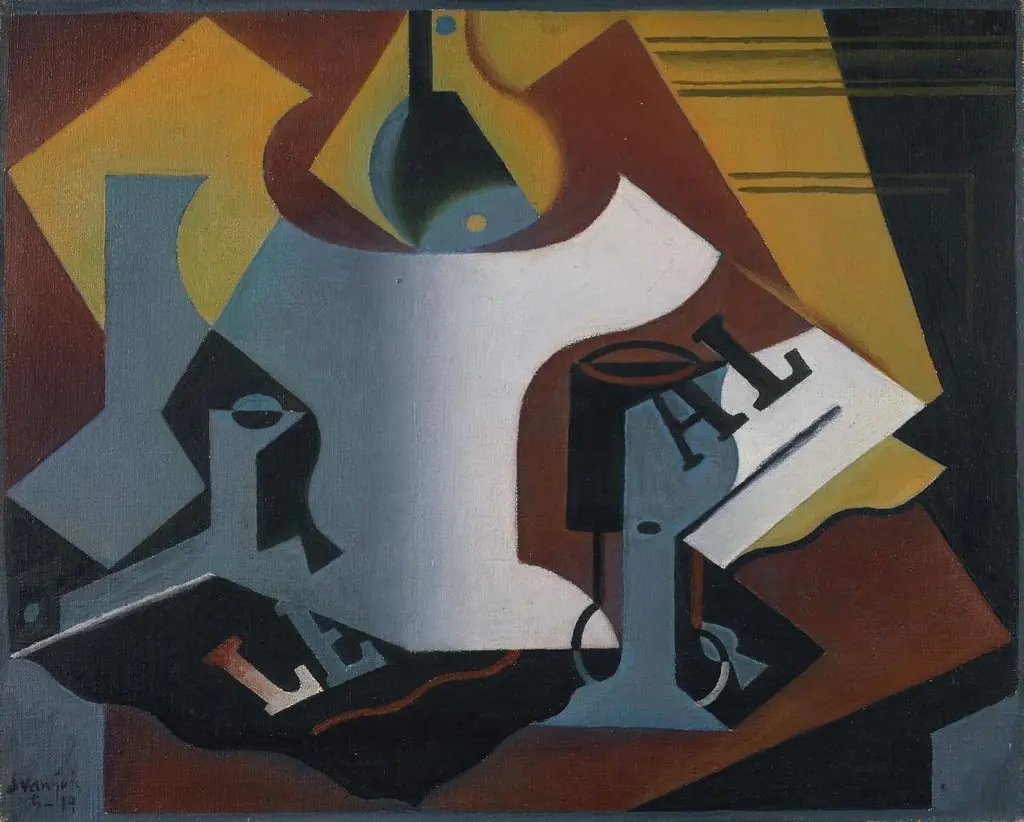
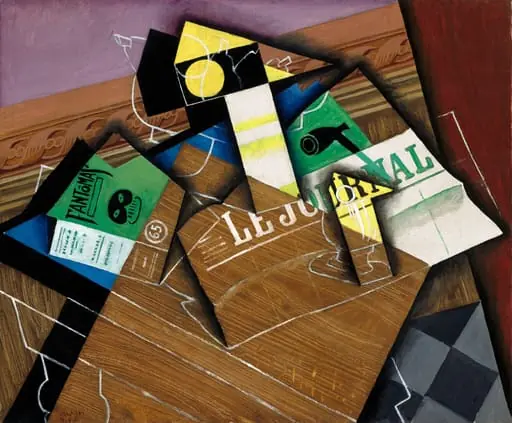
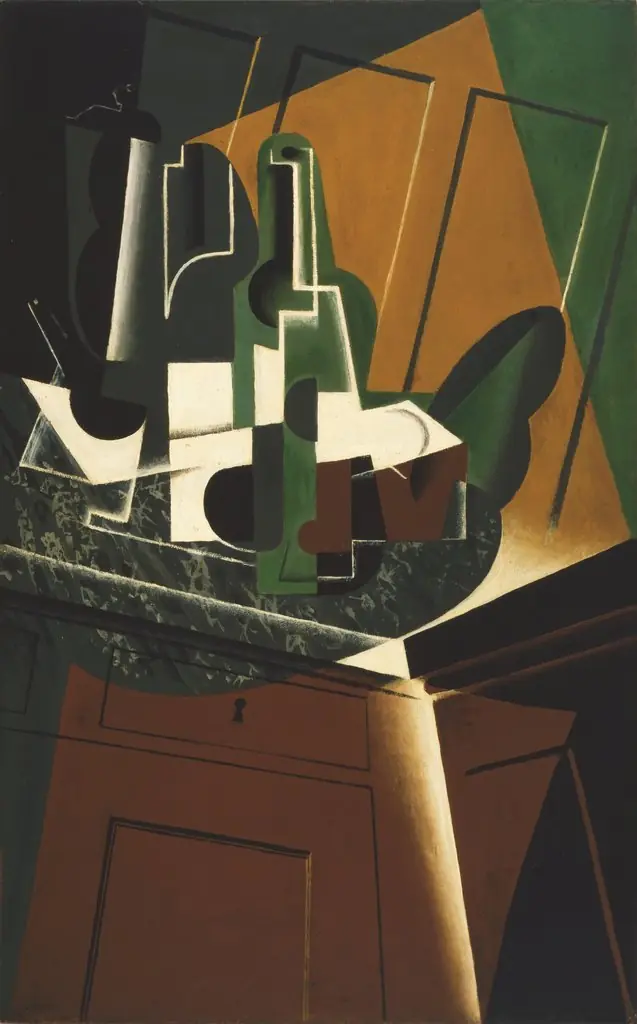
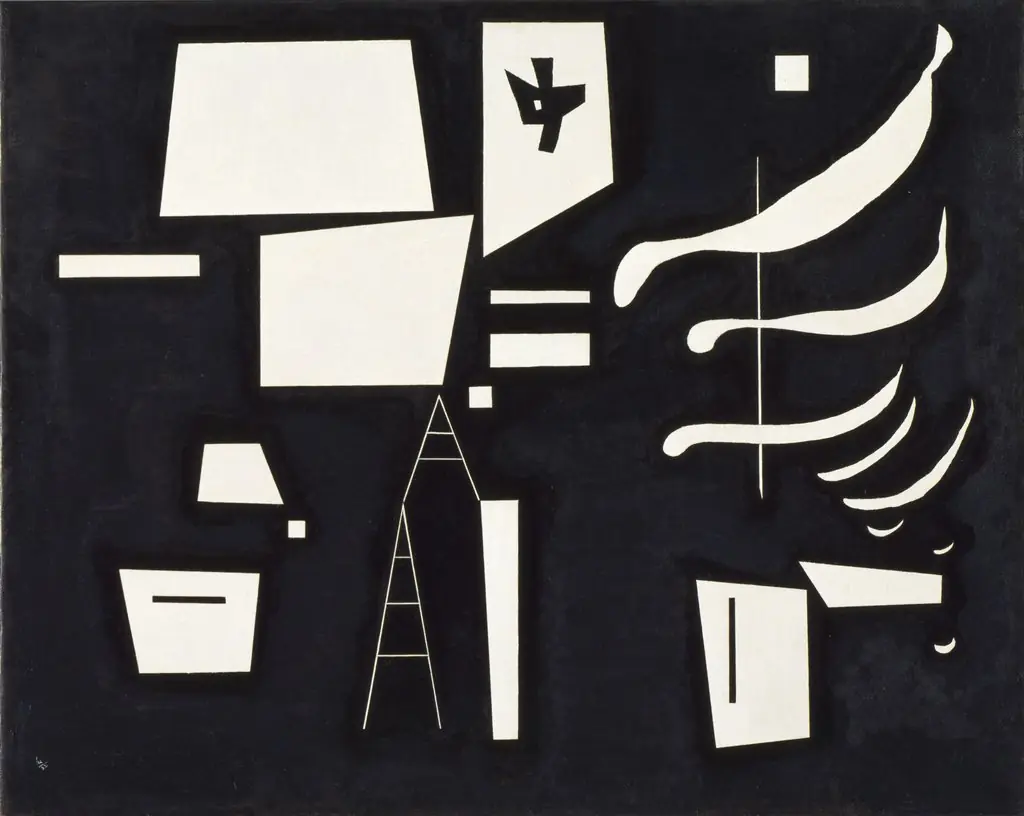
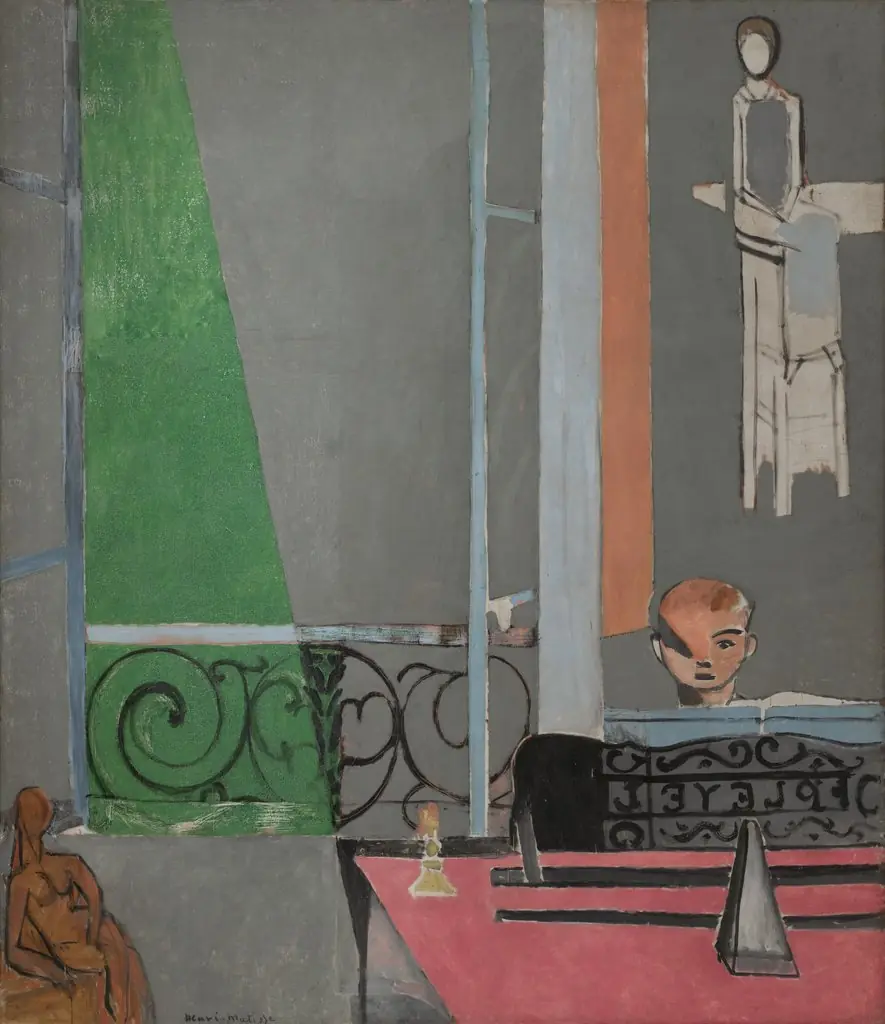
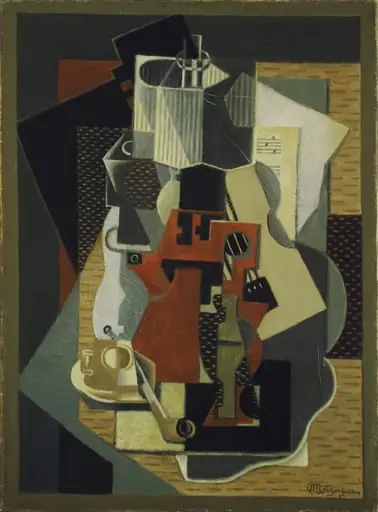
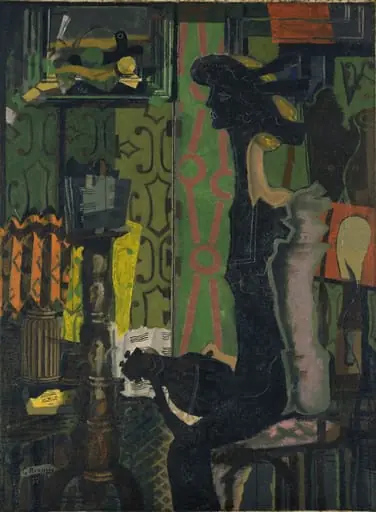
Untitled is an oil painting by Francisco Borès. It dates from 1934 and is held in the collection of the Museum of Modern Art.
About this work
Overview
The painting is part of The Museum of Modern Art’s permanent collection, reflecting its significance in early 20th-century European modernism.
Painted in 1934, this oil on canvas work by Spanish artist Francisco Bores is an abstract composition that emerged from his time in Paris during the interwar period. Though labeled as Dada-influenced, its imagery leans toward surreal narrative rather than pure anti-art provocation. The painting is part of The Museum of Modern Art’s permanent collection, reflecting its significance in early 20th-century European modernism.
Subject & Meaning
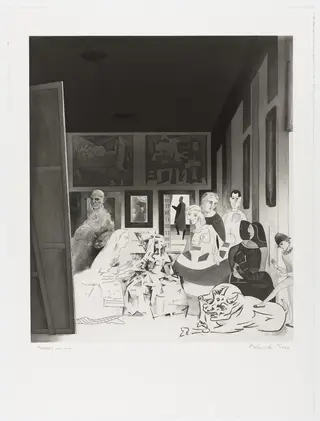
The scene depicts two figures in a dim interior, one attending to a mannequin draped in a black dress marked by a vivid orange stripe, the other holding a small, ambiguous object. The presence of the mannequin, the ribbon, and the mirror suggests themes of identity, display, and perception. The quiet tension between the figures implies an unspoken ritual, possibly commenting on artifice or the construction of femininity in modern culture.
Technique & Style
Bores employs chiaroscuro to heighten emotional contrast, isolating the orange stripe and the figures’ gestures against a near-black background. Brushwork is controlled yet expressive, blending realism in form with abstraction in atmosphere. The lighting directs focus without narrative clarity, reinforcing the painting’s enigmatic tone. Framed artworks and a mirror on the wall extend the space ambiguously, challenging spatial logic.
History & Provenance
Francisco Bores relocated to Paris in the 1920s, engaging with avant-garde circles but remaining largely outside mainstream recognition in Spain. This painting, created a decade later, reflects his synthesis of European modernist trends. It entered The Museum of Modern Art’s collection in the mid-20th century, where it has since served as an example of lesser-known but conceptually rich Spanish contributions to interwar abstraction.
Context
Created during the rise of Surrealism and the waning of Dada, the work aligns with a broader European interest in psychological ambiguity and the uncanny. While Bores was not part of any formal group, his engagement with Parisian modernism placed him alongside figures like Picasso and Miró. The painting’s quiet unease mirrors the cultural anxieties of the 1930s, where identity and representation were increasingly questioned.
Legacy
Though Bores received little acclaim in his native Spain during his lifetime, this painting contributes to a reassessment of his role in transnational modernism. Its inclusion in MoMA’s collection has helped reintroduce his work to broader audiences, positioning him as a quiet but deliberate explorer of psychological and visual tension within interwar abstraction.
Artist & collection
Artist
Francisco Bores (Madrid, May 6, 1898 – Paris, May 10, 1972) was an important figure of twentieth-century European art.