Artwork
Three Women
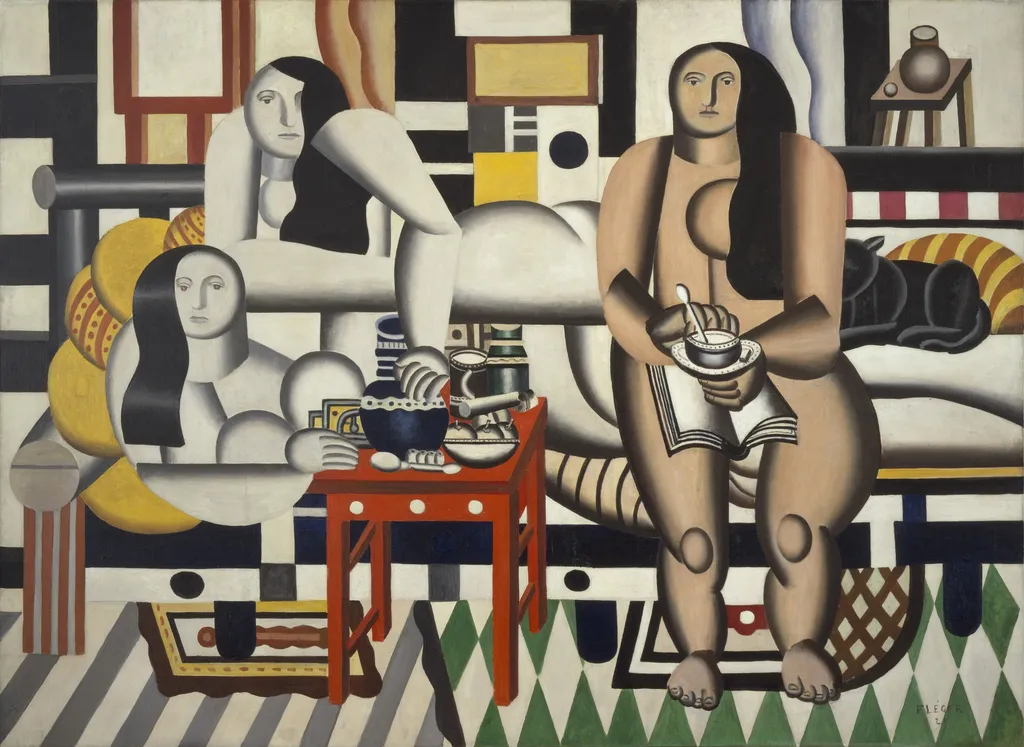
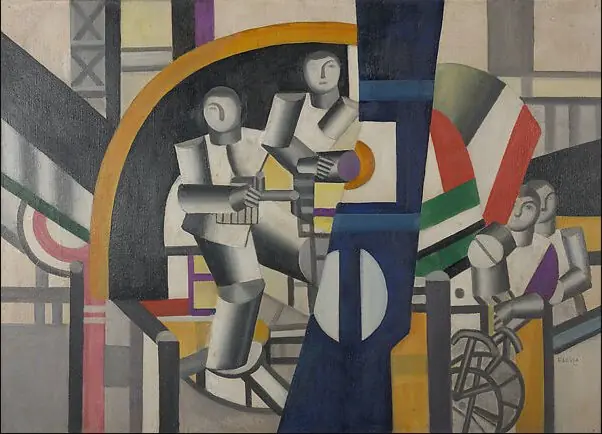
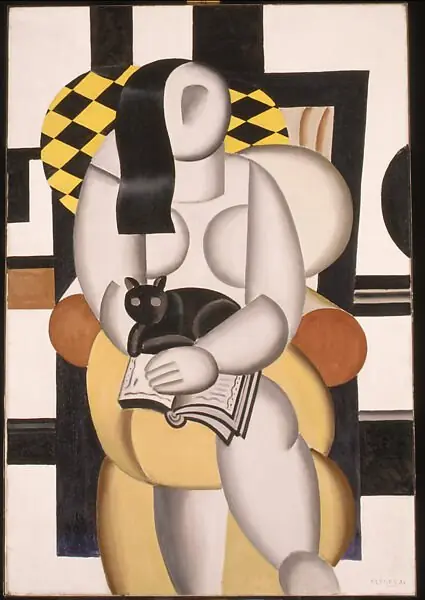
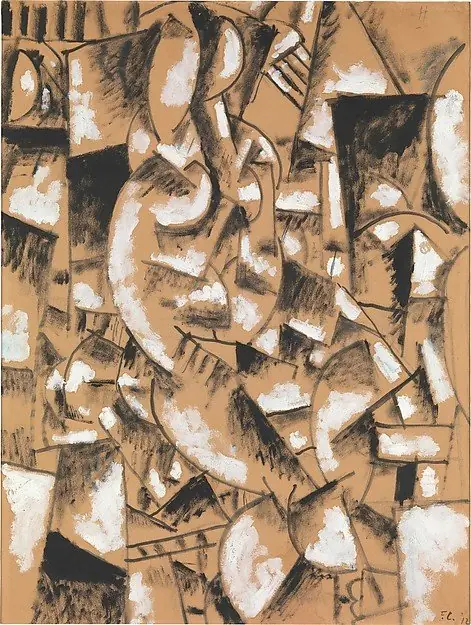
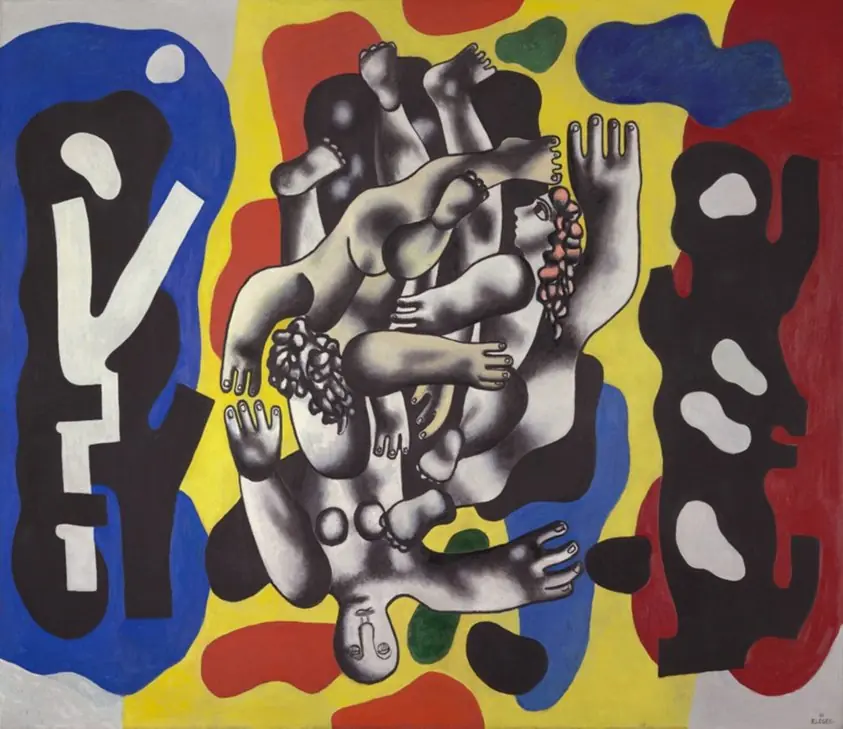
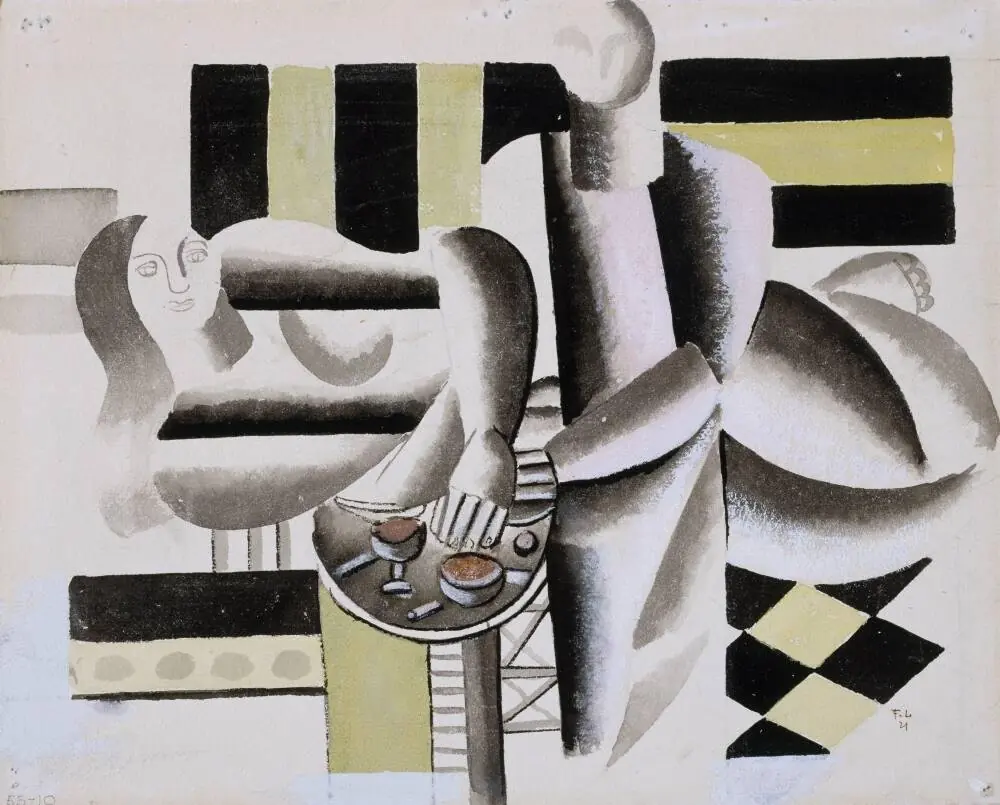
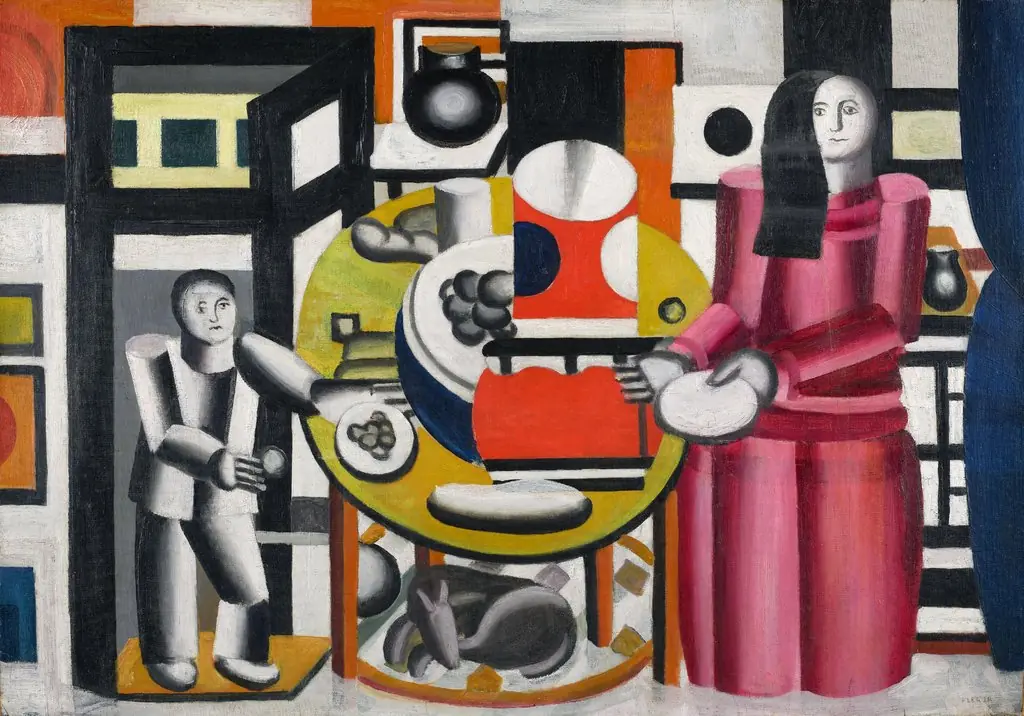
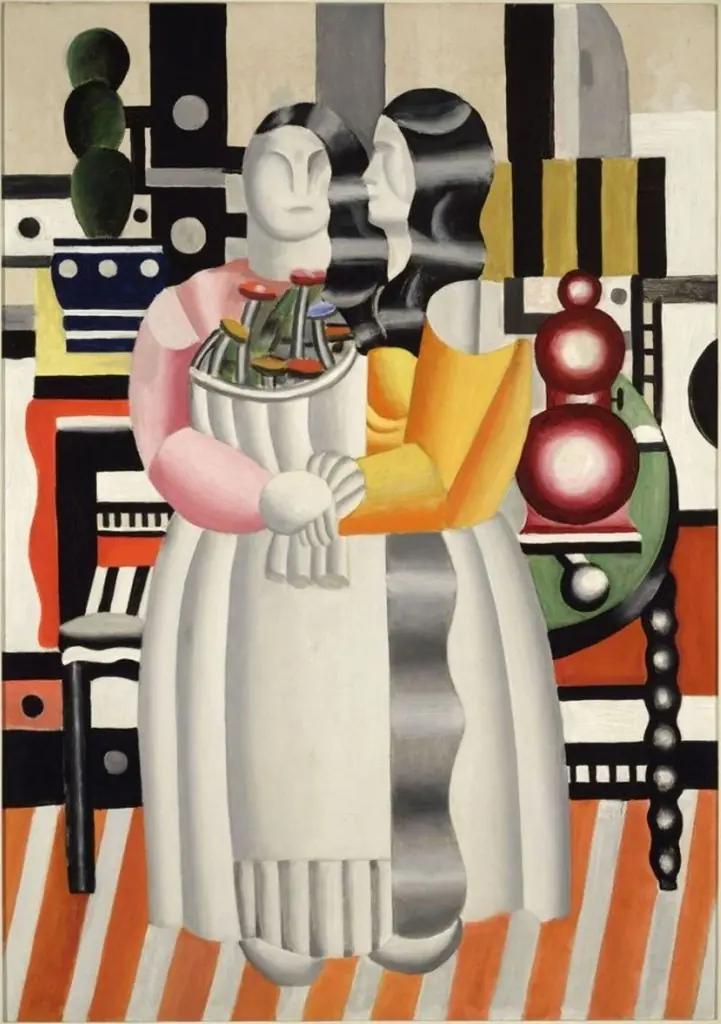
Three Women is an oil painting by the Cubism Synthetic artist Fernand Léger. It dates from 1920 and is held in the collection of the Museum of Modern Art.
About this work
Overview
The palette is restrained, dominated by earthy browns, muted yellows, and soft greens, contributing to a quiet, contemplative atmosphere.
Three Women is an oil painting by Fernand Léger completed in 1920. It presents three female figures within a domestic interior, rendered through simplified, angular forms. The composition integrates human bodies and everyday objects into a unified geometric structure.
The palette is restrained, dominated by earthy browns, muted yellows, and soft greens, contributing to a quiet, contemplative atmosphere.
Subject & Meaning
The painting portrays three nude or partially draped women in a private space, their bodies abstracted into cylindrical and conical volumes. One figure holds a towel, suggesting a moment of transition or ritual. Léger avoids narrative or eroticism, instead emphasizing the women as architectural elements within a structured environment, reflecting his interest in modernity and the human form as part of a mechanized world.
Technique & Style
Léger employs a synthetic Cubist approach, reducing forms to flat planes and bold contours. Texture is introduced through subtle impasto and layered glazes, particularly in the background and fabric surfaces. The figures and furnishings are rendered with uniform brushwork, minimizing individuality in favor of rhythmic repetition. This method aligns with his broader goal of merging the organic with the industrial aesthetic.
History & Provenance
Painted in 1920, the work entered the collection of the Museum of Modern Art in New York in 1937. It was acquired during the museum’s early years of building its modernist holdings, reflecting institutional interest in European avant-garde movements. Its presence in MoMA’s collection has ensured its visibility within discussions of interwar modernism and the representation of the body in abstracted form.
Context
Created in the aftermath of World War I, the painting reflects Léger’s shift toward a more structured, mechanical style influenced by industrial design and urban life. While many contemporaries turned to expressionism or surrealism, Léger pursued clarity and order, integrating the human figure into a world of machines and mass production. The domestic setting contrasts with his earlier war-inspired works, suggesting a search for stability.
Legacy
Three Women exemplifies Léger’s distinctive synthesis of Cubism and modern life, influencing later movements such as Precisionism and mid-century graphic design. Its restrained palette and geometric clarity became a model for artists seeking to represent the human form without romanticism. The painting remains a touchstone in studies of how abstraction can convey presence without narrative.
Own this work as a print
Artist & collection
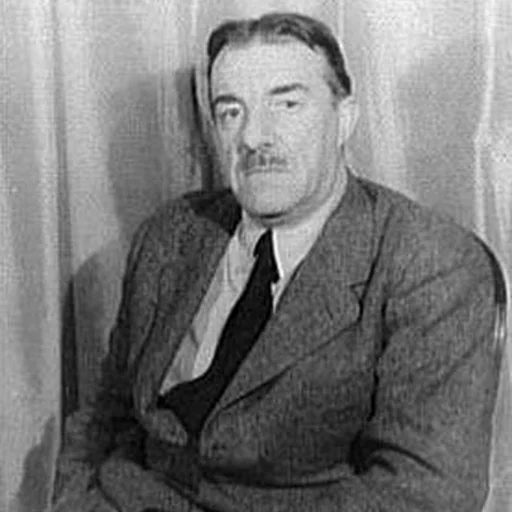
Artist
Joseph Fernand Henri Léger was a French painter, sculptor, and filmmaker. In his early works he created a personal form of cubism which he gradually modified into a more figurative, populist style. His boldly simplified…