Artwork
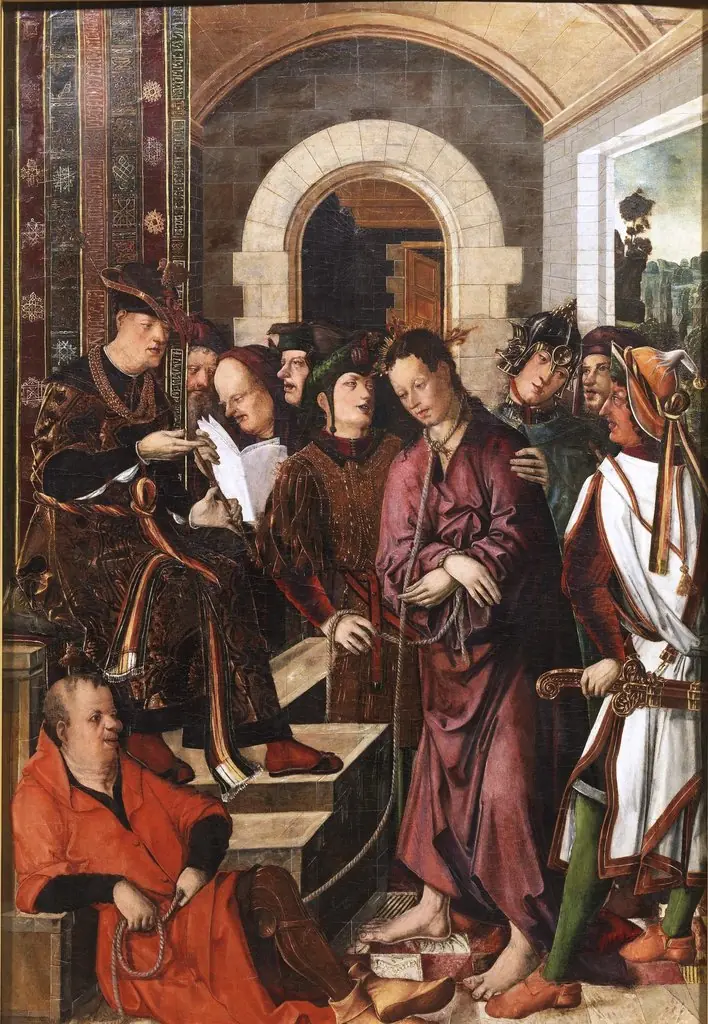
Pontius Pilate Washing his Hands
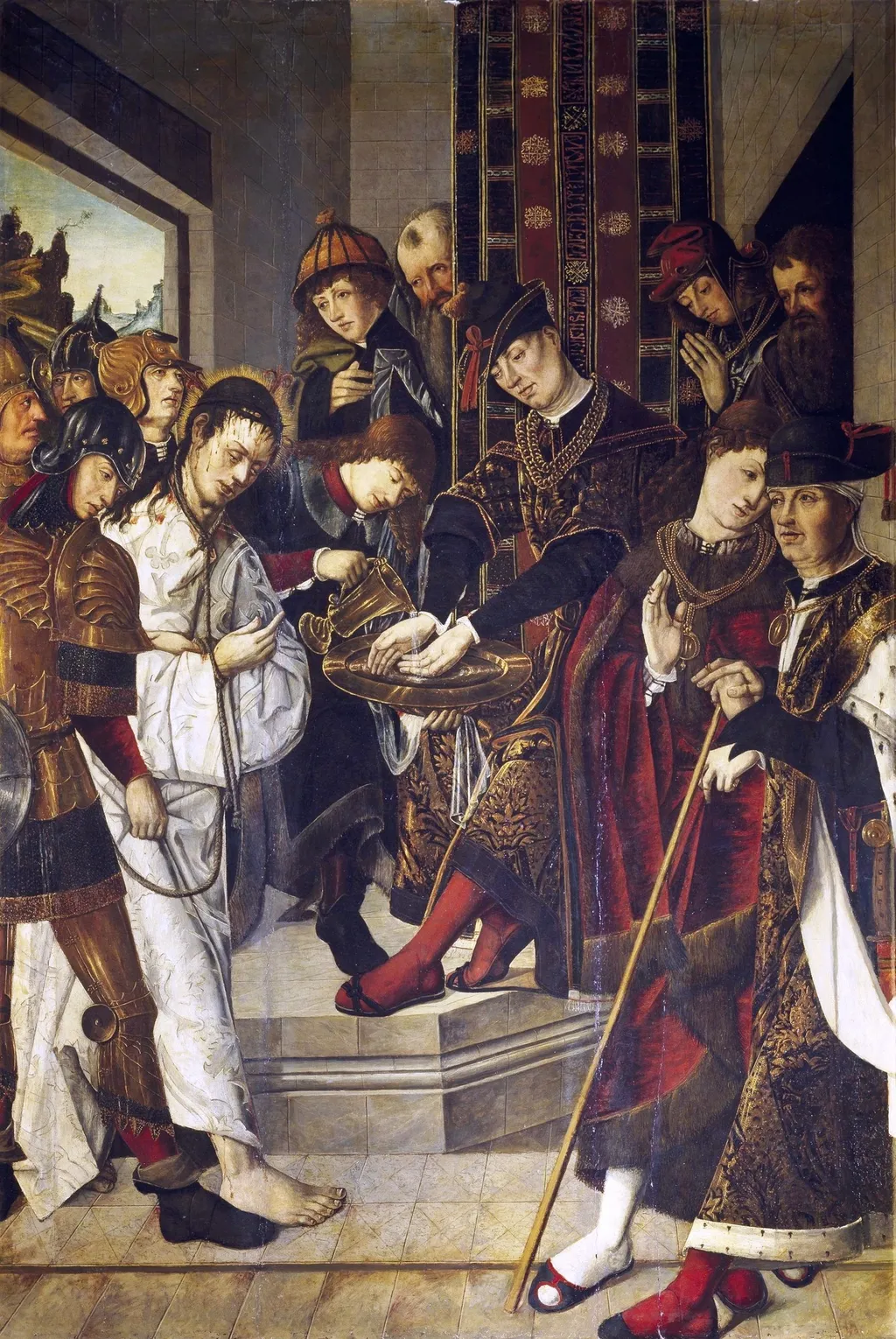
Pontius Pilate Washing his Hands is an oil painting by the Early Baroque Italian artist Francisco de Osona. It dates from 1500 and is held in the collection of the Museo del Prado.
About this work
Subject & Meaning
Francisco de Osona's painting illustrates the biblical moment when Pontius Pilate washes his hands to symbolically absolve himself of responsibility for the crucifixion of Jesus. The work focuses specifically on the act of hand washing, a gesture that serves as the central iconographic element representing the transfer of guilt and the official's declaration of innocence. As a piece of religious art created in 1500, the image functions as a visual narrative of this pivotal event in Christian theology, emphasizing the moral and legal implications of Pilate's action through the depicted ritual.
Technique & Style
The painting is executed in oil on panel, measuring 126 cm in height and 84 cm in width, and depicts the moment of Pilate washing his hands. It belongs to the religious genre and was created by Francisco de Osona around 1500. The work is part of the collection at the Museo del Prado, where it is displayed as a devotional image emphasizing ritual cleansing.
History & Provenance
Francisco de Osona's oil painting Pontius Pilate Washing his Hands, dated to 1500, is held in the collection of the Museo del Prado in Madrid.
The painting Pontius Pilate Washing his Hands was created by Francisco de Osona in 1500 as an oil on panel work. It entered the collection of the Museo del Prado, where it remains on display.
The artwork is classified as a religious painting depicting the biblical moment of Pilate washing his hands.
Francisco de Osona's oil painting Pontius Pilate Washing his Hands, dated to 1500, is held in the collection of the Museo del Prado in Madrid. The work is cataloged within the museum's inventory as a religious panel painting measuring 126 cm in height and 84 cm in width. The provided sources do not contain specific accession numbers or a record of past exhibitions for this artwork.
Overview
Created in 1500 by the Valencian painter Francisco de Osona, this oil on canvas presents the biblical episode of Pontius Pilate washing his hands. The composition centers on a solitary figure performing the ritual cleansing, while a group of onlookers reacts with varied gestures. The work is part of the Prado Museum’s collection and is classified as a religious painting within the early Baroque idiom that drew on contemporary Italian trends.
Context
Valencia in the early sixteenth century was a hub for artistic exchange between Spain and Italy. Osona’s willingness to adopt newer Italian techniques set him apart from more traditional local painters. The work’s subject, Pilate’s symbolic act of washing away culpability, resonated with contemporary religious discourse on authority and conscience.
Own this work as a print
Artist & collection
Artist
Francisco de Osona, also Francisco de Osona the Younger, (c.1465–c.1514) was a Spanish Renaissance painter.

- The Enthronement of Saint Romold as Bishop of Dublin
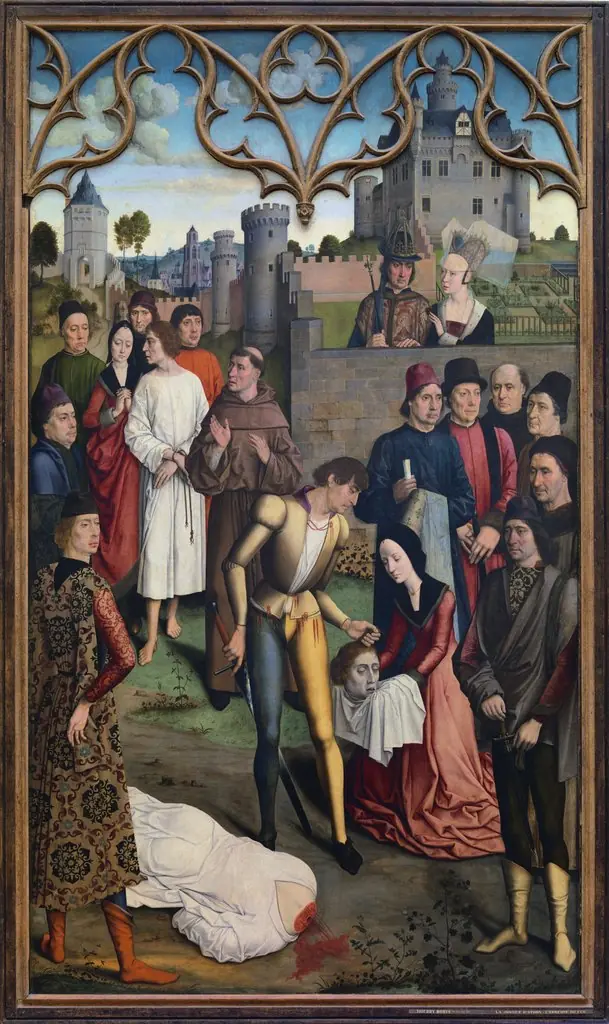 Justice of Emperor Otto III: The Beheading of the Innocent
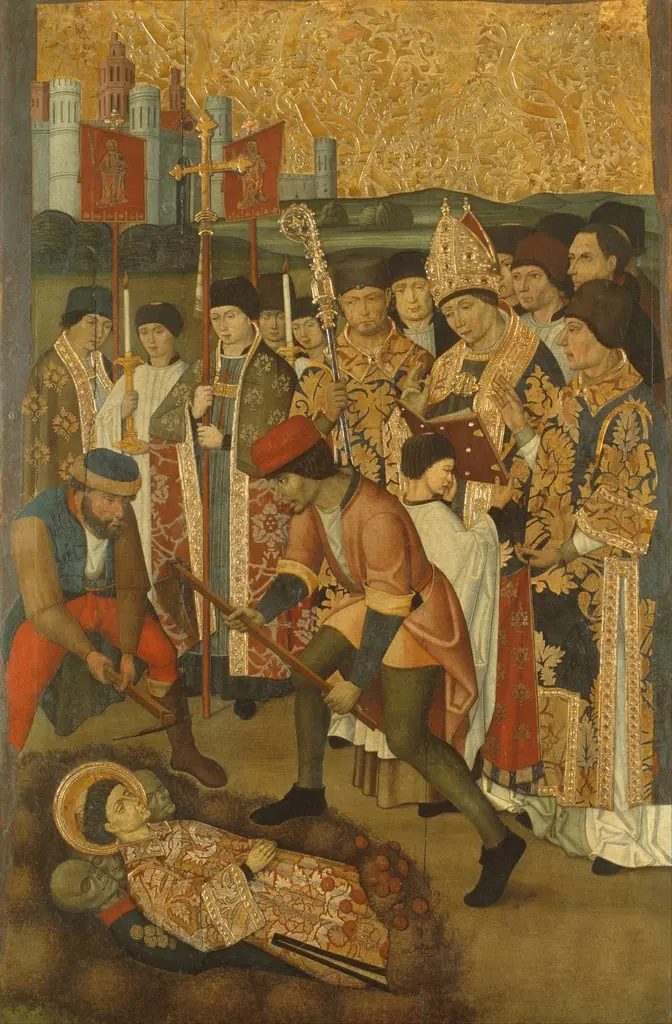 Invention of the Body of Saint Stephen
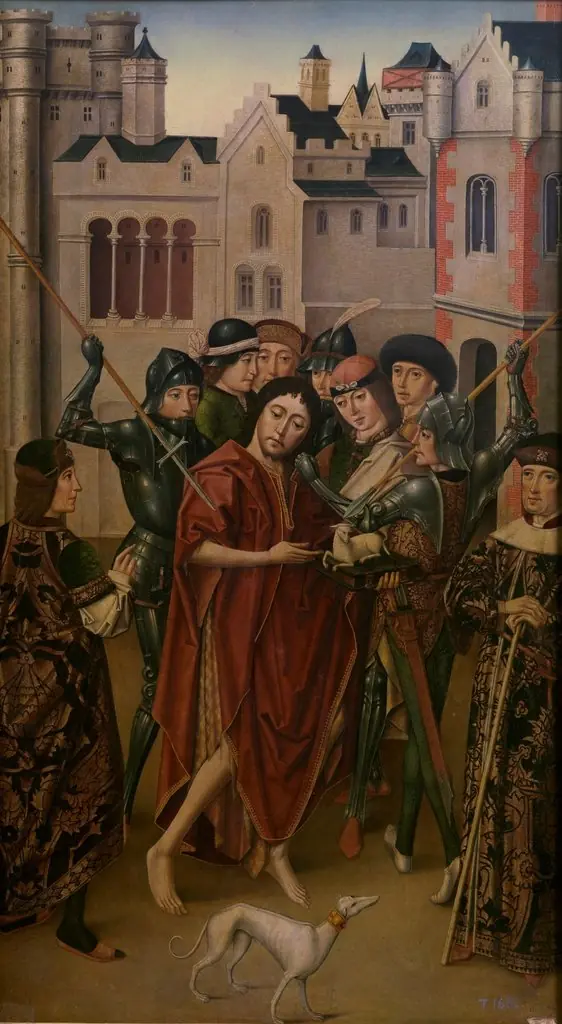 The Arrest of Saint John the Baptist
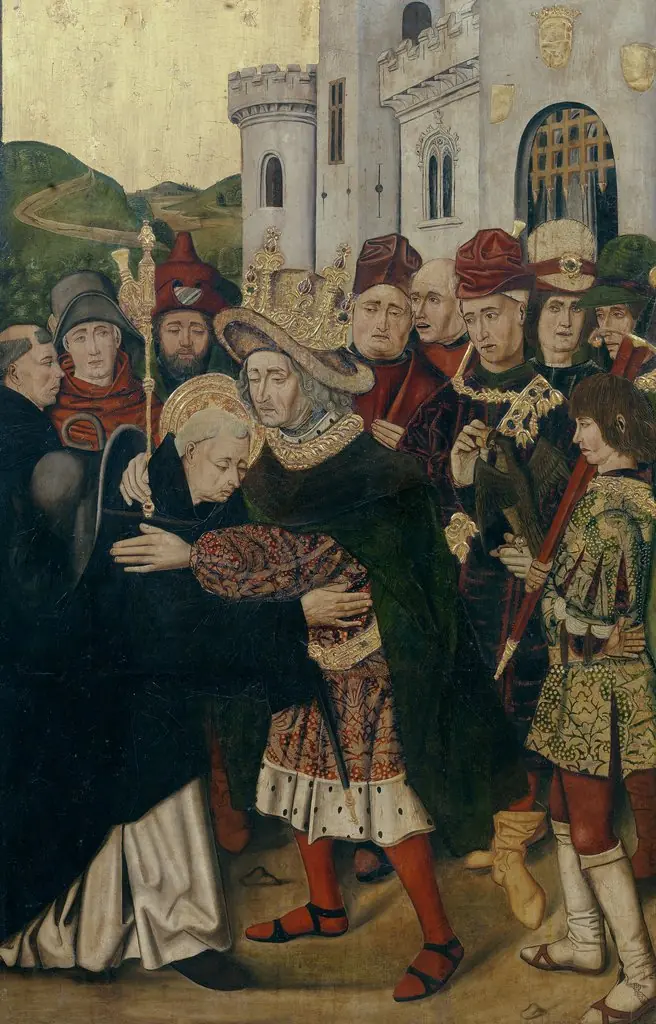 Ferdinand I of Castile welcoming Saint Dominic of Silos
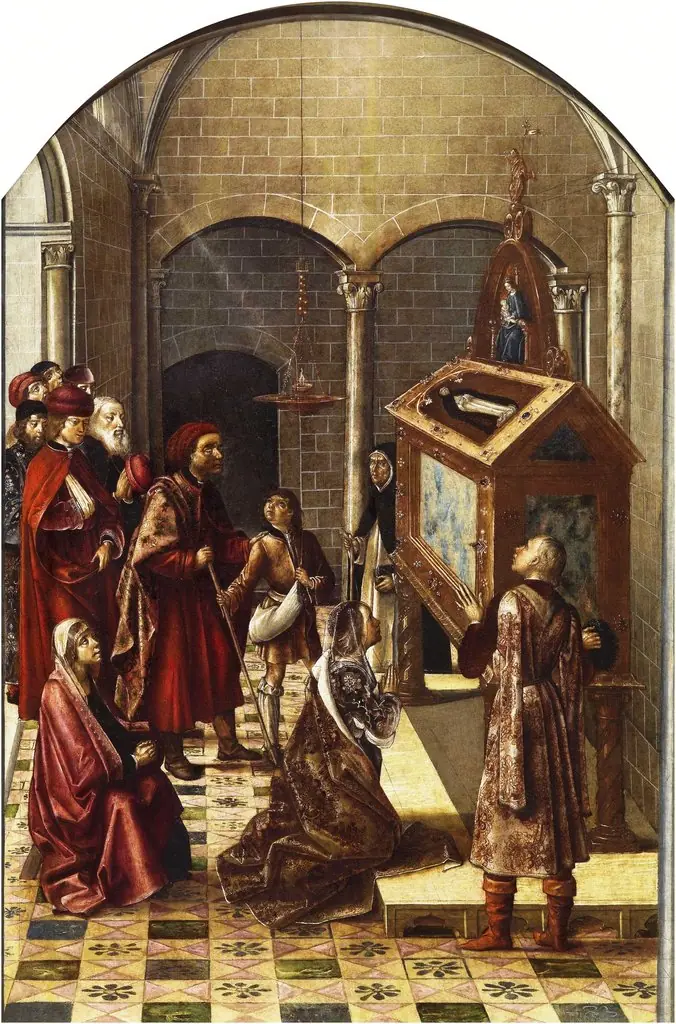 The Adoration of the Tomb of Saint Peter Martyr
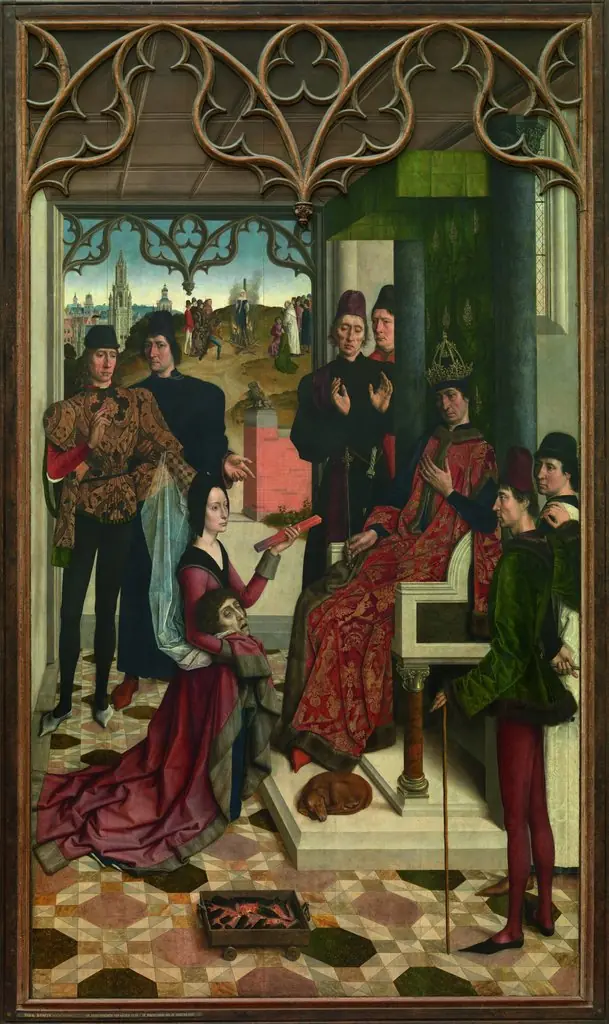 Justice of Emperor Otto III: The Trial by Fire
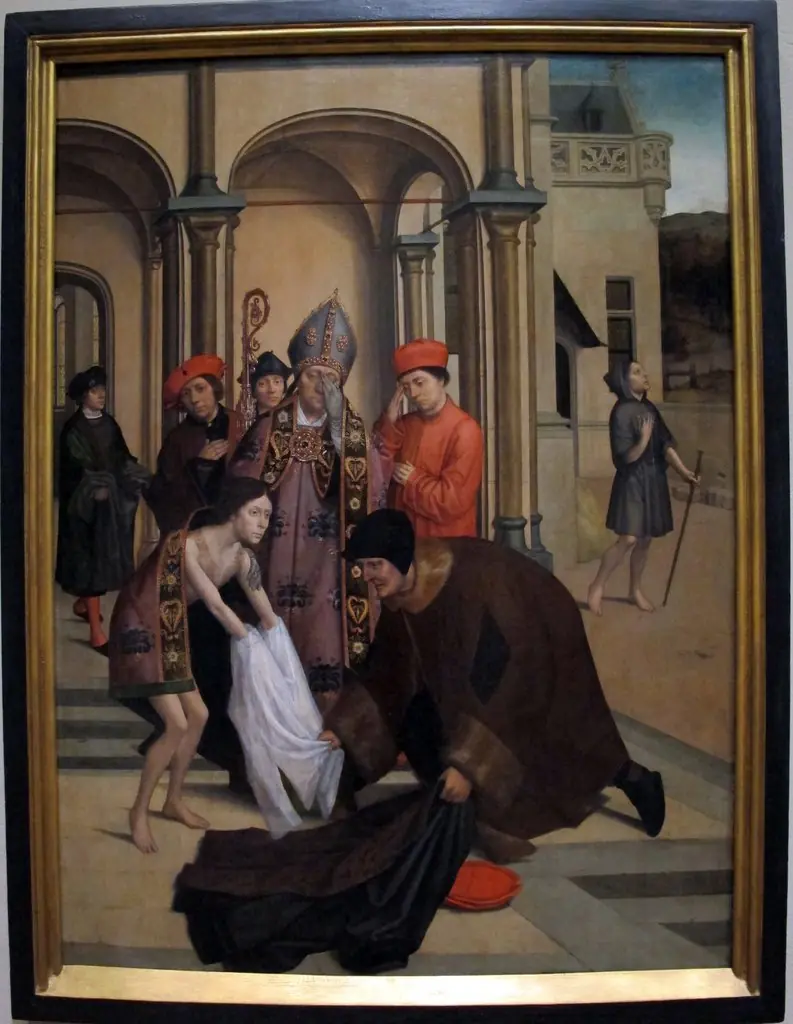 Saint Francis Renouncing the World for the Cloister
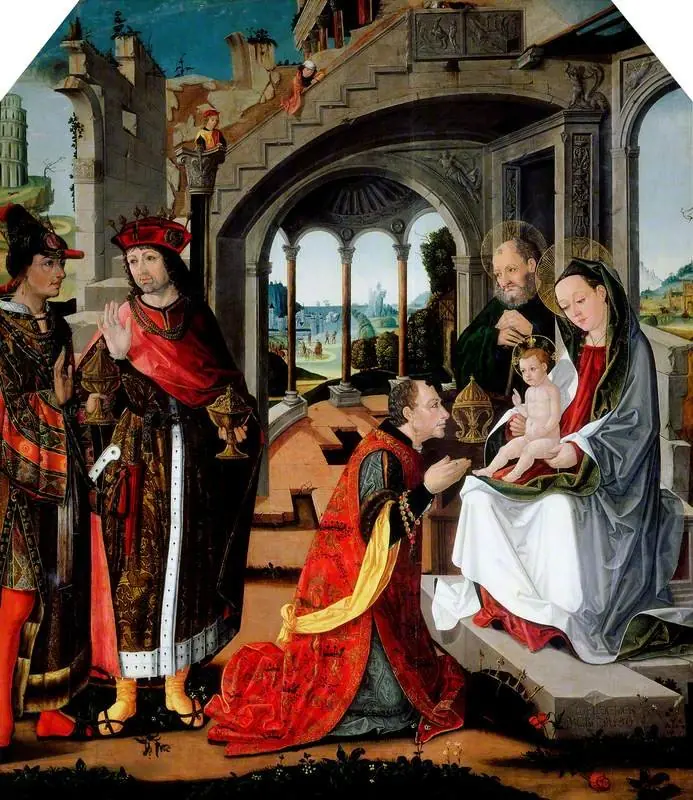 The Adoration of the Magi
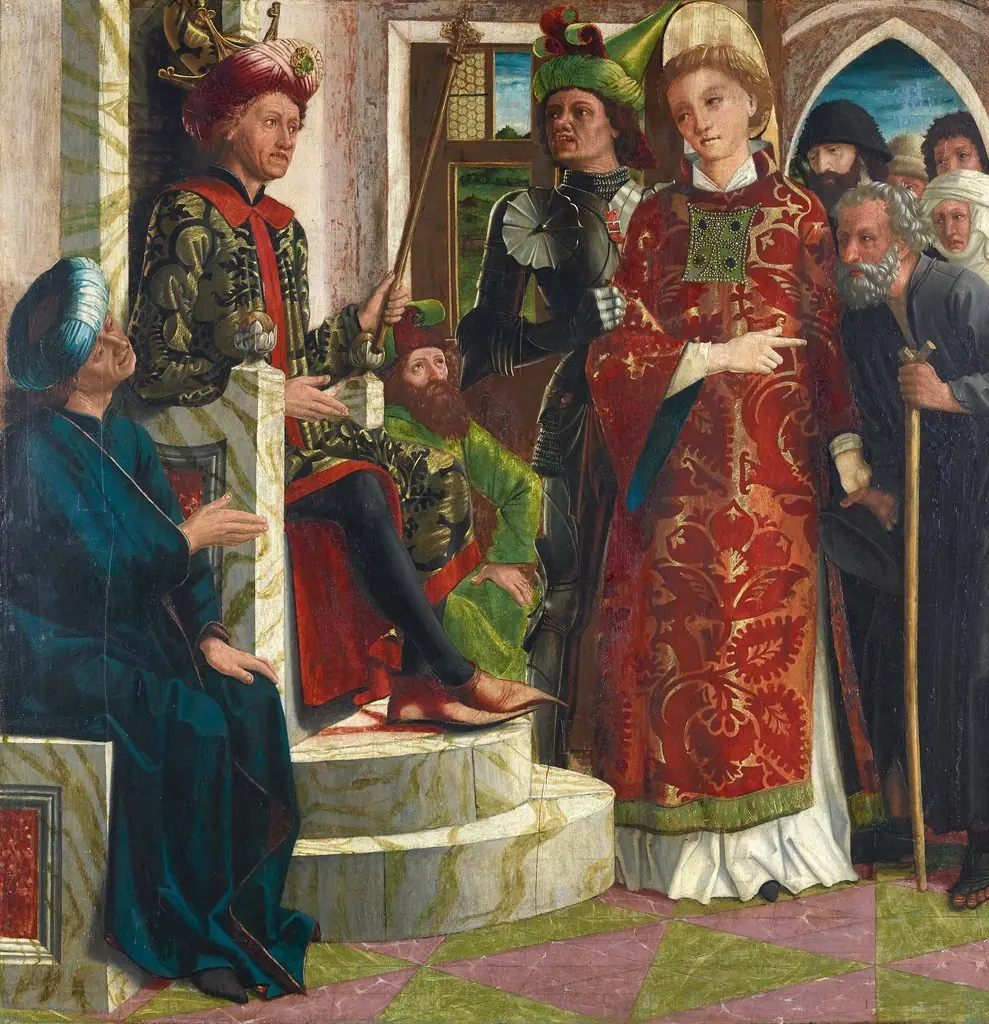 Der hl. Laurentius vor Kaiser Decius
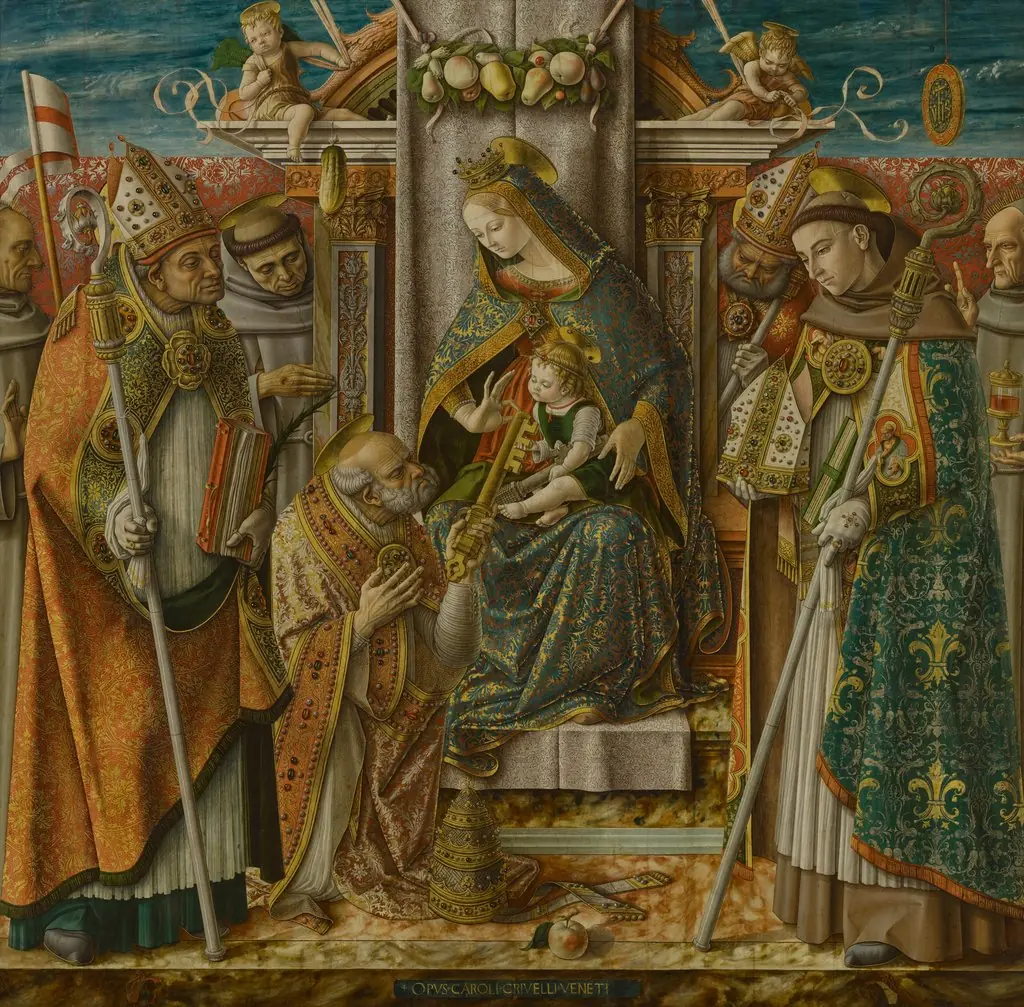 Madonna and Child Enthroned with Saints