Artwork
The Crown of Thorns
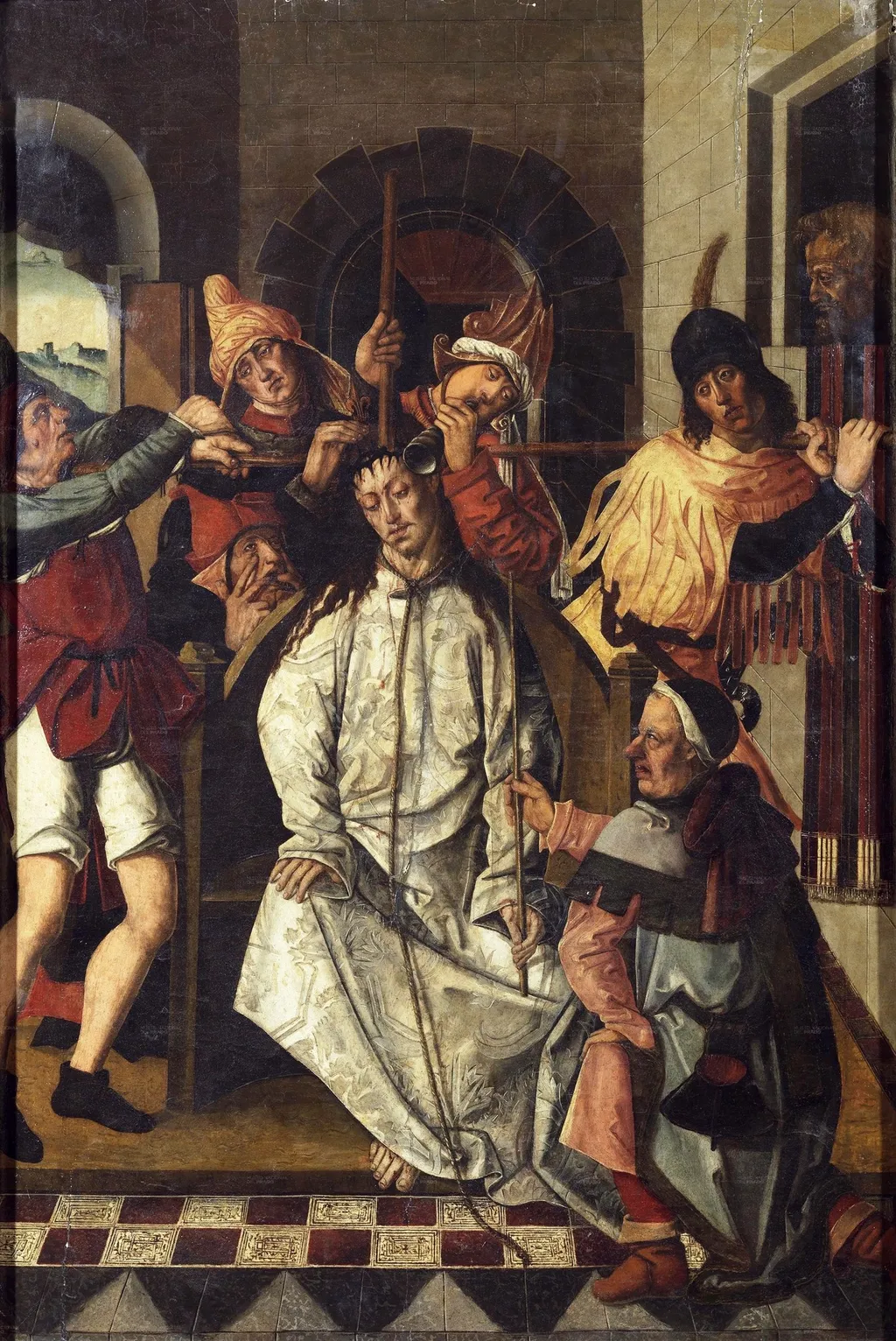
The Crown of Thorns is an oil painting by the High Renaissance artist Francisco de Osona. It dates from 1500 and is held in the collection of the Museo del Prado.
About this work
Subject & Meaning
The painting's main subject is Jesus Christ, focusing on the moment of his humiliation and torment when Roman soldiers force a crown of thorns upon his head.
Francisco de Osona's The Crown of Thorns represents a pivotal episode of the Passion of Christ, specifically depicting the Crowning with Thorns. The painting's main subject is Jesus Christ, focusing on the moment of his humiliation and torment when Roman soldiers force a crown of thorns upon his head. As a work of religious art, the iconography centers on this act of mockery and suffering, serving as a profound visual meditation on Christ's sacrifice and divine endurance in the face of persecution.
Technique & Style
The Crown of Thorns by Francisco de Osona is executed in oil paint on panel, a support typical of early sixteenth-century Iberian devotional painting. The work measures 126 cm in height by 84 cm in width and is classified as a religious painting, with the Crowning with Thorns of Jesus Christ as its main subject.
The oil-on-panel technique allowed Osona to render the scene with the controlled detail and tonal modeling suited to devotional imagery, while the vertical format of the panel supports a focused, iconographically concentrated composition centered on the Passion episode.
History & Provenance
The Crown of Thorns is an oil-on-panel painting created by Francisco de Osona in the year 1500. This religious work, which depicts the Crowning with Thorns, was produced during the early sixteenth century. The painting is currently held in the collection of the Museo del Prado. Its dimensions are recorded as 126 cm in height and 84 cm in width.
Overview
Created in 1500 by the Valencian painter Francisco de Osona, The Crown of Thorns is an oil on canvas that portrays a moment from the Passion of Christ. The work belongs to the religious genre of the High Renaissance and is presently part of the collection of the Museo del Prado in Madrid.
Context
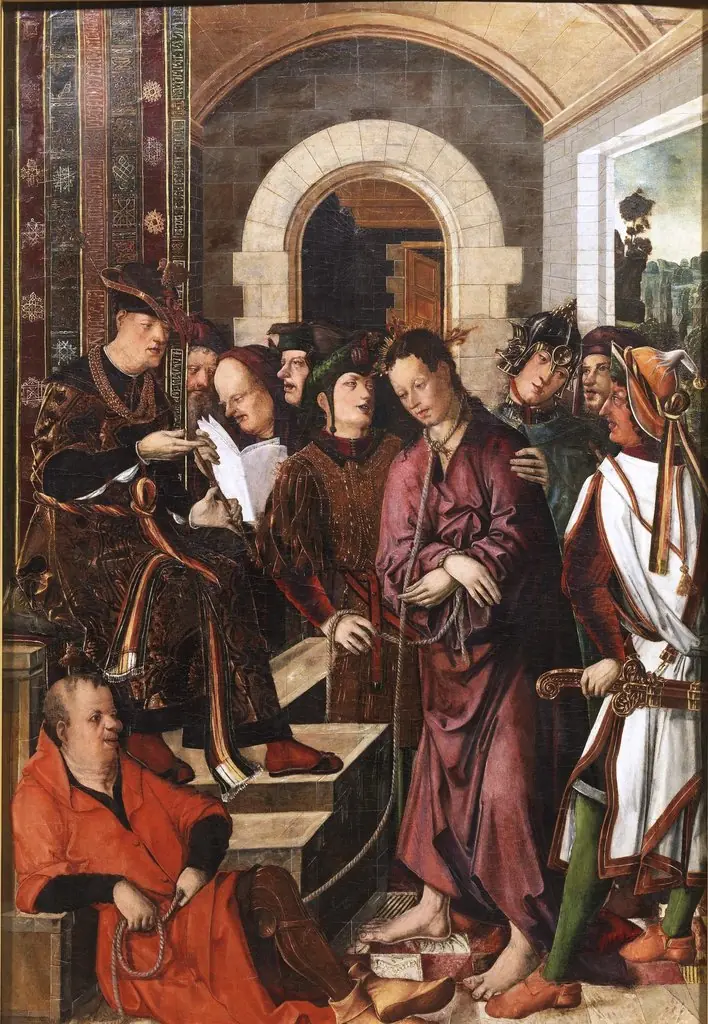
The setting resembles a confinement space, with tiled walls and a narrow window that lets in a sliver of light. This austere environment reinforces the theme of Christ’s imprisonment before his crucifixion, while the surrounding figures convey a range of emotional responses that reflect contemporary devotional attitudes toward the Passion.
Own this work as a print
Artist & collection
Artist
Francisco de Osona, also Francisco de Osona the Younger, (c.1465–c.1514) was a Spanish Renaissance painter.

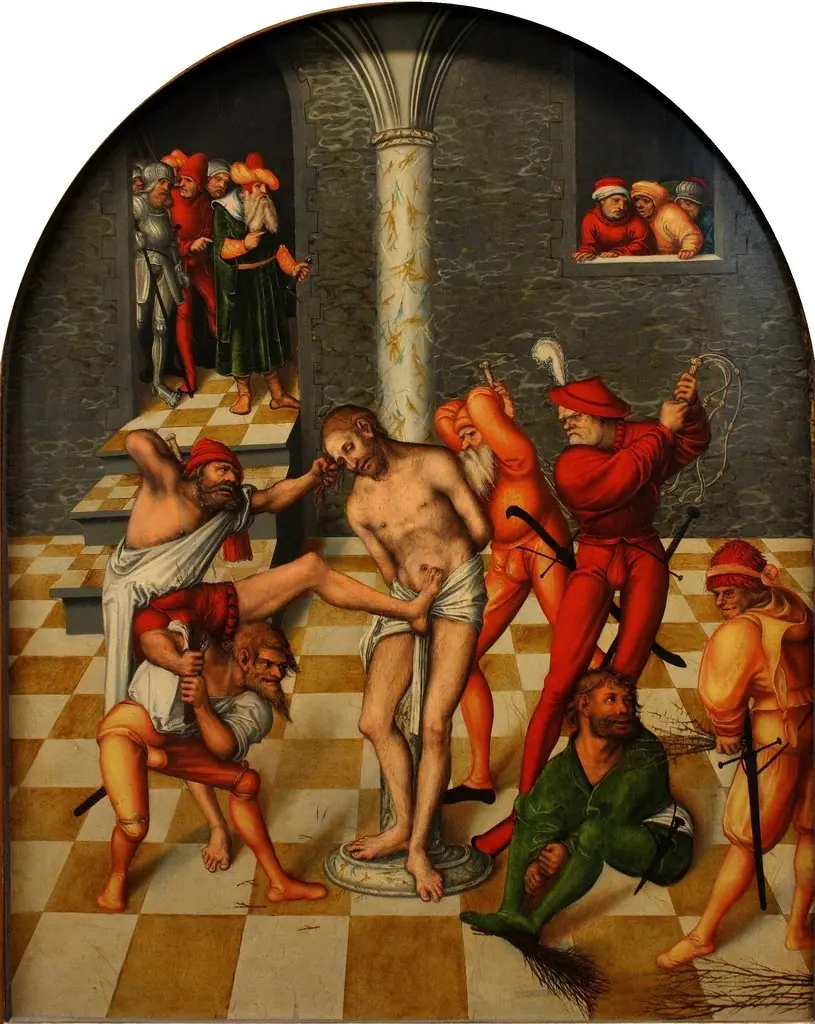 Flagellation of Christ
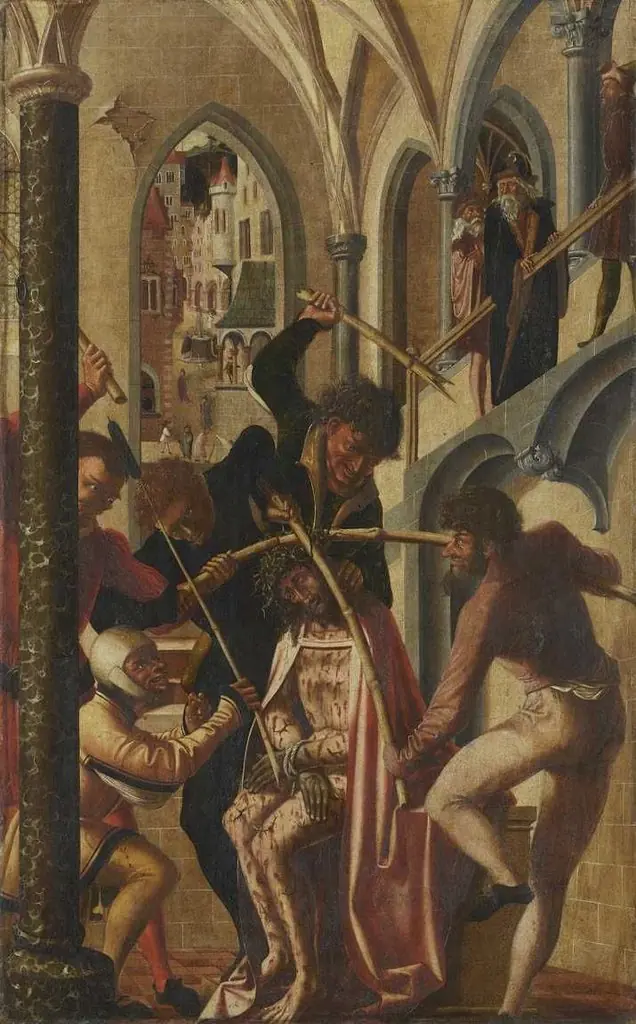 Jakobus-Stephanus-Altar: Dornenkrönung Christi
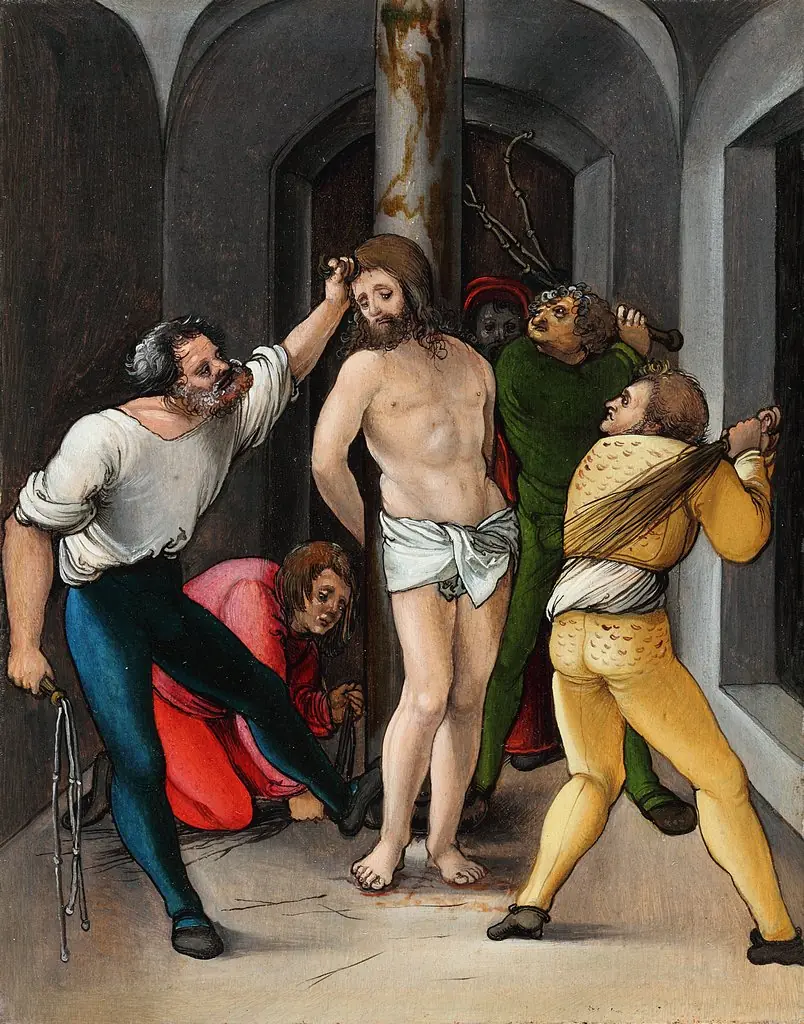 The Flagellation of Christ
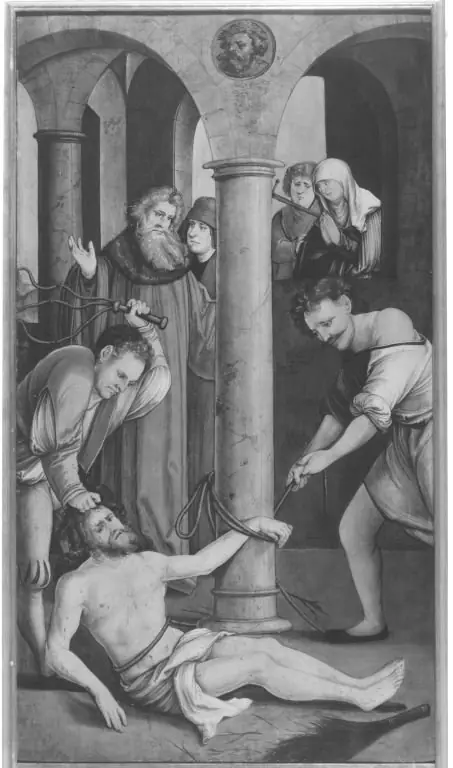 Fall of Christ during the Flagellation
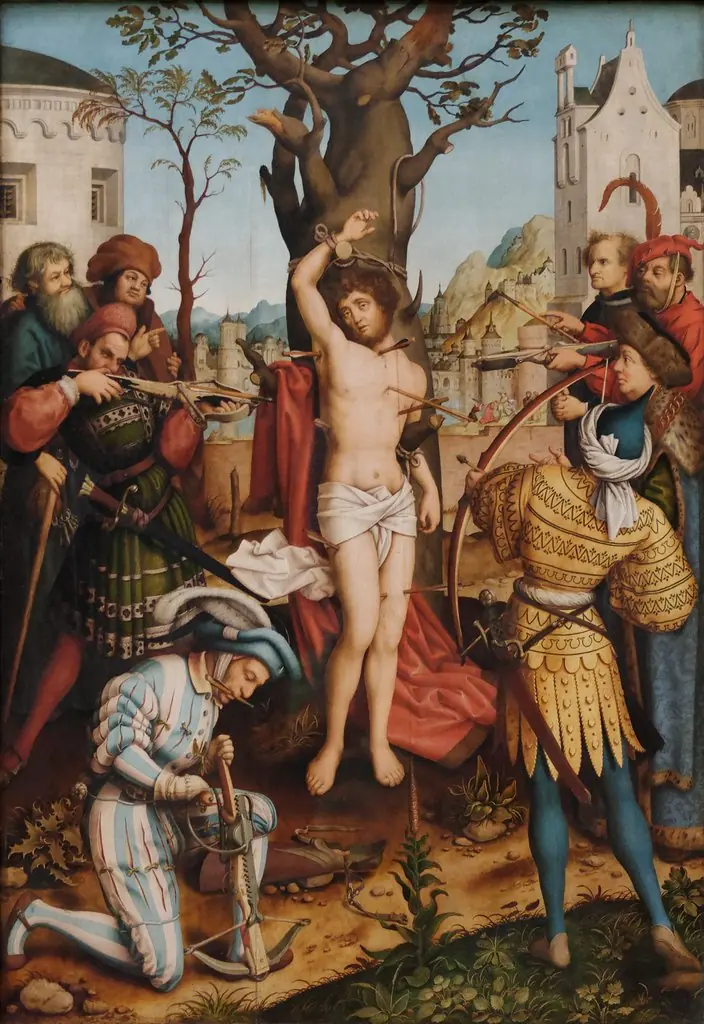 St. Sebastian Altar: The Martyrdom of St. Sebastian
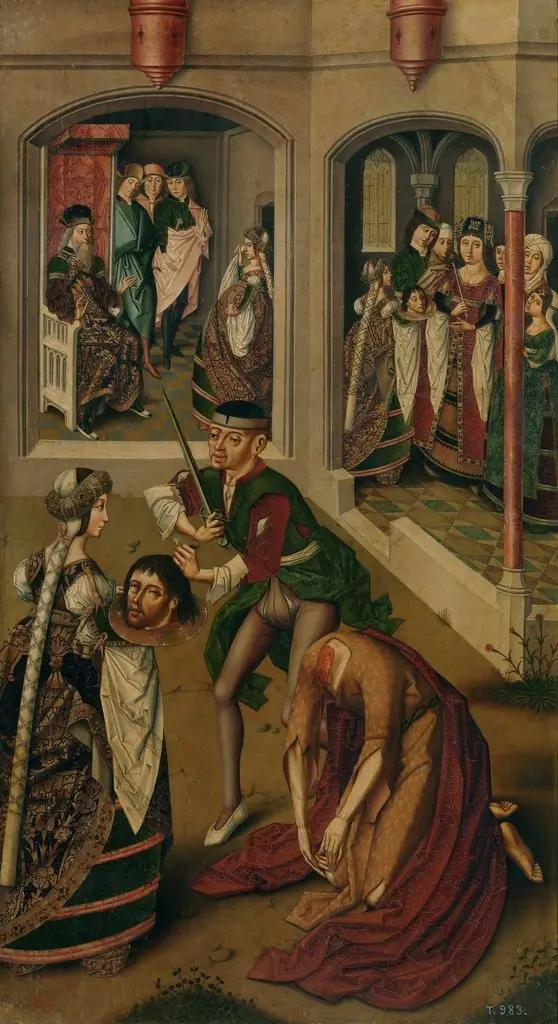 The Beheading of Saint John the Baptist
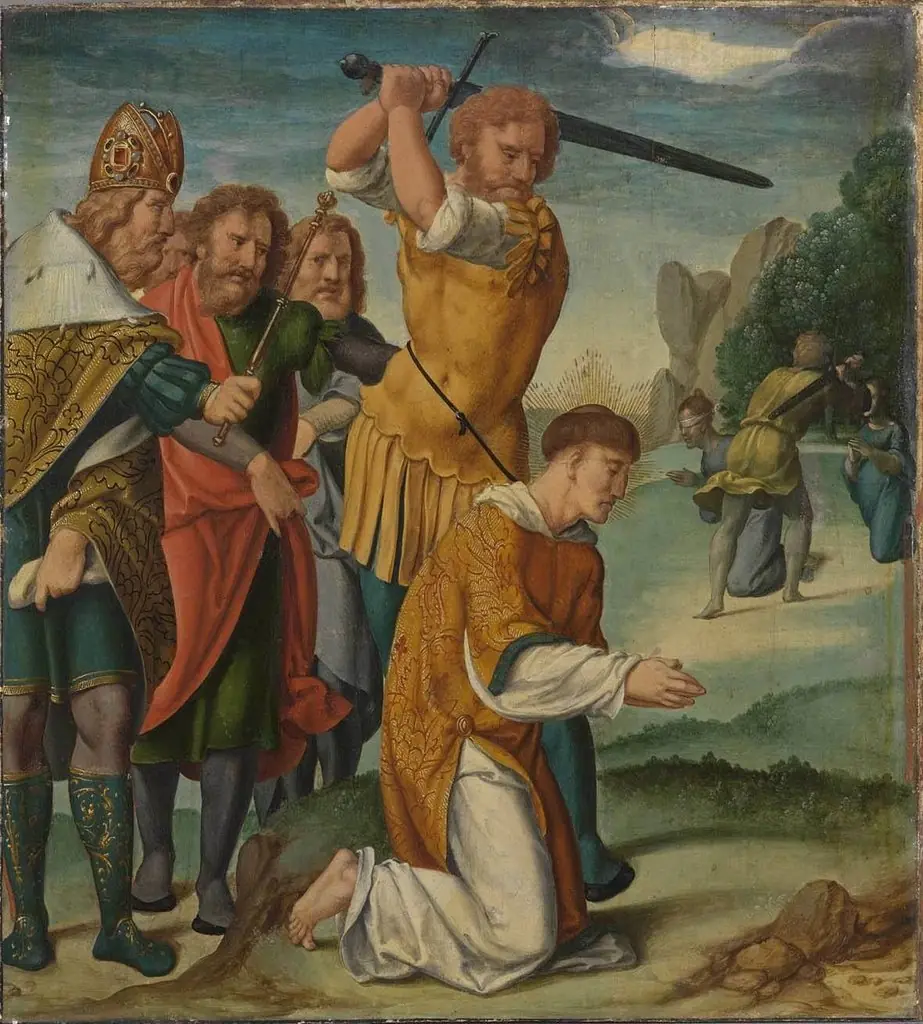 Cyriakus-Folge: Tod des hl. Cyriakus
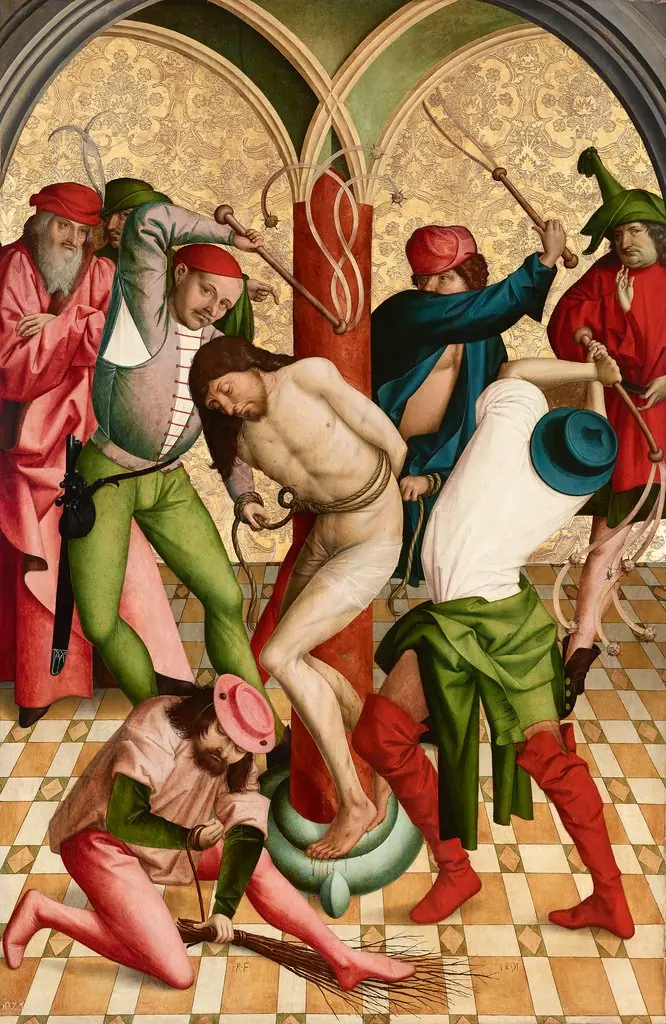 Geißelung Christi
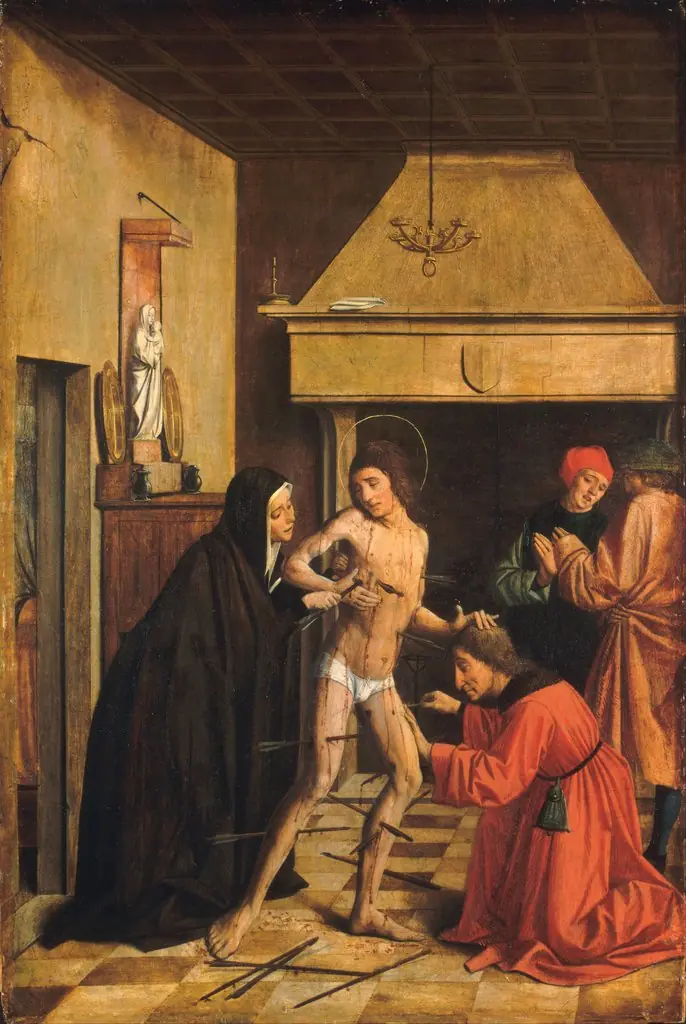 Saint Sebastian Cured by Irene