Artwork
The Adoration of the Magi
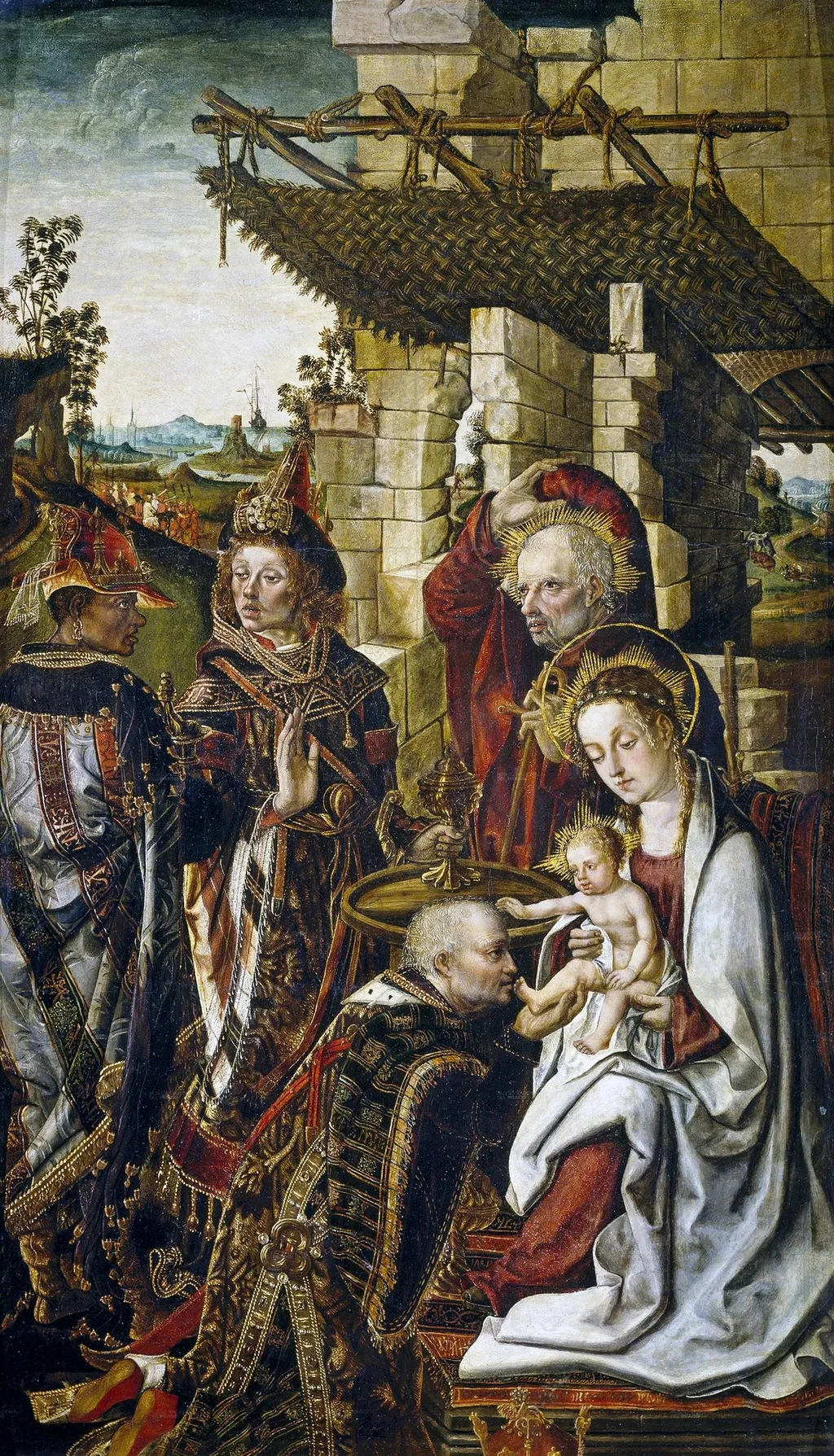
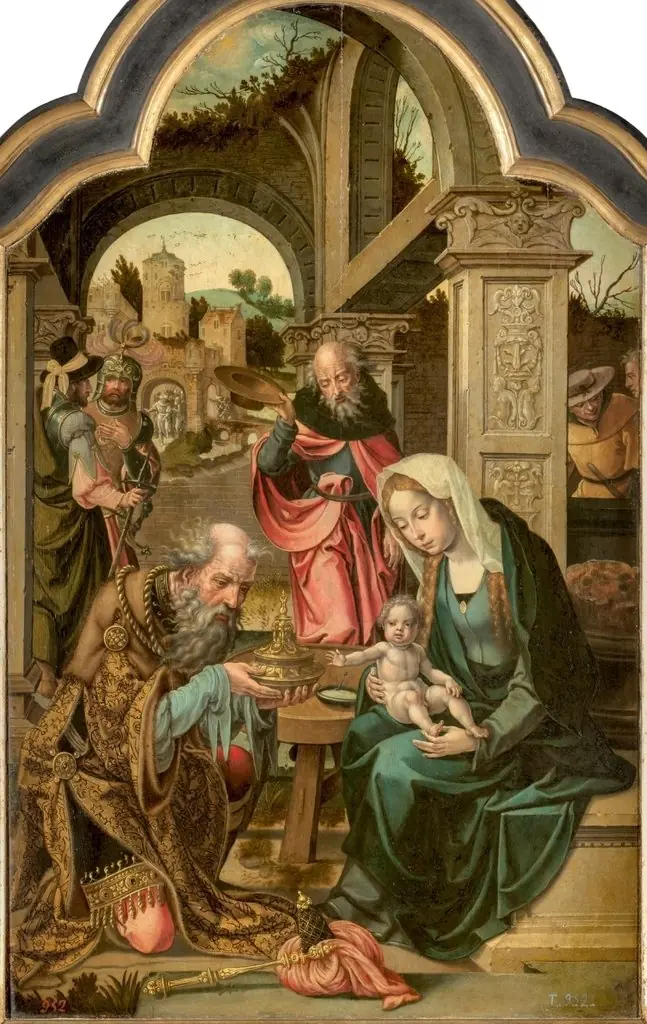
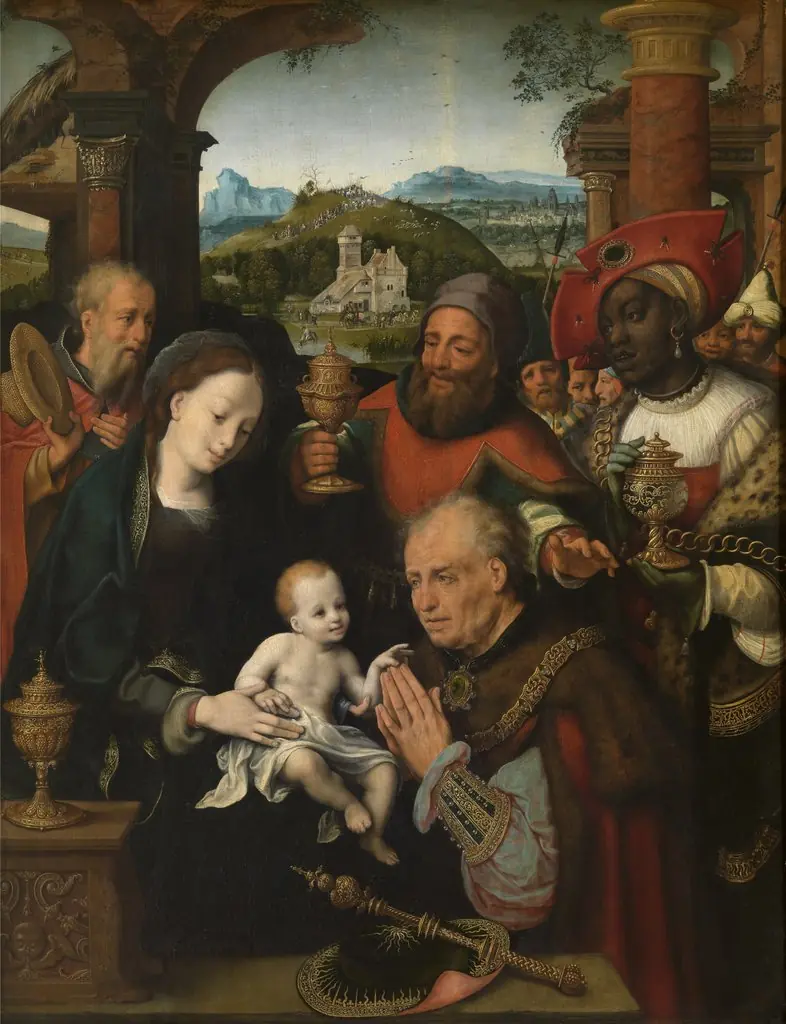
The Adoration of the Magi is an oil painting by the High Renaissance artist Francisco de Osona. It dates from 1500 and is held in the collection of the Museo del Prado.
About this work
Subject & Meaning
As a religious painting, the work belongs to a devotional tradition in which the Adoration served as a focus for meditation on the Incarnation and the Epiphany.
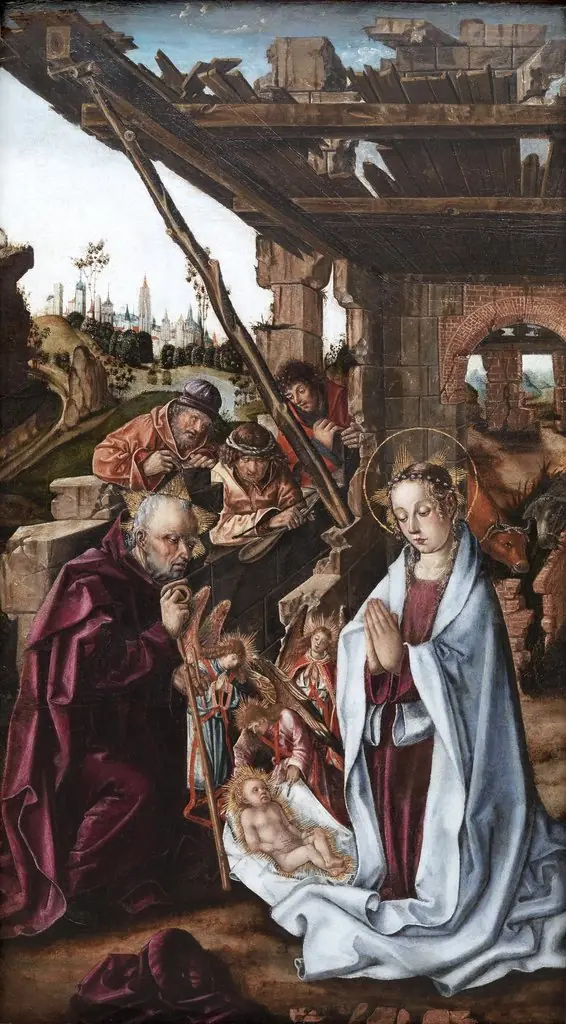
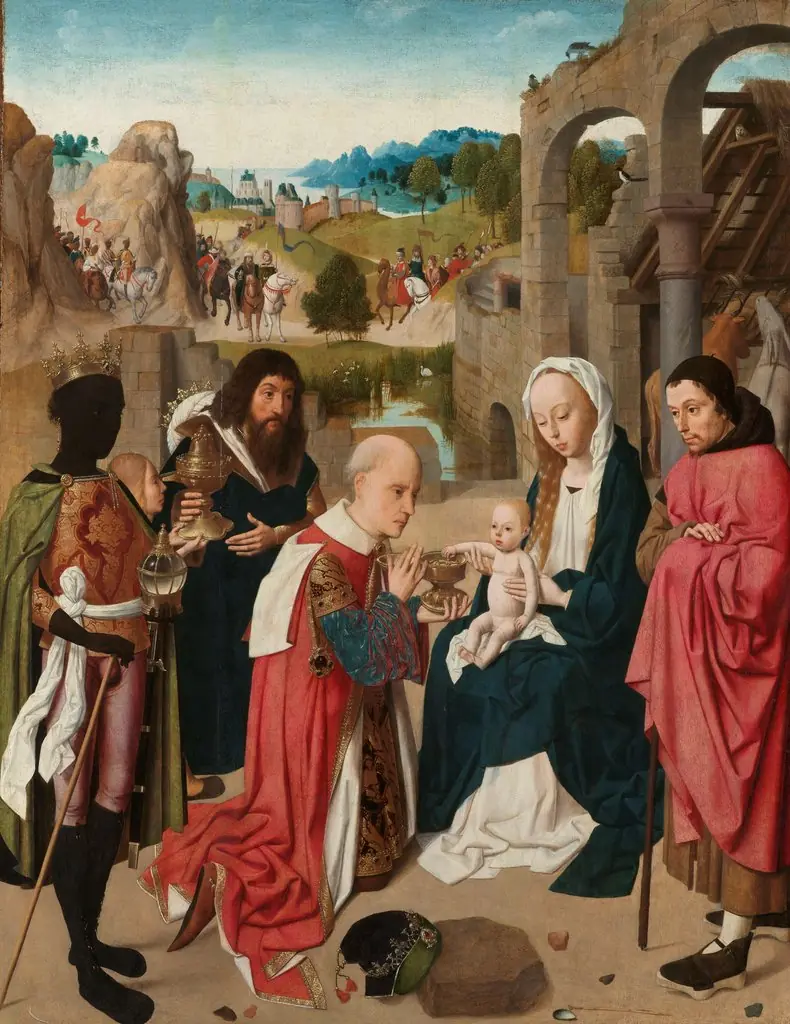
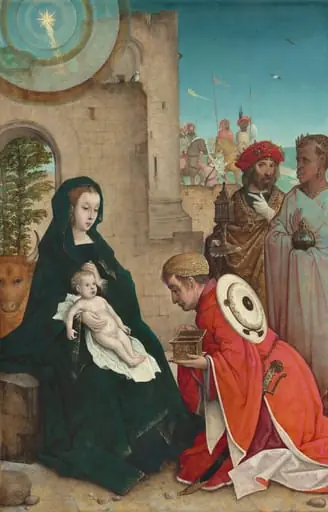
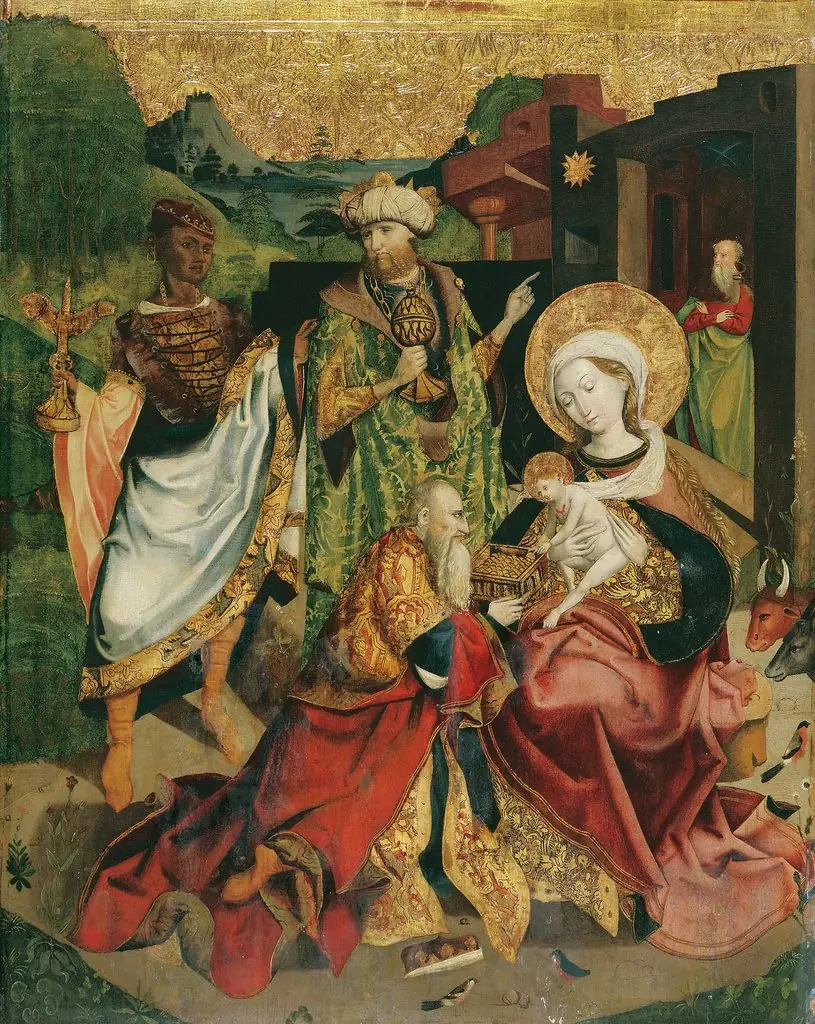
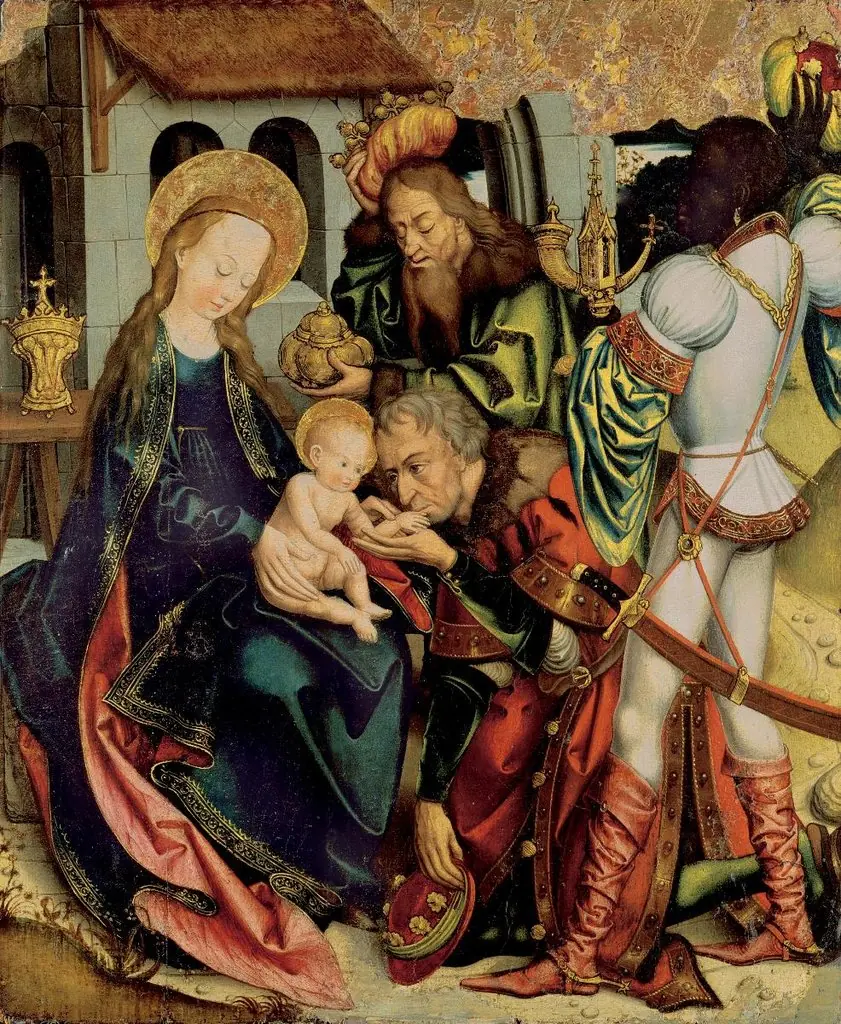
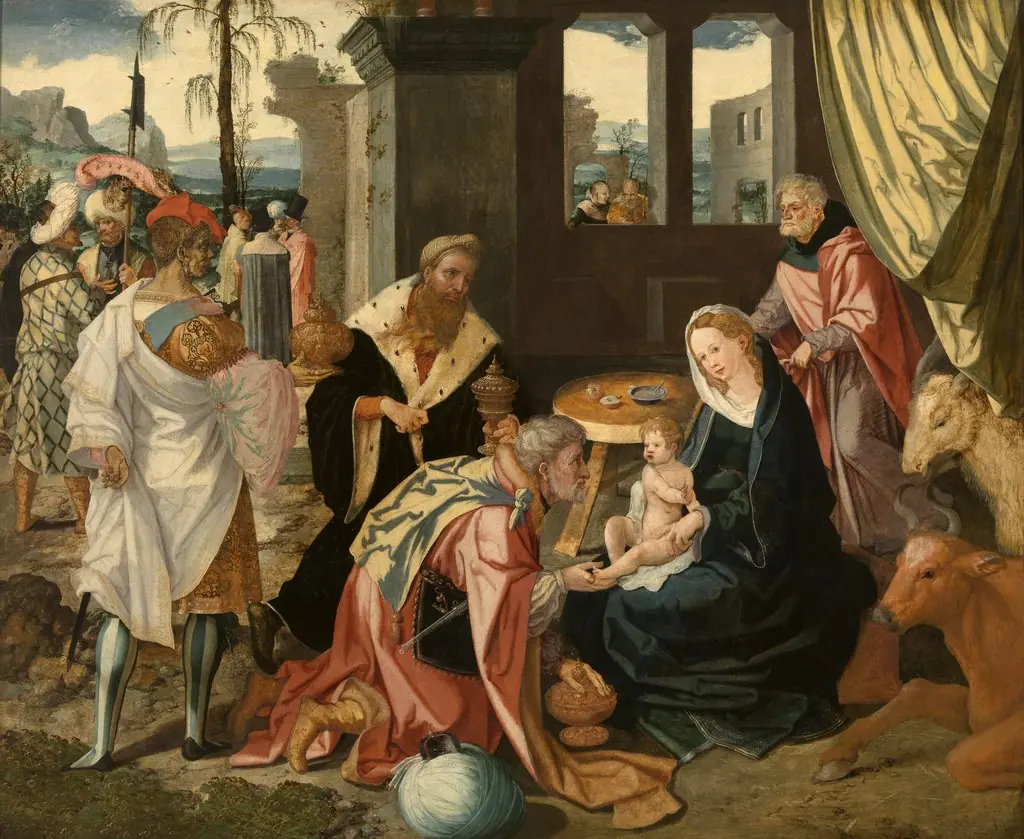
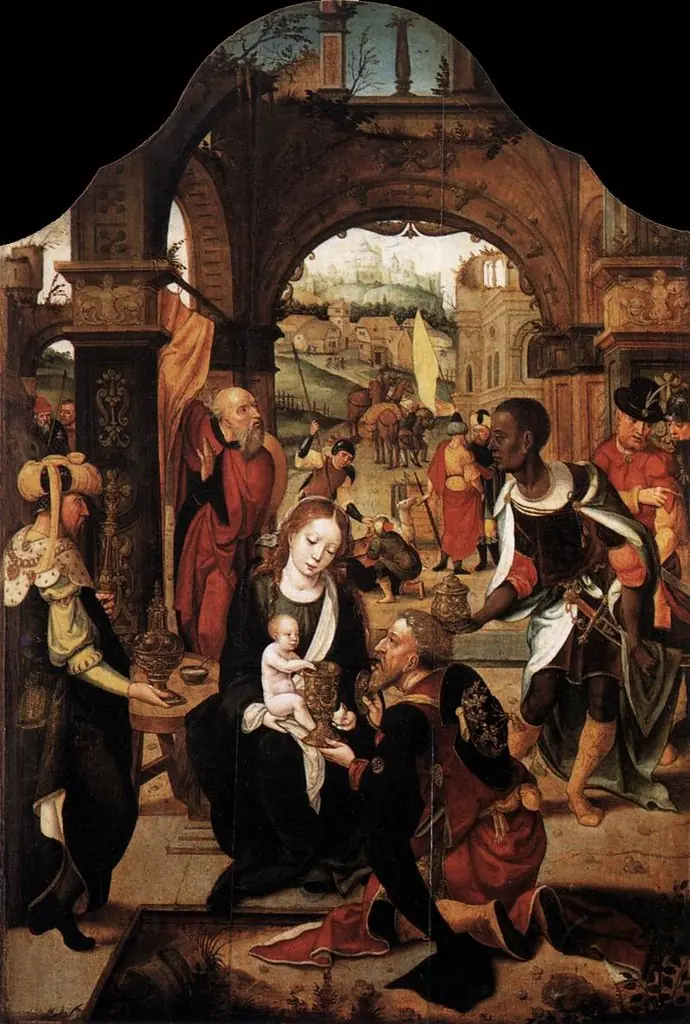
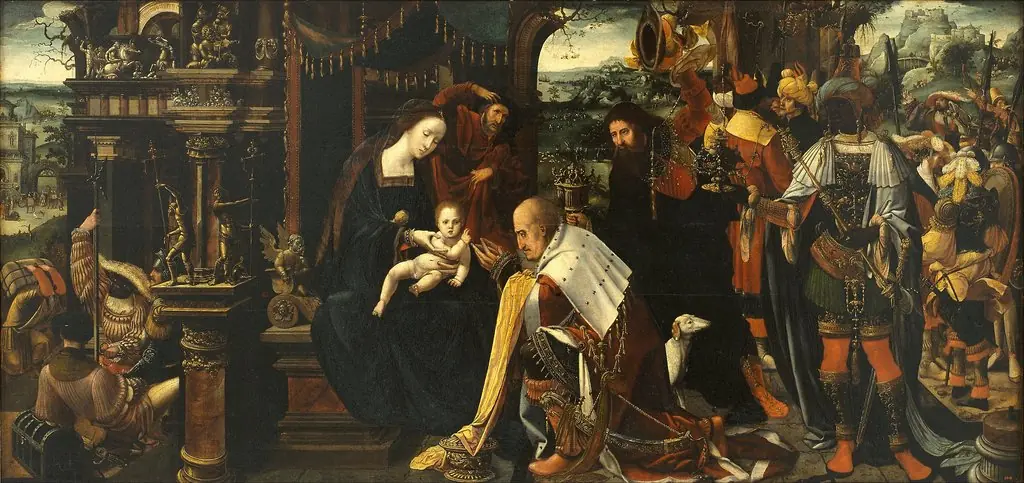
The painting depicts the Adoration of the Magi, a religious scene in which the three Magi pay homage to the Christ Child. The work's main subject is identified as the adoration of the Magi, and the Christ Child is named among the figures represented.
This episode from Christian iconography traditionally symbolizes the recognition of Christ's divinity by the wider world, with the Magi's gifts of gold, frankincense, and myrrh signifying his kingship, priesthood, and mortality. As a religious painting, the work belongs to a devotional tradition in which the Adoration served as a focus for meditation on the Incarnation and the Epiphany.
Technique & Style
Executed in oil on panel, the work measures 78 cm in height by 46 cm in width.
The handling shows the smooth, linear precision typical of early Valencian Renaissance practice, with crisp contours and restrained modeling that emphasize clarity over volumetric illusion. Color is applied in thin, evenly brushed layers, producing a luminous, enamel-like surface. Formal qualities include a centralized composition anchored by the Christ Child, whose presence draws the viewer’s eye along the converging gazes of the Magi and attendant figures.
The architectural backdrop employs delicate perspectival recession, while the figures are rendered with elongated proportions and softly modeled drapery folds that recall northern Italian influences filtered through local tradition.
History & Provenance
The panel was painted by Francisco de Osona in 1500, as indicated by the artist’s date on the work’s internal record.
It entered the Museo del Prado collection, where it remains today, and is listed in the museum’s holdings as a religious painting depicting the Adoration of the Magi.
Francisco de Osona's oil-on-panel painting, The Adoration of the Magi, dated to 1500, is held in the collection of the Museo del Prado in Madrid. While the source identifies the institution and the work's presence within its holdings, it does not provide a specific inventory or accession number for the piece. The available records also do not list a history of exhibitions for this specific artwork.
Overview
The Adoration of the Magi, an oil painting from around 1500, is a work of the Spanish Renaissance, attributed to Francisco de Osona of Valencia.
Context
Reflecting the artistic exchange of the late 15th century, the work blends Spanish traditions with emerging Italian Renaissance styles, characteristic of artists like Osona who sought to modernize their craft.
Legacy
While specific lasting impacts of The Adoration of the Magi on subsequent art movements are not broadly documented, its preservation in the Museo del Prado ensures its continued study as a representative piece of early 16th-century Spanish Renaissance art.
Artist & collection
Artist
Francisco de Osona, also Francisco de Osona the Younger, (c.1465–c.1514) was a Spanish Renaissance painter.