Artwork
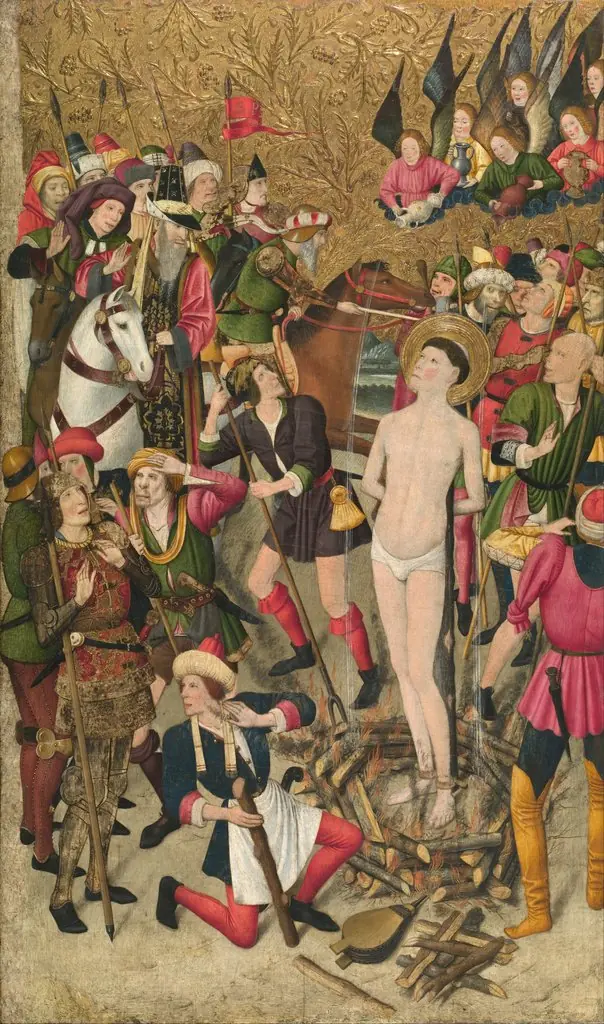
St. Sebastian Altar: The Martyrdom of St. Sebastian
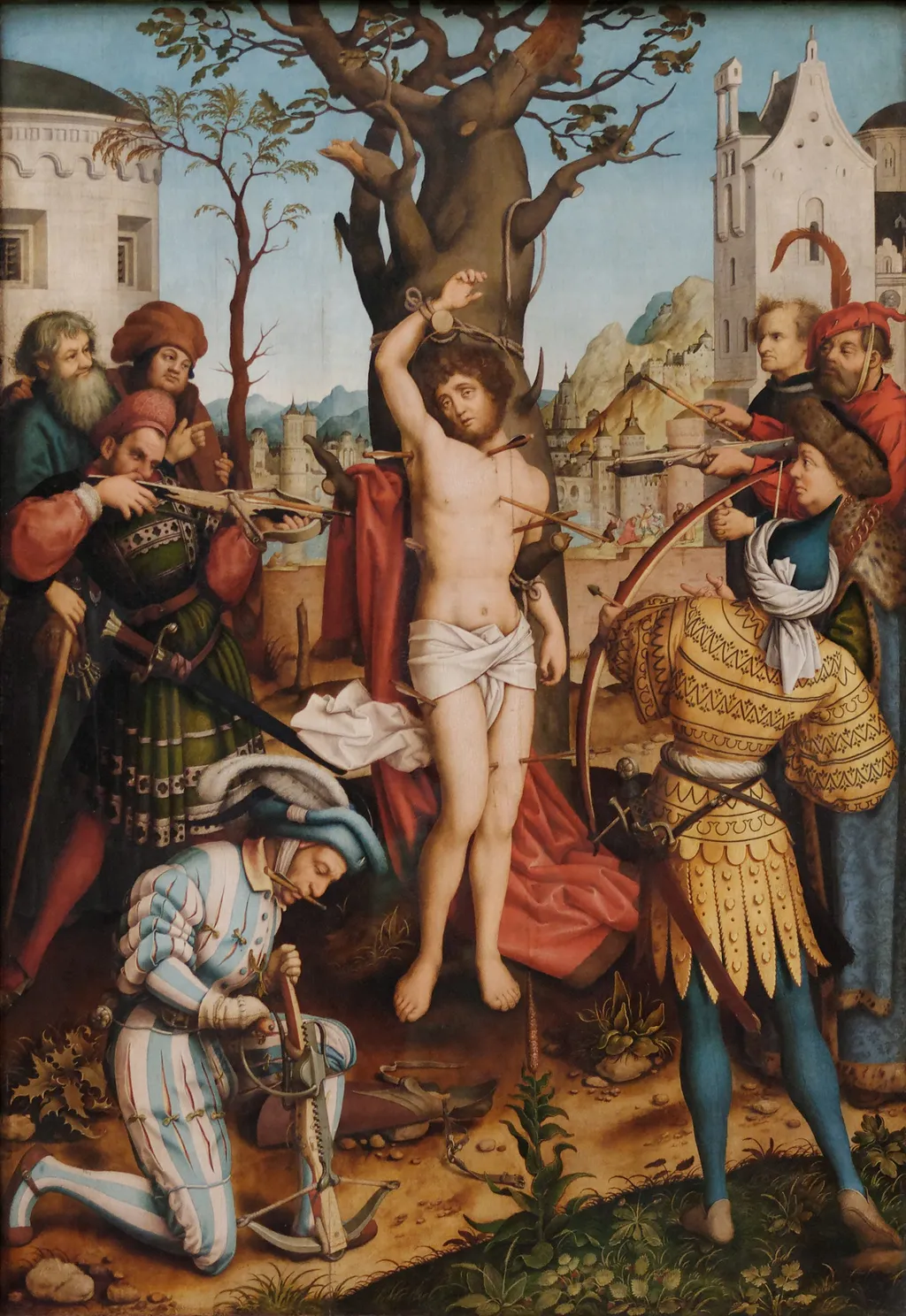
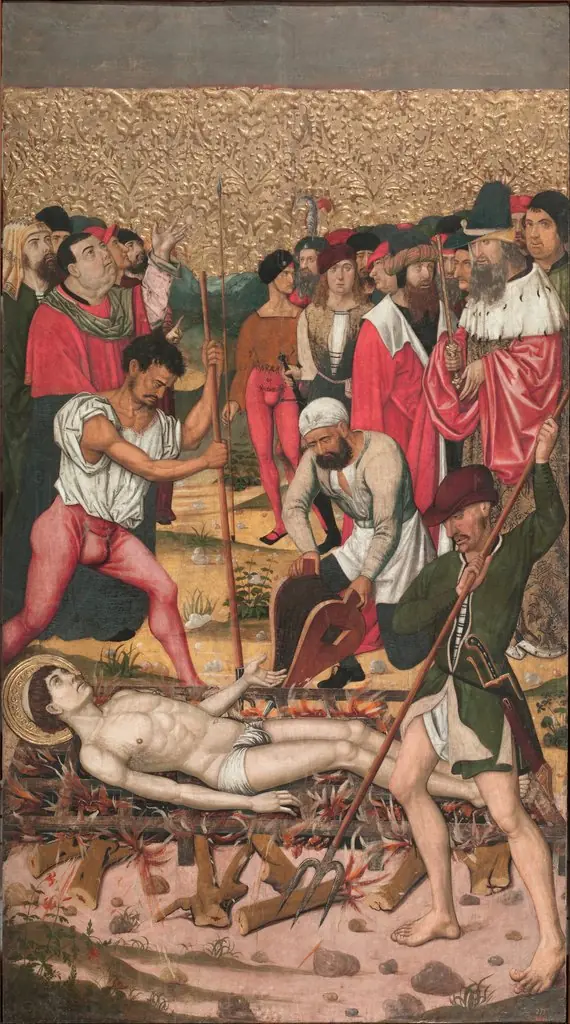
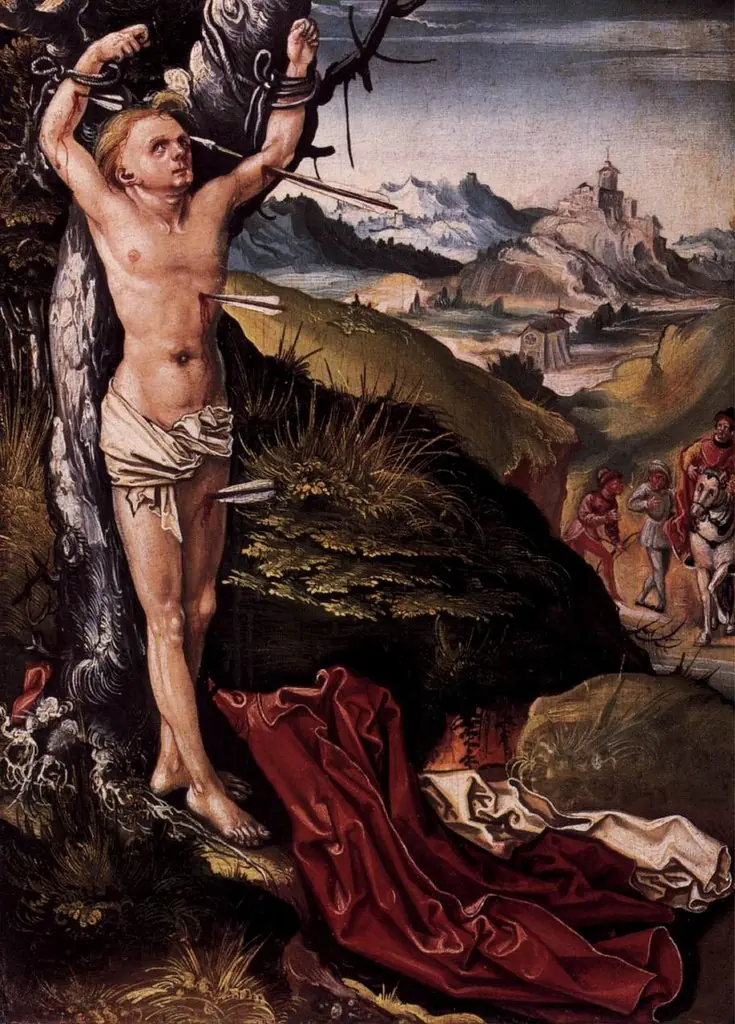
St. Sebastian Altar: The Martyrdom of St. Sebastian is an unspecified painting by the Northern Renaissance artist Hans Holbein the Elder. It dates from 1516 and is held in the collection of the Bavarian State Painting Collections. St.
About this work
Subject & Meaning
The composition centers on the specific event of his martyrdom, emphasizing the spiritual significance of his suffering within the context of the altarpiece.
The work depicts the martyrdom of Saint Sebastian, serving as the central panel of the triptych known as the St. Sebastian Altar. Created by Hans Holbein the Elder in 1516, the painting focuses on the religious narrative of the saint's execution. As a piece of religious art, the subject matter represents the ultimate sacrifice and faith of Saint Sebastian, a primary figure in Christian iconography associated with endurance and divine protection.
The composition centers on the specific event of his martyrdom, emphasizing the spiritual significance of his suffering within the context of the altarpiece.
Technique & Style
The work is executed on a single lime panel, a rigid wooden support typical of early 16th-century German altarpieces. Holbein the Elder applied tempera and oil pigments to the prepared surface, building layers to achieve fine detail in the depiction of Saint Sebastian’s martyrdom. The composition emphasizes linear precision and naturalistic figure rendering, reflecting the transition from late Gothic devotional imagery toward Renaissance naturalism.
The painting’s handling of drapery and anatomical form demonstrates careful attention to material tactility and spatial cohesion within the panel’s rectangular format.
History & Provenance
The Martyrdom of St. Sebastian was created by Hans Holbein the Elder in 1516, executed on a lime panel as the central panel of the St. Sebastian Altar triptych. The work entered the holdings of the Bavarian State Painting Collections and is housed at the Alte Pinakothek in Munich, Germany, where it remains as part of the museum's religious painting collection.
The central panel of the St. Sebastian Altar, depicting the Martyrdom of St. Sebastian, is held by the Alte Pinakothek in Munich, Germany, as part of the Bavarian State Painting Collections. The work, executed in 1516 on a lime panel, was created by Hans Holbein the Elder as the central element of the Sebastiansaltar triptych. No specific inventory or accession number, nor details of any exhibition history, are recorded in the available sources.
Overview
St. Sebastian Altar: The Martyrdom of St. Sebastian is a 1516 Northern Renaissance painting on lime panel by Hans Holbein the Elder, depicting the traditional martyrdom scene of Saint Sebastian.
Context
The work aligns with Northern Renaissance artistic tendencies while drawing on the established iconography of Saint Sebastian, a figure frequently depicted in art tied to a tree, symbolizing his martyrdom.
Legacy
As a work by Hans Holbein the Elder, The Martyrdom of St. Sebastian contributes to the broader legacy of the Holbein family's artistic contributions to the Northern Renaissance, though its specific impact is more nuanced within the broader canon of Sebastian depictions.
Own this work as a print
Artist & collection
Artist
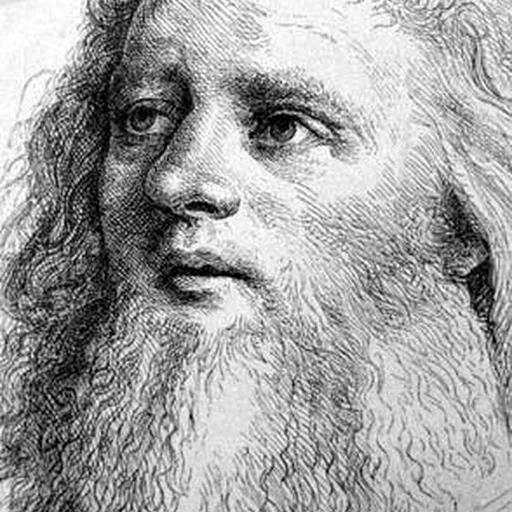
Hans Holbein the Elder (c. 1460/65 – 1524) was a German painter of the early German Renaissance. He was the father of painters Ambrosius and Hans the Younger.

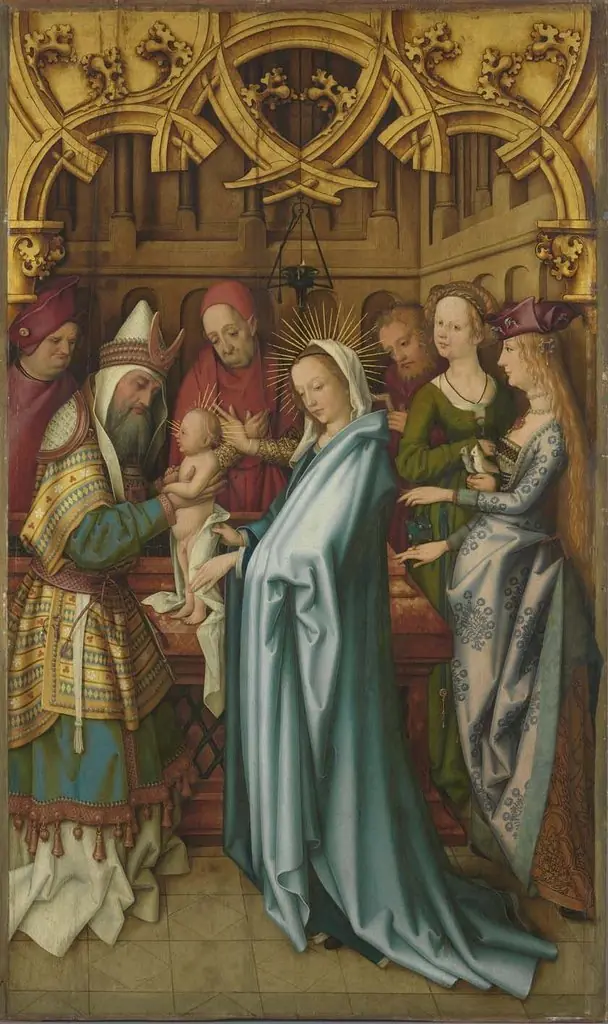 Kaisheimer Altar: Darbringung im Tempel
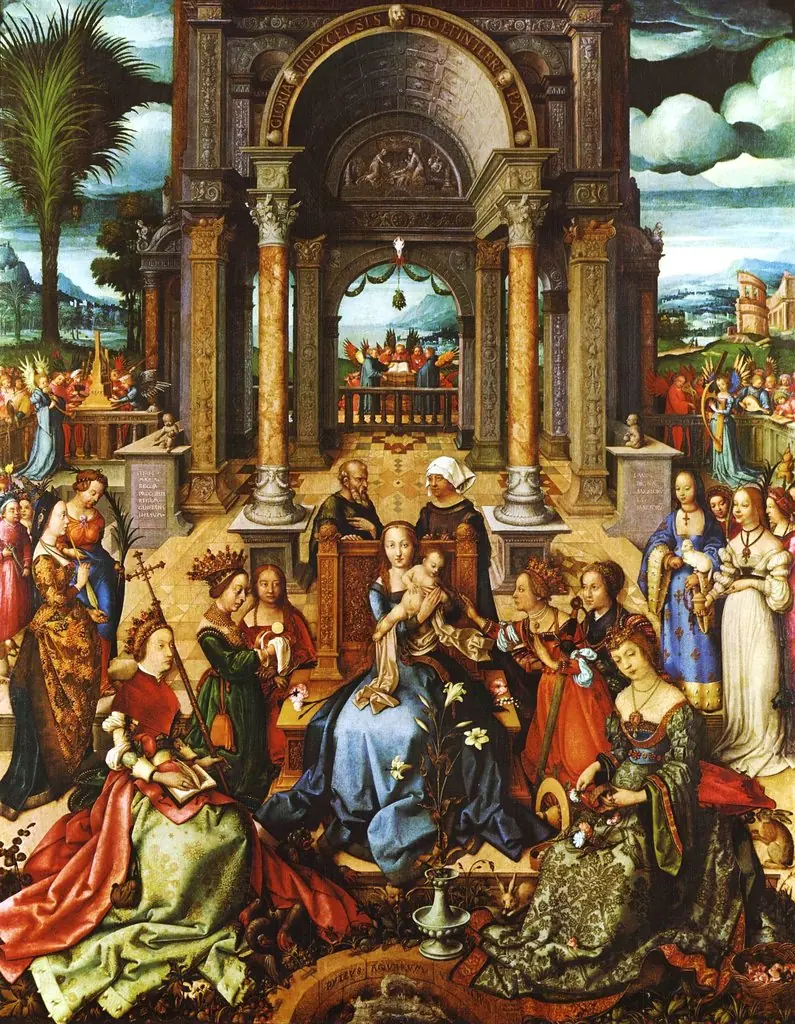 Virgin with Child by Hans Holbein the Elder, Museu Nacional de Arte Antiga
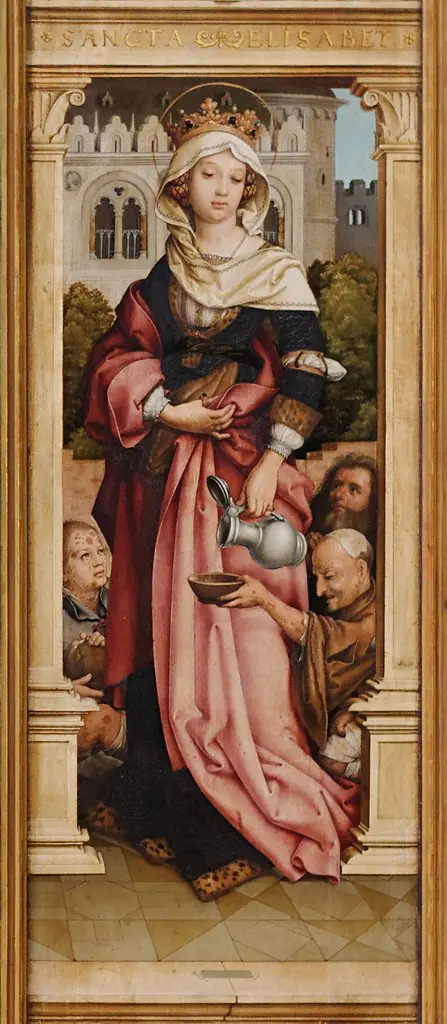 St. Sebastian Altar: St. Elizabeth of Hungary
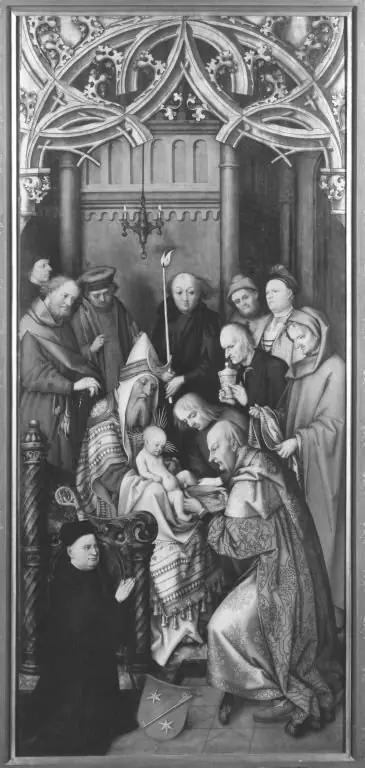 Kaisheimer Altar: Beschneidung Christi
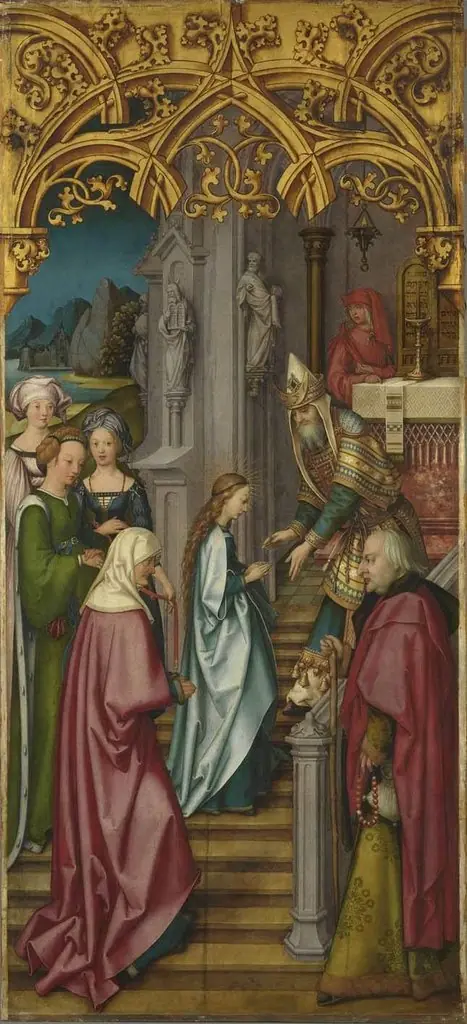 Kaisheimer Altar: Tempelgang Mariens
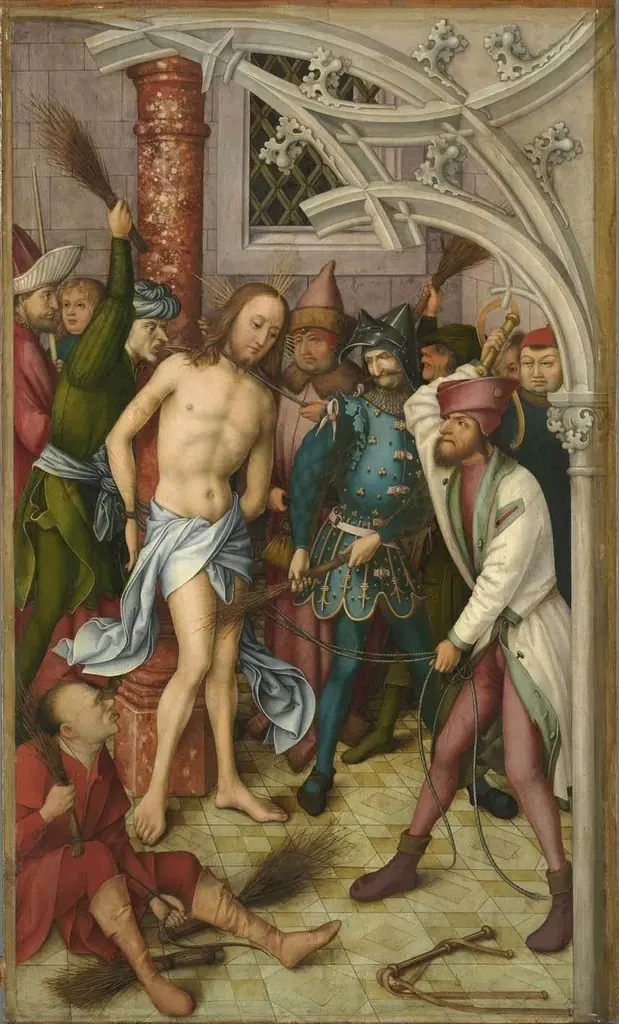 Kaisheimer Altar: Geißelung Christi
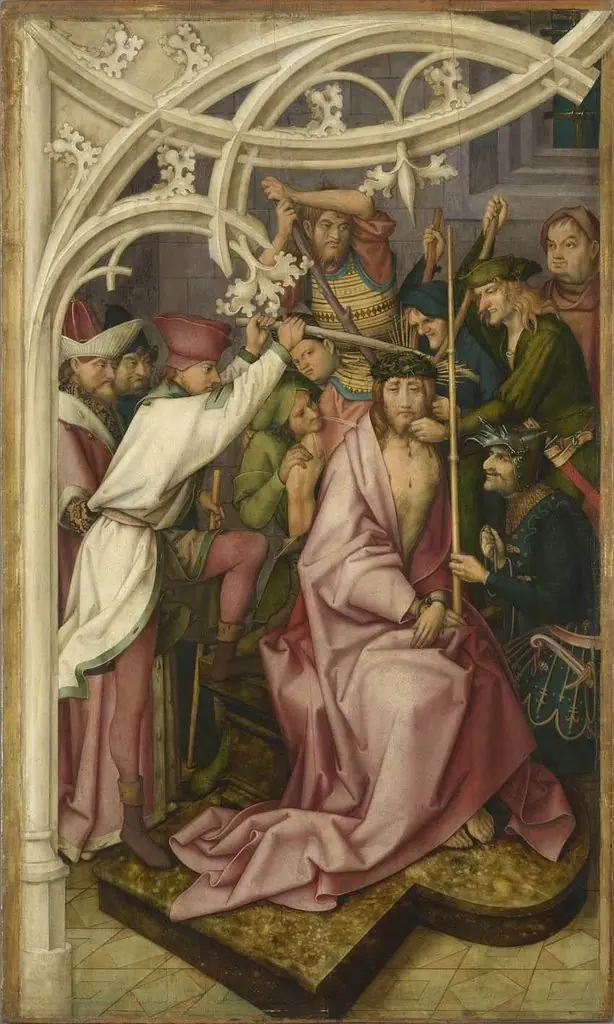 Kaisheimer Altar: Dornenkrönung Christi
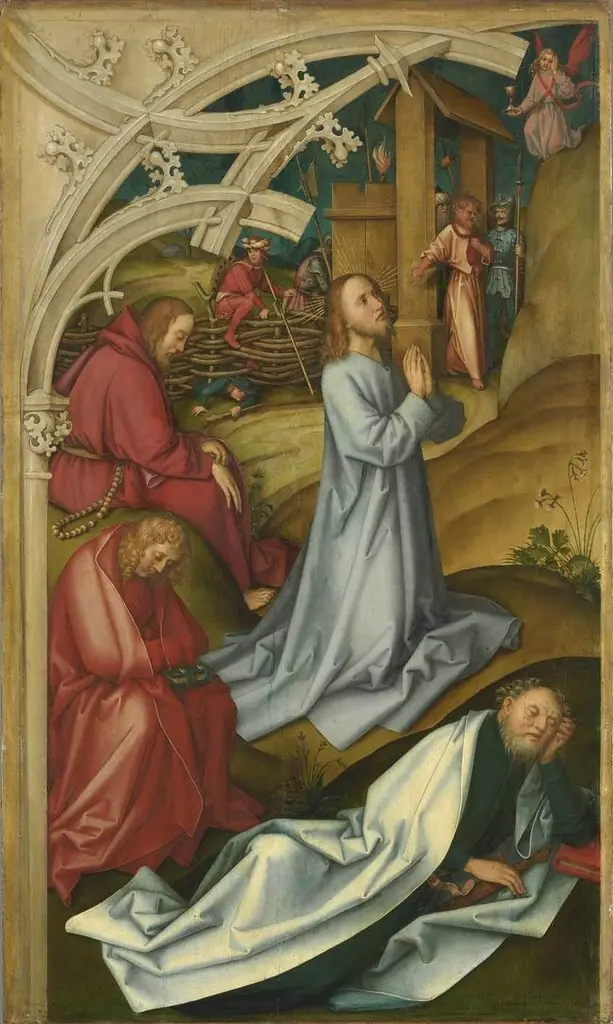 Kaisheimer Altar: Christus am Ölberg