Artwork
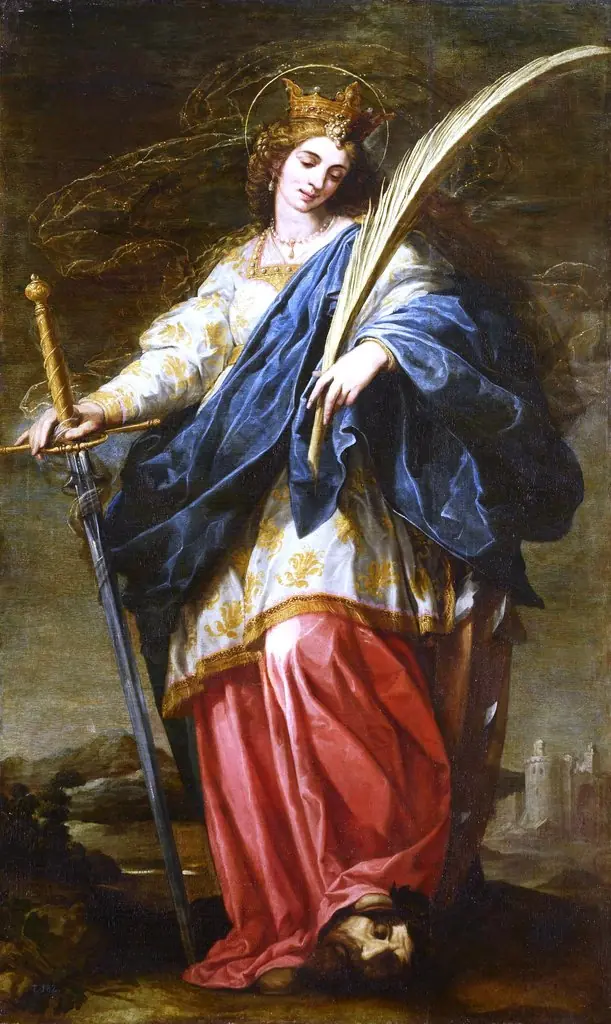
Santa Águeda
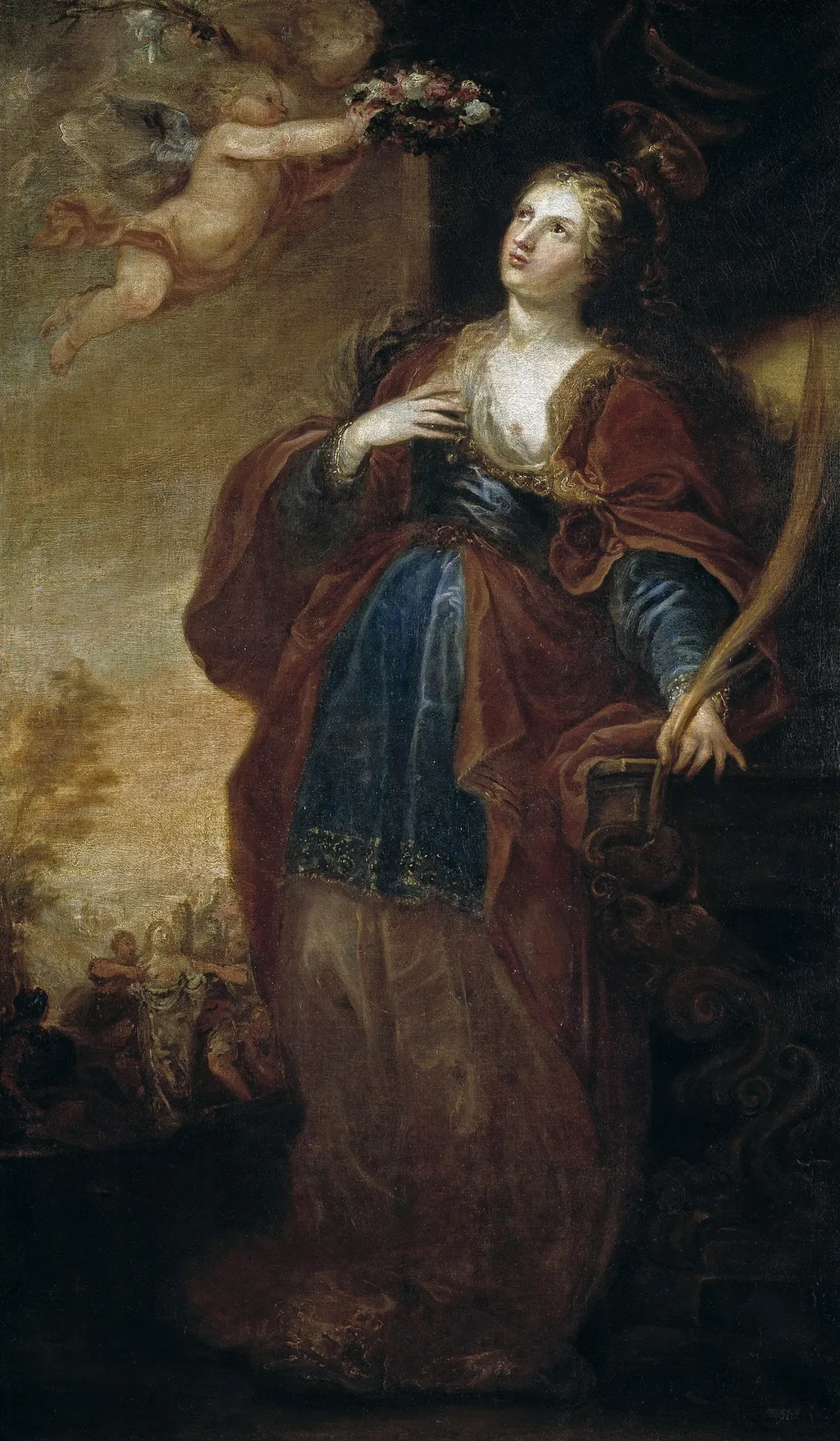
Santa Águeda is an oil painting by the Spanish Baroque Tenebrist artist Francisco Rizi. It dates from 1675 and is held in the collection of the Museo del Prado.
About this work
Subject & Meaning
The painting depicts Saint Agatha of Sicily, a Christian martyr, presented within a religious context. The figure is shown wearing a crown, an attribute that signifies her royal status or martyrdom. As a work of religious art, the piece serves to honor the saint and convey her spiritual significance through visual representation.
Technique & Style
Executed in oil paint on canvas, this religious work depicts Agatha of Sicily wearing a crown. The painting measures 184 cm in height and 108 cm in width. Stylistically, it adheres to the conventions of seventeenth-century religious art, focusing on the sacred figure with a formal composition typical of the period.
History & Provenance
While the creation date is recorded variously as 1675, 1676, or 1680, the painting remains a fixed part of the museum's holdings.
Santa Águeda is an oil-on-canvas religious painting by Francisco Rizi, dated to 1675 in the primary catalogue record, with related Wikidata entries listing inception dates of 1675, 1676, and 1680, reflecting some uncertainty around the precise year of execution.
The work is held in the collection of the Museo del Prado, where it remains located. The sources do not document the original commission, the patron, or the chain of ownership prior to its entry into the Prado's holdings, nor do they record any intermediate provenance, sales, or acquisition circumstances.
Francisco Rizi's painting Santa Águeda is held in the collection of the Museo del Prado in Madrid. The work is executed in oil on canvas and depicts Saint Agatha of Sicily wearing a crown. While the creation date is recorded variously as 1675, 1676, or 1680, the painting remains a fixed part of the museum's holdings.
No specific inventory number is provided in the available records, nor is there documented information regarding a history of exhibitions for this specific artwork.
Context
Francisco Rizi's Santa Águeda entered the Museo del Prado collection in the late 17th century and was classified as a religious painting depicting Agatha of Sicily, identifiable by her crown. Contemporary scholarship situates the work within Rizi's mature output, noting its 1675 date and stylistic links to Spanish Baroque altarpieces. The painting's composition, with the saint positioned against a dark background, reflects Counter-Reformation emphases on devotional imagery and has been discussed in art historical literature as an example of Rizi's contribution to Madrid's religious art scene in the mid-1600s.
Overview
Santa Águeda is a 1675 oil painting by Francisco Rizi, portraying Saint Agatha of Sicily in a symbolic and emotionally charged scene, characterized by dramatic lighting and subtle narrative elements.
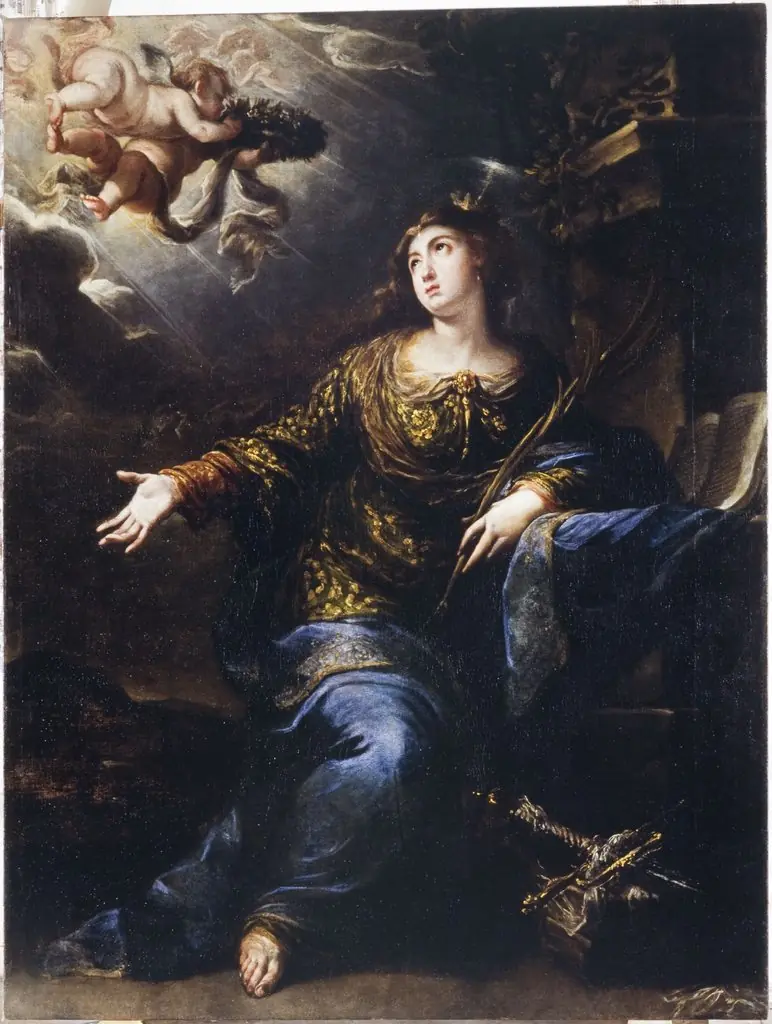
Artist & collection


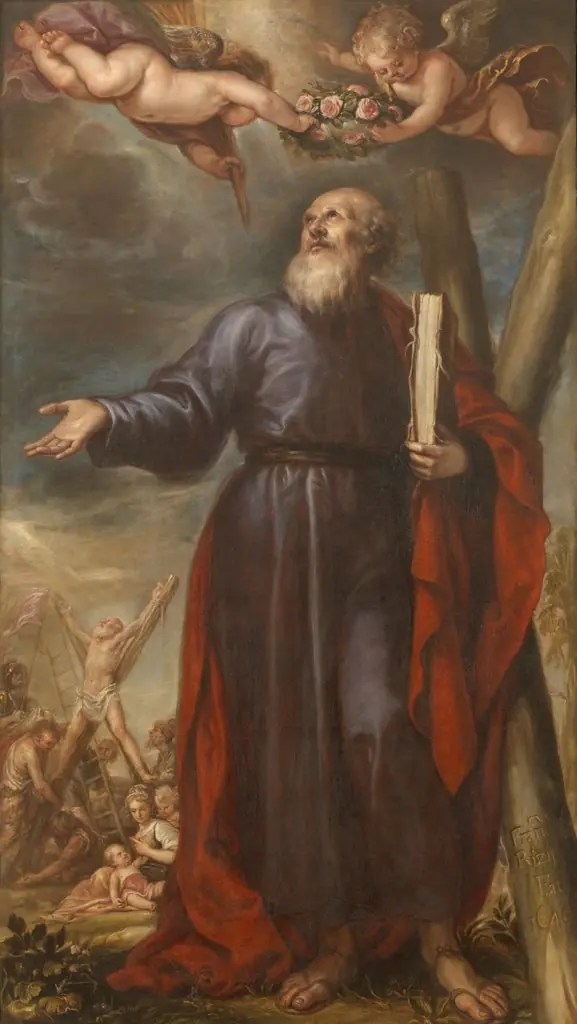
- Saint Catherine of Alexandria
 Santa Catalina
 Portrait of a Woman with Attributes of Diana
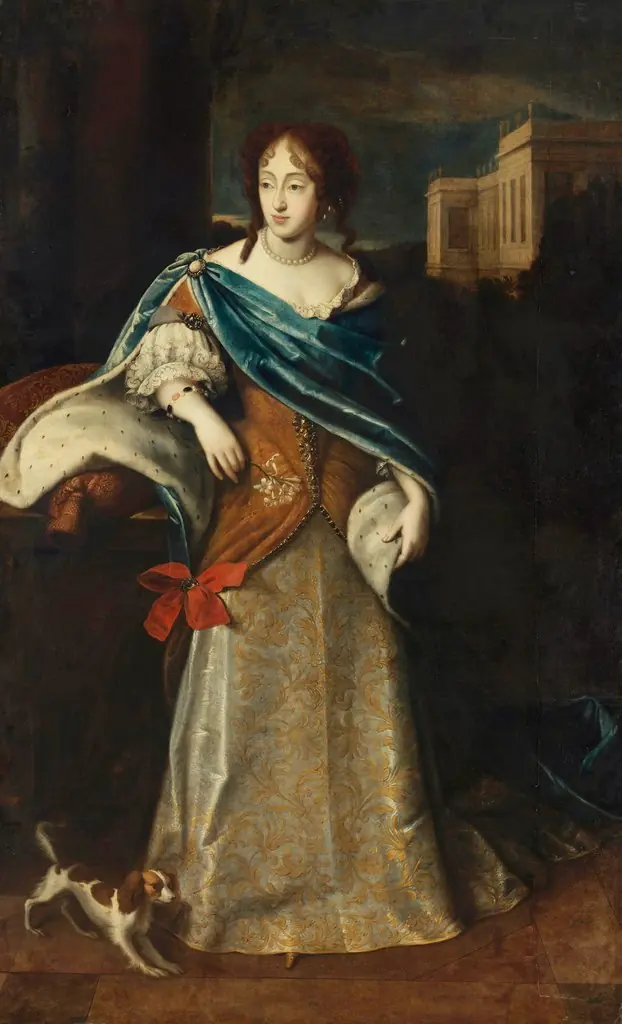 Henriette Adelaide
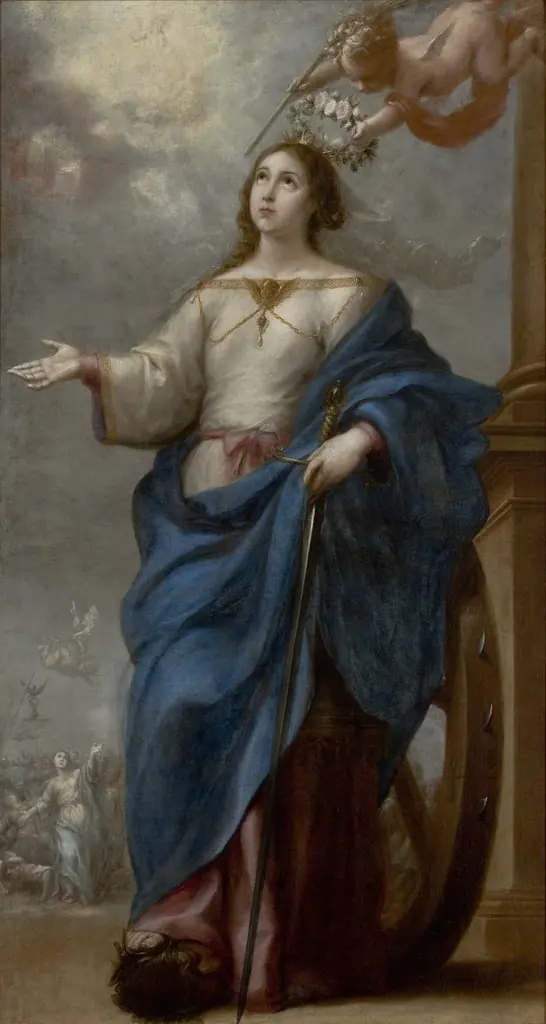 Heilige Katharina von Alexandrien
 Portret kobiety (rzekomo Ostrogskiej)
 Hagar und Ismael
 Portrait of a Lady with a Child
 Barbara Villiers (1640–1709), Duchess of Cleveland
 Portrait of Lady Pembrock
 Temperantia
 Die Hoffnung