Artwork
El expolio de Cristo
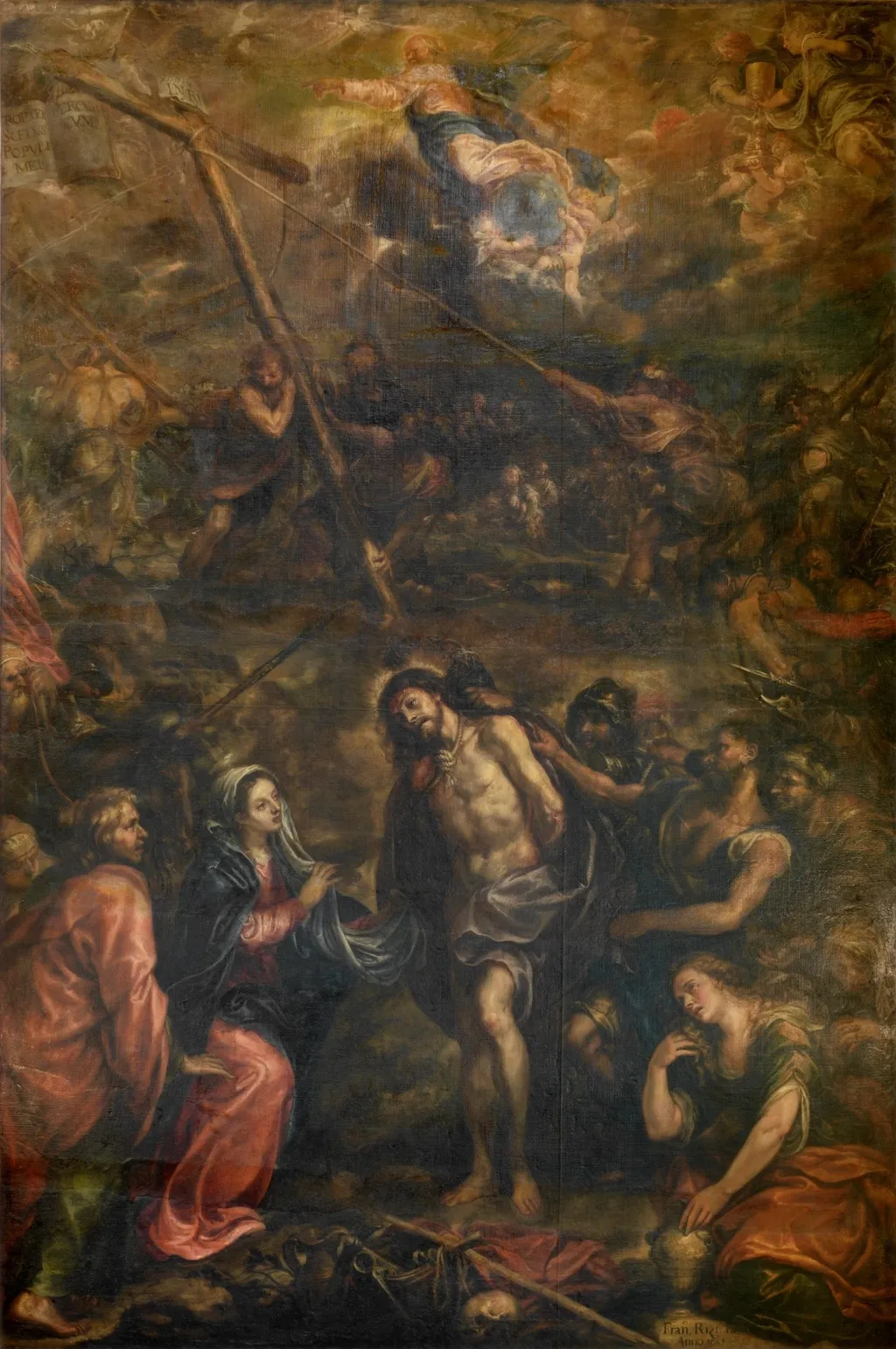
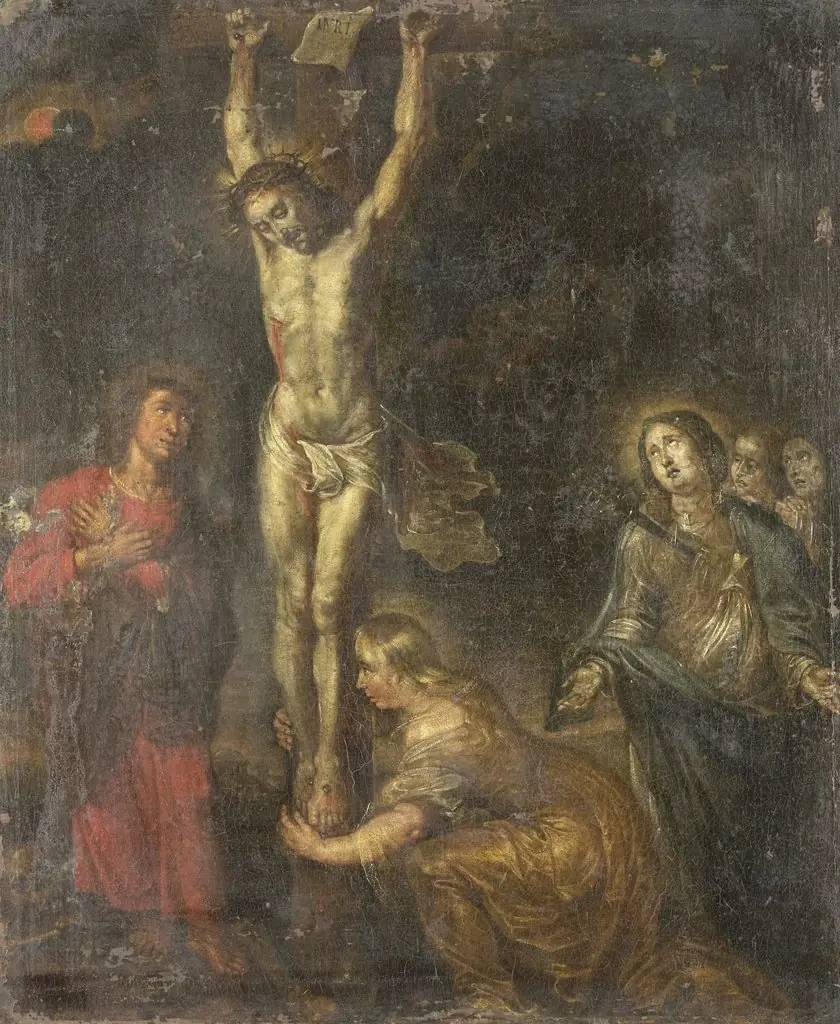
El expolio de Cristo is an oil painting by the Early Baroque Italian artist Francisco Rizi. It dates from 1651 and is held in the collection of the Museo del Prado.
About this work
Subject & Meaning
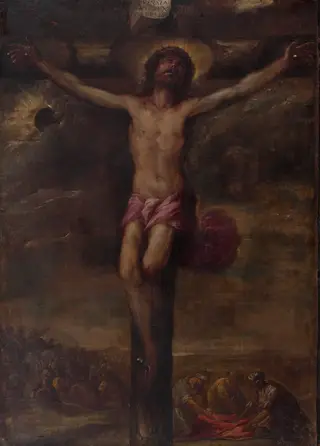
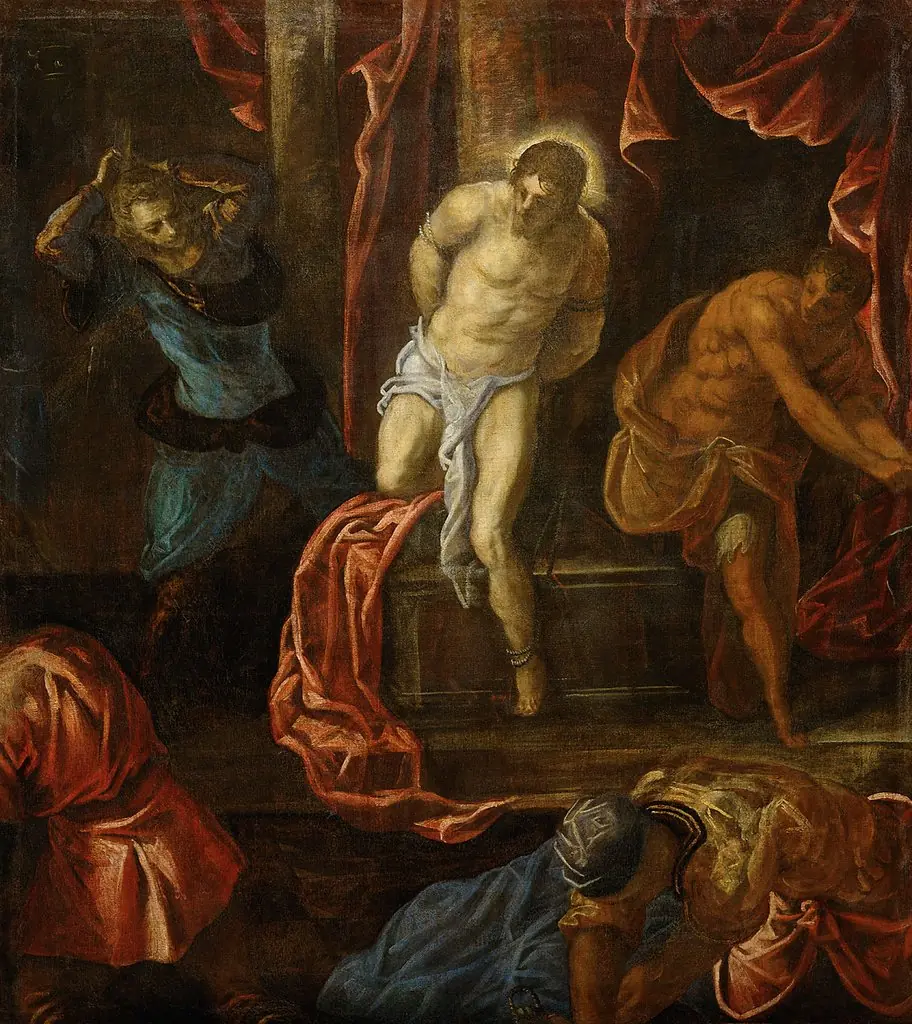
Created in 1651 by Francisco Rizi, El expolio de Cristo is a religious painting that depicts the biblical scene of the stripping of Christ's garments.
Created in 1651 by Francisco Rizi, El expolio de Cristo is a religious painting that depicts the biblical scene of the stripping of Christ's garments. The work incorporates specific iconographic elements including a skull, a book, a chalice, and a cross. These symbols reference the Passion of Christ and the theological themes of sacrifice and redemption associated with the event.
The inclusion of the skull alludes to Golgotha, the place of crucifixion, while the chalice and cross reinforce the Eucharistic and sacrificial aspects of the narrative.
Technique & Style
Executed in oil on canvas in 1651 by Francisco Rizi, the work renders the dramatic moment of Christ's robe being stripped. As a mid-seventeenth-century Spanish religious painting, it employs the dynamic composition and heightened emotional tenor typical of the Madrid school, with crowded figures and strong diagonals emphasizing the agitation of the scene. Specific details of the original palette, brushwork, and surface condition are not documented in the available sources.
History & Provenance
El expolio de Cristo was created by Francisco Rizi in 1651, executed in oil paint on canvas. According to the available records, the painting was held in the Museo de la Trinidad collection before entering the holdings of the Museo del Prado, where it is currently located. The sources do not provide further details on the original commission, the circumstances of its creation, or the full chain of ownership between its production and its inclusion in these institutional collections.
Context
Francisco Rizi's 1651 oil painting El expolio de Cristo is held in the Museo del Prado, having previously formed part of the Museo de la Trinidad collection.
The work is regarded as an example of Spanish Baroque religious art, its iconography of a skull, book, chalice, and cross underscoring themes of mortality and divine sacrifice. It is frequently discussed in relation to Rizi's role in the Madrid school of painters, who combined naturalistic detail with Counter-Reformation spirituality.
Overview
Painted in 1651, El expolio de Cristo by Francisco Rizi depicts the Passion narrative moment where Jesus is stripped of his garments prior to the crucifixion. The composition centers on Christ, rendered in a white loincloth with arms outstretched and head tilted, conveying resignation amidst the surrounding turmoil. He is flanked by figures actively engaged in removing his clothing, creating a dynamic, crowded arrangement that emphasizes the physical and emotional intensity of the event.
Executed in oil paint, the work reflects Rizi's mature style during his tenure as a court painter in Madrid, characterized by a synthesis of the dramatic chiaroscuro of the Caravaggisti and the formal grandeur associated with the Spanish Habsburg court. This piece stands as a significant example of mid-seventeenth-century Spanish religious art, illustrating the artist's ability to balance theatrical emotion with the solemnity required for devotional imagery. The work demonstrates Rizi's skill in rendering human anatomy and fabric textures while adhering to the Counter-Reformation emphasis on clear, impactful religious storytelling.
Own this work as a print
Artist & collection