Artwork
The Prodigal Son
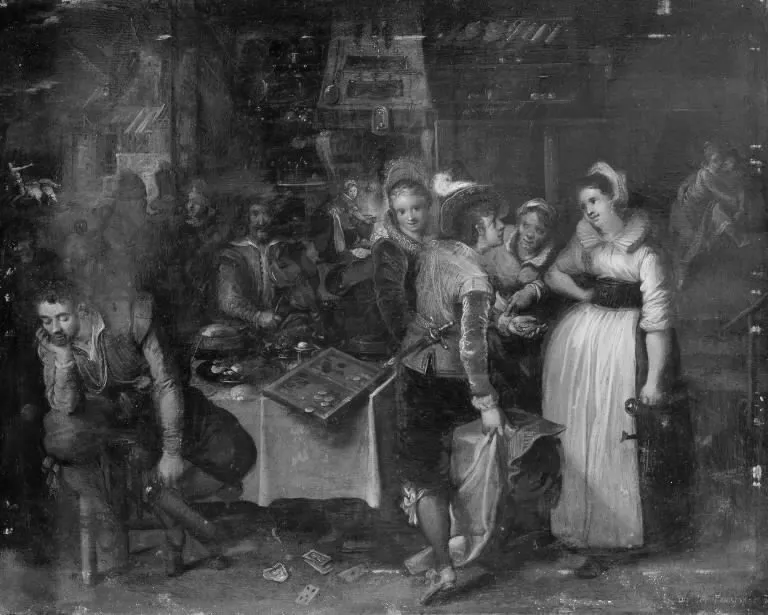
The Prodigal Son is an unspecified painting by the Flemish Baroque painting artist Frans Francken the Younger. It dates from 1619 and is held in the collection of the Statens Museum for Kunst.
About this work
Subject & Meaning
As a piece of religious art, the composition represents the moral themes of waywardness and the consequences of squandering one's resources.
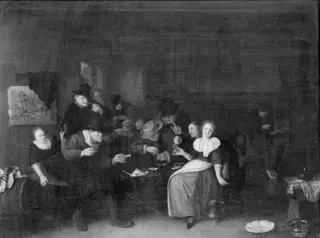
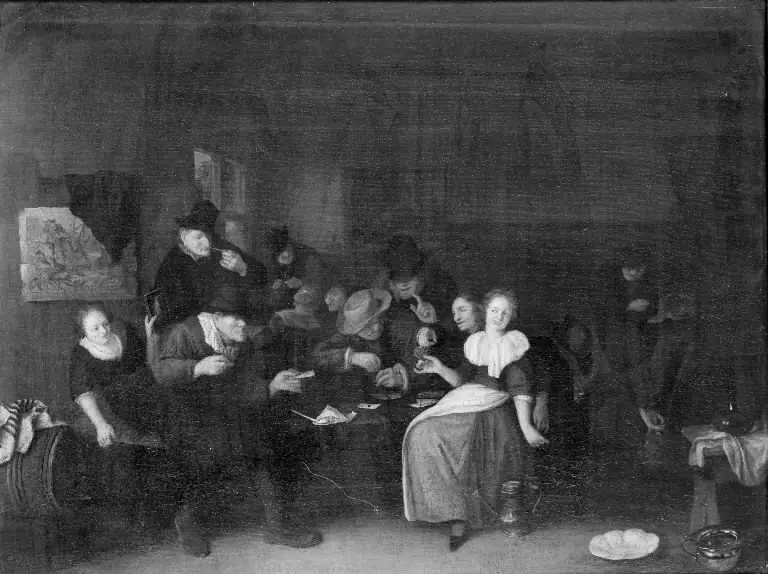
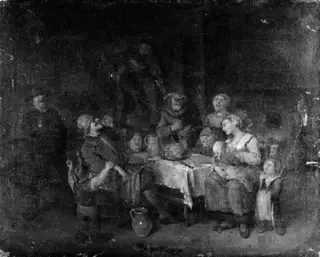
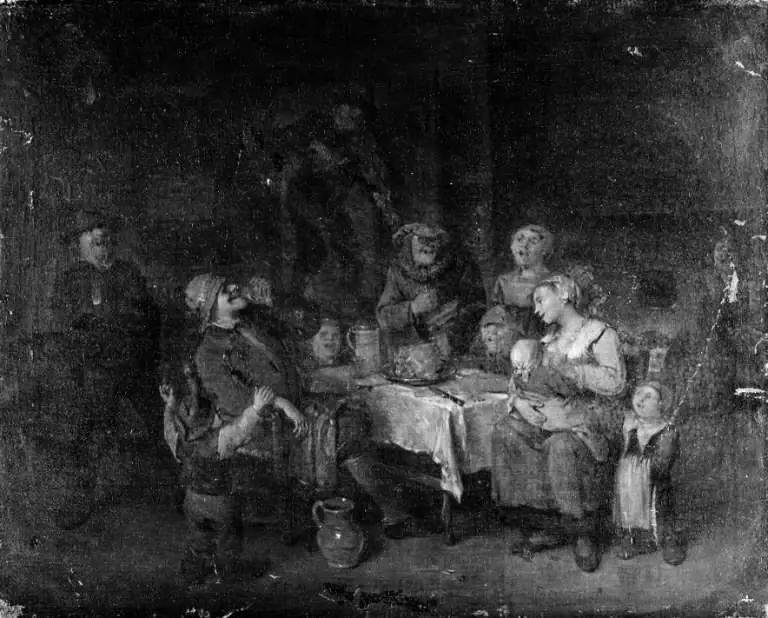
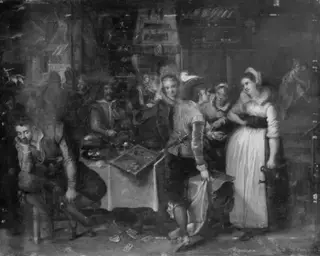
The work illustrates the Parable of the Prodigal Son, a religious narrative centered on a son who squanders his inheritance. Created by Frans Francken the Younger in 1619, the painting depicts specific scenes of dissipation associated with this biblical story. The iconography includes the depiction of backgammon and playing cards, which serve as symbols for the gambling and reckless behavior characteristic of the prodigal's life before his return.
As a piece of religious art, the composition represents the moral themes of waywardness and the consequences of squandering one's resources.
History & Provenance
The painting The Prodigal Son was created in 1619 by the Flemish artist Frans Francken the Younger. The work depicts the biblical Parable of the Prodigal Son, incorporating genre elements such as backgammon and playing cards within its religious narrative. It is currently held in the collection of the Statens Museum for Kunst, where it remains part of the institution's holdings.
No specific details regarding the original commission or intermediate ownership history prior to its arrival at the museum are provided in the available records.
The painting is held in the collection of the Statens Museum for Kunst. Created in 1619, the work depicts the Parable of the Prodigal Son and includes details such as backgammon and playing cards. The provided sources do not contain specific inventory numbers or a record of its exhibition history.
Overview
Frans Francken the Younger, an Antwerp‑based Flemish painter, completed The Prodigal Son in 1619. Executed during the height of the Flemish Baroque, the canvas captures a bustling interior scene populated by numerous figures. Central to the composition is a young man in elaborate attire, sword in hand, confronting a woman in white. The work is presently owned by Denmark’s Statens Museum for Kunst.
Technique & Style
Francken employs the dense, lively composition typical of Flemish Baroque, using a bright palette and meticulous detail to render fabrics, metal, and game pieces. The figures are rendered with crisp, linear outlines, while the crowded interior is organized through a balanced arrangement of gestures and gazes, creating a sense of movement and interaction among the participants.
Context
Francken the Younger was known for collaborative projects, often working with specialists in still life or landscape to enrich his compositions. The Prodigal Son exemplifies his ability to merge genre scenes with religious storytelling, a common trend among Antwerp painters who catered to a market eager for moralizing yet visually engaging works.
Artist & collection
Artist
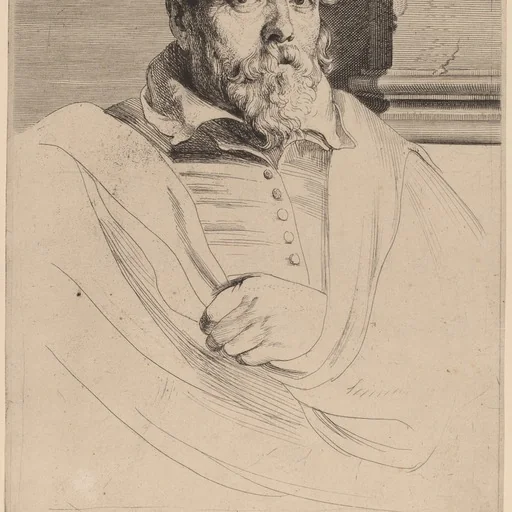
Frans Francken the Younger (1581, Antwerp – 6 May 1642, Antwerp) was a Flemish painter and the best-known and most prolific member of the large Francken family of artists.

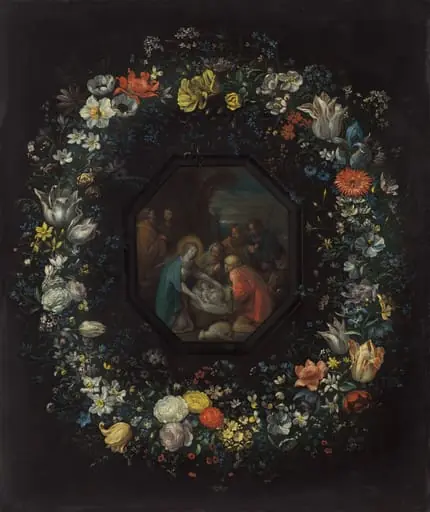 Garland of Flowers with Adoration of the Shepherds
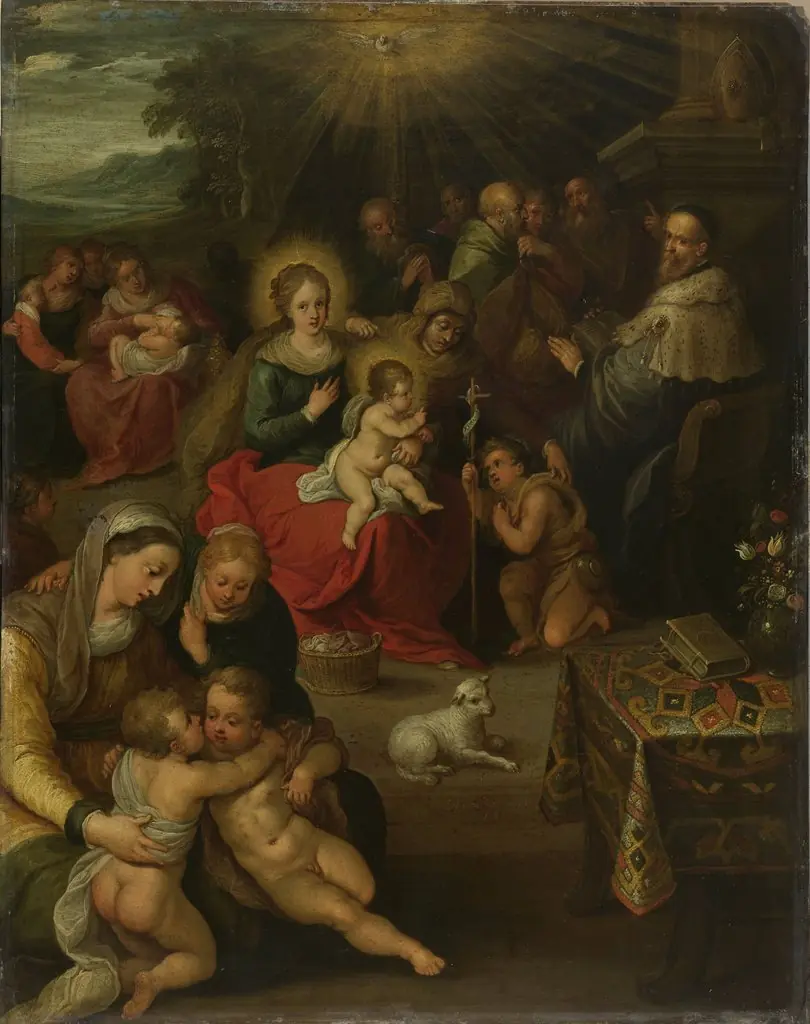 Allegory on the Christ child as the lamb of God
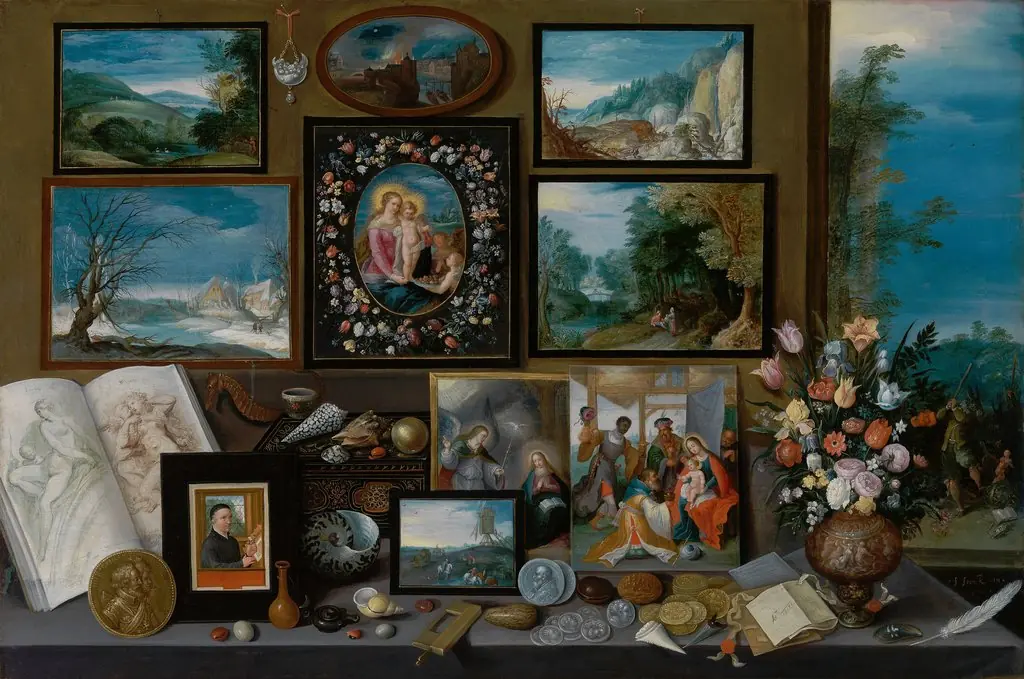 A Collection
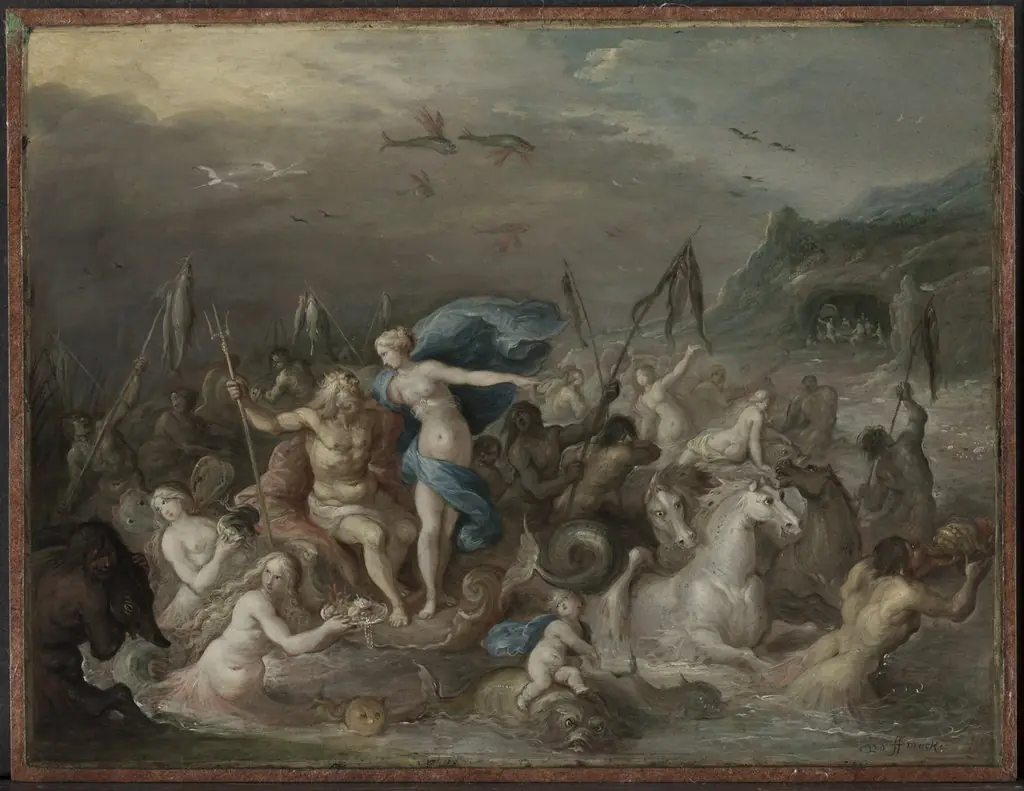 The Triumph of Neptune and Amphitrite
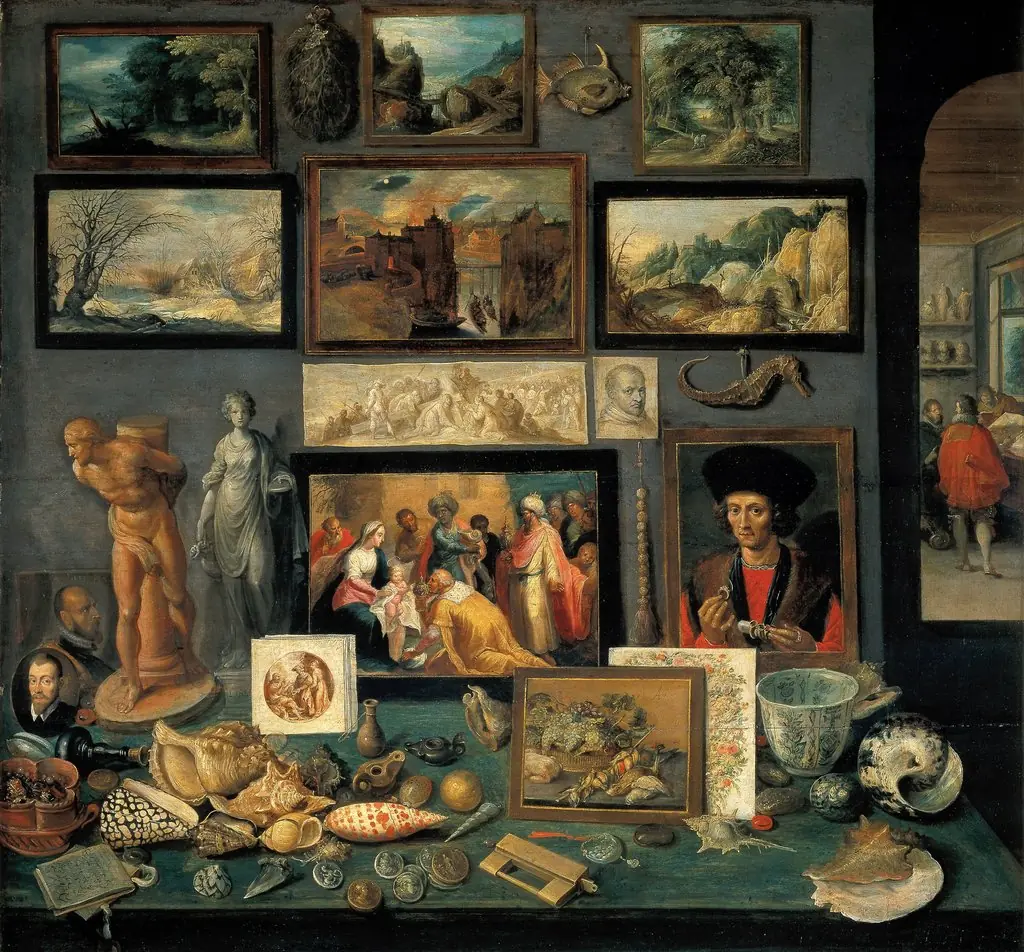 Chamber of Art and Curiosities
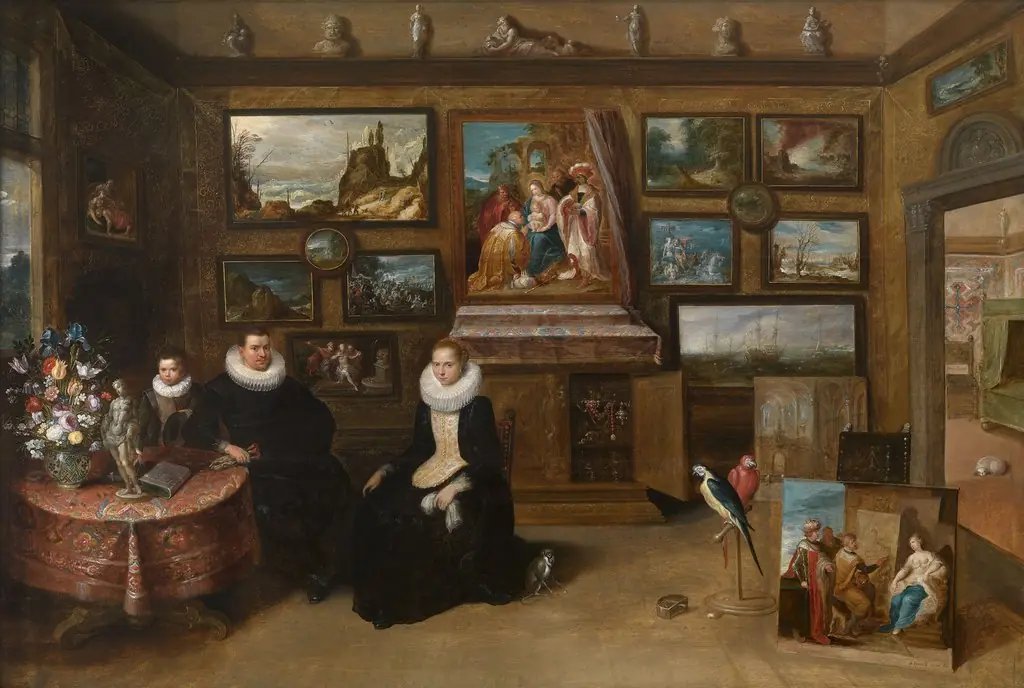 The Collection of paintings of Sebastiaan Leerse
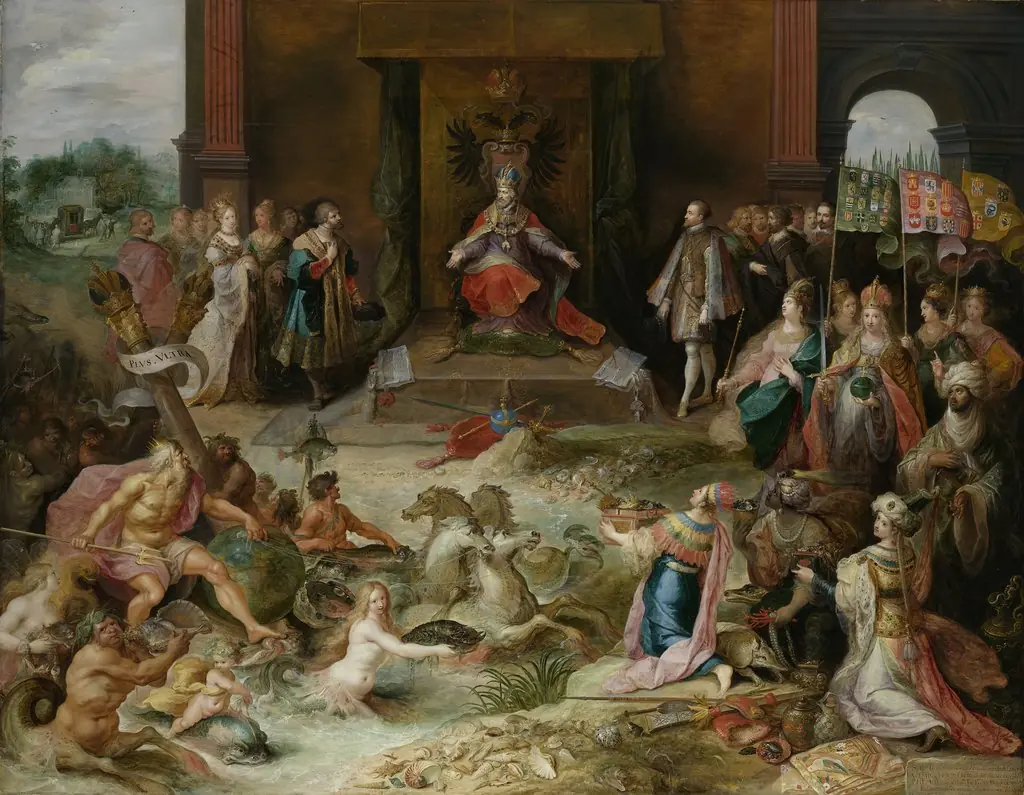 Allegory on the Abdication of Emperor Charles V in Brussels
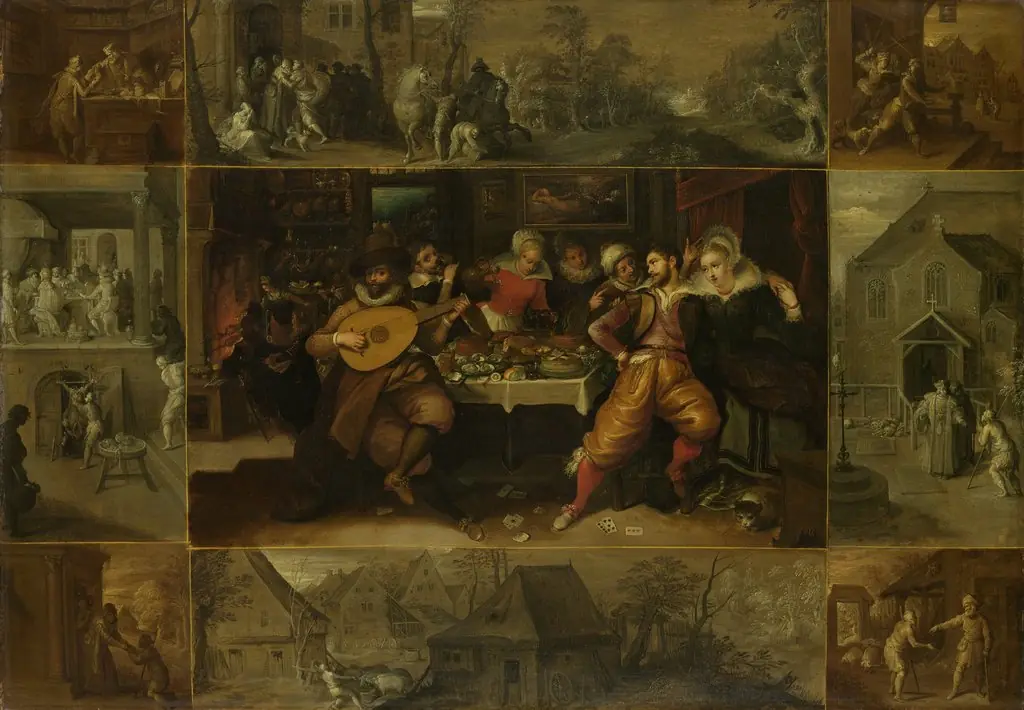 The parable of the prodigal son