Artwork
Garland of Flowers with Adoration of the Shepherds
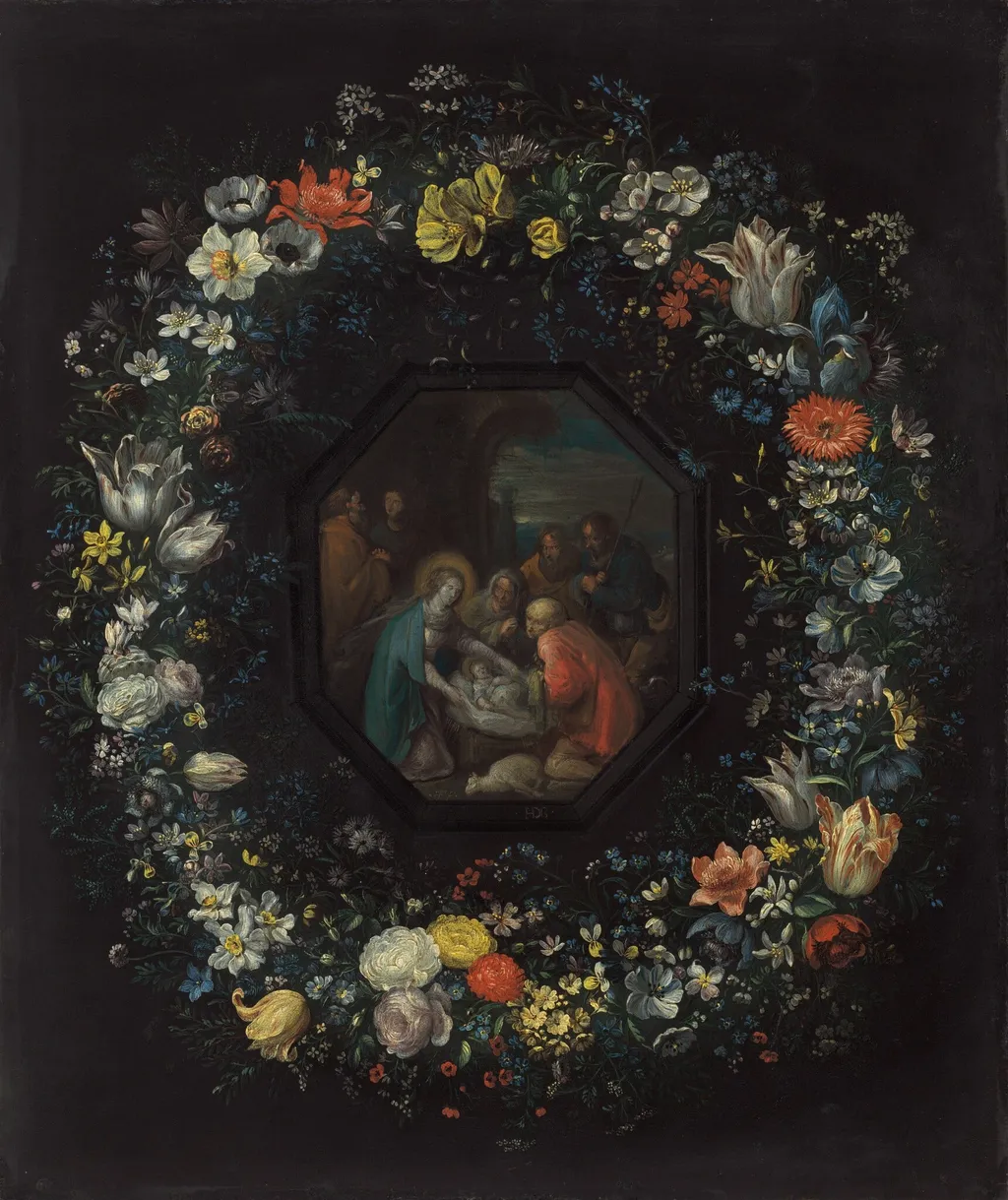
Garland of Flowers with Adoration of the Shepherds is an oil painting by the Baroque artist Frans Francken the Younger. It dates from 1628 and is held in the collection of the National Gallery of Art.
- Inscription
- Inscribed:lower left of adoration scene in monogram: FF F; lower right of on painted frame in monogram: HDB[?]
About this work
Technique & Style
5 cm in width, combining the genre of floral painting with a religious narrative depicting the Adoration of the Shepherds and the Christ Child.
Created in 1625, Garland of Flowers with Adoration of the Shepherds is executed in oil paint on a copper support, a durable ground favored for its smoothness and reflective qualities. The work measures 22.3 cm in height and 18.5 cm in width, combining the genre of floral painting with a religious narrative depicting the Adoration of the Shepherds and the Christ Child. The medium of oil on copper allows for fine detail, characteristic of Frans Francken the Younger's style in this period.
The reverse of the painting features a wooden panel backing, which bears an oblong octagonal red wax seal with a central crest, a dog-like animal, and a stag, alongside a paper label referencing an unidentified Stuttgart Museum. These physical attributes and the specific support material define the object's formal construction and current condition.
History & Provenance
The Garland of Flowers with Adoration of the Shepherds by Frans Francken the Younger was created in 1625, as established by stylistic and documentary evidence. The work’s early provenance remains unclear, though a red wax seal on its backing panel, featuring a crowned crest, a dog-like animal, and a stag, suggests a possible connection to a Stuttgart collection, though the Staatsgalerie Stuttgart holds no record of it. By the early 1930s, it was acquired by Helen B. Lillie, a dealer based in England’s Lake District.
It later passed by inheritance to her daughter, Helen M. Lillie Marwick, in Washington, D.C., before being bequeathed to the National Gallery of Art in 2003. No direct evidence of a commission has been identified.
The painting is held by the National Gallery of Art, Washington, D.C., where it entered the collection as a bequest in 2003 from Helen M. Lillie Marwick. Its accession is not specified in the cited sources. The work was previously in the possession of Helen B. Lillie (early 1930s), then by descent to her daughter, Helen M. Lillie Marwick, and later transferred to the National Gallery of Art through her bequest. No exhibition history is documented in the provided sources.
Overview
Painted in 1628 by Frans Francken the Younger, Garland of Flowers with Adoration of the Shepherds is a flower garland painting that frames a central religious scene. The composition features a dense, circular wreath of various blooming flowers, including tulips, roses, and lilies, which encloses a smaller panel depicting the Adoration of the Shepherds. Executed in oil on copper, a support favored in Antwerp during the early seventeenth century for its smooth surface and durability, the work demonstrates the artist's mastery of fine detail and vibrant coloration.
This format, known as a garland painting, was often produced in collaboration with specialists; while Francken typically painted the figures, the floral elements were frequently added by a flower specialist, though the specific collaborator for this piece is not identified in the provided metadata. The work reflects the Counter-Reformation interest in combining devotional imagery with the natural world, a genre that flourished in the Southern Netherlands. Created during the height of Francken's career, the painting exemplifies the intricate, multi-layered aesthetic characteristic of the Antwerp school, merging the still-life tradition with narrative religious art.
Subject & Meaning
At the center of the composition, the Christ Child is depicted receiving homage from a group of shepherds, a traditional scene from the Nativity narrative. This sacred core is framed by an opulent garland of diverse flowers, which not only serves as a decorative element but also carries symbolic weight. Such floral arrangements often alluded to themes of purity, rebirth, or the fleeting beauty of life, enriching the spiritual message of the central image.
Own this work as a print
Artist & collection
Artist
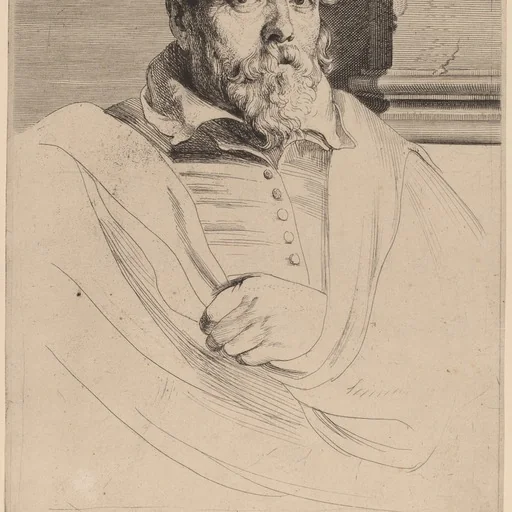
Frans Francken the Younger (1581, Antwerp – 6 May 1642, Antwerp) was a Flemish painter and the best-known and most prolific member of the large Francken family of artists.

- Garland with the Virgin, the Christ Child and two Angels
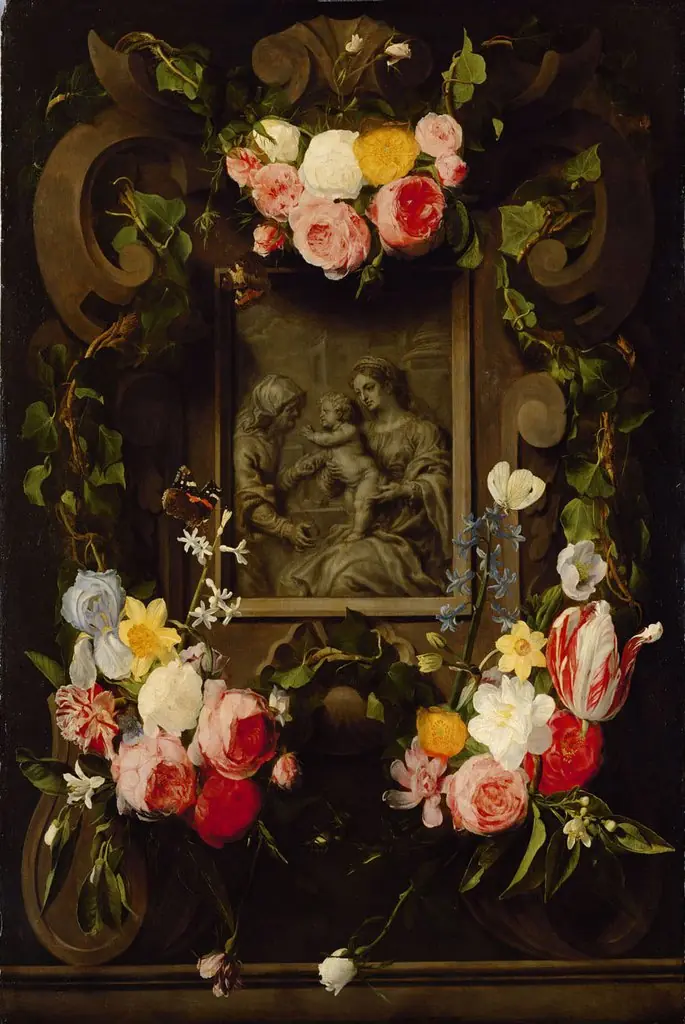 Madonna and Child with St Anna in a Flower Garland
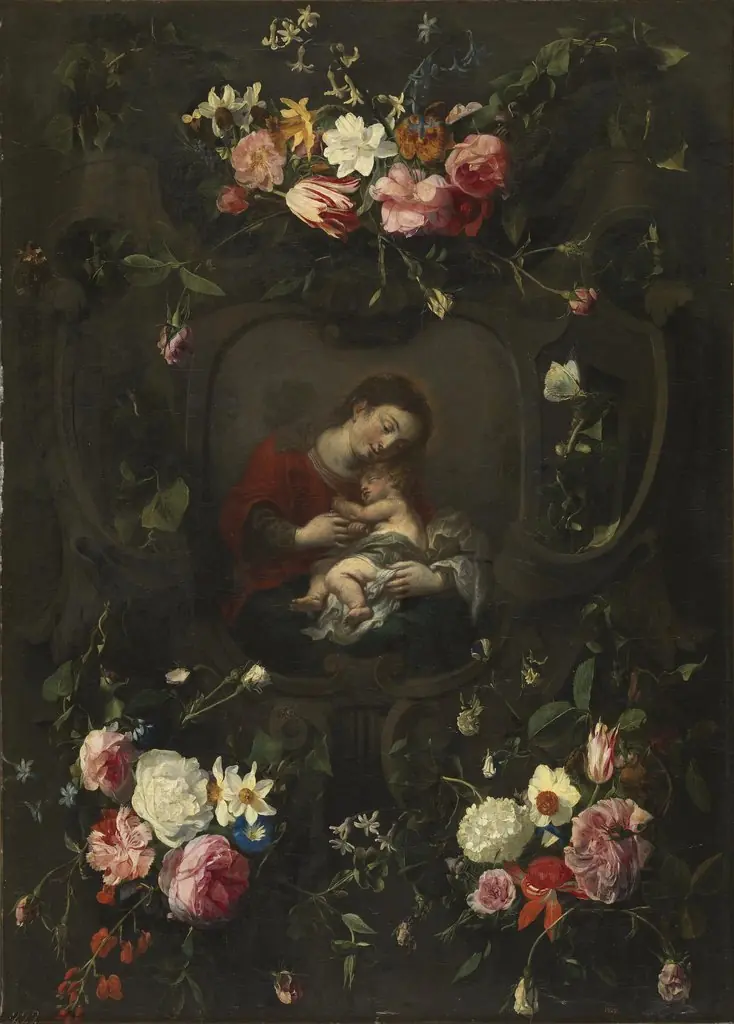 Flower garland around a Madonna and Child
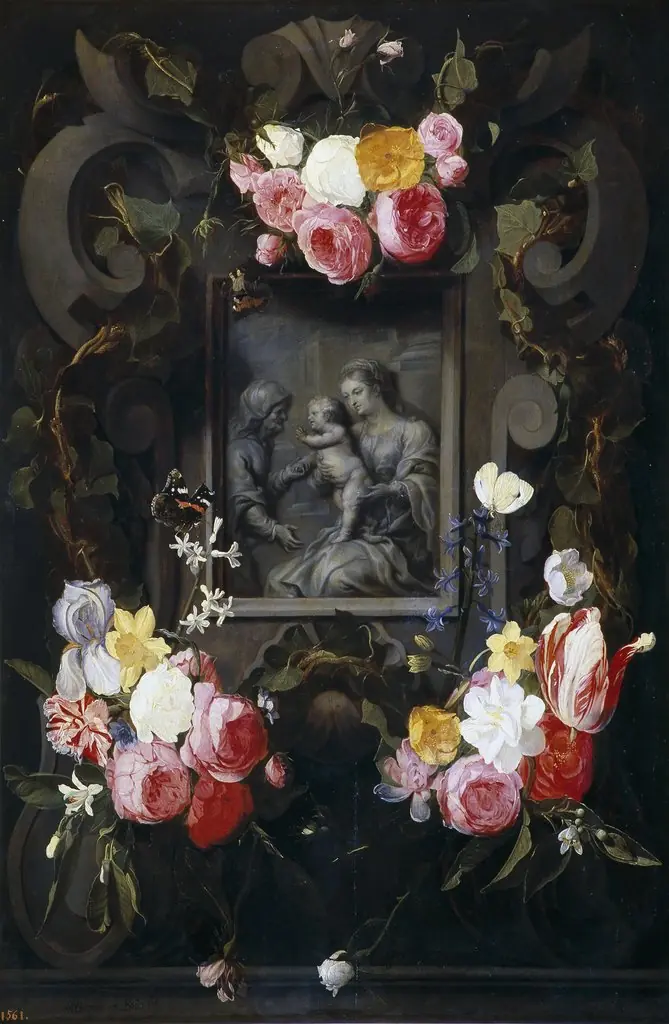 Guirnalda con Santa Ana la Virgen y el Niño
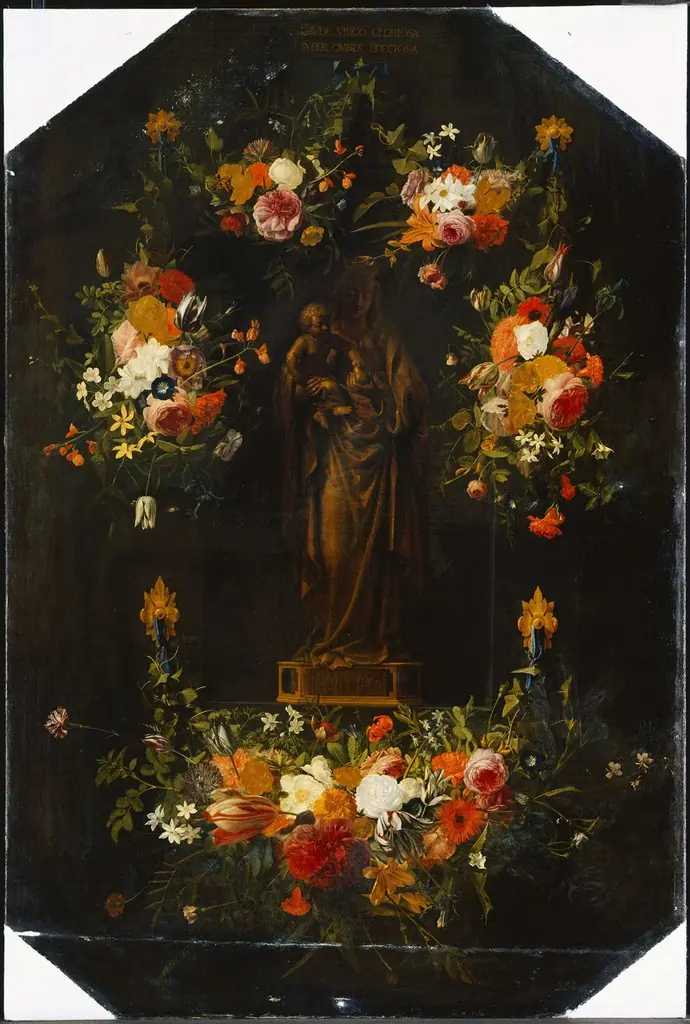 Statue of Mary in a Garland
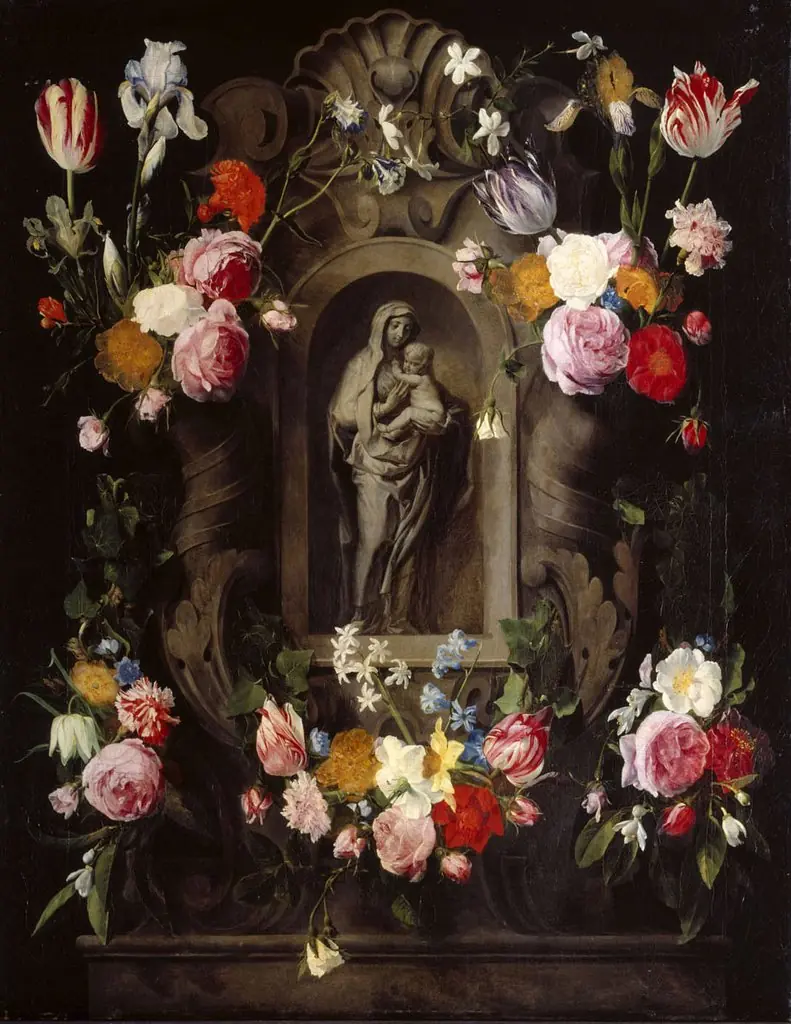 Madonna & Child Statuette in a Niche surrounded by a Garland of Flowers
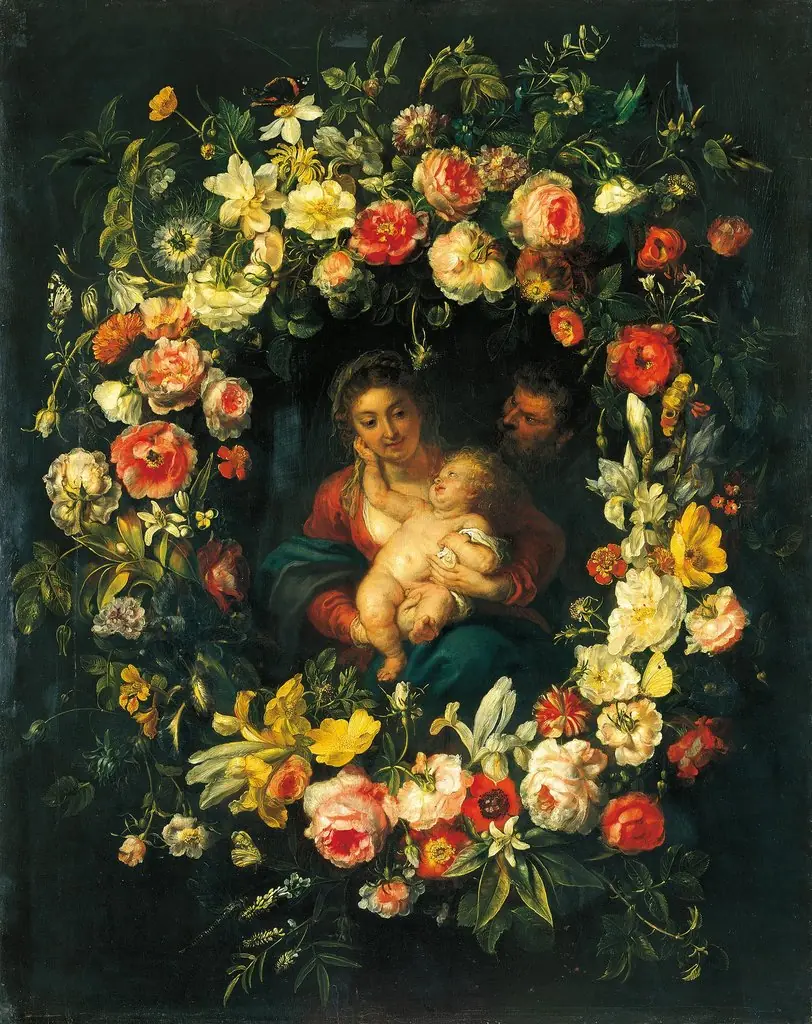 Holy Family in a Wreath of Flowers
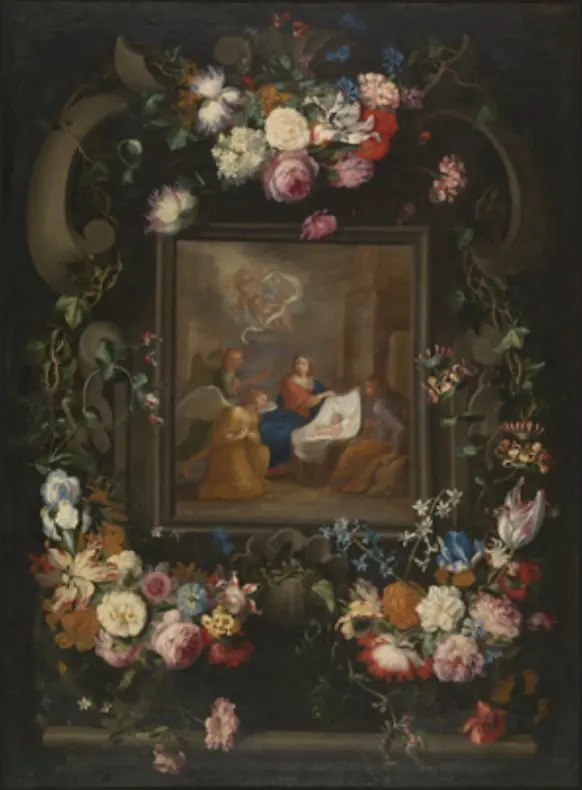 Garland of flowers around a scene of the birth of Christ
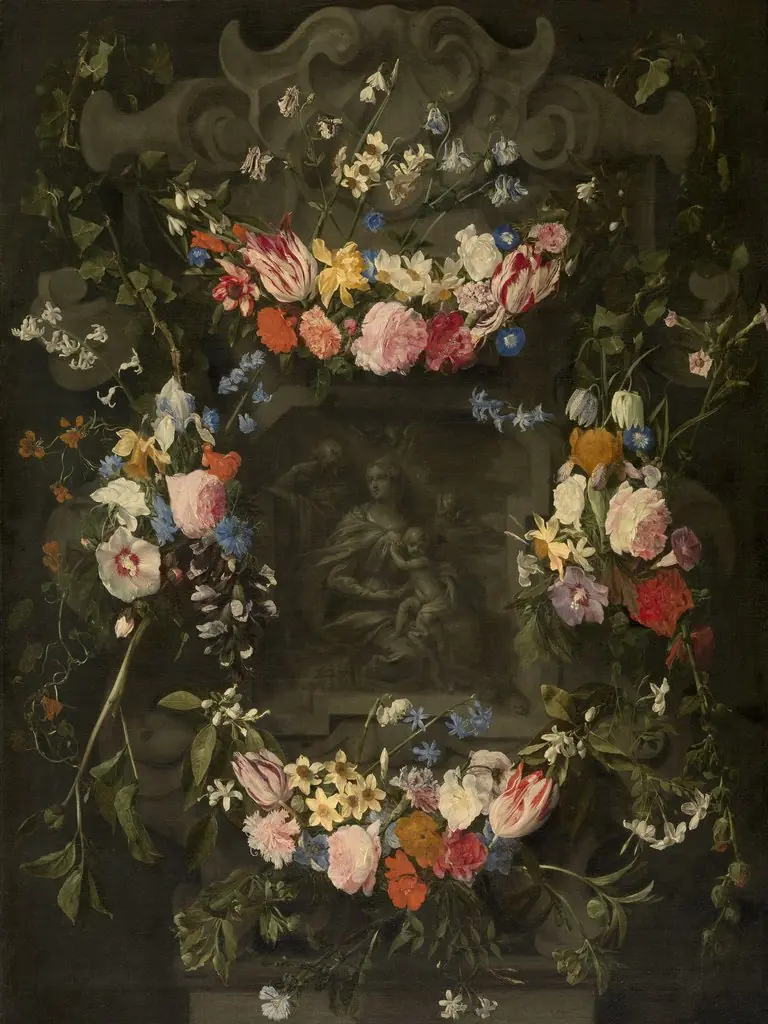 Holy Family in a Flower Garland
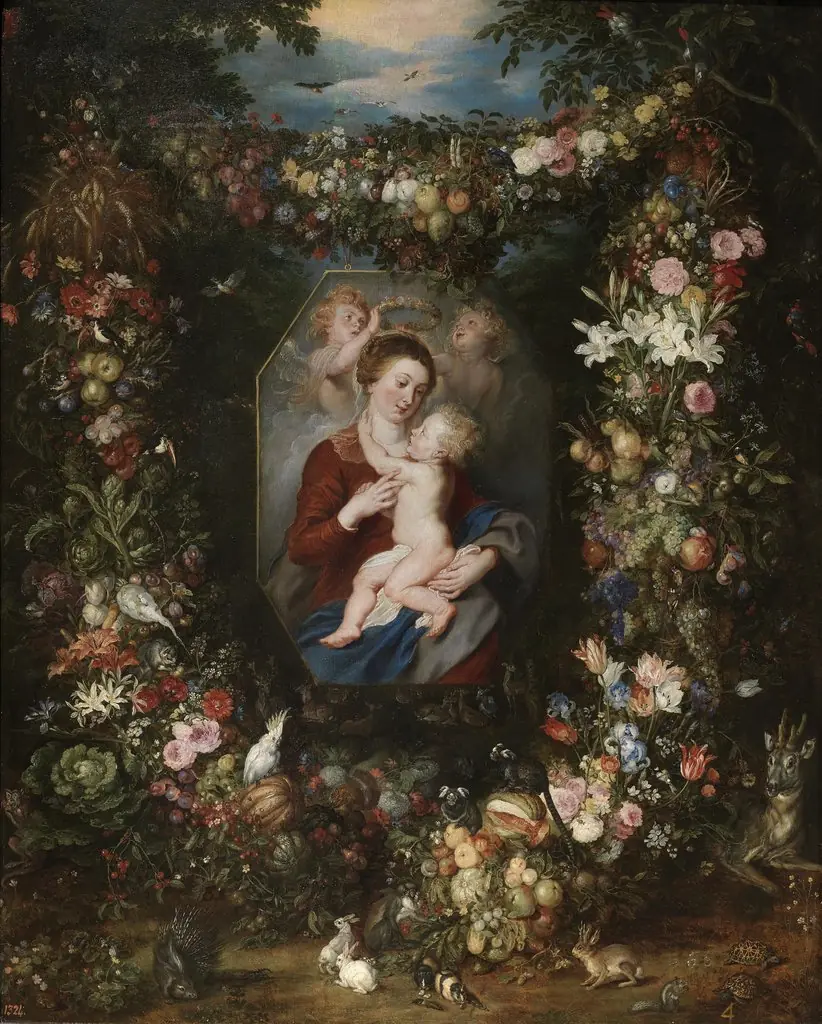 The Virgin and Child in a Painting surrounded by Fruit and Flowers
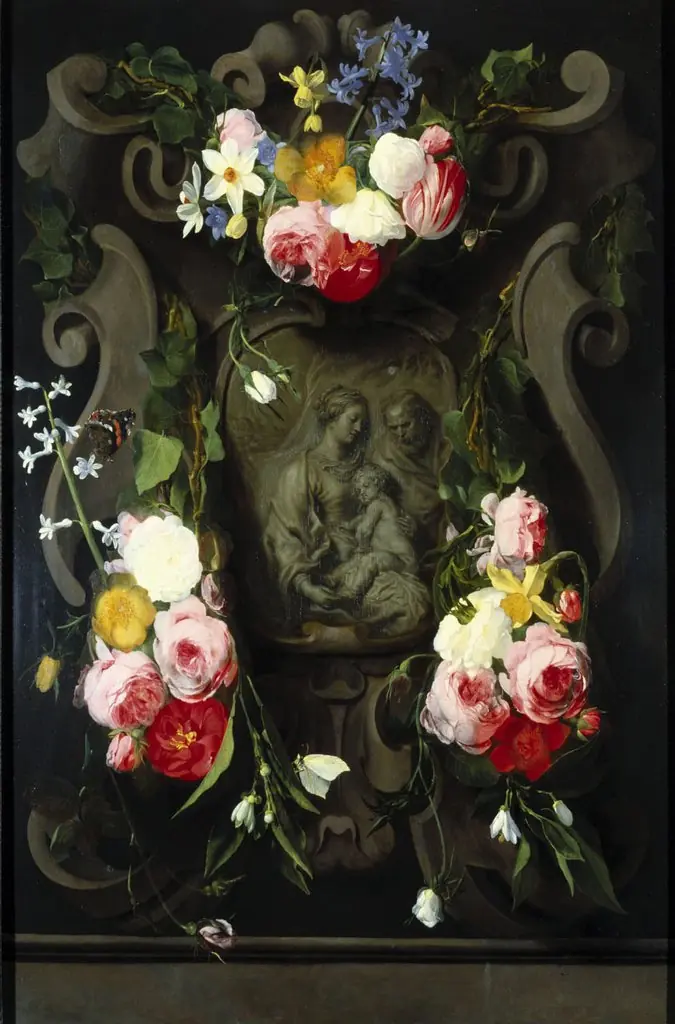 The Holy Family in a Flower Garland
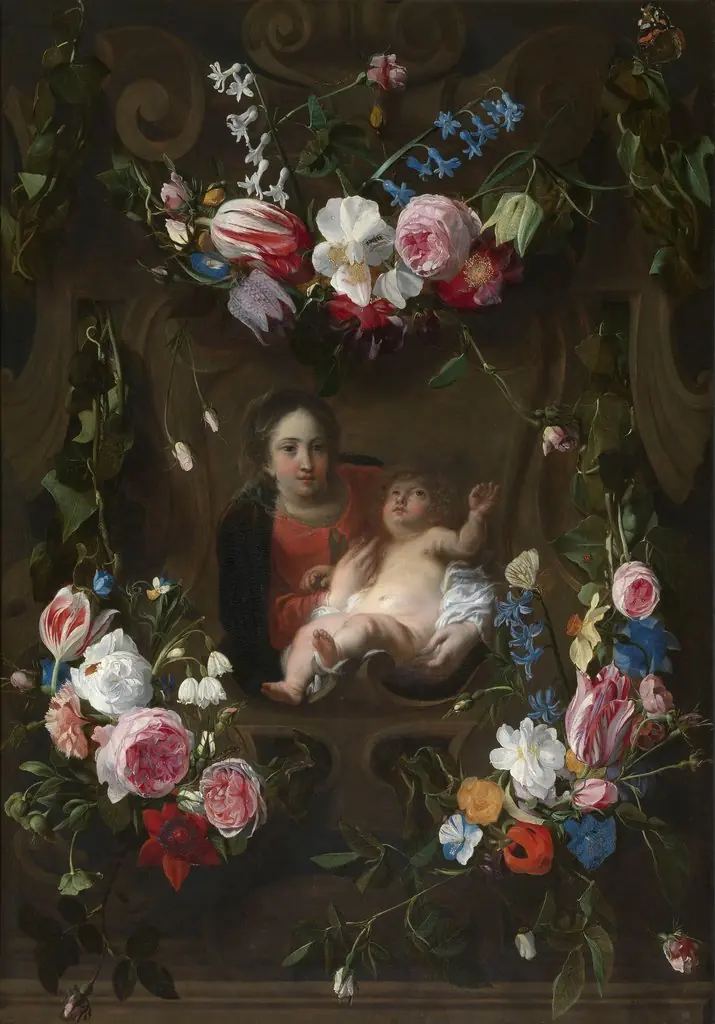 Madonna Surrounded by a Garland of Flowers