Artwork
The parable of the prodigal son
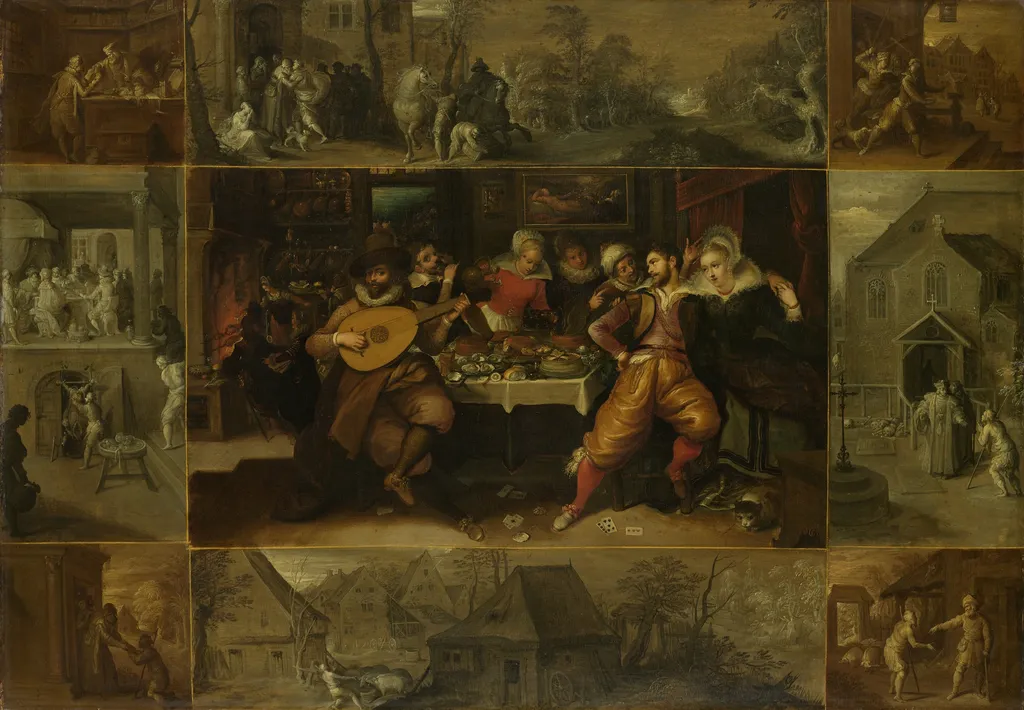
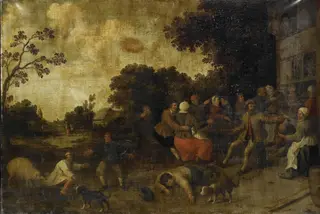
The parable of the prodigal son is an oil painting by the Flemish Baroque painting artist Frans Francken the Younger. It dates from 1610 and is held in the collection of the Rijksmuseum.
About this work
Subject & Meaning
Together they visualize the themes of repentance, divine mercy, and the contrast between prodigal waste and paternal forgiveness.
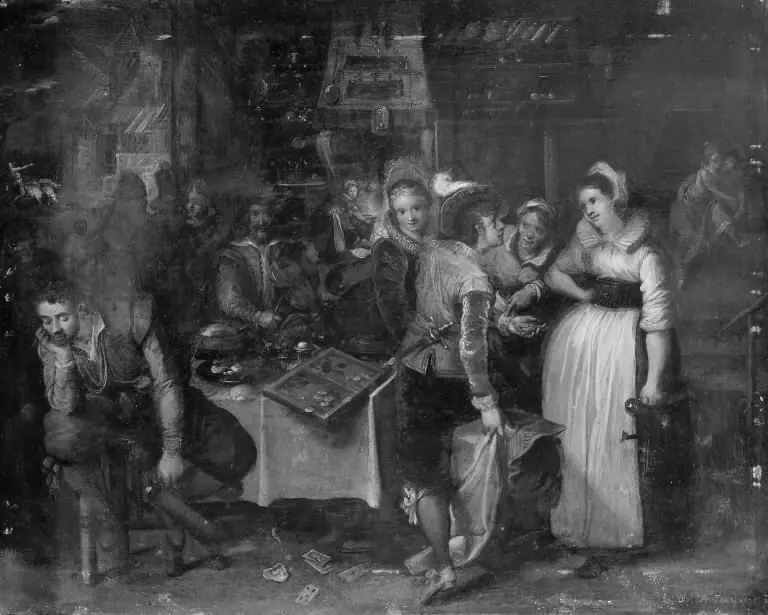
The painting illustrates the New Testament parable of the Prodigal Son (Luke 15:11‑32), depicting the younger son’s request for his inheritance, his extravagant life abroad, his destitution, and his eventual return to a forgiving father. The central panel shows the son feasting with a woman, a lute player, and servants, surrounded by oysters, pastries, playing cards and a putative Jupiter‑and‑Danaë painting, symbolizing worldly indulgence. Eight grisaille scenes frame this core: receiving the inheritance, bidding farewell, being driven away, begging a priest, dismissal by his master, swine‑herding, the penitent return, and the slaughter of the fatted calf.
Together they visualize the themes of repentance, divine mercy, and the contrast between prodigal waste and paternal forgiveness.
Technique & Style
Executed in oil paint on a wooden panel, this work measures 61 by 85 centimeters. The composition is structurally divided into nine distinct sections, featuring a large central narrative scene surrounded by eight smaller framing images. While the primary center depiction utilizes full color to illustrate the son's reckless spending, the surrounding vignettes are rendered in grisaille.
This monochromatic handling of the peripheral scenes creates a formal contrast that emphasizes the central action. The artists employed a dense arrangement of small figures, a stylistic hallmark of Frans Francken the Younger, to populate the crowded interior settings with detailed narrative elements such as scattered playing cards and stacked foodstuffs.
History & Provenance
The multi-panel painting depicting the Parable of the Prodigal Son was created in Antwerp around 1610 by Frans Francken the Younger in collaboration with Hieronymus Francken II.
It first entered a documented collection when Amsterdam art collector Adriaan van der Hoop acquired it in 1843. Van der Hoop bequeathed the work to the city of Amsterdam in 1854, and it was subsequently placed on long-term loan to the Rijksmuseum, Amsterdam, where it remains. The painting’s dimensions are 61 cm in height and 85 cm in width.
The painting is currently held by the Amsterdam Museum, having been acquired by the collector Adriaan van der Hoop in 1843. Van der Hoop donated the work to the city of Amsterdam in 1854, where it remains part of the municipal collection. Although owned by the Amsterdam Museum, the artwork is on long-term loan to the Rijksmuseum, where it is displayed to the public.
The work is also associated with the Muiderslot location in some records, reflecting its complex institutional history within the Netherlands.
Context
Created between 1610 and 1620 in Antwerp, this collaborative oil panel by brothers Frans Francken the Younger and Hieronymus Francken II exemplifies the narrative complexity characteristic of the Francken family workshop. Born into a dynasty of artists, the brothers shared a training background under their father, Frans I, and uncle Hieronymus I, resulting in a unified approach to figure painting despite their individual careers within the Antwerp Guild of St. Luke. The work reflects Frans II's specific renown for populating cabinet paintings with dense crowds of small figures to tell allegorical stories.
By dividing the biblical parable into nine distinct sections, the piece utilizes a central color scene surrounded by grisaille vignettes, a structural choice that highlights the family's innovation in presenting multi-temporal religious narratives on a single support.
Legacy
The painting has been cited as an influential example of cabinet paintings, a format that allowed artists to explore complex narrative scenes within a small format. Its composition, with a central scene framed by smaller grisaille vignettes, influenced later artists in the 17th century who experimented with multi-part visual storytelling. The work was widely collected by Dutch Golden Age patrons, including Adriaan van der Hoop, whose donation helped establish its presence in Amsterdam’s public collections.
Art historians have noted its role in advancing narrative complexity in private devotional works, particularly in the treatment of biblical subjects through layered visual sequences.
Overview
The work titled The Parable of the Prodigal Son is an oil painting executed by the Flemish brothers Frans Francken the Younger and Hieronymus Francken II. Produced in Antwerp during the early 17th century, roughly between 1610 and 1620, the canvas now belongs to the municipal collection of Amsterdam and is displayed on long‑term loan at the Rijksmuseum.
Own this work as a print
Artist & collection
Artist
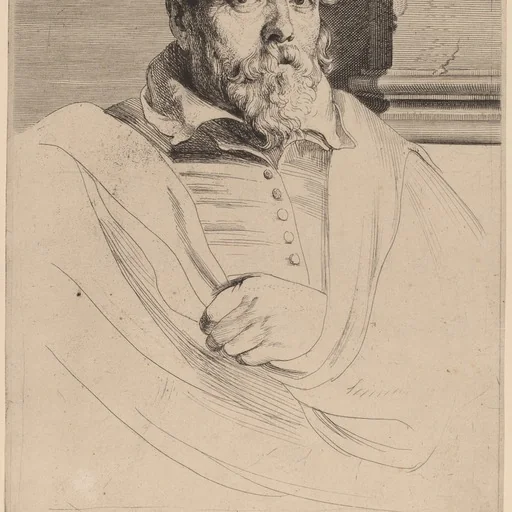
Frans Francken the Younger (1581, Antwerp – 6 May 1642, Antwerp) was a Flemish painter and the best-known and most prolific member of the large Francken family of artists.