Artwork
Portrait of Prince Philip Prospero
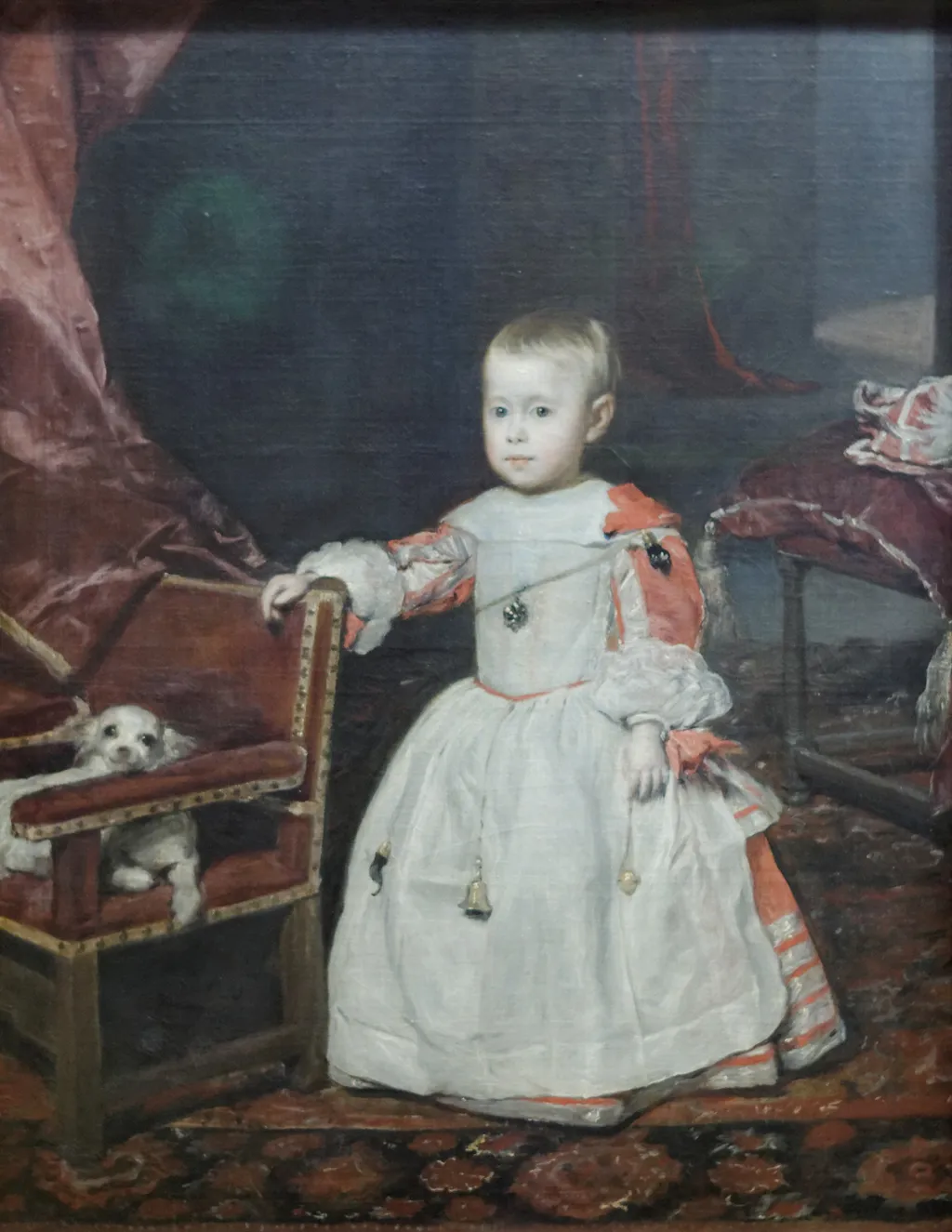
Portrait of Prince Philip Prospero is an oil painting by the Baroque artist Diego Velázquez. It dates from 1659 and is held in the collection of the Kunsthistorisches Museum.
About this work
This painting shows Prince Philip Prospero at age four. Diego Velázquez painted it in 1659. The boy wears rich clothes. It’s an oil painting meant to mark his royal future.
Prince Philip Prospero was the only surviving son of Spain’s King Philip IV. Sadly, he died the year this portrait was finished.
If you like Velázquez, look up his full-length portrait of Pope Innocent X.
Subject & Meaning
The painting portrays Philip Prospero, Prince of Asturias, the short‑lived heir born to Philip IV of Spain and Mariana of Austria in 1657 and deceased in 1661.
The painting portrays Philip Prospero, Prince of Asturias, the short‑lived heir born to Philip IV of Spain and Mariana of Austria in 1657 and deceased in 1661. Velázquez shows the toddler standing in an interior, his right arm resting on an armchair while he wears a child’s dress; amulets visible on his attire signal his fragile health. A small white dog on the chair gazes out with a watery look, intensifying the scene’s melancholy. An open door admits light, and to the right a stool holds a cushion and a hat. Red hues dominate the composition against a dark background, creating a contrast that, according to contemporary commentary, juxtaposes the fresh hope placed in the prince with the somber reality of his precarious condition, evoking both compassion and the transience of dynastic expectation.
Technique & Style
The work is an oil painting on canvas executed in 1659, measuring 128.5 × 99.5 cm. Velázquez employs a subdued palette dominated by reds and accented with dark tones that heighten chromatic contrast. The composition centers on the child prince, who leans his right arm on an upholstered armchair, a pose that shifts emphasis from regal authority to poignant vulnerability.
Handling is refined, particularly in the rendering of the lapdog perched on the chair, noted by sources as one of the master’s finest passages. The background features a softly illuminated interior punctuated by an open door and a side stool with a hat, while the lighting contributes to a quietly melancholic atmosphere.
History & Provenance
Diego Velázquez created the *Portrait of Prince Philip Prospero* in 1659, depicting the Prince of Asturias, the third child and first son of Philip IV of Spain and Mariana of Austria. The work was executed in oil on canvas shortly after the prince's birth in November 1657, capturing the fragile heir who would die in 1661 at the age of three. While the specific commissioning details are not explicitly recorded in the provided sources, the painting reflects the urgent hope placed in the sole surviving male heir of the Spanish crown during a period of declining royal health. The portrait has been held in the Kunsthistorisches Museum in Vienna since at least the time of the museum's establishment, where it remains a central example of Velázquez's late court portraiture.
The painting is held in the Kunsthistorisches Museum in Vienna, as noted in multiple sources (2‑6). No inventory or accession number is cited in the available references. Its exhibition history is limited to a mention of inclusion in a Velázquez exhibition (source 2).
Own this work as a print
Artist & collection
Artist
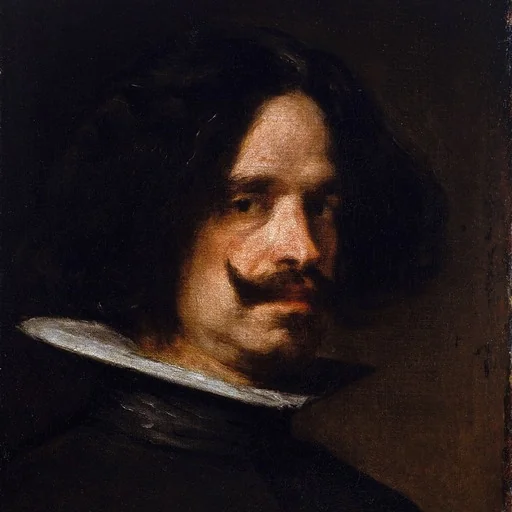
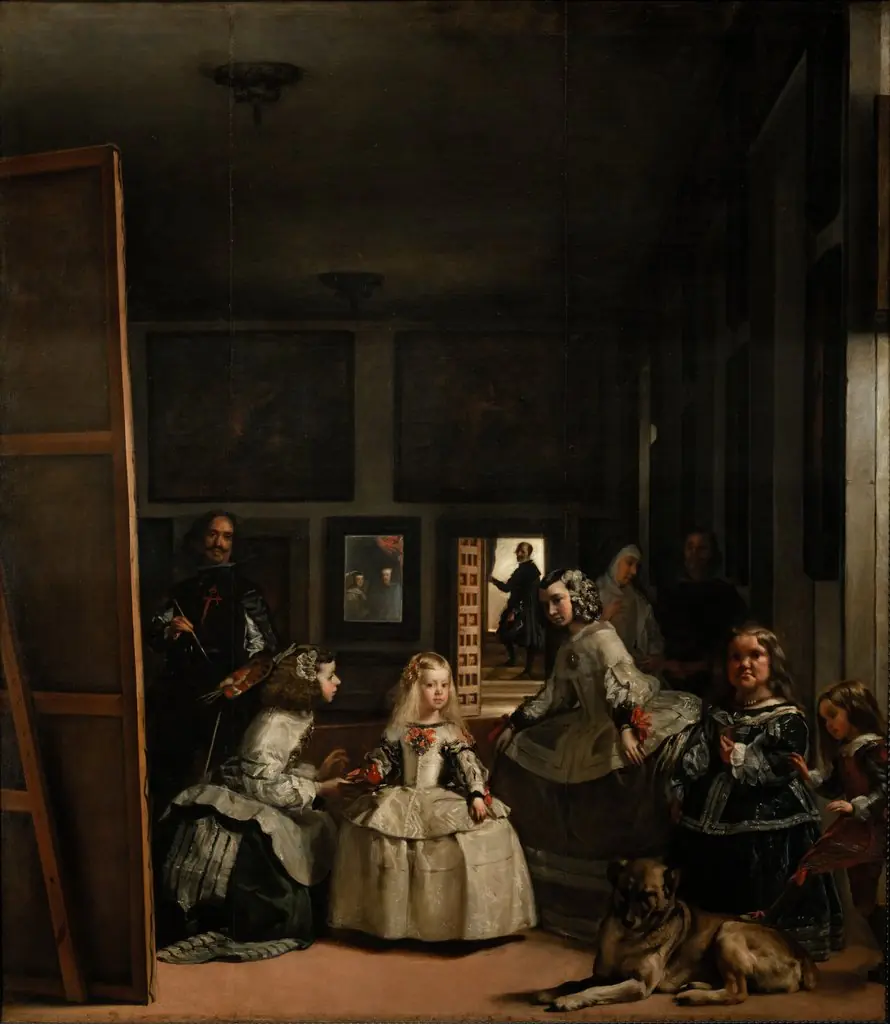
Diego Rodríguez de Silva y Velázquez was a Spanish Baroque painter, the leading artist in the court of King Philip IV of Spain and Portugal, and of the Spanish Golden Age.

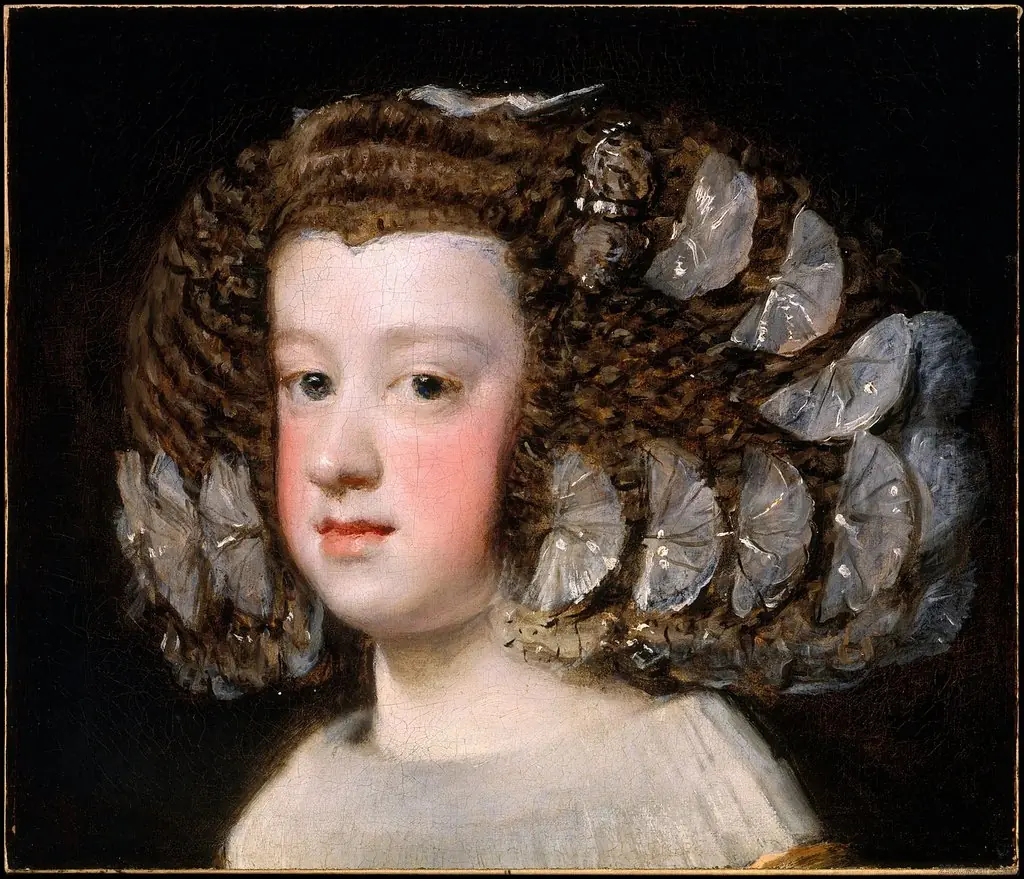
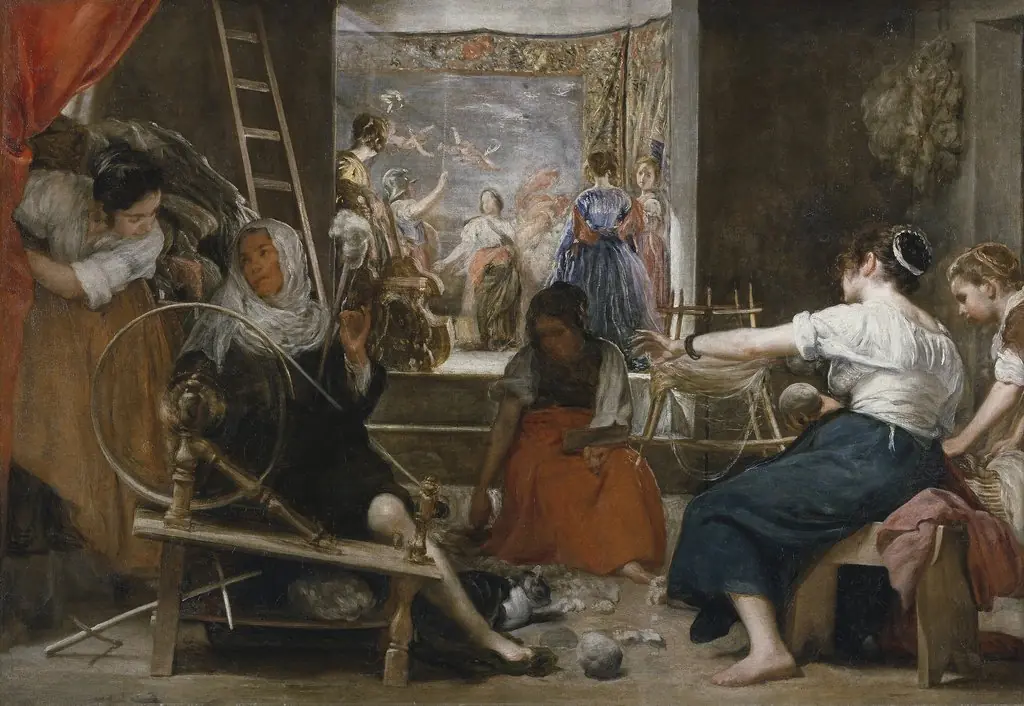
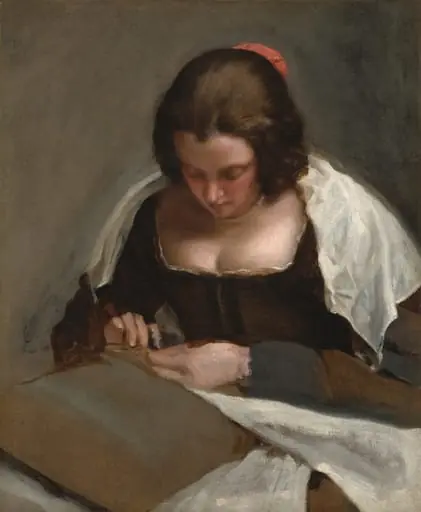
- Portrait of Charles Joseph, Archduke of Austria (1745-1761)
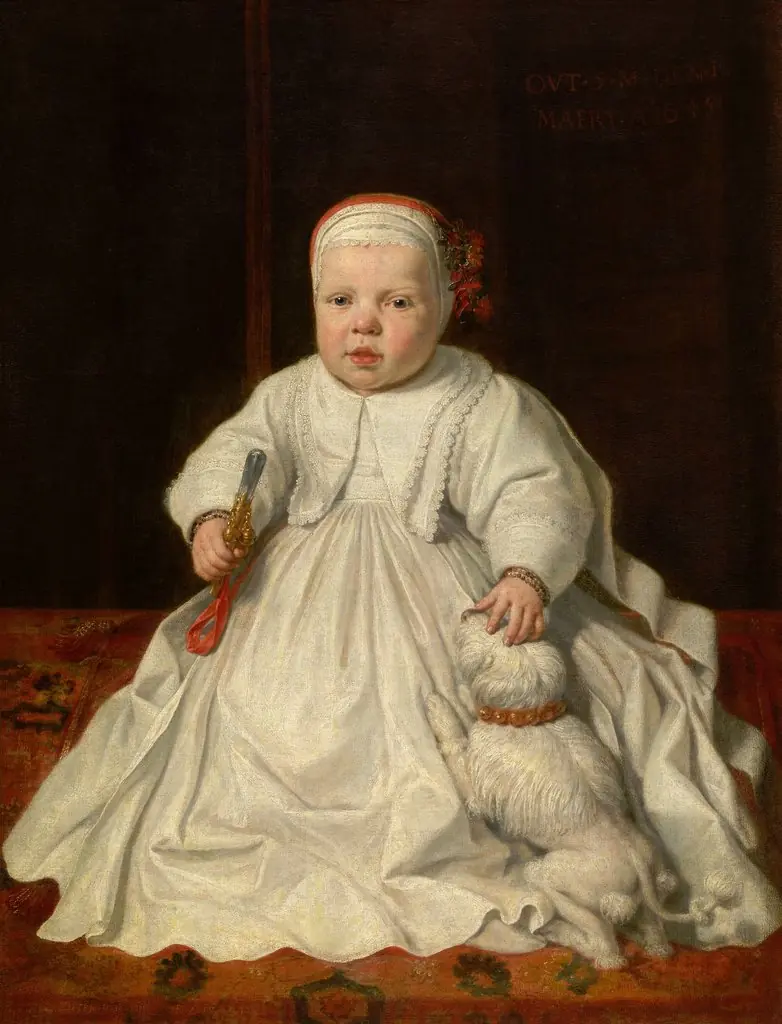 Portrait of a Girl
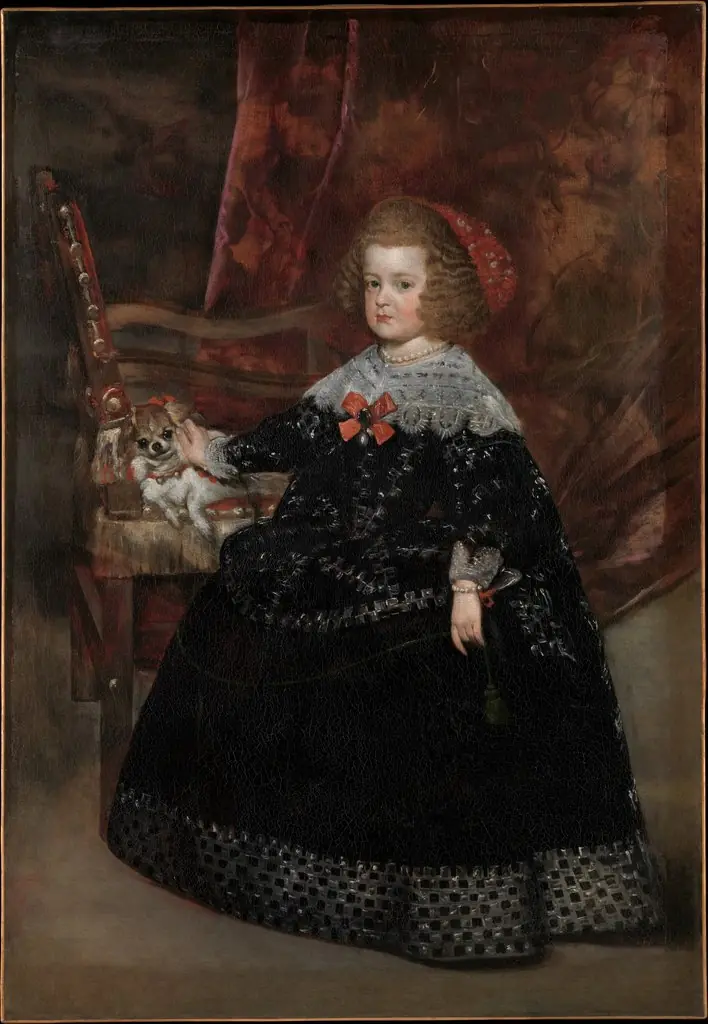 María Teresa (1638–1683), Infanta of Spain
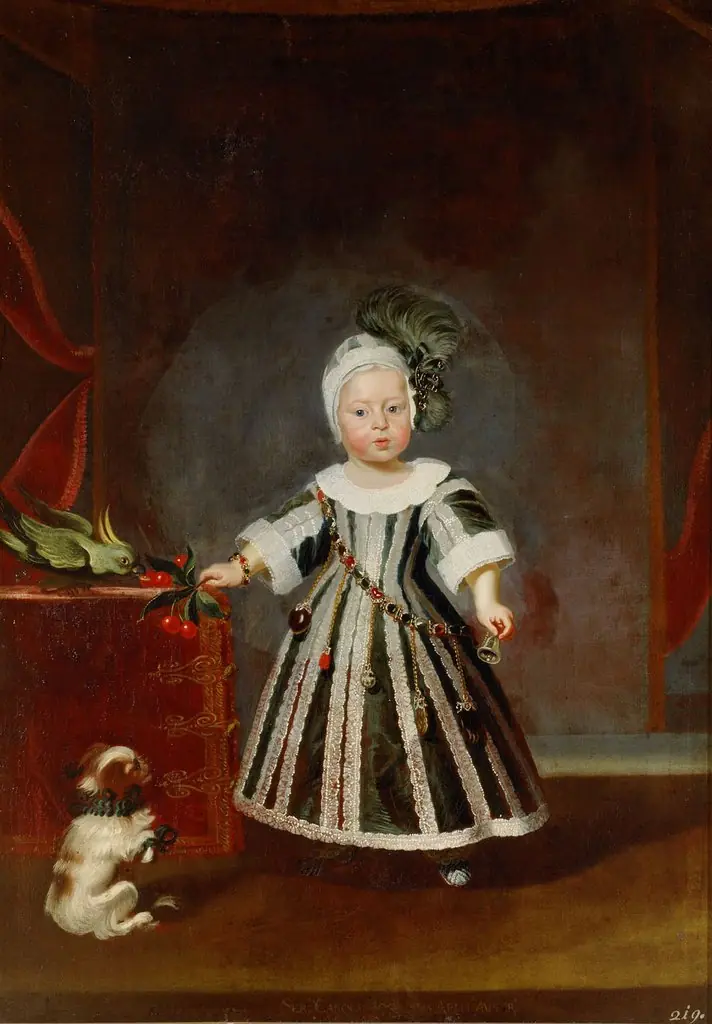
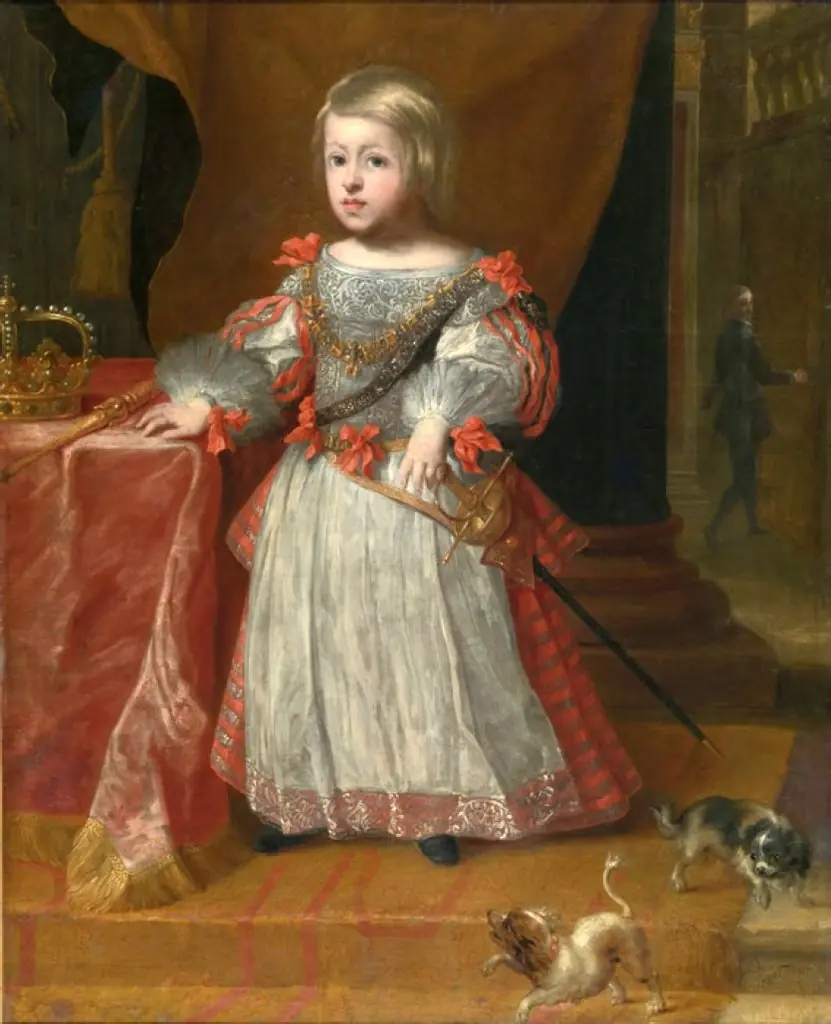 Childhood portrait of Charles II of Spain
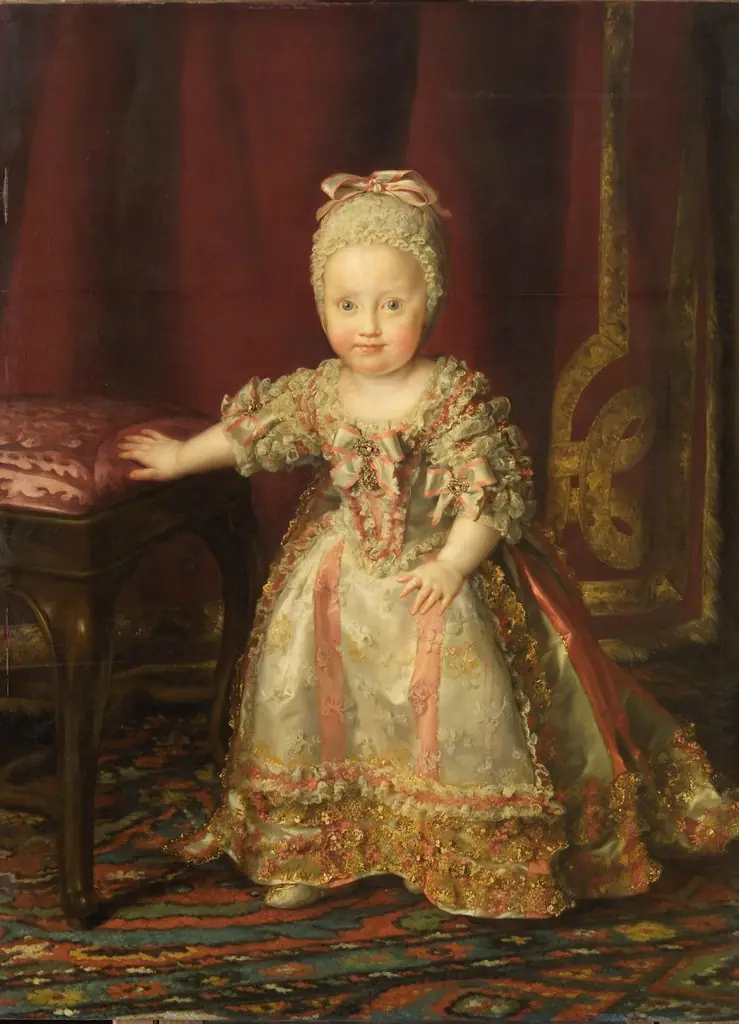 Infantin Maria Theresa von Neapel (1772-1807)
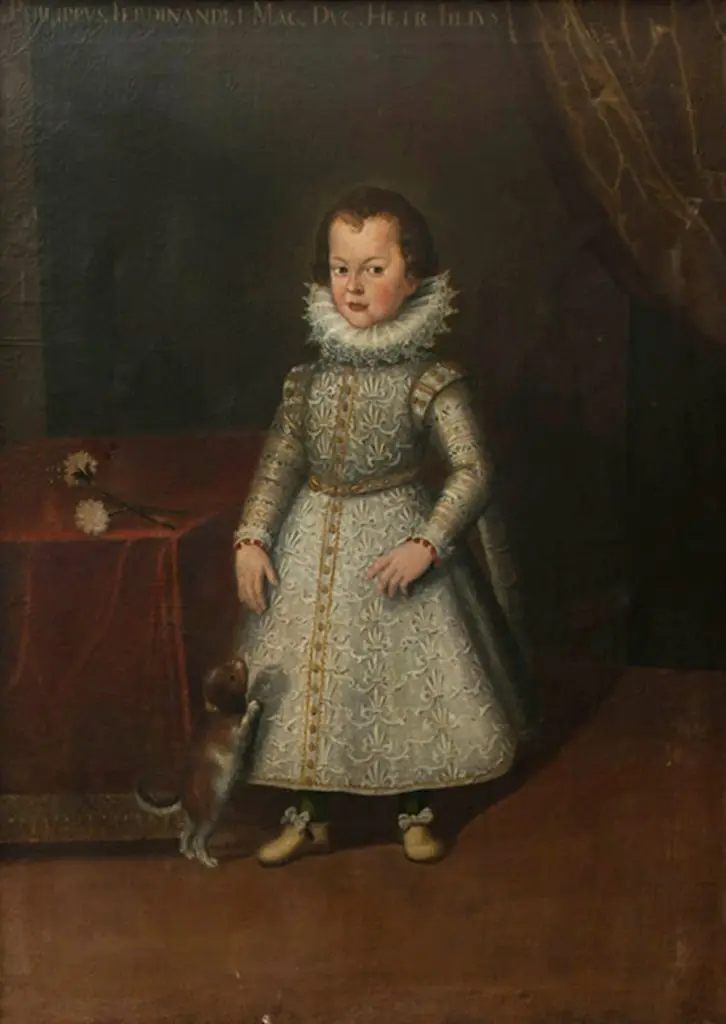 Kinderbildnis des Philipp, Sohn des Großherzogs Ferdinand I. von Toskana
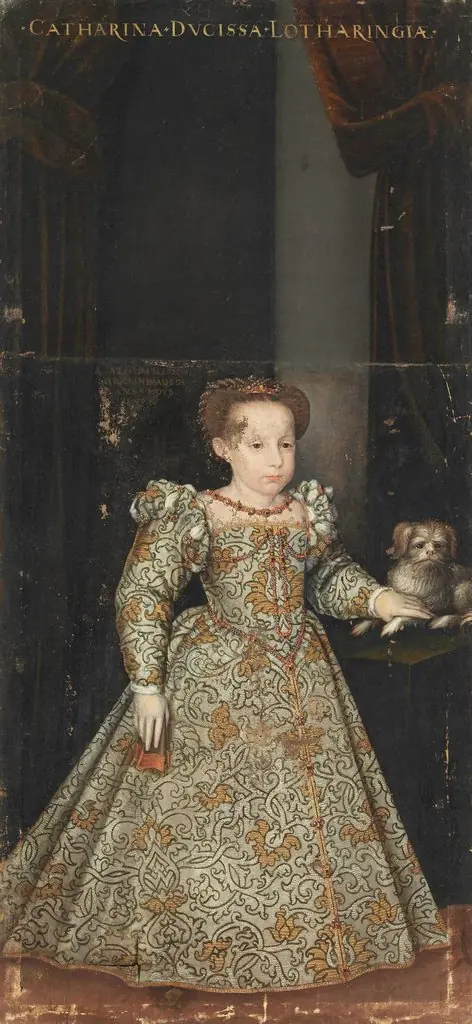 Katharina, Tochter Karls III. von Lothringen (1573-1648)
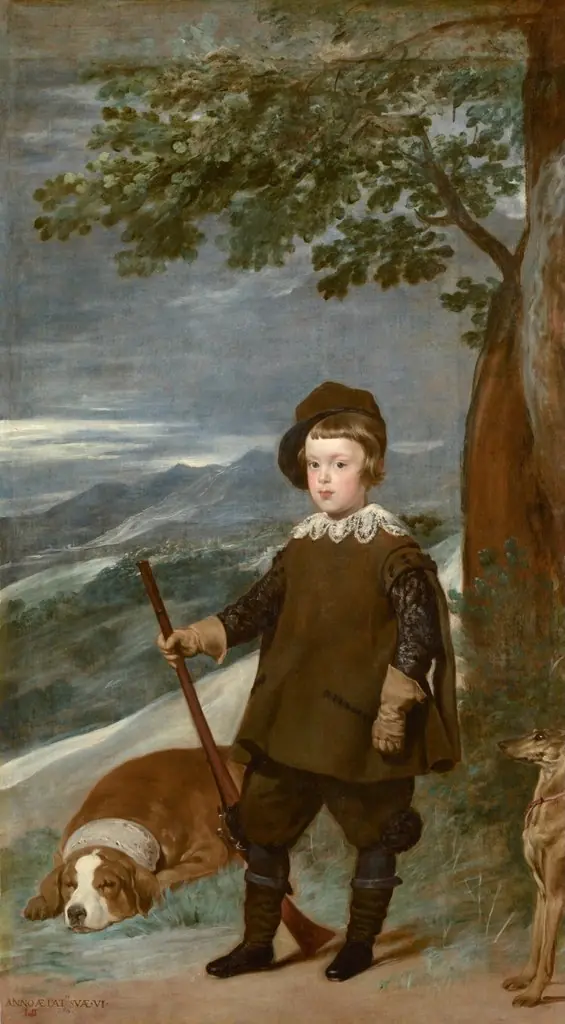 Prince Balthasar Charles as a Hunter
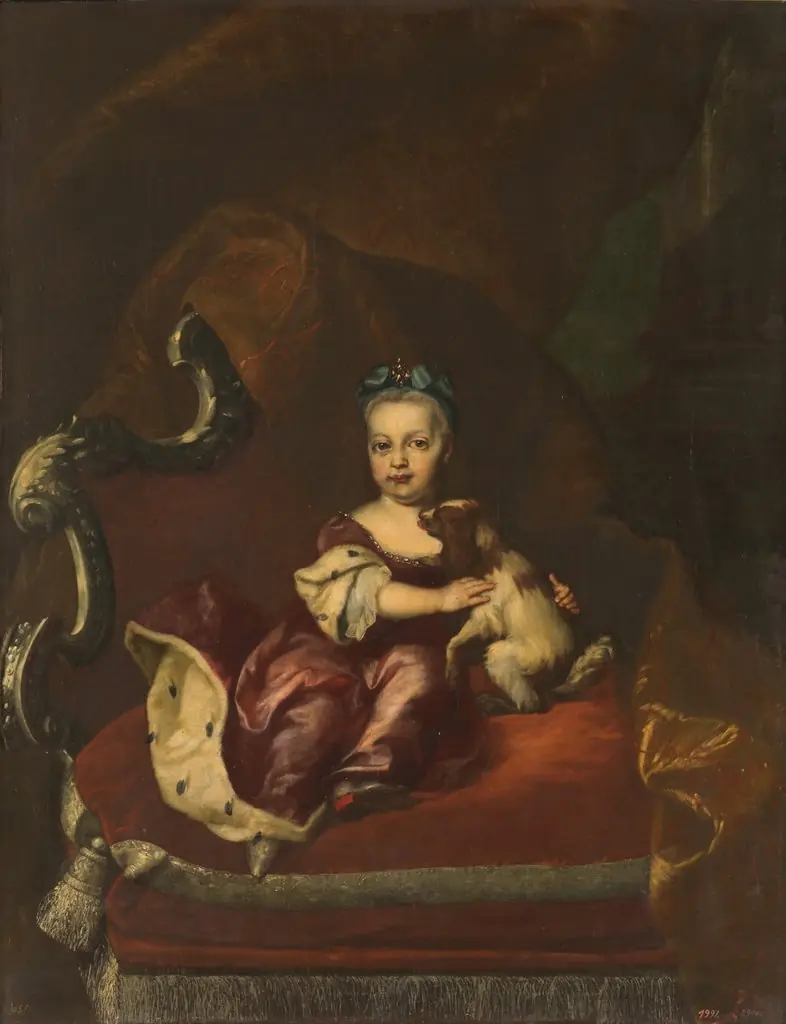 María Amalia de Habsburgo archiduquesa de Austria
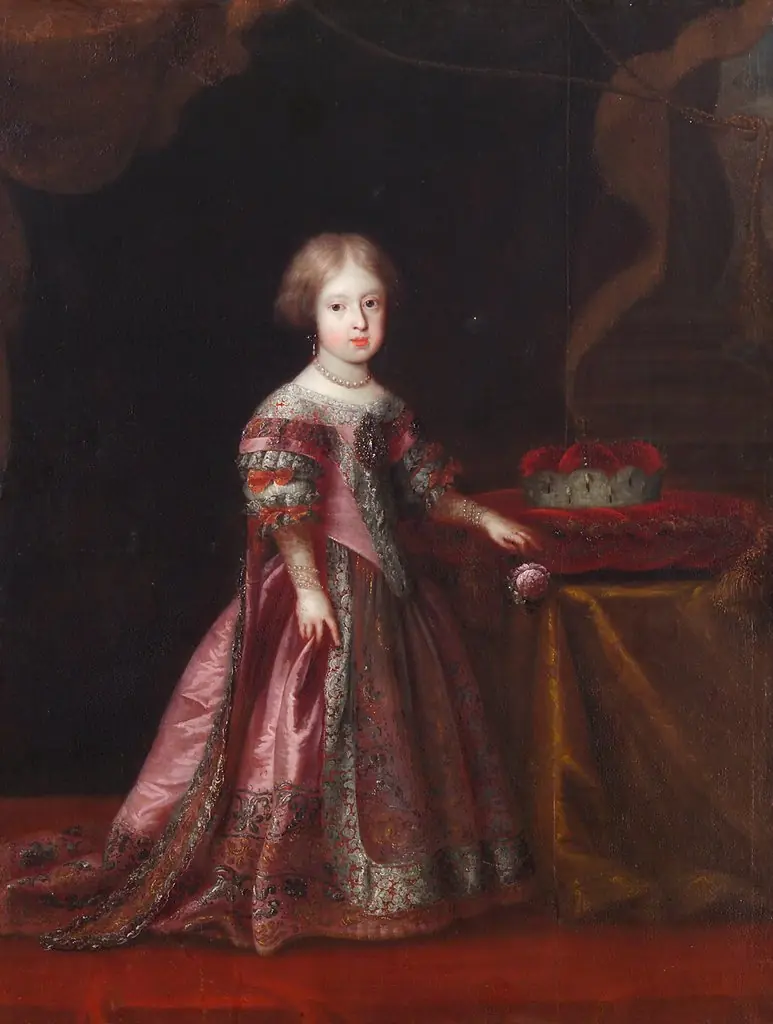 Erzherzogin Maria Elisabeth (1680-1741) im Alter von ca. vier Jahren
 Portrait of an infanta
 Maddalena Cattaneo