Artwork
Aesop's fable of the hare and the tortoise
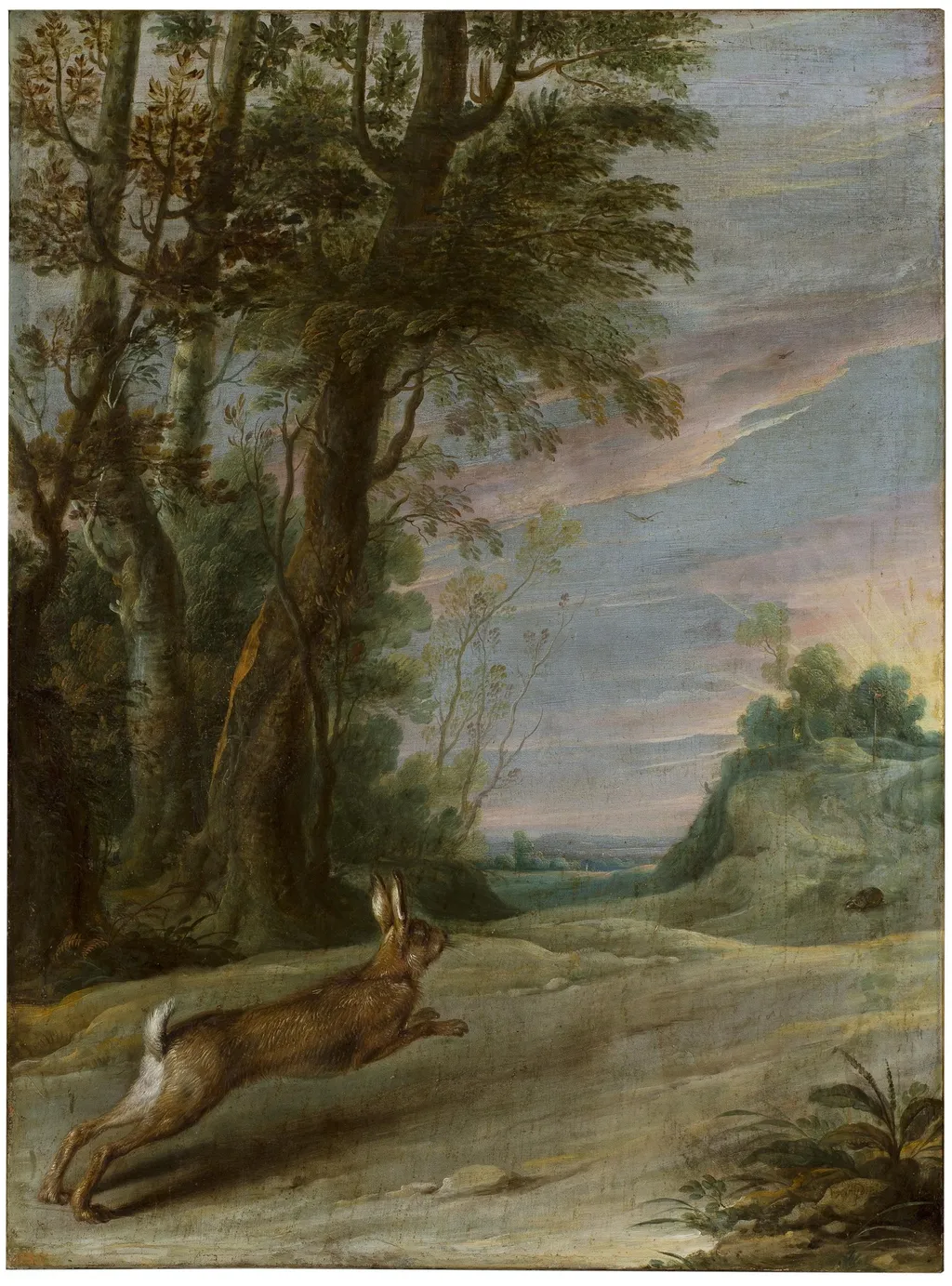
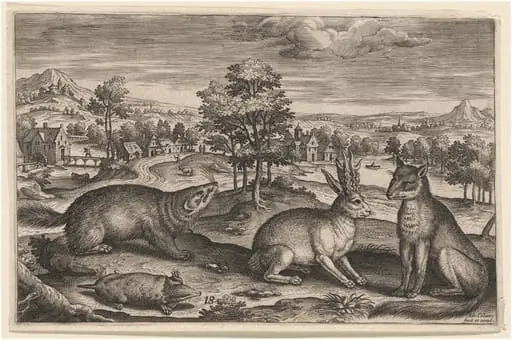
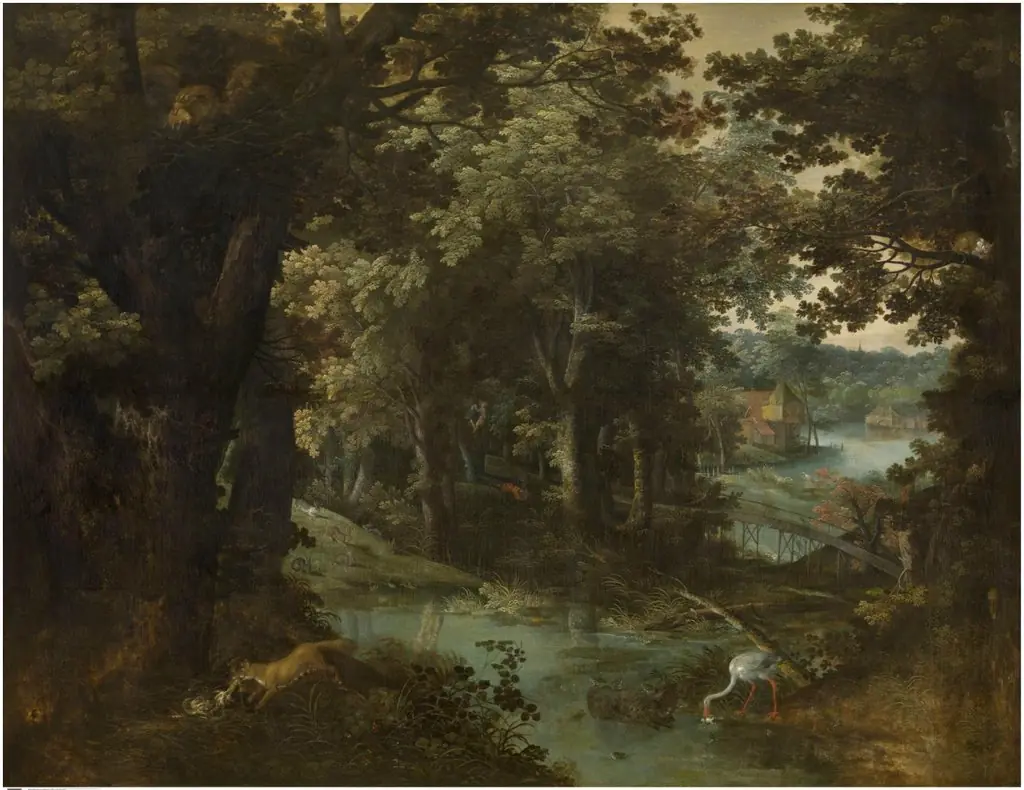
Aesop's fable of the hare and the tortoise is an oil painting by the Flemish Baroque painting artist Frans Snyders. It dates from 1601 and is held in the collection of the Museo del Prado.
About this work
Overview
Painted in 1601 by the Flemish artist Frans Snyders, this oil work illustrates Aesop’s fable of the hare and the tortoise.
Painted in 1601 by the Flemish artist Frans Snyders, this oil work illustrates Aesop’s fable of the hare and the tortoise. Though the tortoise is absent from the scene, the hare’s dynamic posture suggests motion and urgency. The painting resides in the Museo del Prado, where it stands as an early example of Snyders’ engagement with narrative subjects beyond his more familiar still lifes and animal scenes.
Subject & Meaning
The fable’s moral, slow and steady wins the race, is implied rather than depicted directly. By focusing solely on the hare, Snyders captures the moment of overconfidence before the inevitable downfall. The absence of the tortoise invites contemplation of the unseen competitor, reinforcing the tale’s warning against arrogance and haste through visual omission.
Technique & Style
Snyders renders the hare with precise brushwork, emphasizing fur texture and muscular tension. The wooded background features layered greens and subtle shifts in light, while the sky is softly modeled with feathery clouds in pale pink and gold. The composition directs attention to the hare’s forward motion, using the winding path to guide the viewer’s eye through the naturalistic landscape.
History & Provenance
The painting entered the Spanish royal collection in the 17th century and was later transferred to the Museo del Prado upon its founding. Its early date places it among Snyders’ formative works, made shortly after his return from Italy. The work’s survival and preservation reflect its recognition within Habsburg collections, though it was never widely reproduced or publicly highlighted in its time.
Context
In early 17th-century Antwerp, moral fables were popular subjects for artists seeking to blend classical wisdom with naturalistic observation. Snyders, primarily known for game pieces and market scenes, here applies his skill in animal depiction to allegory. The painting aligns with a broader Northern European trend of embedding ethical lessons within detailed, lifelike environments.
Legacy
Though not among Snyders’ most celebrated works, this painting illustrates his versatility and early interest in narrative. It remains a rare example of his fable-themed compositions and offers insight into how Flemish artists interpreted classical morality through visual storytelling. Its presence in the Prado ensures continued scholarly attention within the context of Baroque allegory.
Own this work as a print
Artist & collection
Artist
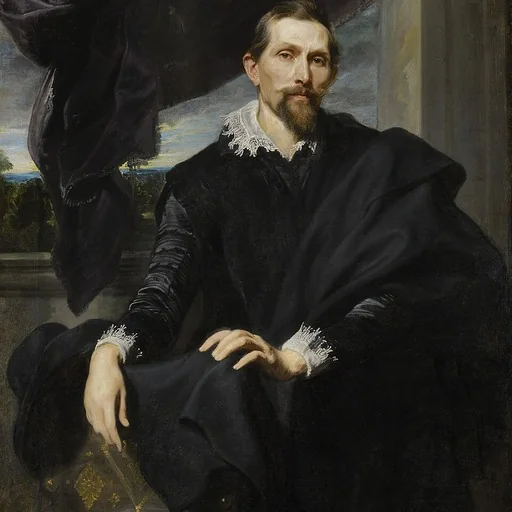
Frans Snyders or Frans Snijders was a Flemish painter of animals, hunting scenes, market scenes, and still lifes.

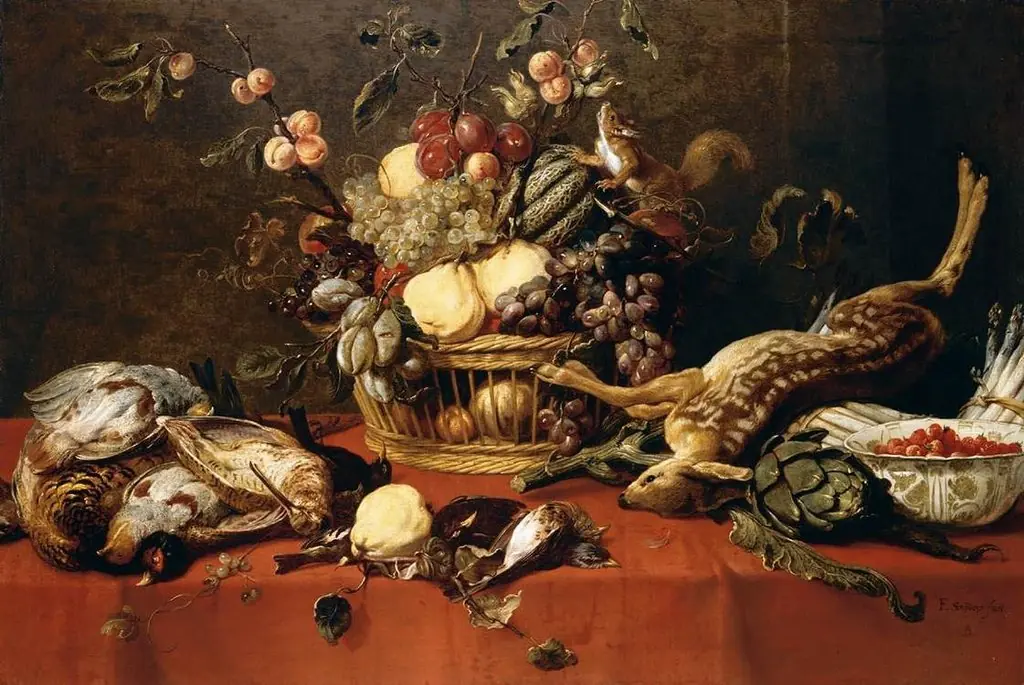 Still life of fruit in a basket together with game, a bowl of fraises-de-bois, artichokes, asparagus and a squirrel upon a table draped with a red cloth
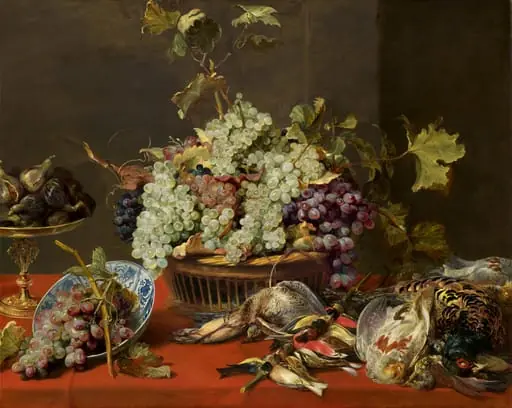 Still Life with Grapes and Game
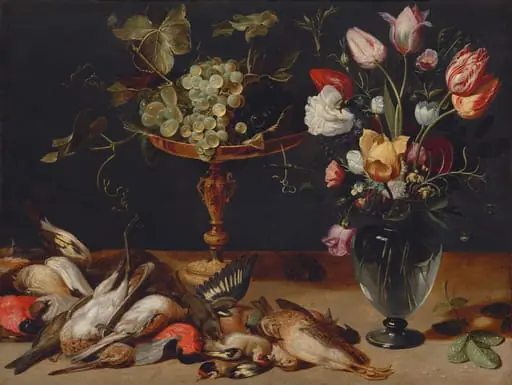 Still Life with Flowers, Grapes, and Small Game Birds
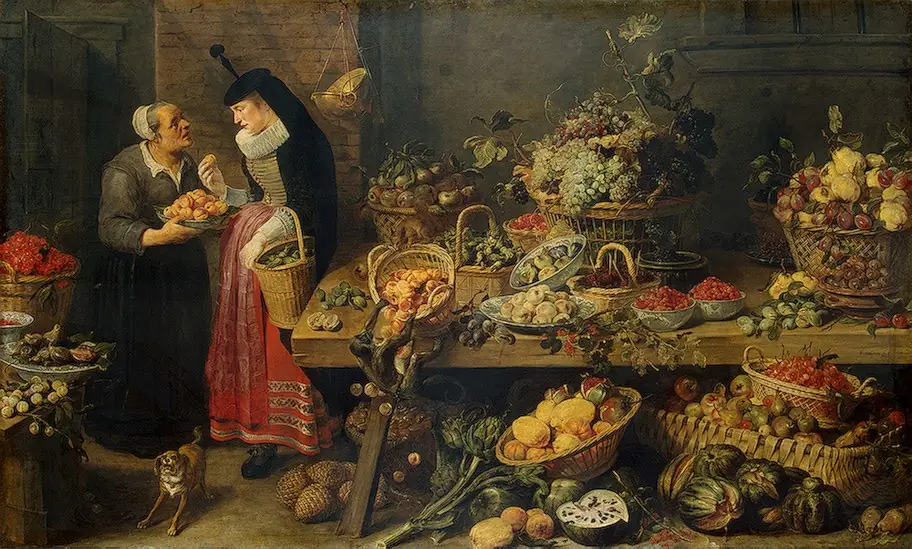 The Fruit Shop
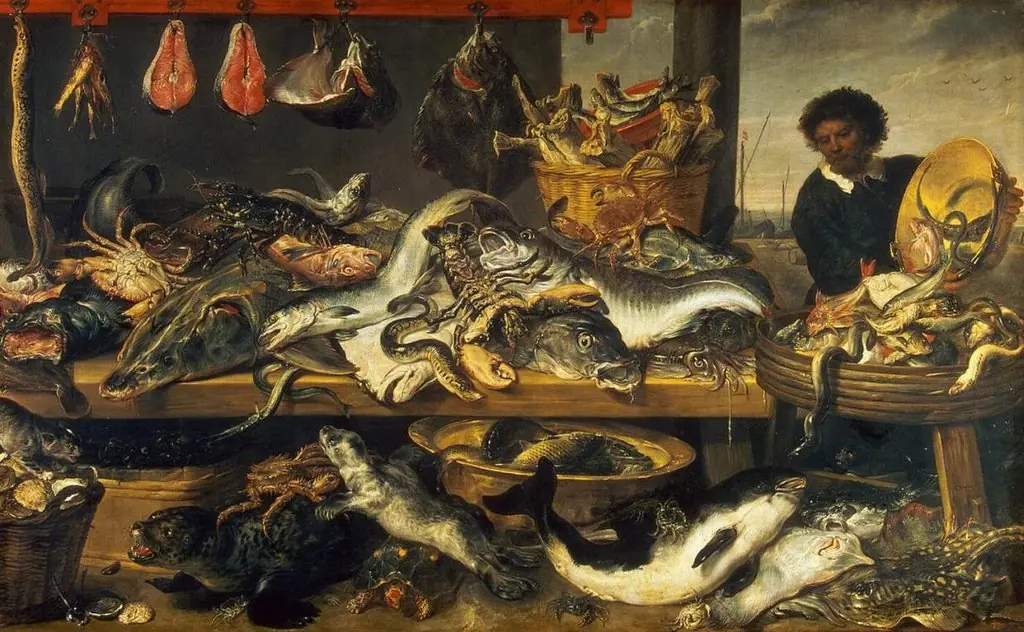 Fish Market
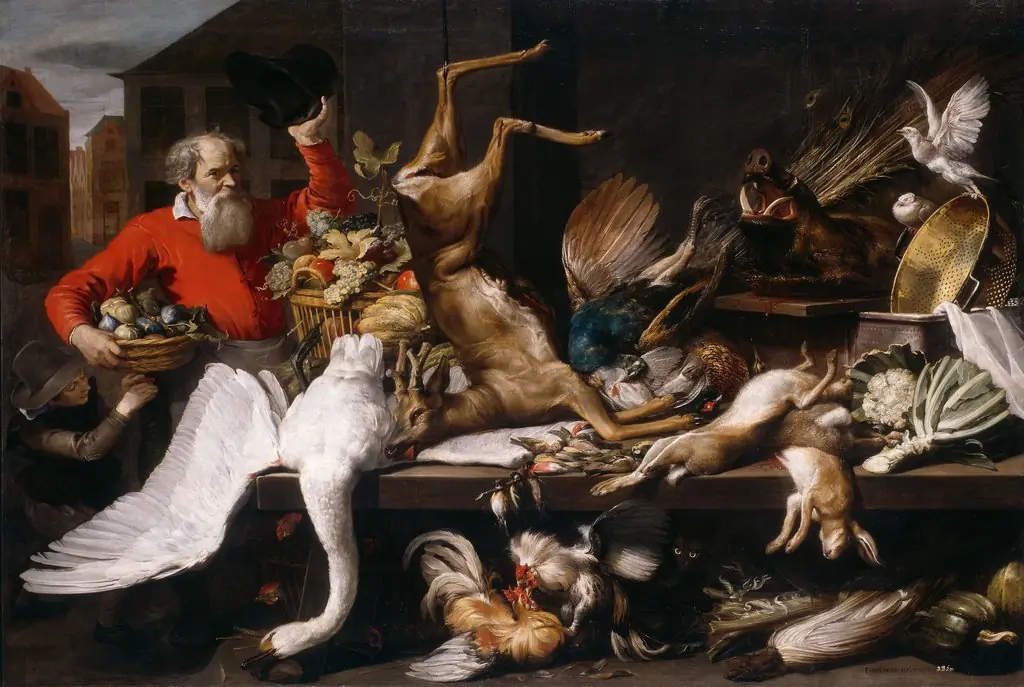 Still Life with Dead Game, Fruits, and Vegetables in a Market
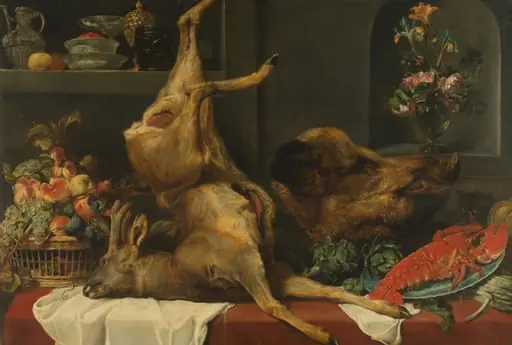 Larder Still life
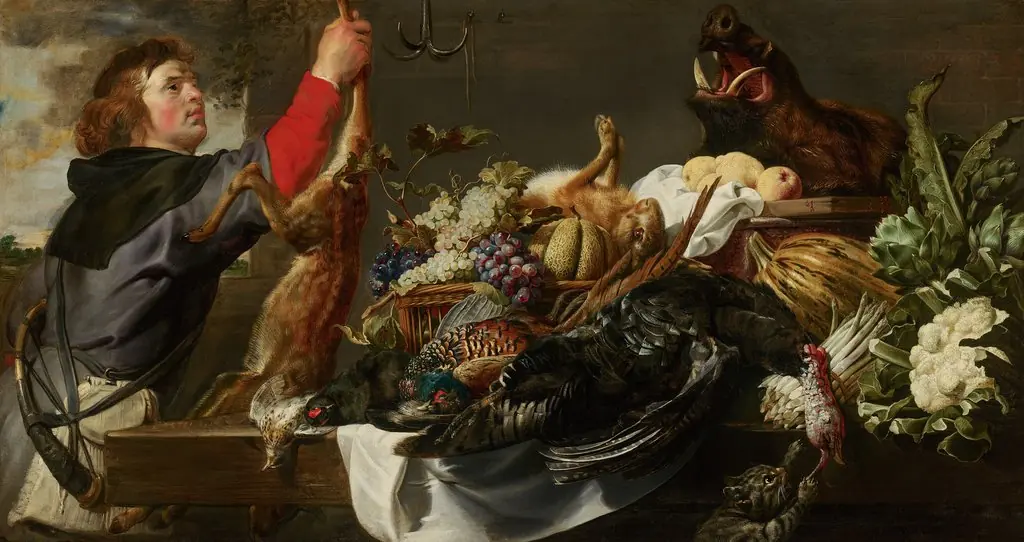 Still Life with Huntsman