Artwork
Ecce homo
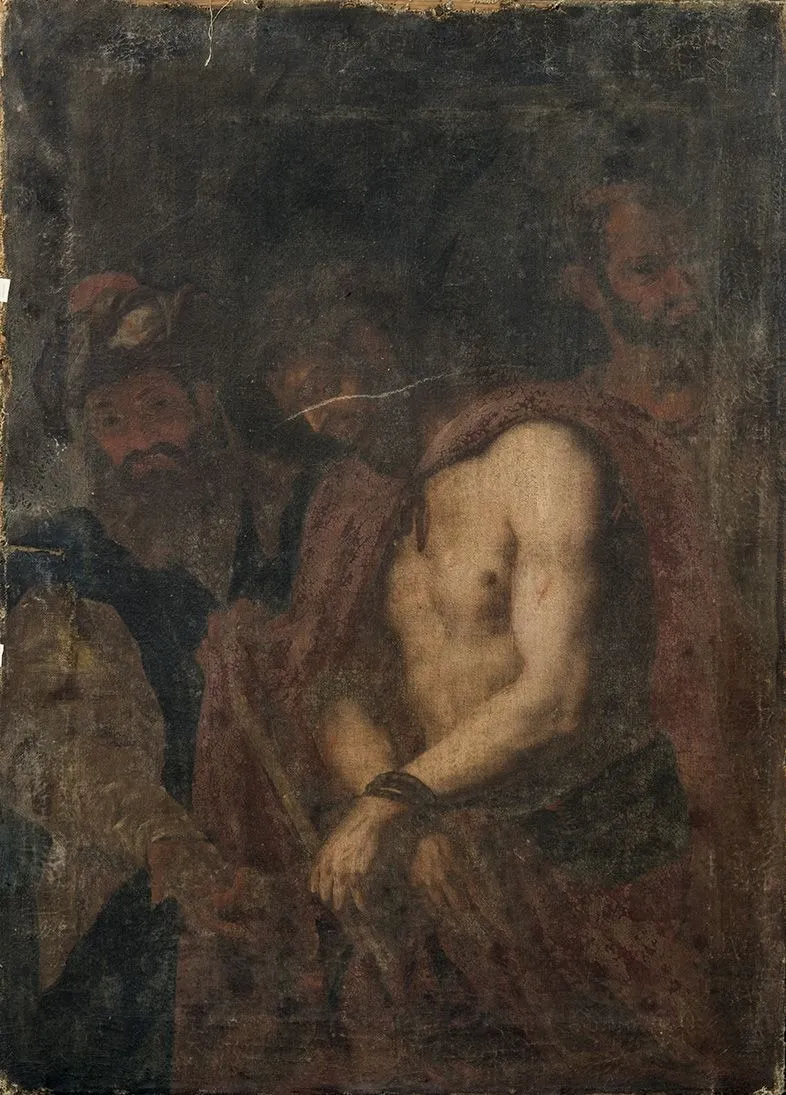
Ecce homo is an unspecified painting by the Early Baroque Italian artist Franz Joachim Beich. It dates from 1706 and is held in the collection of the Bavarian State Painting Collections.
About this work
Subject & Meaning
As the main subject of the painting, the phrase and scene emphasize Christ's suffering and the profound vulnerability preceding his crucifixion.
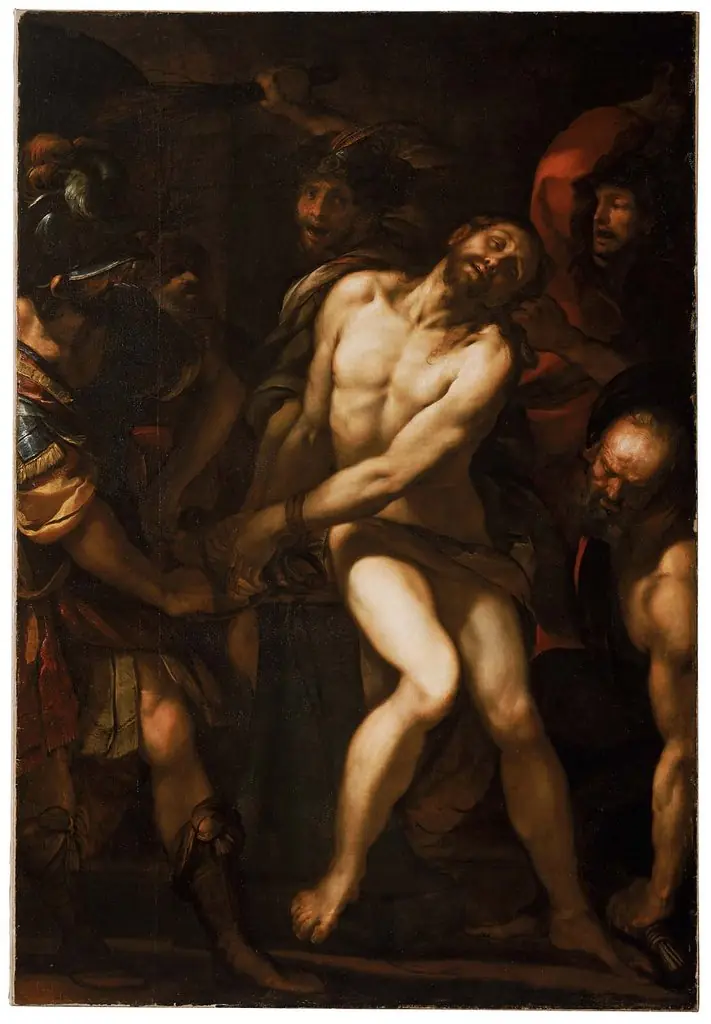
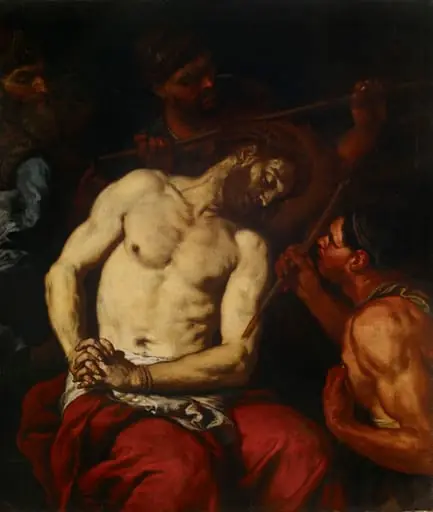
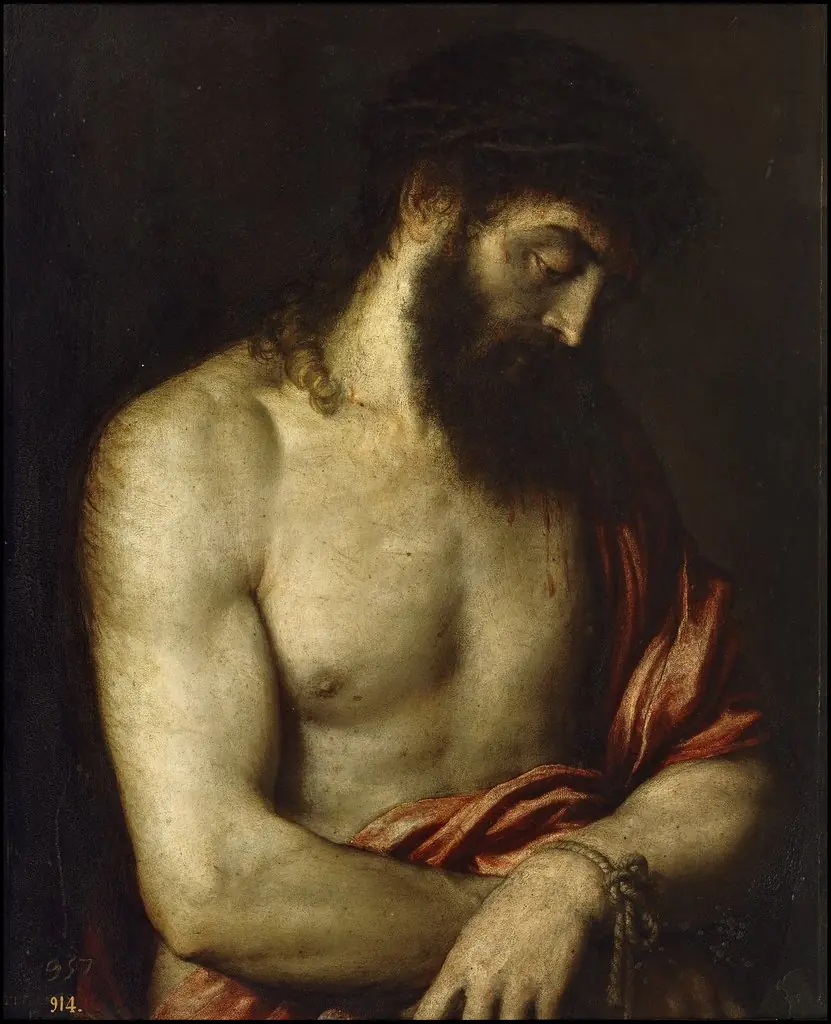
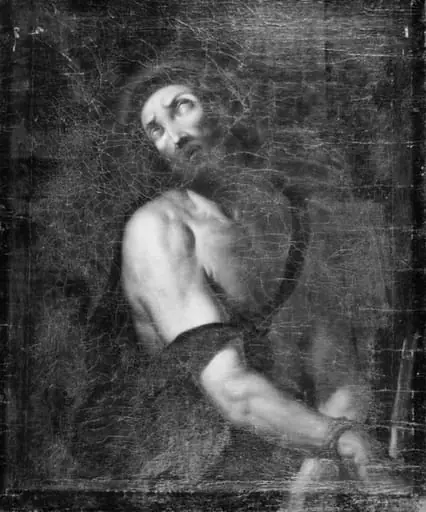
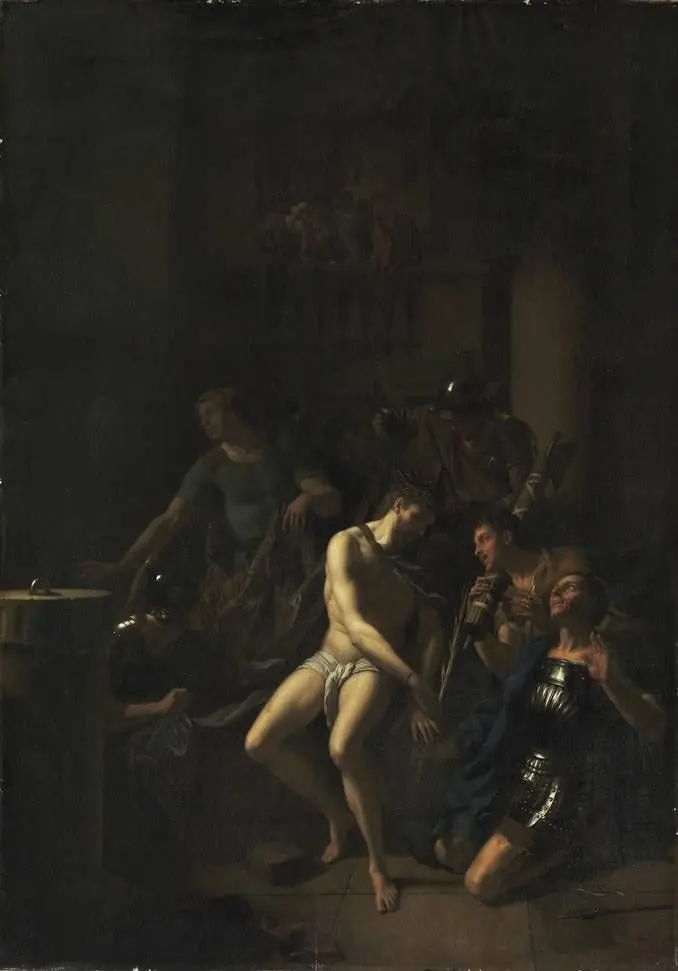
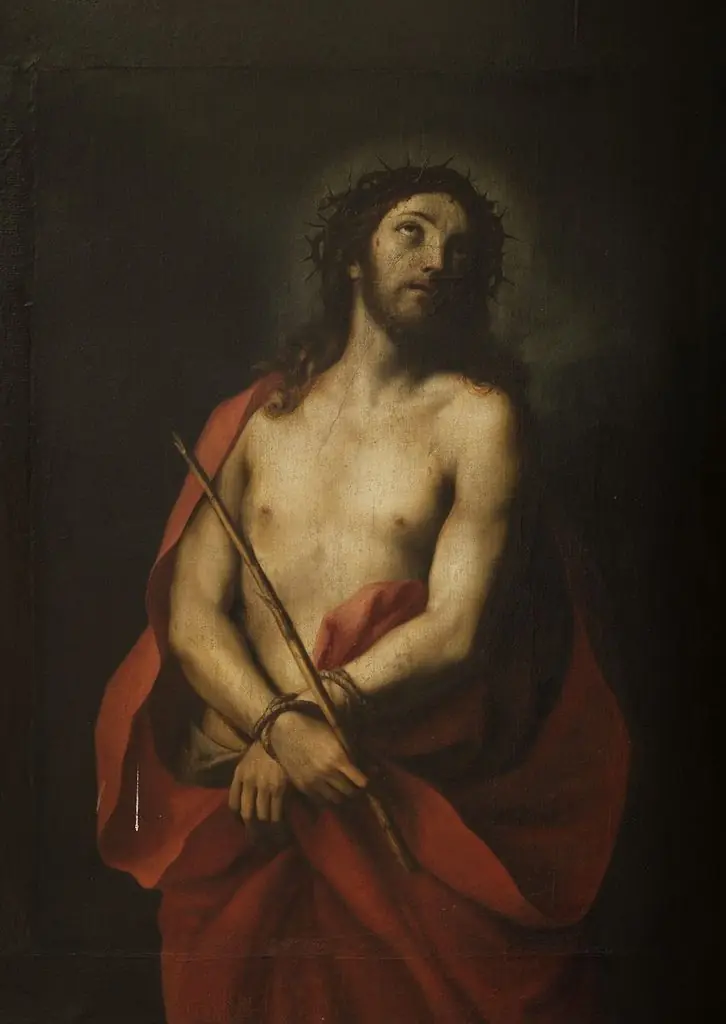
The artwork illustrates the Ecce Homo motif, a prominent subject in religious art that captures the moment when Pontius Pilate presents a scourged Jesus Christ to a hostile crowd. As the main subject of the painting, the phrase and scene emphasize Christ's suffering and the profound vulnerability preceding his crucifixion. The composition is intended to evoke contemplation of the Passion, underscoring themes of sacrifice, mockery, and divine endurance.
Technique & Style
Ecce homo is a painting classified within the religious genre, produced in 1706 by Franz Joachim Beich. The work is held in the Bavarian State Painting Collections and located at the Alte Pinakothek. Its physical format is documented with a height of 99 cm and a width of 71 cm, indicating a vertically oriented rectangular support. The painting's main subject is the Ecce Homo scene, depicting Jesus Christ.
History & Provenance
Painted in 1706, the work is dated to that year and represents the Bavarian artist Franz Joachim Beich’s single known Ecce homo composition. It was created for the Bavarian State Painting Collections, where it has remained in the Alte Pinakothek, Munich, since its acquisition. No independent commission record survives, but the painting’s presence in the state collection indicates it was likely intended for a public or courtly context within Bavaria during the early eighteenth century.
The painting is held by the Bavarian State Painting Collections in Munich and is in the collection of the Alte Pinakothek, where it is inventoried under the accession corresponding to Franz Joachim Beich’s Ecce Homo.
It was included in the Alte Pinakothek’s holdings by 1706, the year of its creation, and remains part of the museum’s permanent collection.
Overview
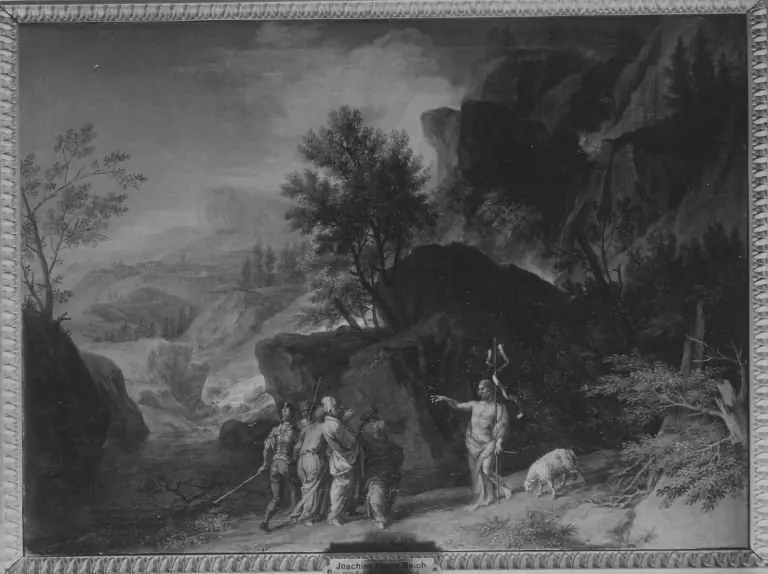
Created in 1706 by the German painter Franz Joachim Beich, this oil work titled “Ecce homo” belongs to the religious genre and is part of the collection of Munich’s Alte Pinakothek. The composition centers on a partially clothed male figure, identified as Jesus Christ, presented in a moment of solemn exposure.
Context
Beich, primarily known for landscape painting, applied his skill in rendering atmospheric effects to this religious subject, reflecting the Baroque interest in theatrical lighting and emotional intensity. The piece aligns with contemporary depictions of the “Ecce homo” theme, which sought to emphasize Christ’s humanity and suffering.
Artist & collection