Artwork
Scene on the Nile
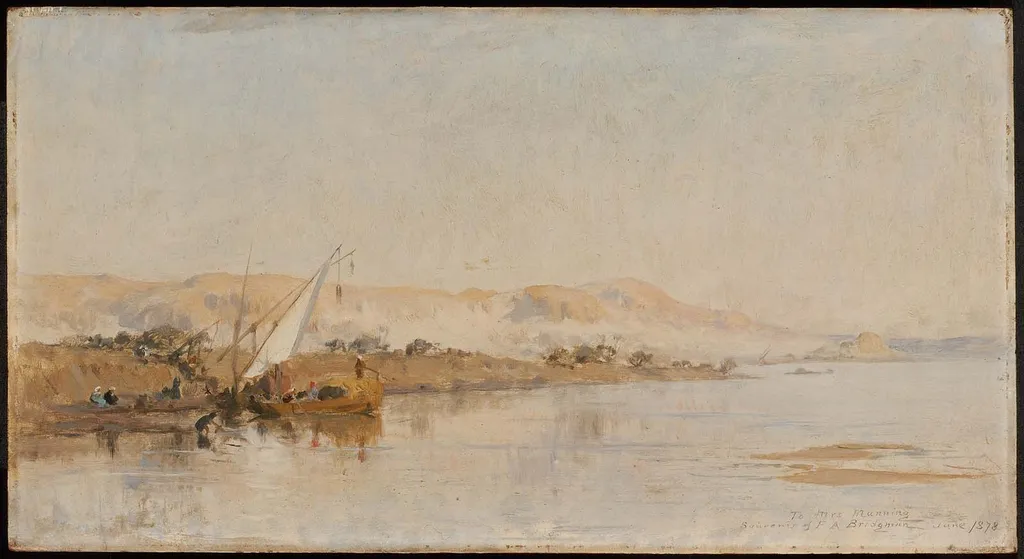
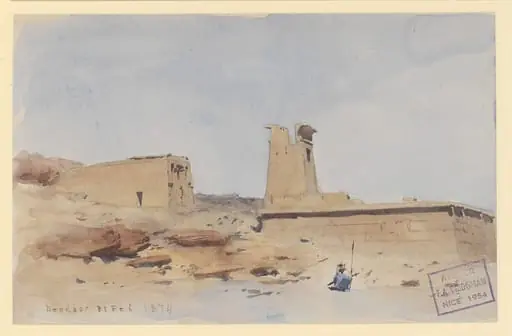
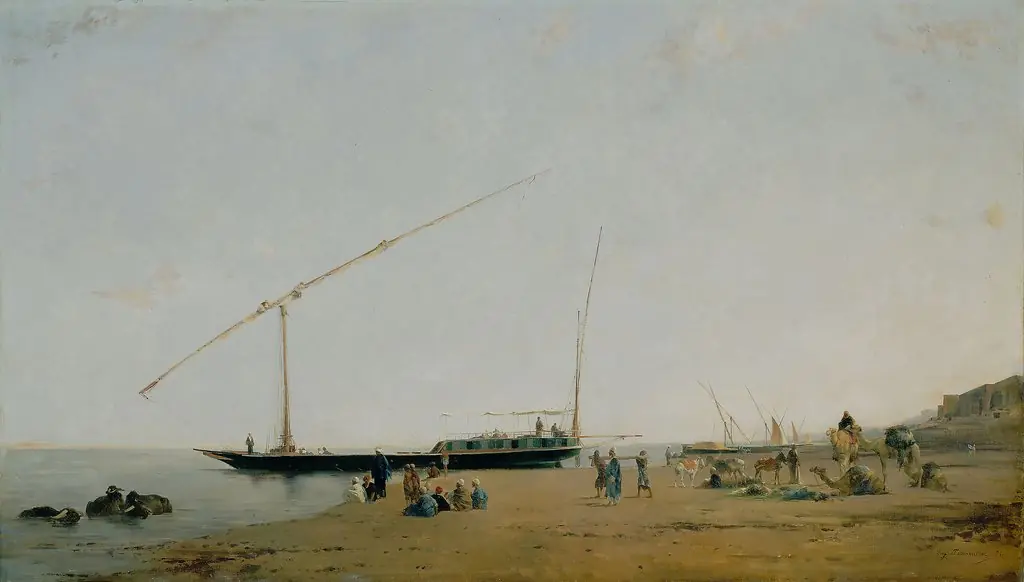
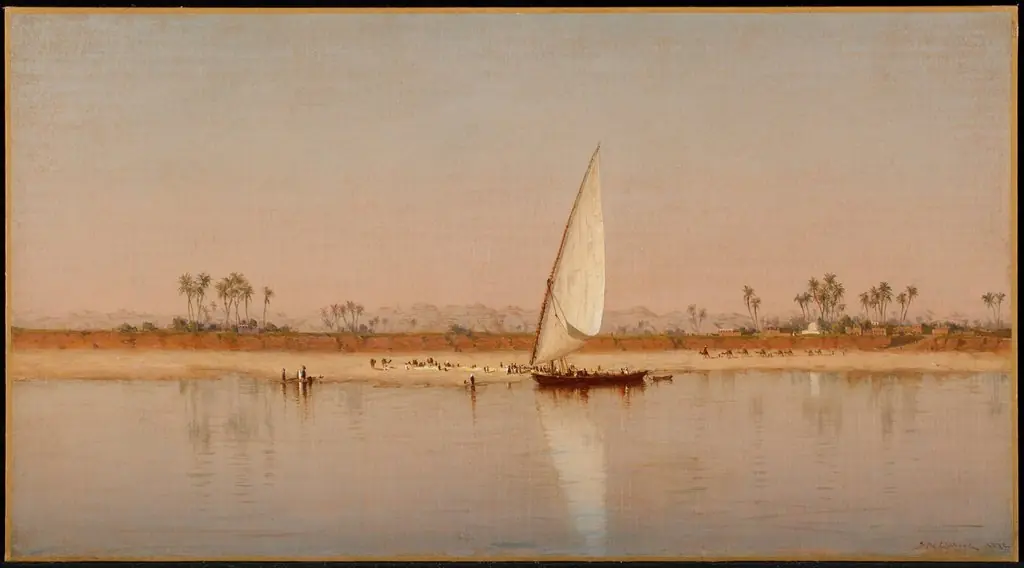
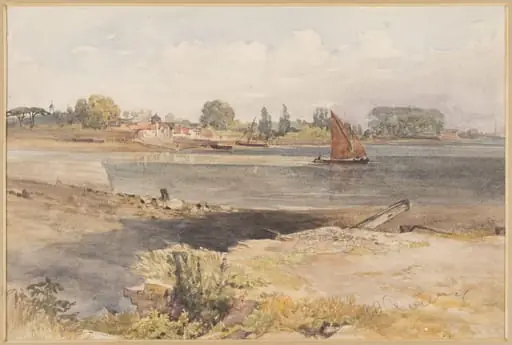
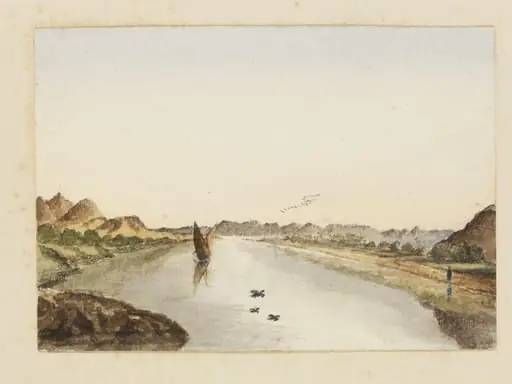
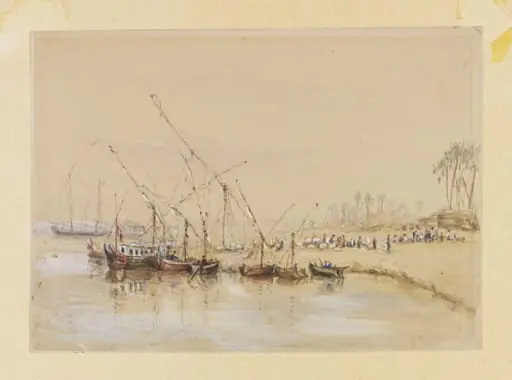
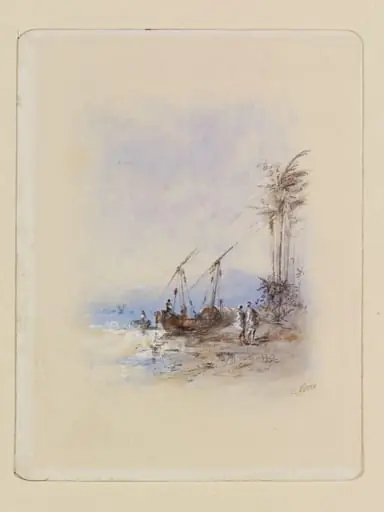
Scene on the Nile is an unspecified painting by the Orientalist artist Frederick Arthur Bridgman. It dates from 1890 and is held in the collection of the Museum of Fine Arts Boston.
About this work
Overview
It stands as a significant example of late 19th-century American landscape painting that prioritizes mood and luminosity over narrative action.
Frederick Arthur Bridgman's Scene on the Nile, painted in 1890, exemplifies the artist's mature engagement with Orientalist themes and his mastery of atmospheric light. An American painter who spent significant time in Egypt, Bridgman moved beyond the archaeological precision of his early career to capture the poetic essence of the landscape. The work depicts a tranquil stretch of the Nile River at dusk, characterized by a palette of warm, muted ochres, golds, and soft blues that evoke the specific quality of Egyptian twilight.
Compositionally, the painting balances a small, moored boat in the foreground against the receding silhouettes of distant banks and vegetation, creating a sense of depth and stillness. The soft light of the setting sun casts a gentle glow across the water, unifying the scene in a serene harmony. This piece reflects Bridgman's reputation as a leading American Orientalist, distinguished by his ability to render the exotic with a sense of quiet dignity rather than sensationalism.
It stands as a significant example of late 19th-century American landscape painting that prioritizes mood and luminosity over narrative action.
Subject & Meaning
The composition focuses on the tranquil flow of the Nile at dusk, emphasizing the harmony between water and landscape. The muted, warm palette suggests the gentle transition from day to evening, while the solitary boat hints at human presence within an expansive natural setting, inviting contemplation of the river’s timeless serenity.
Technique & Style
Bridgman employs confident, expressive brushwork to convey texture in the water and foliage. A subtle gradation of light creates depth, guiding the eye from the foreground boat toward the receding horizon. The use of warm, subdued tones and a restrained handling of detail reflect the artist’s interest in atmospheric effects and realistic representation.
History & Provenance
Completed in 1890, the painting entered the Museum of Fine Arts, Boston, where it remains on view. Its acquisition reflects the museum’s late‑19th‑century interest in American artists who traveled abroad and depicted exotic locales, contributing to the broader appreciation of Orientalist themes in American art.
Artist & collection