Artwork
The Construction of the Tower of Babel
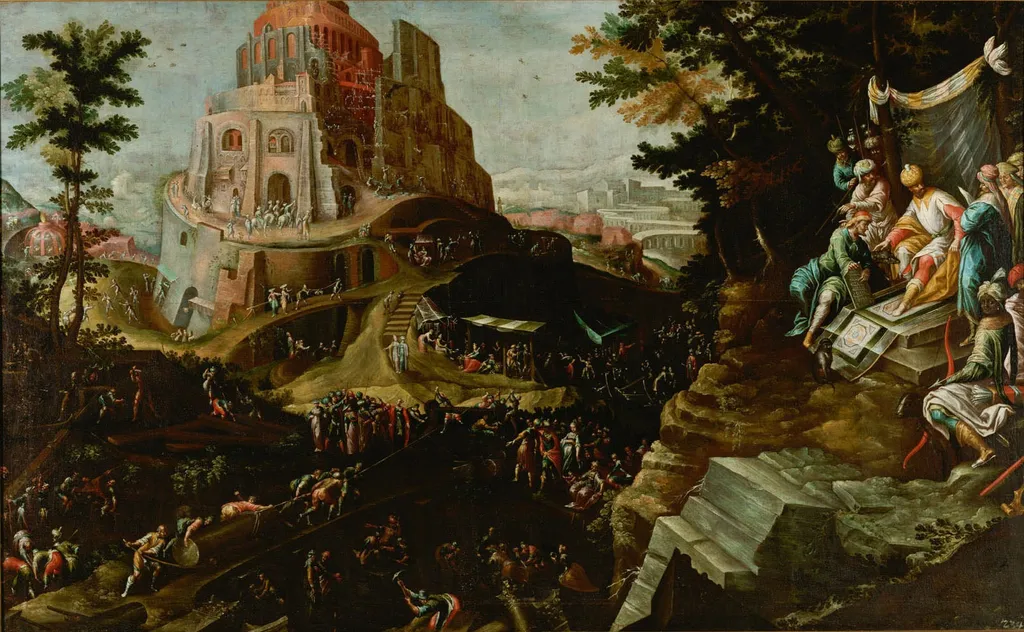
The Construction of the Tower of Babel is an oil painting by the Early Baroque Italian artist Frederik van Valckenborch. It dates from 1600 and is held in the collection of the Kunsthistorisches Museum.
About this work
Subject & Meaning
The painting’s composition underscores the narrative’s warning against defiance of God, aligning with contemporary religious interpretations of the story.
The work depicts the biblical Tower of Babel as described in Genesis, symbolizing human hubris and divine retribution. Van Valckenborch renders the tower’s spiraling architecture and scattered figures to convey the chaos that follows overreaching ambition, a theme resonant with early‑17th‑century moralizing art. The painting’s composition underscores the narrative’s warning against defiance of God, aligning with contemporary religious interpretations of the story.
Technique & Style
The Construction of the Tower of Babel is an oil painting executed on canvas. The work measures 182 cm in height and 292 cm in width, reflecting its large-scale composition characteristic of early 17th-century religious art. Frederik van Valckenborch employed oil paint to render intricate architectural details, creating a dramatic depiction of the biblical narrative. The formal style combines meticulous perspective with expressive brushwork, emphasizing monumental scale and divine chaos.
History & Provenance
The Construction of the Tower of Babel is held in the collection of the Kunsthistorisches Museum. The work, executed in oil on canvas around 1600, depicts the biblical Tower of Babel. While the painting's current location is established as this Viennese institution, the provided records do not list a specific inventory number or detail any past exhibitions.
Context
The work is regarded as a religious painting depicting the Tower of Babel, reflecting early 17th-century interpretations of the biblical narrative. Scholars examine its composition and theological implications within the broader context of Flemish religious art and the oeuvre of Frederik van Valckenborch, situating it among contemporary Counter-Reformation visual strategies. It is housed in the Kunsthistorisches Museum, where it remains part of their collection of religious paintings from the period.
The attribution to van Valckenborch and its dated execution in 1600 align with documented activity in Antwerp during the late 16th and early 17th centuries, contributing to understandings of artistic responses to biblical themes in the era.
Overview
The Construction of the Tower of Babel is a 1600 oil painting by Flemish artist Frederik van Valckenborch, associated with the early Baroque Italian movement. The work depicts the biblical narrative of the Tower of Babel’s construction.
Legacy
The Construction of the Tower of Babel contributes to the broader legacy of biblical themes in Baroque art, showcasing Van Valckenborch’s contribution to the period’s visual storytelling through his unique stylistic blend.
Artist & collection
Artist
Frederik van Valckenborch (1566 in Antwerp – 1623 in Nuremberg) was a Flemish painter and draughtsman known for his imaginary landscapes with figures executed in a late Mannerist style.


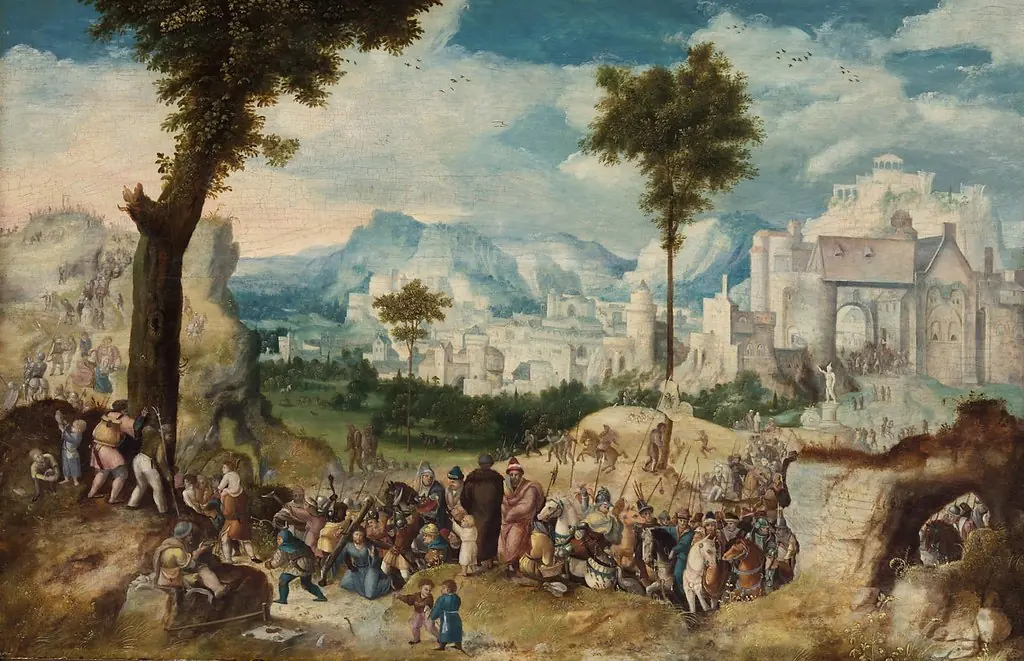 Kreuztragung Christi
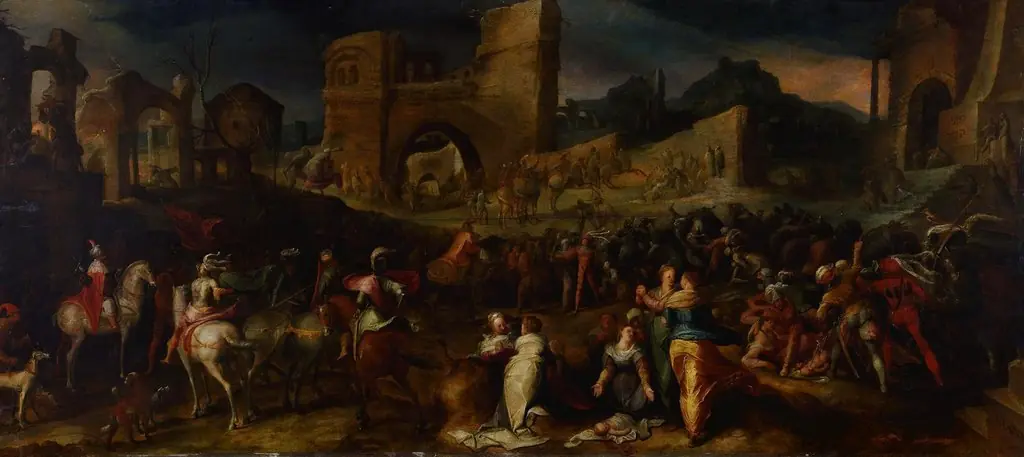 The Massacre of the Innocents
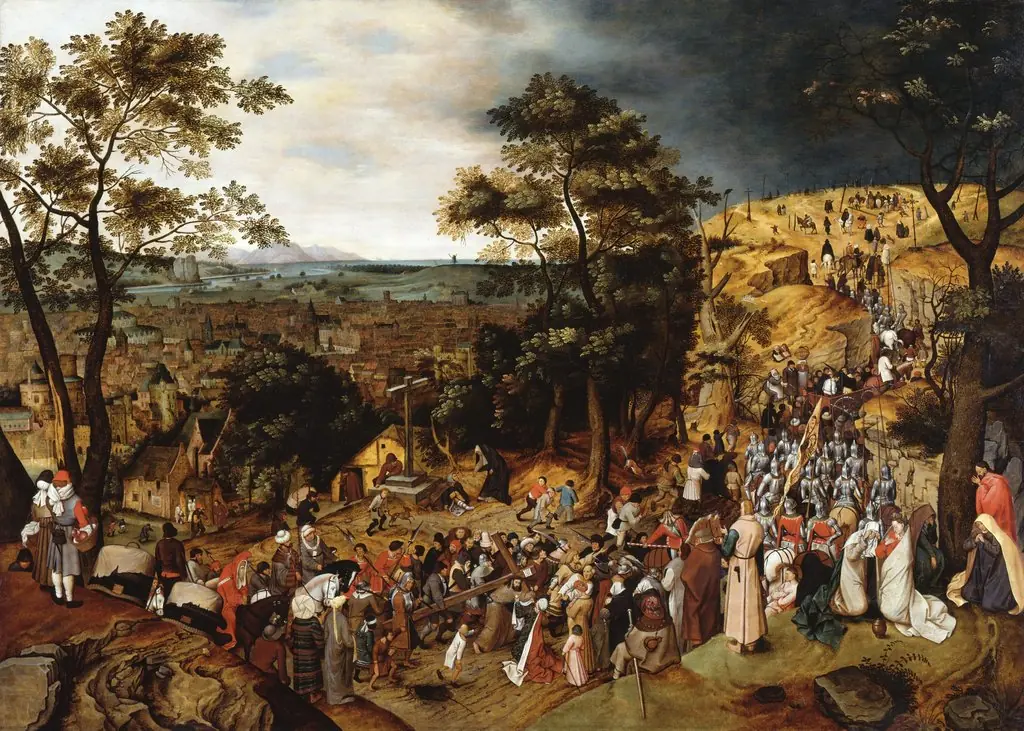 The Way to Calvary
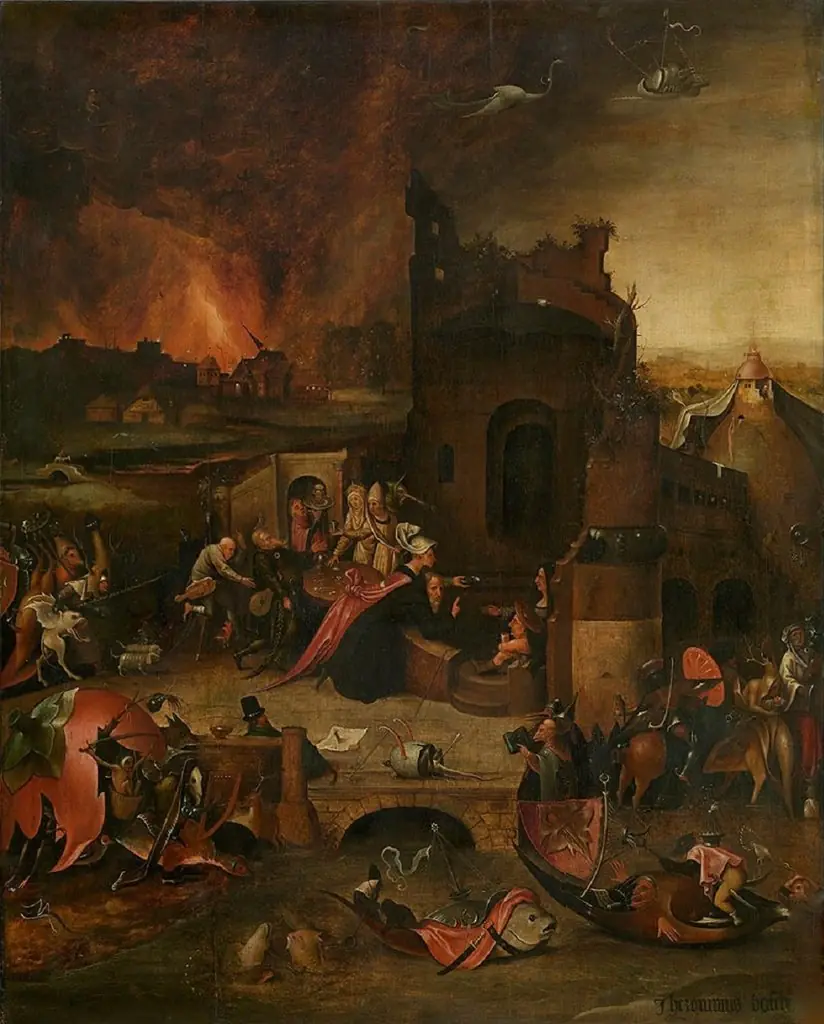 The Temptation of Antony Abbot of Egypt
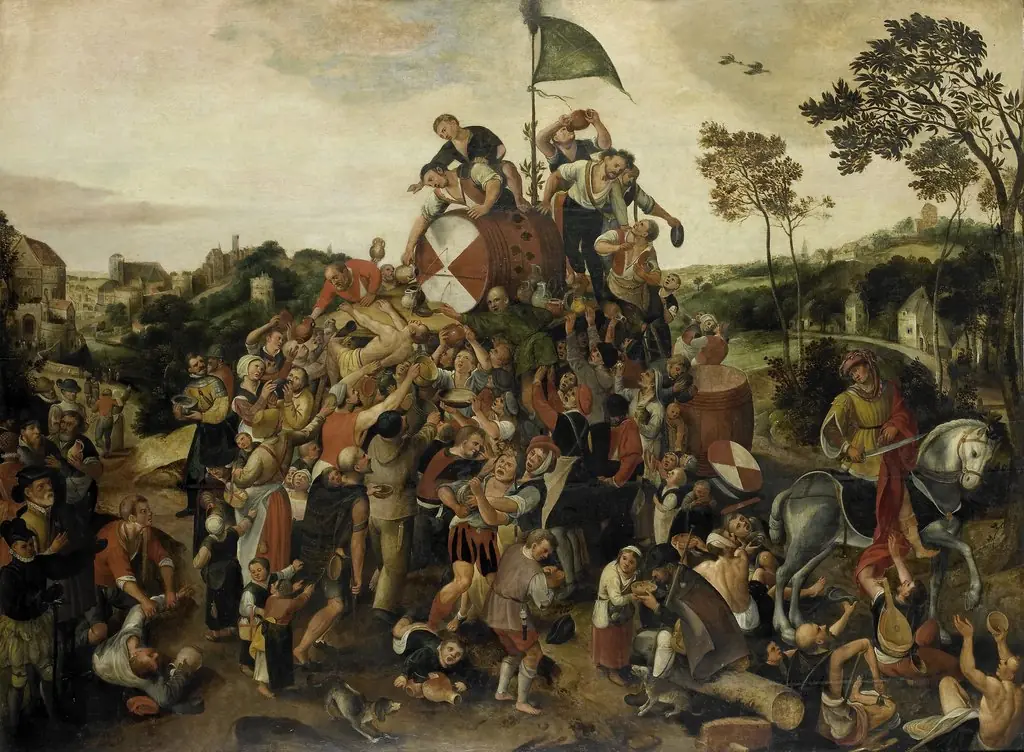 The St Martin's Day Kermis
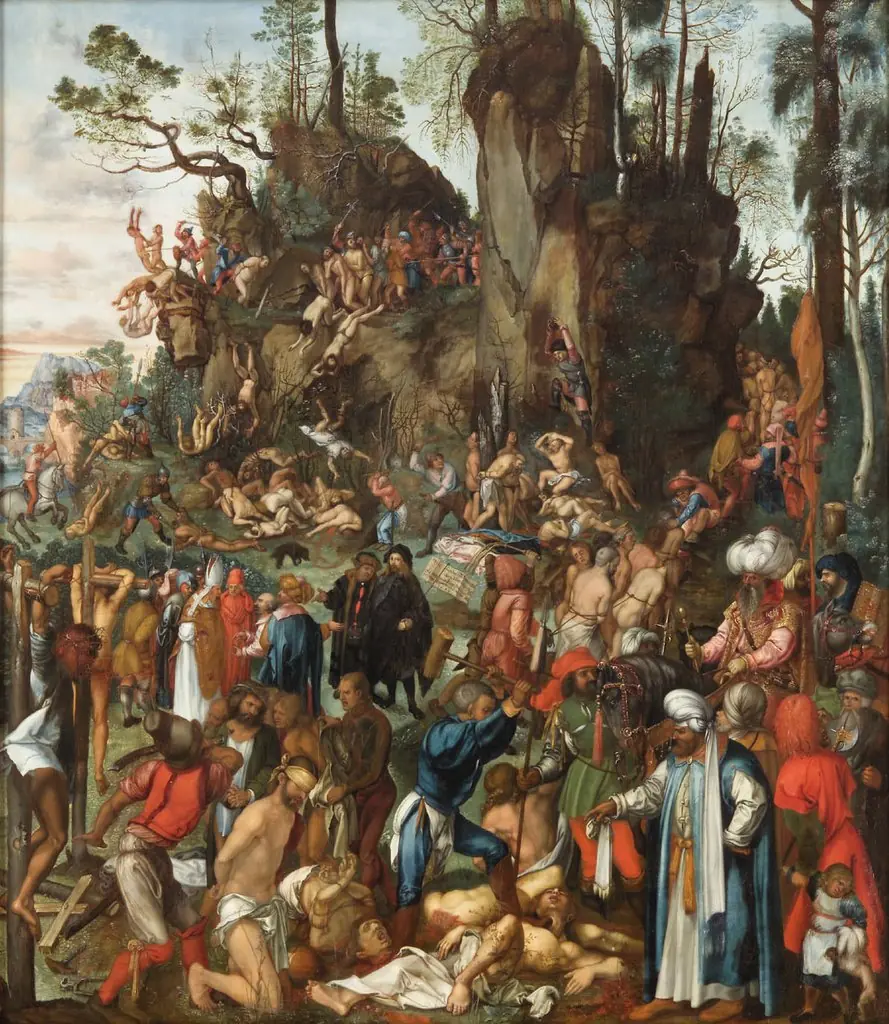 Marter der Zehntausend Christen
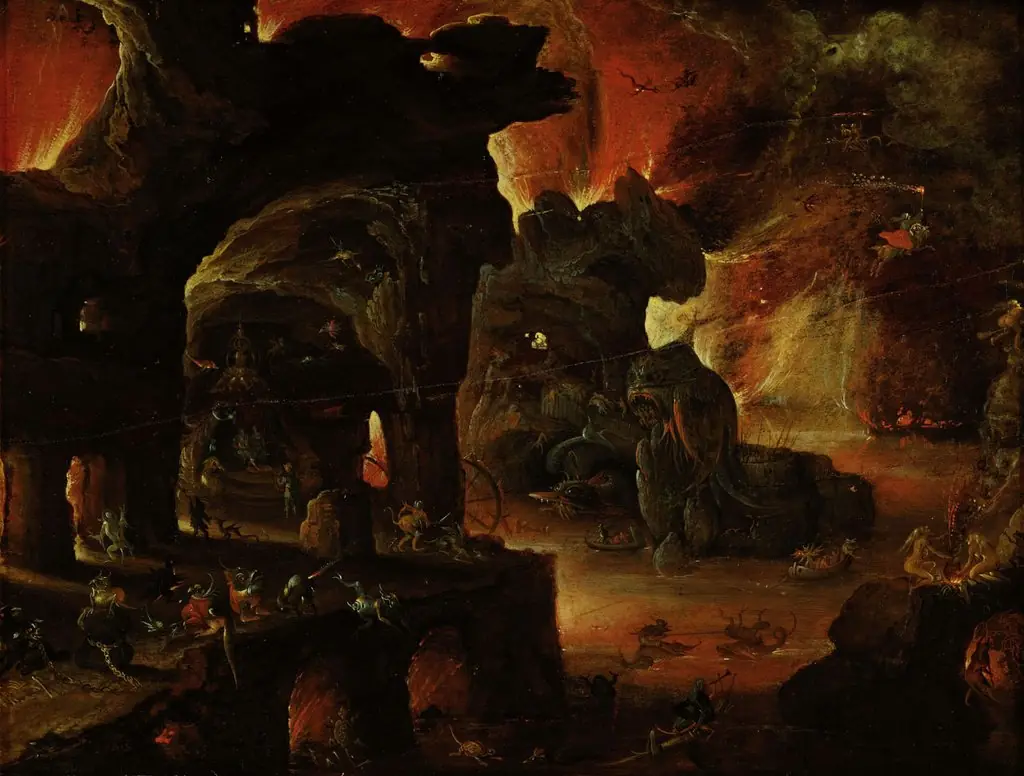 Orpheus in the Underworld
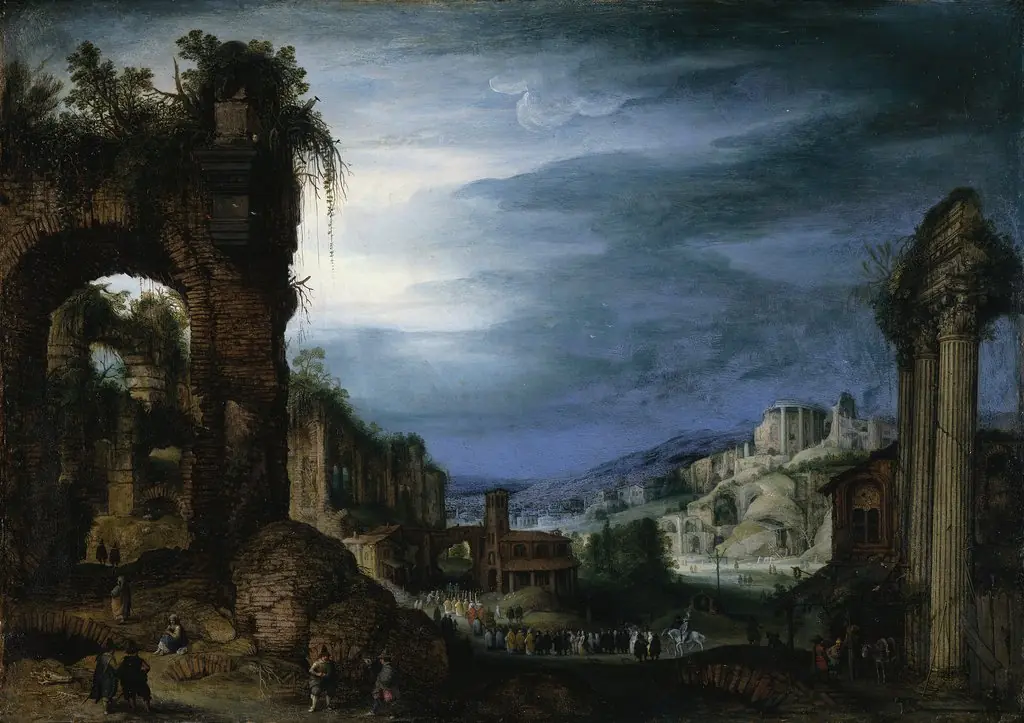 Landscape with Roman Ruins and a Procession
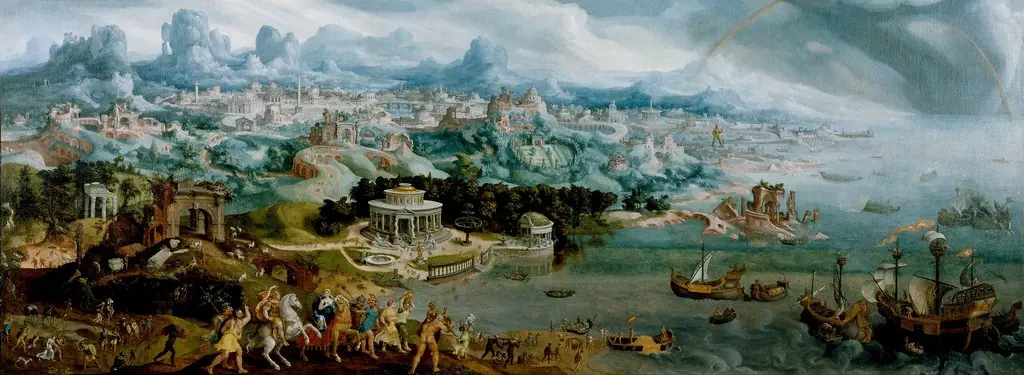 Panorama with the Abduction of Helen Amidst the Wonders of the Ancient World