Artwork
Orpheus in the Underworld
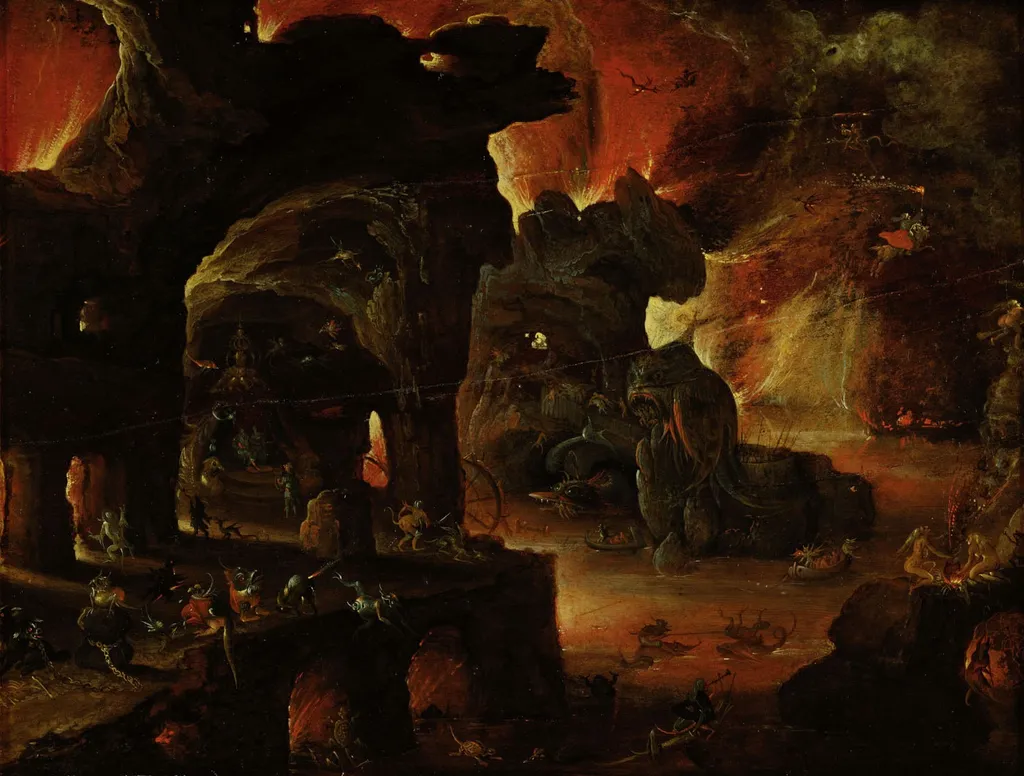
Orpheus in the Underworld is an unspecified painting by the Early Baroque Italian artist Roelant Savery. It dates from 1610 and is held in the collection of the Kunsthistorisches Museum.
About this work
Subject & Meaning
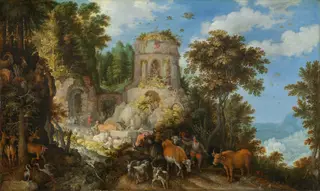
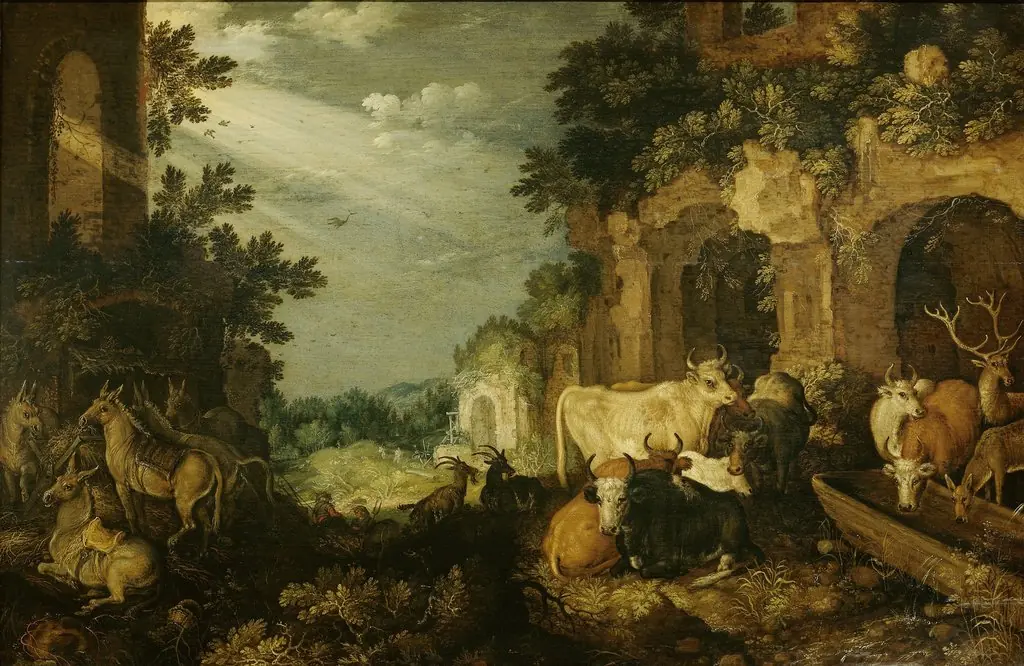
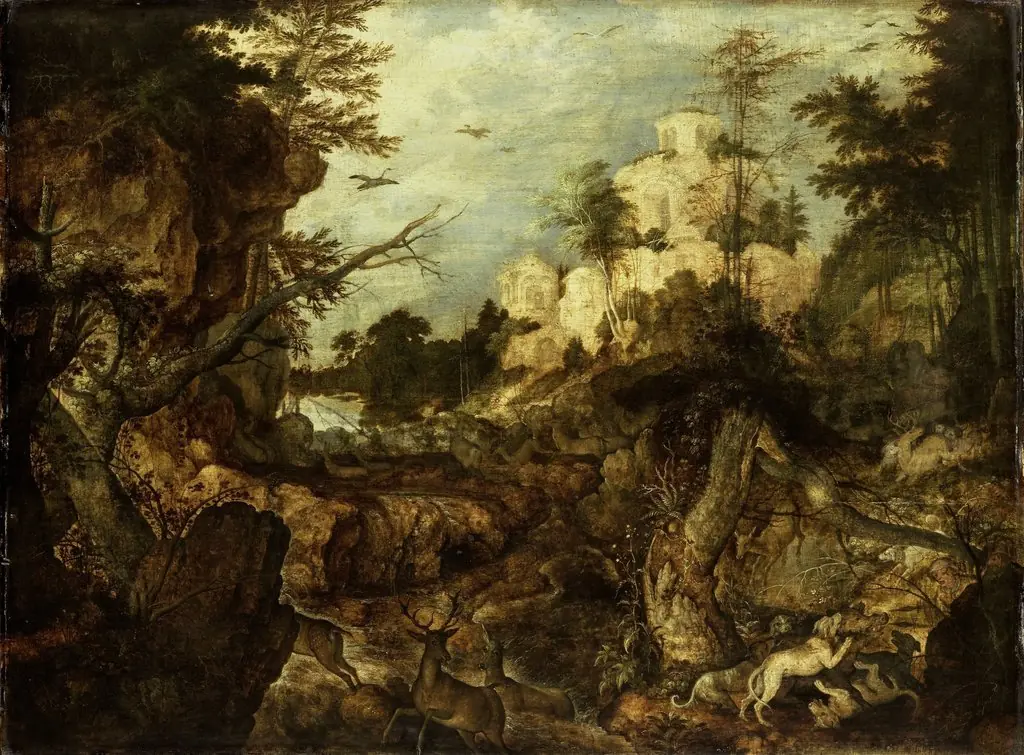
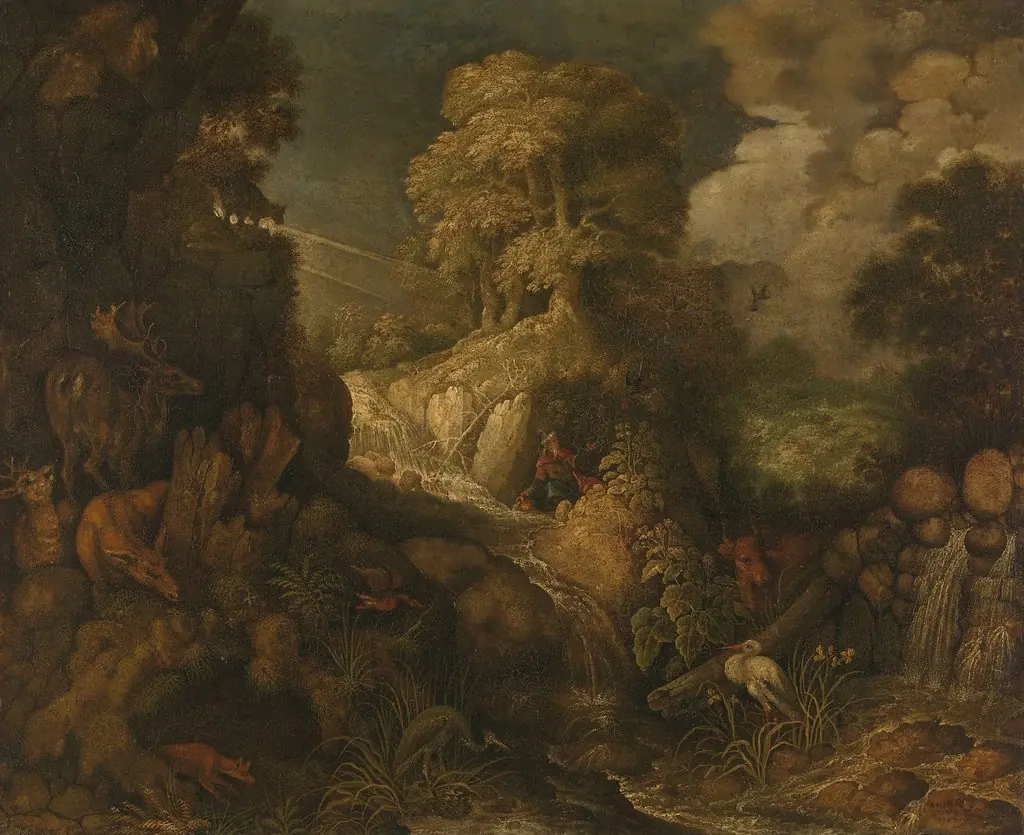
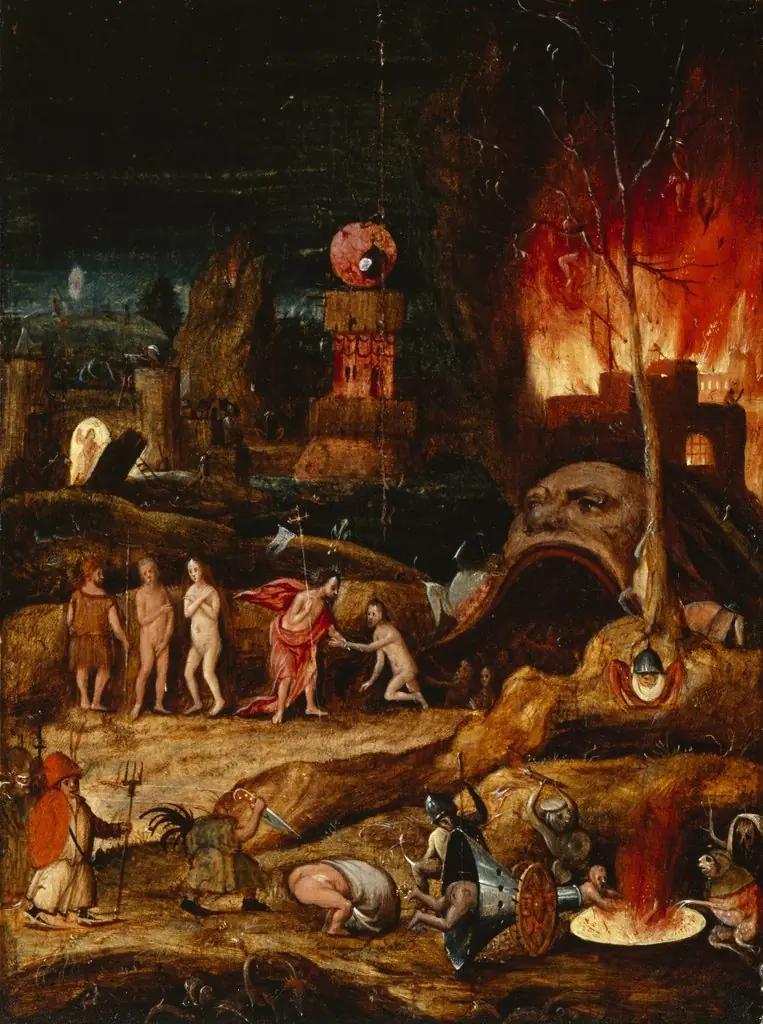
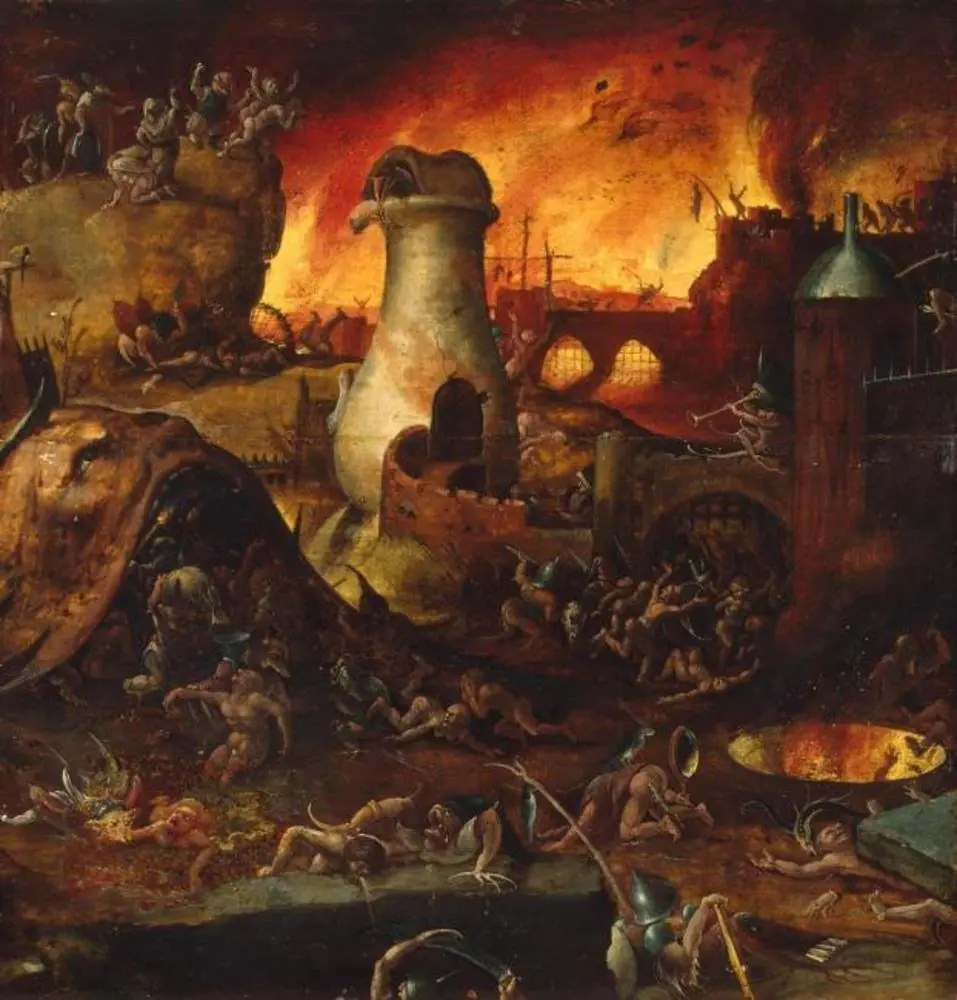
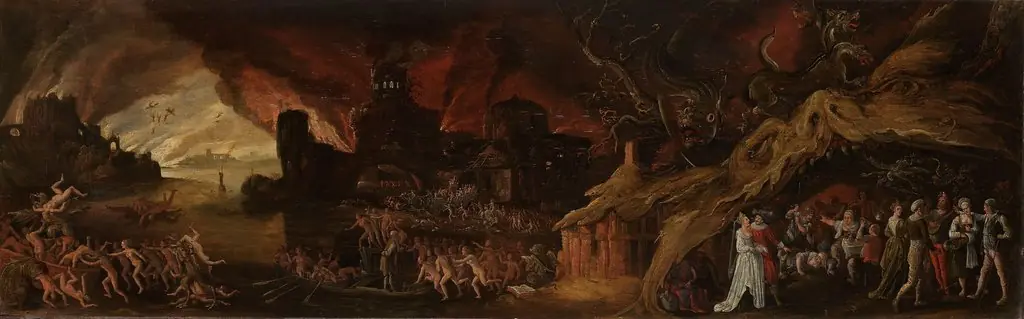
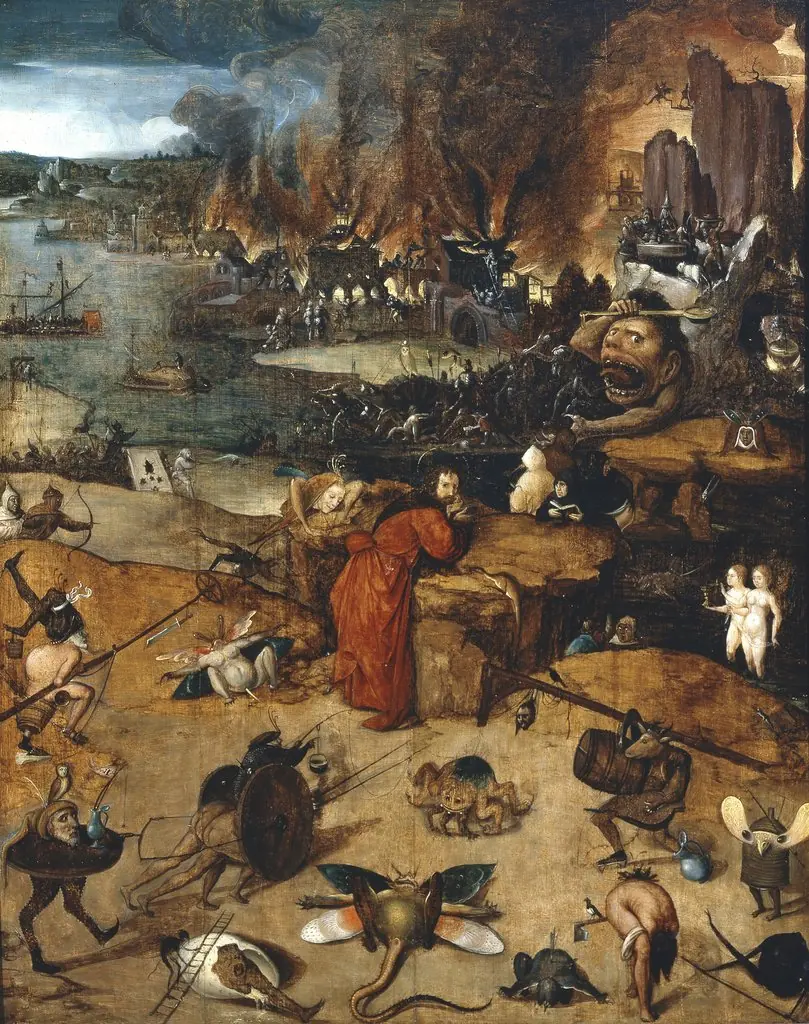
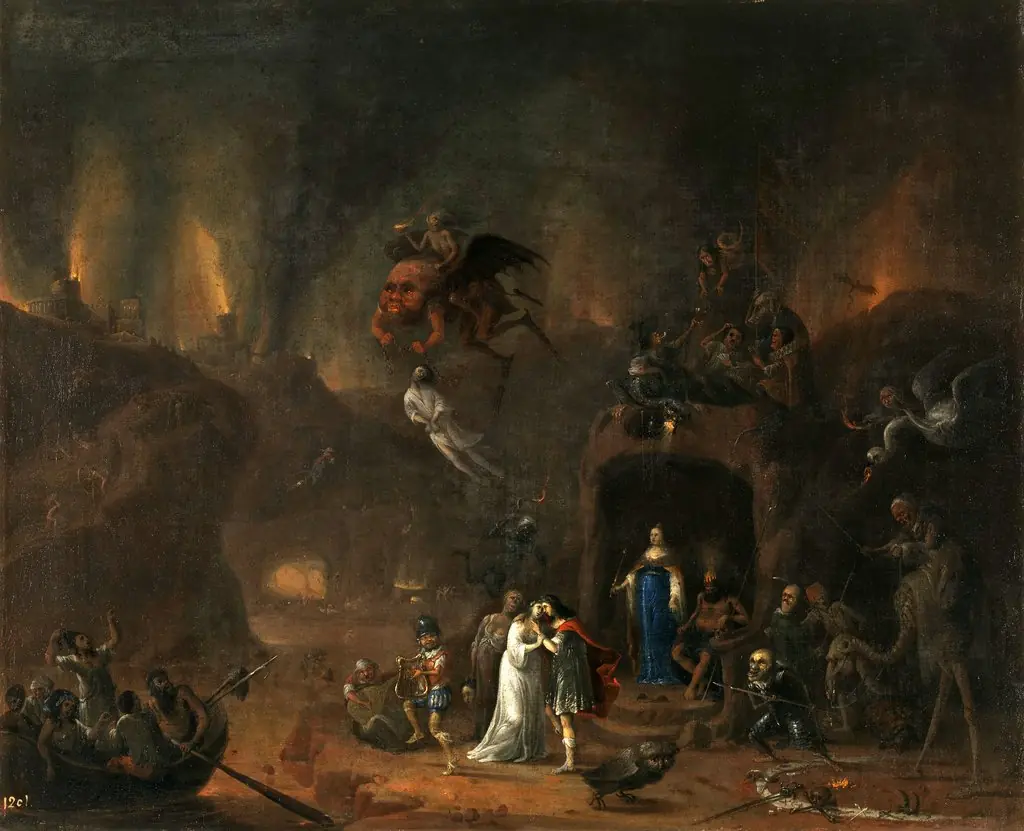
Orpheus in the Underworld is a mythological painting by Roelant Savery, depicting the legendary musician Orpheus as he enchants the creatures of the underworld.
Orpheus in the Underworld is a mythological painting by Roelant Savery, depicting the legendary musician Orpheus as he enchants the creatures of the underworld. The work draws on classical mythology to illustrate themes of love, loss, and the power of art to transcend death, with Orpheus positioned centrally amid a host of fantastical beings. Its symbolic resonance lies in the juxtaposition of life and death, as Orpheus attempts to retrieve his beloved Eurydice, embodying both hope and futility.
The painting is housed in the Kunsthistorisches Museum, where it remains part of the institution’s collection of early Baroque mythological works.
History & Provenance
The mythological painting Orpheus in the Underworld was created by the artist Roelant Savery. Historical records and collection data establish the work's inception in 1610. The piece is currently held in the collection of the Kunsthistorisches Museum, where it remains located.
No specific details regarding the original commission or a detailed chain of ownership prior to its current museum residence are provided in the available documentation.
Overview
Painted in 1610 by Roelant Savery, a Flemish artist working within the Dutch Golden Age, Orpheus in the Underworld exemplifies early Baroque tendencies in Italy. The composition centers on a mythological narrative, rendered through dramatic contrasts of light and shadow. Preserved in Vienna’s Kunsthistorisches Museum, the work occupies a distinct place in Savery’s oeuvre, merging allegorical storytelling with naturalistic detail.
Technique & Style
Savery employs a restrained palette dominated by earthen tones and inky blacks, punctuated by flecks of crimson that heighten the scene’s eerie luminosity. Brushwork ranges from finely delineated fauna to loosely sketched, almost vaporous figures, creating a tension between precision and suggestion. The play of light across rocky surfaces and draped forms reflects Baroque sensibilities, where theatricality and naturalism converge.
Context
The painting emerges from a period fascinated by classical antiquity and its allegorical potential. Orpheus’s descent into Hades resonated with Baroque audiences, symbolizing the transformative power of art amid religious and political upheaval. Savery’s treatment of the myth, infused with naturalistic observation, reflects both humanist learning and the era’s appetite for evocative, morally charged imagery.
Legacy
While not among Savery’s most frequently reproduced works, Orpheus in the Underworld contributes to the broader dialogue on Baroque mythological painting. Its depiction of animals as silent witnesses to human drama anticipates later artistic explorations of nature’s symbolic role. The painting’s presence in a major museum ensures its continued study as an example of early 17th-century narrative art.
Artist & collection
Artist
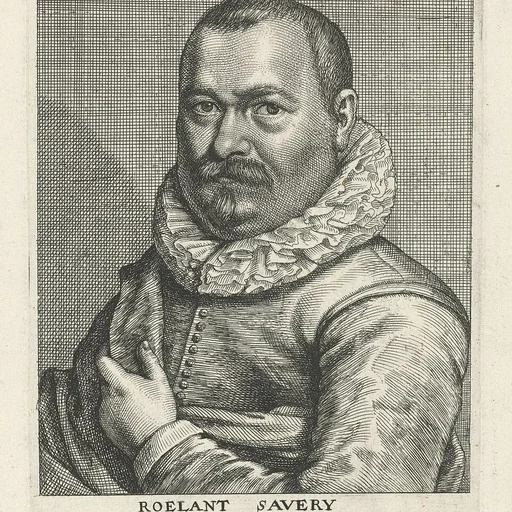
Roelant Savery (or Roeland(t) Maertensz Saverij, or de Savery, or many variants; 1576 – buried 25 February 1639) was a Flanders-born Dutch Golden Age painter.