Artwork
Self-Portrait
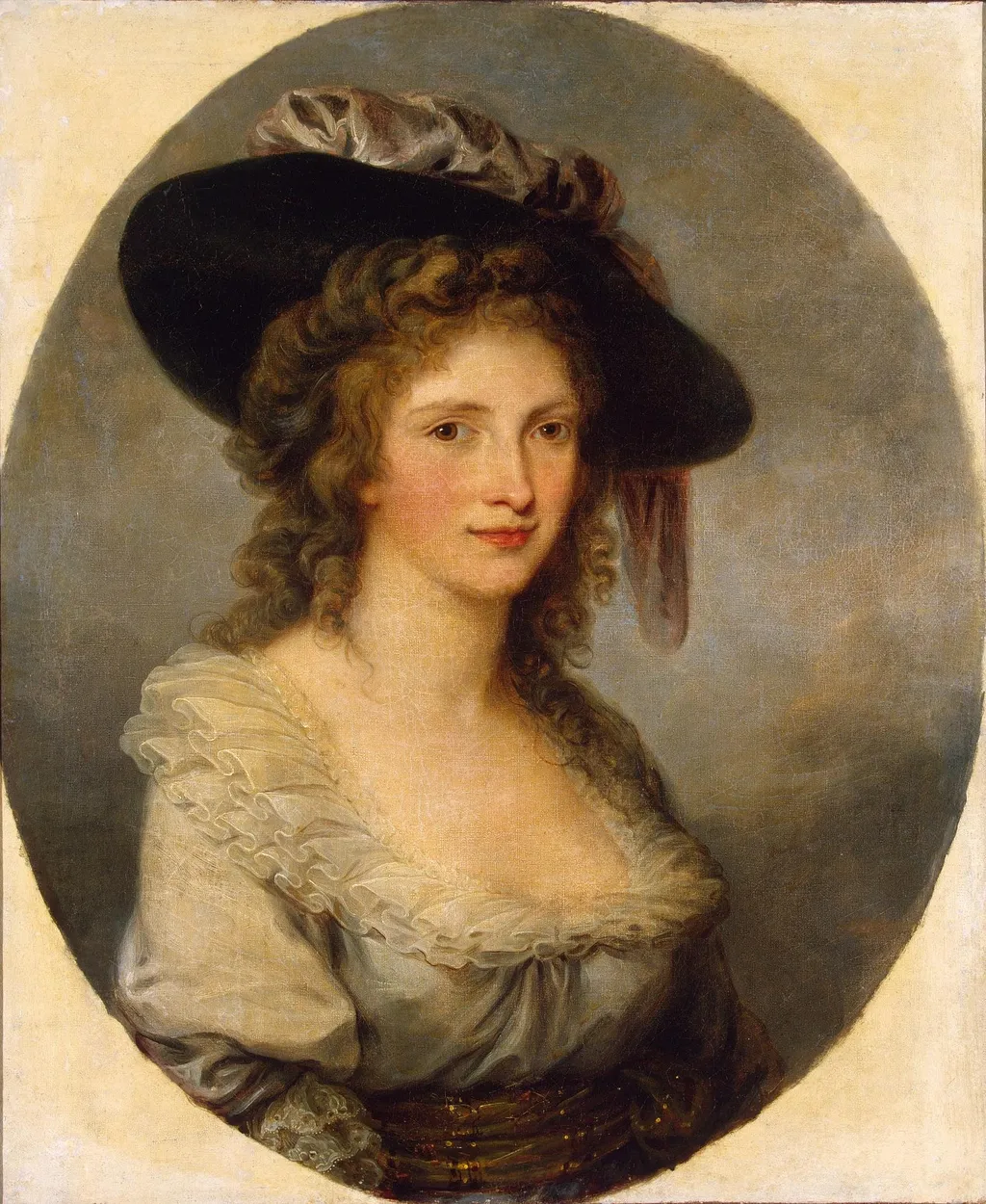
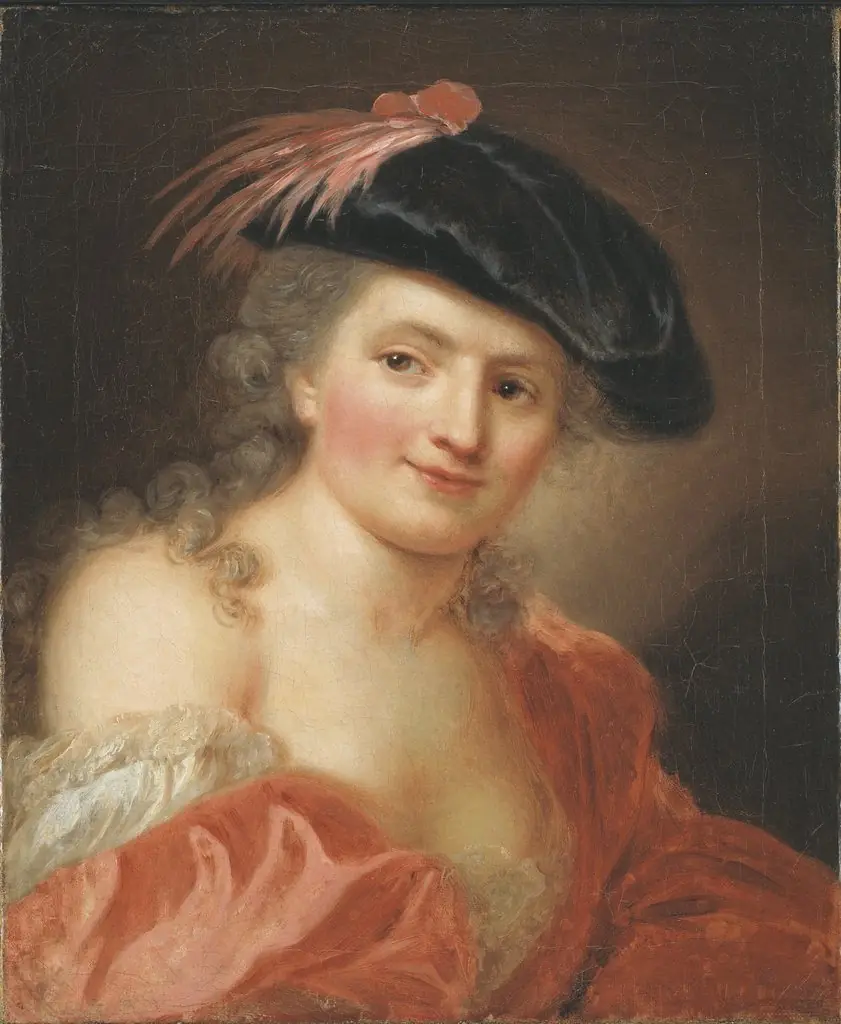
Self-Portrait is an oil painting by the Rococo painting artist Angelica Kauffmann. It dates from 1790 and is held in the collection of the Hermitage Museum.
About this work
Overview
The work is an oval-framed half-length depiction of the artist, who turns her gaze toward the viewer while wearing a wide-brimmed black hat and a pale gown.
Self-Portrait is a 1780 oil on canvas painting by the Swiss Neoclassical artist Angelica Kauffmann, measuring 76.5 by 63 centimeters. The work is an oval-framed half-length depiction of the artist, who turns her gaze toward the viewer while wearing a wide-brimmed black hat and a pale gown. Created in Germany, the painting is held in the Hermitage Museum. As one of the few female artists to achieve international acclaim in the 18th century, Kauffmann used self-portraiture to assert her professional identity and navigate the male-dominated art world, making this work a significant statement of her status and self-image.
Subject & Meaning
The painting depicts Kauffmann facing slightly to the right while making direct eye contact with the viewer. She wears a large black hat adorned with a voluminous, loosely tied bow in muted mauve and gray tones, with a trailing ribbon hanging at the right side. Her light brown hair is elaborately curled and arranged in loose waves. She is dressed in a pale, off-white or cream-colored gown with a wide, ruffled neckline edged with fine lace, fitted at the bodice and cinched with a darker sash at the waist. The costume, particularly the imaginary Renaissance-style garment and the inclusion of professional tools like a portfolio and porte-crayon in related self-portraits, emphasizes her principal identity as a working artist rather than a conventional society woman. In other self-portraits, she incorporated symbolic elements such as a cameo depicting the mythological contest between Minerva and Neptune, reflecting female creativity's triumph in a male-dominated profession and underlining her ambition and self-awareness.
Technique & Style
Executed in oil paint on canvas, the work is characterized by a restrained palette dominated by soft whites, creams, grays, and blacks, complemented by warm flesh tones and muted rose touches on the cheeks and lips. Light falls evenly across the figure from the left, modeling the face and the textures of the silk-like fabric and hair with gentle shadows. Kauffmann's brushwork is smooth and blended in the skin, creating a polished and refined finish, while the costume and background exhibit a more visible, loose handling. The background within the oval is a plain, neutral gray-brown tone, darker at the edges and lighter near the figure to create a subtle atmospheric effect. The outer edges of the canvas surrounding the painted oval are left in a light, unpainted or barely tinted ground. This refined execution aligns with the Neoclassical style for which she was renowned, demonstrating her mastery of composition and skillful use of color.
History & Provenance
The painting was created in Germany in 1780. The specific commission or early ownership chain for this exact work is not detailed in the sources, though Kauffmann's career involved considerable patronage from figures like King George III and interactions with influential circles in London and Rome. The work is now part of the collection of the Hermitage Museum. Kauffmann's broader self-portrait commissions included a prestigious 1787 request from the Uffizi Gallery for its Vasari Corridor collection, for which she received a gold medal from Grand Duke Pietro Leopoldo, highlighting the official recognition her self-portraiture commanded during her lifetime.
Context
Angelica Kauffmann was a pioneering Swiss Neoclassical painter born in Chur, Switzerland, in 1741. A child prodigy trained by her father, Johann Josef Kauffmann, she gained international recognition for her history paintings, portraits, and decorative work. In 1768, she became one of only two female founding members of the Royal Academy of Arts in London, alongside Mary Moser. Despite this achievement, she and Moser were excluded from life drawing classes because women were not permitted to draw nude models, a restriction that led Kauffmann to develop her own brand of narrative painting focusing on female subjects from history and mythology. Through self-portraiture, Kauffmann navigated the gender barriers of her era, often depicting herself with the tools of her trade to assert her professional status, and sometimes portraying herself as a muse or allegorical figure to underline her capability as a history painter in a field where women were often relegated to the role of artistic inspiration rather than creation.
Legacy
Kauffmann's self-portraits have had a lasting impact on the representation of women in art history. By consistently depicting herself with the implements of her profession and inserting herself into the lineage of working artists, she made the profound early statement that women are the makers of art, not merely models for inspiration. Her allegorical and professional self-depictions prefigured modern explorations of selfhood and psychological tension through art, looking forward to themes that would become central leitmotifs in 20th century art. Her legacy as a pioneering female artist endures through her contributions to history painting and portraiture, and her works continue to be recognized for how they overcame the gender constraints of the 18th century art world.
Own this work as a print
Artist & collection

Artist
Maria Anna Angelika Kauffmann, usually known in English as Angelica Kauffman, was a Swiss painter who had a successful career in London and Rome.

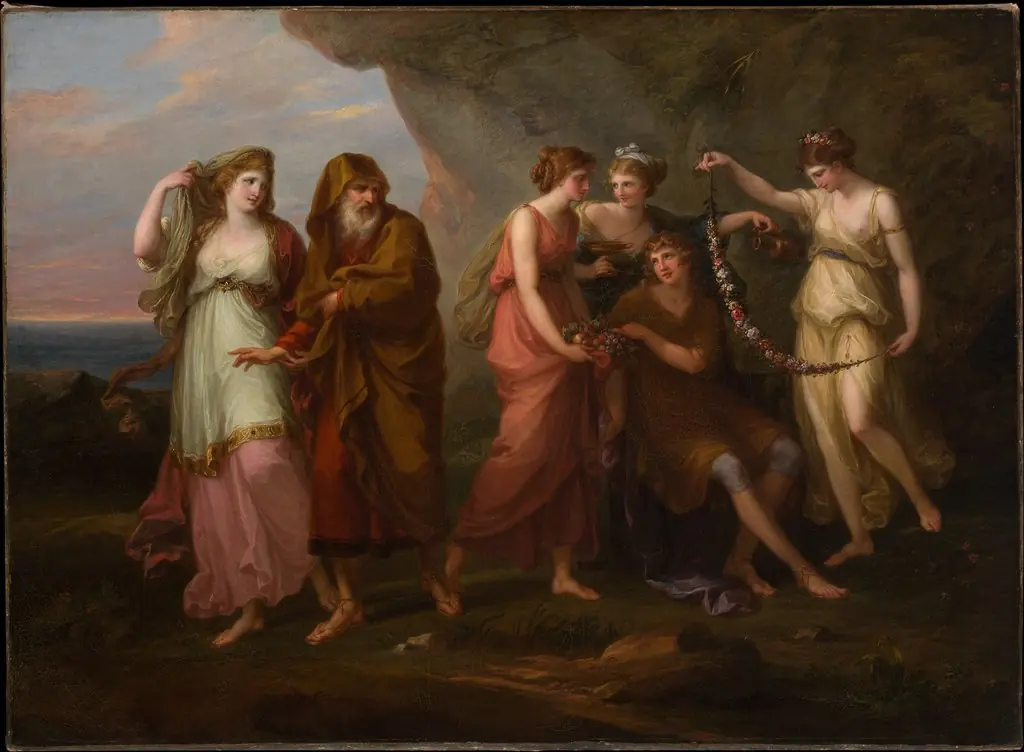 Telemachus and the Nymphs of Calypso
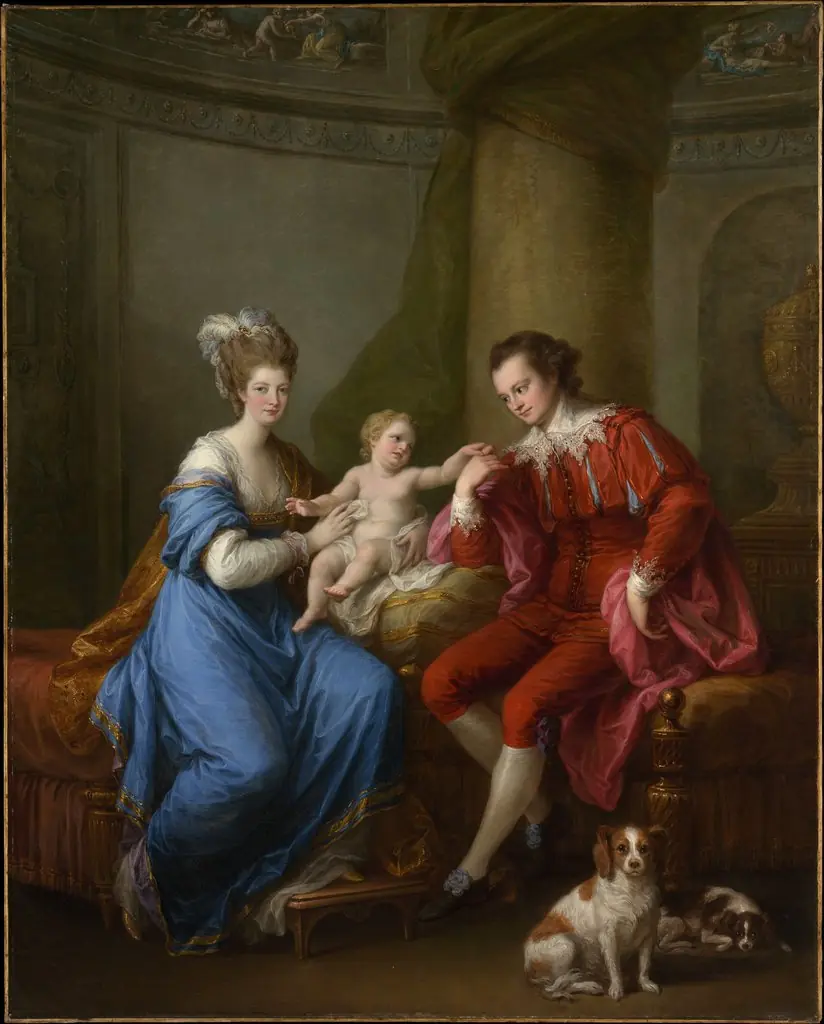 Edward Smith Stanley (1752–1834), Twelfth Earl of Derby, with His First Wife (Lady Elizabeth Hamilton, 1753–1797) and Their Son (Edward Smith Stanley, 1775–1851)
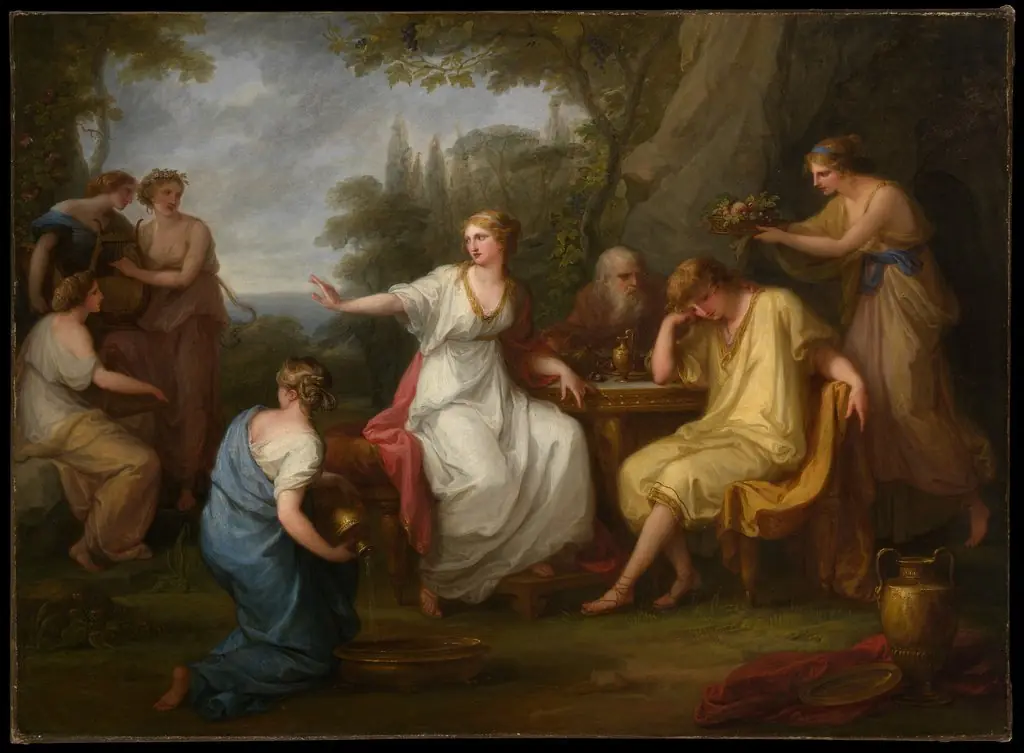 The Sorrow of Telemachus
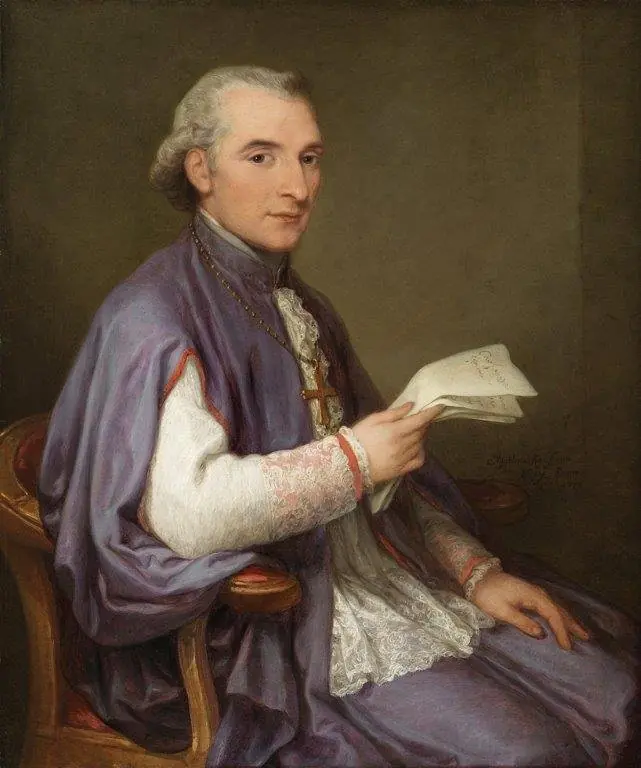 Monsignor Giuseppe Spina (1756–1828)
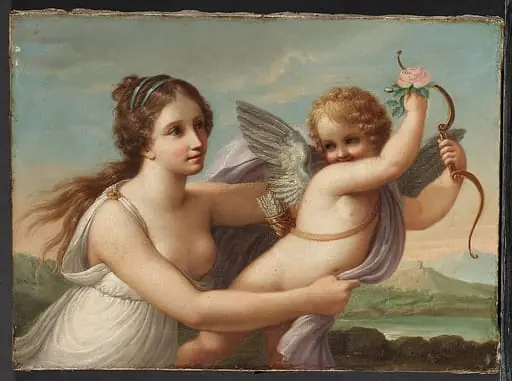 The Victory of Eros
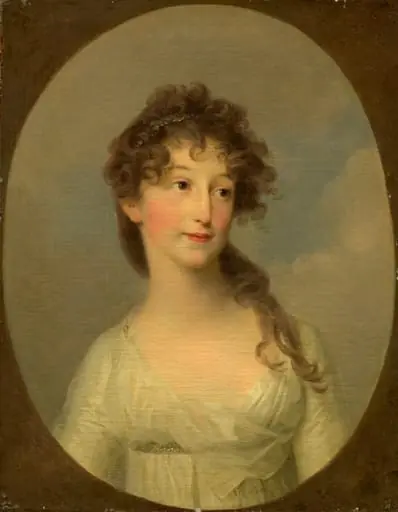 Possibly Franciska Krasinska, Duchess of Courland
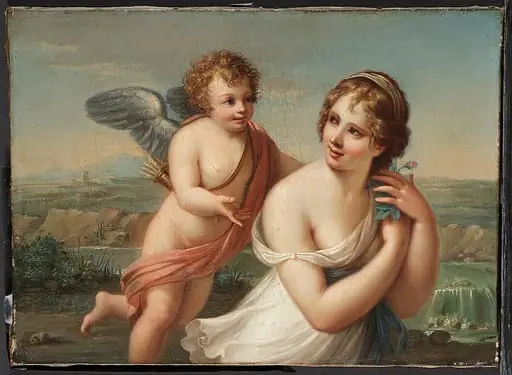 The Temptation of Eros
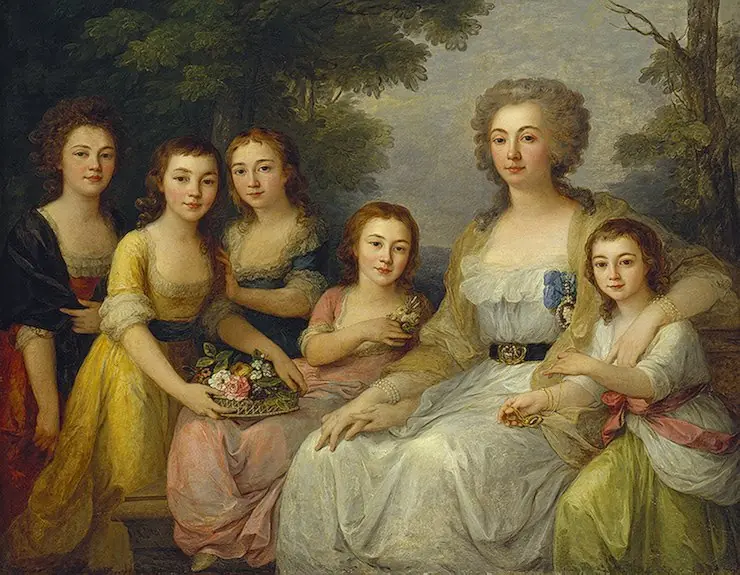 Portrait of Countess A.S. Protasova with her Nieces
- Portrait of Tekla Osławska
 Self Portrait
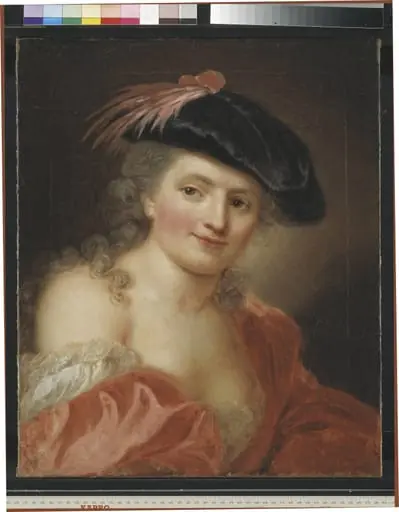 Self Portrait
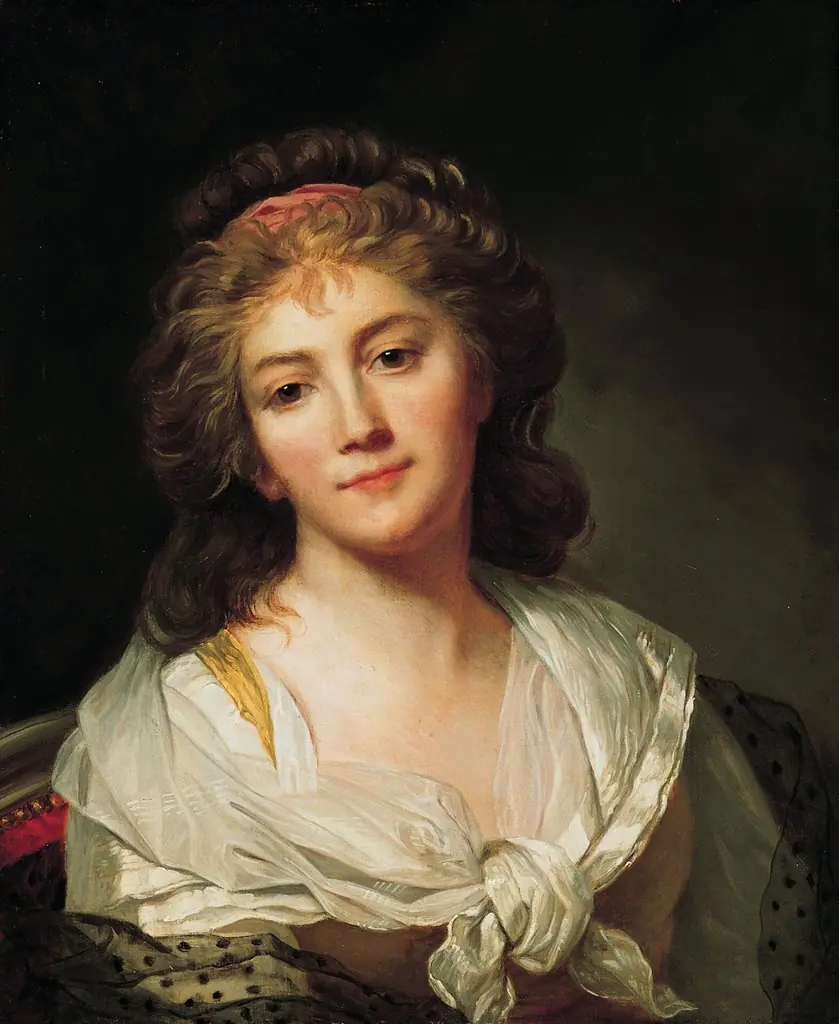 Self-portrait
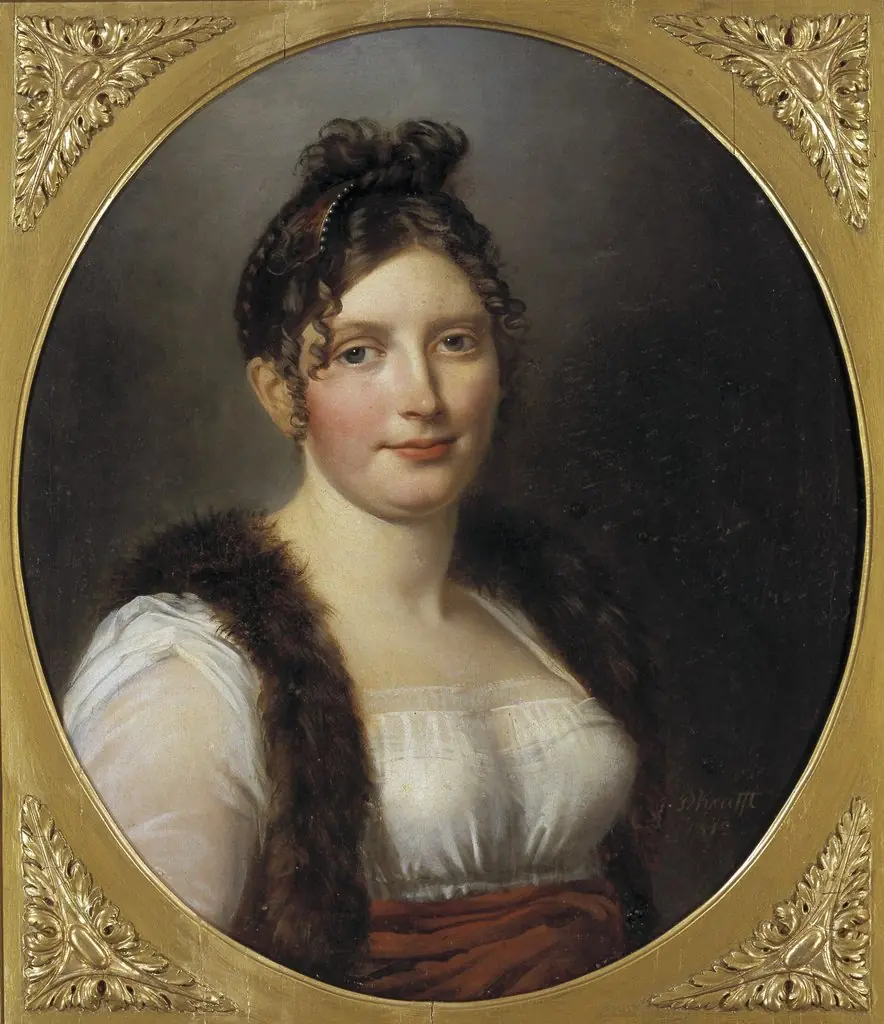 Catharina Charlotta Bågh (1777-1816), gift med friherre Pehr Erik Skjöldebrand
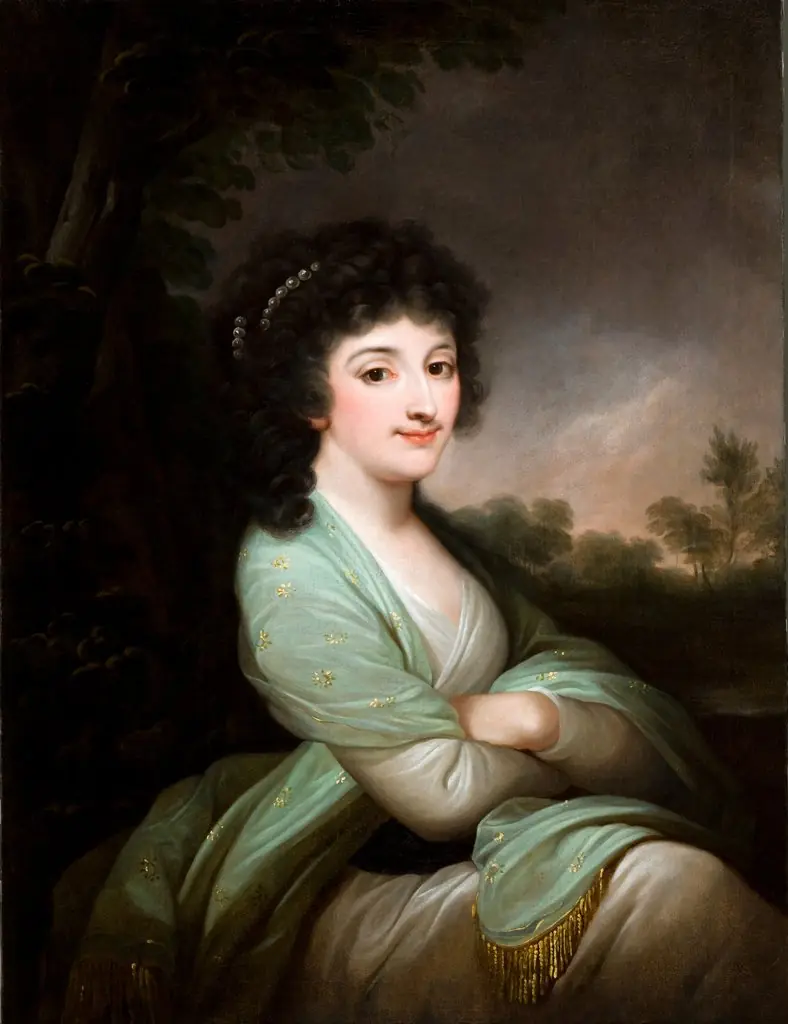 Portrait of Izabela Ogińska née Lasocka
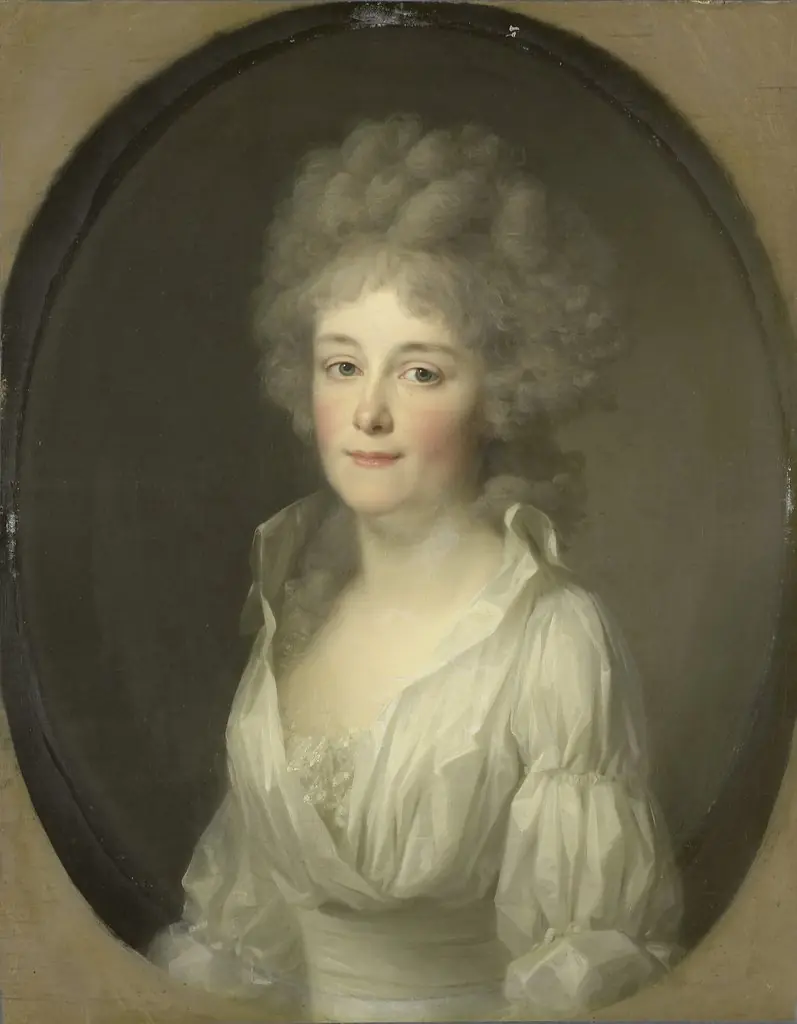 Portrait of Johanna Ferdinanda van Collen, Wife of Salomon Rendorp
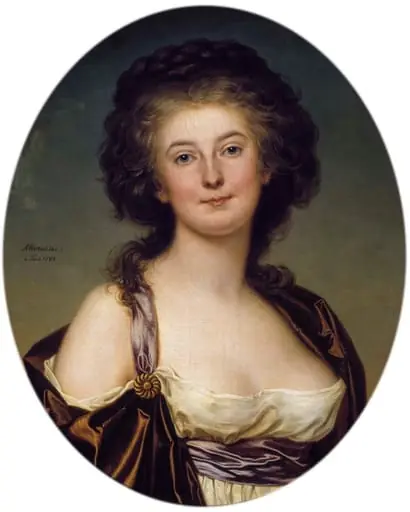 Laulajatar ja näyttelijätär Beata Charlotta Eckerman
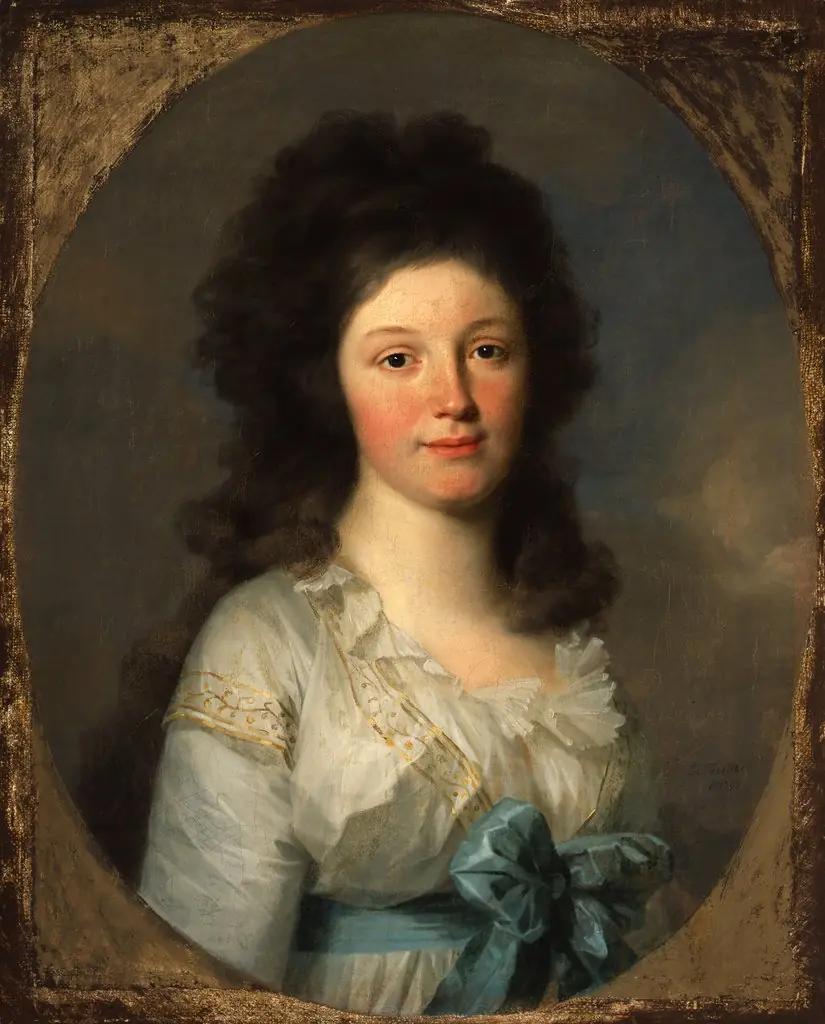 Gräfin Henriette von Egloffstein (1773-1864)
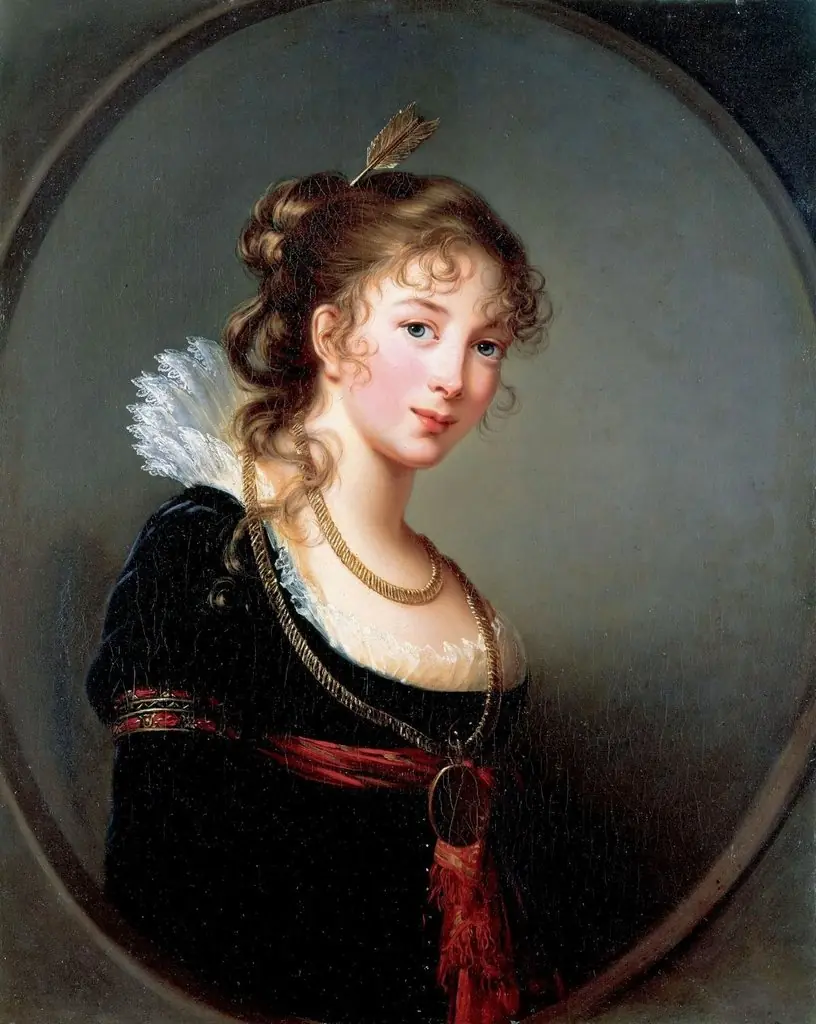 Porträt der Luise von Preußen (1770-1836), Ehefrau von Anton Radziwiłł (1775-1833)
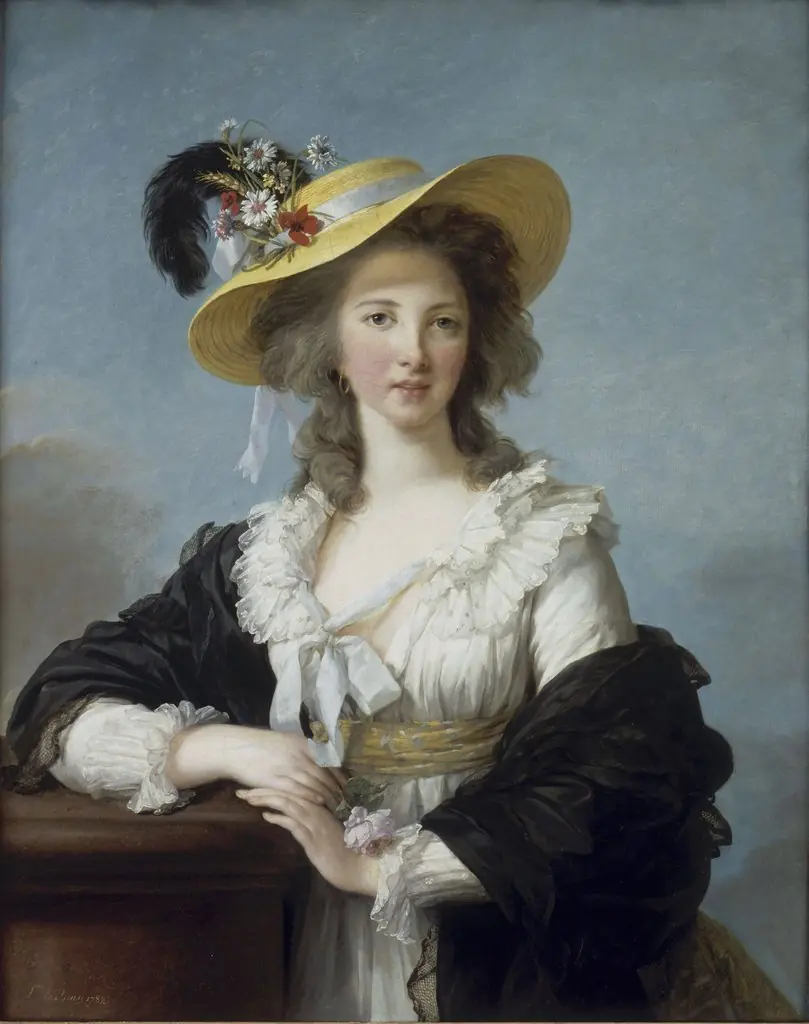 Yolande-Martine-Gabrielle de Polastron, Duchess de Polignac